14 Underrated Art Museums in Europe Overrun by “Ugly American” Crowds
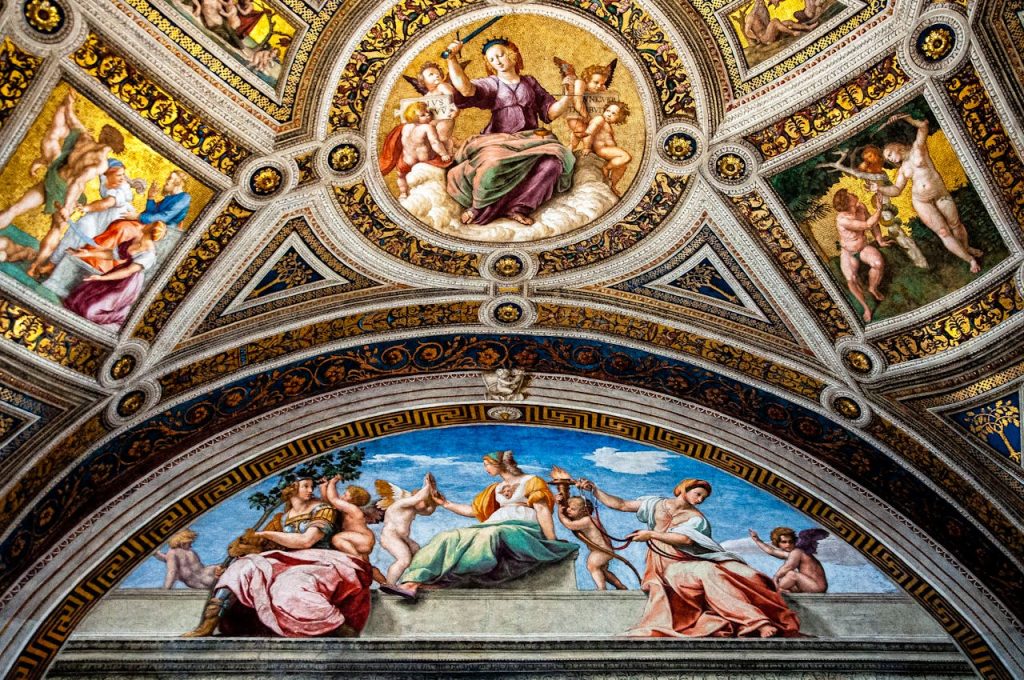
Lesser-known art museums across Europe once offered quiet spaces where collections could be viewed at a relaxed pace. Growing tourism, particularly from American travelers, has shifted that experience by increasing congestion and placing added pressure on historic buildings and sensitive artworks. Staff members work to maintain a balanced atmosphere while protecting fragile materials and architectural features. These museums continue presenting significant cultural collections while adapting to new demands linked to global travel trends.
Museu Nacional do Azulejo, Portugal
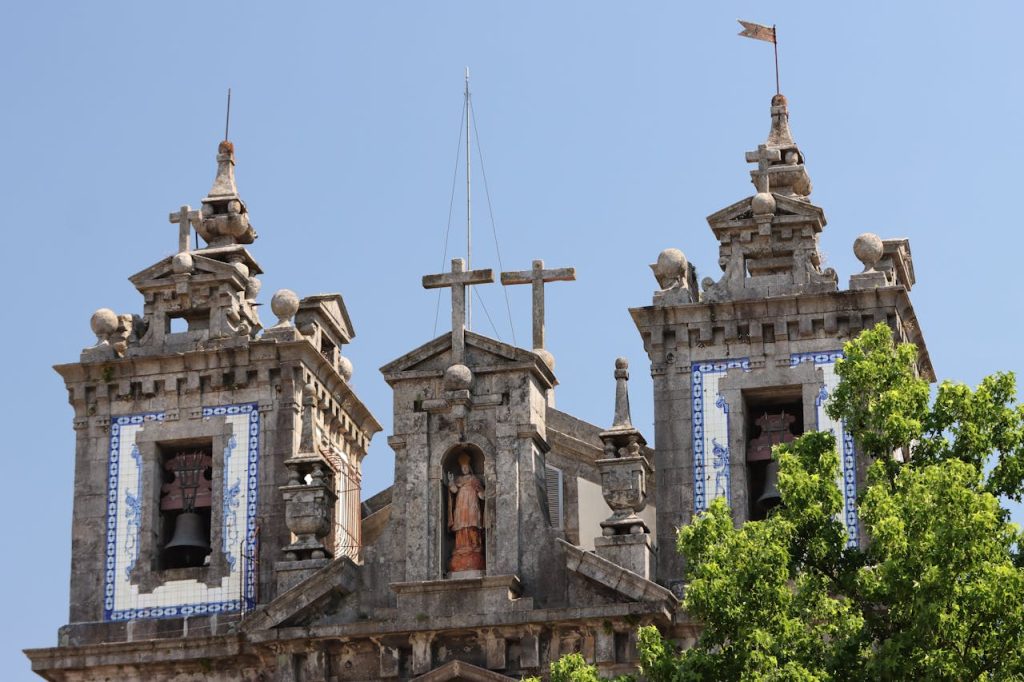
The Museu Nacional do Azulejo in Lisbon preserves centuries of Portuguese tilework inside a former convent with delicate interior features. Rising visitor numbers place pressure on narrow corridors and temperature-sensitive galleries where historic tiles require stable conditions. Most crowds gather near the panoramic blue-and-white mural, prompting controlled movement to protect surfaces. Conservation teams monitor humidity and structural stability closely. The museum focuses on safeguarding its ceramic archive while responding to increasing international interest.
Museo di Capodimonte, Italy
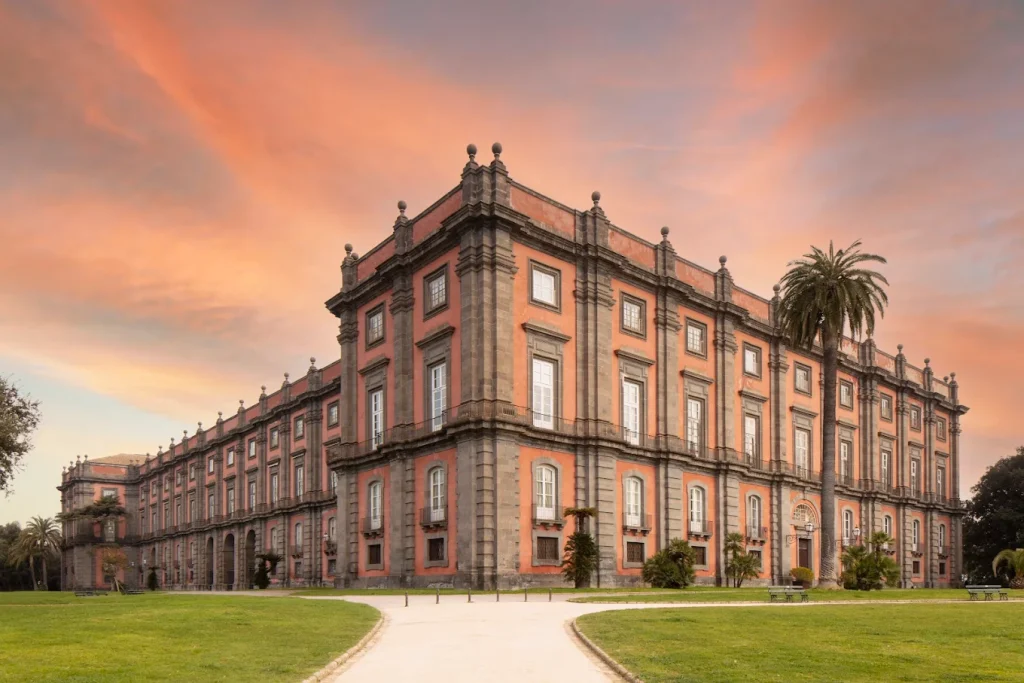
The Museo di Capodimonte in Naples occupies a large hilltop palace that houses Renaissance and Baroque artworks. Increased international tourism has contributed to congestion within upper galleries, where conservation teams monitor climate controls to protect paintings and tapestries. Crowding often forms near the Farnese collection, which contains several high-profile masterpieces. Staff members focus on regulating visitor flow and documenting environmental changes. The museum continues strengthening preservation strategies while expanding educational interpretation for guests.
Museum der Dinge, Germany
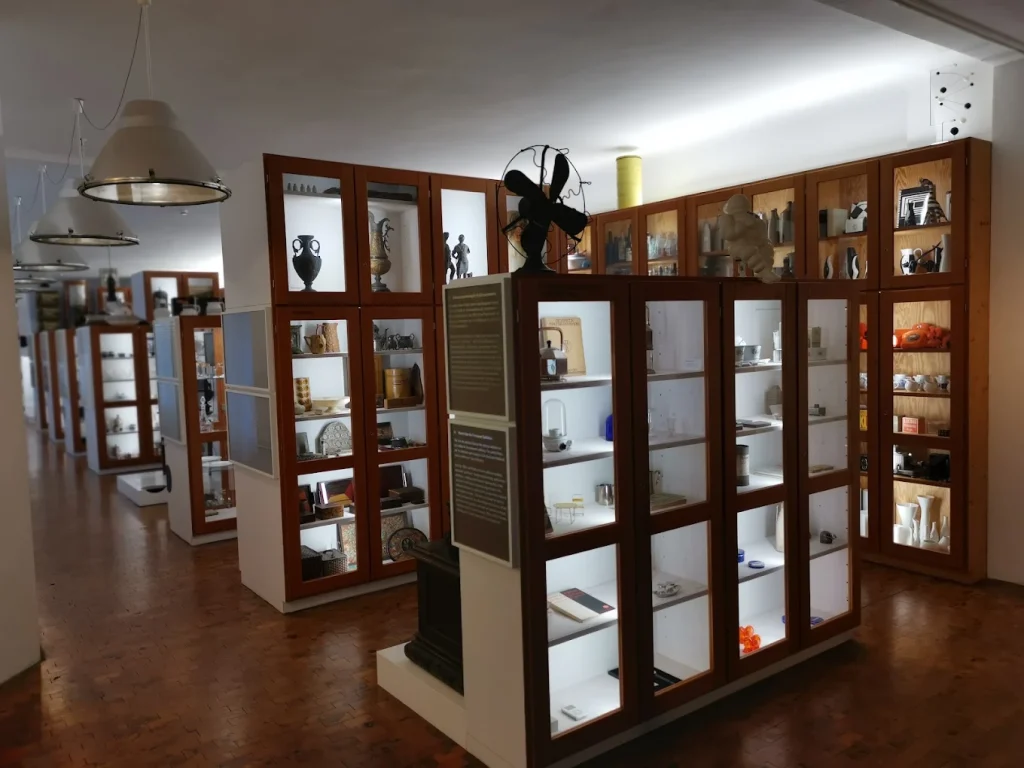
Museum der Dinge in Berlin showcases material culture through carefully arranged displays of everyday objects that document design history. Exhibition rooms were originally intended for modest attendance, creating challenges as tourism rises and larger groups arrive. Increased traffic affects fragile installations that require controlled lighting and reduced handling. Staff members rotate sensitive items more frequently to prevent degradation. Visitor management initiatives support better circulation while ensuring the museum maintains its distinctive thematic organization and research focus.
Museo Sorolla, Spain
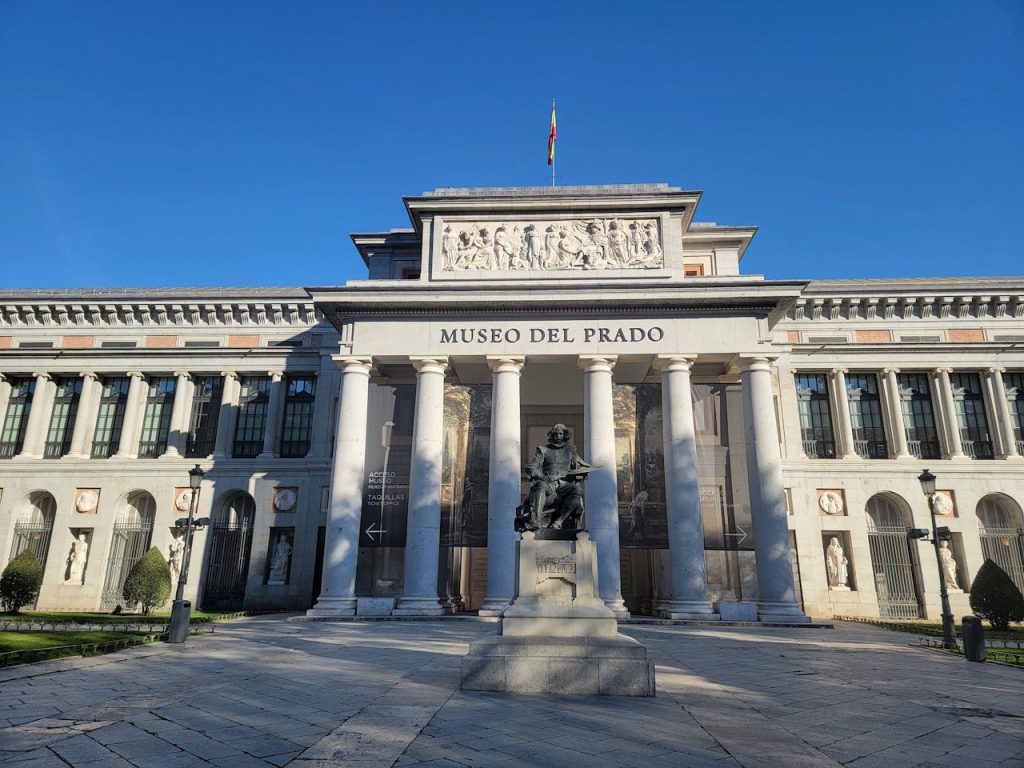
Museo Sorolla in Madrid presents the home and studio of Joaquín Sorolla, featuring original furnishings, personal artifacts, and a significant collection of impressionist works. Rising international attention has led to higher foot traffic inside preserved rooms where climate regulation is essential. Crowding frequently occurs near garden-facing galleries, requiring careful supervision to protect surfaces. The museum continues upgrading environmental controls and exhibit planning. Current efforts aim to maintain the intimate character of the property while supporting sustained visitor demand.
Thorvaldsen Museum, Denmark
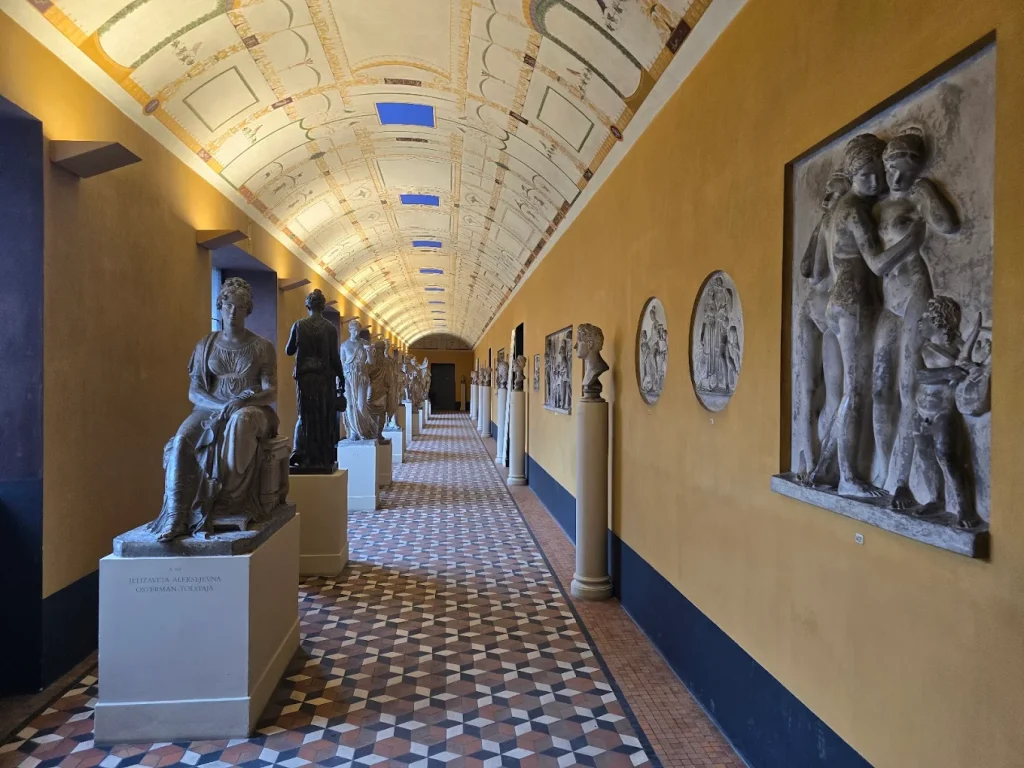
The Thorvaldsen Museum in Copenhagen houses neoclassical sculptures created by artist Bertel Thorvaldsen and remains highly sensitive to fluctuations in temperature and vibration. Visitor increases contribute to congestion around large marble pieces, requiring additional monitoring to maintain safe viewing distances. Traffic patterns challenge staff who oversee environmental stability within central exhibition halls. Preservation work focuses on structural reinforcement and long-term management of stone surfaces. The museum continues balancing public access with protective measures for its extensive sculptural holdings.
Estorick Collection, England
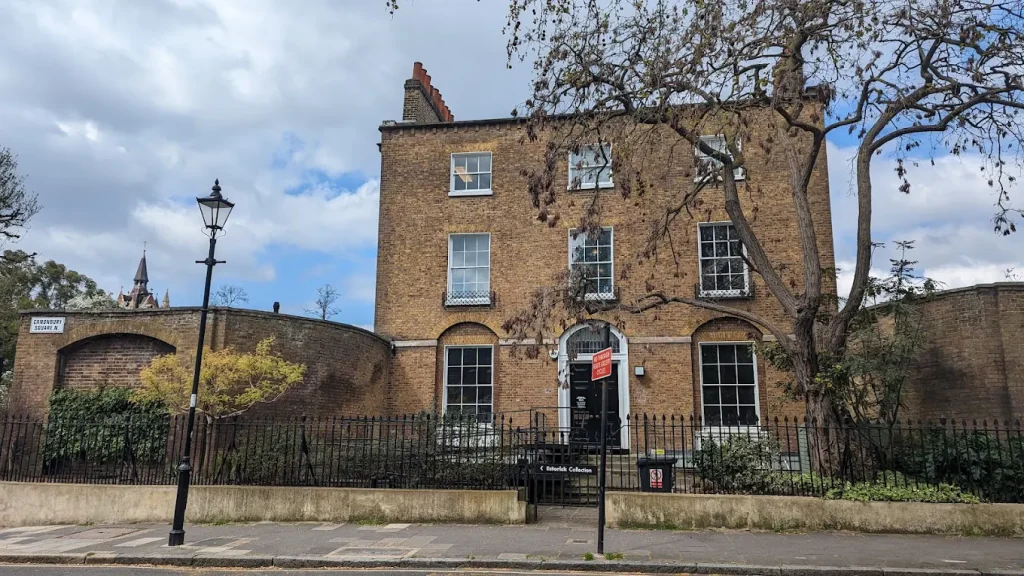
The Estorick Collection in London specializes in modern Italian art and occupies a compact Georgian townhouse with limited interior circulation. Growing tourism creates crowding around futurist masterworks that demand strict climate regulation and minimal handling. Staff members place emphasis on controlled visitor movement to protect delicate works on paper. Conservation planning includes enhanced monitoring systems and updated display cases. The museum maintains strong educational programming while navigating rising interest from international travelers seeking focused modernist collections.
Musée Marmottan Monet, France
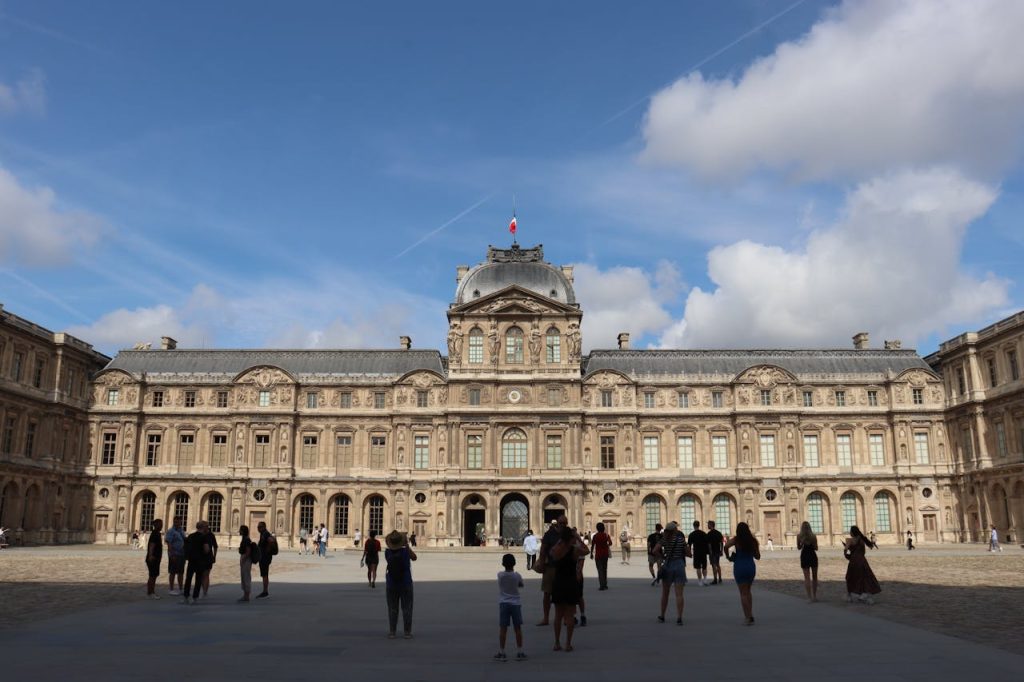
Musée Marmottan Monet in Paris holds the world’s largest Monet collection as well as significant works by other Impressionist artists. Increased tourism has created crowding near major pieces such as “Impression, Sunrise,” challenging the museum’s ability to maintain ideal viewing conditions. Staff regulate lighting, temperature, and humidity while managing dense visitor flow. Conservation teams continue strengthening environmental stability throughout galleries. The institution remains committed to accessible interpretation while protecting delicate canvases from excess exposure and vibration.
Leopold Museum, Austria
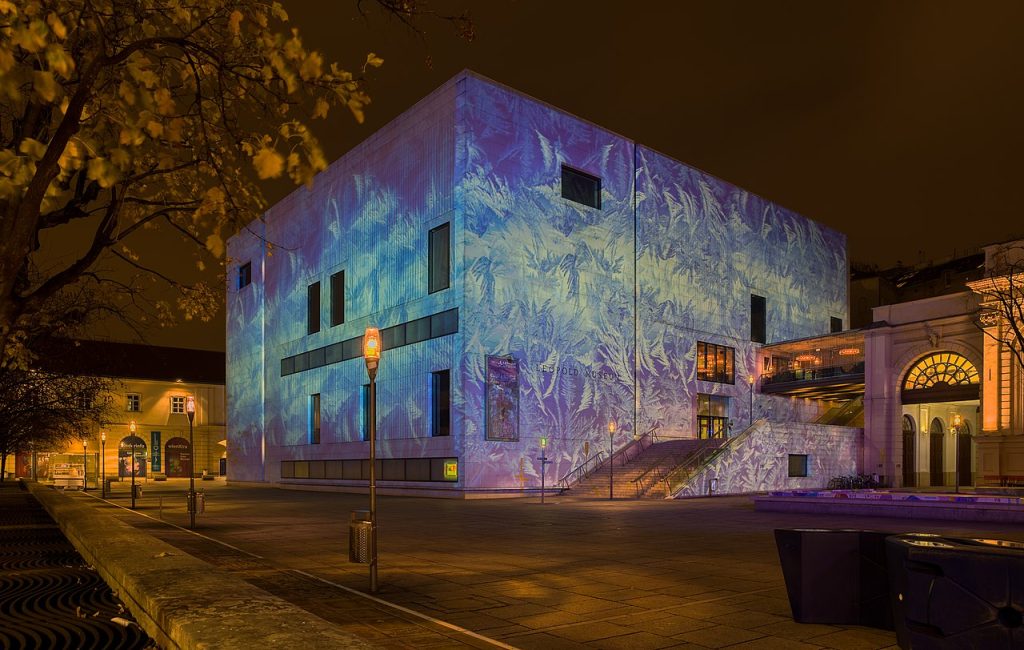
The Leopold Museum in Vienna features a renowned collection of Austrian modernism, including important pieces by Egon Schiele. Visitor surges contribute to congestion in galleries where sensitive works require controlled environmental settings to prevent deterioration. Increased movement near high-profile paintings prompts additional supervision and surface monitoring. Preservation teams implement updated climate strategies in response to higher occupancy. The museum continues adapting long-term exhibition plans to ensure stability of its modernist collection amid growing tourism.
Kunsthaus Zurich, Switzerland
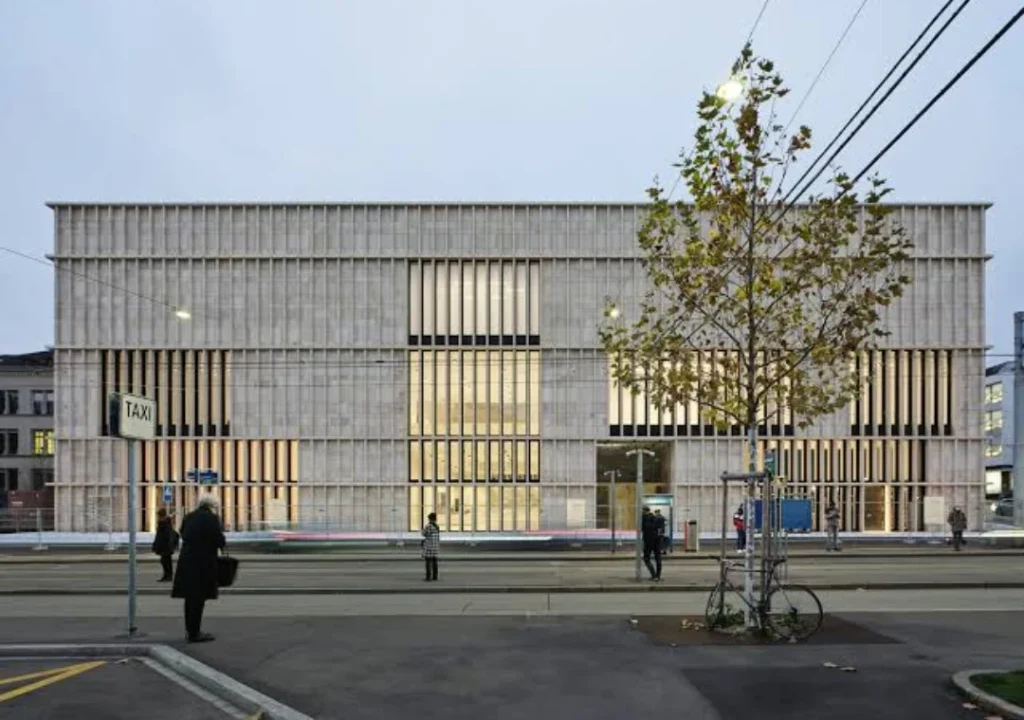
Kunsthaus Zurich presents a broad range of European art within galleries that increasingly experience congestion due to rising international travel. High visitor numbers affect climate patterns near modernist masterpieces and transitional spaces between wings. Staff monitor environmental fluctuations closely to maintain protective standards for diverse materials. The museum continues introducing updated signage, guided routing, and programmed entry to improve flow. Preservation objectives emphasize structural resilience and sustainable exhibition design tailored to increased attendance.
Museo Nazionale Romano, Italy
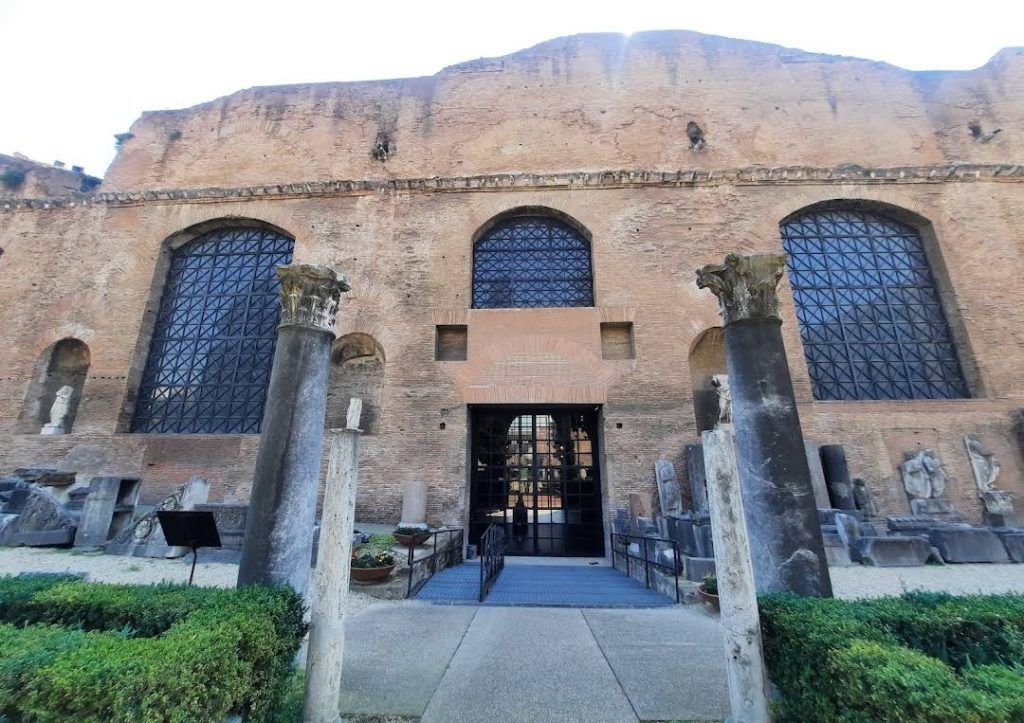
The Museo Nazionale Romano operates across multiple Roman sites that preserve sculptures, mosaics, and archaeological artifacts. Tourist growth has intensified pressure on low-light galleries containing fragile materials that require strict temperature and humidity control. Congestion frequently occurs near well-known statues, prompting timed entry in selected areas. Conservation teams adjust display environments and reinforce cases to support artifact longevity. Museum leadership prioritizes balancing visitor access with preservation of rare antiquities essential to the city’s cultural record.
National Gallery of Slovenia
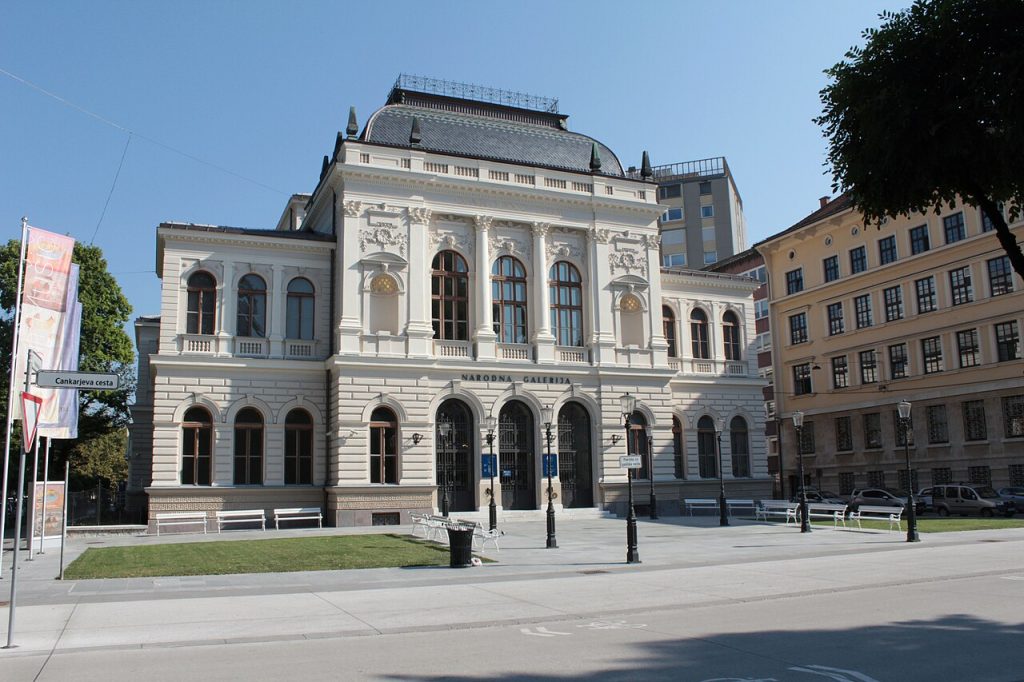
The National Gallery of Slovenia in Ljubljana houses collections ranging from medieval pieces to modern artworks, many of which require carefully controlled environmental conditions. Increased tourism contributes to crowding near popular landscape paintings, creating temporary bottlenecks in narrow viewing halls. Staff oversee climate monitoring and lighting adjustments to protect aging materials. Ongoing preservation initiatives include gallery enhancements and updated interpretive displays. The gallery remains committed to maintaining accessibility while safeguarding its national collection.
Museum of Cycladic Art, Greece
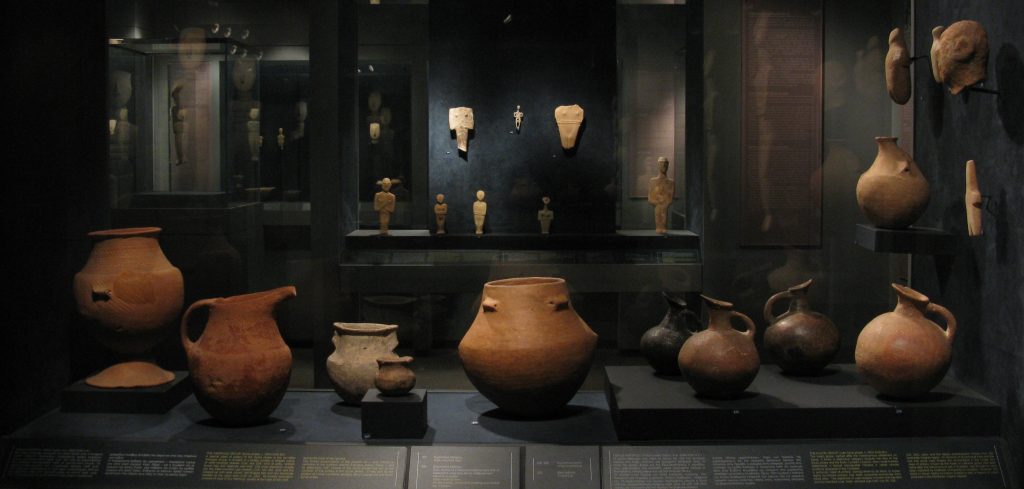
The Museum of Cycladic Art in Athens presents artifacts from the early Aegean world, including marble figurines known for exceptional fragility. Rising tourism heightens the need for precise climate stability and vibration control within exhibit halls. Crowding often forms around permanent Cycladic displays, requiring careful supervision of visitor movement. Conservation upgrades include strengthened cases and environmental monitoring systems. The museum continues prioritizing artifact protection while educating audiences about the cultural significance of ancient Aegean civilizations.
Munch Museum Legacy Site, Norway
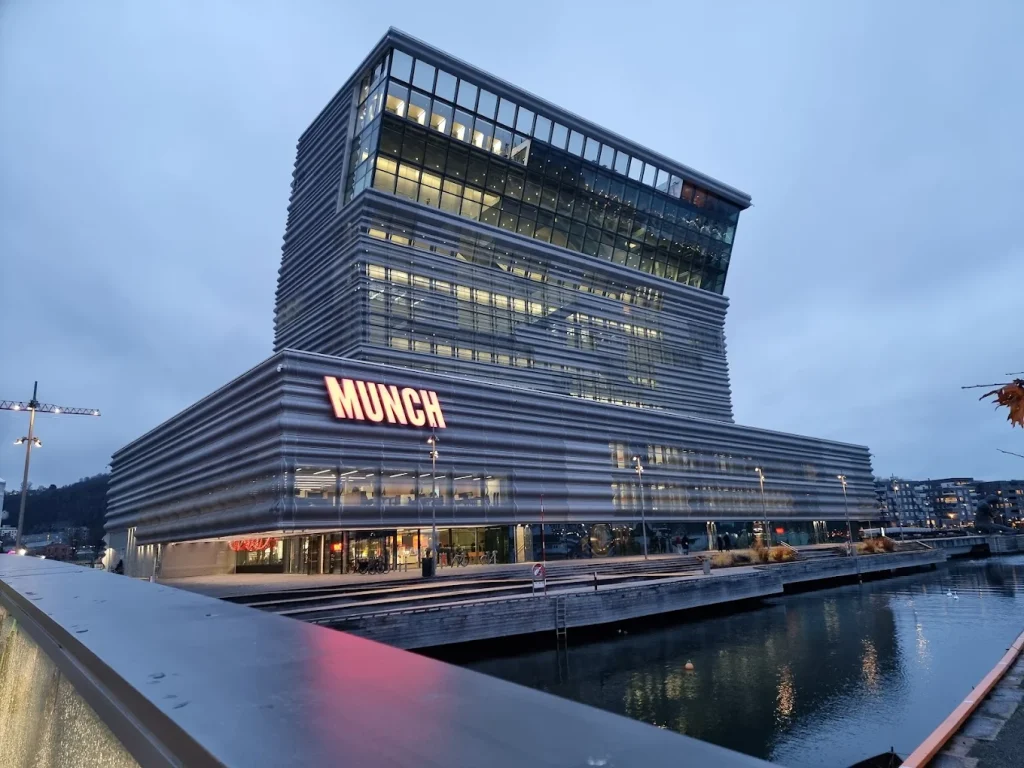
The original Munch Museum site in Oslo remains open as a historical location displaying early works, personal items, and archival materials related to Edvard Munch. Increased tourism creates pressure on smaller rooms that rely on stable lighting and climate controls. Crowds concentrate around signature early pieces, prompting enhanced oversight of environmental conditions. Preservation staff document fluctuations closely to protect vulnerable materials. The space serves as an educational companion to the newer main museum, supporting continued engagement with Munch’s legacy.
Musée de l’Orangerie, France
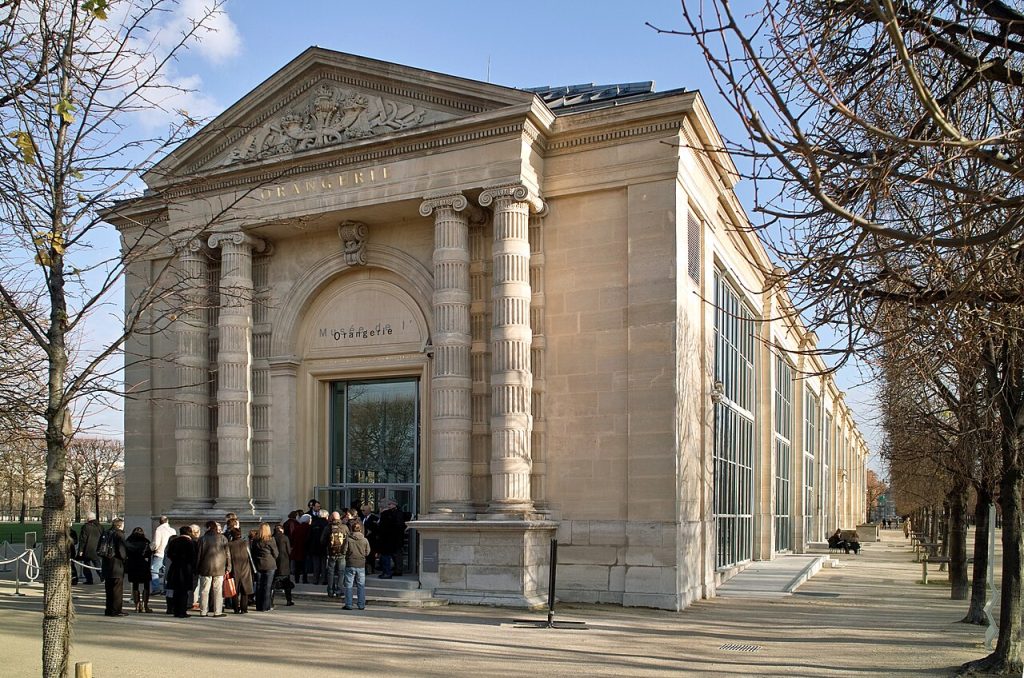
Musée de l’Orangerie in Paris houses Monet’s Water Lilies and important works from the Walter and Guillaume collection. Visitor growth has intensified pressure on the oval rooms designed specifically for large-scale panoramic panels. Staff regulate attendance to maintain environmental stability essential for preserving delicate paint layers. Crowding occasionally disrupts circulation between galleries, prompting revised traffic patterns. Conservation efforts focus on structural reinforcement and lighting precision to maintain viewing quality despite mounting attendance.