15 Behaviors That Scream “Tourist” in Local U.S. Bars
The atmosphere inside local U.S. bars often reveals a great deal about the surrounding community, and visitors sometimes stand out as soon as they walk through the door because unfamiliar environments tend to influence behavior in noticeable ways. Many travelers hope to blend in, yet certain habits make that difficult as regional customs, drink preferences, and social rhythms vary widely across the country. The charm of these bars lies in their strong ties to local identity, something regulars understand instinctively. When visitors overlook these subtle cues, their actions often signal inexperience with the area’s culture. The growing popularity of local taverns and neighborhood spots has created even more opportunities for travelers to explore new settings with curiosity while recognizing how small behaviors reveal their outsider status.
Asking For The Most Famous Drink Without Knowing What It Is
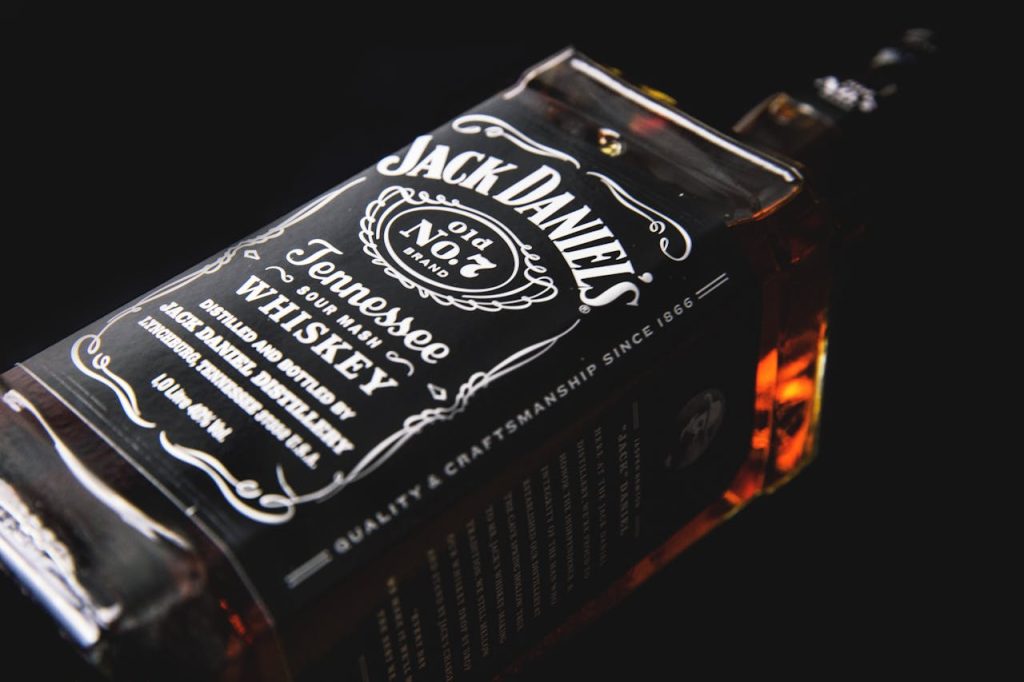
Ordering the most famous drink in the bar without understanding anything about its ingredients or flavor profile often reveals a visitor’s uncertainty and immediately signals tourist behavior to locals who know the menu well. Many regional bars feature specialty cocktails or longstanding house favorites inspired by local history, seasonal ingredients, or community traditions. When a traveler approaches the bar and simply asks for the drink “everyone talks about” without context, the request often feels disconnected from the culture that shaped it. This behavior can unintentionally highlight unfamiliarity with the setting, especially in establishments known for their signature creations. Locals often take pride in these specialties, making knowledge of them a subtle marker of belonging.
Speaking Too Loudly During Quiet Hours
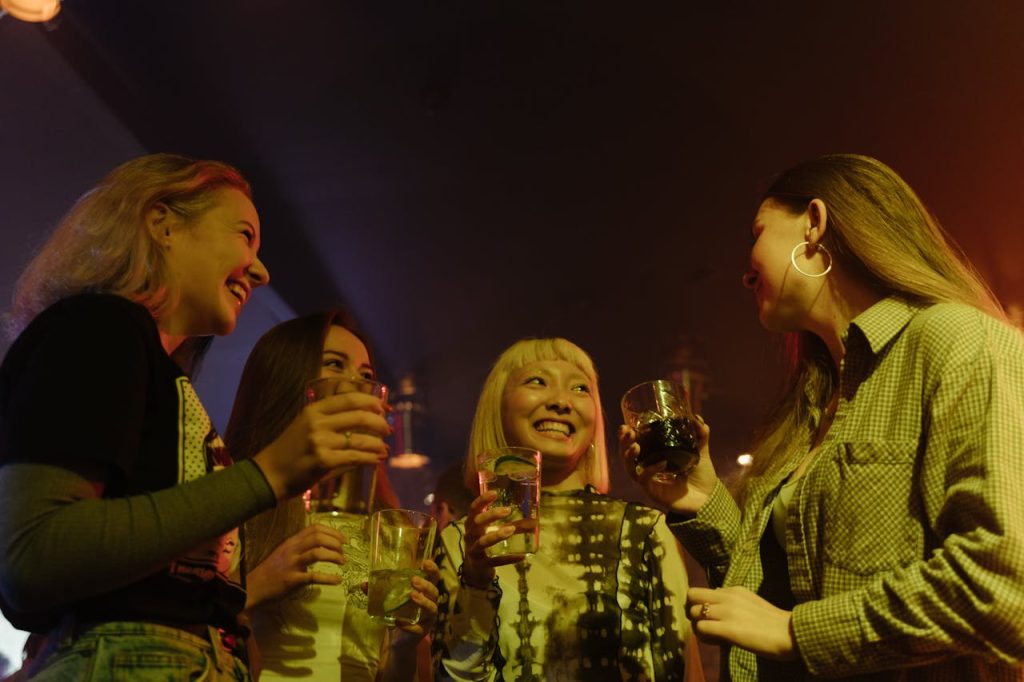
Raising one’s voice at times when the bar maintains a relaxed, conversational tone is one of the most recognizable behaviors that signals an outsider’s presence. Local patrons typically understand the natural rhythm of the space, whether it involves calm early evening chats, subdued Sunday gatherings, or quiet weeknight moments when the bar feels more like a community living room. Travelers who speak loudly, even unintentionally, can disrupt this established atmosphere and draw immediate attention. Many long-standing bars thrive on familiarity and gentle social cues, and maintaining the tone of the room is an unspoken rule. When visitors overlook these cues, the contrast becomes noticeable and memorable to regulars.
Overly Detailed Questions About Local Beers
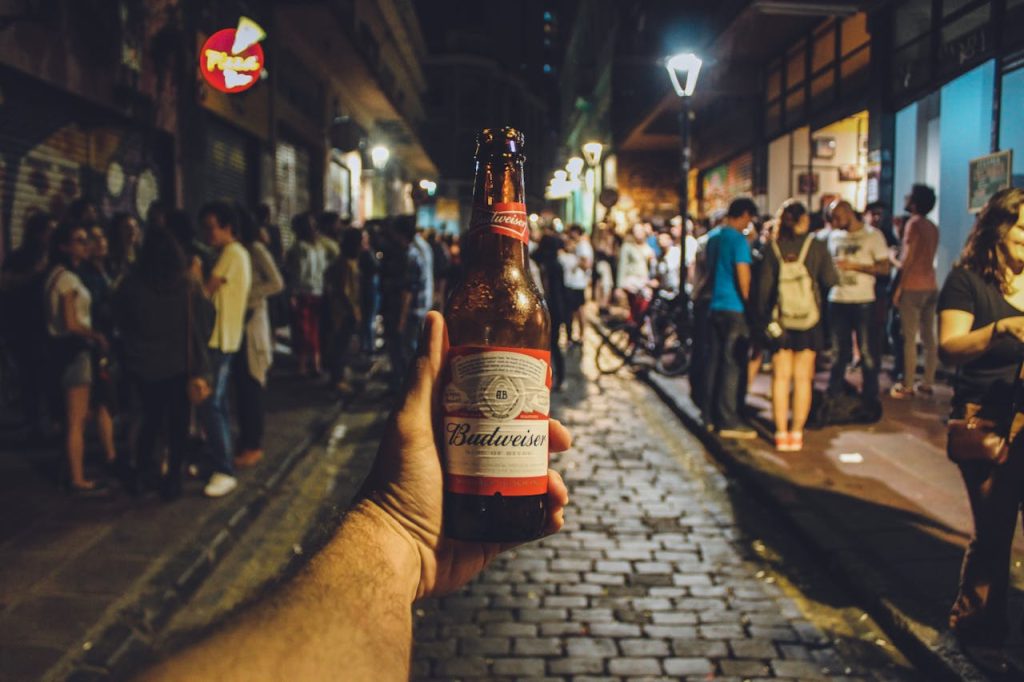
Asking a long series of highly specific questions about every beer on tap often signals tourist behavior because locals usually recognize the bar’s brewing partnerships or standard selections without extensive explanation. Many neighborhood bars work with regional breweries, creating a natural familiarity among patrons who already know which ales, lagers, or seasonal offerings appear regularly. Travelers eager to learn more sometimes overwhelm bartenders with complex requests about brewing techniques or flavor variations that feel excessive in casual settings. While curiosity is welcome, the sheer volume of questions can unintentionally highlight unfamiliarity with local preferences. This pattern often distinguishes visitors from regulars who already understand the bar’s evolving lineup.
Taking Photos Of Everything Inside The Bar
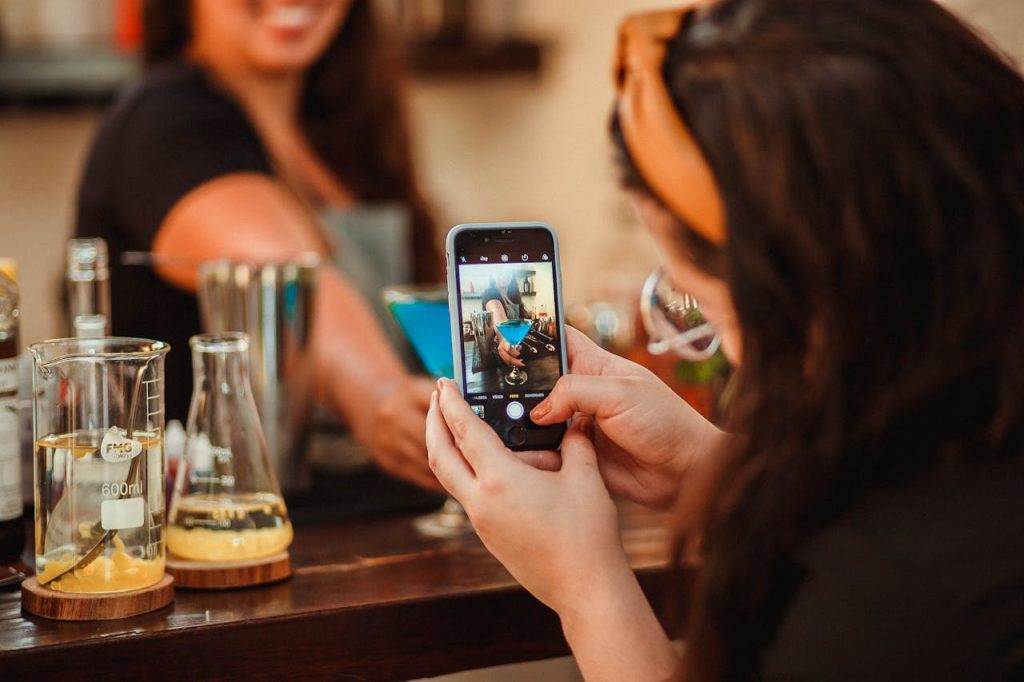
Snapping photos of drinks, decor, signage, and seating often reveals a visitor’s excitement as well as a lack of familiarity with local norms, especially in bars that value privacy or understated ambiance. Many neighborhood spots showcase unique decorations or historical touches that locals appreciate quietly without photographing frequently. When a traveler documents every corner, the action stands out in contrast to the subtle way regulars experience the space. The behavior becomes even more noticeable in dimly lit bars where camera flashes interrupt the atmosphere. Although photography can capture memories, its prevalence in certain environments immediately distinguishes visitors from locals who treat the setting as an everyday gathering place.
Mispronouncing Well-Known Local Drinks Or Landmarks
Mispronouncing local drinks, brewery names, or nearby landmarks is a common giveaway that a visitor is unfamiliar with the area’s culture. Many American cities have distinct linguistic traditions shaped by regional dialects, Indigenous languages, or historical influences that inform naming conventions. Locals grow up hearing these words and often notice immediately when someone repeats them incorrectly. Bars with strong community ties frequently highlight regional references in their menus, making correct pronunciation an informal marker of belonging. When travelers stumble through names without awareness of their origins, the missteps become noticeable and often spark gentle curiosity or amusement among regular patrons who recognize the difference instantly.
Leaving Cash On The Table In Tip-Inclusive Cities
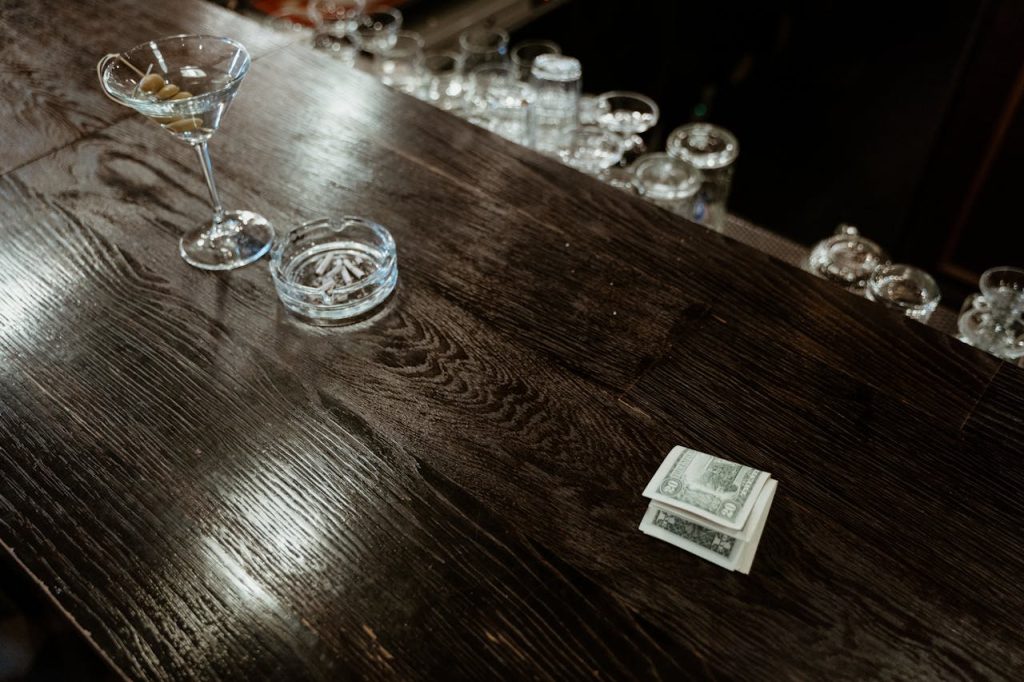
Leaving extra cash on the table in cities where bars have transitioned to tip-inclusive pricing often reveals a visitor’s unfamiliarity with modern service models. Some U.S. locations introduced fair-wage policies that incorporate gratuity directly into menu prices, creating a system where leaving cash tips is unnecessary. Locals usually understand this structure and pay only the total shown. Travelers from areas with traditional tipping customs sometimes follow old habits, confusing staff and drawing attention from patrons who know the policy well. This behavior highlights the importance of understanding regional norms, especially as hospitality trends evolve. The distinction often makes tourists easy to spot in such establishments.
Asking For Drink Specials In Bars That Never Offer Them
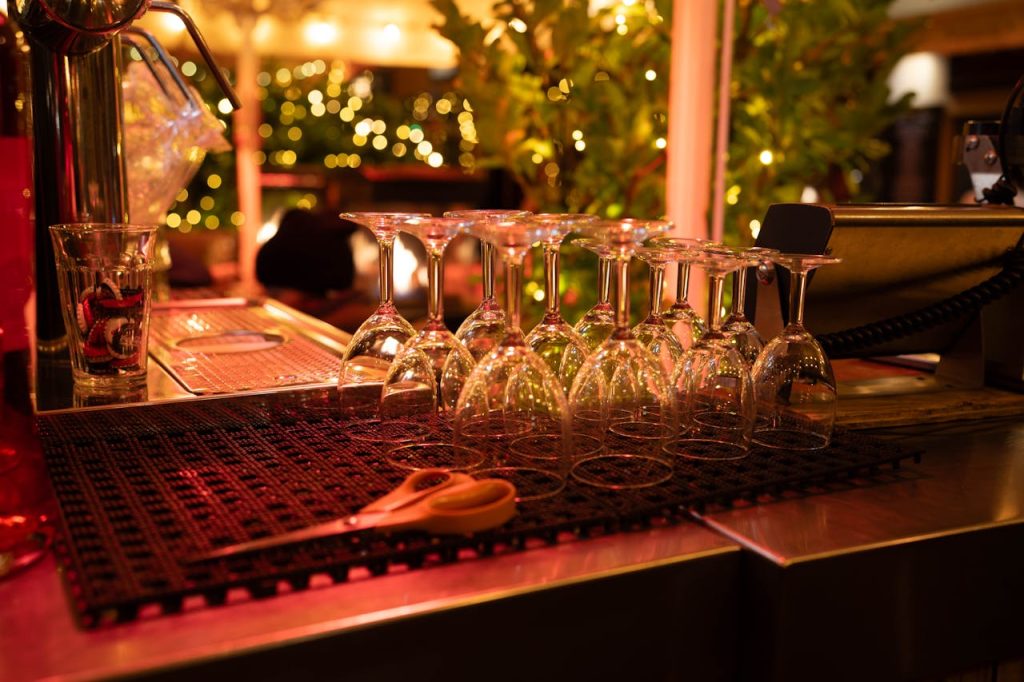
Asking for discounts or happy-hour specials in a bar that does not participate in such promotions often signals that a visitor is unfamiliar with the establishment’s culture and pricing structure. Many long-standing neighborhood bars maintain consistent menus without fluctuating deals, focusing on regular clientele rather than short-term marketing tactics. Locals typically know that these bars pride themselves on straightforward pricing rooted in tradition. Travelers expecting universal happy-hour customs sometimes express confusion when none exist, prompting exchanges that instantly reveal their outsider status. This behavior highlights differences in regional bar practices and emphasizes how expectations vary widely from one city to another across the United States.
Wearing Obvious Souvenir Apparel
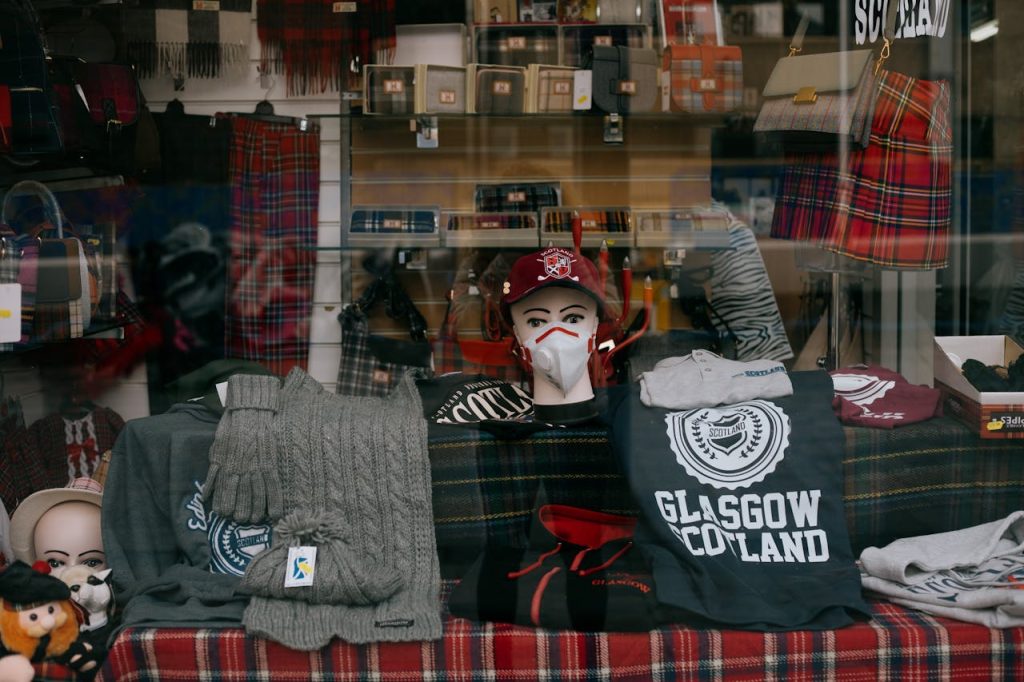
Walking into a bar wearing brightly printed souvenir shirts, oversized city-name hoodies, or tourist shop accessories often reveals a visitor’s status immediately because locals rarely wear such items in everyday life. Clothing that references nearby attractions, travel slogans, or vacation imagery stands out in relaxed neighborhood settings where understated style prevails. Many travelers purchase these items as fun mementos, yet wearing them inside a local bar can create a visual contrast that regular patrons notice instantly. This distinction becomes even stronger in communities where residents take pride in subtle regional identity rather than overt branding. The apparel unintentionally communicates that the wearer is exploring rather than belonging.
Standing At The Bar Expecting Table Service
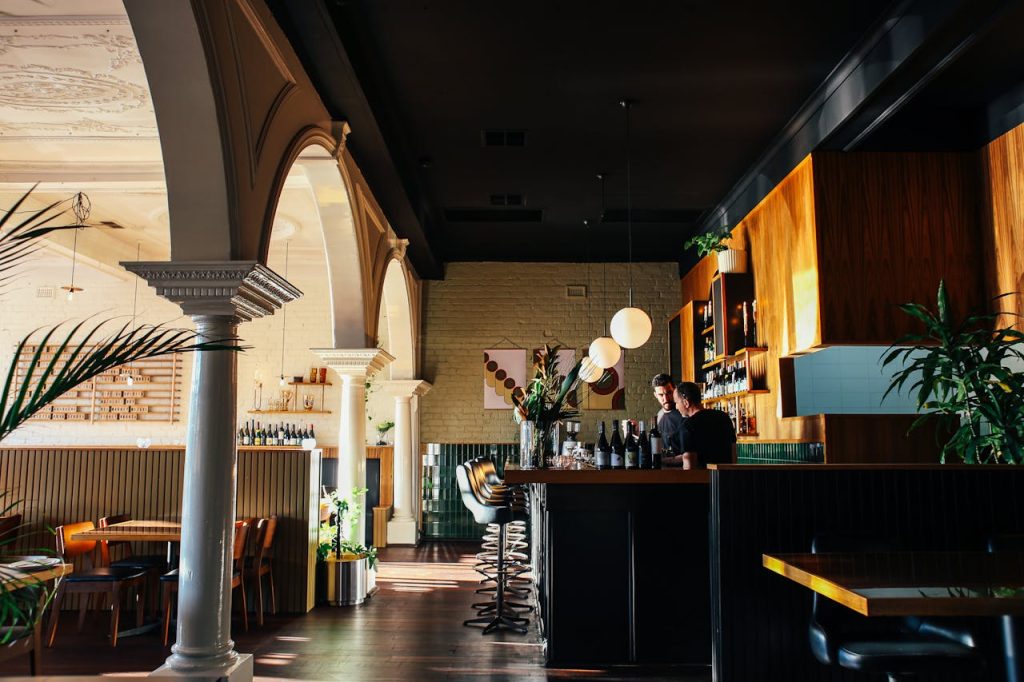
Standing at the bar for an extended period while waiting for table service often signals unfamiliarity with a region’s bar etiquette, especially in establishments where patrons place orders directly at the counter. Many American bars operate without dedicated table service except during peak dining hours, and locals instinctively know when to approach bartenders instead of waiting. Travelers sometimes remain uncertain, believing staff will arrive at the table to take orders, which draws immediate attention from regulars. This misunderstanding can create delays and highlight differences in cultural expectations. Recognizing the flow of service is a key indicator of familiarity, making this behavior an unmistakable sign of tourism.
Asking For “Something Not On The Menu”
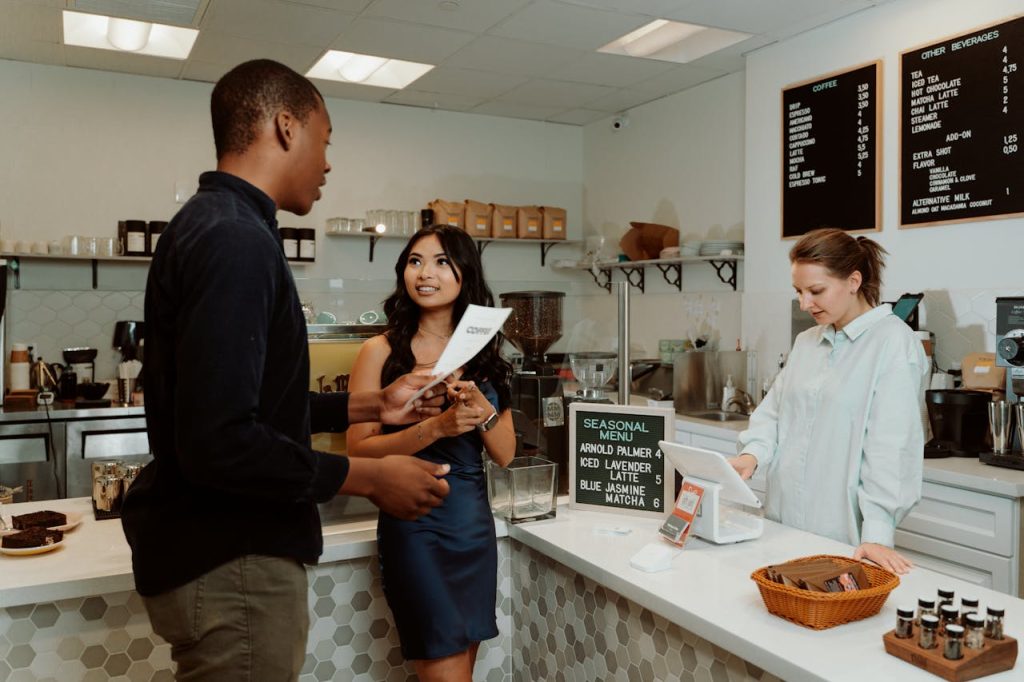
Requesting an off-menu drink without knowing whether the bar offers custom creations often signals a visitor’s uncertainty, especially in locations that focus on classic options rather than elaborate mixology. Many neighborhood bars maintain concise menus centered on long-standing favorites, and locals usually understand this streamlined approach. Travelers may assume every bar embraces bespoke cocktails, leading to moments when bartenders must clarify the bar’s limitations. These exchanges stand out because regular patrons rarely make such requests, having learned the bar’s style over time. The behavior highlights how differences in expectations can distinguish tourists from those who frequent the establishment regularly.
Tipping Immediately After Every Single Drink
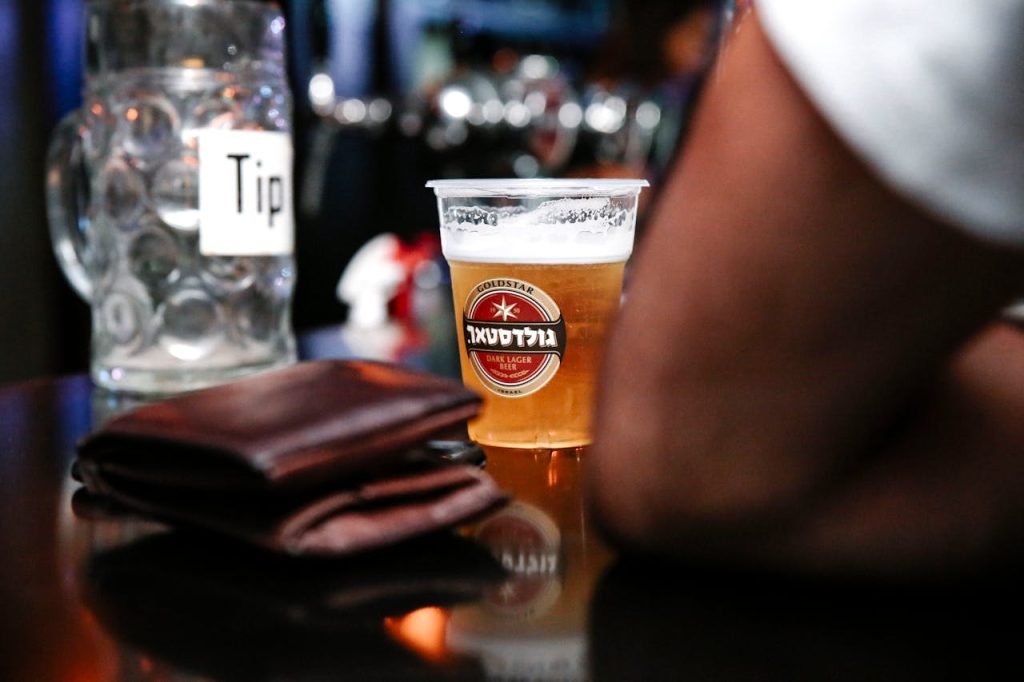
Tipping after every individual drink rather than closing out a tab or tipping at the end of the visit often signals unfamiliarity with local bar habits. In many American bars, regular patrons open a tab and settle up once before leaving, creating a smoother experience for both staff and customers. Travelers sometimes tip repeatedly after small purchases, assuming it is expected, which surprises bartenders accustomed to different rhythms. The pattern draws attention because it differs from the more streamlined approach practiced by locals who understand how tabs function. This behavior highlights regional variations in bar etiquette and showcases how easily visitors reveal their presence.
Ignoring The Local Bar Games
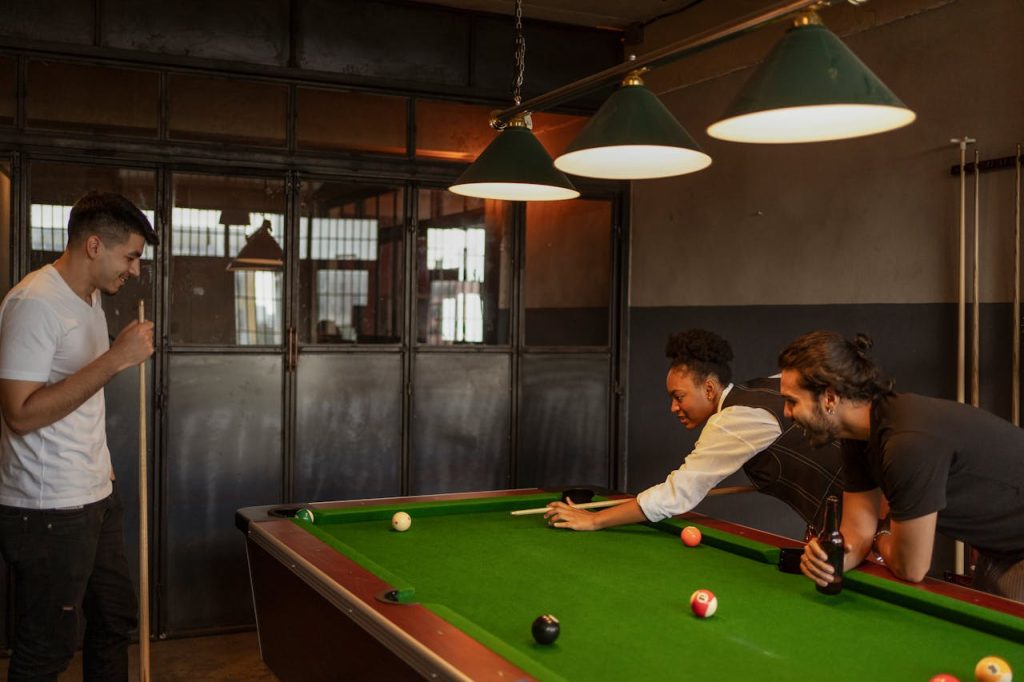
Overlooking local bar games such as darts, pool, shuffleboard, or ring toss often signals outsider status in communities where such activities play a central role in nightly social life. Regular patrons typically rotate turns naturally, observe informal rules, and celebrate friendly competition that shapes the bar’s energy. Visitors may not notice these traditions and sometimes interrupt games or stand too close to players, drawing quick attention. The behavior becomes especially noticeable in bars where game participation is part of the culture. Understanding how these activities contribute to community bonding often marks the difference between blending in and appearing unmistakably new to the environment.
Ordering Complicated Custom Cocktails In A Dive Bar
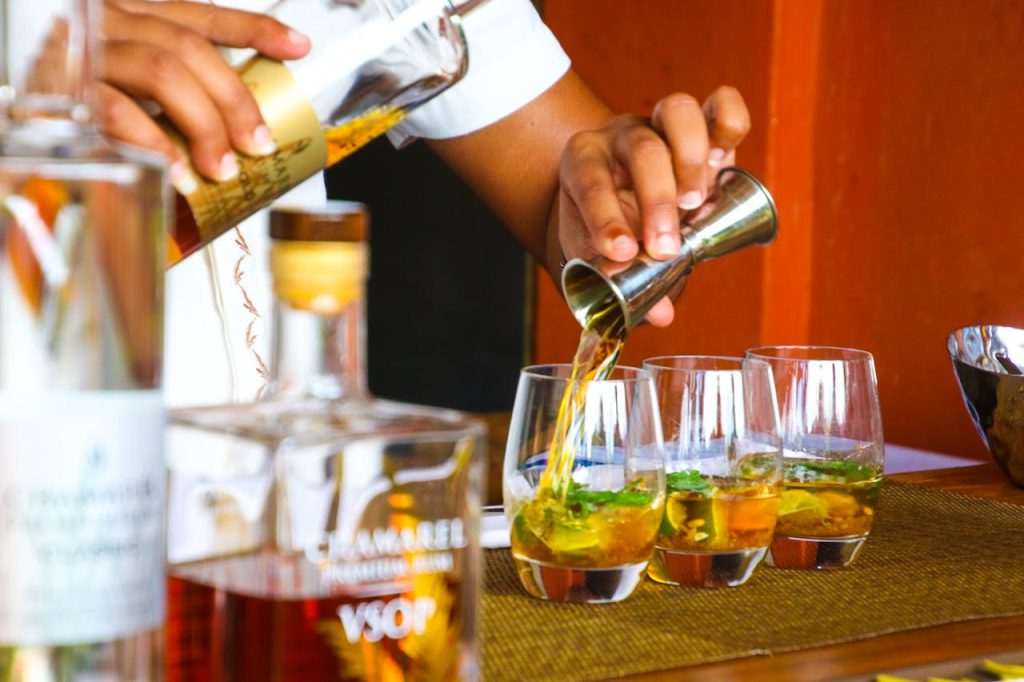
Requesting elaborate, highly specific cocktails in a dive bar often reveals that a visitor is unfamiliar with the establishment’s straightforward approach to drinks. Dive bars across the United States typically serve classic options like simple mixed drinks, beers, and standard spirits without offering complex garnishes or advanced techniques. Visitors expecting craft bar features sometimes ask for multi-ingredient creations that require tools the bar does not stock, drawing immediate attention from both staff and regulars. The mismatch between expectation and setting highlights how tourist behavior differs from local habits. Understanding the bar’s character is key to fitting in, making this request an unmistakable sign of tourism.
Treating The Bartender Like A Tour Guide
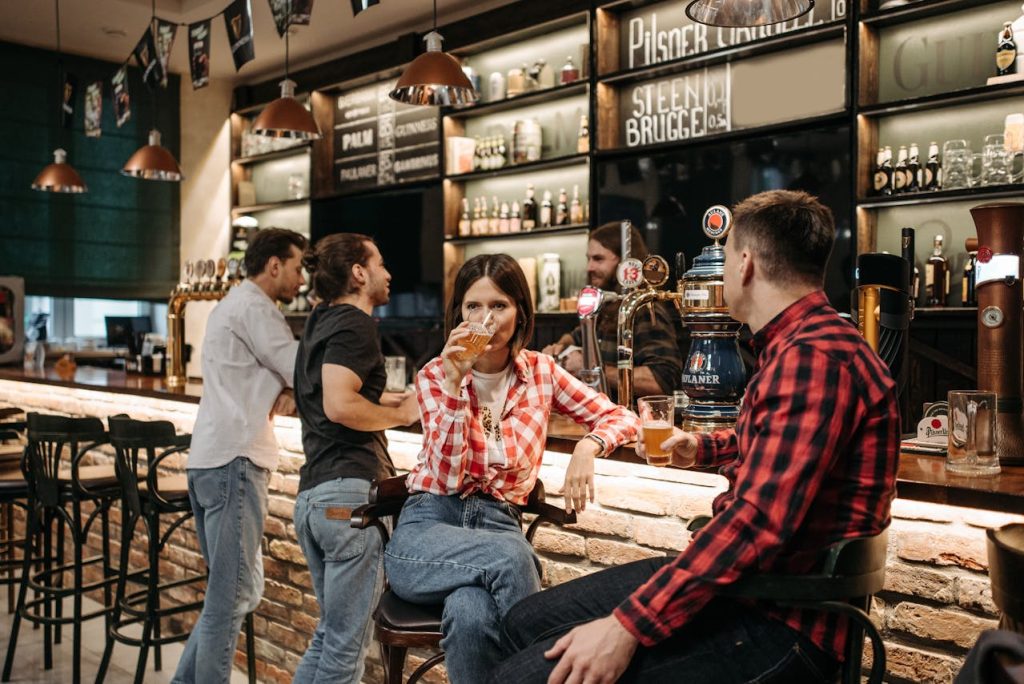
Asking bartenders for extensive sightseeing recommendations or detailed travel tips often signals tourist behavior because locals typically understand that bartenders are working and may not have time to discuss full itineraries. Many visitors approach the bar eager to learn about nearby attractions, yet these lengthy conversations can disrupt service flow and draw attention from patrons who recognize the imbalance. While some bartenders enjoy offering brief suggestions, treating them as personal travel planners stands out in environments where efficient service is expected. The behavior highlights differences in expectations between residents and travelers, making it one of the most noticeable indicators of an outsider in the room.
Blocking Walkways Or Crowd Flow
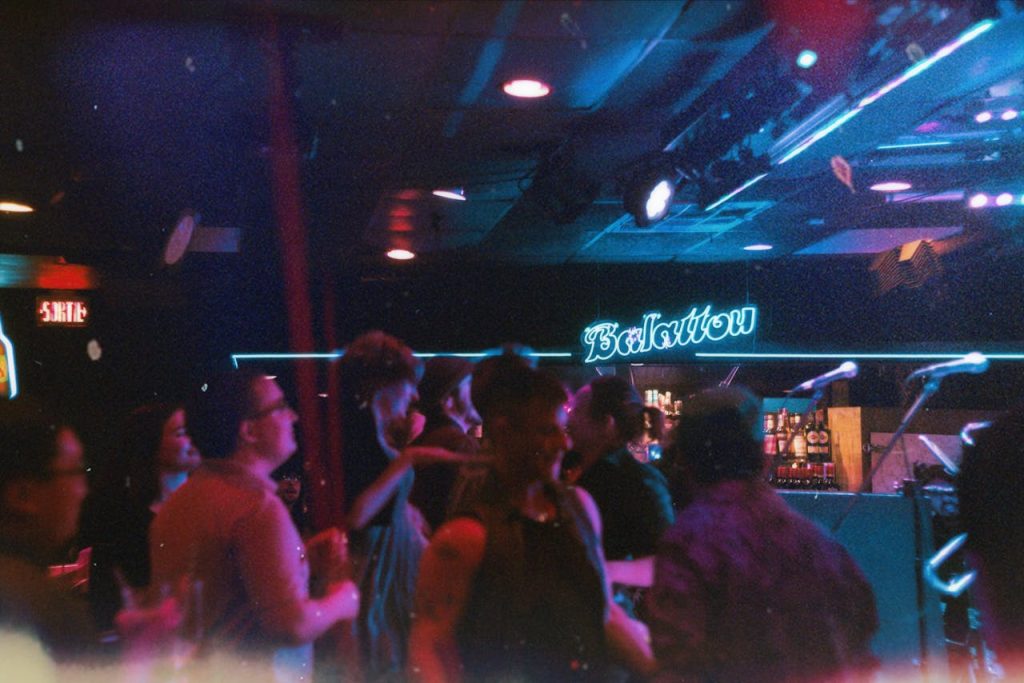
Standing in narrow walkways, hovering near doorways, or clustering in busy service paths often reveals unfamiliarity with the bar’s layout and the natural flow of movement understood by regular patrons. Many neighborhood establishments rely on efficient foot traffic during peak hours, and locals instinctively adjust positions to allow staff and guests to pass smoothly. Visitors who pause in these areas without recognizing their importance can disrupt the environment and attract attention. This behavior becomes even more noticeable in older bars with tight spaces. Observing movement patterns often distinguishes locals from tourists, making blocked walkways a clear indicator of inexperience with the setting.