15 Cities Destroyed by Their Own Stupid Planning Decisions

Cities rarely collapse overnight; instead, they erode through a series of poorly timed decisions, political miscalculations, and planning mistakes that seem minor at first but grow into structural failures. When leaders ignore demographic shifts, infrastructure limits, or community needs, the fallout can stretch for generations. The following cities demonstrate how misguided planning from reckless expansion to untested experiments can slowly unravel an entire urban identity.
1. Detroit, USA : Car-Centric Overreach
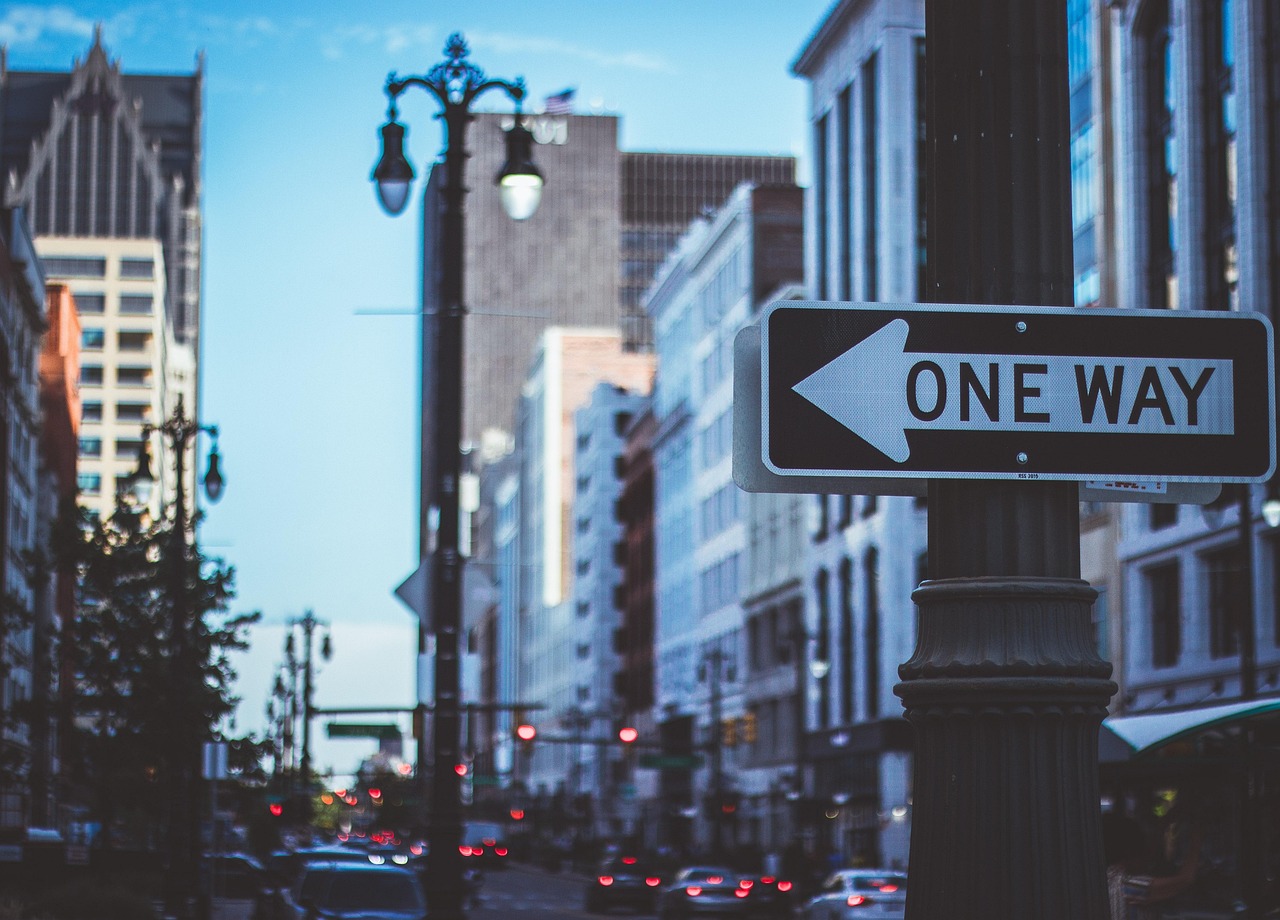
Detroit’s planners pushed aggressive highway expansion in the mid-20th century, demolishing more than 140,000 homes to make room for roads while the population was already declining. This fractured stable neighborhoods and accelerated a drop from 1.85 million residents to under 700,000. The oversized road network and abandoned districts created maintenance costs the city simply couldn’t afford, eventually contributing to the largest municipal bankruptcy in U.S. history.
2. Brasilia, Brazil : A Monumental But Impractical Blueprint
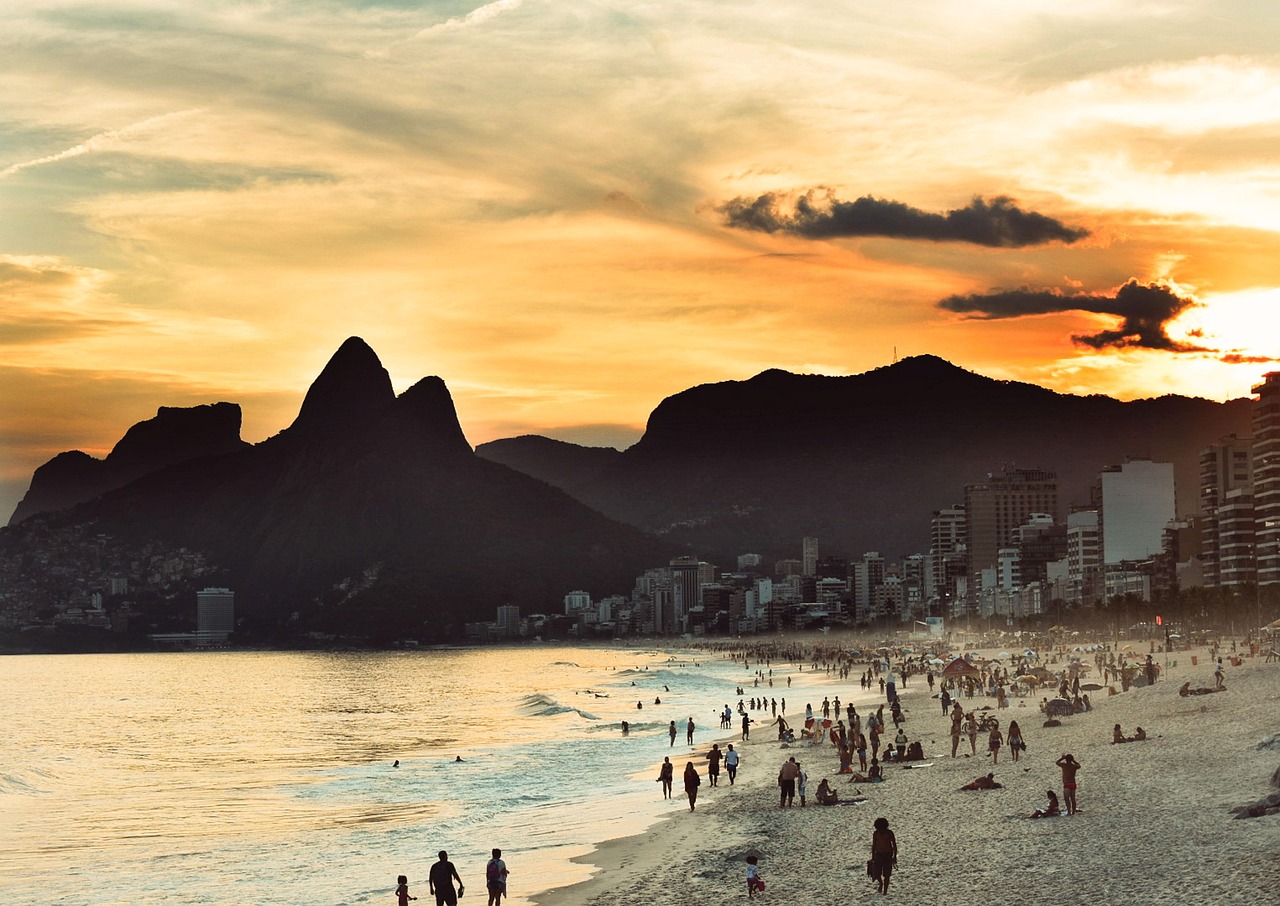
Brasilia was engineered for about 500,000 residents, yet the population surged past 3 million within decades, exposing the rigidity of its top-down layout. Long distances between housing, work, and shops forced heavy reliance on cars, worsening commute times and creating severe congestion. The city’s superblocks and monumental axes, though visually striking, proved unusable for daily life, pushing more than 70% of residents into peripheral settlements lacking adequate services.
3. Venice, Italy : Tourism Overload and None of the Limits
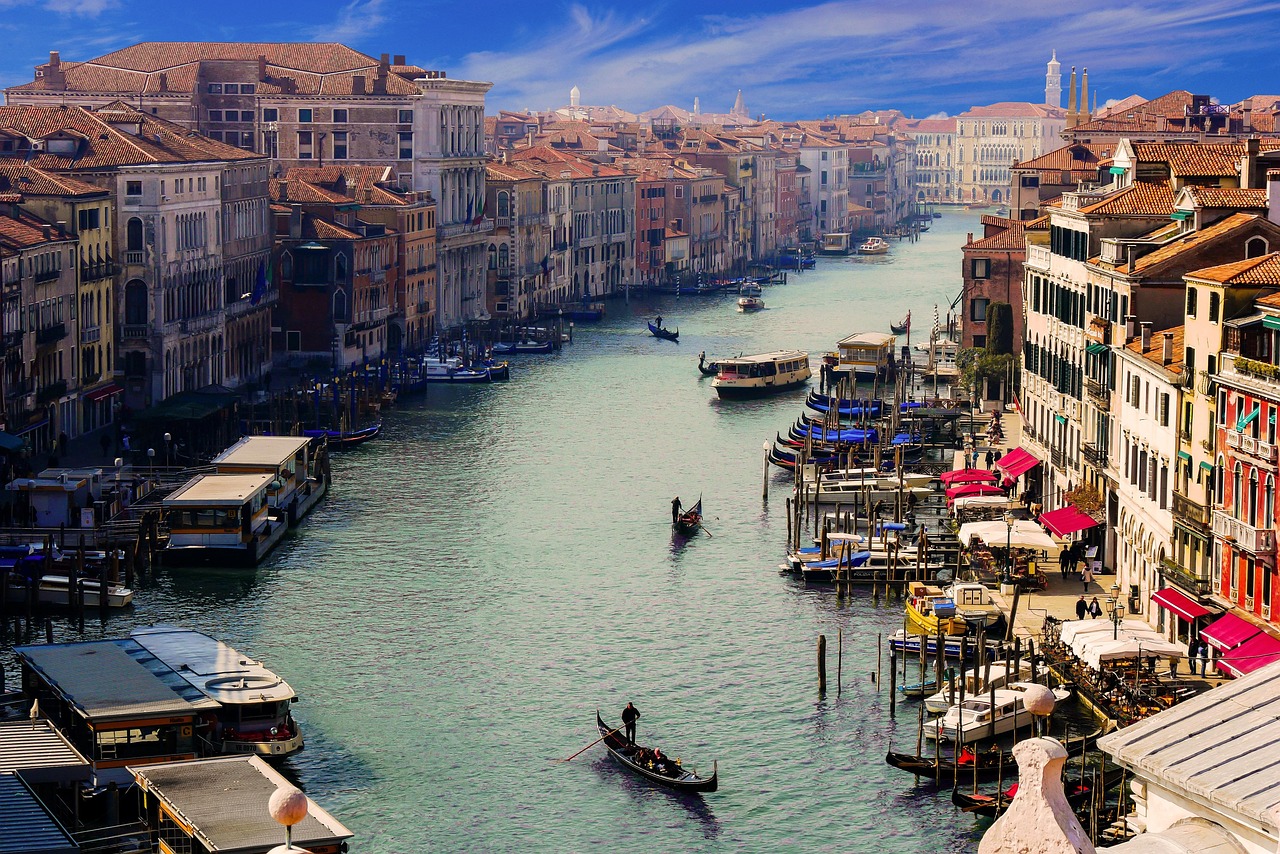
Venice receives more than 25 million visitors each year, dwarfing its local population of roughly 50,000. Policies encouraging mass tourism allowed cruise ships, souvenir markets, and short-stay rentals to dominate the economy. This pushed housing prices up by more than 300% over two decades, driving residents away. With fewer locals maintaining daily infrastructure, the city became more fragile, leaving its future tied to an unstable visitor-driven economy.
4. New Orleans, USA : Building Below Sea Level Anyway
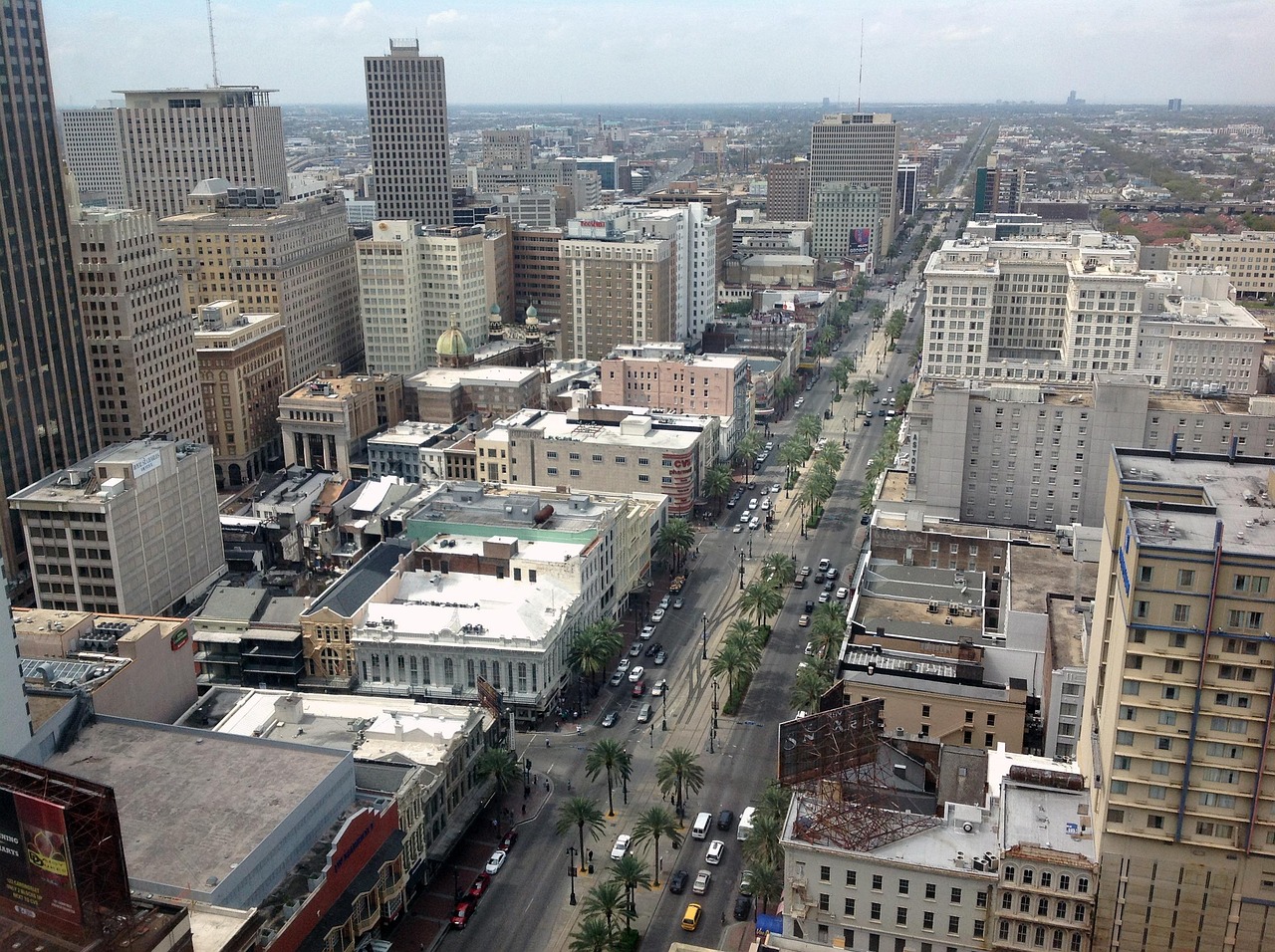
Despite being nearly 50% below sea level, New Orleans expanded into subsiding wetlands throughout the 20th century. Planners approved neighborhoods that dropped by several centimeters each year and relied heavily on aging levees. When Hurricane Katrina hit in 2005, over 80% of the city flooded, revealing how decades of risky expansion magnified disaster impacts. Billions have been spent on repairs, yet parts of the city are still sinking faster than projections.
5. Norilsk, Russia : Industry Without Environmental Logic
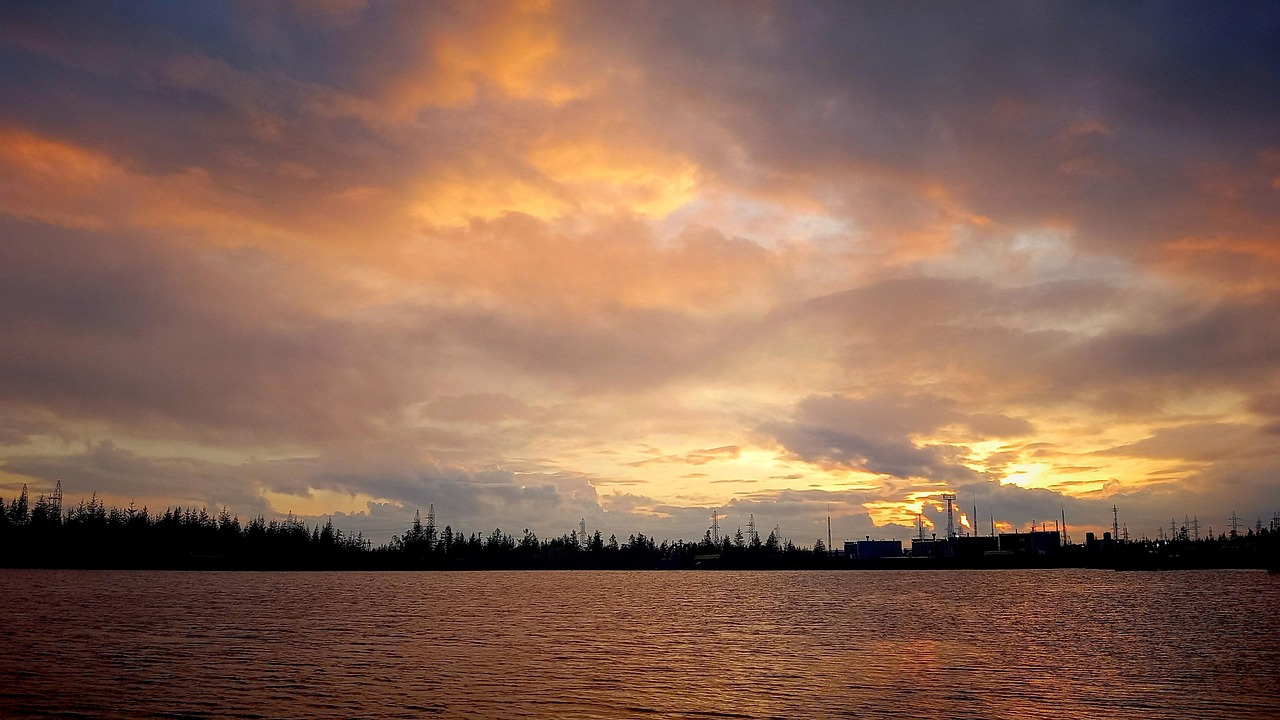
Norilsk was shaped around massive nickel production, yet planners ignored both climate and pollution limits. The city of roughly 180,000 residents faces winter temperatures below –40°C and receives nearly 2 million tons of industrial emissions each year. Over 90% of local vegetation has disappeared, weakening soil stability and damaging buildings. The decision to concentrate industry so heavily in an isolated Arctic zone has created long-term health and infrastructure crises.
6. Mexico City, Mexico : Building on a Sinking Lakebed
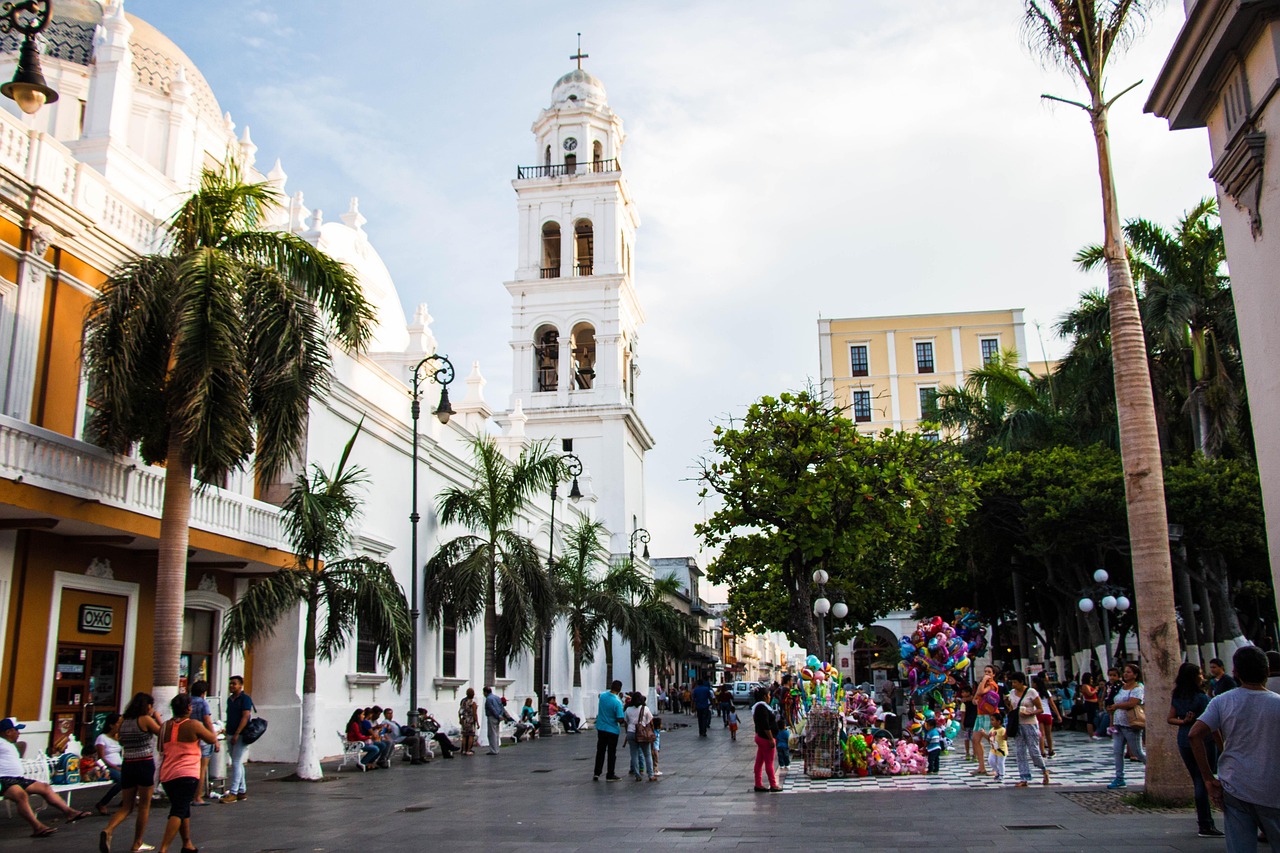
Mexico City was built on the drained bed of Lake Texcoco, and extraction of more than 1.5 billion cubic meters of groundwater annually causes parts to sink up to 40 centimeters each year. Despite these warnings, planners approved dense development in vulnerable zones and expanded infrastructure that shifts unevenly. This subsidence damages more than 20,000 buildings annually and worsens water shortages in a region already struggling with an overstressed aquifer.
7. Jakarta, Indonesia : Expanding While the Ground Drops
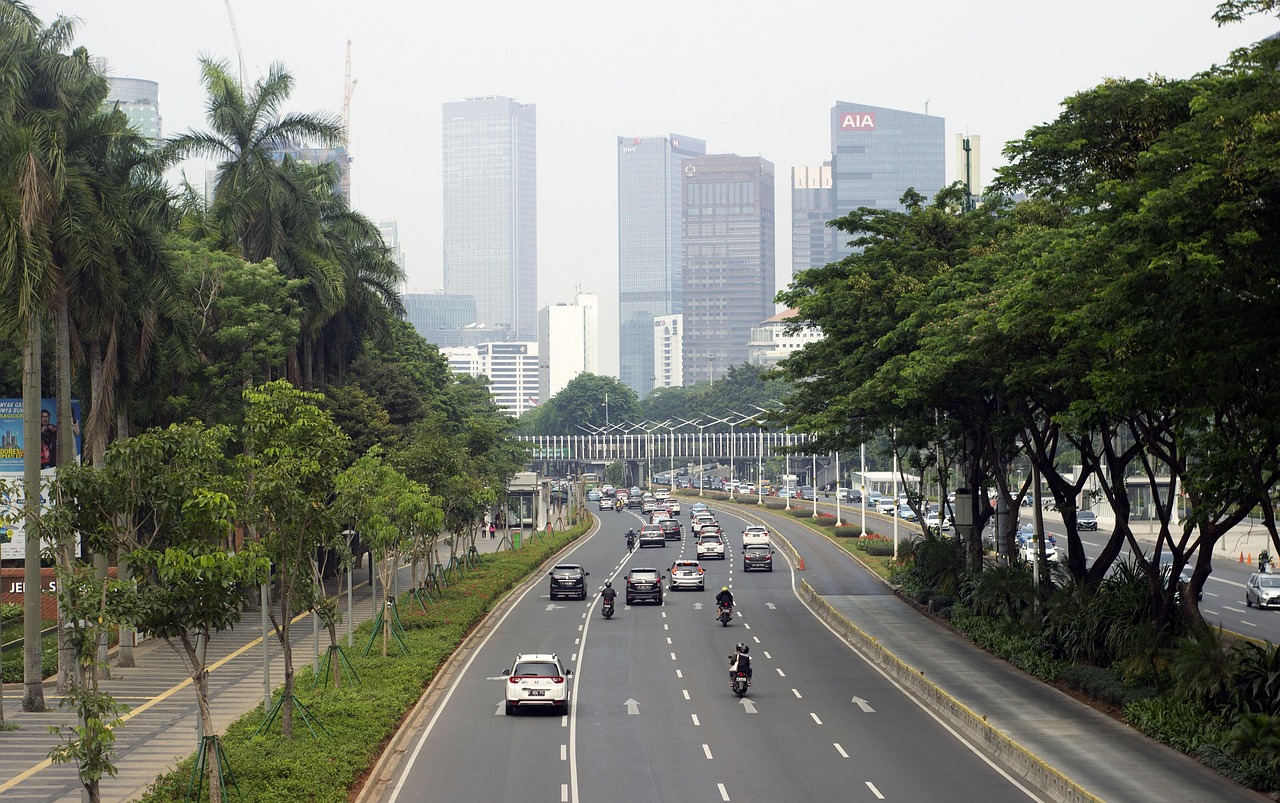
Jakarta grew to over 10 million residents while pumping groundwater so aggressively that some districts have sunk more than 4 meters in 30 years. Planners allowed uncontrolled development in flood-prone areas and paved wetlands that once absorbed rainfall. Seasonal floods now displace over 200,000 people some years. The situation became so severe that Indonesia plans to shift its capital to Nusantara, illustrating how planning negligence forced an entire governmental relocation.
8. Shenzhen, China : Growth Too Fast for Its Foundations
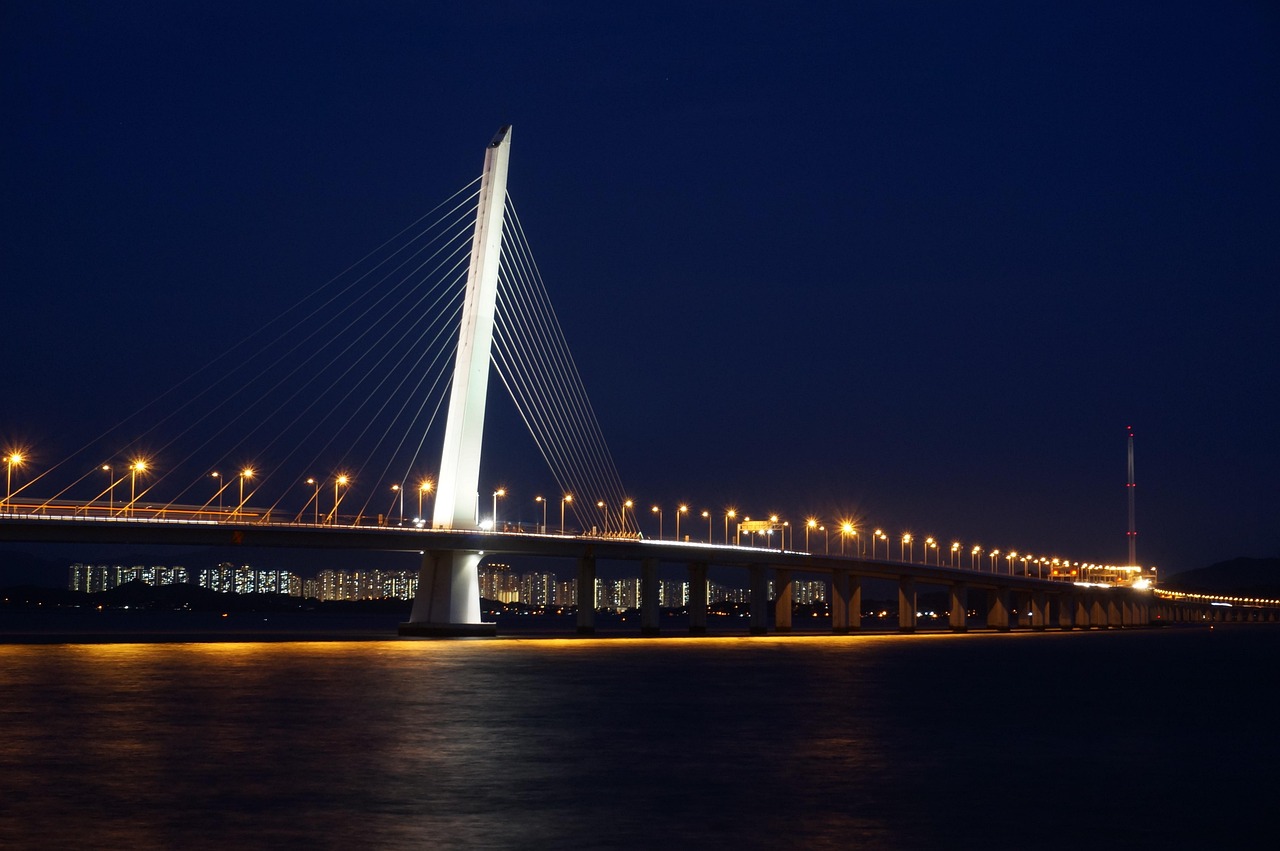
Shenzhen exploded from a fishing village to a metropolis of over 17 million in just four decades, yet oversight lagged behind construction. Rapid high-rise development strained utilities, while more than 30% of buildings produced during early booms were later labeled structurally questionable. The 2015 landslide caused by improper waste-soil storage, which buried 33 buildings, highlighted how unchecked expansion created hidden risks beneath the city’s impressive surface.
9. Naples, Italy : Building on Volcanic Warnings
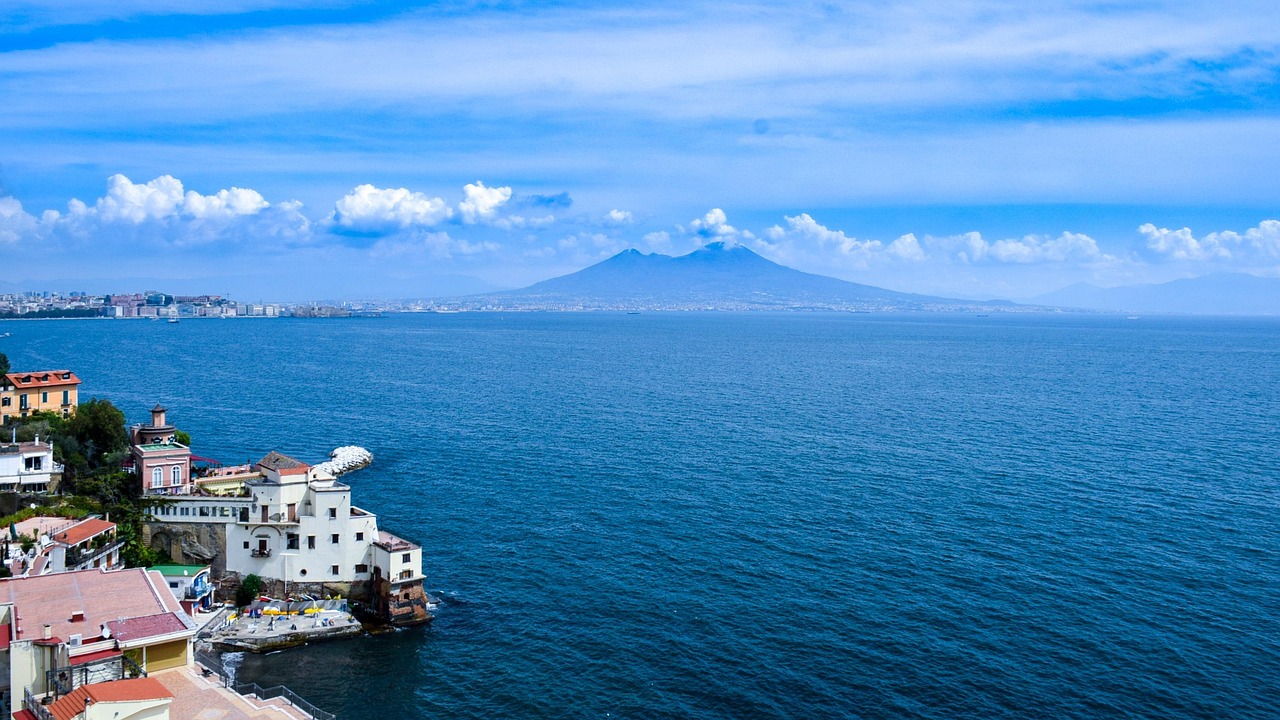
Naples continued expanding into areas near Mount Vesuvius despite hazard maps showing potential eruption zones threatening over 600,000 residents. Illegal construction surged by more than 40% in suburban districts, overwhelming emergency planning. Traffic congestion and narrow streets would make evacuations dangerously slow. By prioritizing short-term housing demands over long-term safety, the city has trapped hundreds of thousands in one of Europe’s highest-risk volcanic zones.
10. Sao Paulo, Brazil : Sprawl Without Transit Capacity
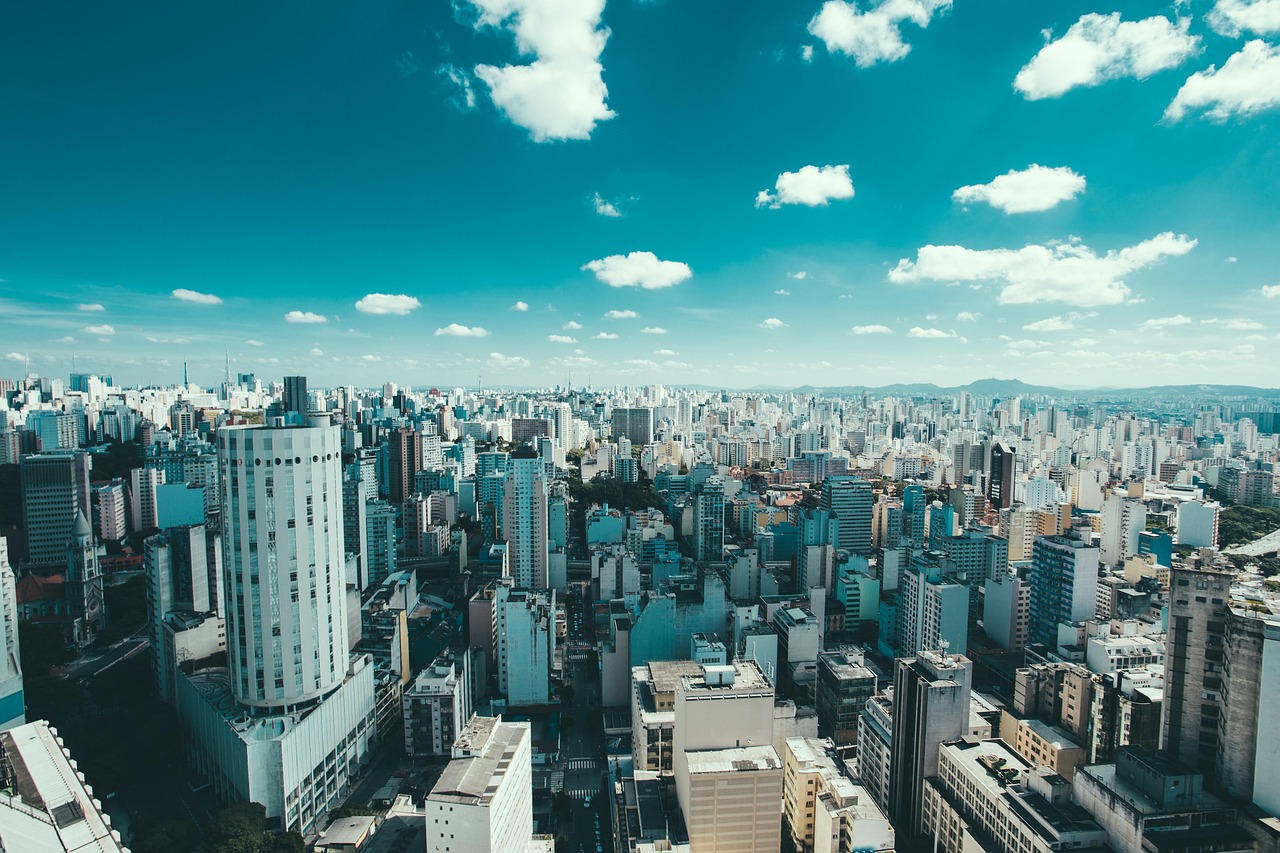
Sao Paulo’s population surged past 12 million, yet transit expansion never caught up. Planners favored highways and allowed low-density sprawl to stretch more than 60 kilometers from the center, creating some of the world’s longest commute times—often over 2 hours one way. Pollution levels regularly exceed recommended limits, and water shortages worsen as development pushes into critical catchment areas. The city’s fragmented growth makes efficient infrastructure nearly impossible.
11. Las Vegas, USA : Pretending Water Is Infinite
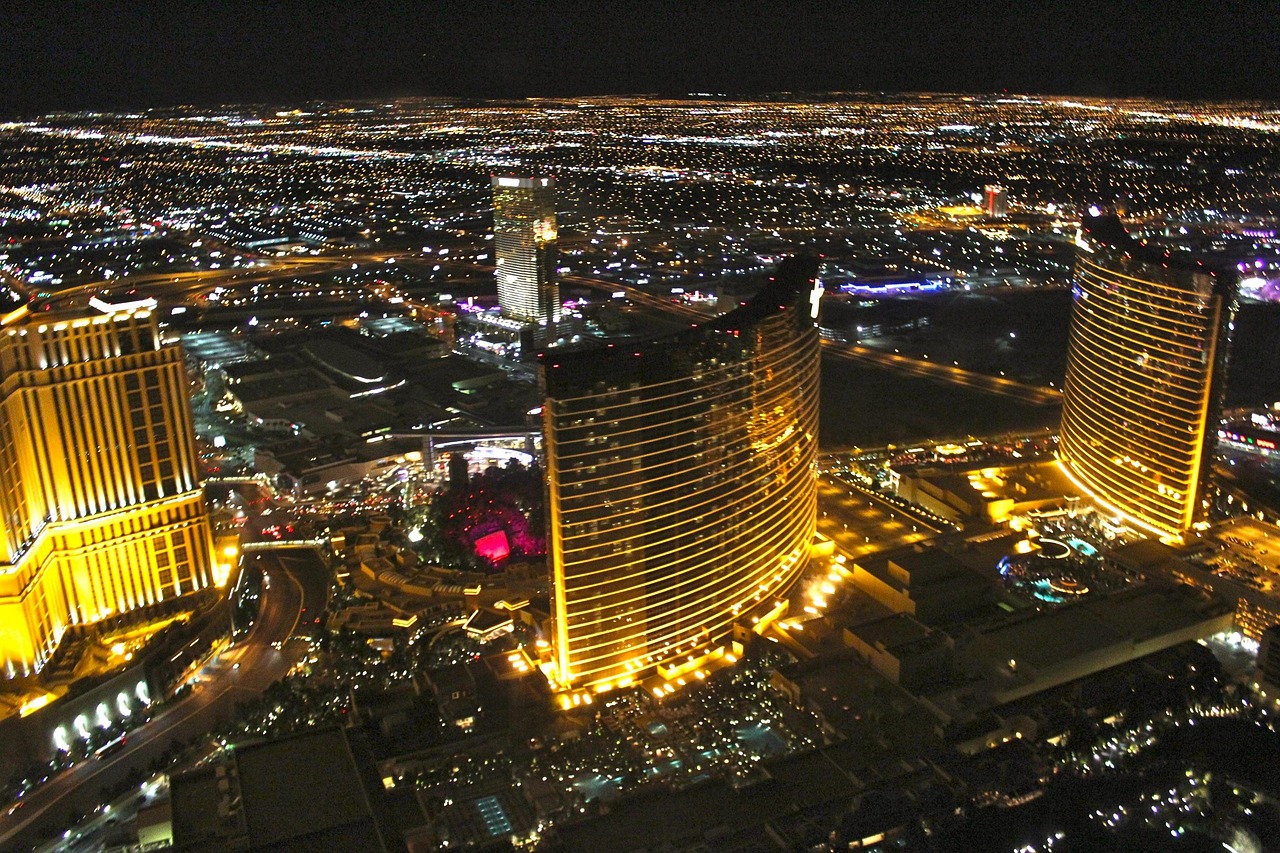
Las Vegas grew to nearly 3 million metropolitan residents while relying on a single source: Lake Mead. For decades, planners approved massive suburban projects even as water levels fell more than 45 meters since 2000. Consumption patterns stayed extremely high, averaging hundreds of liters per person daily. Efforts to drill deeper intake tunnels came only after shortages became unavoidable. The city’s expansion model now faces limits its early planning refused to acknowledge.
12. Cairo, Egypt : Unrestrained Density on Fragile Infrastructure
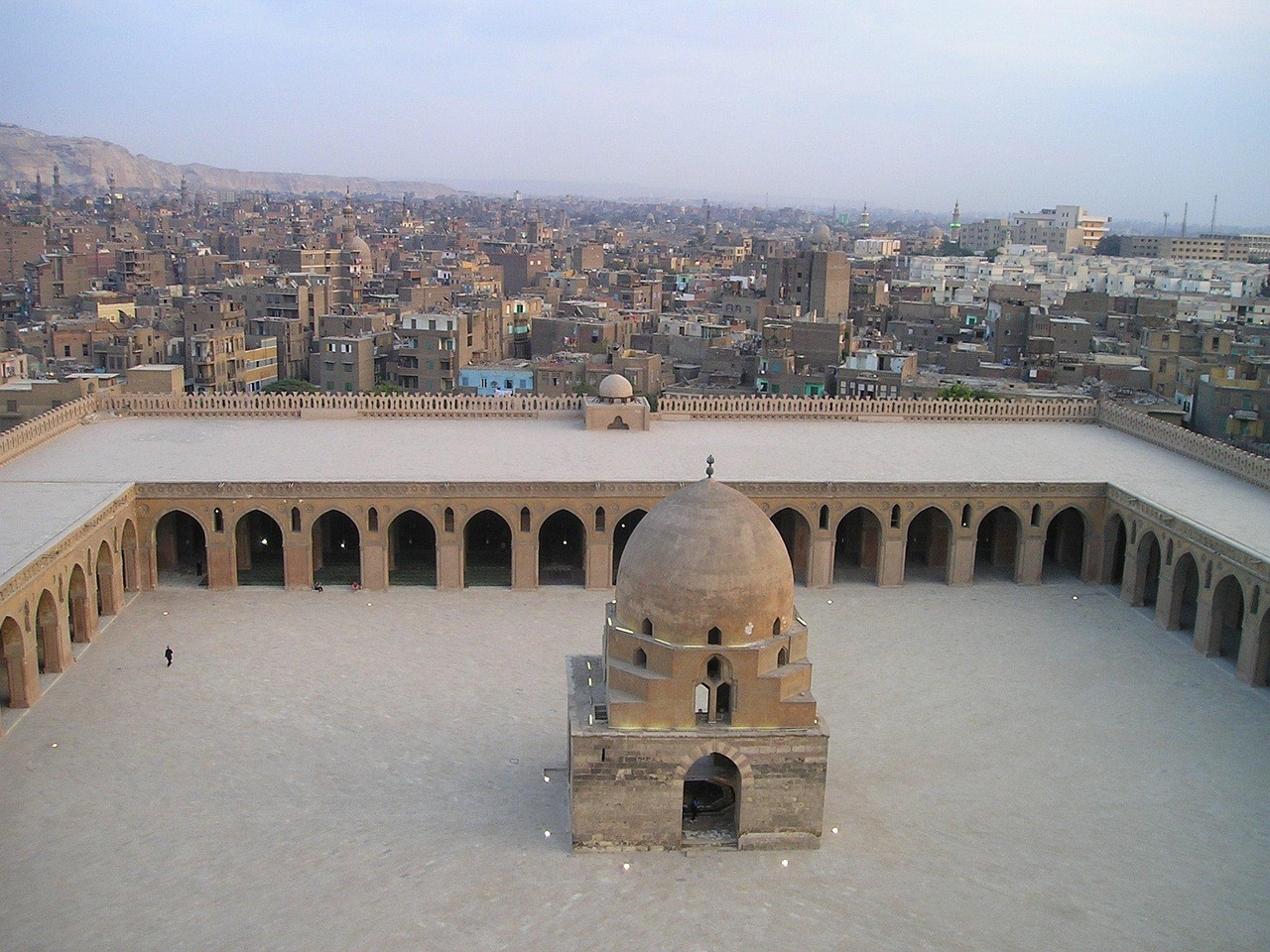
Cairo’s metropolitan population exceeds 20 million, yet planning failed to manage density or upgrade aging networks. Water pipelines leak up to 35% of supply, and traffic congestion costs an estimated billions of dollars annually. Informal housing expanded across desert edges and farmland, reducing arable land by over 60,000 hectares. Choosing expansion over modernization left Cairo with chronic shortages, gridlock, and inadequate public services for its growing population.
13. Istanbul, Turkey : Risky Expansion Over Fault Lines
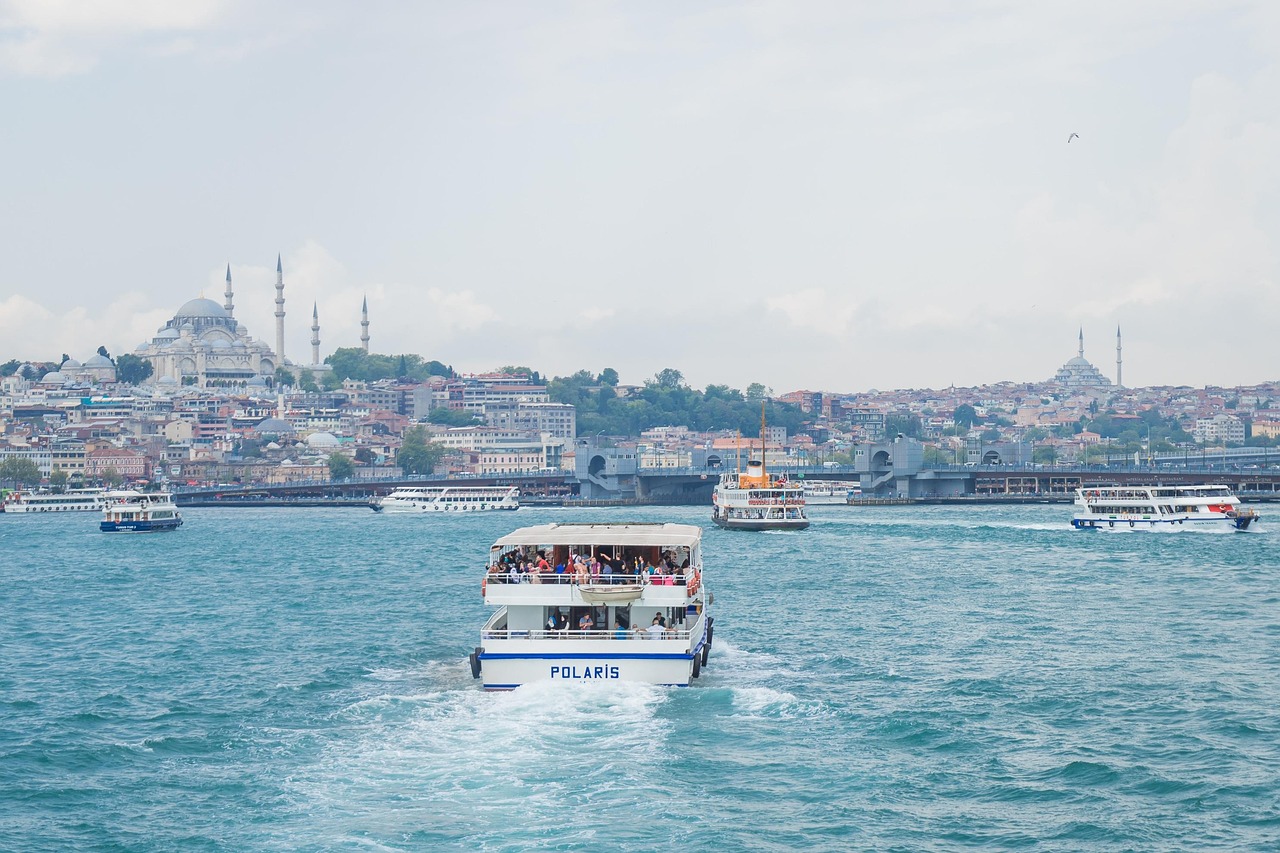
Istanbul expanded toward the North Anatolian Fault despite seismologists warning that a major earthquake could affect more than 15 million residents. Construction boomed across vulnerable districts, with nearly 70% of buildings erected before strict seismic codes. Large infrastructure projects, like the new canal and third bridge, concentrated more development in high-risk zones. The city’s pursuit of expansion over safety has compounded the dangers of an inevitable seismic event.
14. Bangalore, India : Tech Boom Without Urban Discipline
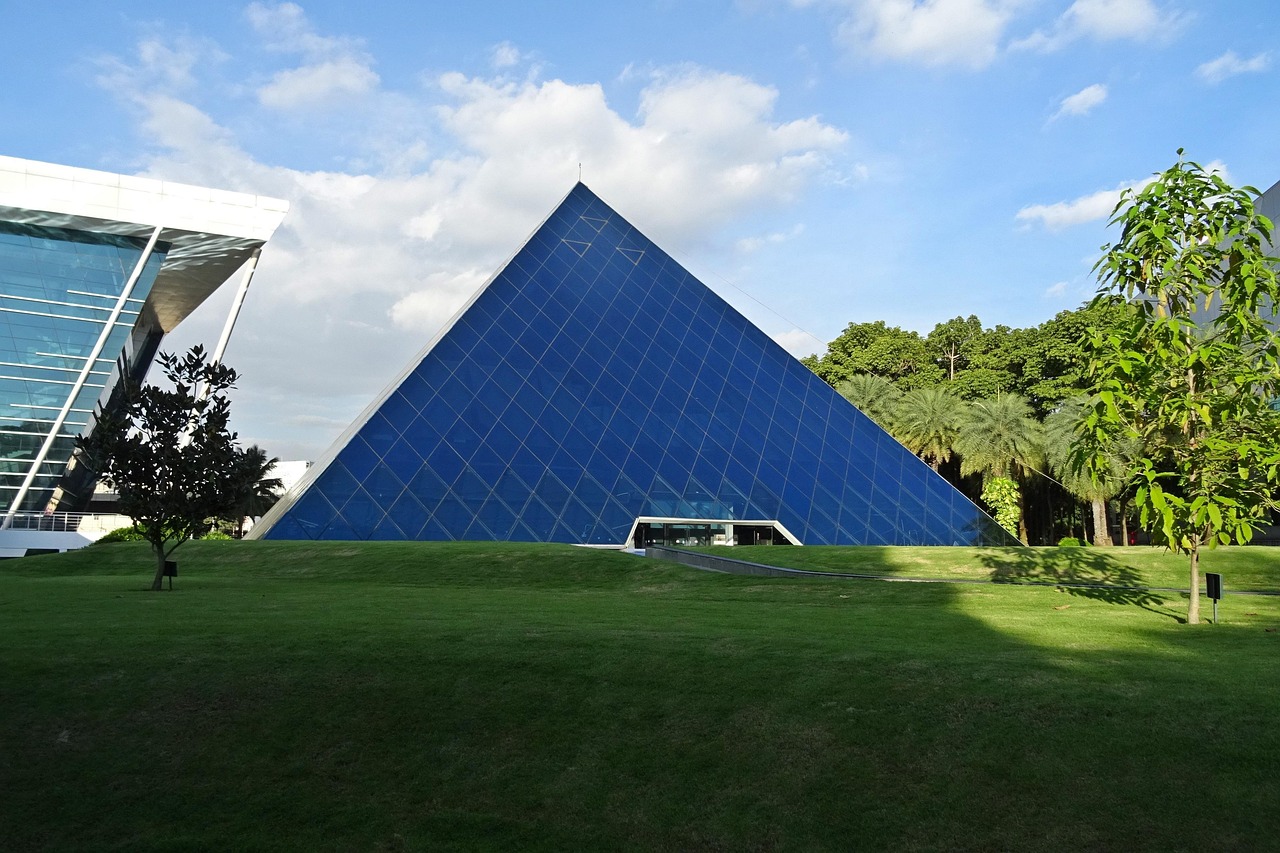
Bangalore’s population surged past 13 million as the tech industry expanded, yet planning failed to preserve the city’s original network of more than 260 lakes. Over 80% were built over or polluted, worsening flooding during seasonal rains. Traffic volumes grew by over 300% in two decades without proportional transit investment. The result is worsening congestion, groundwater depletion, and infrastructure stress caused by a boom the city wasn’t structured to absorb.
15. Manila, Philippines : Overcrowded Growth With No Buffer
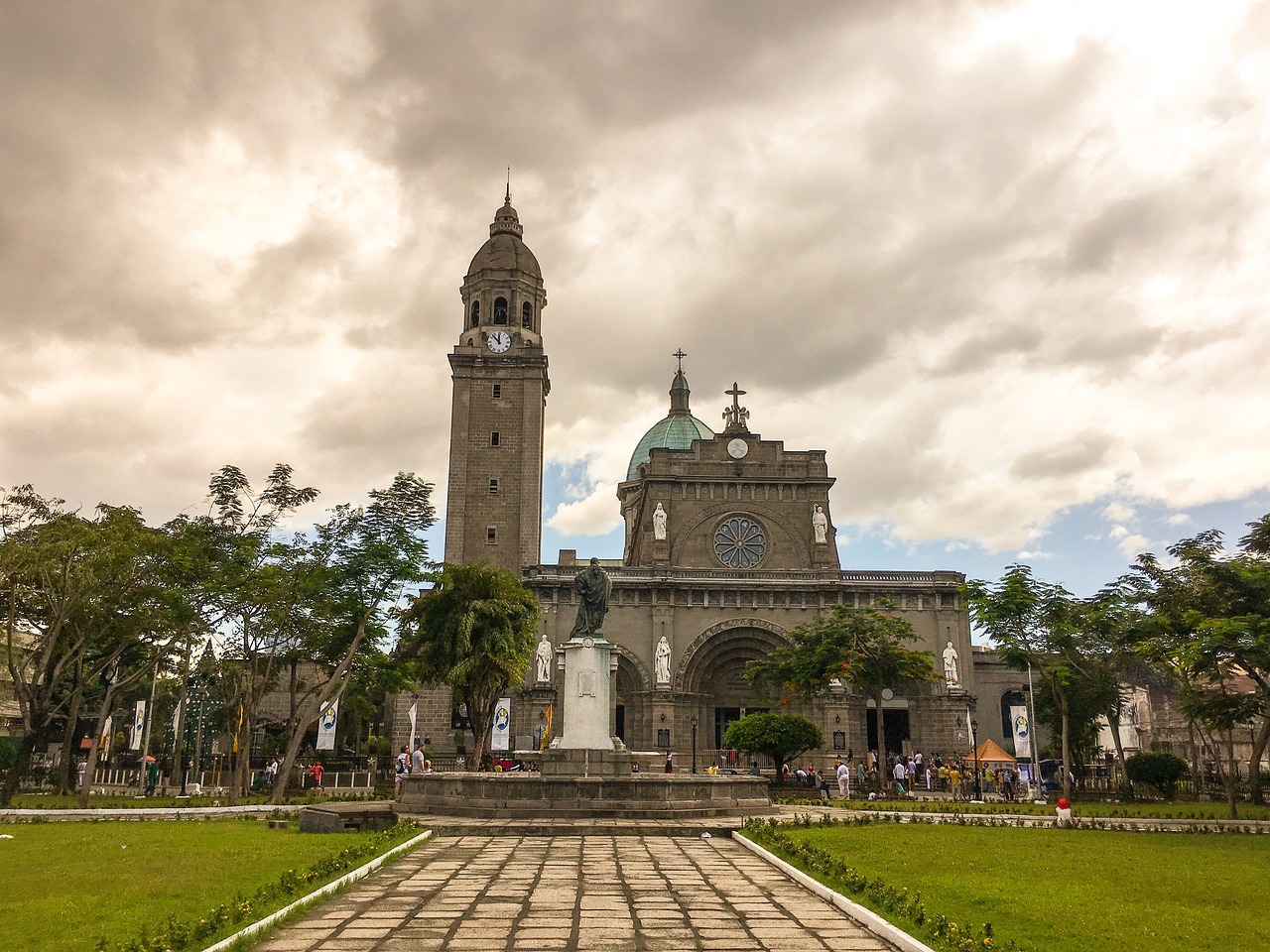
Manila’s metropolitan region swelled past 14 million residents, but planning repeatedly ignored floodplain risks and drainage capacity. More than 40% of the city sits on low-lying land, yet dense buildings continued without stormwater upgrades. Annual rainfall exceeding 2,000 millimeters easily overwhelms canals clogged by rapid urbanization. Reclamation projects shrink natural water pathways, amplifying disaster impacts and leaving millions exposed each monsoon season.