15 Cities Where Architecture Is a Destination
You know those cities where the buildings feel like part of the trip, not just the backdrop? That’s the idea here. When you walk through these places, you notice how every block tells a story. You see how design shapes daily life, how old structures blend with modern ideas, and how neighborhoods carry a personality you can feel. What this really means is that you’re not just sightseeing. You’re exploring how a place thinks, creates, and remembers.
1. Chicago
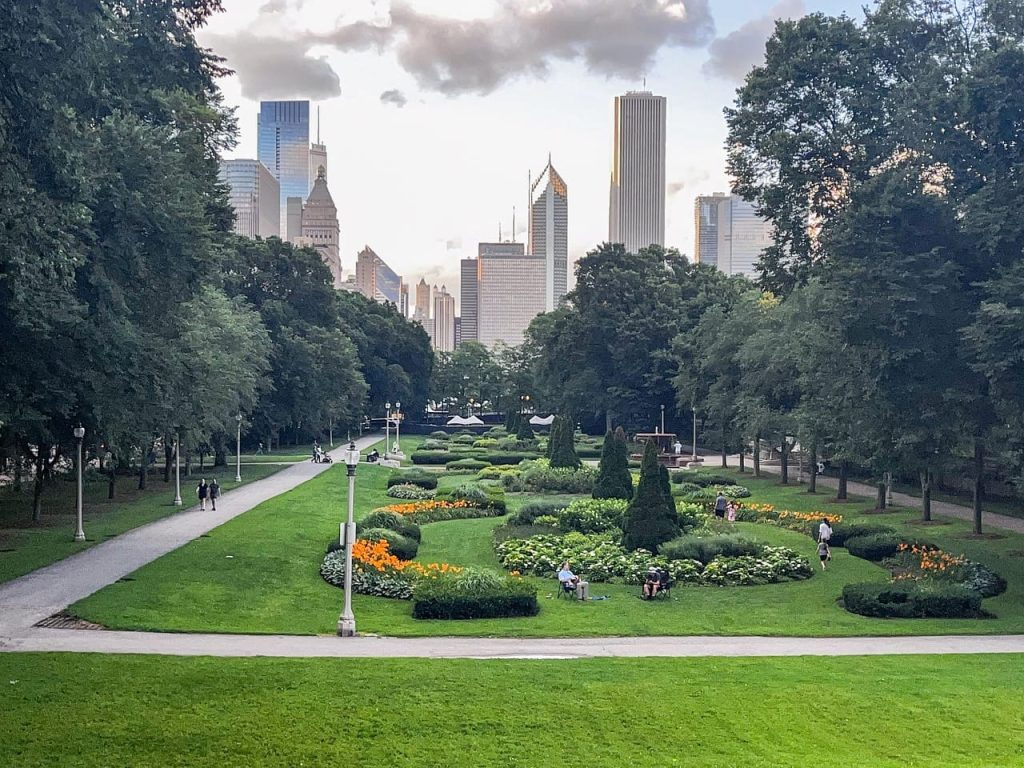
You feel the city’s confidence the moment you look up, because Chicago lets its skyline do the talking. You can follow the lakefront and see how glass towers catch the light, then slip into older districts where brick warehouses now fill new roles. You also notice how the streets guide you, almost like the grid wants you to explore one more block. When you step onto a riverwalk bridge here, you see how design keeps shifting while still honoring what came before.
2. New York City
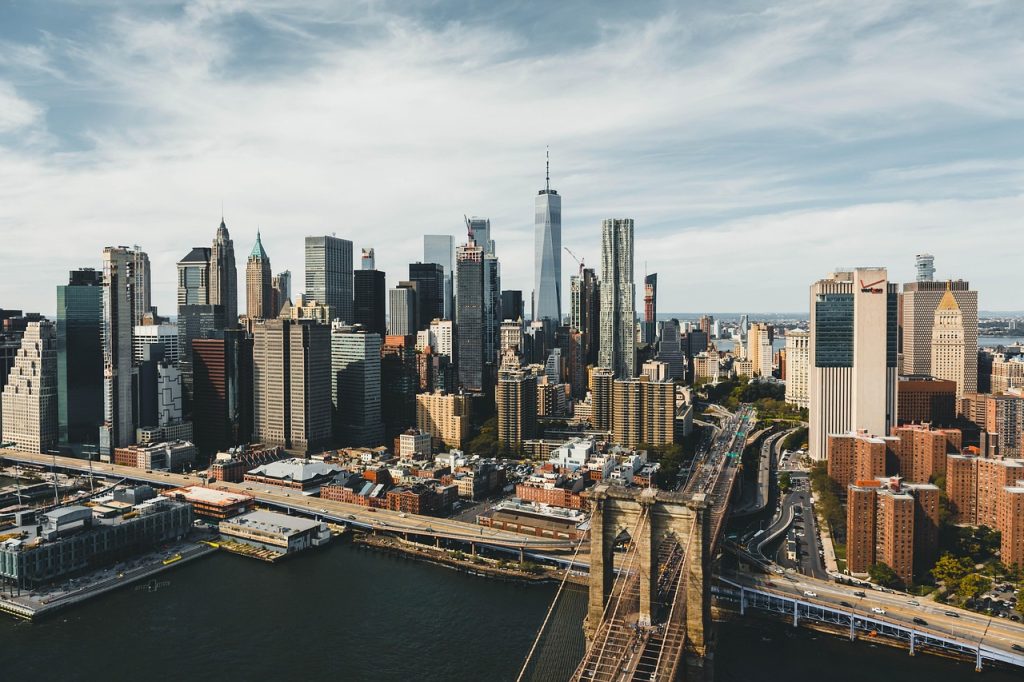
You walk through New York and feel its energy change every few steps, because each neighborhood stacks eras and ideas together. You see classic towers next to sleek new builds, and the contrast pulls you in. You catch how small details like cornices, stoops, and arches give certain streets their rhythm. Then you turn a corner and find something completely different. The city keeps you alert, showing you how scale, density, and history can all fit into one daily experience.
3. Miami
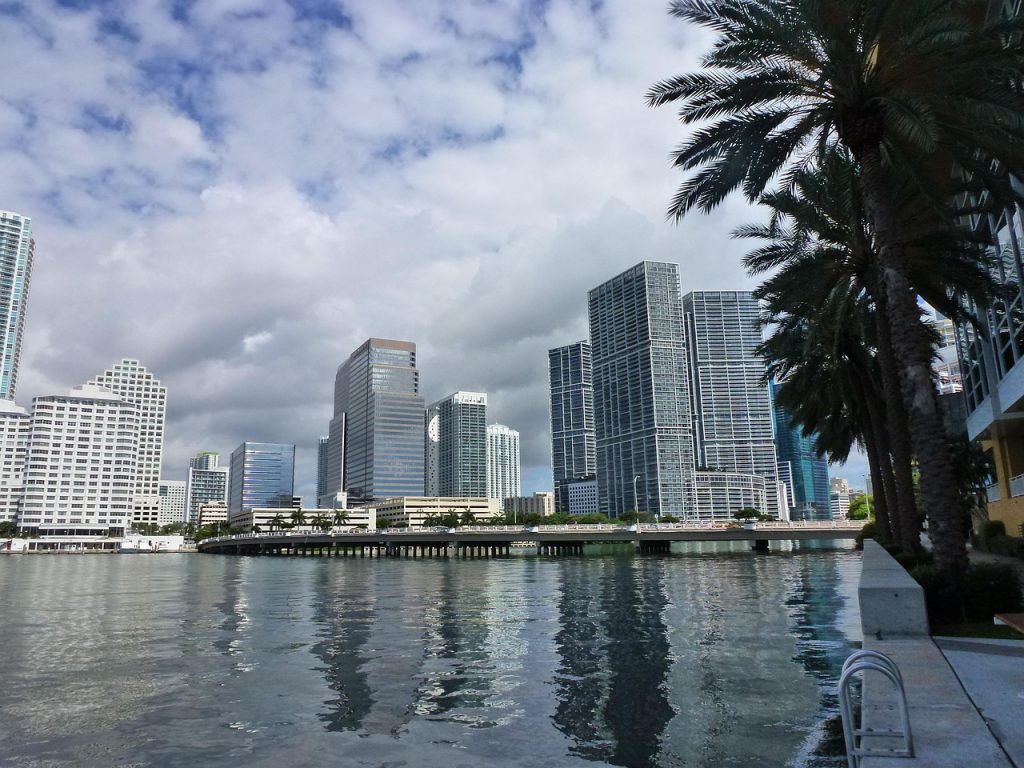
You notice Miami’s architecture first through color and curve. You walk past pastel facades, rounded balconies, and art deco patterns that feel playful without trying too hard. Then you see how new towers rise above it all, shaped by wind, water, and light. As you move between the beaches and the inland neighborhoods, you realize the buildings create a kind of rhythm. They guide you through shade, warmth, and movement and make every block feel alive.
4. Los Angeles
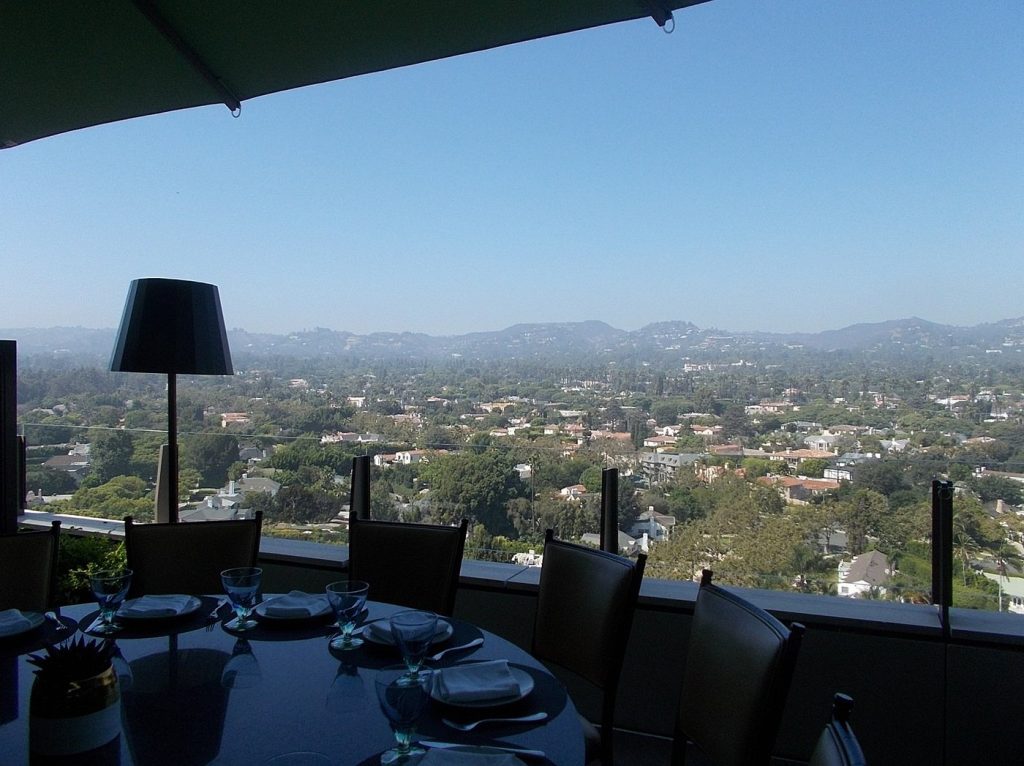
You feel Los Angeles unfold slowly, because the city hides its architectural gems until you reach them. You move through quiet residential streets and find homes that play with shape and space. Then you drive a few minutes and end up at a museum or landmark that shifts your whole sense of scale. What stands out is how the landscape shapes the buildings. Hills, canyons, and coastlines give each area its own look, and you experience a new style every time you change direction.
5. San Francisco
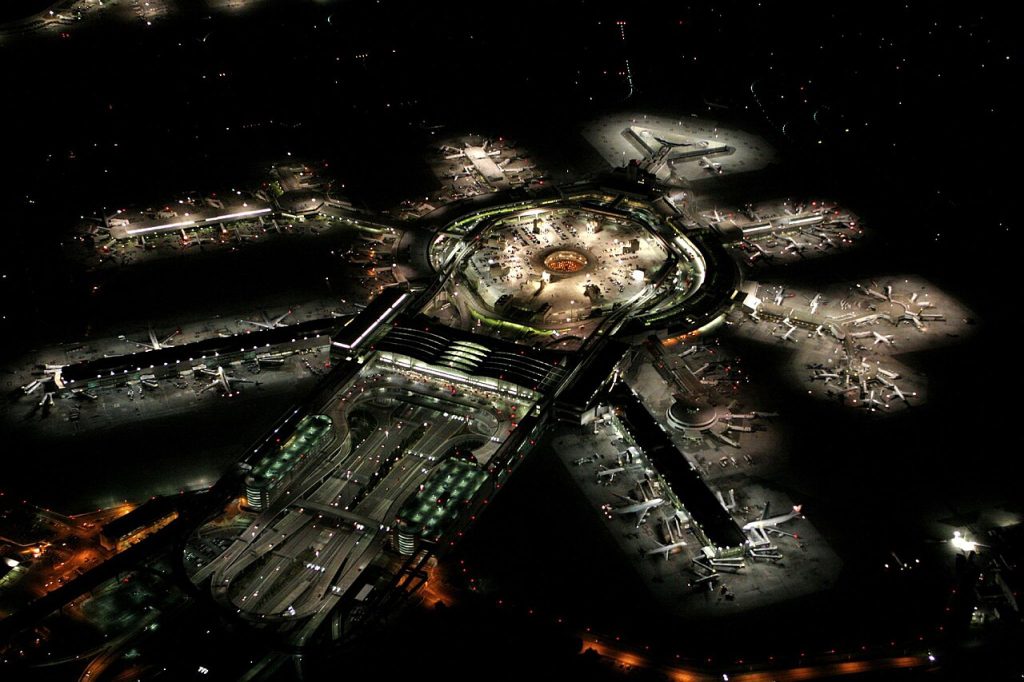
You climb a hill here and suddenly see how the entire city stacks itself like a stage set. The row houses line up neatly, each with its own small details you wouldn’t notice from afar. Then you walk closer and realize the mix is wider than you expected, with grand Victorian designs sitting near sharp modern builds. The terrain pushes the architecture to adapt, and you feel that tension and creativity every time you turn onto a new slope or overlook the bay.
6. New Orleans
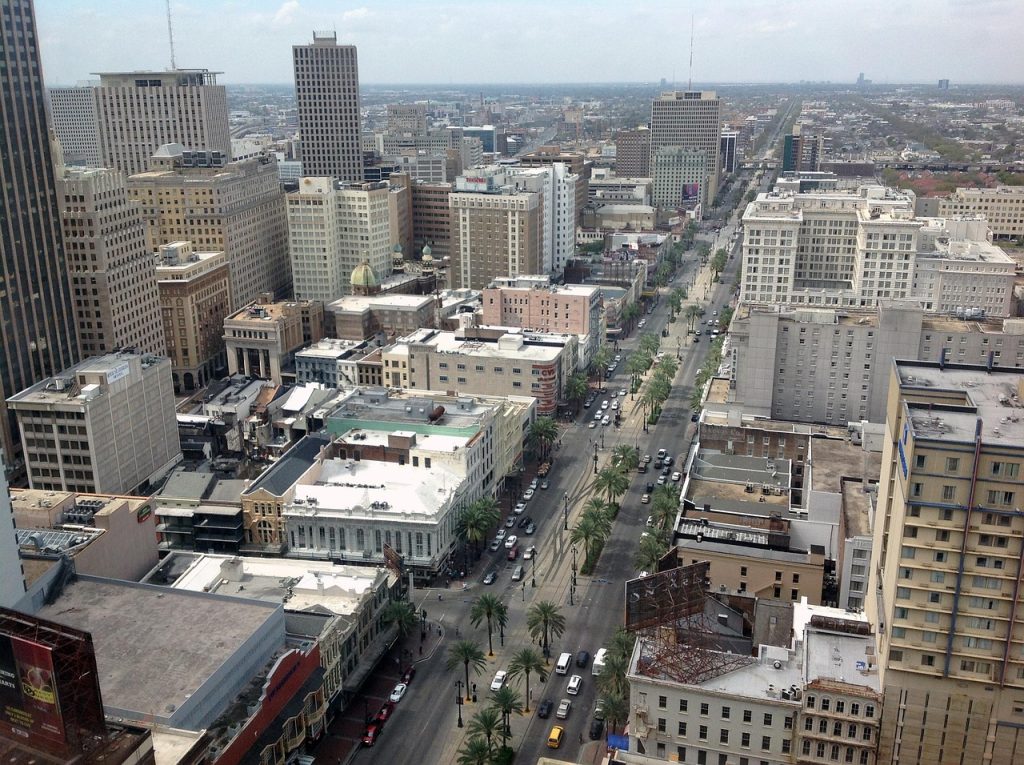
You sense the past immediately because the buildings in New Orleans hold onto their stories. You see wrought iron balconies, tall shutters, and courtyards that make the streets feel intimate. As you explore, you notice how different cultures shaped these blocks. Creole cottages sit near grand townhouses, and both blend into a rhythm you can feel as you walk. Even the small alleys pull you in. The architecture doesn’t try to impress you. It just speaks, and you listen.
7. Santa Fe
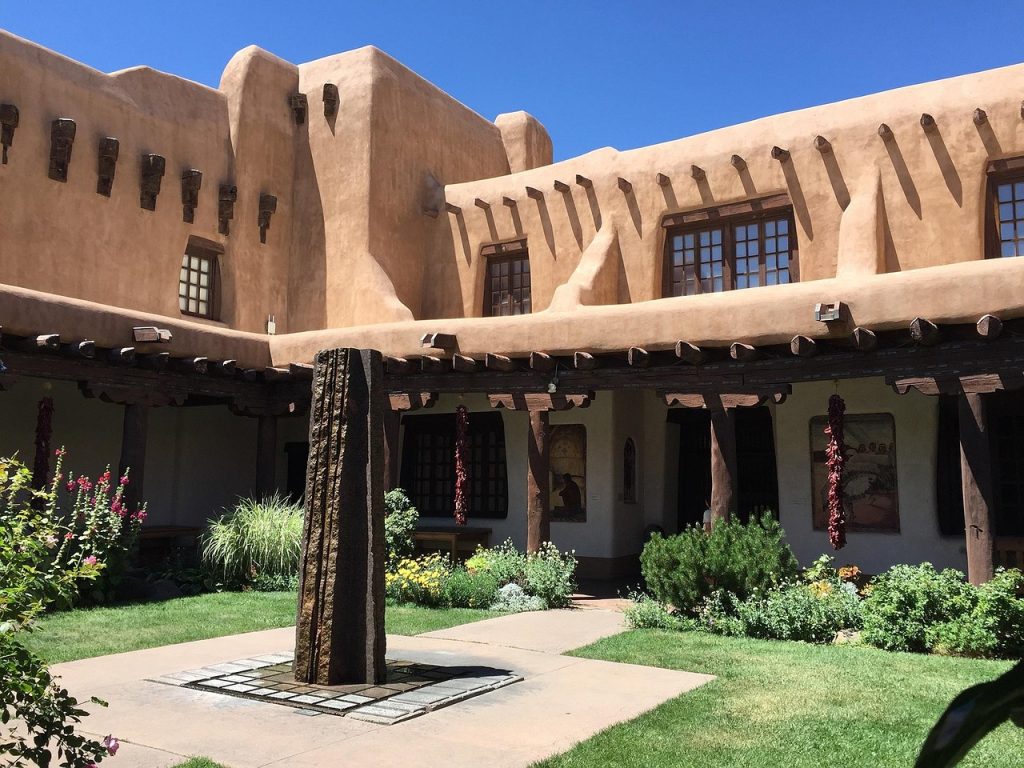
You notice Santa Fe’s calm the moment you see its adobe structures. The rounded edges, earthy tones, and wooden beams make the buildings feel rooted in the land. As you walk, you see how tradition and modern design meet without fighting each other. Galleries, homes, and public spaces follow a shared language, so the whole city feels connected. You move through light and shadow in a way that slows you down and makes you appreciate every curve and texture.
8. Boston
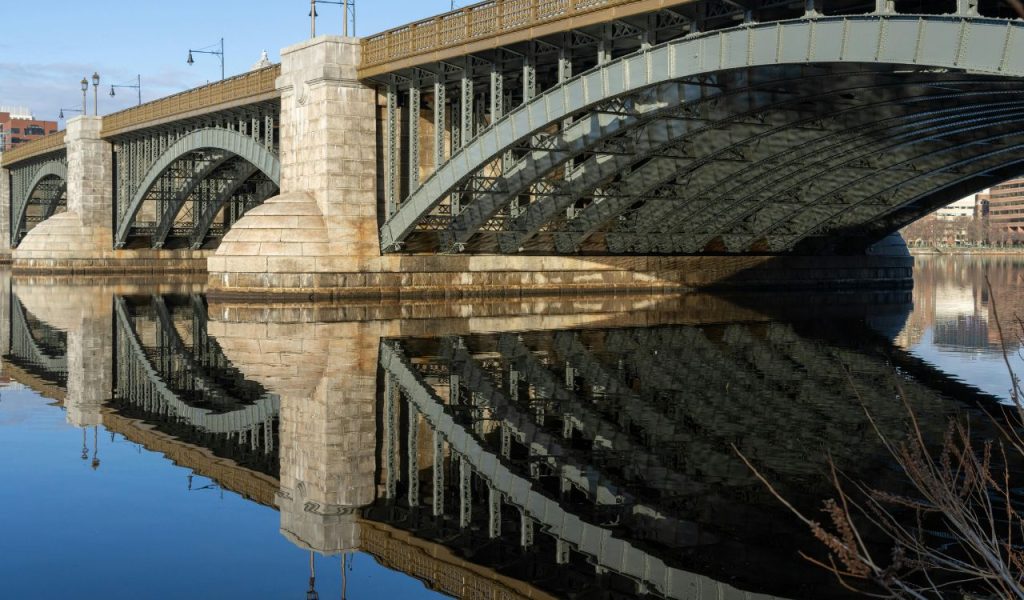
You walk Boston’s older streets and feel how the city balances history and innovation. Brick paths, narrow lanes, and centuries-old buildings give certain areas a warm, lived-in mood. Then you turn toward the skyline and see sharp, modern angles rising above it. The shift is quick but smooth. You feel the layers of time here, not as a clash but as a conversation. It’s a place where you can read the city’s past and future in the same block.
9. Seattle
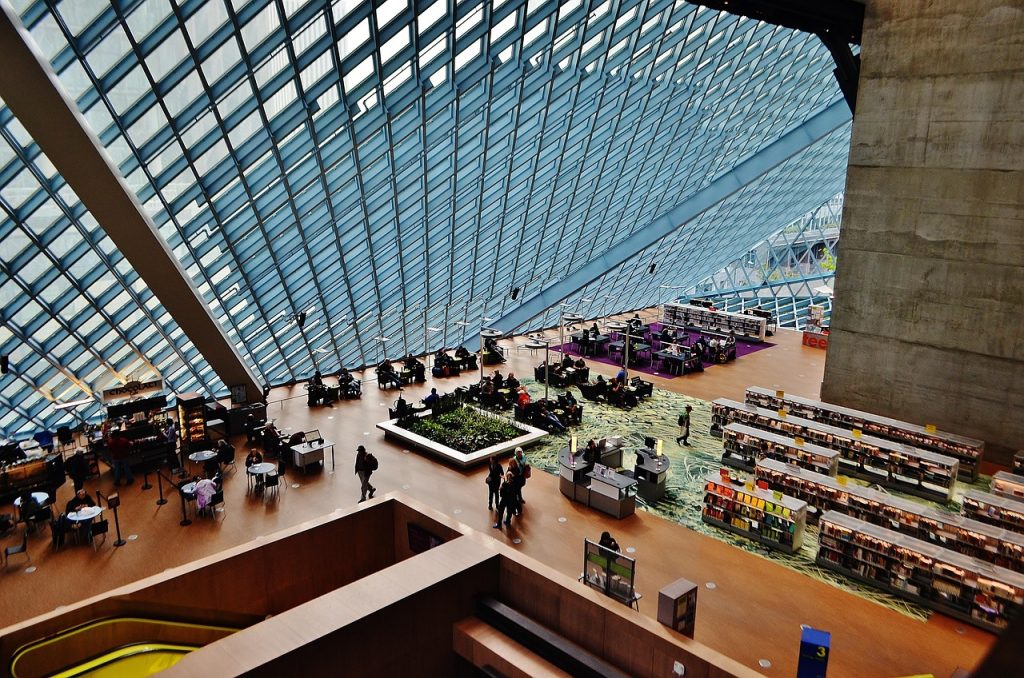
You feel Seattle’s relationship with nature in its buildings. Glass structures reflect water and sky, and the steep streets frame the landscape in unexpected ways. As you wander, you notice how older warehouses and timber buildings mix with clean modern lines. The city uses light, space, and texture to give each district a distinct personality. You also sense how the climate shapes everything, from rooflines to public spaces, creating a style that feels both practical and creative.
10. Washington, D.C.

You walk through D.C. and notice how order and openness define the experience. Streets line up cleanly, and the low skyline lets the sky stay part of the view. As you explore, you see neoclassical landmarks giving the city a sense of weight and purpose. Then you find modern neighborhoods with newer ideas but similar discipline. It feels intentional, almost like the whole layout invites you to slow down and take in the symmetry, the space, and the quiet confidence.
11. Philadelphia
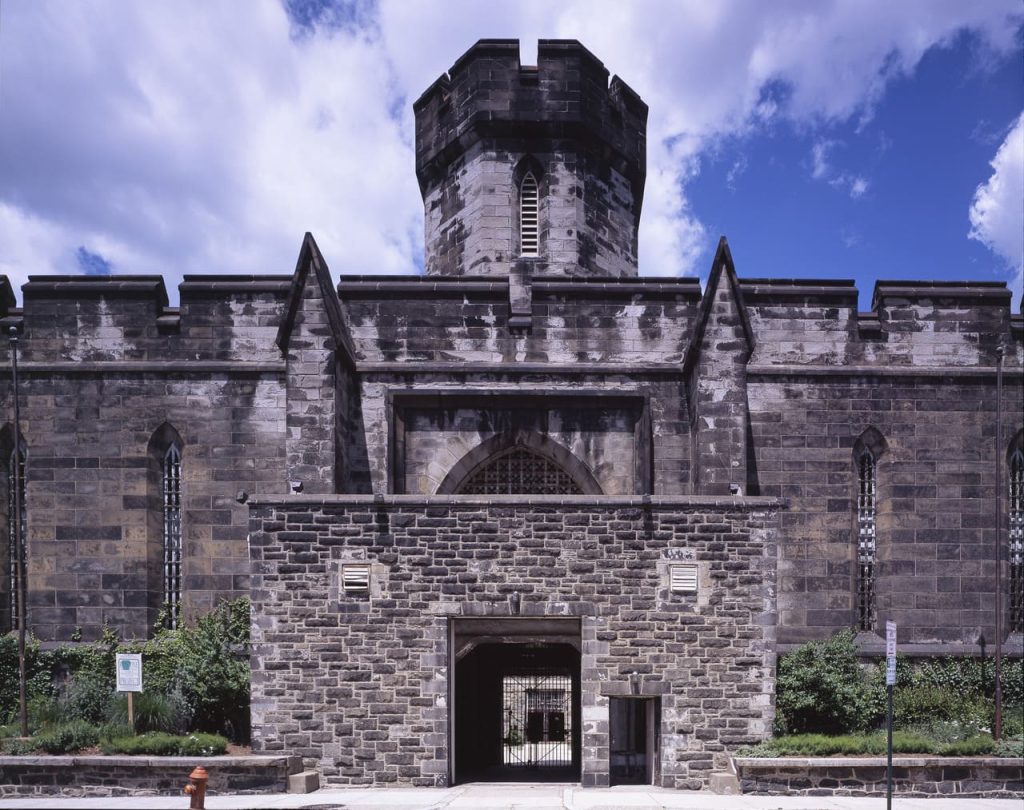
You feel Philadelphia’s pride through its architecture. You walk block after block and see how the city preserves its early foundations while still letting new towers reshape its center. Brick row homes give neighborhoods their steady rhythm, while historic squares offer moments of calm. Then you reach busier districts where steel and glass take over. The mix never feels forced. It simply shows you how a city can grow without losing the character that defines it.
12. Portland
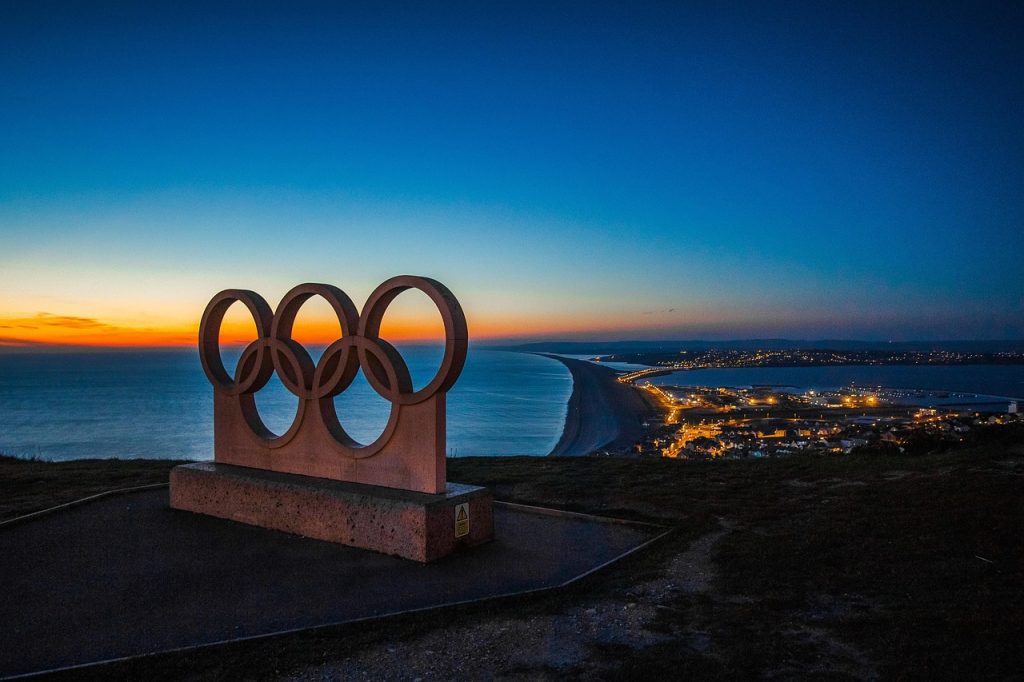
You notice Portland’s sense of balance as you explore its neighborhoods. Smaller buildings use simple lines and warm materials, creating a feeling of comfort. Then you find more modern areas where design pushes toward cleaner, sharper edges. What holds it all together is how walkable everything feels. You experience architecture as part of daily movement rather than something distant or decorative. The city shows you how thoughtful design can make each street inviting.
13. Pittsburgh
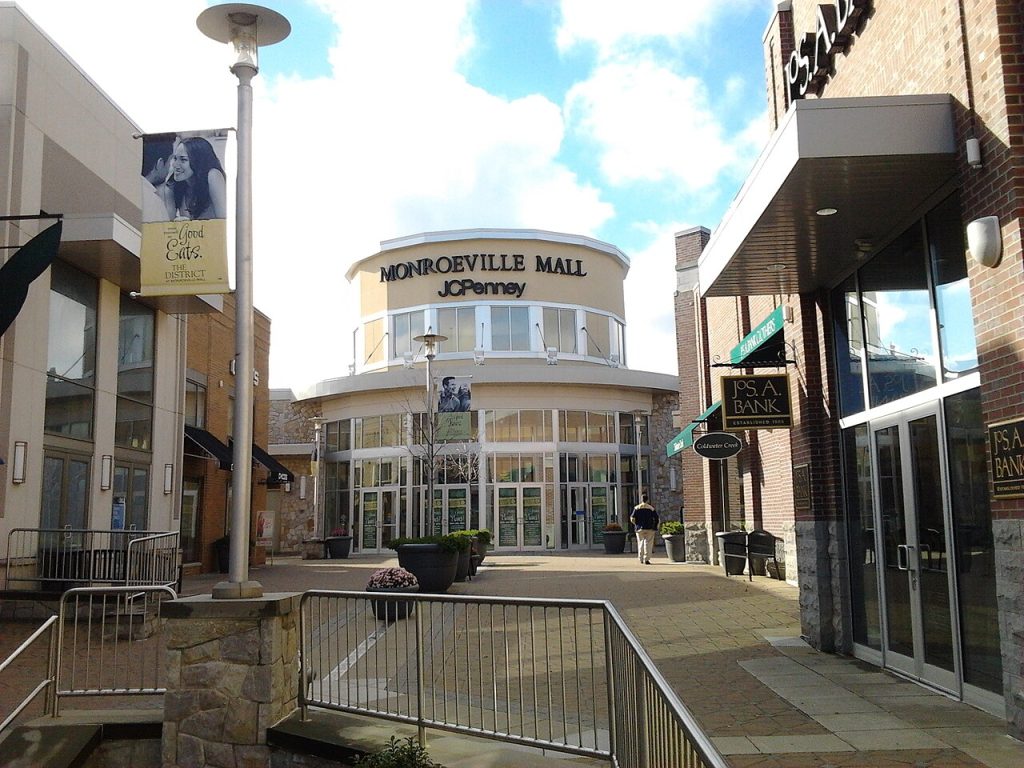
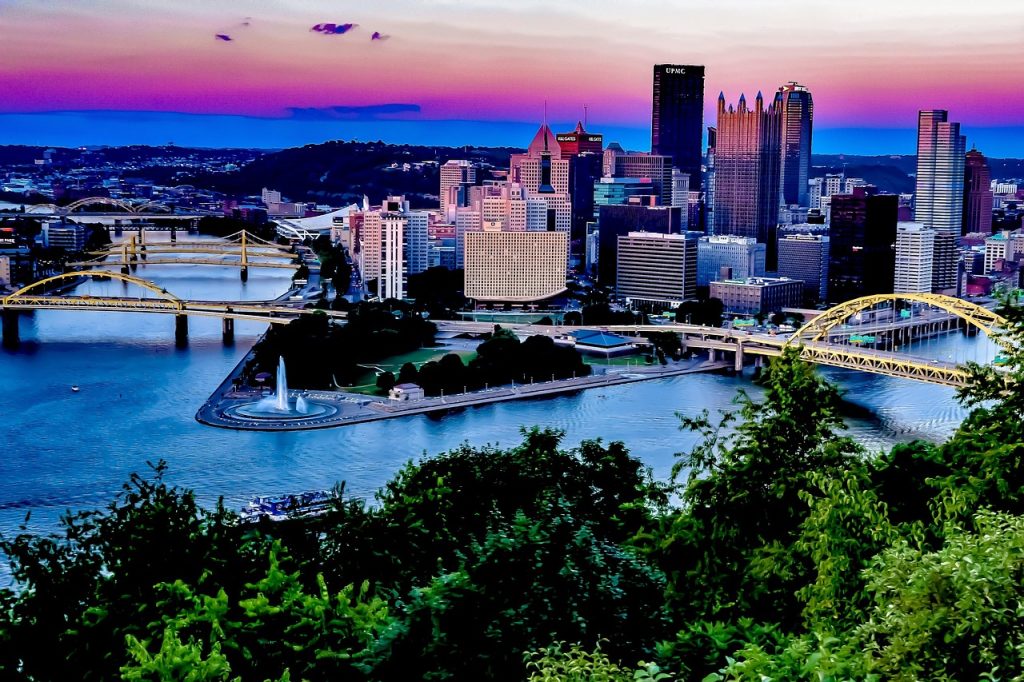
You learn Pittsburgh’s story through its hills, bridges, and repurposed industrial buildings. You see how former factories now hold new lives and how older districts blend with contemporary towers along the rivers. The terrain makes the architecture shift constantly, giving you different angles and colors as you move. You feel the city’s resilience in its structures, and you sense how each neighborhood shapes its look with pride and intention.
14. Savannah
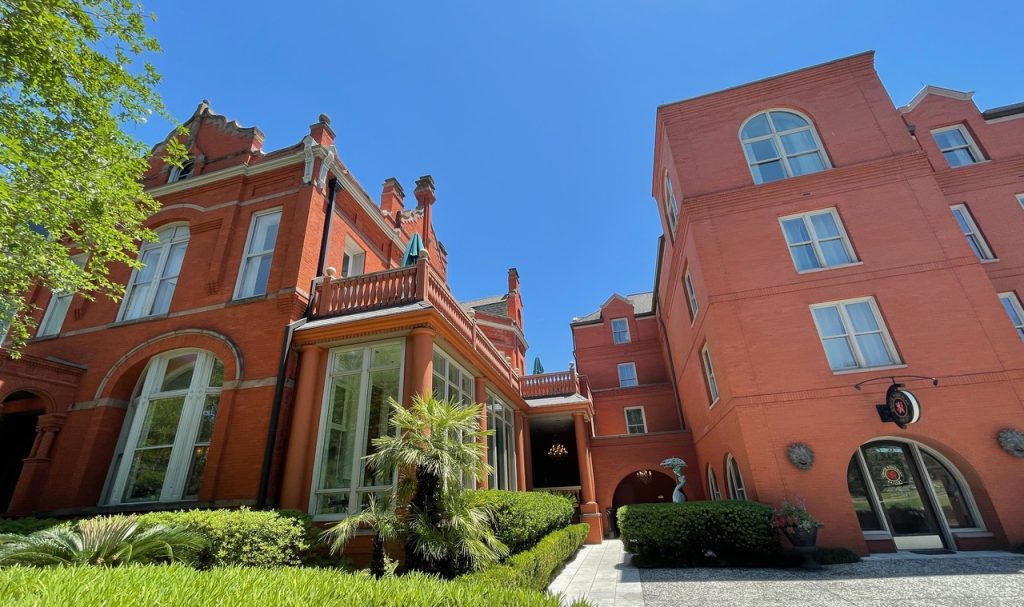
You walk through Savannah and feel how its architecture shapes the mood of every square. The oak trees, the ironwork, and the wide porches work together in a way that makes the city feel welcoming. You notice how older homes and restored buildings keep their charm without feeling frozen in time. The layout pulls you toward shaded paths and small details that reward slow exploring. Each block feels like its own little world.
15. Denver
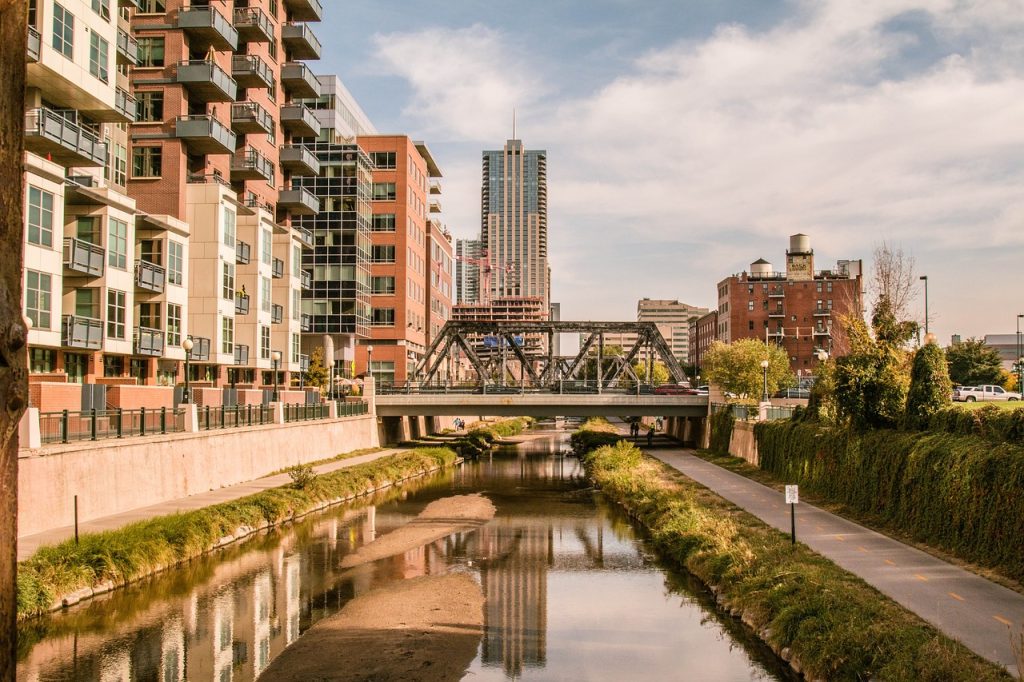
You feel Denver’s mix of old and new as you move from the historic districts to the newer developments. Brick warehouses now house creative spaces, while modern towers stand against the mountain backdrop. You notice how the city uses light and openness to shape your view. Outdoor spaces blend with the architecture, giving you a sense of movement and possibility. It’s a place where design feels responsive to both the climate and the landscape.