15 Grocery Items Suddenly Disappearing From Shelves in 2026

Grocery shoppers across the country have begun noticing unusual gaps on store shelves this year as shifting supply chains, changing consumer habits, and global market pressures influence what stores can keep in stock consistently. Many familiar items remain available but appear less frequently or in smaller quantities because manufacturers adjust production to manage rising costs and unpredictable demand. Climate impacts on agriculture, transportation delays, and ingredient shortages contribute to the disappearance of products that once seemed dependable staples. These changes vary by region and brand, yet the pattern reveals how interconnected grocery systems respond to broader economic conditions. Understanding which items stand at risk of reduced availability helps highlight the evolving nature of everyday shopping in 2026 and the factors shaping what ends up in household carts.
Canned Tuna
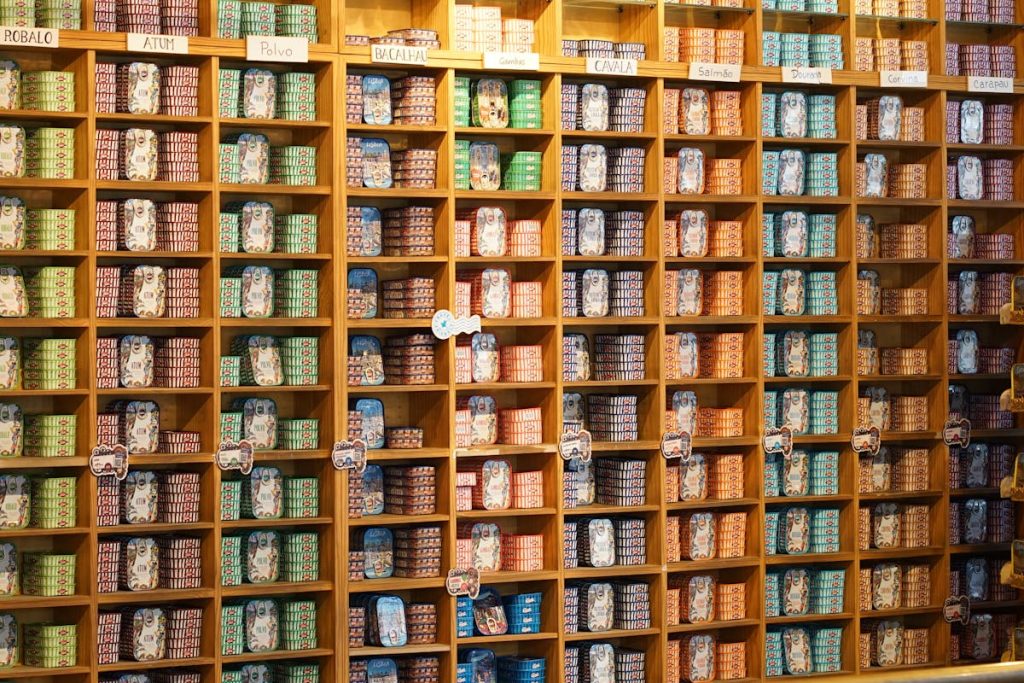
Canned tuna availability has fluctuated due to international fishing restrictions, rising ocean temperatures, and increased oversight aimed at protecting vulnerable species. Many fisheries face reduced catch quotas as conservation efforts expand, leading companies to scale back production or focus on specific species that remain within sustainable limits. Transportation costs tied to overseas shipping have also influenced how frequently certain brands reach American shelves. As demand remains steady, the combination of environmental and regulatory pressures gradually reduces the variety of tuna products found in stores. Retailers continue adjusting inventories to match what suppliers can provide, creating noticeable gaps that reflect the changing realities of global seafood management.
Olive Oil
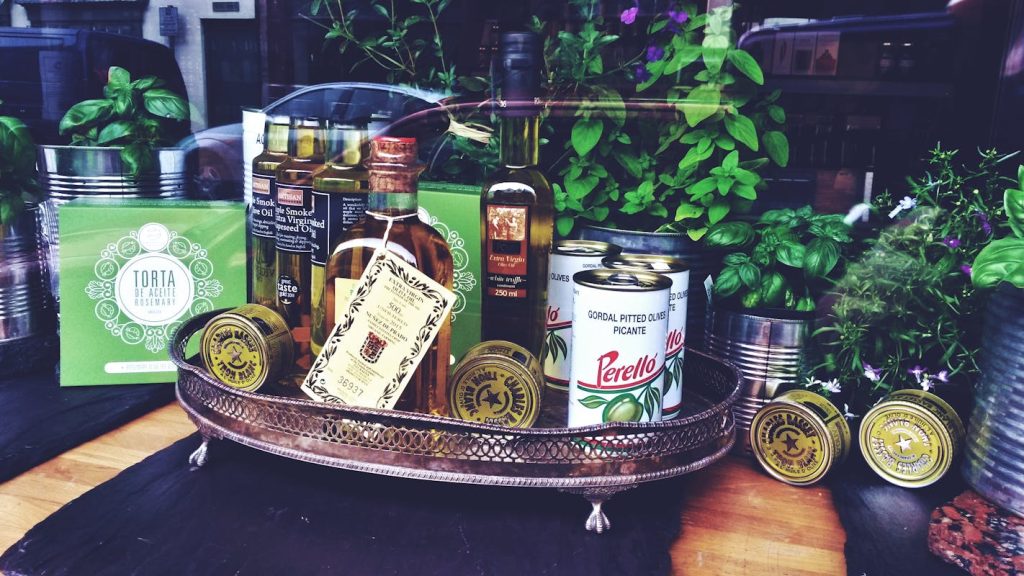
Olive oil shortages have grown more common as major producing regions in Spain and Italy face severe drought and heat-related crop damage. Olive harvests have dropped dramatically, forcing many producers to limit exports or raise prices to offset losses. These challenges strain supply chains that depend heavily on European harvest cycles. Retailers in the United States have begun receiving fewer shipments and carrying reduced brand selections, particularly among extra virgin varieties. While some alternative oils remain abundant, olive oil’s unique flavor and culinary versatility keep demand high. The mismatch between supply and interest contributes to more frequent empty spaces where popular bottles once appeared consistently.
Frozen Vegetables
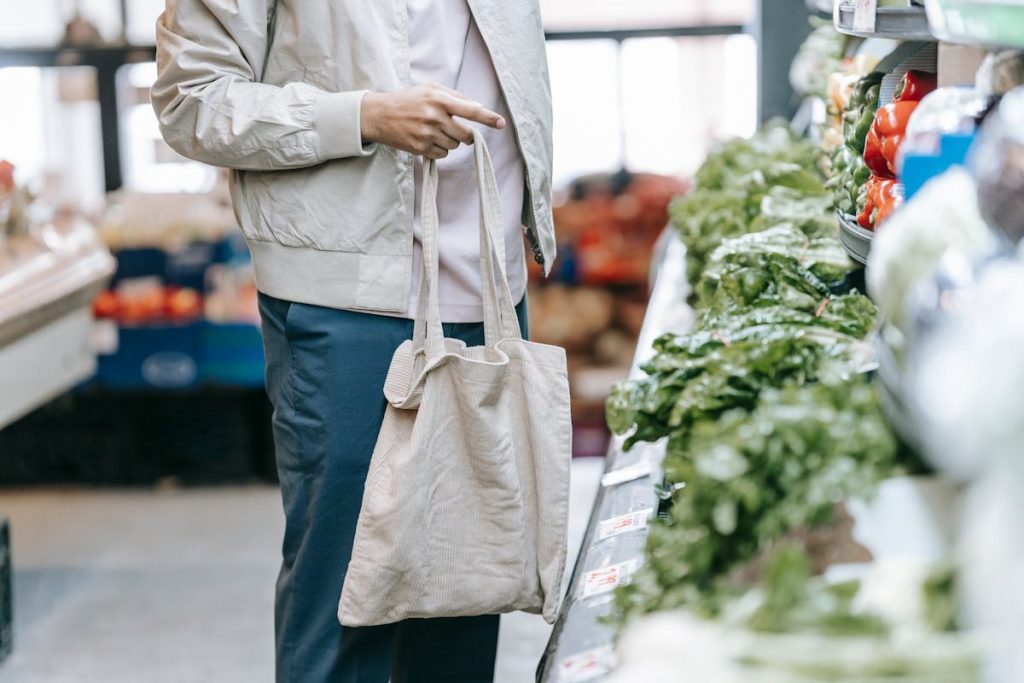
Frozen vegetables have become harder to find as unpredictable weather patterns and reduced crop yields affect farms that supply large processing facilities. Drought, flooding, and shifting seasonal conditions impact harvest size and consistency, creating shortages in items like peas, broccoli, and mixed vegetable blends. Processing plants struggle to meet previous production levels when raw ingredients arrive in lower quantities. As a result, retailers often stock fewer options or rely on limited shipments that disappear quickly. Frozen vegetables remain in high demand due to convenience and long shelf life, making supply gaps especially noticeable for families seeking quick meal solutions during busy weeks.
Breakfast Cereals

Breakfast cereals continue to face disruptions due to rising grain costs, packaging shortages, and shifts in manufacturing priorities. Some companies have reduced the number of flavors or discontinued slower-selling products to focus on core offerings. Grain harvest fluctuations worldwide further complicate production schedules that depend on stable commodity markets. Transportation delays and supply challenges for cardboard and other packaging materials create additional strain. Consumers may notice fewer specialty or seasonal cereals on shelves as brands streamline to maintain efficiency. These changes highlight how even familiar household staples adapt to balancing production costs with evolving demand across competitive grocery aisles.
Canned Soups
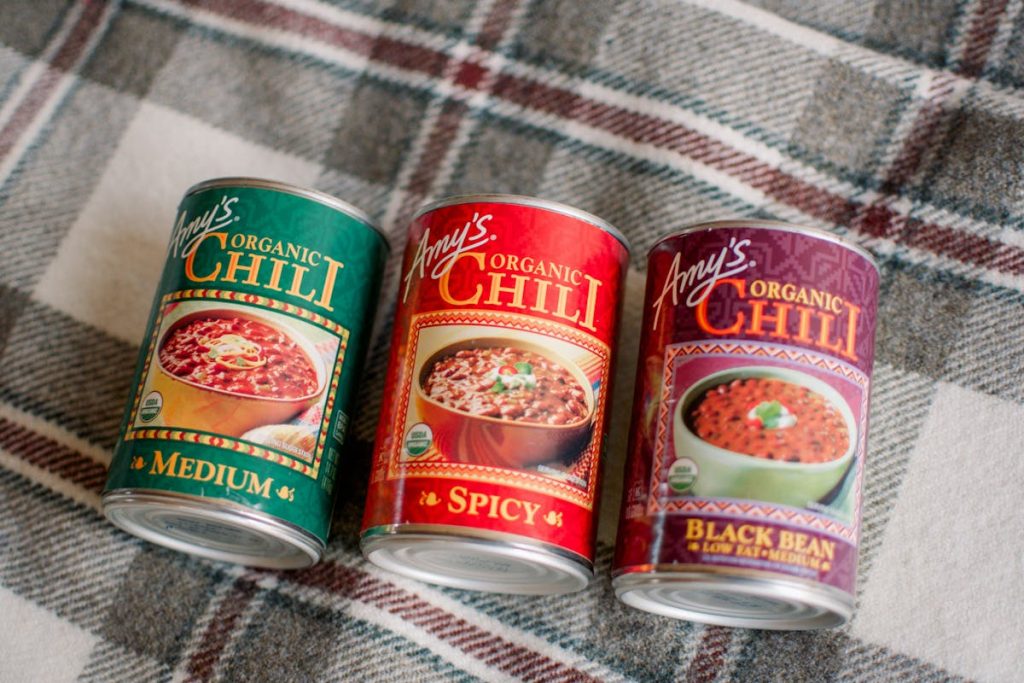
Canned soups have experienced intermittent shortages as food manufacturers deal with ingredient scarcity, higher metal-can prices, and increased demand for easy pantry meals. Supply challenges with vegetables, broths, and certain proteins contribute to slower production cycles, especially for multi-ingredient varieties. Some factories have shifted resources toward top-selling flavors while pausing less popular selections. Retailers report inconsistent deliveries from major brands, resulting in fluctuating availability that leaves shelves partially stocked. The combination of comfort-food popularity and supply limitations creates a noticeable reduction in product diversity, reminding shoppers how dependent these items are on multiple coordinated supply-chain components.
Sparkling Water
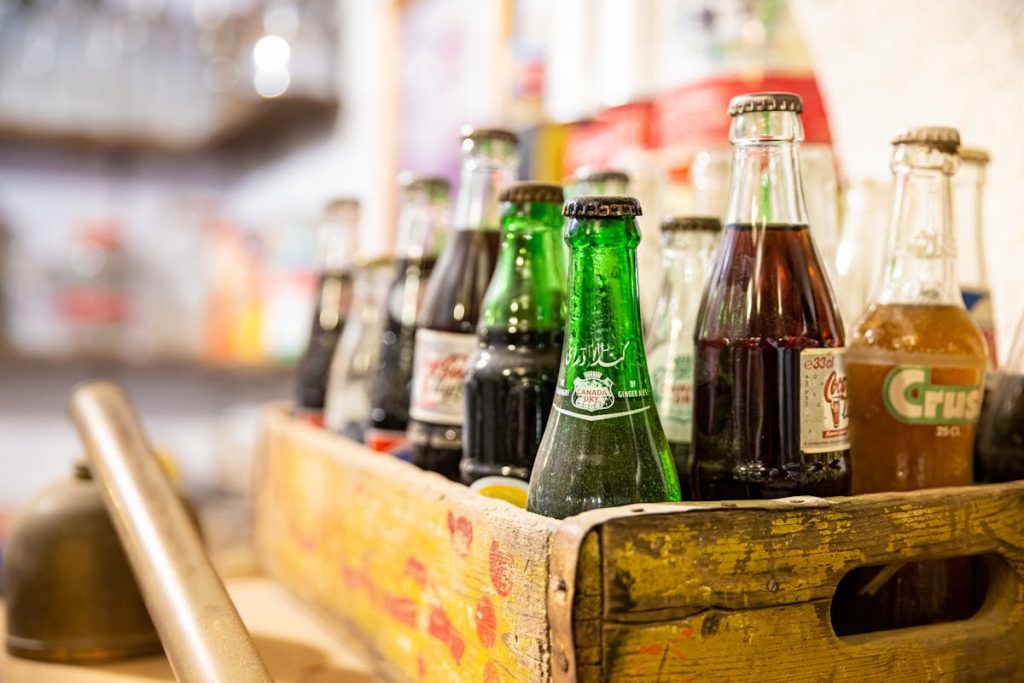
Sparkling water shortages stem from increased demand, limited carbon dioxide supplies, and manufacturing strain as beverage companies expand production lines. Carbon dioxide availability fluctuates due to supply-chain bottlenecks linked to industrial processing facilities. Popular flavored varieties often sell out quickly because production cannot keep pace with rapidly growing interest. Aluminum can shortages further complicate bottling decisions for beverage brands that must prioritize certain product categories. These factors contribute to reduced shelf space for sparkling water in many stores, particularly during peak seasons when carbonated drinks become more popular. Consumers may notice fewer flavor choices or sporadic availability throughout the year.
Specialty Cheeses
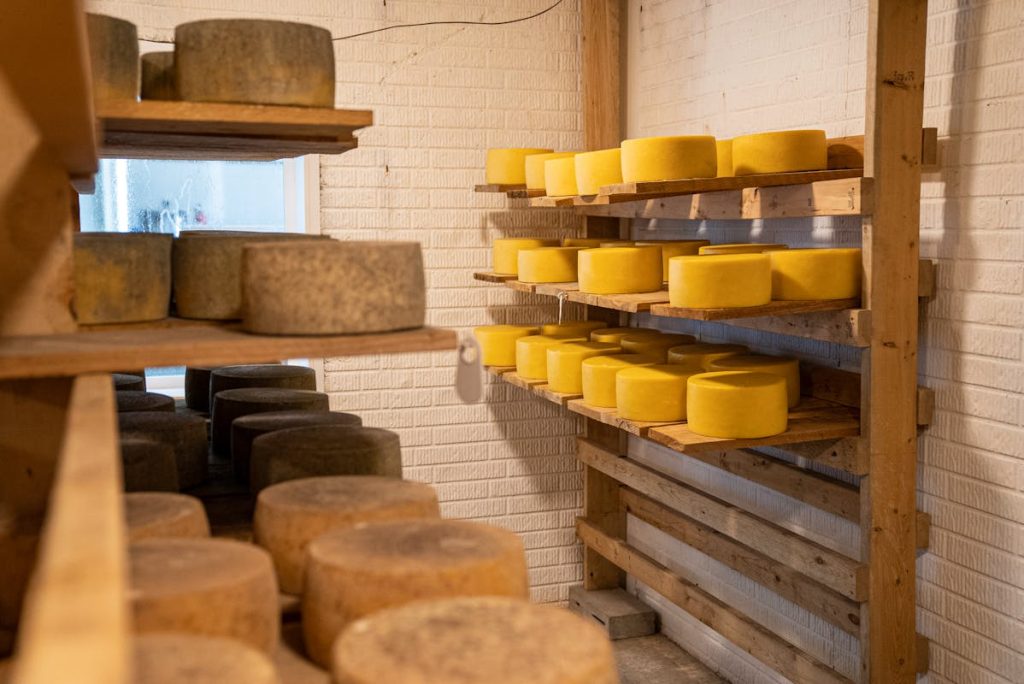
Specialty cheeses from Europe and certain domestic producers have become more scarce as import delays, refrigeration constraints, and ingredient shortages disrupt supply. Many artisanal varieties depend on specific aging environments and long production timelines that become vulnerable to transportation setbacks. Rising global dairy costs further reduce output for small producers who must prioritize core offerings. As stores struggle to secure consistent shipments, shoppers may find fewer international cheeses or limited quantities of varieties once regularly stocked. These gaps illustrate how delicate the supply chain is for products requiring precise handling and extended maturation periods.
Flour
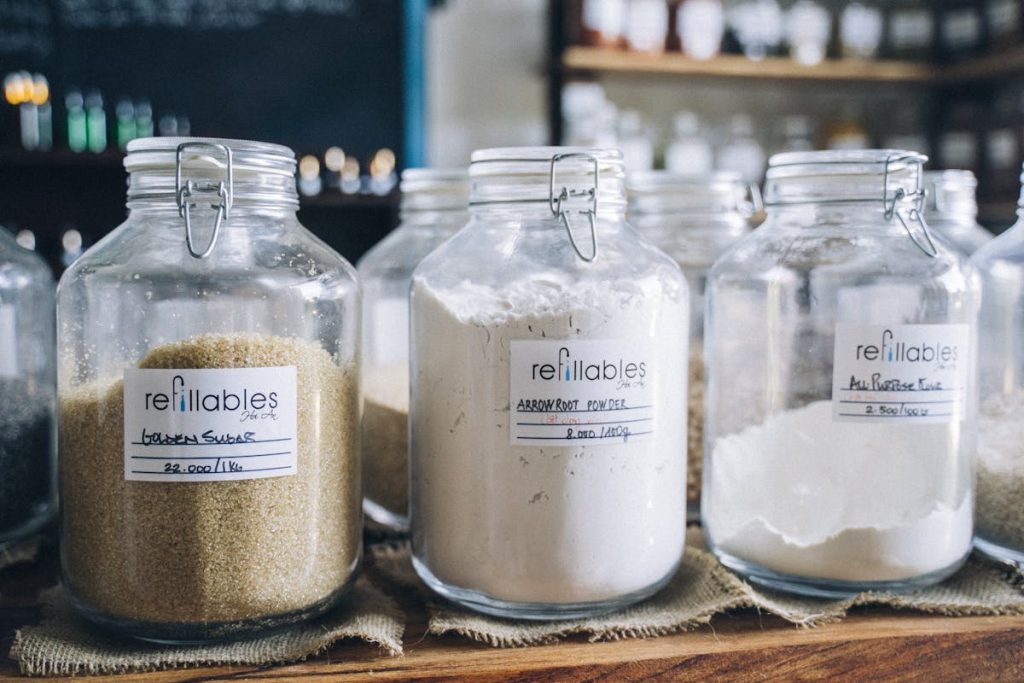
Flour availability fluctuates as global wheat markets face pressure from extreme weather events, geopolitical disruptions, and rising agricultural costs. Reduced harvest yields in key growing regions affect milling schedules and export availability. Some mills have scaled back operations temporarily due to grain shortages or increased production expenses. Although basic all-purpose flour remains accessible, specialty flours such as whole wheat, bread flour, and alternative grain blends appear less consistently on shelves. These shortages reflect how sensitive grain-based products are to agricultural changes and how quickly fluctuations in crop conditions ripple through the baking aisle.
Baby Formula

Baby formula continues to experience intermittent shortages tied to strict manufacturing requirements, limited production facilities, and high demand. Even small disruptions in factory operations can create nationwide ripples due to the industry’s highly regulated nature. Ingredient sourcing constraints and transportation delays further complicate supply reliability. Retailers often implement purchasing limits during shortage periods to ensure broader access. Families may find fewer brand options or occasional stockouts of specialized formulas. These challenges highlight ongoing vulnerabilities in an already concentrated market where production capacity remains tightly constrained and difficult to scale quickly.
Bottled Iced Teas
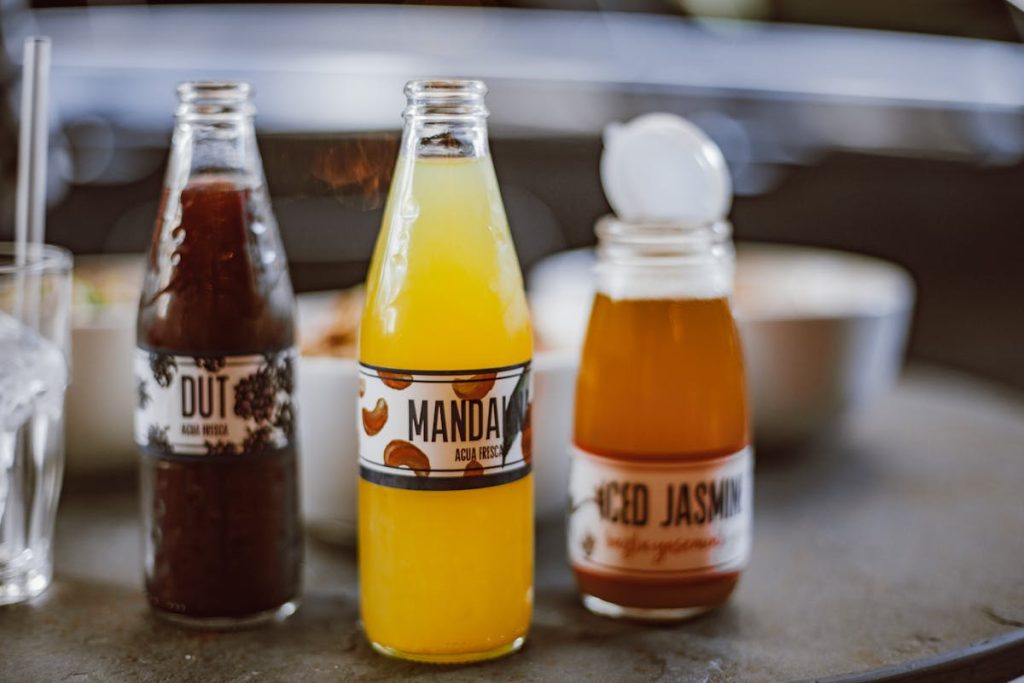
Bottled iced teas have begun disappearing more frequently as beverage companies navigate shortages in tea leaves, sweeteners, and aluminum packaging. Weather patterns affecting tea-producing countries reduce leaf availability, while supply-chain delays impact sweetener shipments. Increased consumer demand further strains production lines already stretched by material limitations. Brands may pause certain flavors or bottle sizes to maintain output of core offerings. As a result, many grocery stores report sporadic restocking of iced tea products. The trend reflects how globally sourced beverages depend heavily on environmental stability and uninterrupted transportation networks.
Salad Kits
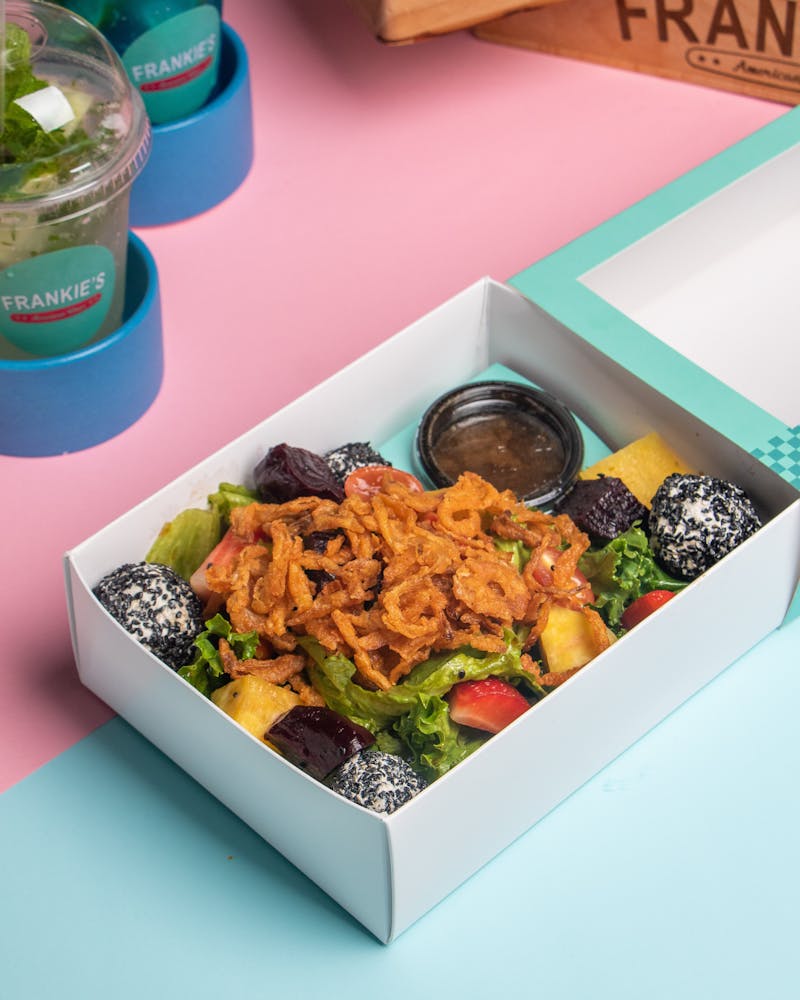
Salad kits face challenges due to labor shortages, temperature-sensitive storage, and inconsistent harvest cycles for leafy greens. Extreme weather disrupts growth for crops like romaine, spinach, and mixed lettuces, restricting the quantities processing facilities receive. Labor availability impacts the speed of washing, cutting, and packaging operations that keep kits fresh and safe. Because these products have short shelf lives, any delay creates immediate gaps in inventory. Shoppers may see fewer varieties or smaller quantities during certain seasons. These shifts show how fresh produce supply chains must balance efficiency with the realities of unpredictable growing conditions.
Frozen Pizza
Frozen pizza varieties have declined in availability as major manufacturers face shortages in ingredients such as cheese, tomato products, and packaging materials. Increased demand during busy seasons also strains factory output, especially when production lines must adapt to fluctuating supply levels. Some brands have reduced their flavor offerings to streamline production and prioritize bestselling items. Transportation challenges and freezer-storage logistics further limit how quickly stores can restock. These combined factors make frozen pizza one of the more noticeable categories affected by supply disruptions, particularly for shoppers accustomed to wide selections in the freezer aisle.
Yogurt
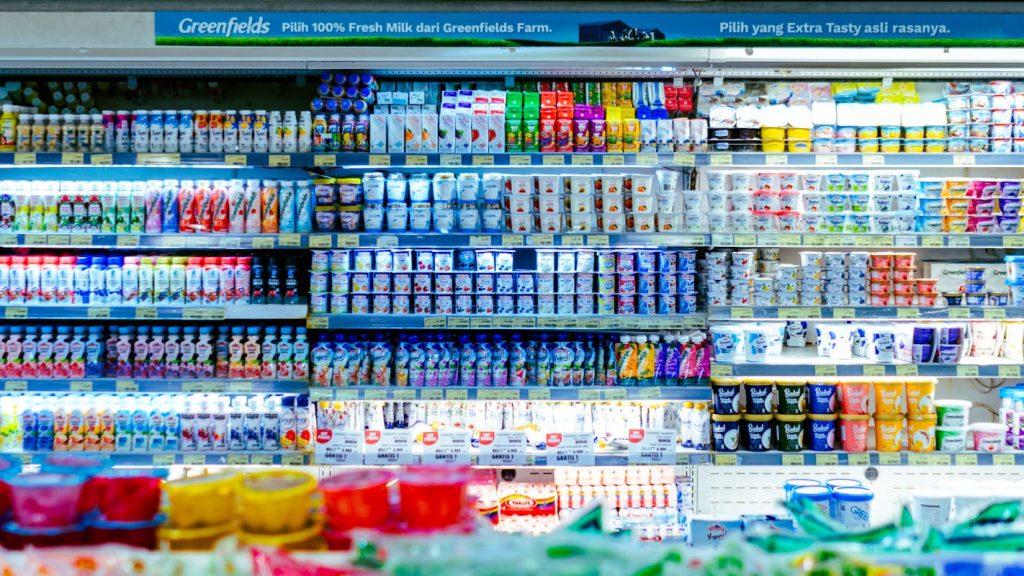
Yogurt supply fluctuations arise from dairy production challenges, rising feed costs, and shortages in fruit purees used for flavored varieties. Some producers face difficulty sourcing stabilizers and packaging materials, leading to reduced output or narrower flavor ranges. Greek yogurt, which requires more milk per unit, often experiences sharper declines when dairy availability tightens. Shoppers may encounter limited selections or occasional gaps in refrigerated cases as manufacturers adjust production strategies. These changes highlight how dairy processing relies heavily on consistent agricultural inputs that remain vulnerable to shifting market conditions and environmental pressures.
Snack Crackers
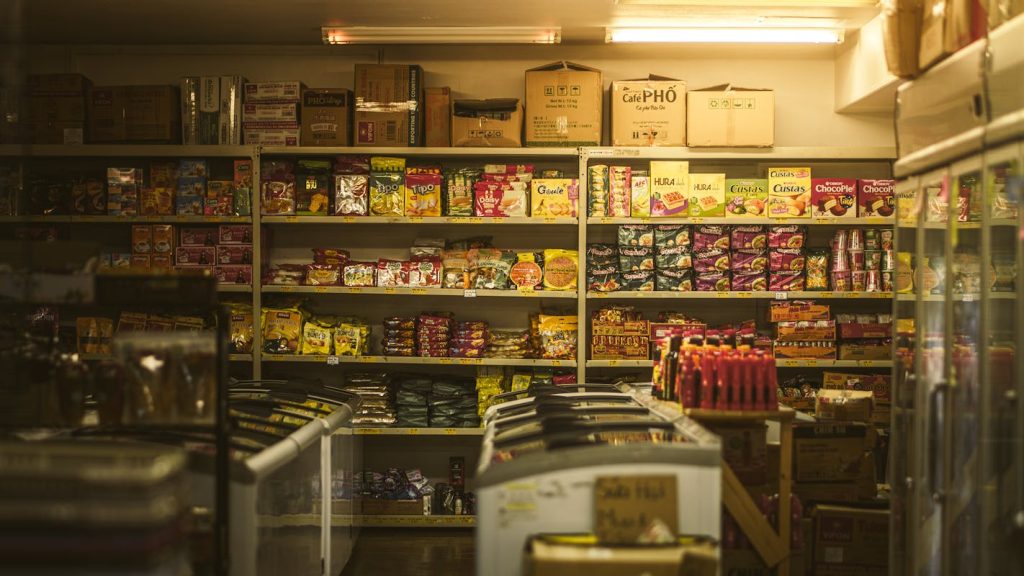
Snack crackers have become harder to find in some regions due to shortages in wheat, seasonings, and packaging materials. Producers facing rising costs often pause specialty flavors or discontinue slower-selling varieties to maintain core product lines. Transportation delays and warehouse congestion add further complications to distribution schedules. As a result, shelves may appear sparse or inconsistently stocked depending on store location and brand availability. The shift reflects larger challenges in grain-based manufacturing where multiple ingredients and packaging types must align smoothly to sustain regular output.
Rotisserie Chicken
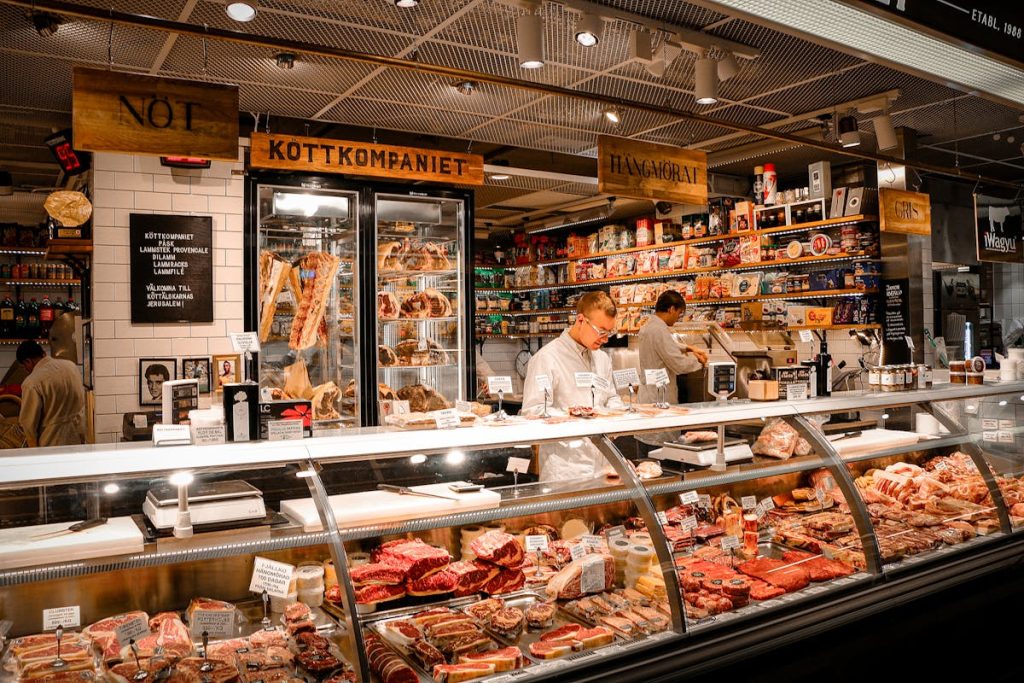
Rotisserie chicken shortages occur when poultry supplies fluctuate due to feed costs, processing constraints, and seasonal demand changes. Grocery stores rely on steady chicken deliveries to sustain rotisserie departments, but any disruption in the supply chain limits production capacity. Labor shortages at processing facilities also slow output, leading to fewer cooked chickens available during peak hours. Because rotisserie chicken remains a popular meal option, even brief supply gaps create visible empty spaces in hot-food sections. These shortages demonstrate how prepared-food departments depend heavily on stable upstream poultry availability.