15 Hidden Castles in Europe Facing Local Bans on Day-Trippers
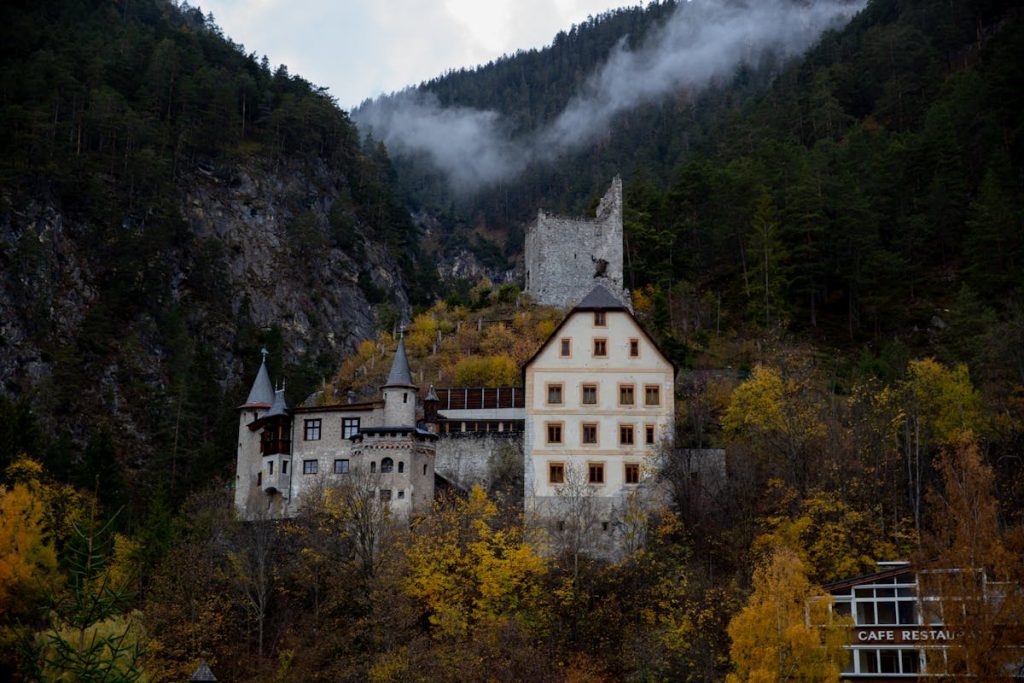
Many hidden castles across Europe are now adjusting access rules as day trip tourism grows beyond what local landscapes can support. Several of these fortresses stand in isolated valleys, on cliffs, or inside small medieval towns with infrastructure that cannot manage rapid crowd turnover. Conservation agencies and municipalities increasingly promote longer visits that reduce strain on fragile structures and ecosystems. These changes aim to protect cultural identity, stabilize visitor impact, and preserve historic resources for future generations.
Predjama Castle, Slovenia
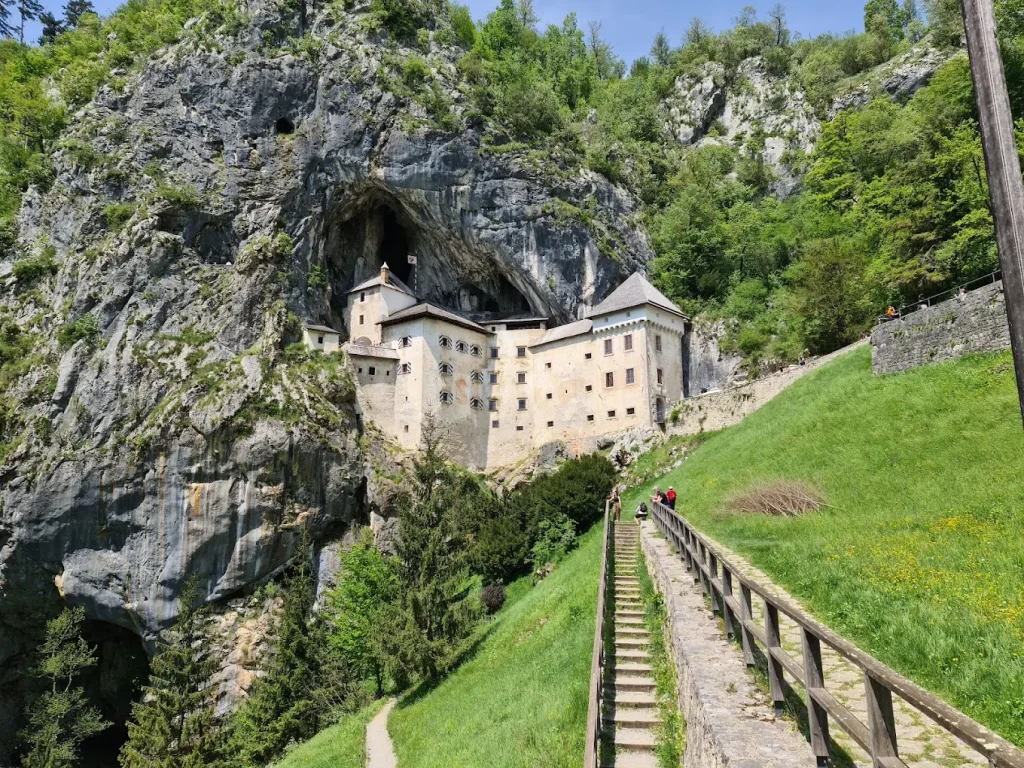
Predjama Castle sits within a dramatic limestone cliff above the Lokva Valley and includes a cave system that reacts strongly to vibration and moisture. Increased day trip tourism placed pressure on narrow access roads, parking capacity, and internal walkways. Heritage officials introduced limits after noting erosion, structural stress, and congestion during peak hours. Encouraging longer stays supports the monitoring of environmental conditions and conservation needs. These measures also help maintain the integrity of the karst formations below the fortress.
Burg Eltz, Germany
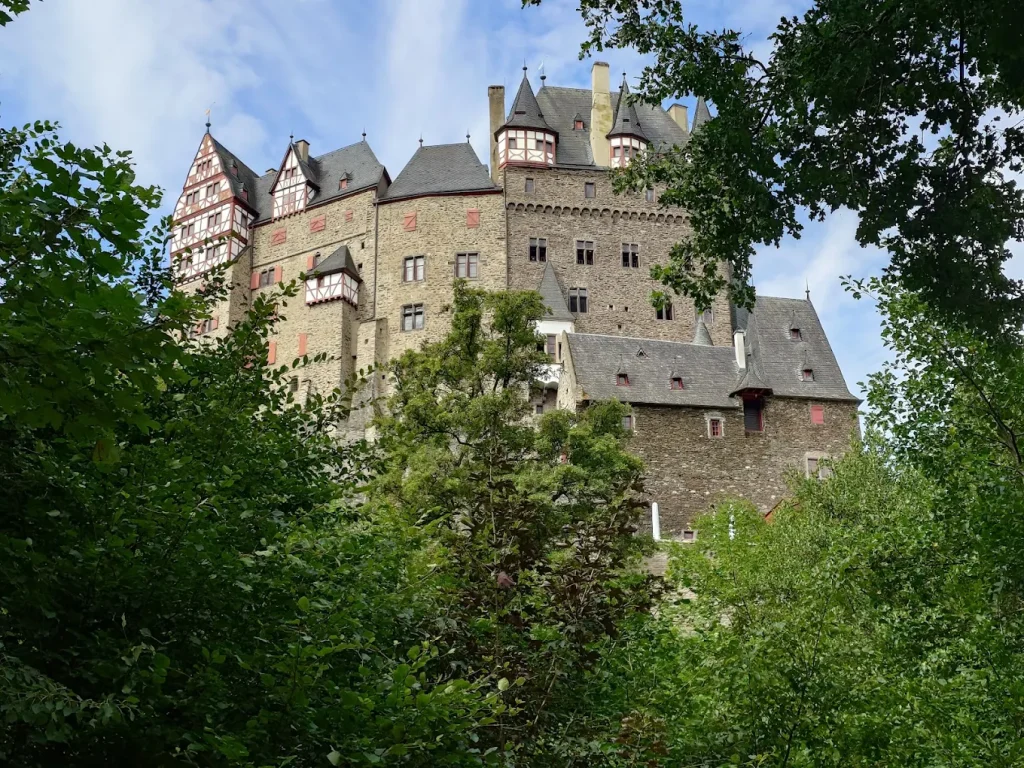
Burg Eltz stands in a secluded ravine within the Moselle region, accessible primarily by forest paths that became worn by heavy foot traffic. Day trip surges contributed to soil erosion, vegetation loss, and overcrowding on a road network not built for continuous bus arrivals. Preservation authorities established new regulations to stabilize the natural surroundings and maintain controlled access to the castle’s medieval interiors. Longer visit expectations help distribute tourism throughout the season. The updated policies also improve ecological balance.
Dunluce Castle, Northern Ireland
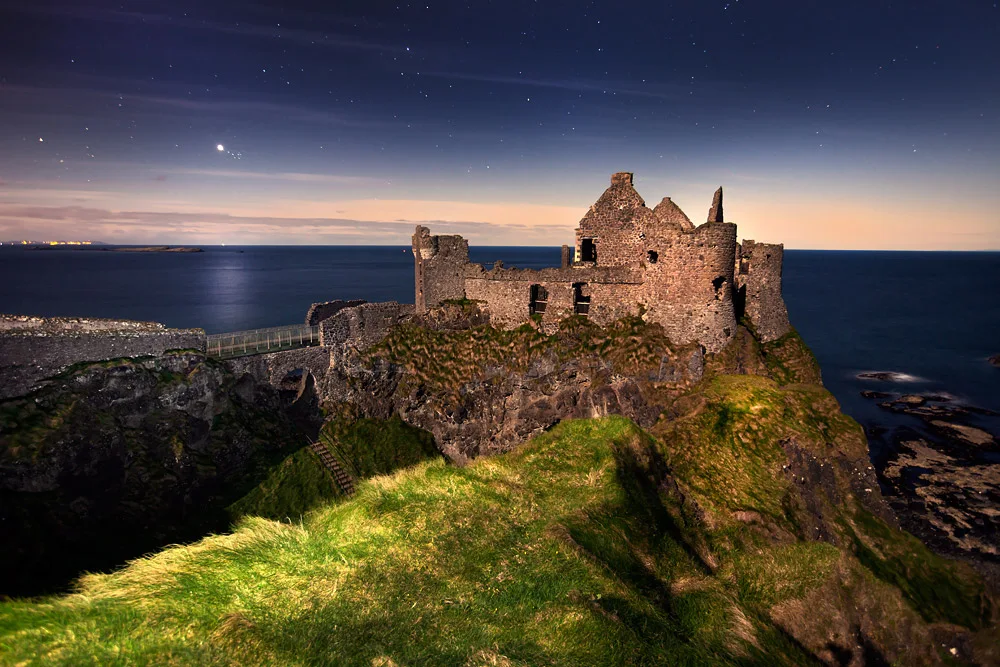
Dunluce Castle occupies a basalt cliff on the North Antrim Coast where erosion and unstable terrain present ongoing safety concerns. Rapid day trip tourism once overwhelmed limited facilities and narrow coastal roads. Local authorities began restricting short visits to control foot traffic near exposed edges and reduce pressure on the remaining medieval structures. Conservation teams now focus on stabilizing pathways and monitoring geological shifts. These efforts safeguard both visitor safety and the long-term condition of the ruins.
Hohenwerfen Castle, Austria
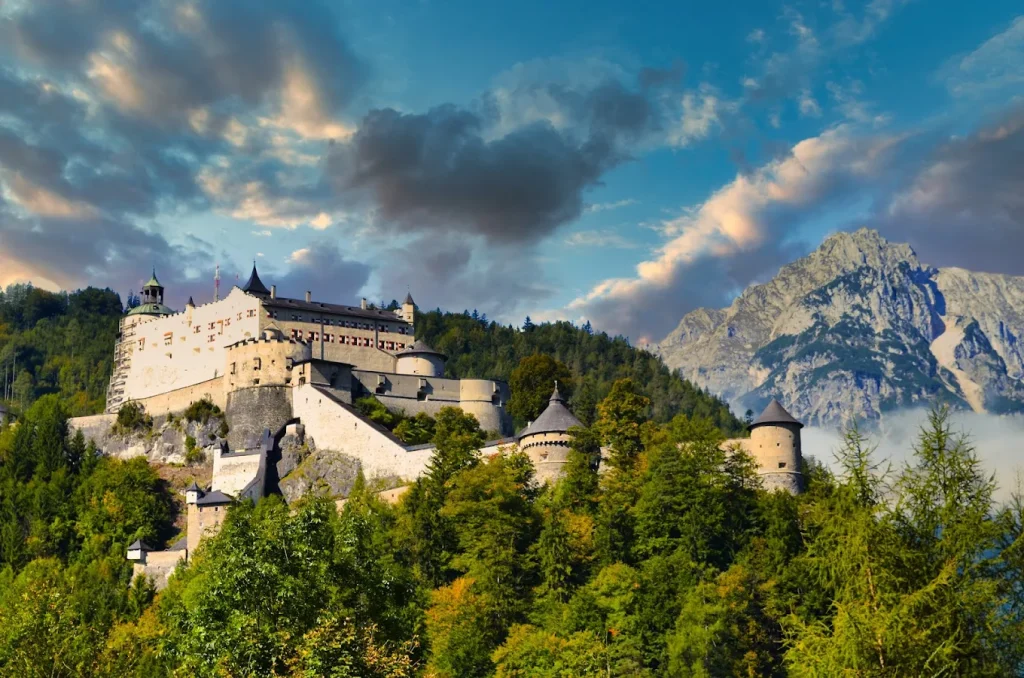
Hohenwerfen Castle rises above the Salzach Valley, where steep slopes and protected wildlife areas surround the site. Growing numbers of short stop visitors once strained transportation corridors and forest trails leading to the fortress. Regional officials introduced restrictions to regulate high volume arrivals and prevent further degradation of hillside ecosystems. Longer visit patterns assist in protecting the castle’s courtyard areas and historic walls. The measures support sustainable tourism and reduce stress on the valley’s limited infrastructure.
Castel Beseno, Italy
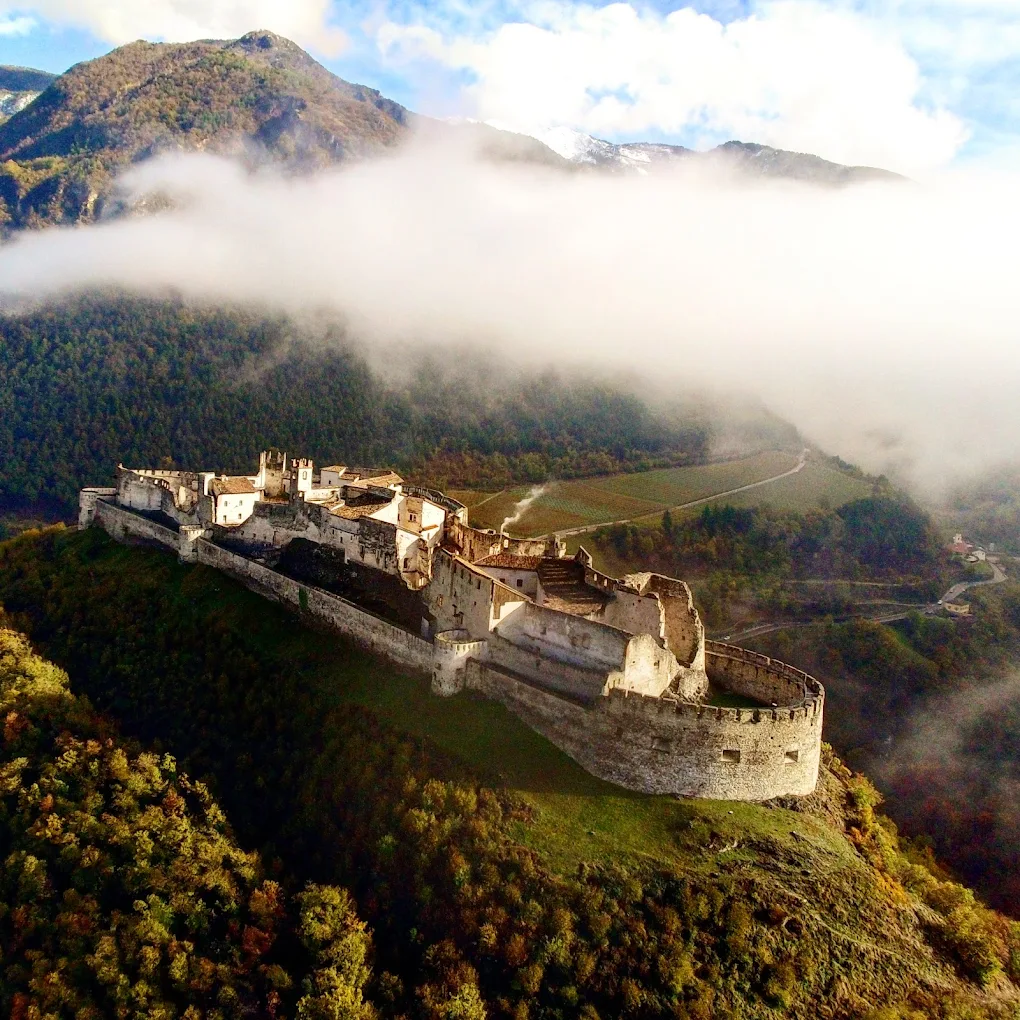
Castel Beseno, among the largest fortifications in Trentino, sits on a hilltop reached by narrow roads that cannot efficiently handle sudden tour bus traffic. Day trip congestion previously burdened nearby villages and accelerated wear on internal courtyards and ramparts. Authorities now limit quick visits and encourage planned exploration to maintain safety and protect architectural elements. Reduced turnover pressure benefits ongoing restoration projects across the complex. The new approach also improves resource management for local communities.
Château de Foix, France
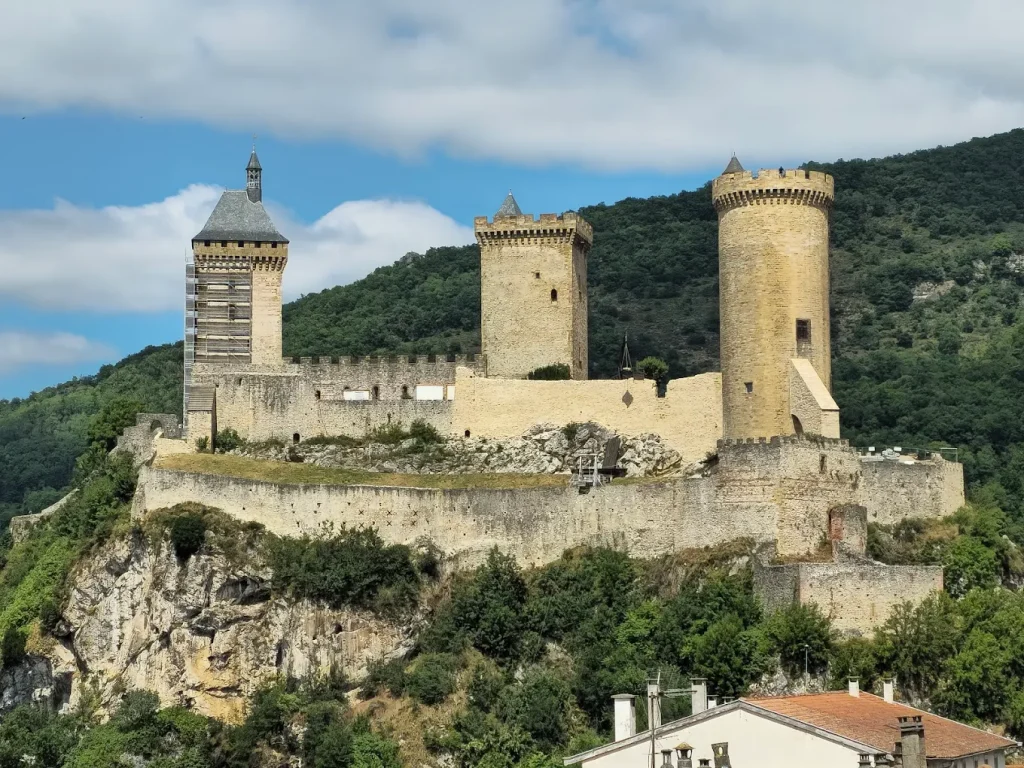
Château de Foix overlooks a medieval town with dense historic streets that struggled under heavy day trip tourism. Increased foot traffic once strained public spaces and complicated preservation of archaeological layers surrounding the fortress. Recent regulations support slower paced visits that facilitate better crowd control and reduce stress on infrastructure. Museum facilities within the castle benefit from steadier attendance that allows clearer interpretation of exhibits. Conservation programs now operate more effectively due to predictable visitor patterns.
Spiš Castle, Slovakia
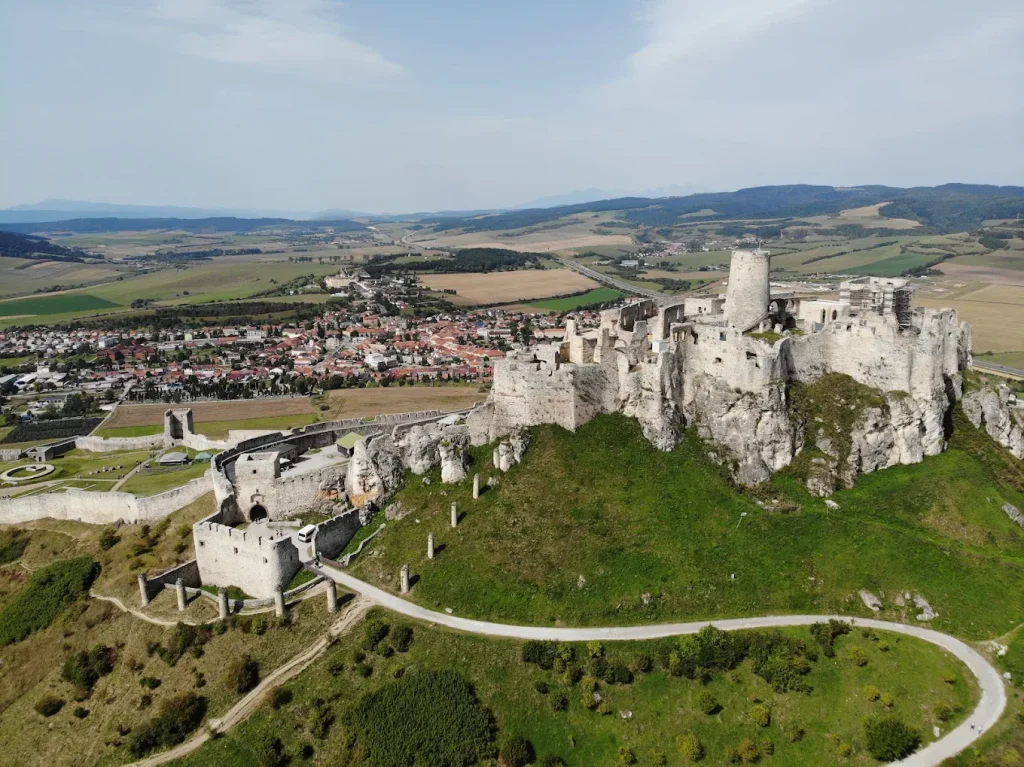
Spiš Castle extends across a limestone ridge that is highly sensitive to erosion and structural shifts caused by uneven foot traffic. Past surges of day visitors accelerated wear on sloped trails and stone surfaces leading into the fortified complex. Management introduced access limits to protect the UNESCO listed site and prevent long-term geological damage. Timed entries and controlled group sizes now support safer visitation. These changes help conserve extensive ruins while respecting the surrounding cultural landscape.
Trakai Island Castle, Lithuania
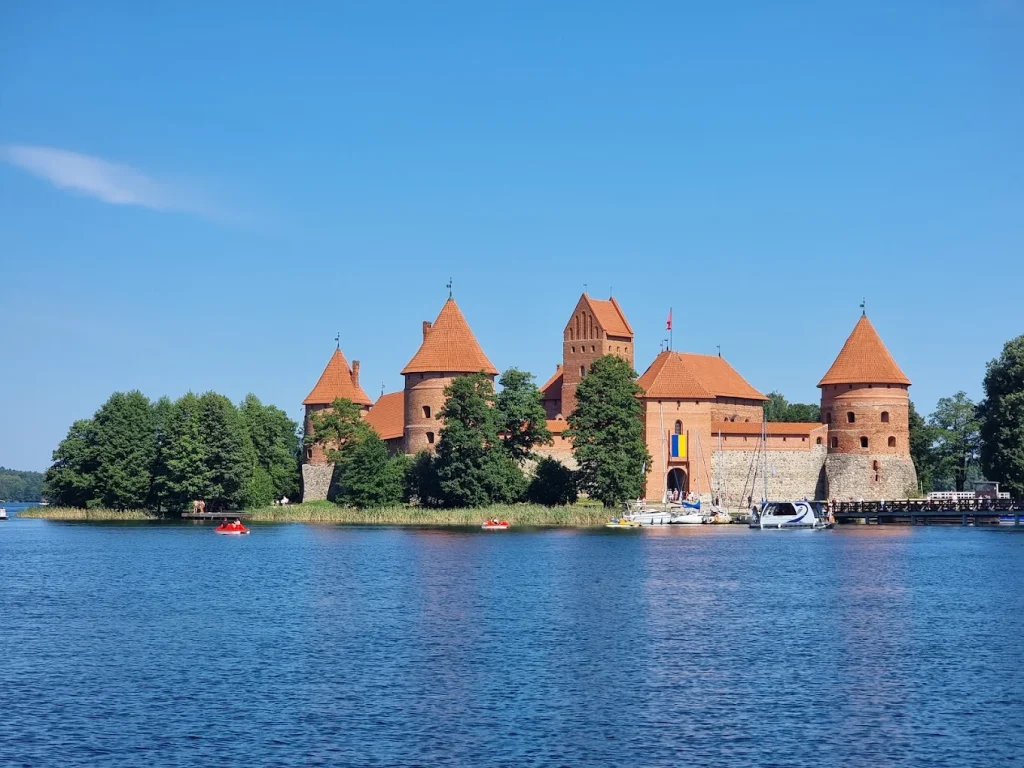
Trakai Island Castle stands within Lake Galv?, connected by wooden bridges that once endured constant use from peak season day trippers. Local administrators recognized rising concerns regarding shoreline erosion, water pollution, and deterioration of bridge supports. Restrictions now encourage longer planned visits rather than brief stopovers. Conservation teams focus on restoring timber structures and protecting the lake environment. The revised policies strengthen long-term preservation of the Gothic reconstruction and surrounding natural habitats.
Bran Castle, Romania
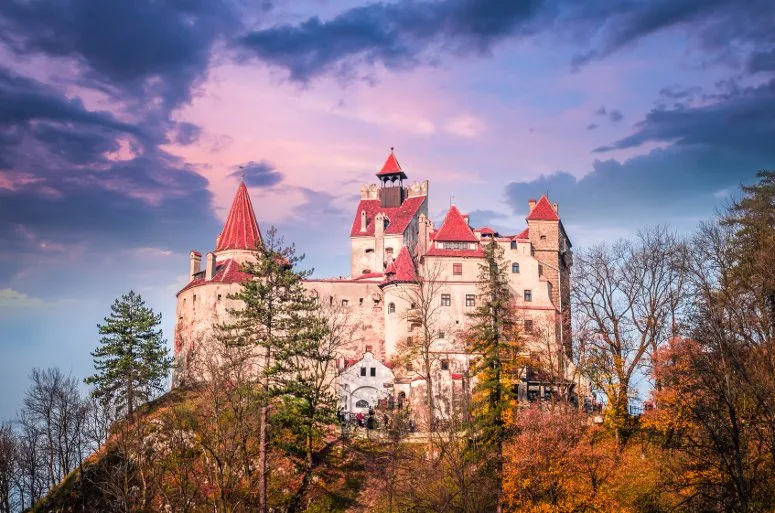
Bran Castle, known for its association with Dracula folklore, attracted large groups seeking brief photo opportunities, placing strain on interior passages and narrow access routes. Heritage specialists introduced limitations after noting congestion that interfered with safety precautions and structural monitoring. Controlled visitation now allows for improved preservation of wooden floors, staircases, and defensive features. Extended stay tourism supports local businesses and reduces peak period stress. These changes help maintain the castle’s cultural and architectural relevance.
Burg Kreuzenstein, Austria
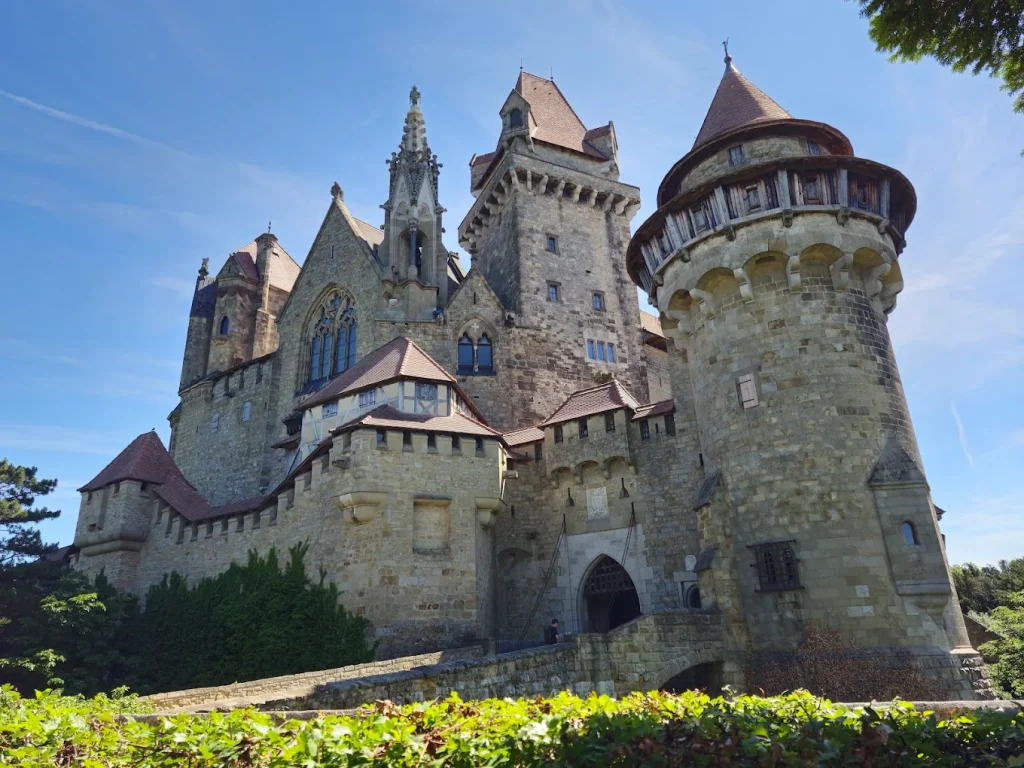
Burg Kreuzenstein occupies a forested hilltop outside Vienna and faced environmental degradation due to frequent same day tours. Trails leading to the complex showed soil compaction, vegetation thinning, and increased erosion. Authorities adopted crowd management policies to reduce sudden traffic spikes and protect surrounding woodlands. Longer visits encourage more balanced attendance and offer better support for cultural programming. These measures help sustain the castle’s reconstructed medieval elements and natural setting.
Château de Montségur, France
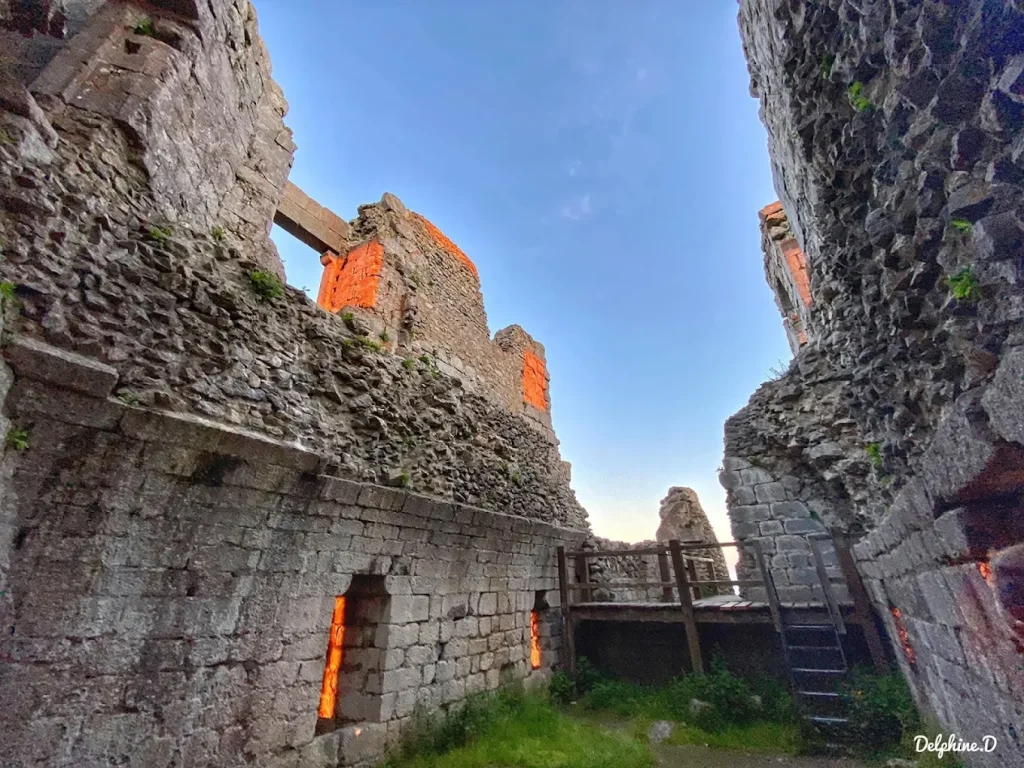
Château de Montsegur stands on a steep ridge historically linked to the Cathar movement. Heavy day trip activity once overwhelmed the narrow ascent trail, causing erosion and safety issues on exposed slopes. Preservation leaders responded by limiting high turnover access and promoting scheduled visits. The approach allows conservation teams to stabilize fragile masonry and maintain secure pathways. Efforts aim to protect the symbolic value of the summit while balancing environmental concerns across the mountain terrain.
Hameenlinna Castle, Finland
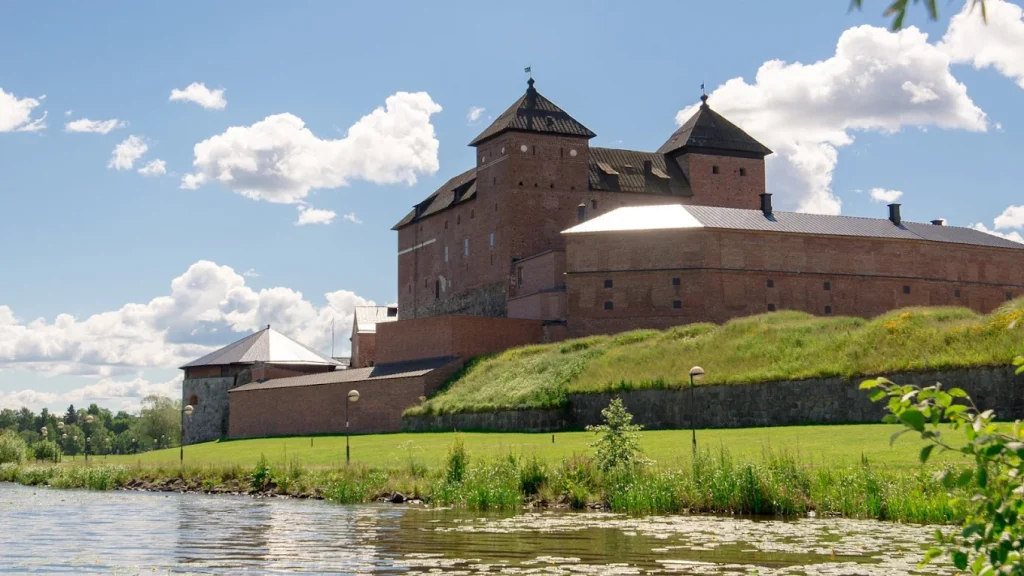
Hameenlinna Castle sits along Lake Vanajavesi and draws steady visitors to its well preserved medieval halls. Increased short visit tourism created crowding that stabilized moisture in confined rooms and accelerated wear on historic stone. Regulations now focus on moderating attendance levels and reducing rapid group turnover. These policies support better preservation of interior displays and improve conservation planning. Long-term heritage protection benefits from visitor flows that match the site’s capacity.
Óbidos Castle, Portugal
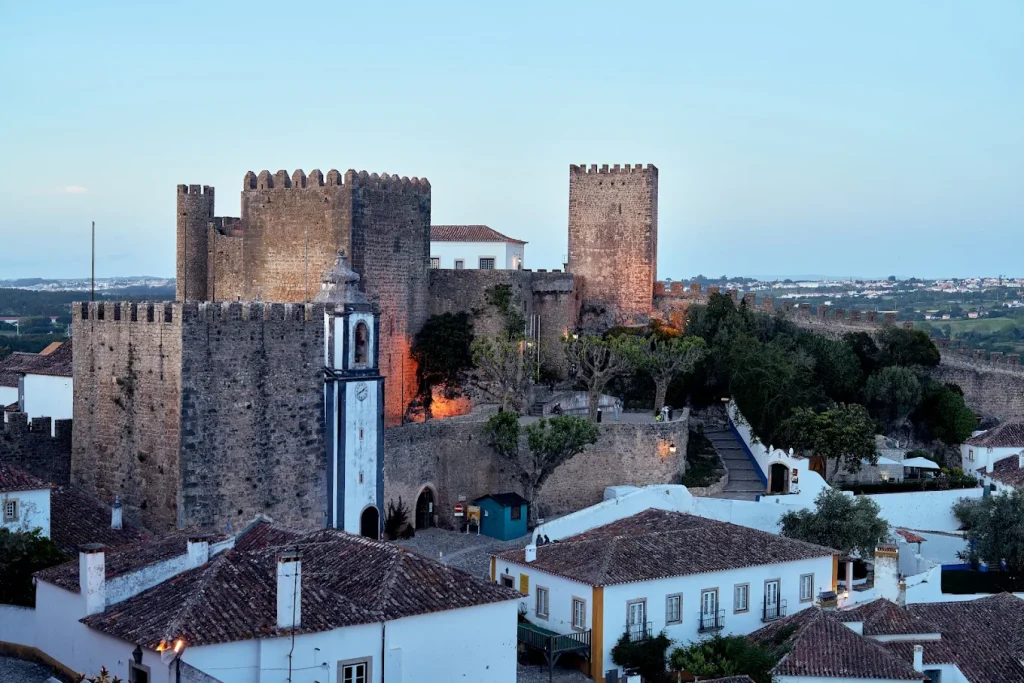
Óbidos Castle rises over a walled medieval village where narrow lanes and historic homes once faced congestion from high day trip activity. Municipal authorities implemented limitations to protect vulnerable structures and manage traffic pressure during festival seasons. Encouraging longer stays supports local businesses and reduces strain on public utilities. Preservation teams monitor the condition of defensive walls and cobblestone routes more effectively under regulated attendance. The measures maintain the authenticity of the town’s cultural identity.
Guimarães Castle, Portugal
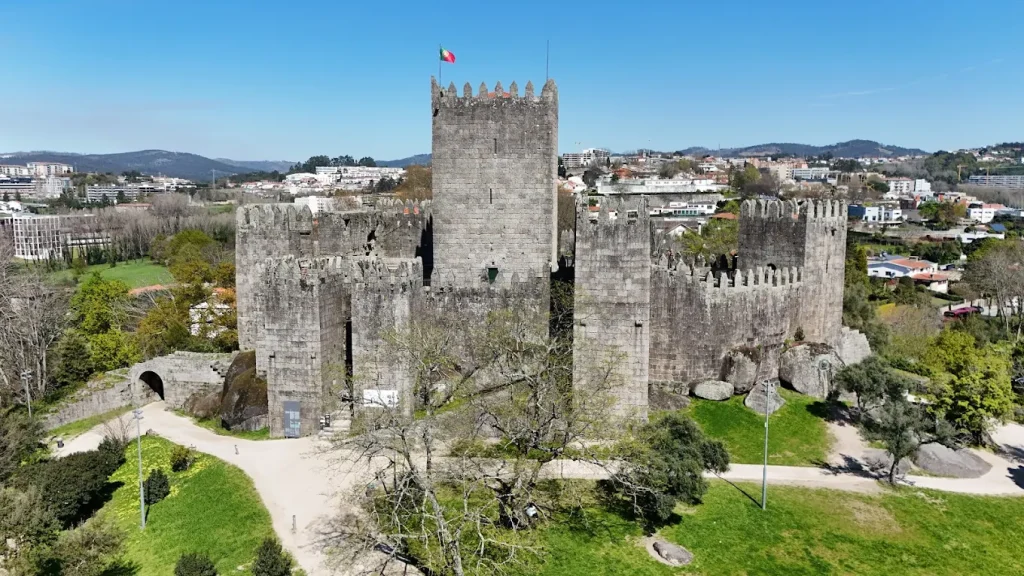
Guimarães Castle stands at the heart of Portugal’s designated birthplace city, where sudden tourism surges previously overwhelmed adjacent heritage zones. Officials instituted restrictions to preserve archaeological remains, safeguard pedestrian routes, and reduce wear on exposed stone surfaces. Extended visit expectations promote exploration of nearby museums and historical districts. These adjustments improve conservation planning and reinforce community infrastructure. The castle remains accessible while supporting sustainable cultural tourism.
Rocca Calascio, Italy
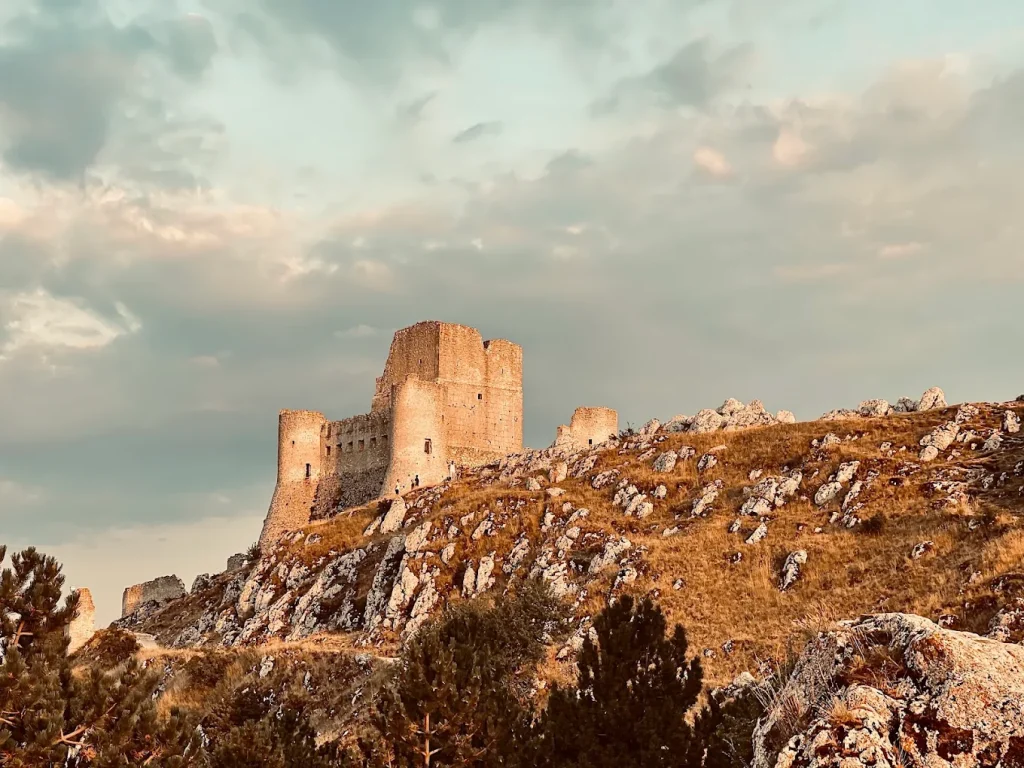
Rocca Calascio sits atop a high Apennine ridge accessible by narrow mountain paths that deteriorated under concentrated day visit traffic. Conservation specialists reported increased erosion, stone displacement, and risk to visitors approaching the ruins. Local authorities now limit mass arrivals to protect structural remnants and surrounding meadows. Longer visit tourism strengthens nearby villages and reduces environmental pressure on the ridge. Preservation strategies focus on stabilizing ruins and maintaining panoramic views across the national park landscape.