15 Most Dangerous Neighborhoods in America
When you hear “dangerous neighborhood,” you probably think of entire cities, but crime is intensely local. In the U.S., certain ZIP code level neighborhoods carry a disproportionate share of violent crime, from shootings to aggravated assaults. This list highlights 15 of those places, based on crime rate analyses and long term data. It’s not to sensationalize, but to recognize where risk is concentrated, so you understand what “dangerous” means on the ground, street by street.
1. West Lake, Chicago
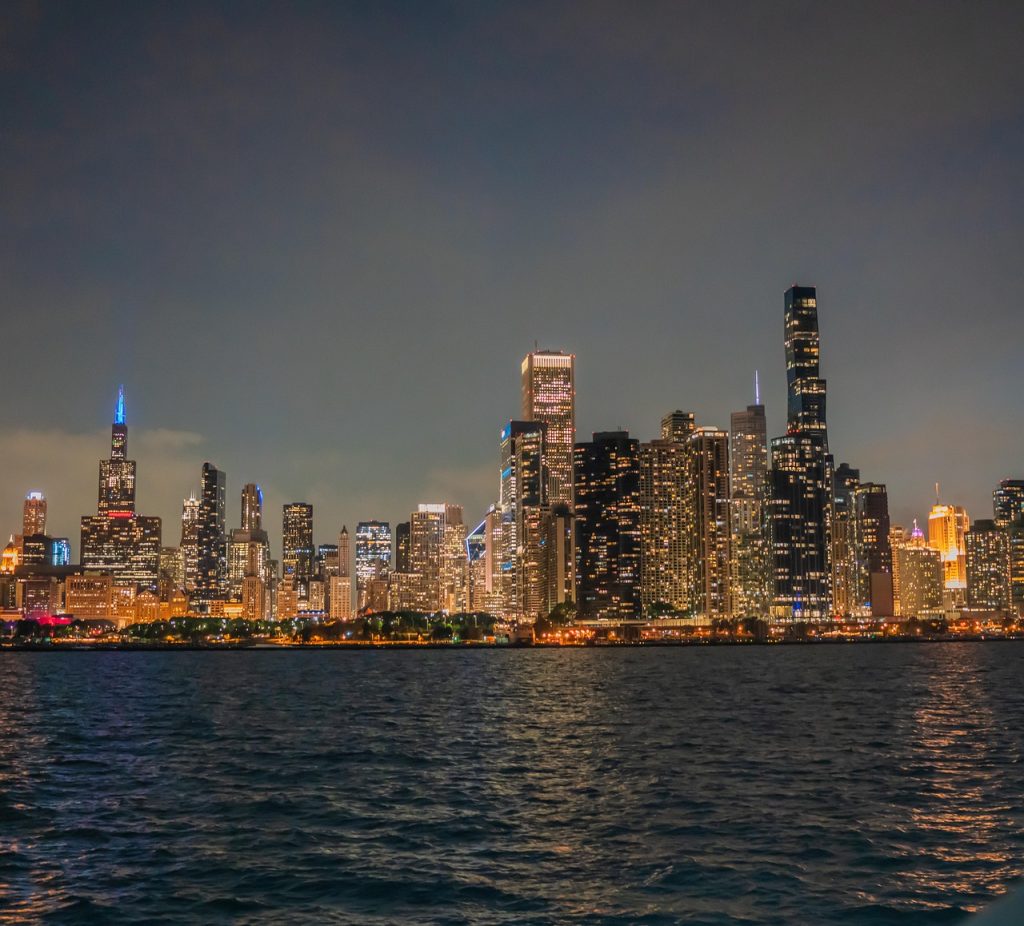
West Lake has appeared in multiple crime studies for consistently high rates of gun violence, aggravated assaults, and robberies. You see the impact in daylight and even more after dark, when many residents report hearing frequent gunfire. Locals talk about how police responses can be slow because officers are stretched thin, and community programs often lack funding. Living here means adjusting your routes, being aware of your surroundings, and knowing that even a routine walk can require decisions most people never think about.
2. Scovill Ave, Cleveland
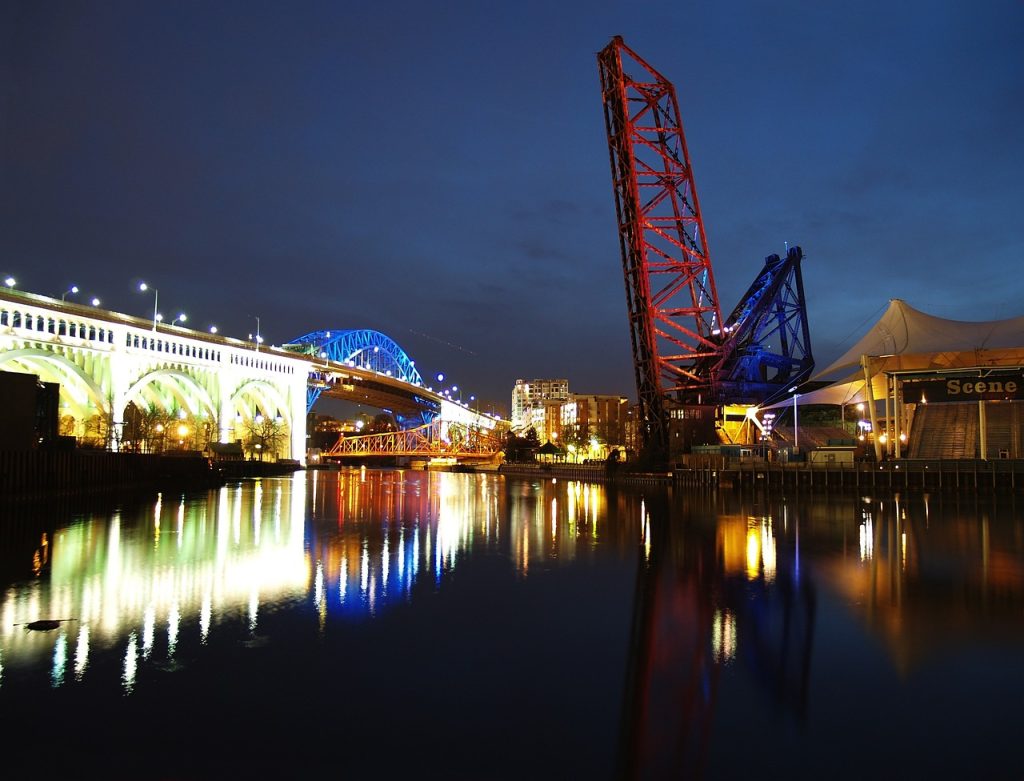
Scovill Avenue lands near the top of many violent crime rankings, especially for assaults involving weapons. You find boarded up properties, limited commercial activity, and long running gang conflicts that contribute to repeated spikes in violence. Residents often say they feel safer staying inside at night because street visibility drops and patrols are inconsistent. If you were moving to Cleveland, this is an area where you would seriously weigh personal safety before signing a lease or even parking your car for a visit.
3. Englewood, Chicago
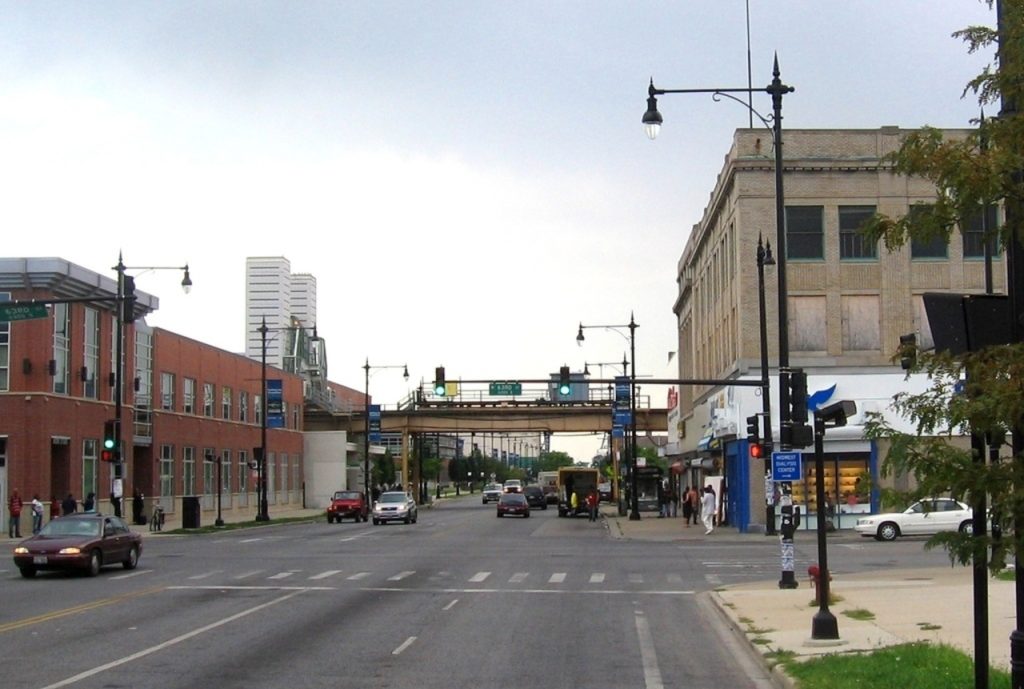
Englewood has spent years near the top of crime statistics in Chicago, with shootings, armed robberies, and assaults happening at rates far above city averages. Many families talk about planning daily routines around safety, choosing certain routes, avoiding walking after dark, and staying alert even during daytime errands. While community leaders work hard to improve opportunities and open safe spaces for youth, progress is slow and uneven, which means residents still feel the weight of constant vigilance. When you spend time here, you see how violence shapes decisions that most people never have to consider.
4. Carter Street, Atlanta

Carter Street has been linked to high incidence rates of shootings, robberies, and gang activity. Many families who live there have learned to adjust to unpredictable nights when police sirens and loud arguments are normal background noise. You notice how vacant buildings and limited street lighting add to a sense of insecurity. For newcomers, the advice is usually to stay aware, travel with others, and avoid late night walking. It stands as one example of how crime can remain deeply rooted even in a fast growing urban region.
5. Mott Haven, Bronx
Mott Haven is known for persistent violent crime and frequent police activity. Despite years of community work, gangs, poverty, and overcrowded housing continue to fuel assaults and robberies. Residents often mention that they avoid certain blocks or stay indoors at night because confrontation risk climbs sharply after sunset. When you walk here, you see a mix of new development next to aging infrastructure, and you quickly understand how uneven investment creates very different realities from one crosswalk to the next.
6. Brownsville, Brooklyn
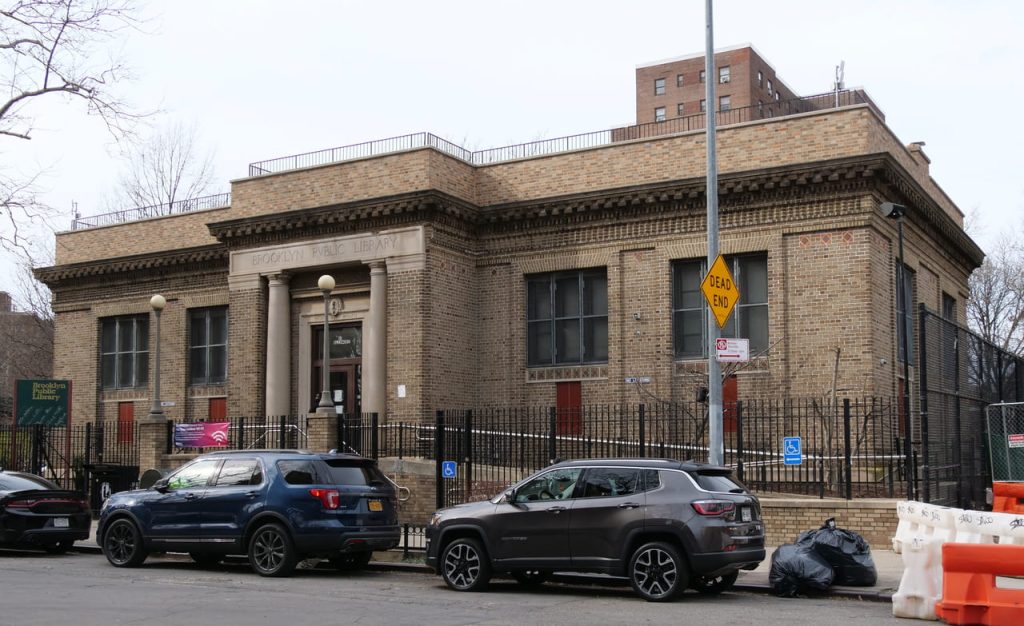
Brownsville has a long history of violence linked to concentrated poverty and generations of gang influence. Streets can feel tense, especially around housing projects where many shootings and stabbings have occurred. People who live there often navigate the neighborhood with strong situational awareness, making choices about which entrances, parks, or blocks feel safe. Community centers and patrols try to help, but limited resources mean the area still struggles. Moving through Brownsville shows how crime can become part of daily calculation.
7. Hunts Point, Bronx
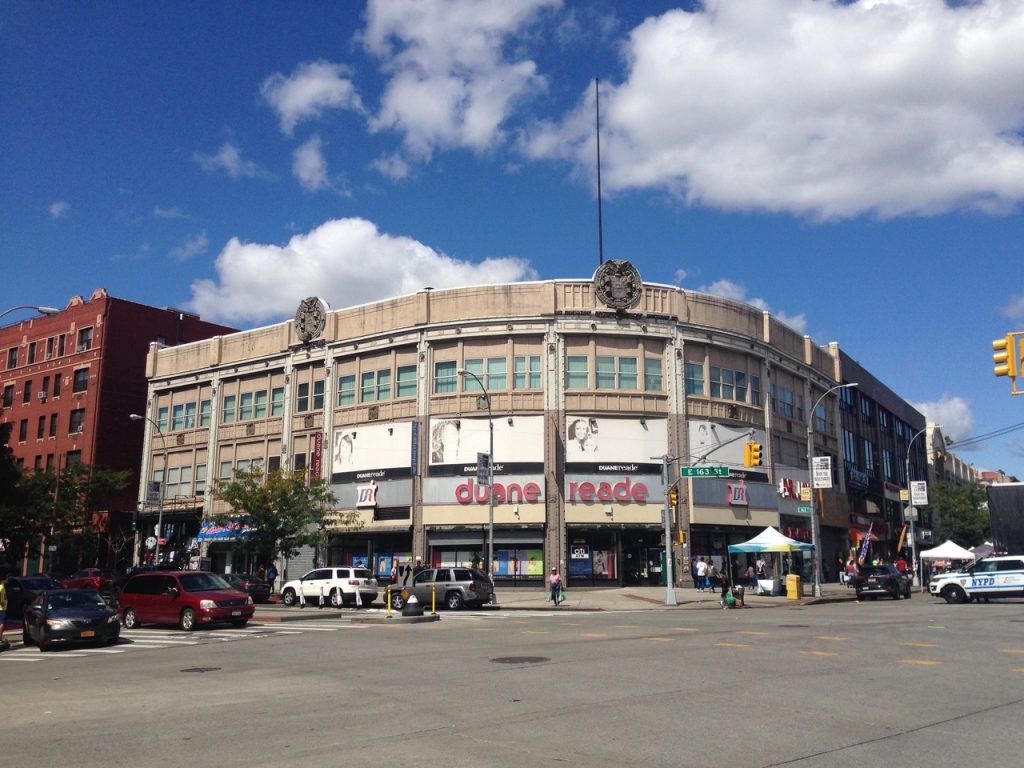
Hunts Point combines industrial zones, heavy truck traffic, and high poverty levels that correlate with elevated violent crime. You frequently see patrol cars passing through, yet assaults and robberies continue at rates above city averages. Families often keep young kids indoors during evenings because of unpredictable street activity. Even simple tasks such as going to the store can involve thinking about which streets feel safer. The neighborhood reflects how economic pressures and environment can shape real-life safety choices for residents.
8. East Harlem, Manhattan
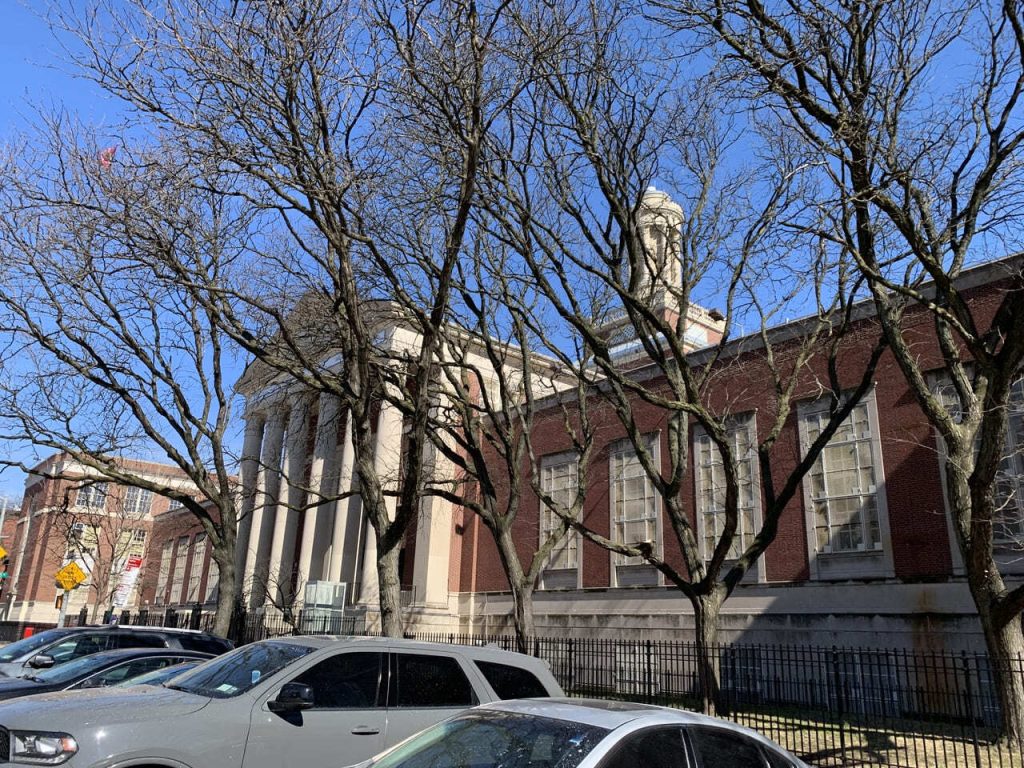
East Harlem is rich in history and culture, but it still deals with violent crime and theft rates higher than many nearby Manhattan areas. Residents often describe how side streets without strong lighting feel risky late at night, and some areas see an open drug trade that police struggle to control. New housing development brings more foot traffic, yet the crime picture remains mixed. When you walk here, you are balancing a vibrant daily life with the reality that crime can flare up fast depending on the block.
9. East New York, Brooklyn
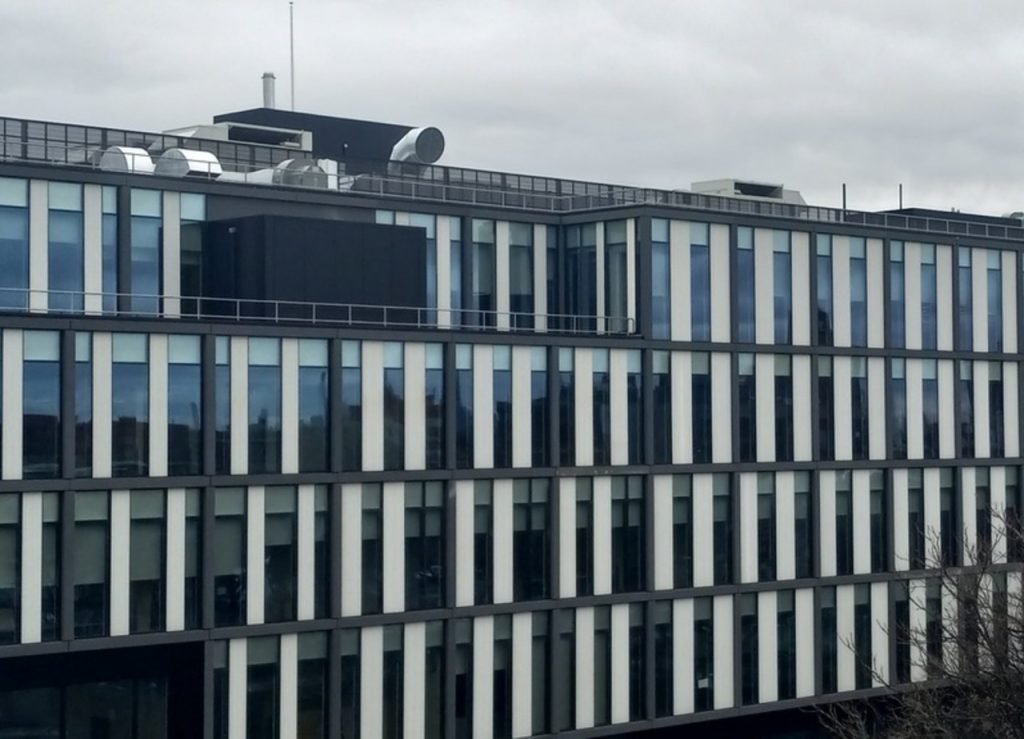
East New York consistently places high in violent crime rankings, with assaults, burglaries, and robberies occurring at rates well above state averages. The neighborhood has struggled with decades of low investment, leaving many public spaces under-maintained and under-lit. Residents often modify routines to avoid waiting for buses alone or standing in isolated areas after dark. If you were moving here, safety planning becomes part of the lifestyle. The challenge is not just crime but how the environment reinforces anxiety.
10. Fordham, Bronx
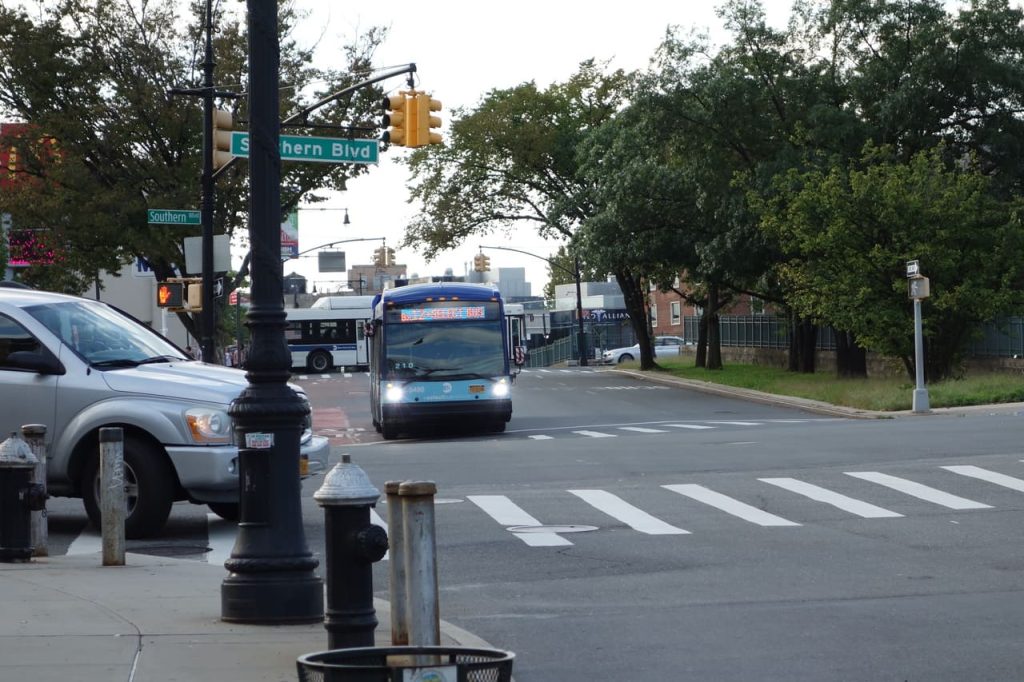
Fordham is busy during daylight hours with shoppers, commuters, and students, yet crime concerns remain visible. Theft, assault, and street robberies occur often enough that residents advise staying alert even on crowded corners. Police presence helps in peak hours, but evenings can feel much less secure, especially near side streets with poor lighting. Living here means knowing which blocks feel safe and which do not. Fordham is a reminder that foot traffic does not always equal comfort or protection.
11. Tenderloin, San Francisco
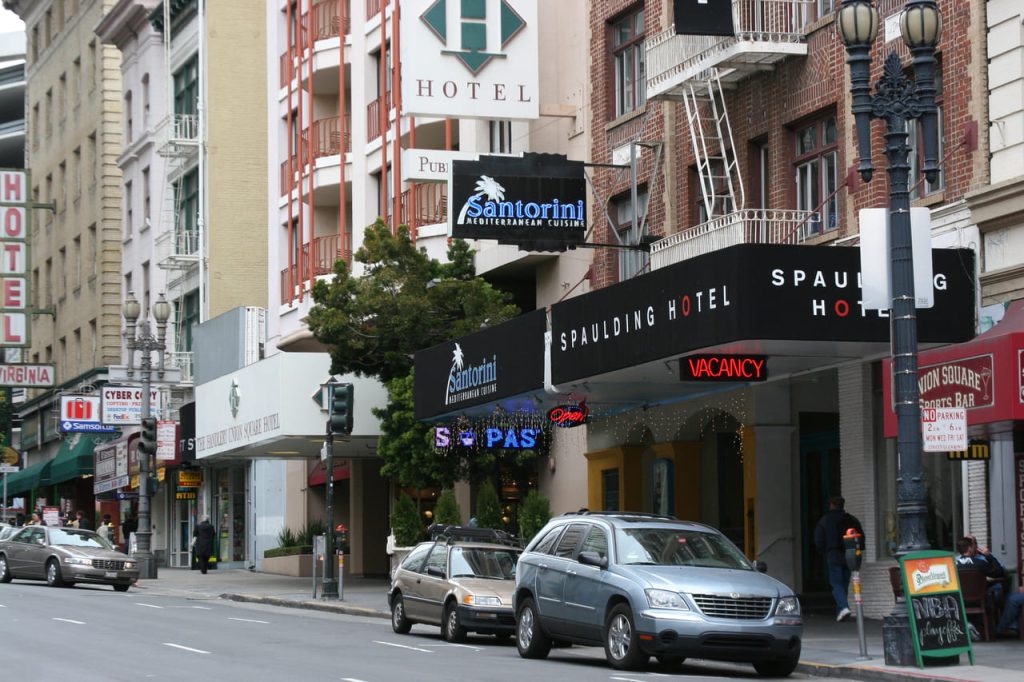
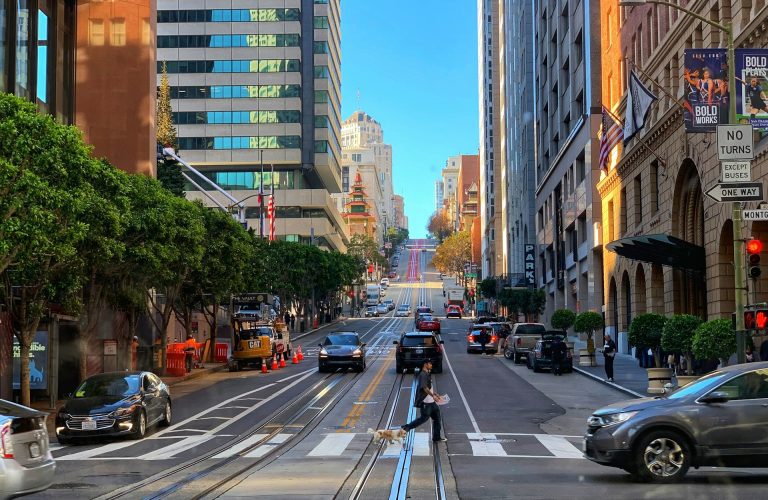
The Tenderloin remains one of San Francisco’s most troubled neighborhoods, with open drug activity and frequent assaults. You see police and outreach workers on many corners, yet crime remains stubbornly high. Residents often talk about avoiding certain intersections because aggressive behavior can suddenly escalate. Even during the day, it is common to see thefts and confrontations play out in public. If you stay or pass through, staying aware is part of the experience. It is a district where the city’s problems are on full display.
12. South Memphis, Memphis
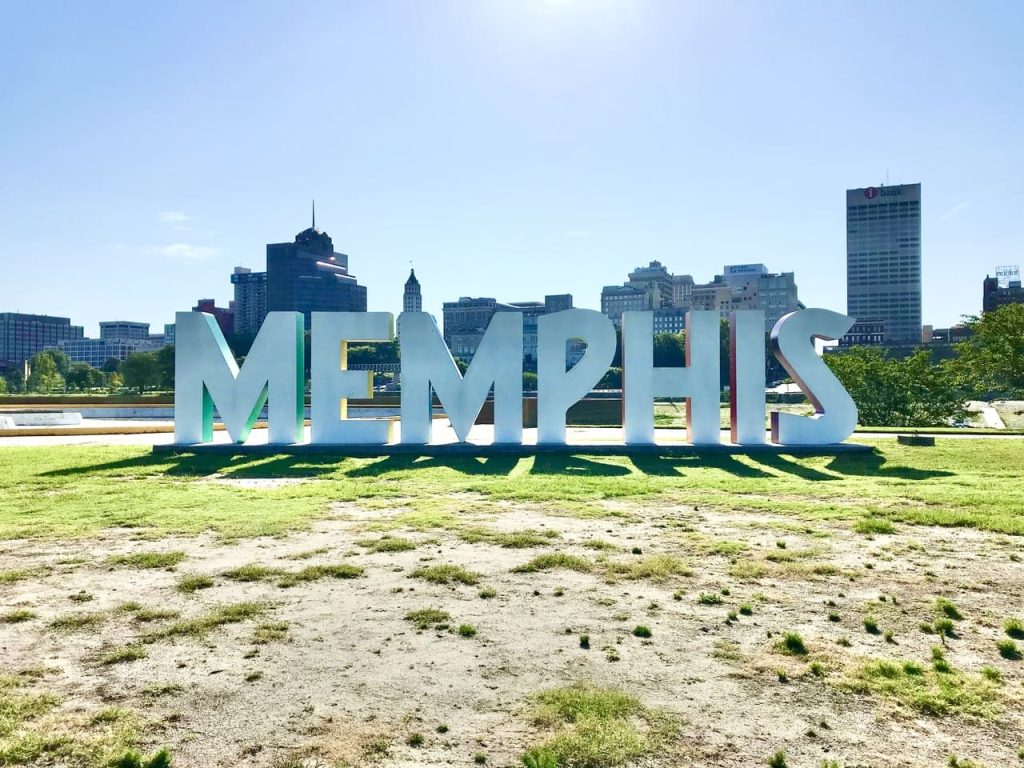
Parts of South Memphis see some of the highest violent crime rates in the region, including shootings and armed robbery. Residents describe the area as unpredictable after dark, with many choosing to minimize nighttime outdoor activities. Patrol cars pass frequently, yet police presence cannot always keep up with calls. Community groups work hard, but investment struggles to match the scale of the issue. Living here means building routines that keep you aware and cautious, even when doing ordinary, everyday tasks.
13. North St. Louis, St. Louis
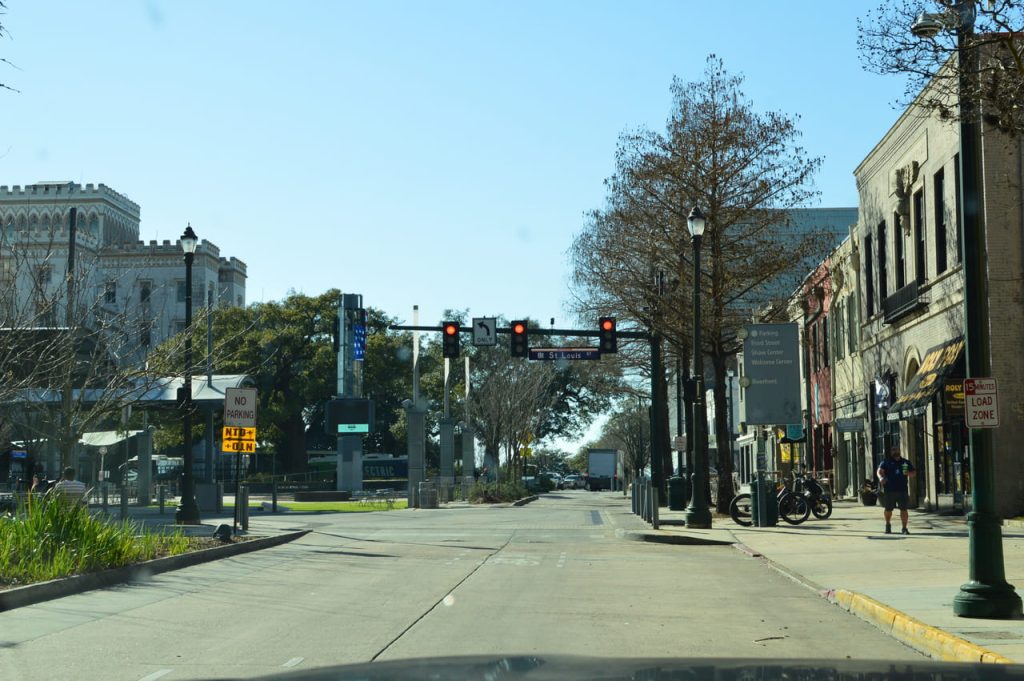
North St. Louis faces long-running problems with violent crime tied to economic decline and limited job opportunities. Entire blocks show vacant homes and abandoned businesses that make the environment feel unsafe and poorly monitored. Residents often report that they rarely walk alone at night because unpredictable confrontations and gunfire are not uncommon. Even during quieter hours, tension is noticeable. You feel how strongly crime affects the quality of life, shaping how people move, shop, and make choices about just being outside.
14. West Garfield Park, Chicago
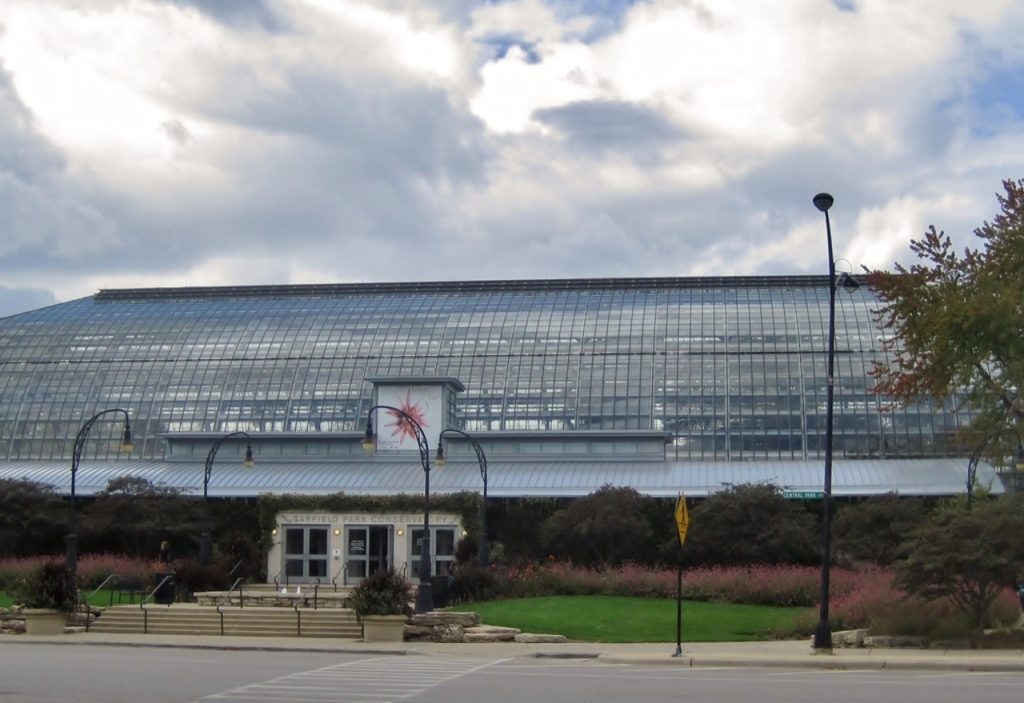
West Garfield Park regularly records some of Chicago’s highest violent crime rates. Shootings, aggravated assaults, and robberies occur at levels that make residents adapt their lives around safety concerns. You hear about parents keeping children close, choosing specific routes to school, and avoiding outdoor time after sunset. Community workers try to push back, but years of limited investment and scarce services make progress slow. When you spend time here, it becomes clear that crime shapes daily behavior in ways many neighborhoods never experience.
15. South Central, Los Angeles

South Central remains one of the most famous high crime areas in the country, with long-standing issues linked to gang activity, drug trade, and limited economic mobility. You hear from residents who have lived through multiple waves of violence and describe the neighborhood as a place where safety depends heavily on knowing the blocks and the time of day. Even with increased patrols and community programs, many still avoid walking alone at night because conflicts can escalate quickly, and the atmosphere can shift fast from calm to tense without warning.