15 Quirky Roadside Attractions Still Pulling Crowds
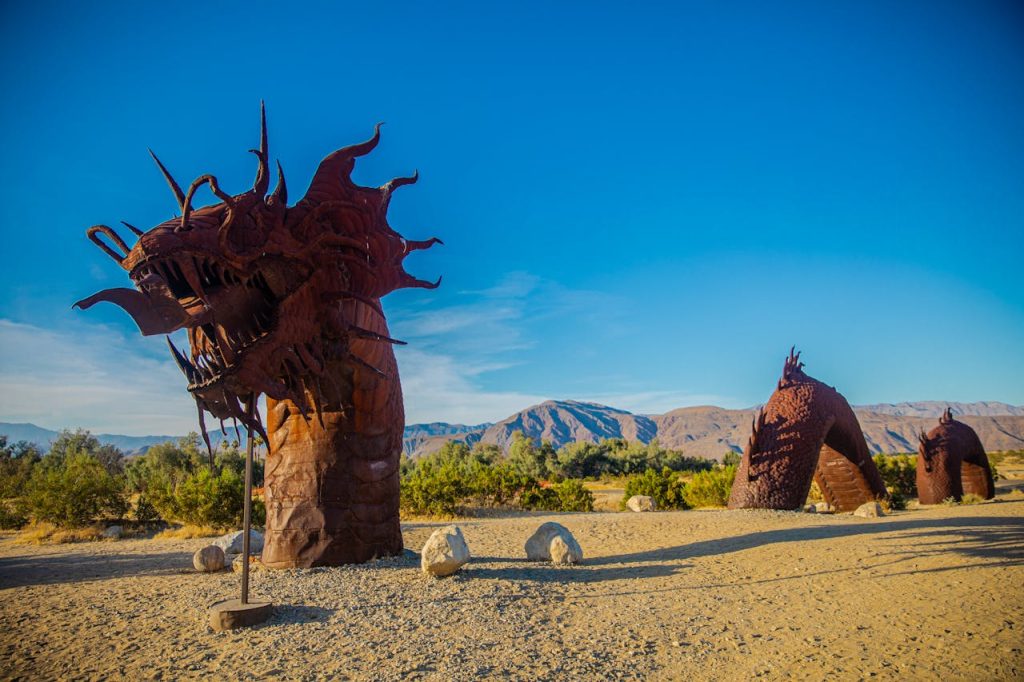
Road trips often reveal details that travelers would miss on a faster journey, and some of the most memorable surprises come from roadside attractions that stand quietly along the route yet still manage to draw steady crowds. These landmarks mix creativity, local pride, and a sense of discovery that makes drivers slow down and look twice. They may be handmade sculptures, oversized figures, or long-standing community projects, but each one adds personality to the landscape and turns an ordinary stretch of highway into something people remember. Their continued popularity shows how simple ideas, when rooted in place and maintained with care, can hold attention long after trends change, giving travelers a reason to pause and take in the character of the areas they pass through.
1. The Blue Whale of Catoosa, Oklahoma
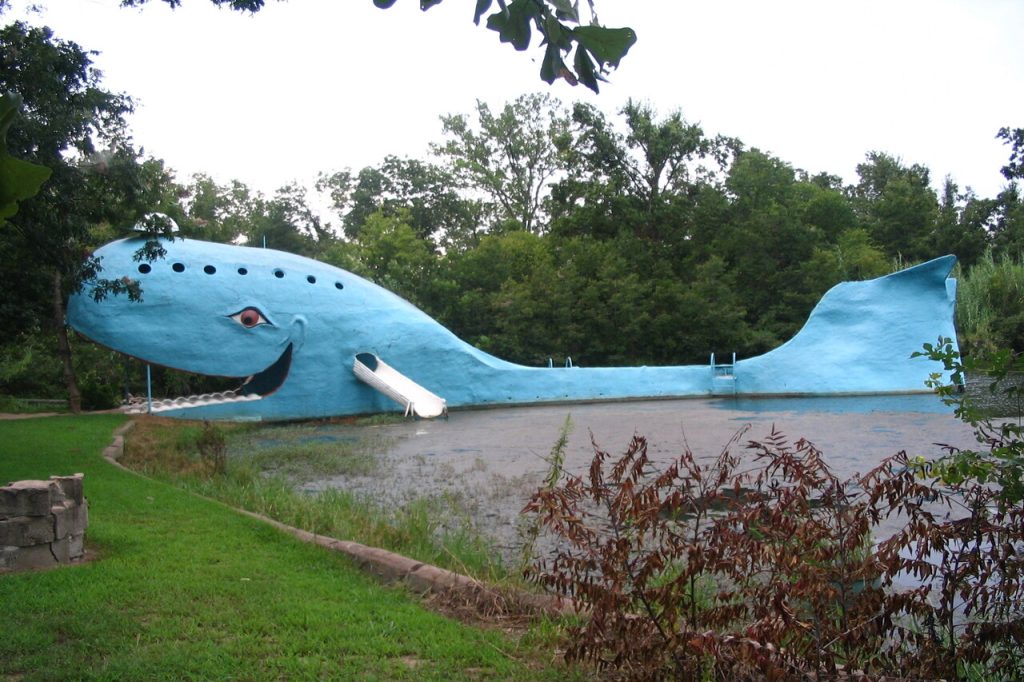
The Blue Whale remains a dependable draw along Route 66, attracting visitors who appreciate its handmade charm and its place in the region’s cultural memory. Built in the early 1970s as a simple family creation, the structure endures as a welcoming stop for people driving the historic highway. Visitors still walk around the pond, take photos from different angles, and read the modest interpretive signs. Its appeal does not rely on size or spectacle but on a sense of continuity that helps travelers feel connected to earlier generations of road trippers.
2. Wall Drug, South Dakota
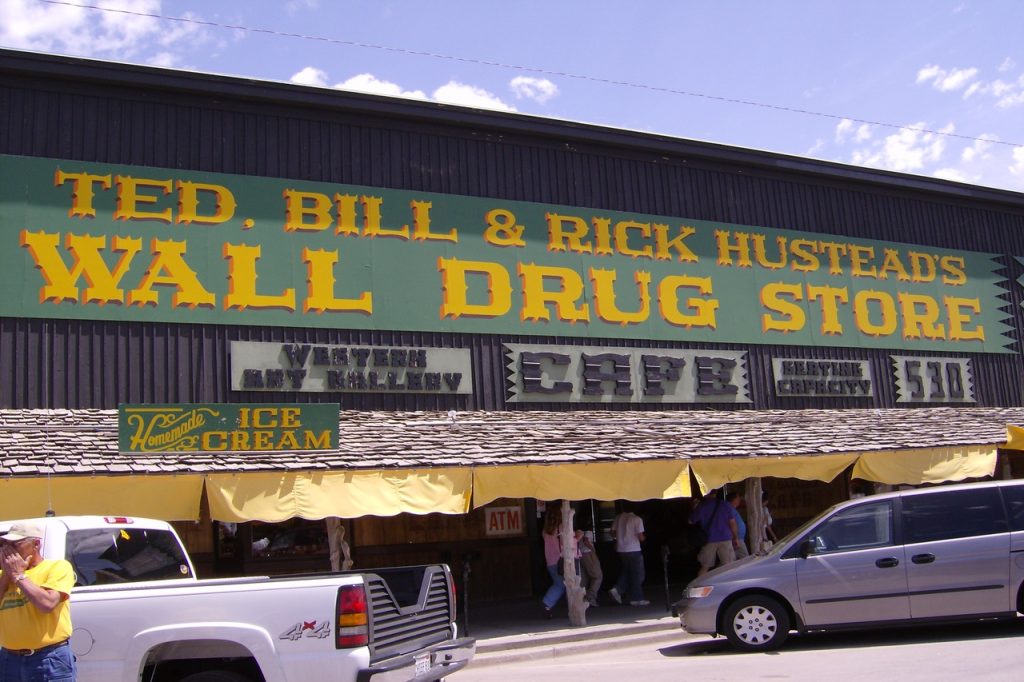
Wall Drug’s steady popularity comes from its layered mix of history, hospitality, and roadside marketing. The signs that stretch for miles create expectations long before travelers arrive, and the destination maintains that experience by offering recognizable features such as its store sections, casual dining, and small exhibits. Families pause here not only to rest but to take part in a tradition that has lasted for decades. The attraction’s capacity to remain busy is tied to its reliable familiarity and the predictable comfort it brings to people crossing long distances.
3. Paul Bunyan and Babe the Blue Ox, Minnesota
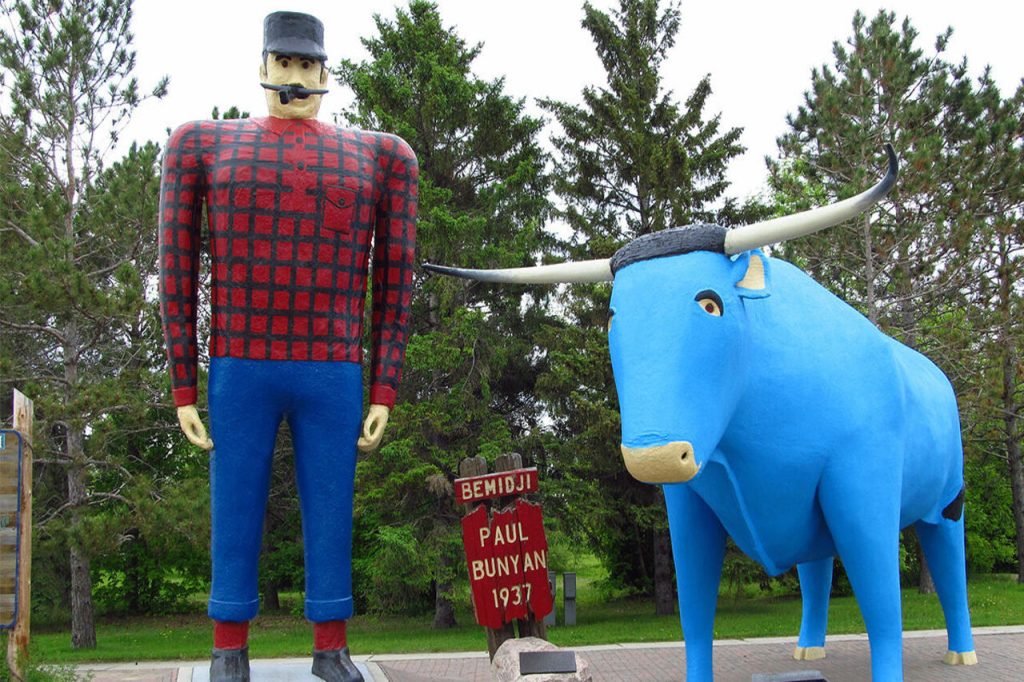
This pair of statues continues to draw visitors who appreciate both the folklore and the straightforward nature of the display. People stop to photograph the figures, walk around the park, and learn how the attraction became part of local identity. The statues remain unchanged in a way that encourages repeat visits, and their visibility from the main road makes them an easy and worthwhile pause. Their success comes from their role as community symbols and from the story they represent, which adds meaning to the brief stop travelers make.
4. Cadillac Ranch, Texas
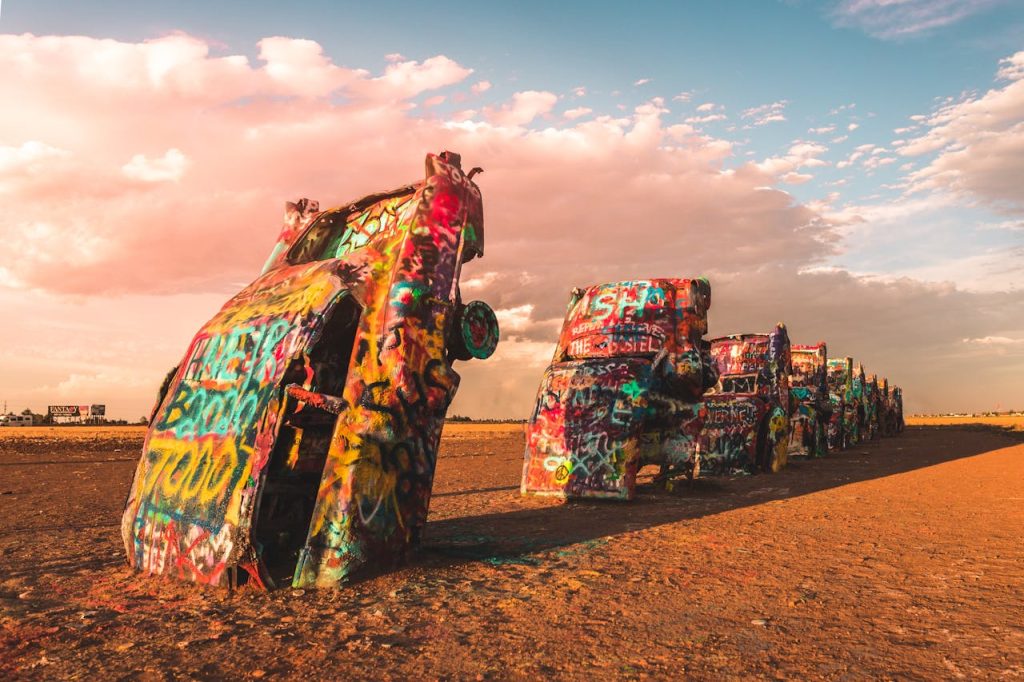
Cadillac Ranch holds steady as a roadside favorite because it allows visitors to participate rather than just observe. Travelers come prepared with spray paint, adding new layers to the partially buried cars tilted at sharp angles in the field. The attraction is accessible, free, and consistently surprising because it changes daily through public interaction. Its endurance reflects how open, evolving artworks can maintain long-term interest without needing additional amenities. People stop because the site is uncomplicated, memorable, and distinct within the landscape.
5. Carhenge, Nebraska
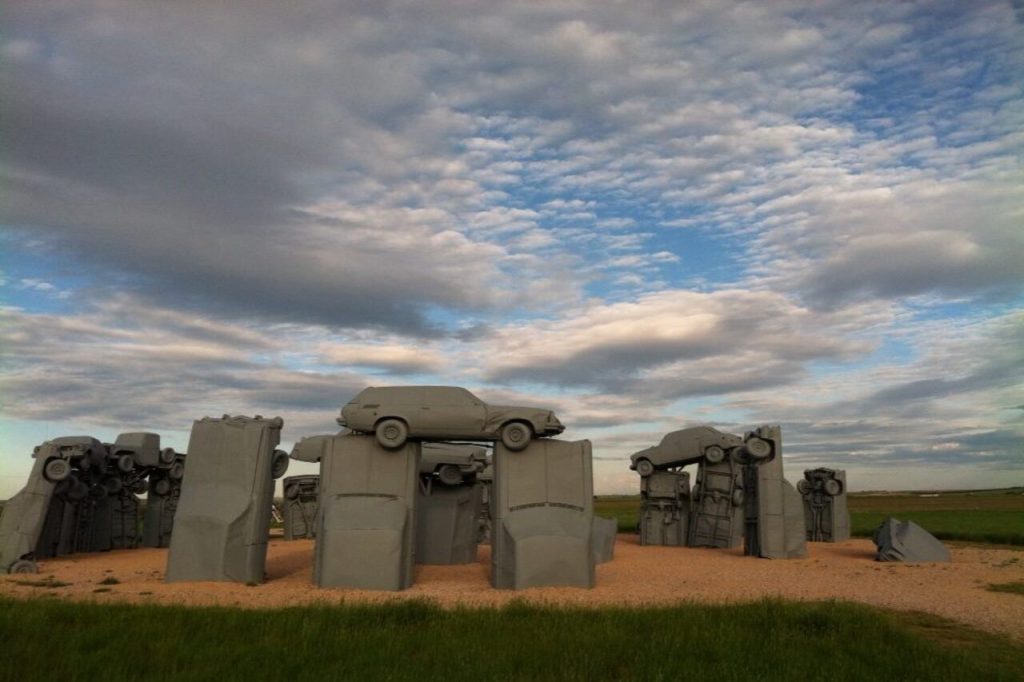
Carhenge’s ongoing popularity stems from its unusual combination of rural setting, sculptural presence, and clever reinterpretation of a famous monument. Visitors drive out of their way to walk the loop around the car formations and study the welded details that replicate the layout of Stonehenge. The attraction remains relevant because it blends humor with craftsmanship, and travelers appreciate how it reflects the creativity of a small community. Its durability as a stop is linked to its clear concept, open access, and ability to prompt conversation among people who visit.
6. The World’s Largest Ball of Twine, Kansas
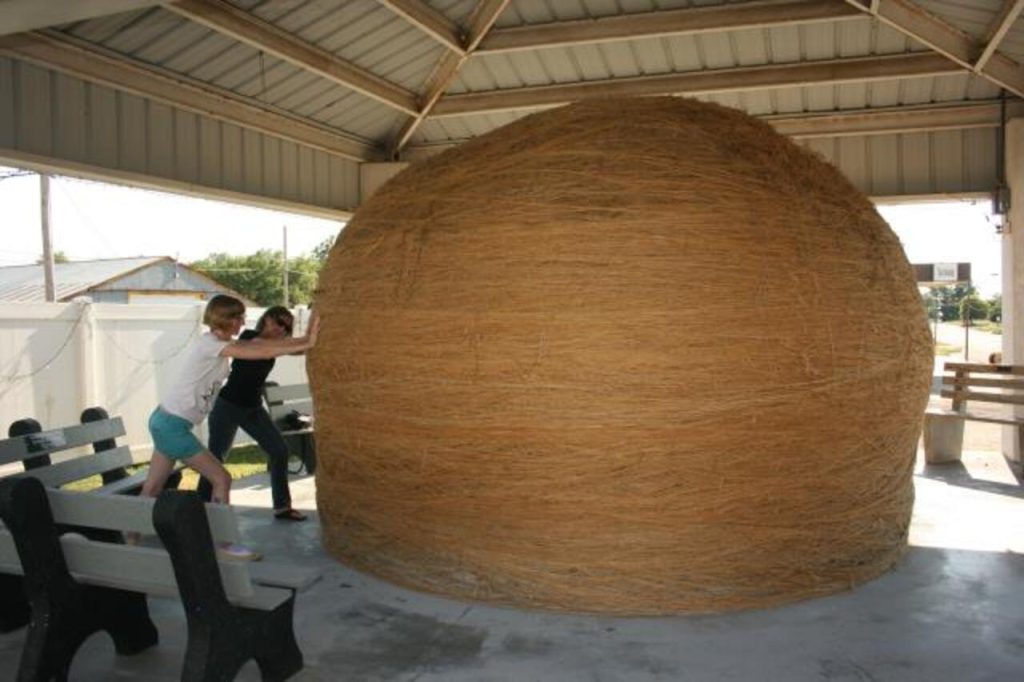
This evolving structure continues to bring in travelers who enjoy seeing a display that is both simple and locally meaningful. The ongoing contributions of twine demonstrate community involvement, and visitors often report that the attraction feels authentic rather than manufactured. Its location makes it an easy detour for people exploring central Kansas, and the modest shelter, guest book, and informational notes add to its appeal. The twine ball remains popular because it represents dedication, patience, and the pride of a small town maintaining a shared project.
7. Salvation Mountain, California
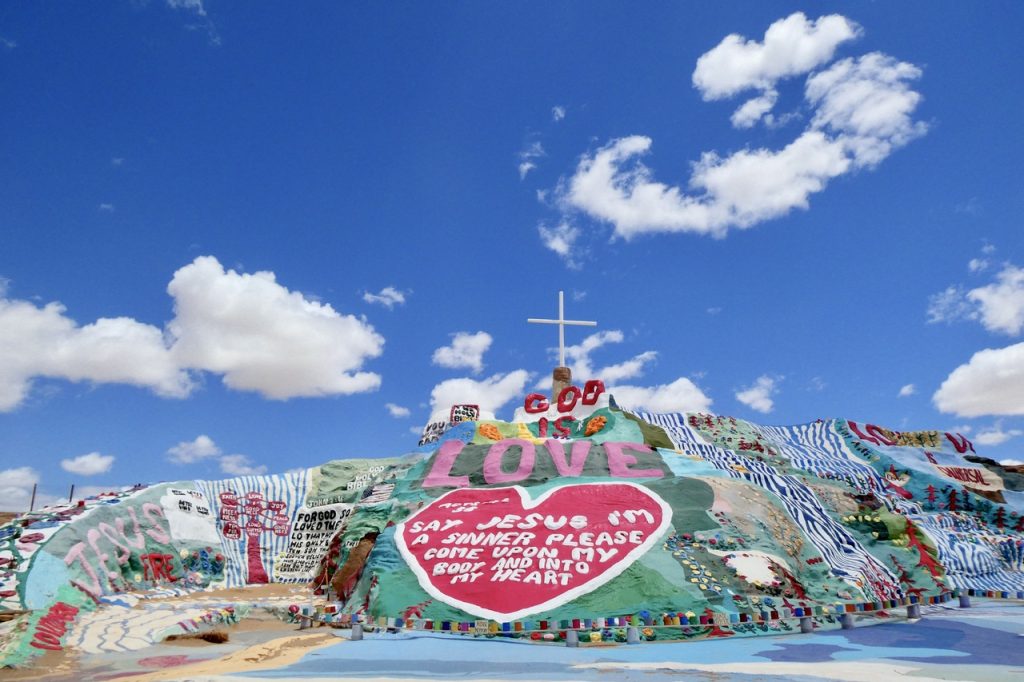
Salvation Mountain attracts consistent crowds because of its expansive handmade surfaces and the visual impact of its painted slopes. Visitors walk the paths, observe the materials, and recognize the decades of labor required to build it. The site provides a calm pause between major highways and serves as an example of how personal artistic expression can develop into a widely recognized landmark. Its continued relevance comes from regular maintenance efforts by volunteers and the steady interest of travelers documenting their journeys through the desert.
8. Hole N” The Rock, Utah
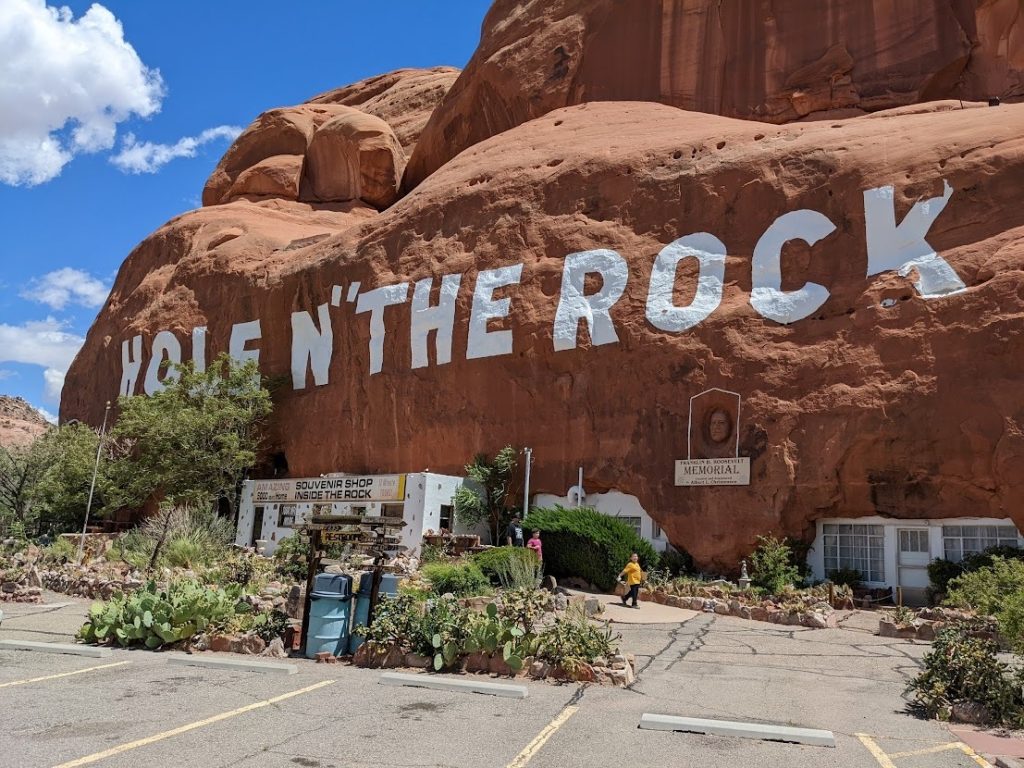
This carved home in a sandstone cliff remains a notable roadside stop for people passing through southeastern Utah. Visitors tour the interior rooms, explore the small exterior exhibits, and browse the gift shop, all of which reflect long standing local character. The attraction maintains attention because it combines geology, personal history, and craftsmanship in a single location. It does not rely on modern features to attract guests; instead, it provides an experience that feels specific to the region and distinct from larger commercial venues.
9. The Fremont Troll, Washington
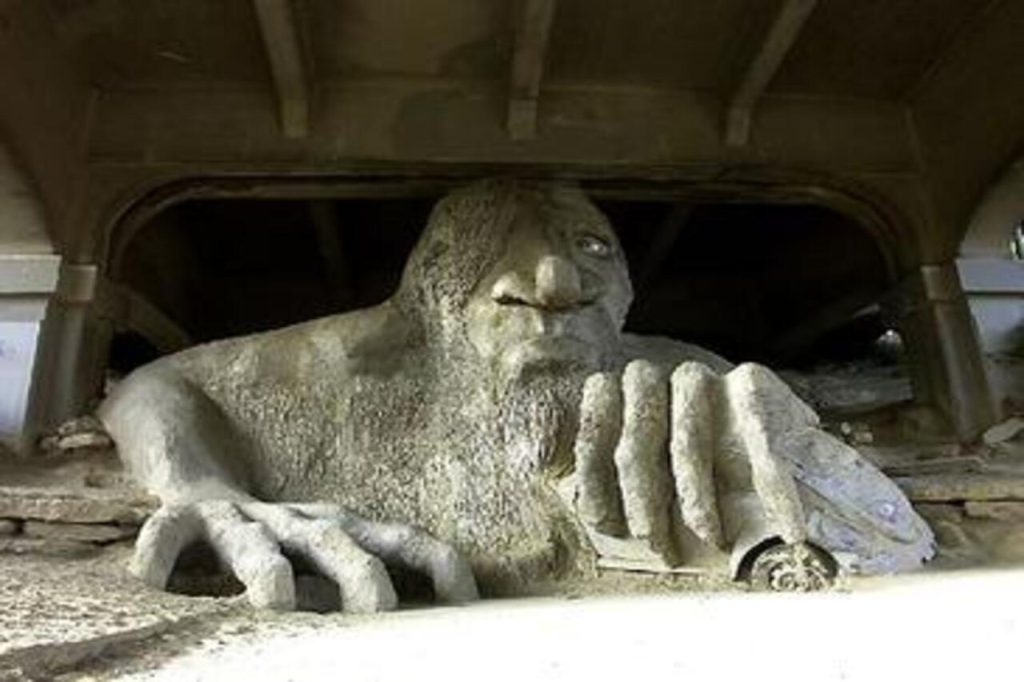
Positioned under a bridge in Seattle, the Fremont Troll continues to draw steady foot traffic from locals and tourists. People approach the statue at different angles, climb on its features, and observe the embedded car that forms part of the sculpture. The attraction remains successful because it is easily accessible, free to visit, and strongly tied to neighborhood identity. Its size and placement create an immediate impression without needing additional signage or infrastructure. Over time, the Troll has become a dependable stop that still surprises first-time visitors.
10. The Corn Palace, South Dakota
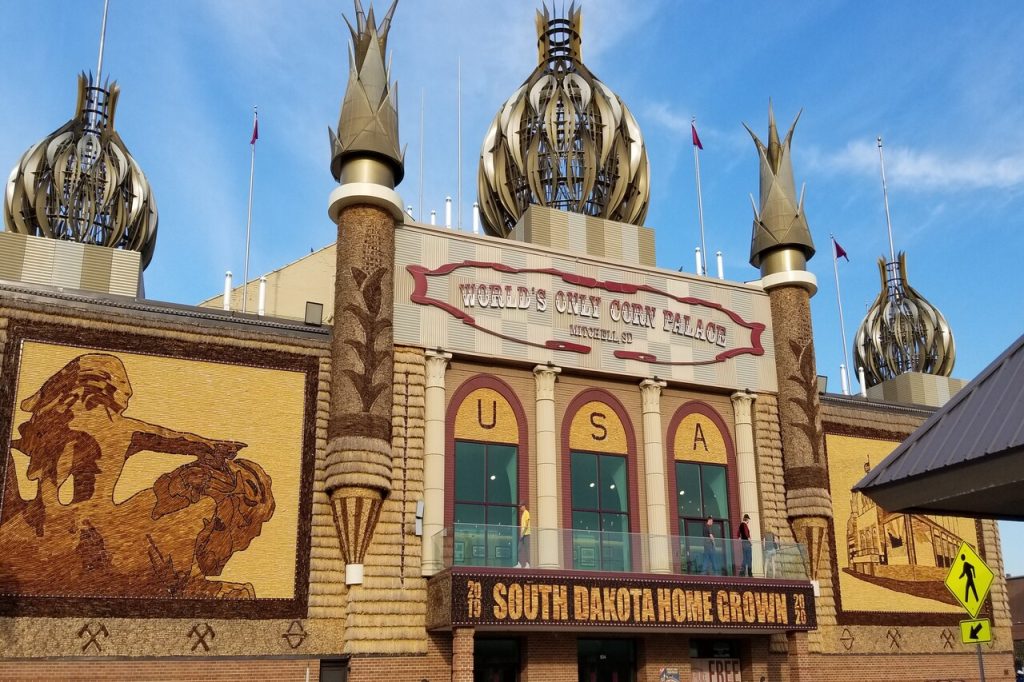
The Corn Palace in Mitchell remains one of the most recognized roadside stops in the Midwest because it blends community tradition with an evolving display of agricultural art. Its exterior is redecorated each year using thousands of cobs arranged in large murals that depict regional history, wildlife, and cultural themes. Travelers often walk the perimeter to observe the craftsmanship up close, then step inside to explore exhibits explaining how the building became a longstanding symbol of local farming. Its ability to change appearance while maintaining the same purpose keeps it relevant, giving visitors a reason to return and see each year’s new designs.
11. The Mystery Spot, Michigan
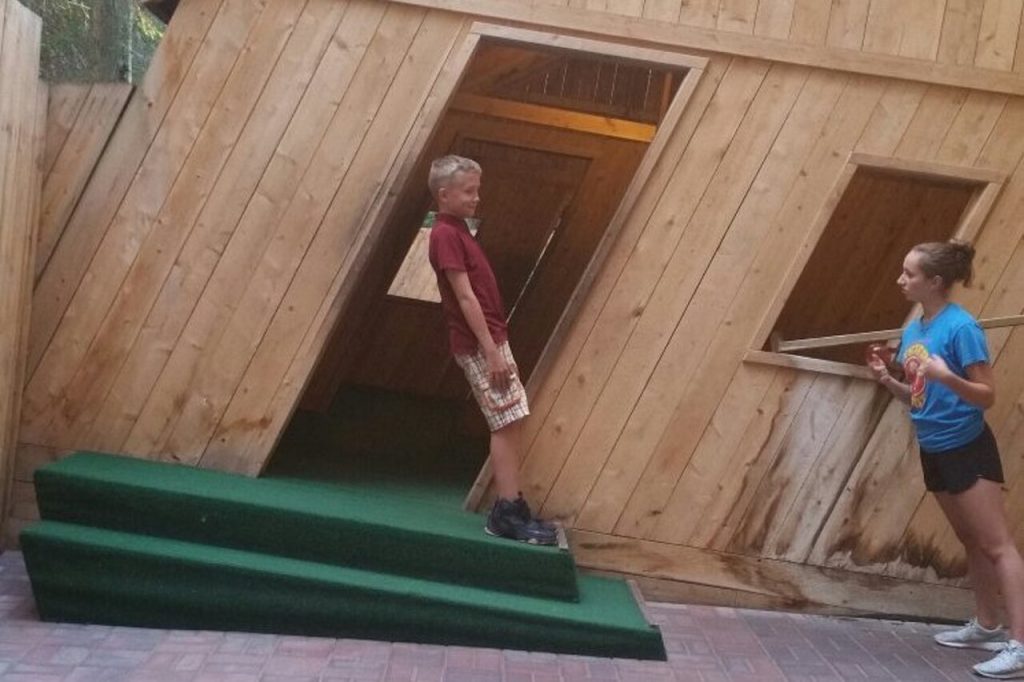
The Mystery Spot endures as a roadside stop because visitors want to experience the optical illusions and slanted structures that create its signature effects. Guided tours explain how the angles alter perception, and travelers often return to compare the experience with previous visits. The attraction works because it is consistent, clearly structured, and offers a short but engaging break from long stretches of highway. Its staying power comes from the curiosity it provides, without requiring dramatic upgrades or major expansions to remain appealing.
12. Lucy the Elephant, New Jersey
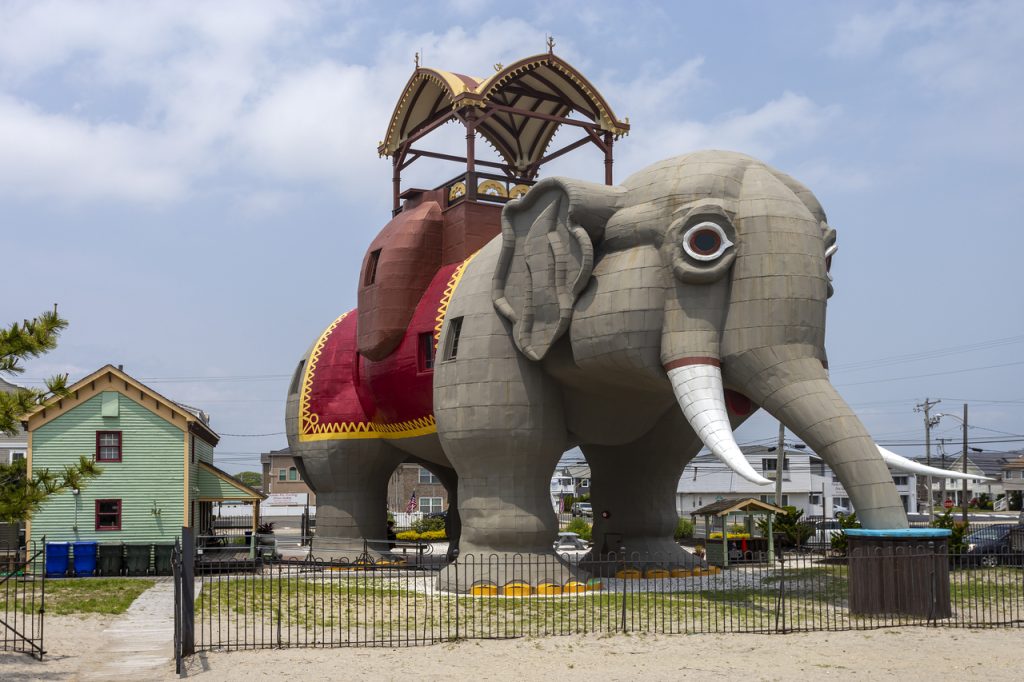
Lucy maintains strong visitor numbers because of her unique design, historical significance, and location near coastal travel routes. People climb the interior stairs, view the shoreline from the open spaces, and learn about the preservation efforts that keep the structure in good condition. The attraction remains relevant through ongoing restoration and community involvement. Its recognizable form makes it a longstanding symbol of the area, and travelers appreciate the ability to tour a landmark that represents both regional heritage and early imaginative architecture.
13. The Jolly Green Giant, Minnesota
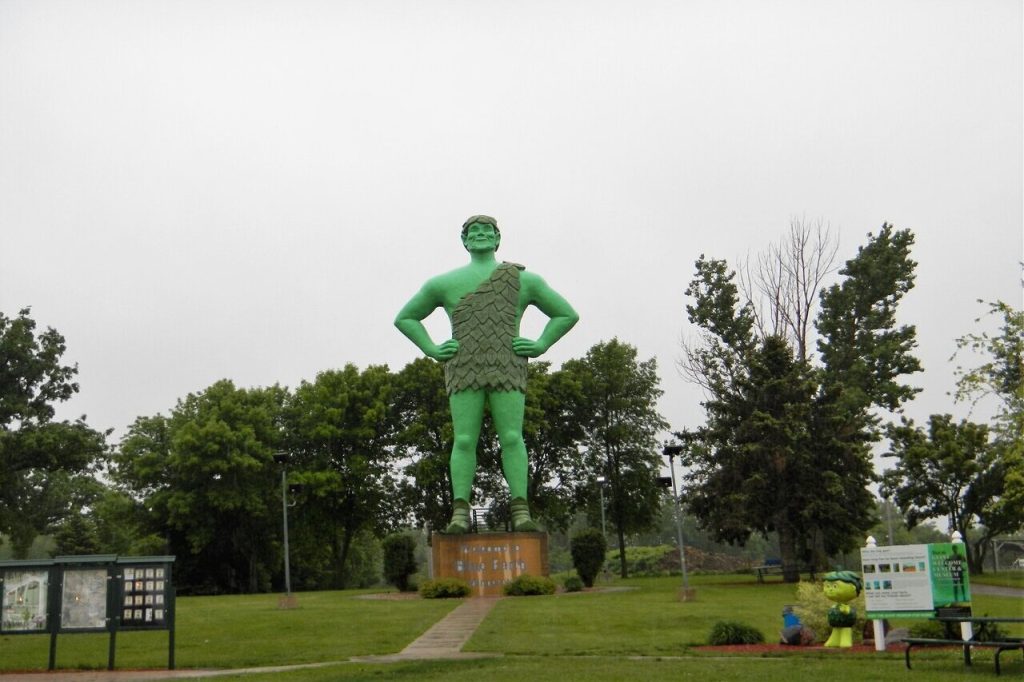
This statue continues to bring in travelers who enjoy taking photos with one of the most familiar American advertising figures. The surrounding park offers space to walk, rest, and read about the town’s connection to the character. The attraction’s success stems from its straightforward presentation and easily understood cultural context. People stop because it is convenient, visible from the highway, and tied to a brand they recognize. Its durability as a roadside draw comes from its clear identity and dependable maintenance by the local community.
14. Dinosaur Park, South Dakota
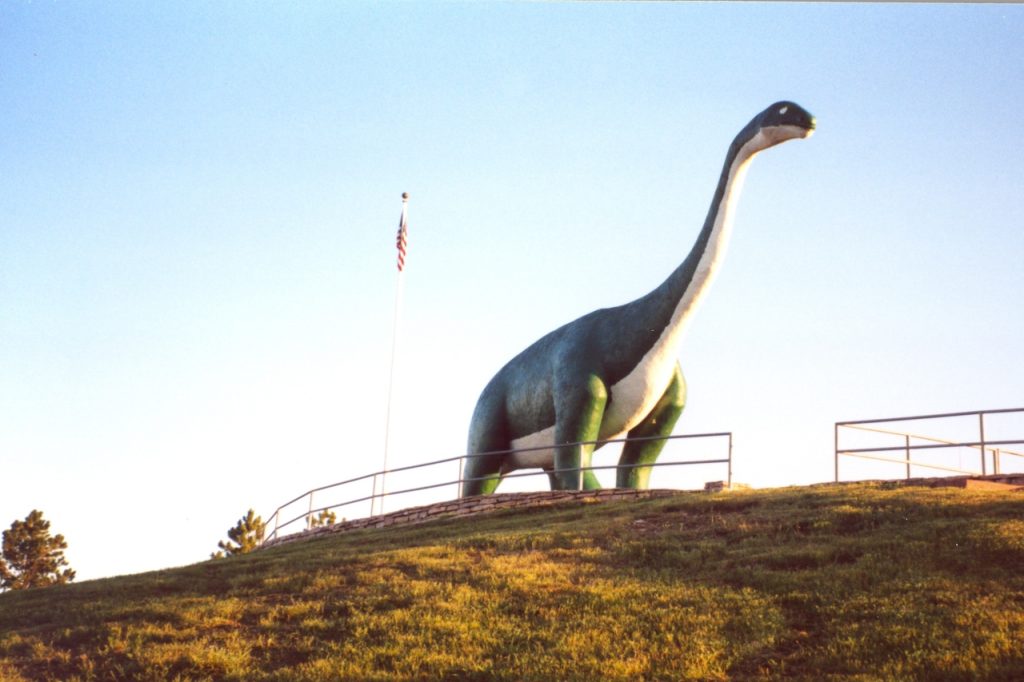
Dinosaur Park keeps attracting visitors who appreciate the mid century concrete sculptures and the panoramic views from the ridge. People climb the steps, observe the details of each dinosaur, and take in the surrounding landscape. The park offers a mix of recreation and nostalgia without requiring formal tours or complex features. Its ongoing popularity reflects how open-air structures can remain compelling when they are integrated into natural terrain. Travelers value the chance to stretch their legs while visiting an attraction tied to local history and public art traditions.
15. Cabazon Dinosaurs, California
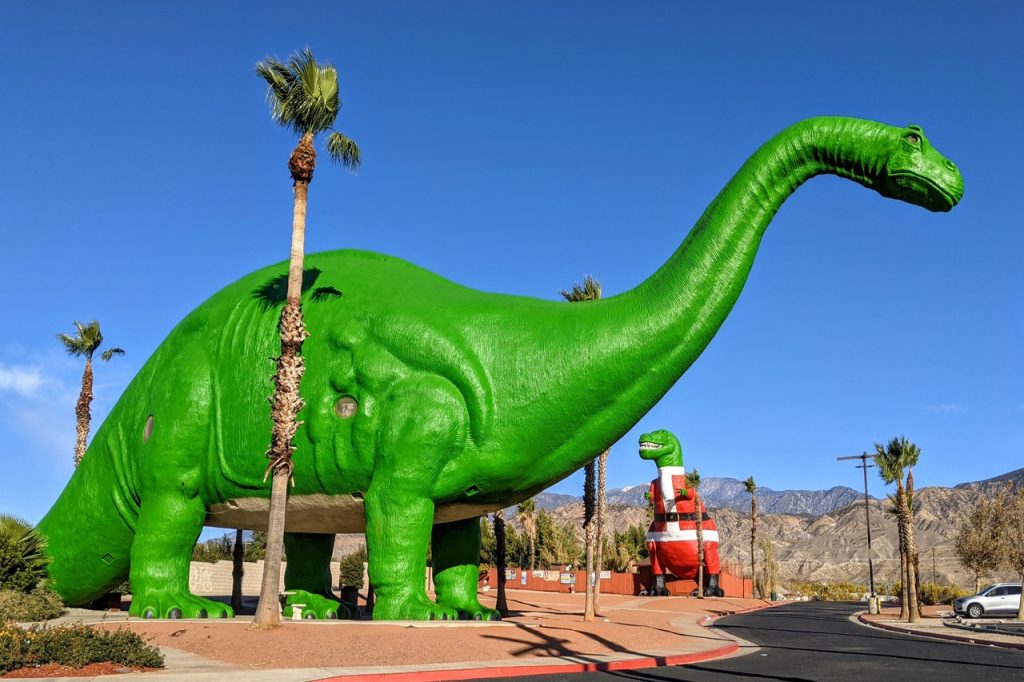
The Cabazon Dinosaurs remain a dependable stop for travelers crossing the desert because they offer visibility, large-scale sculptures, and a walkable outdoor setting. Visitors explore the grounds, enter the small museum areas, and photograph the figures from multiple vantage points. The attraction continues to succeed because it provides reliable roadside interest without depending on significant technological updates. Its broad appeal lies in its accessibility and the predictable experience it offers to families driving between major cities. The site endures as a recognizable landmark along a well-traveled route.