15 Record-Breaking Bridges Around the World
Great bridges are never only about distance. They reshape trade routes, skylines, travel times, and the way a place imagines itself. Across continents, record-setting spans were built for speed, survival, pride, and engineering ambition. Some still hold global titles, while others broke records in their era and reset design standards for decades.
Together, they show how geography bends to persistence. Marshland, straits, deep gorges, and wind-beaten estuaries demanded different solutions, and each solution left a social footprint long after opening day. What remains is a living archive of big bets that still carry daily life.
1. Danyang–Kunshan Grand Bridge, China
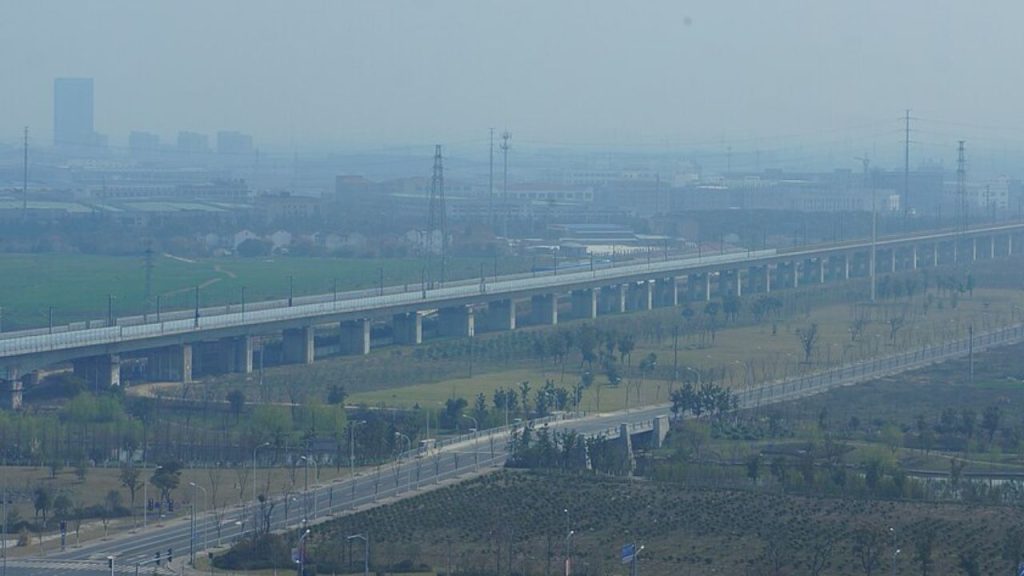
The Danyang–Kunshan Grand Bridge in China remains the world’s longest bridge at 164.8 km, carrying high-speed rail across wetlands, canals, and dense development between Shanghai and Nanjing. Its scale was never just spectacle. It was built to keep a fast corridor reliable across terrain that shifts with water and seasonal weather.
The practical effect is rhythm: fewer chokepoints, steadier travel times, and stronger links between major labor markets. When a bridge runs this long and this consistently, it stops feeling like a single structure and starts acting like regional infrastructure in motion, day after day, train after train.
2. Hong Kong-Zhuhai-Macao Bridge, China

The Hong Kong-Zhuhai-Macao Bridge system stretches 55 km and is widely cited as the world’s longest bridge-cum-tunnel sea crossing. It ties three major Pearl River Delta cities with bridges, an undersea tunnel, and artificial islands, all designed for heavy marine traffic and rough weather windows.
Its record matters because it changed time math across the region. Trips that once depended on ferries or long road loops now compress into direct highway movement, expanding same-day business range and cross-border family travel. Record length here is not abstract. It is a daily gain measured in minutes saved and options multiplied.
3. Lake Pontchartrain Causeway, United States
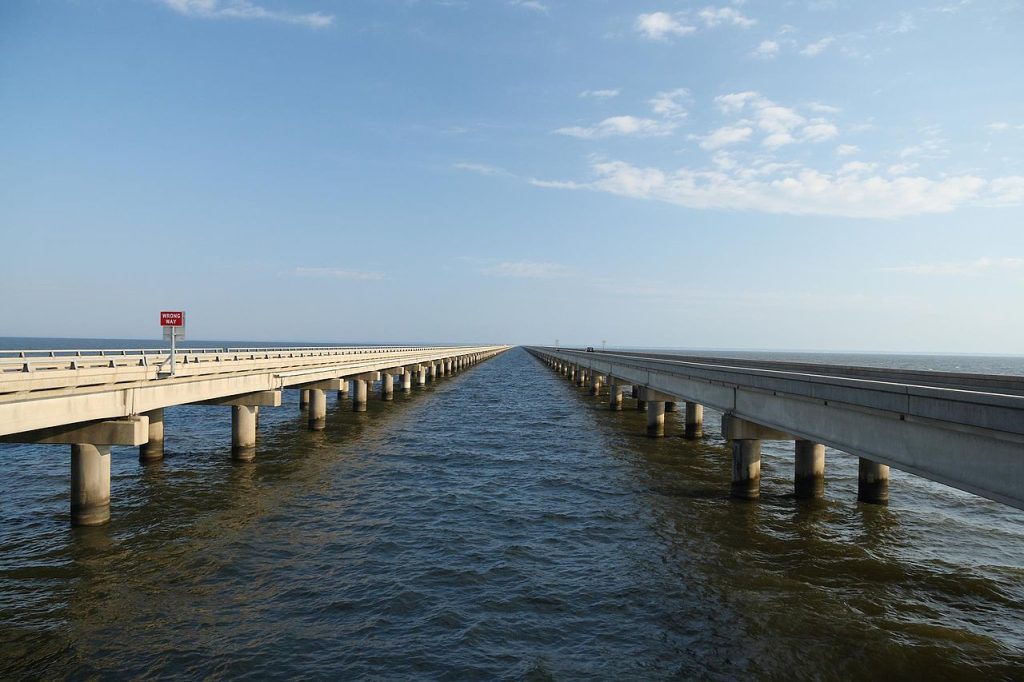
Lake Pontchartrain Causeway in Louisiana holds the Guinness title for the longest continuous bridge over water at 38.422 km. It is visually simple beside newer mega-projects, yet its endurance is central to the record story. Twin spans across open lake conditions still carry commuters between Northshore communities and metro New Orleans.
The bridge’s influence is local and constant. Housing choices, job access, and weekday schedules hinge on a dependable crossing that turns a water barrier into a routine drive. Record-breaking does not always look dramatic. Sometimes it looks like a long line that keeps a region stitched together daily.
4. 1915 Çanakkale Bridge, Türkiye
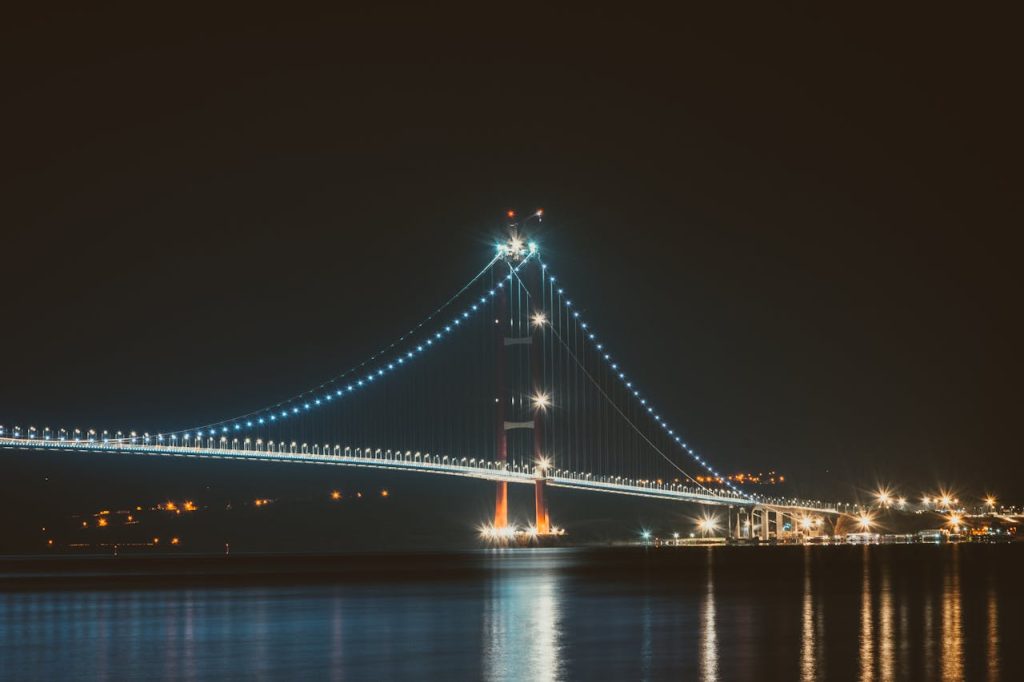
Türkiye’s 1915 Çanakkale Bridge was built with a 2,023 m main span, currently promoted by project authorities as the world’s longest suspension mid-span. Even its measurements carry symbolism tied to national history, yet the engineering challenge was concrete: span a strait with minimal obstruction and resilient long-term performance.
Its daily value is straightforward. It reduces dependence on ferry schedules across the Dardanelles and keeps freight moving when timing matters most. A record can begin as national pride, but it endures only if it solves recurring friction. This one does, with faster crossings and stronger reliability.
5. Akashi Kaikyo Bridge, Japan
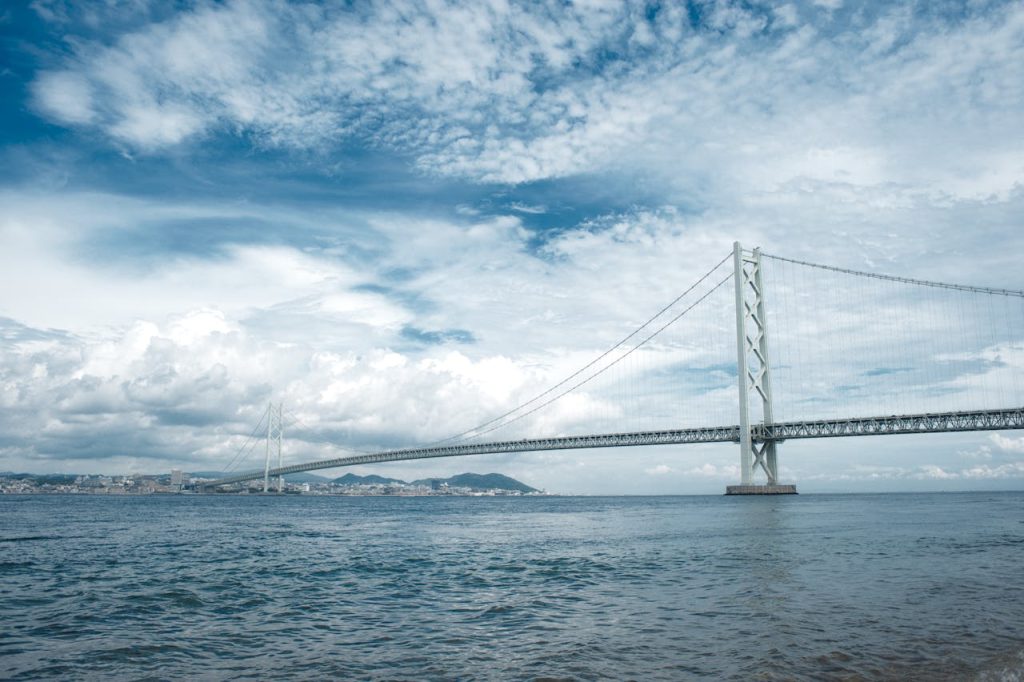
Japan’s Akashi Kaikyo Bridge set a benchmark with a 1,991 m central span, and for years it defined what ultra-long suspension design looked like in practice. The structure was engineered in a seismically active corridor, where strength had to coexist with flexibility under real environmental pressure.
That balance gave engineers worldwide a reference point for the next generation of long-span work. Beyond textbook significance, the bridge improved continuity between major islands and normalized what once felt like a difficult crossing. Records that matter most are usually the ones that become design templates for everyone else.
6. Golden Gate Bridge, United States
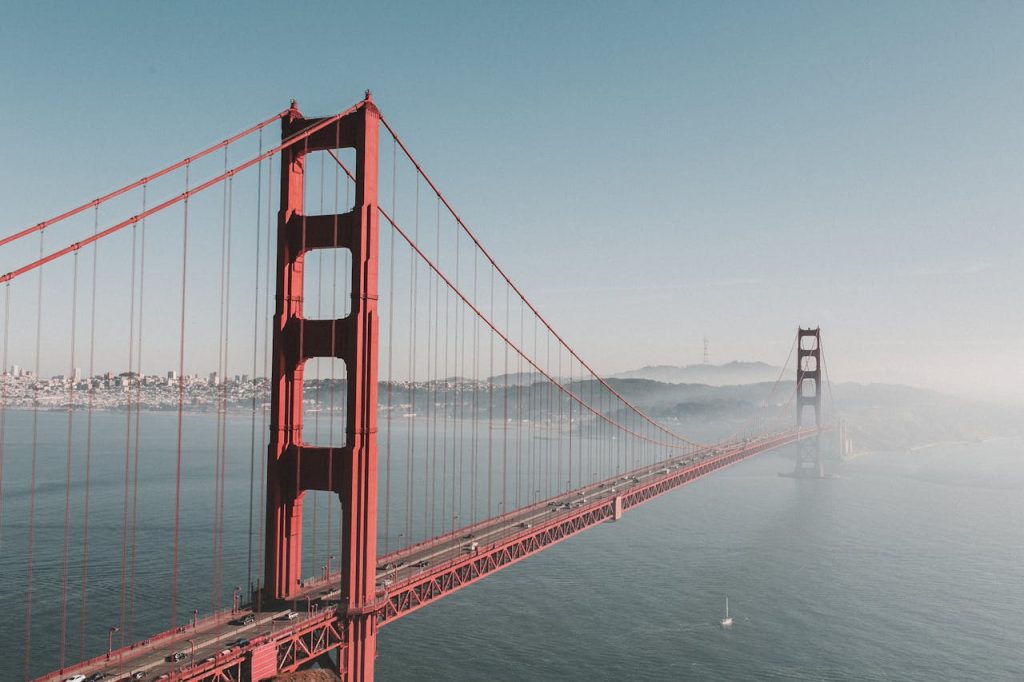
When the Golden Gate Bridge opened in 1937, it set world records for the longest suspension main span at 4,200 ft and for tower height at the time. Those records were later surpassed, but the bridge’s impact outlasted the numbers. It proved that high wind, fog, deep water, and busy shipping lanes could be solved elegantly.
Its legacy still frames modern bridge culture: bold profile, strict maintenance discipline, and civic identity tied to infrastructure. Record status launched the headline, but continuity kept the reputation. Nearly a century later, it remains a commuter route and a reminder that utility and landmark value can coexist.
7. San Francisco-Oakland Bay Bridge East Span, United States
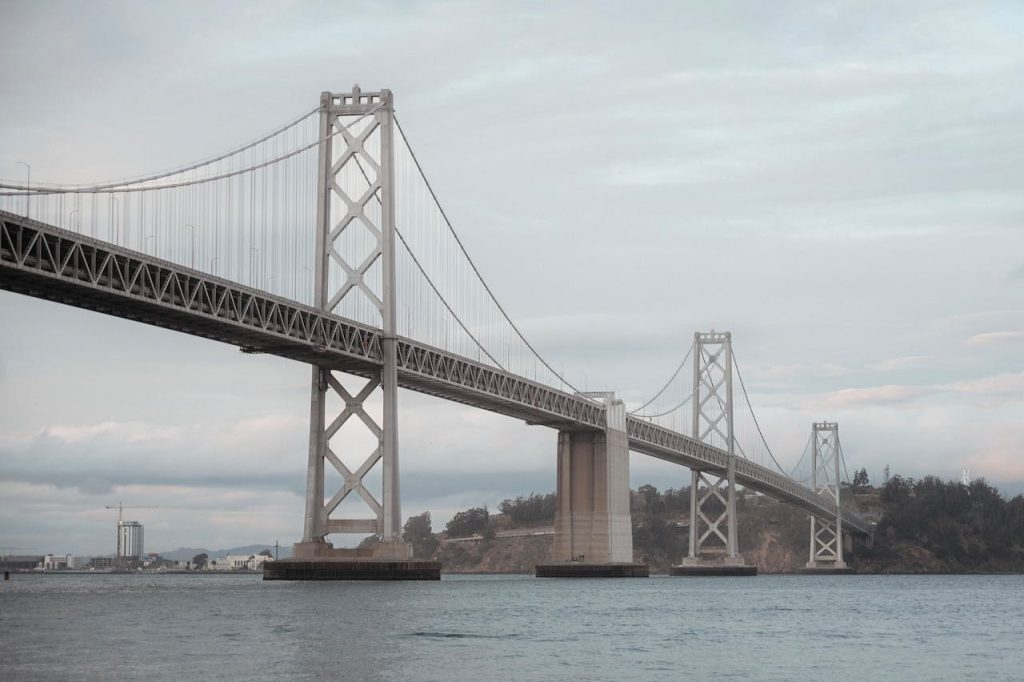
The eastern span of the San Francisco-Oakland Bay Bridge includes a 624 m self-anchored suspension section with a 385 m clear main span, recognized by Guinness as the longest of its type. It replaced vulnerable infrastructure after seismic risk was exposed, so the record is tied directly to resilience goals.
That context matters. This was not record-chasing for its own sake, but a rebuild that paired public safety with advanced structural design. Today the crossing carries regional life at scale: work commutes, port access, school trips, and emergency movement. The engineering milestone is real, yet the social milestone may be even bigger.
8. Forth Bridge, Scotland
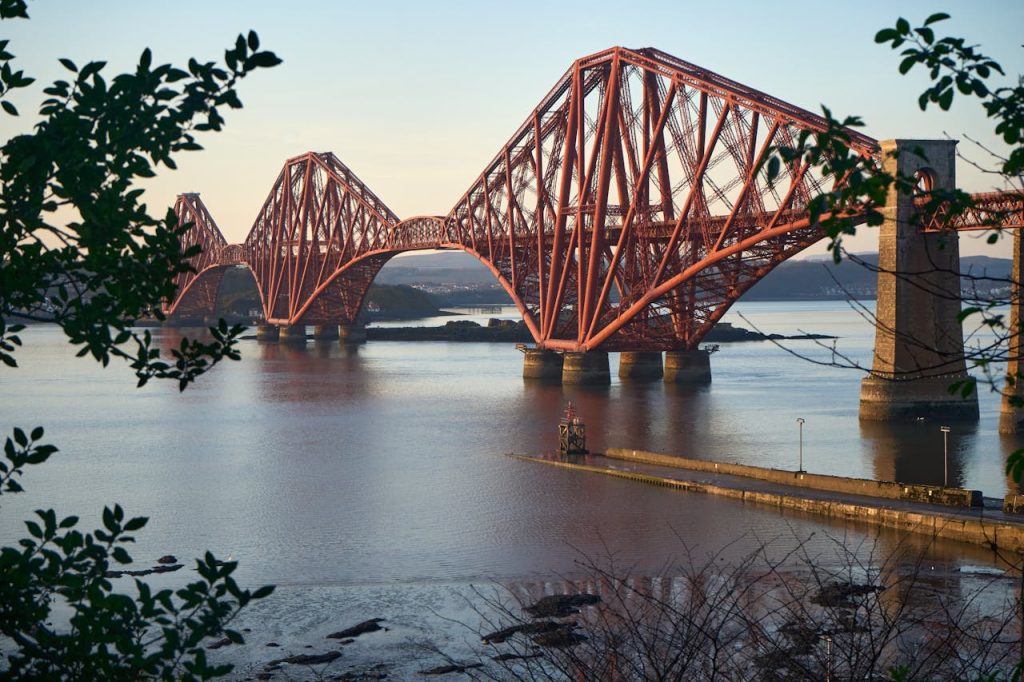
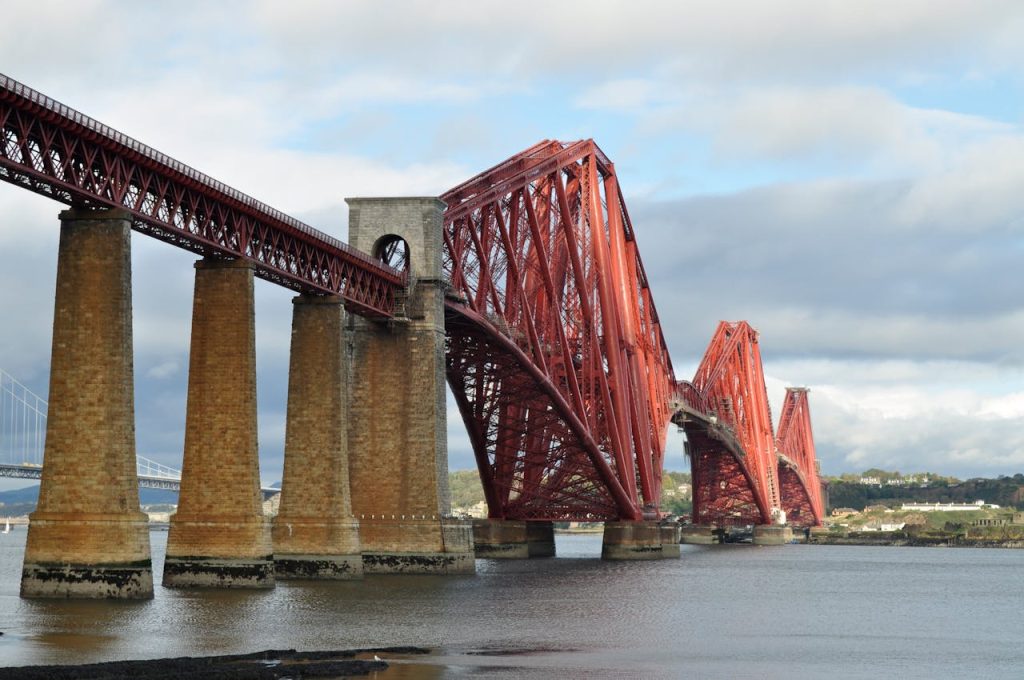
Scotland’s Forth Bridge opened in 1890 and pushed cantilever engineering into a new class. UNESCO notes its 521 m spans were individually the longest in the world for 28 years, and the structure remains a global reference for multi-span cantilever performance. It was massive, unapologetic, and designed for hard duty.
What makes it record-breaking in a lasting sense is durability under constant rail demand and hostile weather cycles. More than a century later, it still carries trains and still teaches structural logic to new generations of engineers. Some records are numbers. Others are decades of uninterrupted usefulness at national scale.
9. Québec Bridge, Canada
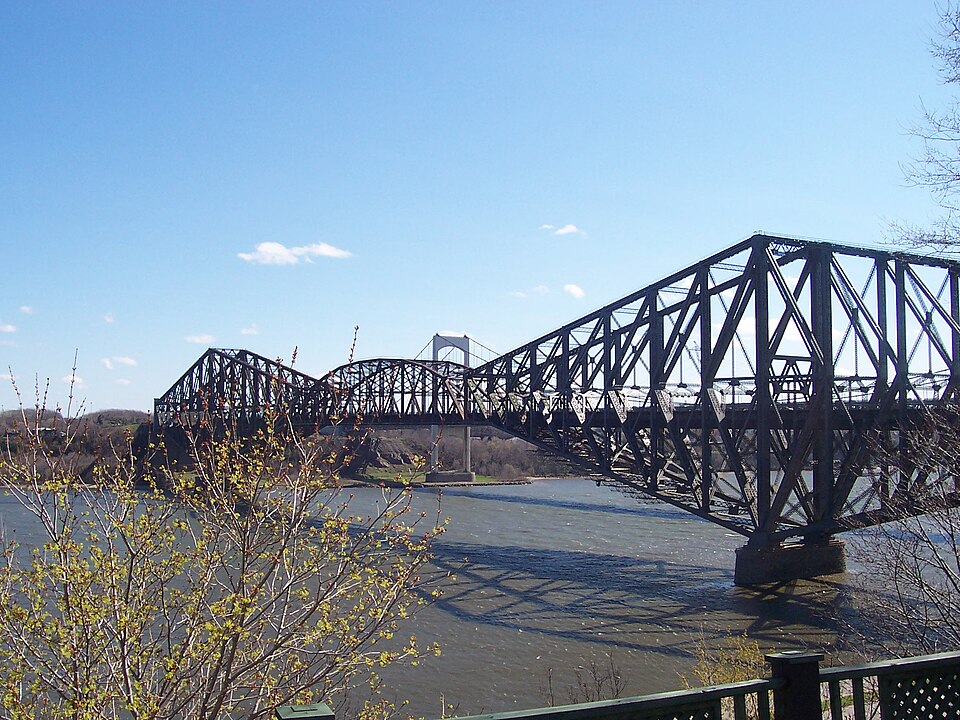
Canada’s Québec Bridge still holds the longest span cantilever bridge record at 549 m, according to Guinness and Parks Canada. The achievement came with painful history, including earlier collapses that forced redesign and stricter controls before completion. The final structure became both a breakthrough and a cautionary lesson.
That dual legacy gives it unusual weight. It represents ambition and a hard shift toward modern safety culture in major public works. Its continued operation across the St. Lawrence shows how record-setting can mature into reliability. The bridge remains active infrastructure with deep memory today.
10. Chenab Rail Bridge, India
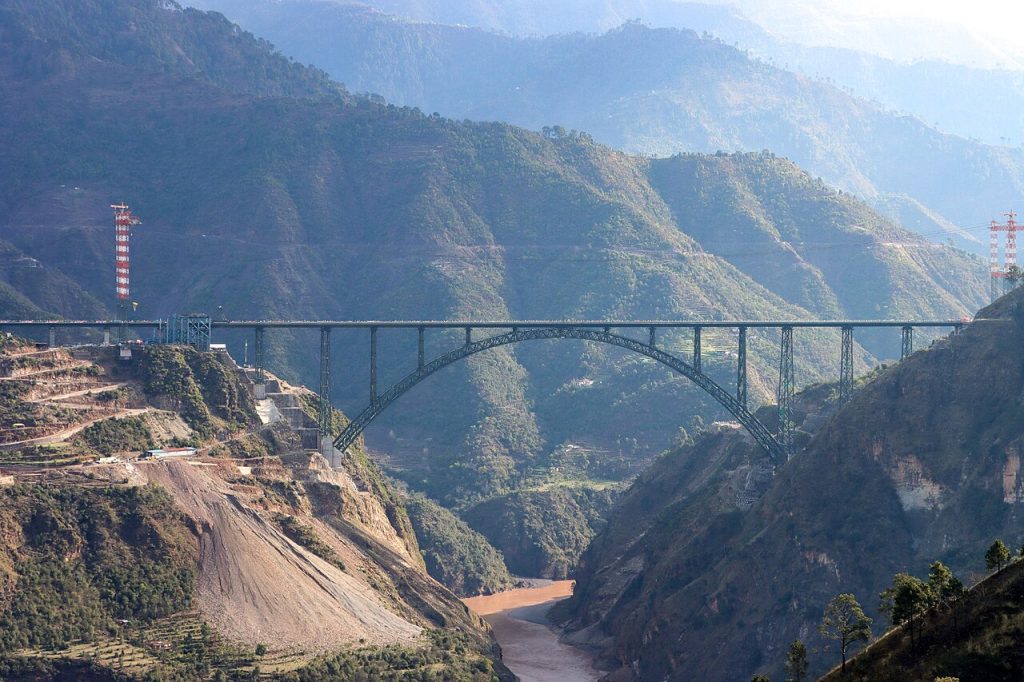
The Chenab Rail Bridge in India is officially described by national authorities as the world’s highest railway arch bridge, with deck height around 359 m above the river and total length of 1,315 m. Built for demanding Himalayan conditions, it had to combine altitude, wind resistance, and seismic performance in one system.
Its record value is tied to access. By strengthening the Kashmir rail link, the bridge supports faster and more dependable movement for residents, workers, and services across difficult terrain. At ground level, that means fewer disruptions, stronger market links, and more predictable mobility in mountain geography.
11. Beipanjiang, or Duge Bridge, China
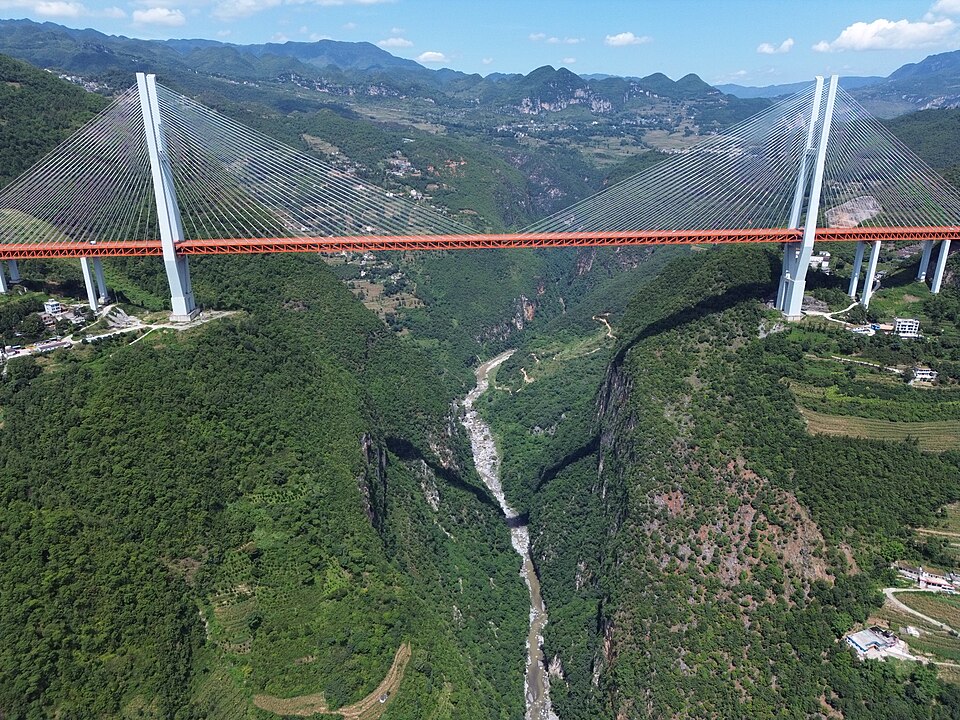
Guinness lists the Beipanjiang, or Duge Bridge, with a deck height of 565.4 m as a highest-bridge record benchmark from 2016. The crossing rises above a deep river gorge on the Yunnan-Guizhou border, where altitude and topography once forced long detours through slower mountain routes.
The headline number is dramatic, but routine impact is practical: reduced drive times, steadier freight flow, and better integration of interior counties into wider provincial networks. High-elevation records can sound abstract on paper. In reality, they often mean remote communities finally sit within reachable distance of jobs, schools, and care.
12. Aizhai Bridge, China
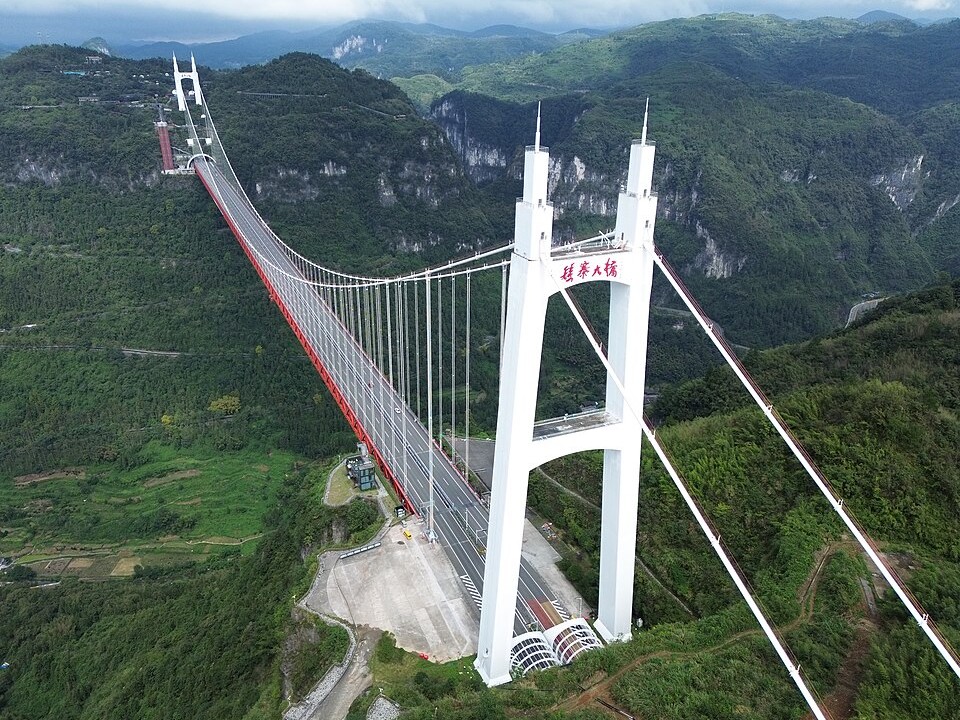
In Hunan, China, the Aizhai Bridge holds a Guinness record as the longest tunnel-to-tunnel bridge, with a 1,176 m main span and a deck high above the Dehang Canyon. It links expressway tunnels across rugged terrain, turning what used to be a slow mountain passage into a continuous high-speed route.
That design choice reshaped daily reliability in western Hunan. Freight carriers gained predictable transit windows, and local residents gained safer regional travel with fewer weather bottlenecks. The record is important, but the story is continuity: engineering that removes one recurring choke point and raises the baseline for corridor users.
13. Russky Bridge, Russia
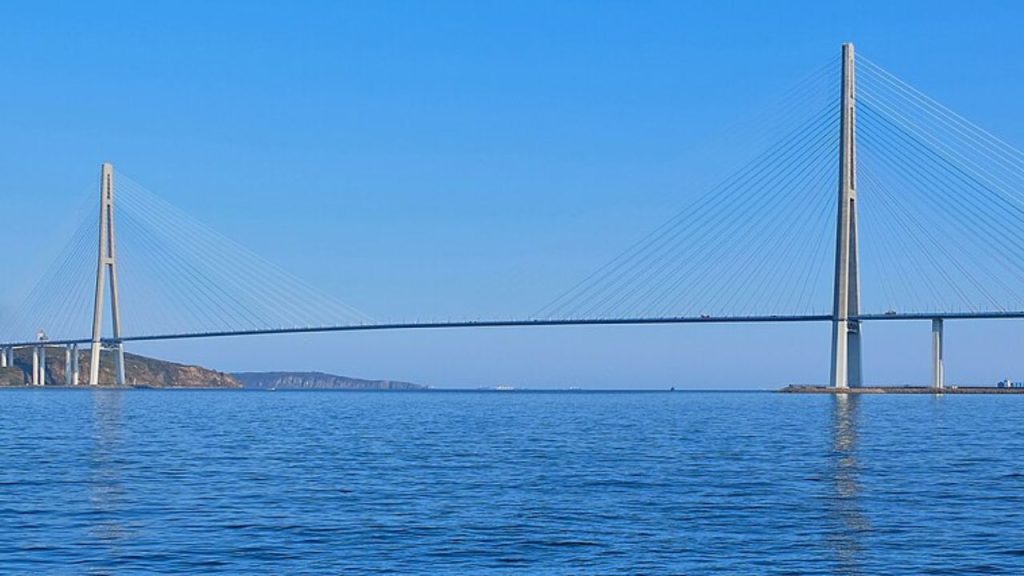
Russia’s Russky Bridge in Vladivostok opened in 2012 with a 1,104 m cable-stayed main span, recognized by Guinness World Records at inauguration as the longest of its type. The bridge links Russky Island to the mainland across the Eastern Bosphorus strait and was built for regional access, not only event traffic.
Its record value sits in everyday utility. The crossing reduced travel friction to Russky Island, strengthened port connectivity, and showed that extreme wind, cold, and marine exposure could be handled with stable long-span performance. Even as rankings shift, Russky remains a reference point for cable-stayed bridge design.
14. Confederation Bridge, Canada
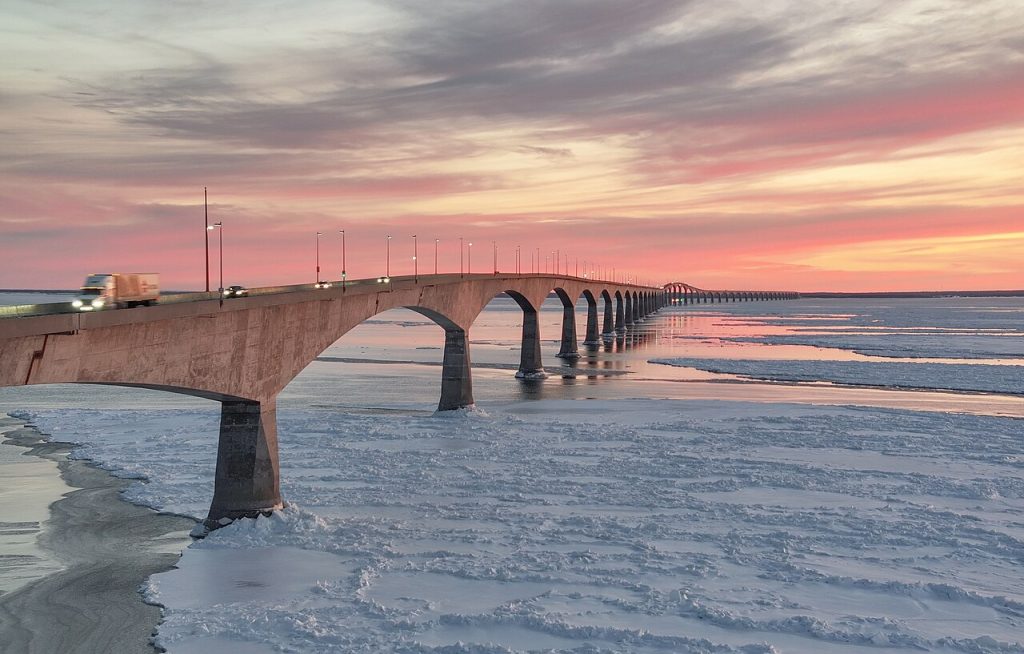
The Confederation Bridge between Prince Edward Island and New Brunswick is 12.9 km long and is presented by its operator as the world’s longest bridge over ice-covered water. That label points to a specific engineering burden: recurring winter ice forces that demand durable pier design and long-term structural confidence.
Its effect on regional life has been steady. Year-round connection replaced weather-dependent uncertainty, supporting tourism, freight, medical travel, and family movement across seasons. Not every record is about height or span alone. Some are about consistency where nature once interrupted plans and momentum.
15. Millau Viaduct, France
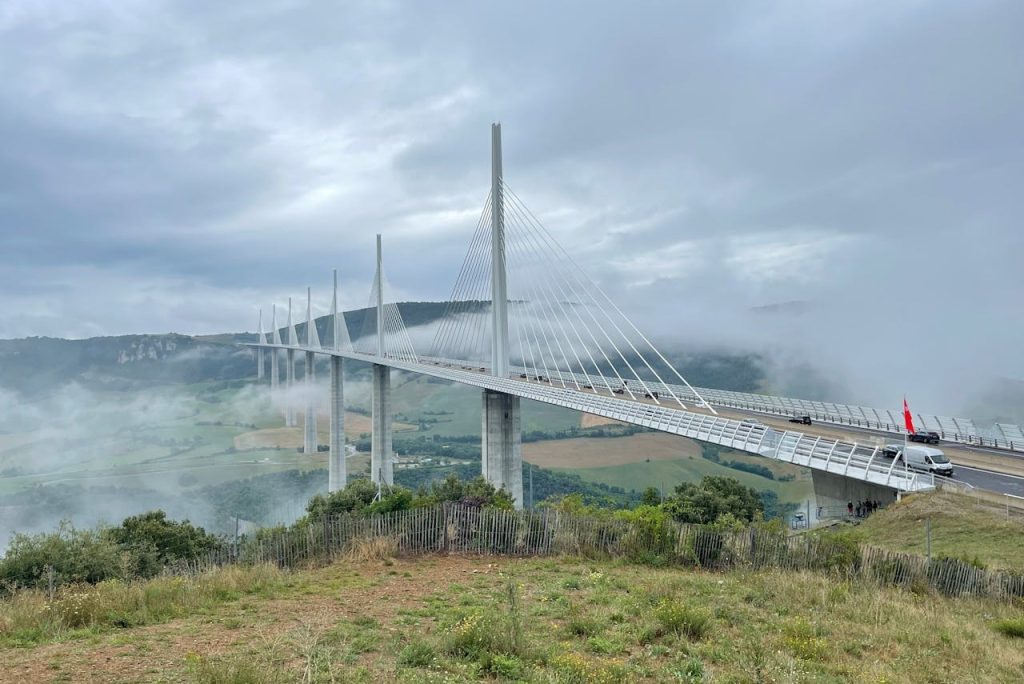
France’s Millau Viaduct rose to 343 m at the top of its pylons and set height benchmarks in modern bridge building, while its design team also documented record-level pier achievements during delivery. Crossing the Tarn Valley demanded elegant geometry, strict wind engineering, and construction precision on a difficult site.
Its significance reaches beyond postcard fame. The viaduct completed a critical north-south motorway link and became a case study in how architecture and infrastructure can reinforce one another. Record-breaking here was never just vertical drama. It was a demonstration that bold form can still serve transport logic.