15 Types Of People Who Should Avoid Road Trips

Travel psychologists and logistics experts warn that the romanticized image of the open road often clashes with the harsh realities of long-distance driving. While social media portrays road trips as spontaneous adventures filled with scenic vistas and perfect playlists, professional drivers and relationship counselors emphasize that this mode of travel requires a specific set of temperaments and skills. The confinement of a vehicle for extended periods acts as a pressure cooker that can exacerbate underlying anxieties, physical ailments, and interpersonal conflicts.
Automotive safety consultants and ergonomic specialists note that the physical toll of sitting in a fixed position for hours is not trivial. For individuals with certain medical conditions or personality traits, a road trip can quickly devolve from a dream vacation into a logistical nightmare. Recognizing these incompatibility factors before leaving the driveway is crucial. Experts suggest that understanding one’s own limits regarding flexibility, comfort, and control is the first step in deciding whether to pack the trunk or book a flight.
The Rigid Planner

Behavioral psychologists advise that individuals who require absolute adherence to a schedule are often ill-suited for the unpredictability of the highway. Road trips are inherently subject to variables beyond control, including traffic jams, mechanical failures, and weather delays. Experts note that for someone who experiences high anxiety when a timeline slips, the inevitable detours of a long drive can trigger significant stress and ruin the experience for everyone in the vehicle.
Travel logistics managers emphasize that successful road-tripping requires a “roll with the punches” attitude. A rigid planner often struggles to pivot when a chosen restaurant is closed or a campground is full. This inability to adapt can lead to conflict with passengers who may be more relaxed. The constant friction between the plan and the reality of the road transforms the journey into a series of disappointments rather than an adventure.
The Motion Sickness Sufferer

Medical professionals and vestibular specialists highlight that severe kinetosis, or motion sickness, is a fundamental physical barrier to enjoying a road trip. While medication can mitigate symptoms, the constant acceleration, deceleration, and winding roads can make the journey physically debilitating. Experts explain that for highly sensitive individuals, the inability to read, look at screens, or even engage in conversation without nausea turns the travel time into an endurance test.
Ergonomic consultants note that being a passenger is often worse than driving for those prone to car sickness. This limits the ability to share driving duties, placing a heavier burden on other travelers. The need for frequent stops to recover equilibrium can drastically extend travel times and disrupt the flow of the trip. For these individuals, the destination rarely justifies the physical suffering required to reach it.
The Silent Treatment Practitioner

Relationship counselors and conflict resolution experts warn that road trips are dangerous territory for people who resort to passive-aggressive silence during disagreements. The confined space of a car amplifies tension, making it impossible for other passengers to escape the negative atmosphere. Experts say that in a vehicle, communication is essential for navigation and safety, and shutting down emotionally can create dangerous distractions for the driver.
Social psychologists observe that the “pressure cooker” effect of a long drive requires active de-escalation skills. Someone who refuses to talk out issues forces the entire group to sit in an uncomfortable, heavy silence for hours. This behavior drains the energy of the trip and can lead to explosive confrontations when the silence finally breaks. The inability to resolve conflict in real-time makes the close quarters of a sedan unbearable.
The Frequent Bathroom Stopper
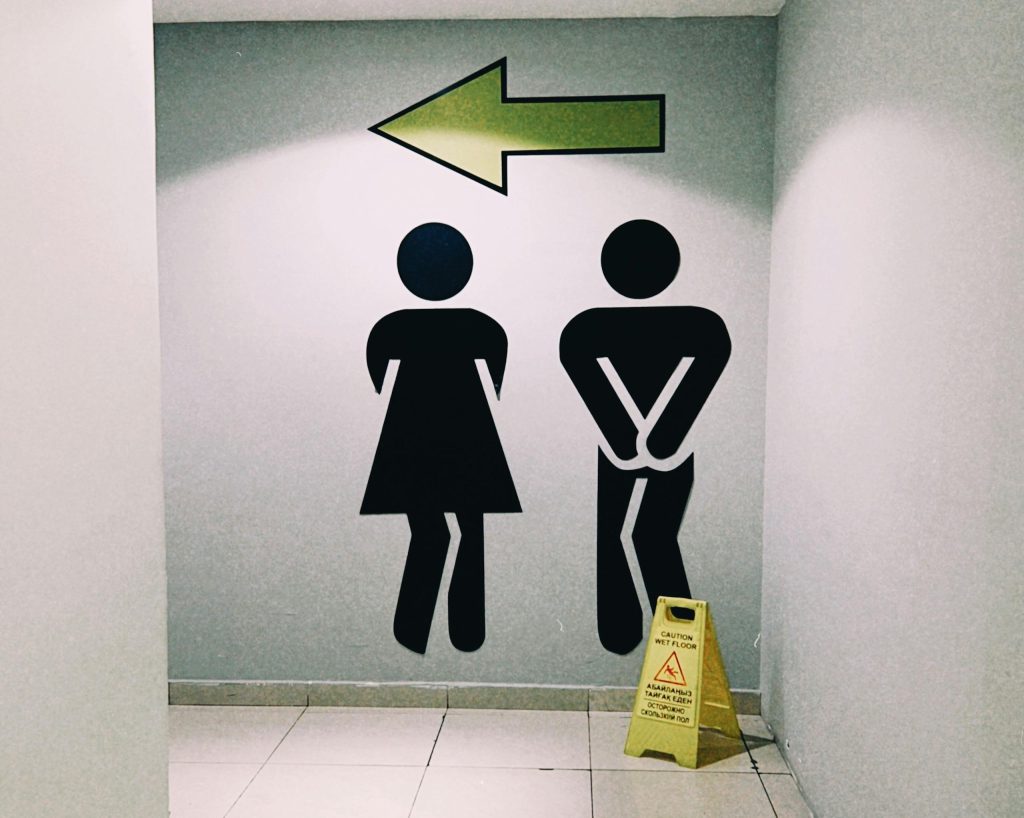
Logistics coordinators and efficiency experts note that individuals with small bladders or digestive issues can double the duration of a road trip. While biological needs are natural, a need to stop every sixty minutes significantly disrupts the rhythm of the drive. Travel planners explain that this creates a stop-start pattern that prevents the driver from getting into a “flow state” and eating up valuable daylight hours.
Medical experts suggest that for those with conditions like overactive bladder, air or train travel—where facilities are constantly accessible without halting progress—is often a superior choice. On the road, the constant search for clean restrooms in remote areas adds a layer of stress and logistical complexity. The friction arises when the driver’s goal of making time clashes with the passenger’s physical urgency.
The Back Pain Sufferer

Orthopedic surgeons and physical therapists strongly advise against long-haul driving for individuals with chronic lumbar or sciatic issues. The seated posture in a car places significant compressive force on the spine, which is exacerbated by the vibration of the road. Experts warn that sitting for six to eight hours can trigger acute flare-ups that may render the traveler immobile upon arrival.
Ergonomic specialists point out that few car seats offer the necessary support for prolonged static posture. Even with frequent stretching breaks, the cumulative trauma to the back can be severe. For these individuals, the physical recovery time needed after the drive often consumes the first few days of the vacation. Flying, which allows for standing and walking in the aisle, is typically recommended to minimize spinal stress.
The Aggressive Driver
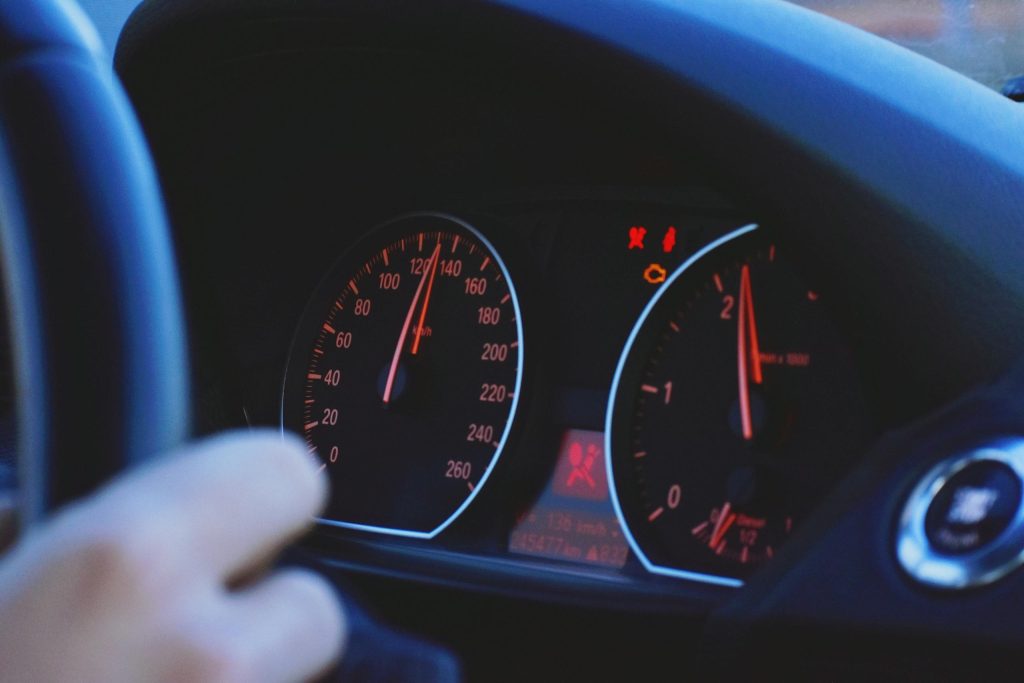
Road safety instructors and traffic psychologists identify individuals with high levels of road rage as dangerous candidates for road trips. The stress of navigating unfamiliar highways, dealing with slow traffic, and interpreting foreign road signs can trigger aggressive outbursts. Experts say that this behavior not only endangers the vehicle’s occupants but also creates a terrifying environment for passengers.
Defensive driving consultants emphasize that long trips require patience and a defensive mindset to navigate fatigue and the errors of other drivers. An aggressive driver who tailgates, speeds, or shouts at other motorists increases the cortisol levels of everyone in the car. This constant state of fight-or-flight ruins the relaxation purpose of the trip and significantly elevates the risk of an accident in a remote location.
The Technology Addict

Digital detox experts and sociologists observe that individuals who cannot disconnect from their screens miss the fundamental purpose of a road trip. The experience is designed to be about the landscape and shared conversation. Experts note that a passenger who spends the entire journey scrolling through social media or watching videos with headphones isolates themselves from the group and the environment.
Travel psychologists explain that this behavior creates a disconnect between the travelers. The driver feels like a chauffeur rather than a partner in adventure. Furthermore, the reliance on constant connectivity can be a source of anxiety in rural areas with spotty cell service. A road trip demands a willingness to engage with the immediate physical world, something the tech-addicted struggle to do.
The Culinary Picky Eater

Food critics and travel writers note that road trip dining often relies on diners, fast food, and gas station snacks, especially in rural areas. Individuals with highly restrictive palates or an unwillingness to compromise on food quality will find the culinary landscape of the interstate frustrating. Experts say that the search for “acceptable” food can lead to lengthy detours and hangry arguments.
Nutritionists advise that while healthy options are improving, they are not guaranteed. A picky eater who refuses to eat at a roadside chain may force the group to drive an extra hour to find a specific restaurant, disrupting the schedule. This inflexibility regarding food transforms mealtime from a fun break into a logistical hurdle that causes tension among hungry travelers.
The Night Blind Driver

Optometrists and vision safety specialists warn that individuals with nyctalopia, or poor night vision, are significant liabilities on a road trip. Long-distance travel often necessitates driving before dawn or after dusk to reach destinations. Experts explain that the glare from oncoming headlights and the inability to see road markers clearly can induce panic and dangerous driving errors.
Safety consultants note that relying on a single driver who can only operate the vehicle during daylight hours severely limits the group’s range. It forces the itinerary to be strictly daylight-dependent, removing the flexibility to push through to the next town if there are delays. For safety reasons, those who cannot drive confidently at night should avoid trips where they might be forced to do so.
The Control Freak Passenger
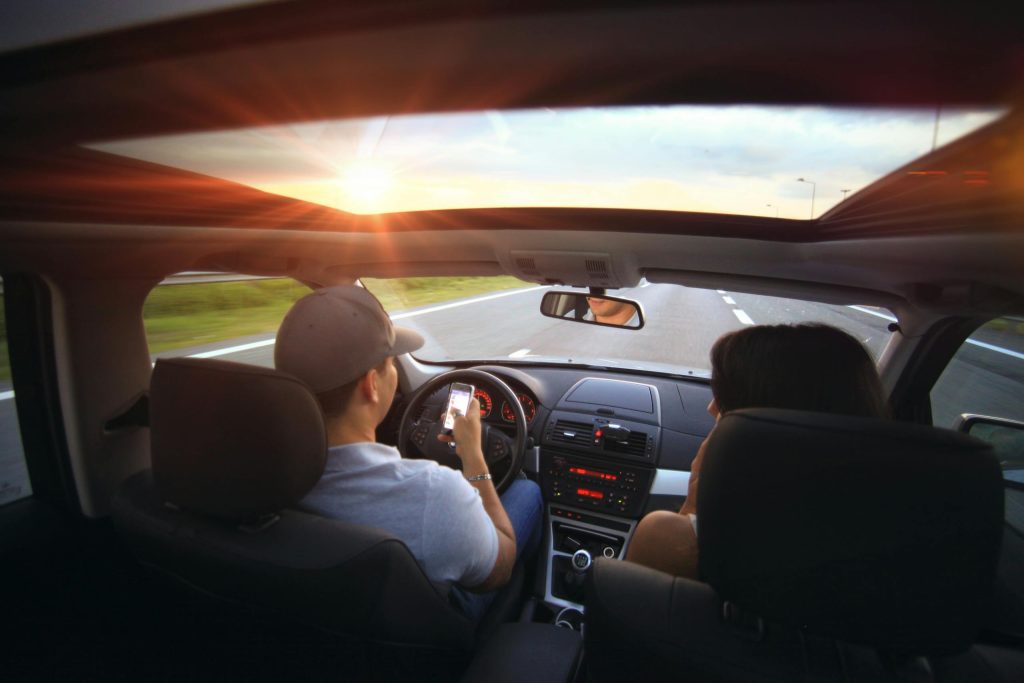
Driving instructors and behavioral therapists identify the “backseat driver” as a primary source of conflict on the road. An individual who feels the need to constantly critique the driver’s speed, lane choice, and route creates a high-stress environment. Experts say that this need for control undermines the driver’s confidence and distracts them from the road.
Relationship coaches emphasize that trust is the currency of a road trip. A passenger who gasps at every brake light or second-guesses the GPS erodes that trust. This dynamic often leads to the driver snapping or refusing to continue. The inability to relinquish control to the person behind the wheel makes the journey a power struggle rather than a shared experience.
The Luxury-Only Traveler

Hospitality consultants and luxury travel advisors suggest that those who require five-star amenities are often disappointed by the reality of the road. Road trips frequently involve staying in roadside motels, using public rest stops, and dealing with dust and bugs. Experts note that a traveler who cannot tolerate a slightly outdated bathroom or a lack of room service will be miserable.
Travel agents explain that the infrastructure in many scenic areas is functional, not luxurious. The luxury-only traveler often complains about the “rough” conditions, dampening the mood for everyone else. If high-thread-count sheets and concierge service are non-negotiable, the gritty authenticity of a road trip is likely a poor fit.
The Noise-Sensitive Person

Audiologists and sensory processing experts highlight that cars are noisy environments. The hum of tires, wind noise, the radio, and the conversation of passengers create a constant sonic backdrop. Experts warn that for individuals with misophonia or high noise sensitivity, this inescapable auditory input can lead to sensory overload and irritability.
Occupational therapists note that wearing noise-canceling headphones is a partial solution but isolates the individual from the group. The inability to escape the soundscape of the highway can cause physical exhaustion for sensitive people. The cumulative effect of hours of road noise often results in a “crash” upon arrival, where the traveler needs total silence to recover.
The Financially Unprepared

Financial planners and travel economists warn that road trips often have hidden costs that shock the unprepared. Fuel price spikes, toll roads, parking fees, and emergency repairs can quickly blow a budget. Experts say that travelers who are watching every penny may find the variable costs of the road stressful.
Consumer advocates note that the “cheap” appeal of a road trip is often a myth when wear and tear on the vehicle is factored in. A financially unprepared traveler who panics at the cost of a tank of gas introduces financial anxiety into the trip. This often leads to cutting corners on safety or skipping experiences, which diminishes the value of the vacation for the entire group.
The Hygiene-Obsessed

Microbiologists and public health officials note that road trips are inherently messy. Public restrooms, gas pump handles, and fast-food tables are high-touch surfaces that cannot be avoided. Experts say that individuals with germaphobia or extreme hygiene standards will find the lack of sanitized environments deeply distressing.
Travel hygiene consultants observe that the inability to shower immediately after a hike or the need to use a questionable rest stop bathroom can trigger significant anxiety for these individuals. The constant need to sanitize and the fear of contamination can prevent them from relaxing. The grit of the road is incompatible with a need for a sterile environment.
The Solitude Seeker

Introversion experts and personality psychologists advise that the forced socialization of a car ride is draining for those who need significant alone time to recharge. A road trip offers zero privacy; travelers are within arm’s reach of each other for hours. Experts note that a solitude seeker cannot escape the presence, smells, and sounds of their companions.
Social workers explain that this lack of personal space can lead to the introvert shutting down or becoming irritable. Unlike a hotel vacation where one can retreat to a separate room, the car demands constant proximity. For those who recharge in silence and isolation, the continuous social demand of a road trip is an energy vampire that leaves them exhausted rather than refreshed.