15 U.S. Airports Where You’ll Walk Miles Before Your Flight

Large airports across the United States often feature long corridors, sprawling concourses, and wide terminal layouts that require considerable walking before reaching a gate. These expansive designs support high passenger capacity and numerous amenities, yet they also create lengthy routes that challenge timing and comfort. Travelers encounter interconnected halls, multi-level structures, and distant gate clusters that spread throughout massive footprints. With each connection or departure, these airports demonstrate how scale and efficiency shape the modern flying experience.
Hartsfield-Jackson Atlanta International Airport
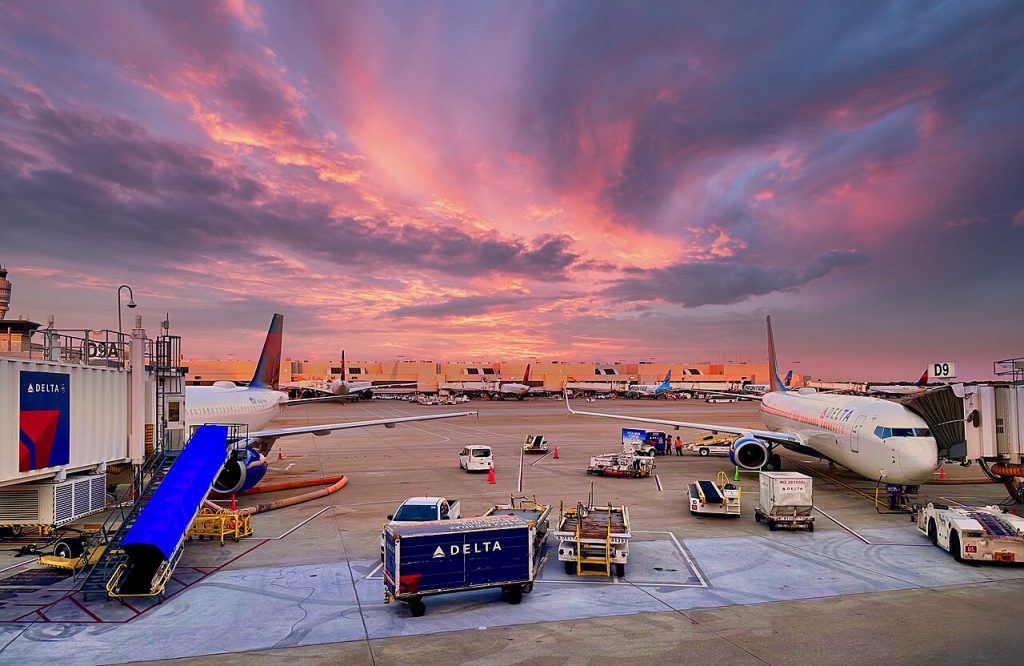
Hartsfield-Jackson Atlanta International Airport stretches across multiple concourses linked by lengthy corridors and an underground tram system that helps navigate its impressive size. Walking between gates in the domestic terminal often involves long, straightforward hallways that seem to extend endlessly. With flights spread across dozens of gates, travelers frequently cross vast sections of the airport on foot. This layout reflects the airport’s role as one of the busiest hubs in the country.
Denver International Airport
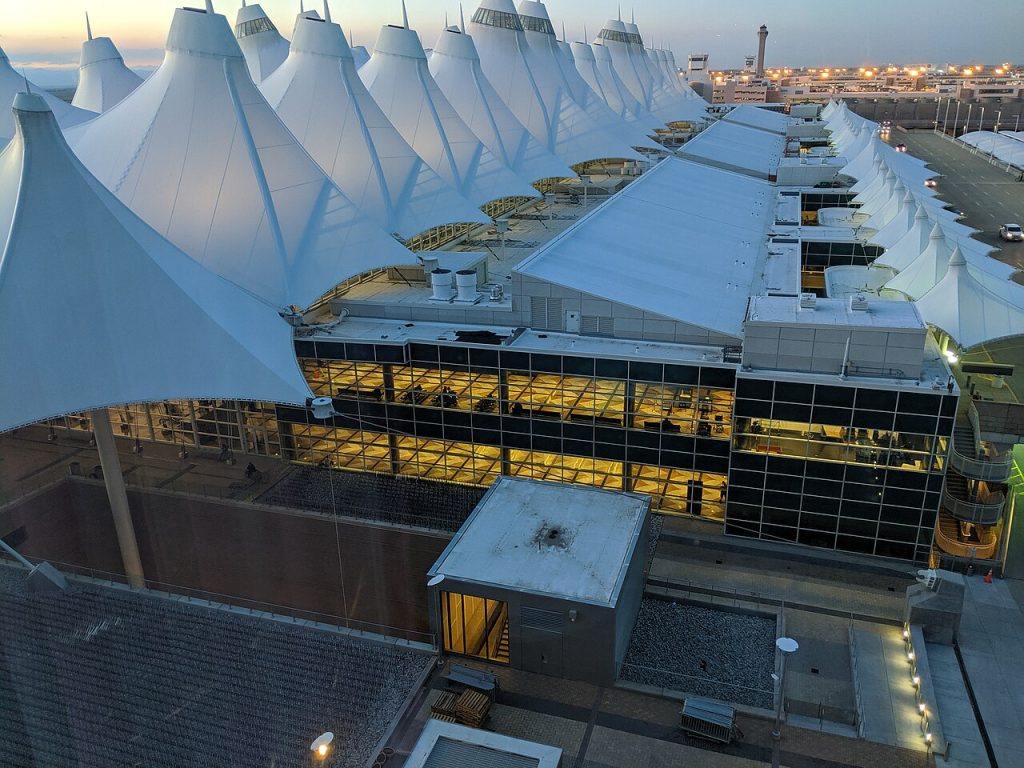
Denver International Airport spans a wide open layout on the plains, with terminals separated by long bridges and train connections that cover significant distances. The main terminal funnels passengers into concourses that stretch far in both directions, offering lengthy routes between gates. Large open areas and high ceilings emphasize the vast scale. The airport’s footprint ensures that walking forms a noticeable part of nearly every trip.
Dallas/Fort Worth International Airport

Dallas/Fort Worth International Airport includes five large terminals arranged in a semicircle, creating long internal passageways between gates. Travelers often walk extensive distances when navigating terminal changes or reaching remote corners of each structure. The airport’s design supports high traffic but also introduces long treks across wide halls and connecting zones. Its layout highlights the expansive nature of major hub airports.
Orlando International Airport
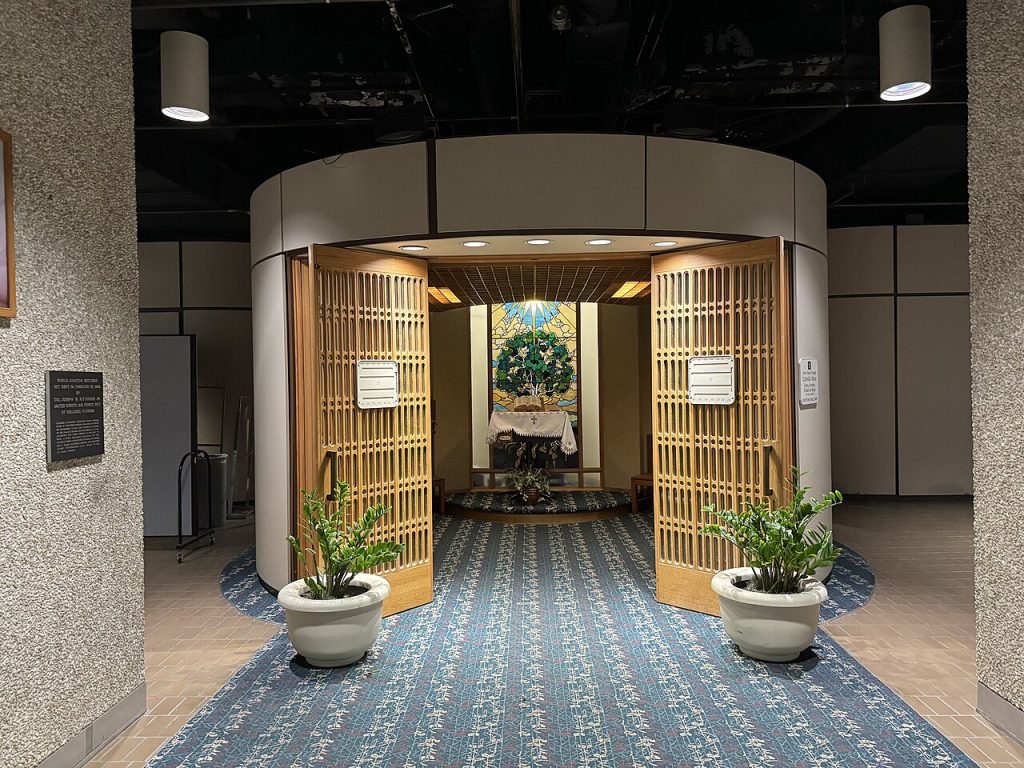
Orlando International Airport features terminals connected by long hallways and extended walkways leading to satellite concourses. The wide spacing of gates creates routes that stretch across open atriums and lengthy corridors. Moving from security checkpoints to departure areas can require significant walking through large public spaces. Its design reflects the high volume of seasonal travel common to the region.
O’Hare International Airport
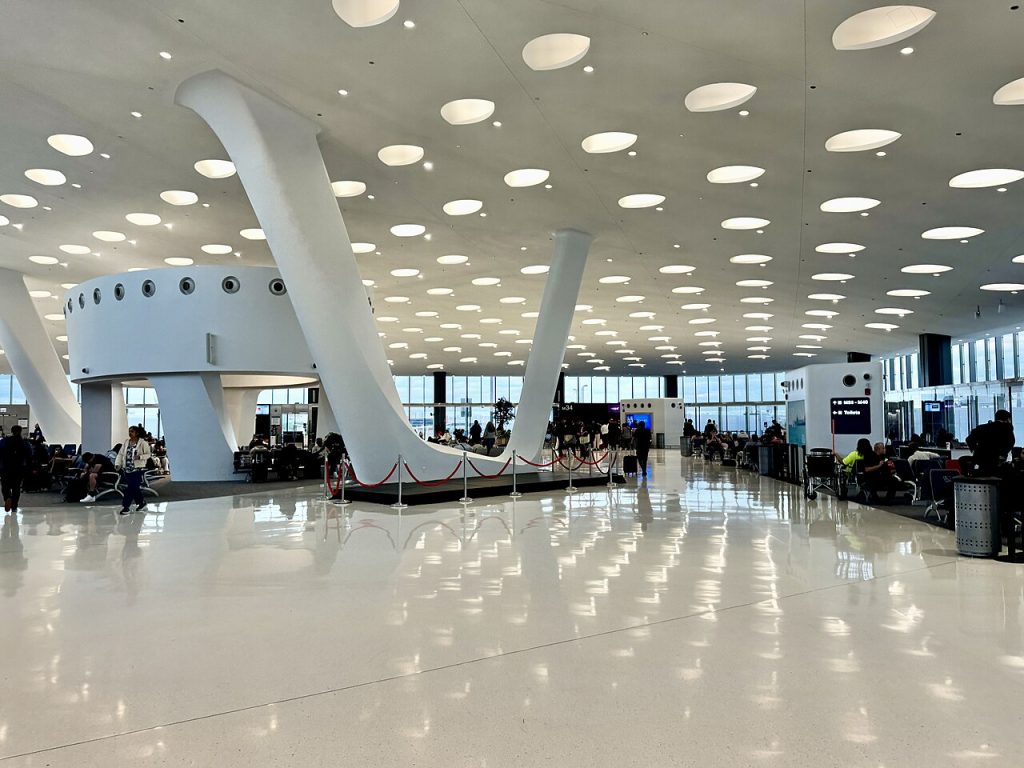
O’Hare International Airport in Chicago includes multiple concourses lined with long, linear gate arrangements that require steady walking between distant sections. Underground tunnels and overhead corridors link these areas, adding to the airport’s total walking time. The scale of the terminals ensures that passengers often spend considerable time on foot before boarding. This expansive layout underscores the airport’s history as a major transportation crossroads.
Seattle-Tacoma International Airport

Seattle-Tacoma International Airport features extended concourses connected through long hallways that serve a wide network of gates. The airport’s layout stretches across several levels, often requiring long routes to reach specific areas. With terminals expanding over the years, walking distances have grown alongside the airport’s traffic. Its design reflects the region’s increasing role in domestic and international travel.
Los Angeles International Airport
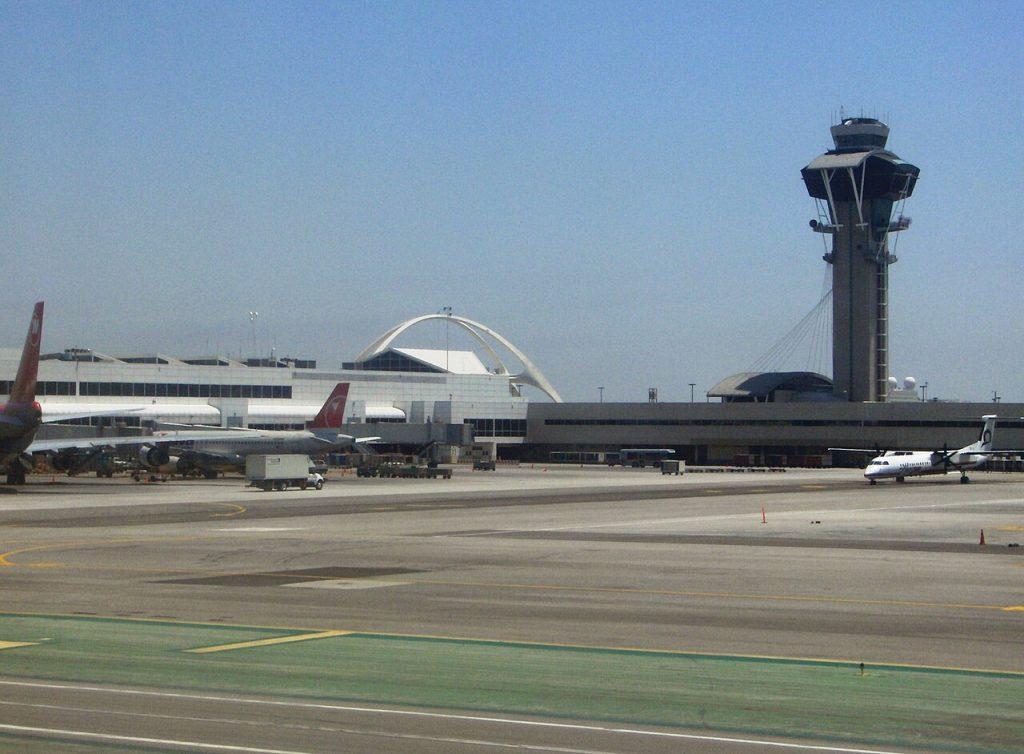
Los Angeles International Airport contains multiple terminals arranged in a large loop, each with long corridors and distant gate clusters. Walking becomes a significant part of every visit, particularly when moving between terminals without shuttle assistance. The wide interior halls support heavy traffic but require time and endurance to navigate. This layout highlights the airport’s complex and continuously evolving structure.
Phoenix Sky Harbor International Airport
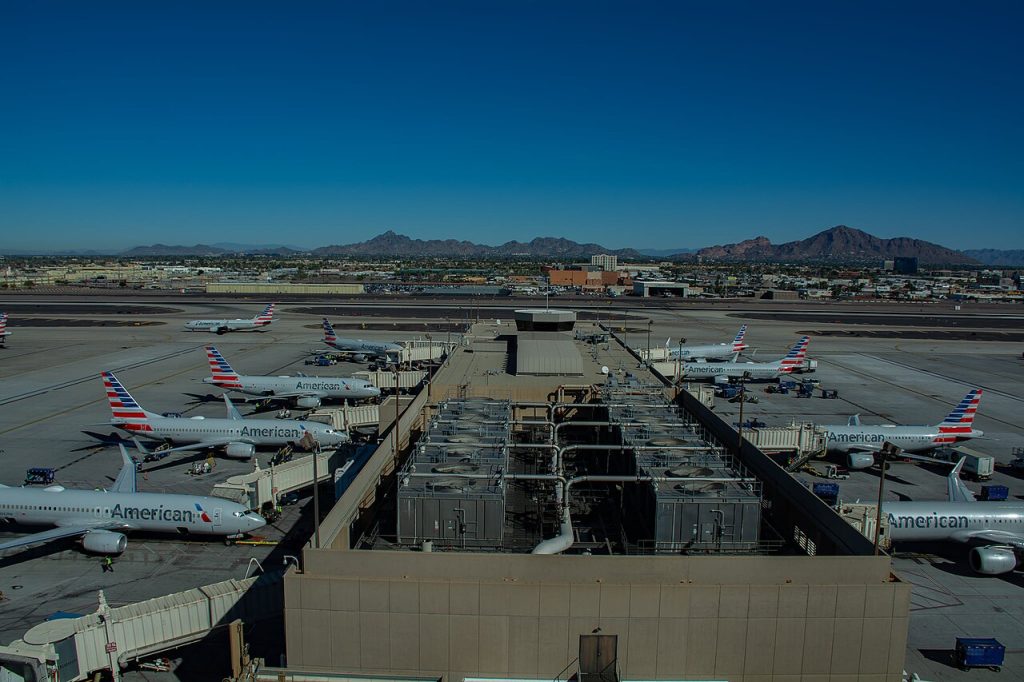
Phoenix Sky Harbor International Airport includes long concourses with closely packed gates that stretch across wide floorplans. Moving from one end of a terminal to the other requires covering substantial ground, often through large atrium spaces. The airport’s design supports heavy passenger flow but introduces lengthy walks as part of the experience. Its expansive layout reflects Phoenix’s growing role as a major travel center.
Charlotte Douglas International Airport

Charlotte Douglas International Airport features a central atrium that branches into extended concourses filled with long rows of gates. Walking between distant ends of these concourses becomes a significant part of navigating the airport. Construction and expansion projects contribute to additional walking routes throughout the terminals. The airport’s growth mirrors its importance as a key East Coast hub.
Salt Lake City International Airport
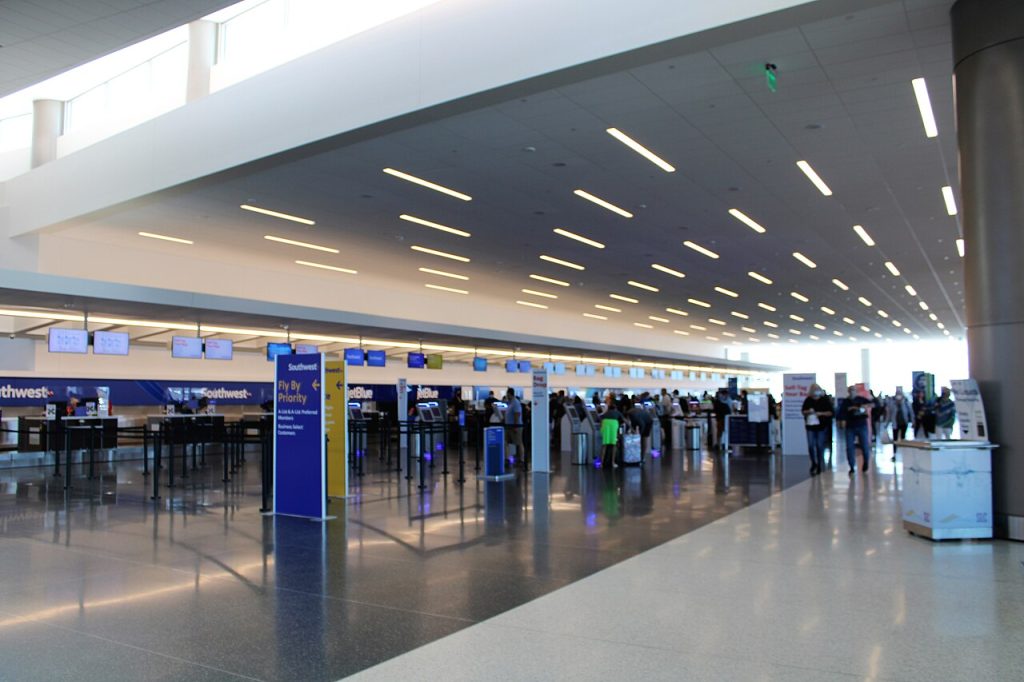
Salt Lake City International Airport’s newer terminal design includes long, uninterrupted concourses that span remarkable distances. Wide hallways and spacious waiting areas contribute to extended routes between gates. Travelers often walk significant lengths before reaching departure zones, especially during connections. The layout reflects a modern approach focused on both space and efficiency.
Boston Logan International Airport

Boston Logan International Airport contains multiple terminals connected by long interior corridors and outdoor walkways that add to the overall travel distance. Some terminals sit far apart, making walking the primary method of reaching them without shuttle use. Within terminals, concourses stretch out significantly, offering lengthy paths between gates. The design showcases the city’s busy air travel landscape.
Miami International Airport
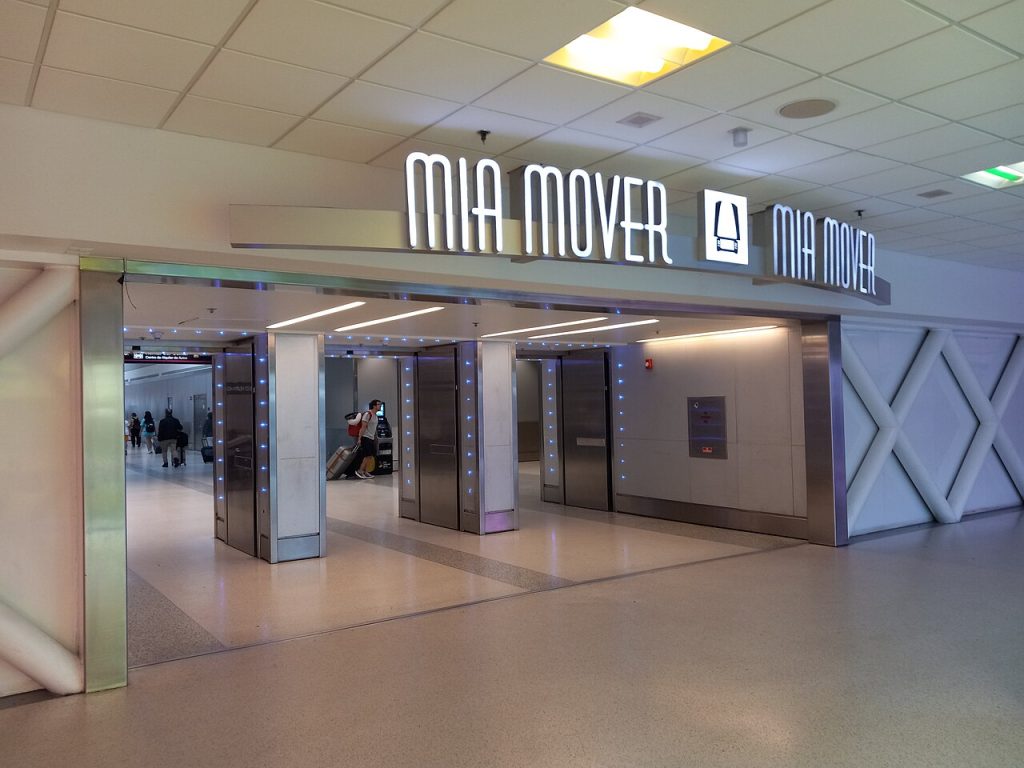
Miami International Airport features extended concourses that run parallel to one another, offering long walks from end to end. Wide hallways connect various parts of the terminal complex, creating routes that challenge timing during transfers. High ceilings and open spaces give a sense of scale that matches the walking required. The airport’s size reflects its role as a major international gateway.
Detroit Metropolitan Airport
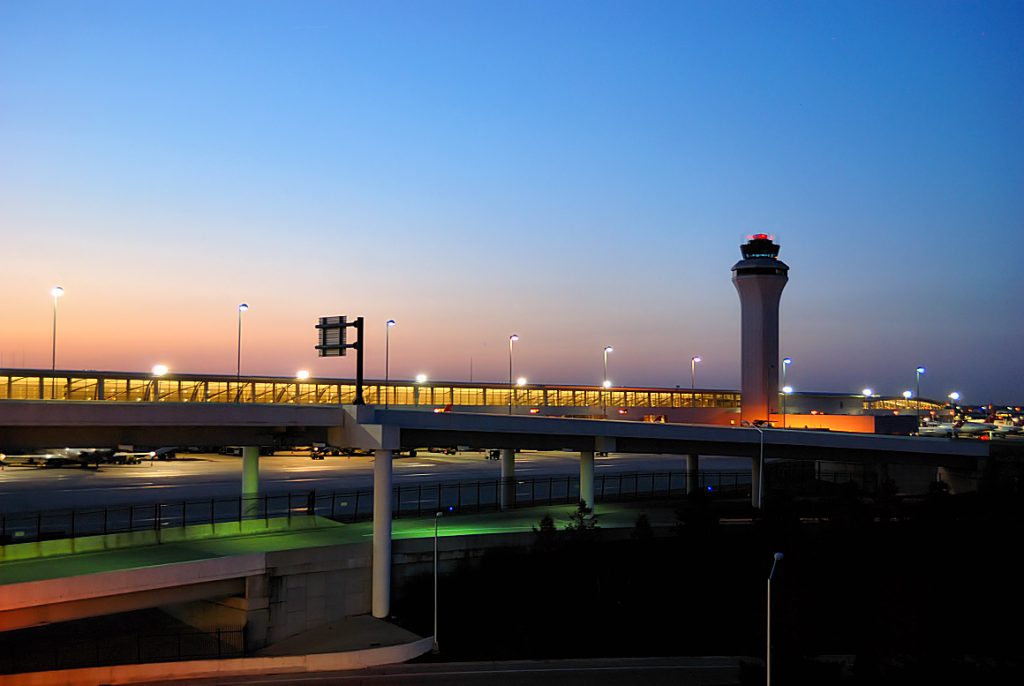
Detroit Metropolitan Airport contains a lengthy central concourse that stretches for nearly a mile, flanked by numerous gates on both sides. A connecting tunnel leads to additional terminals, adding further distance for travelers. The airport’s open layout highlights its modern design while requiring consistent walking for nearly all departures. Its scale remains one of its most defining features.
John F. Kennedy International Airport
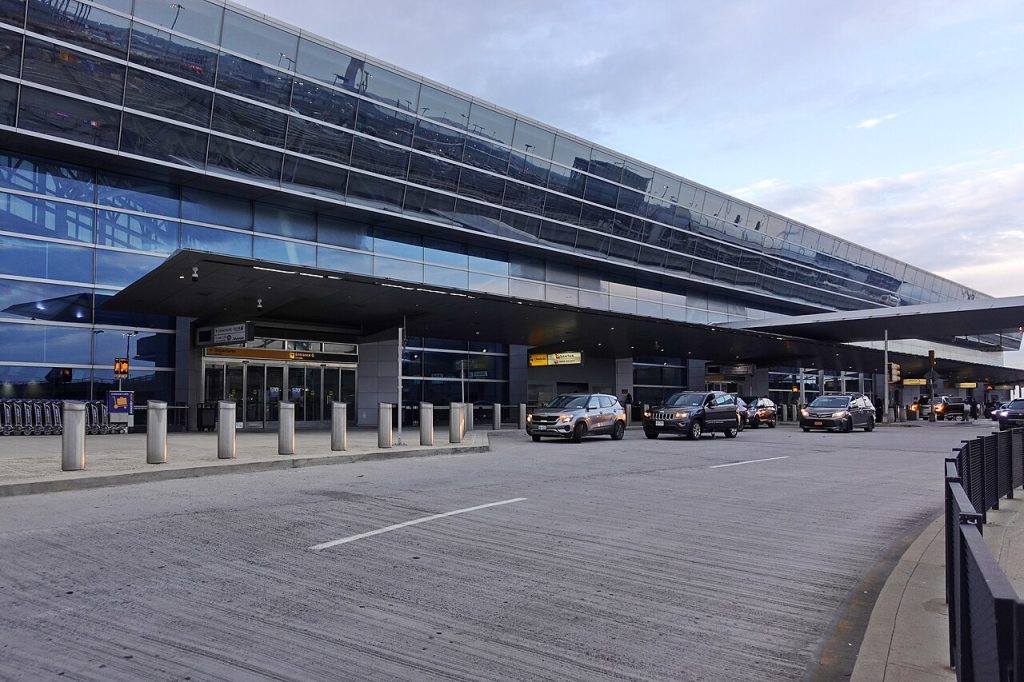
John F. Kennedy International Airport spans several terminals spread across a large area, each containing long corridors and widely separated gates. Indoor walkways and inter-terminal paths add distance to nearly every journey within the airport. Its design reflects decades of expansions that contribute to extended walking routes. The size underscores the airport’s significance in global travel.
San Francisco International Airport
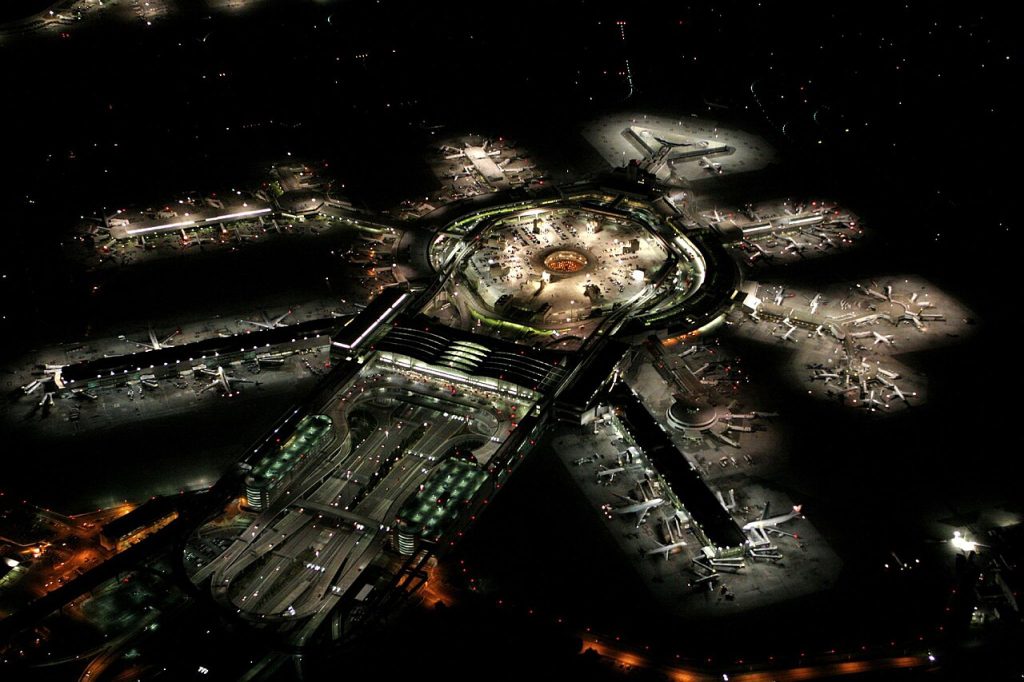
San Francisco International Airport includes long, curved concourses where gates extend far in both directions. The airport’s multi level layout requires movement across wide halls and interconnected passageways that stretch between terminals. Walking plays a major role when navigating its sprawling structure, especially during busy travel seasons. The overall design supports heavy traffic while demanding steady pacing through each visit.