15 U.S. Tourist Traps That Locals Beg You to Avoid
Many popular attractions across the United States draw travelers with big promises, only for visitors to discover that long lines, high prices, and minimal payoff overshadow the experience. Locals often shake their heads knowingly, offering friendly advice about the spots that rarely deliver on expectations. These places are not necessarily bad, but they often feel geared more toward quick snapshots and souvenir sales than authentic adventures or meaningful exploration. In many cases, the surrounding neighborhoods, lesser-known parks, or nearby cultural sites offer richer experiences without the overwhelming crowds. Locals share these insights to help visitors enjoy time more fully, avoid unnecessary frustration, and discover the charm of a city beyond its most commercialized attractions. Understanding these commonly mentioned tourist traps helps travelers make more confident choices and appreciate recommendations that reflect the everyday reality of those who know the area best.
Times Square, New York City
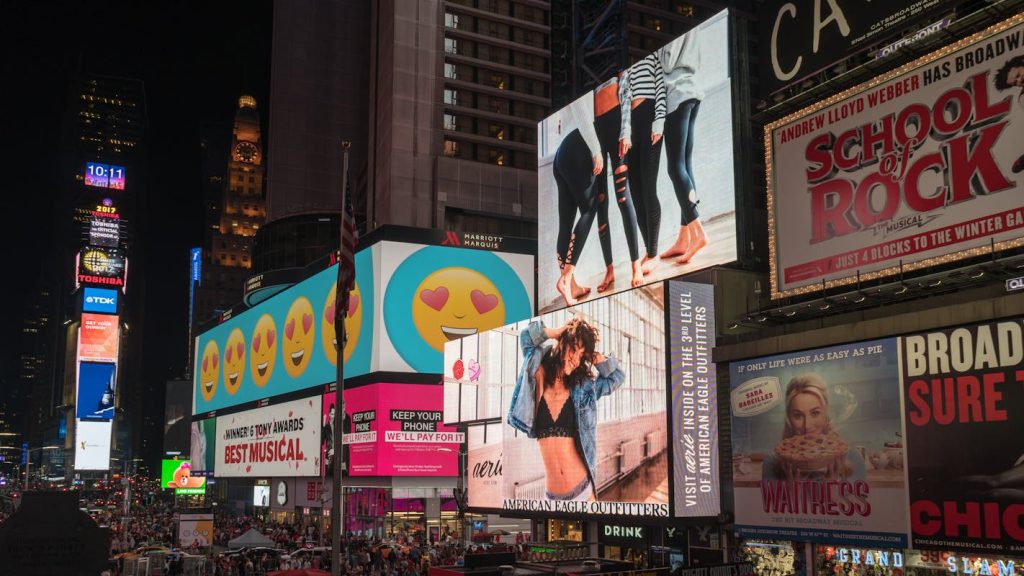
Times Square remains one of the most recognizable places in the world, yet many New Yorkers encourage visitors to see it briefly and move on to areas that offer a more genuine sense of the city. Crowds gather at all hours, creating foot traffic that slows movement to a crawl, and flashing billboards dominate the landscape in a way that often overwhelms first-time visitors. Dining options tend to be expensive and geared toward tourists, while local favorites exist only a few blocks away. Performers, ticket sellers, and costumed characters compete for attention, adding to the sensory overload. Although Times Square holds undeniable energy, most residents believe the city’s heart beats louder in its neighborhoods, where culture, food, and authentic daily life take center stage beyond the crowded glow of the commercial district.
Hollywood Walk of Fame, Los Angeles
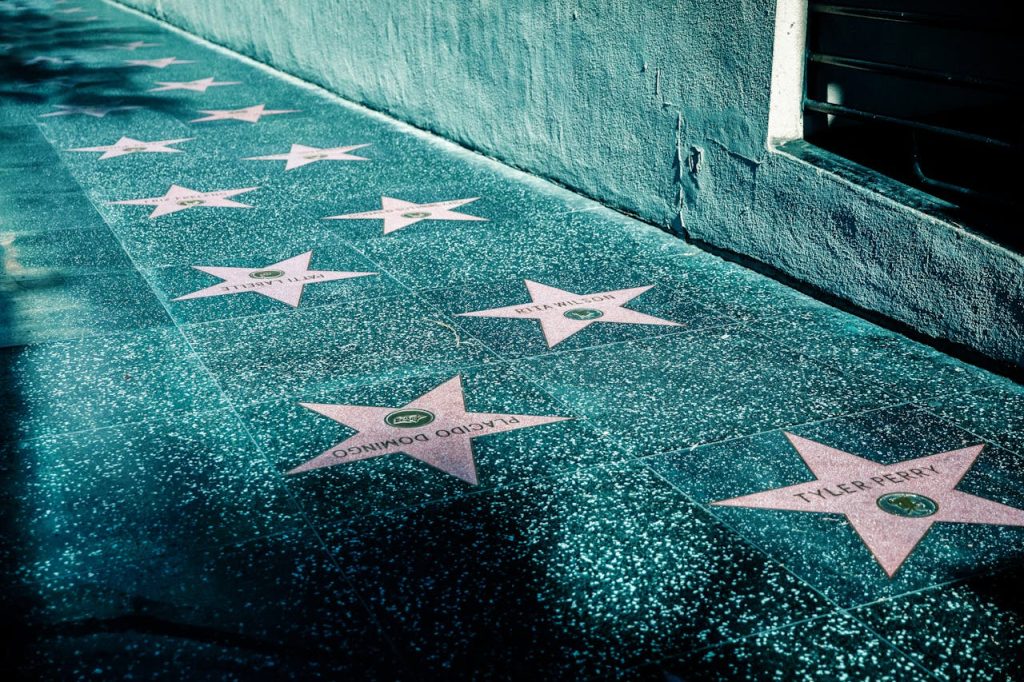
The Hollywood Walk of Fame attracts countless visitors hoping to see stars honoring legendary performers, yet locals often describe it as a bustling sidewalk lined with souvenir shops and aggressive photo opportunities rather than a glamorous Hollywood experience. The distance between notable stars can be longer than expected, making the walk feel repetitive, and heavy pedestrian traffic slows progress through the area. Many travelers are surprised to find that the neighborhood includes older storefronts and frequent street activity that contrasts with the polished image presented in films. Parking challenges and persistent crowds add to the frustration. While the Walk of Fame holds historical significance, residents generally recommend exploring studios, museums, or scenic overlooks for a more rewarding perspective on Los Angeles.
Fisherman’s Wharf, San Francisco
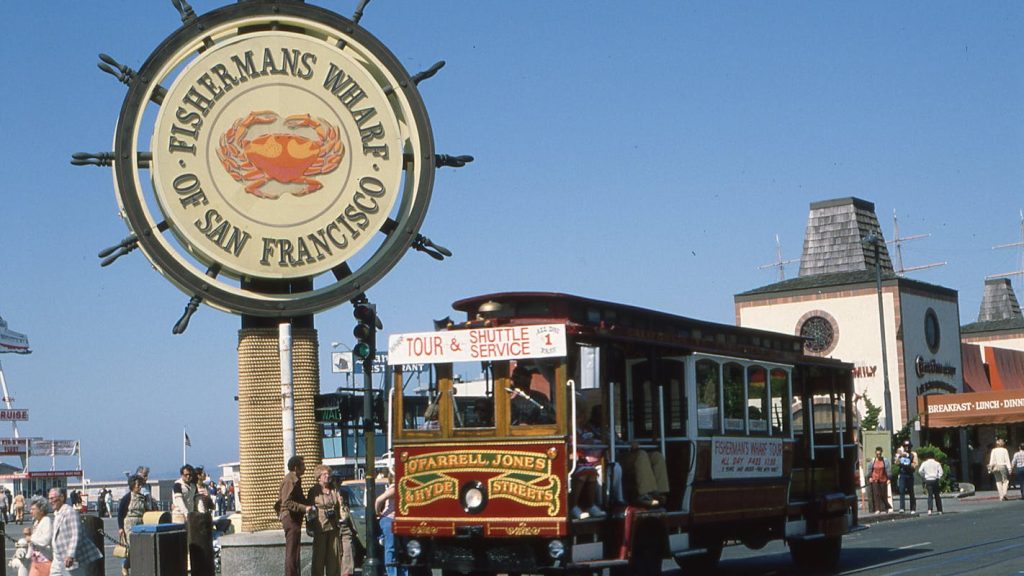
Fisherman’s Wharf delivers waterfront views and lively attractions, yet San Francisco locals often caution visitors that the area feels overly commercialized compared to the city’s diverse neighborhoods. Many restaurants cater heavily to tourists with higher prices, long waits, and menus that do not always reflect the region’s broader culinary richness. Souvenir shops and street performers crowd the sidewalks, making navigation tricky during peak seasons. While the sea lions at Pier 39 remain charming, the surrounding area can feel chaotic and less authentic than quieter waterfront districts. Locals often steer travelers toward places like the Ferry Building or neighborhood markets that offer a deeper sense of the city’s culture and food without the overwhelming tourist focus found at the Wharf.
Navy Pier, Chicago
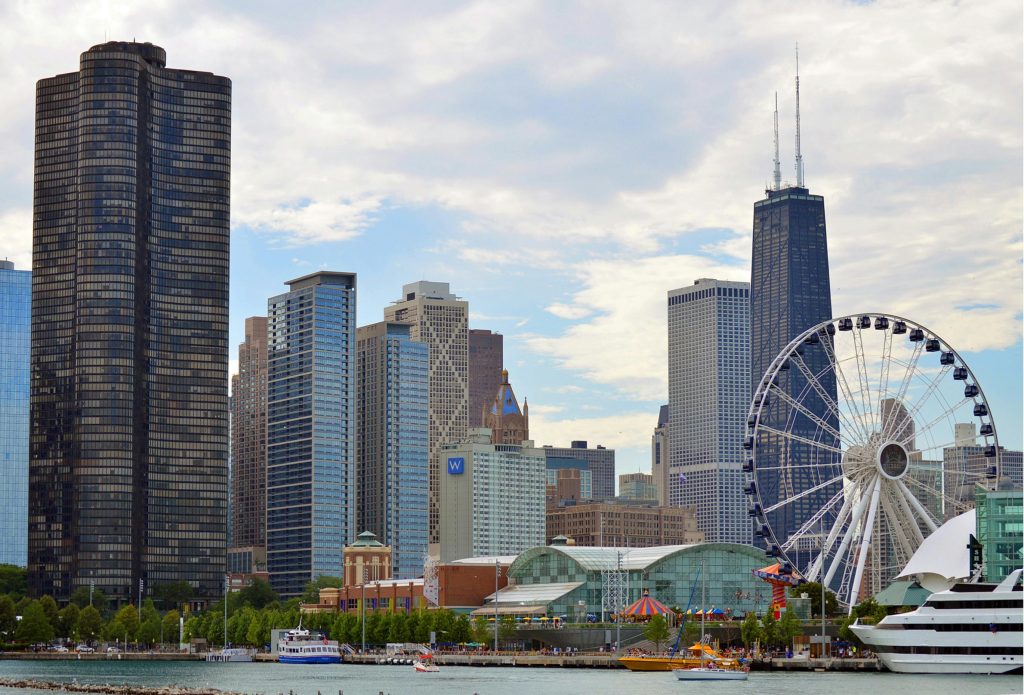
Navy Pier offers a festive lakeside atmosphere with rides, restaurants, and seasonal events, yet many Chicago residents view it as a place designed primarily for visitors rather than a hub of genuine local activity. Crowds grow quickly during summer months, making it difficult to enjoy the views or attractions without significant waiting. Food prices tend to run higher than in nearby neighborhoods, and many shops specialize in souvenirs rather than showcasing Chicago’s creative scene. Although the pier provides pretty skyline vistas, locals often recommend exploring the city’s parks, museums, or lakefront trails for more immersive and memorable experiences. Navy Pier remains iconic, but it frequently falls short of the deeper charm found elsewhere in Chicago.
South Beach, Miami
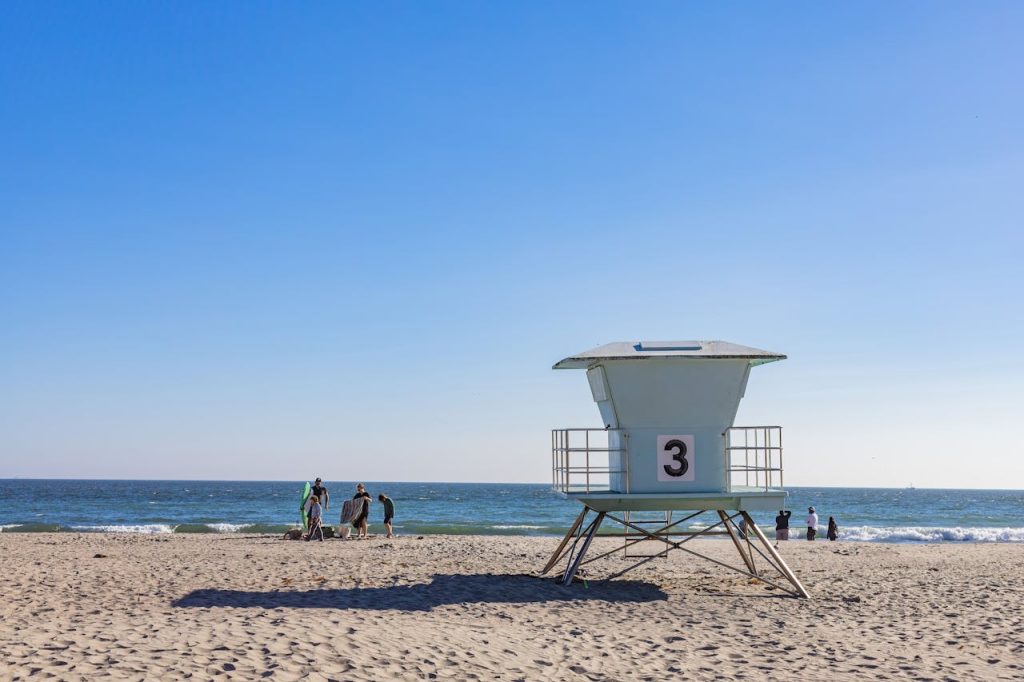
South Beach offers vibrant nightlife, Art Deco architecture, and stunning ocean views, yet many Miami locals encourage visitors to temper expectations due to high prices, heavy traffic, and dense crowds. Restaurants along major strips can be expensive, with menus that feel tailored to tourists rather than reflective of Miami’s diverse food culture. Parking challenges and constant foot traffic make movement slow, especially on weekends. While the beach remains undeniably beautiful, quieter stretches of coastline offer more relaxed atmospheres and clearer water without the bustle of the most commercialized areas. Locals often recommend exploring different neighborhoods to experience Miami’s cultural depth and enjoy less congested beaches with more authentic energy.
Pike Place Market’s “Original Starbucks,” Seattle
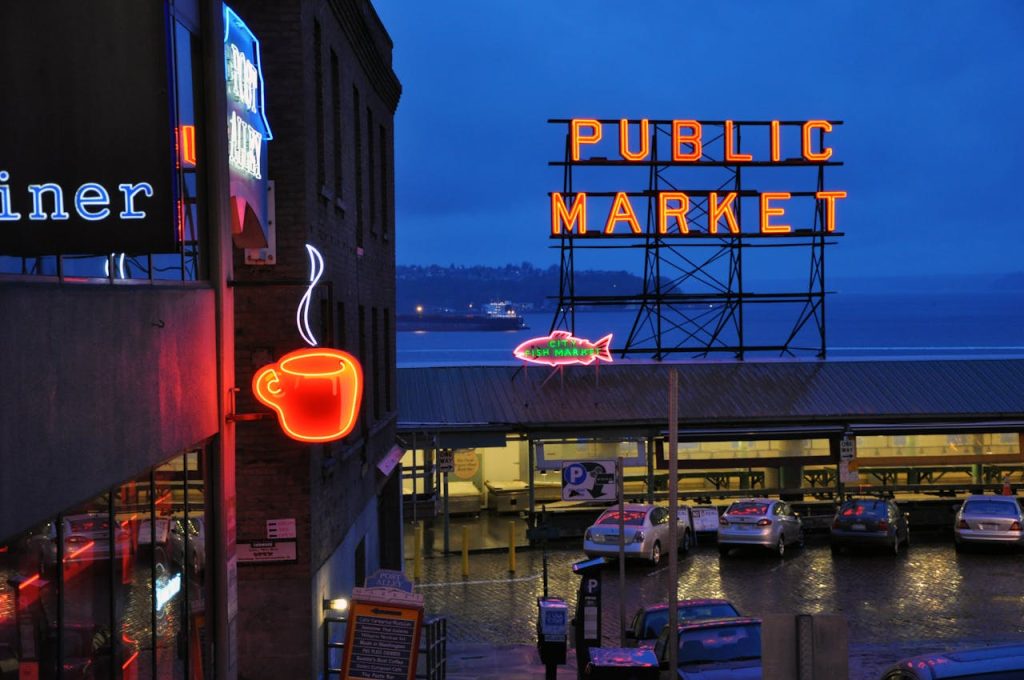
Seattle’s original Starbucks draws long lines from visitors eager to see the historic storefront, yet locals frequently note that the experience centers more on the novelty of the brand than on any unique product or atmosphere. The coffee served matches what can be found at regular locations, and the shop’s small interior limits the amount of time guests can spend inside. Crowds often spill onto the sidewalk, making the wait considerably longer than the visit itself. Meanwhile, the rest of Pike Place Market brims with vibrant stalls, local vendors, bakeries, and shops offering an authentic snapshot of Seattle life. Residents typically recommend enjoying the market’s broader offerings instead of standing in line for a familiar cup of coffee.
Bourbon Street, New Orleans
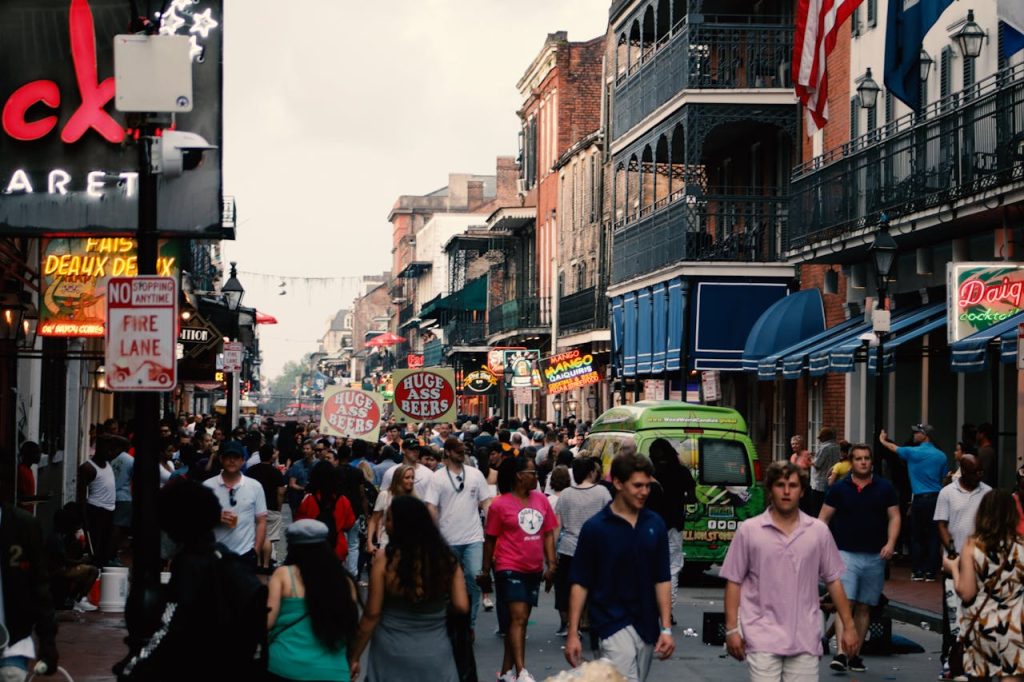
Bourbon Street remains famous for lively music, neon signs, and festive nightlife, yet New Orleans locals often suggest that visitors explore beyond this busy corridor to appreciate the city’s depth and culture. Bars frequently become crowded, and loud party-oriented energy dominates much of the experience, overshadowing the rich musical heritage found in other neighborhoods. Alcohol-related activities take center stage, making it harder to notice the city’s architectural beauty or culinary traditions. Many residents believe areas like Frenchmen Street provide more genuine music experiences with talented performers and a more relaxed atmosphere. Bourbon Street holds entertainment value, but locals know that New Orleans offers far richer cultural moments elsewhere.
The Mall of America, Bloomington, Minnesota
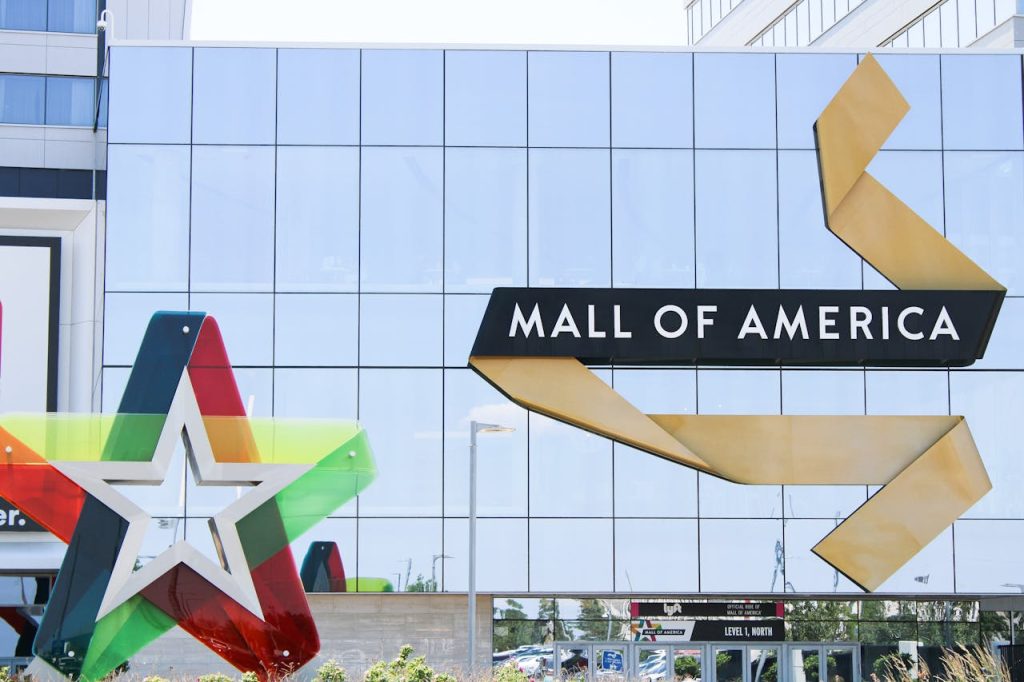
The Mall of America attracts millions each year with its massive size and indoor amusement park, yet locals often point out that it feels more like a spectacle than a meaningful representation of Minnesota culture. The crowds inside can be intense, especially during weekends or holiday seasons, and navigating its vast layout quickly becomes tiring. Many visitors find that the stores resemble those in any major mall, diminishing the sense of novelty. Food and entertainment options can be pricey, and parking structures fill up quickly. While the mall remains impressive in scale, Minnesota residents frequently encourage travelers to explore the state’s parks, museums, and local businesses for a more authentic experience.
Wall Drug, South Dakota
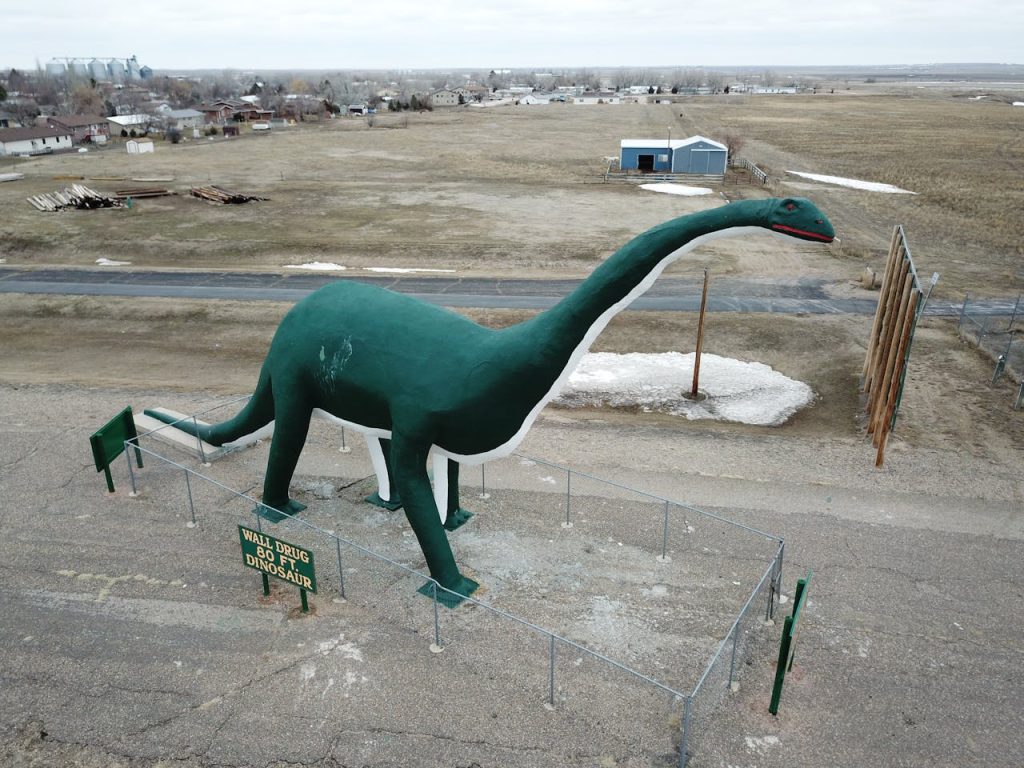
Wall Drug built notoriety through countless roadside billboards promising quirky attractions, free water, and a sprawling gift shop. While the destination delivers on its novelty, locals and frequent travelers often describe it as a heavily commercialized stop designed to draw in road trippers passing through the region. The complex includes shops, themed displays, and photo spots, yet the experience centers largely on browsing merchandise rather than discovering something uniquely South Dakotan. Crowds form steadily during summer, making the space feel hectic. Although Wall Drug holds nostalgic charm for some, many residents recommend exploring the state’s natural landscapes or historic sites for more meaningful experiences.
Niagara Falls Observation Decks, New York Side
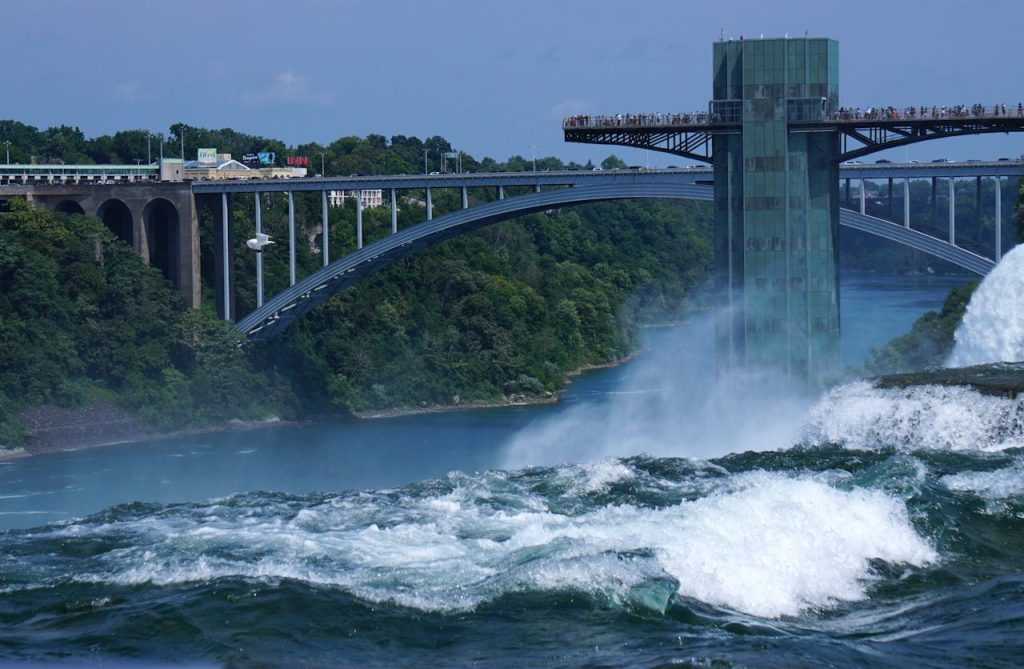
The American side of Niagara Falls offers beautiful views, but locals frequently suggest that visitors prepare for long lines, high ticket prices, and areas heavily geared toward tourism. Many travelers find that commercial attractions surrounding the falls feel disconnected from the natural wonder they hope to experience. Food options near the main observation areas often skew pricey, and crowds make it difficult to enjoy the scenery peacefully. Residents typically recommend exploring less-trafficked viewing spots or nearby parks that offer more serene perspectives of the falls. The attraction remains breathtaking, yet the immediate tourist zone does not always provide the tranquil encounter visitors envision.
Four Corners Monument, Arizona, Utah, Colorado, and New Mexico
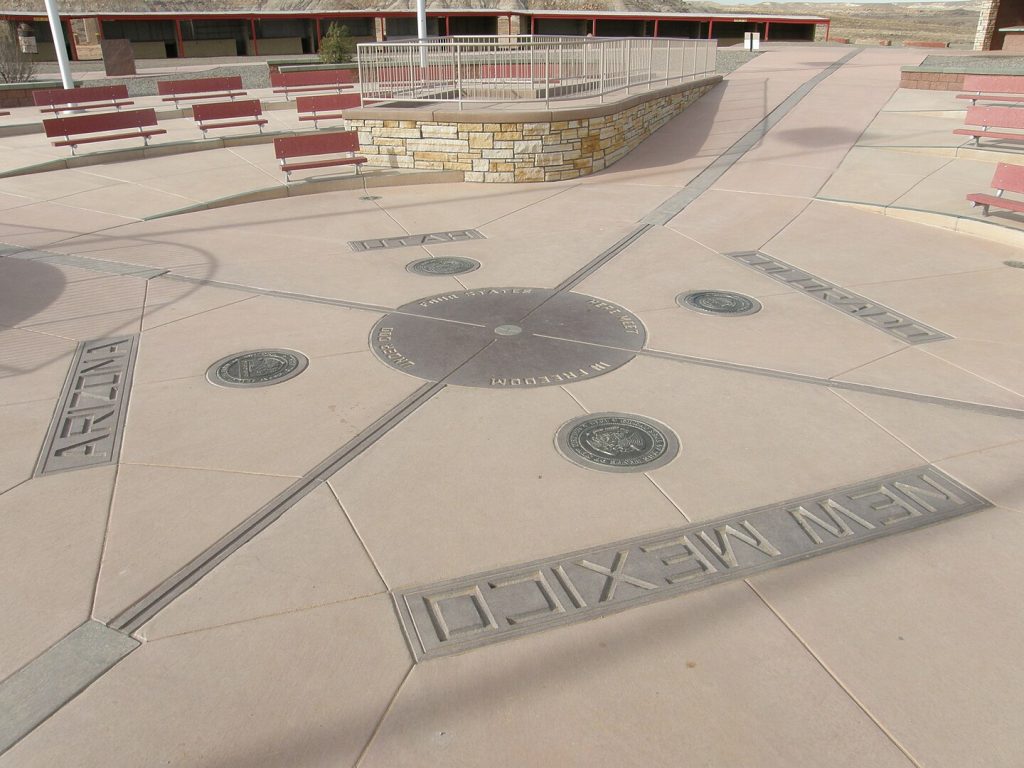
The Four Corners Monument allows visitors to stand in four states at once, yet many locals from surrounding areas mention that the experience often feels brief and underwhelming. Travelers typically arrive expecting a significant landmark, only to find a small concrete marker with long lines for photos during busy seasons. The remote location adds considerable driving time, and nearby amenities remain limited. While vendors offer handcrafted goods, the overall experience focuses primarily on the novelty of the geographic point rather than cultural or scenic richness. Locals encourage travelers to explore nearby tribal parks and natural wonders where the region’s landscape and heritage shine more fully.
South Street Seaport, New York City
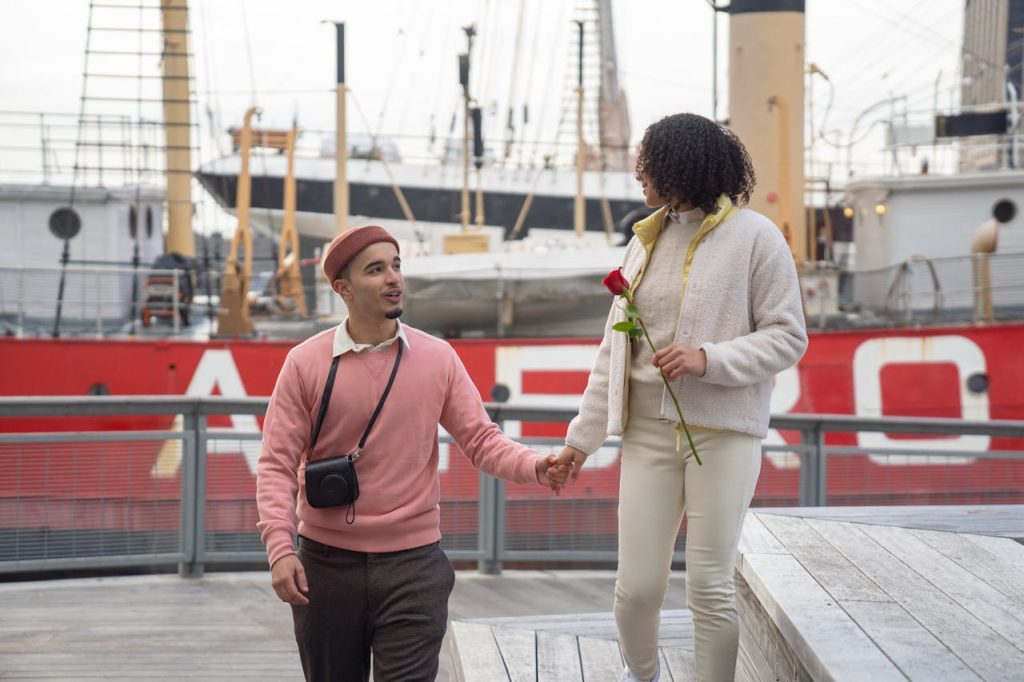
South Street Seaport offers waterfront views and historic buildings, yet many New Yorkers feel the area caters more to tourists than to everyday residents. Shops and restaurants often lean toward higher pricing, and the atmosphere lacks the vibrancy found in other parts of Manhattan. Crowds gather quickly during warm months, making it challenging to enjoy the walkways or seating areas. While the district maintains architectural charm, much of the commercial development focuses on curated experiences rather than authentic neighborhood life. Locals frequently suggest exploring nearby neighborhoods for richer cultural moments, diverse food options, and a more representative sense of the city’s rhythm.
The Liberty Bell Center, Philadelphia
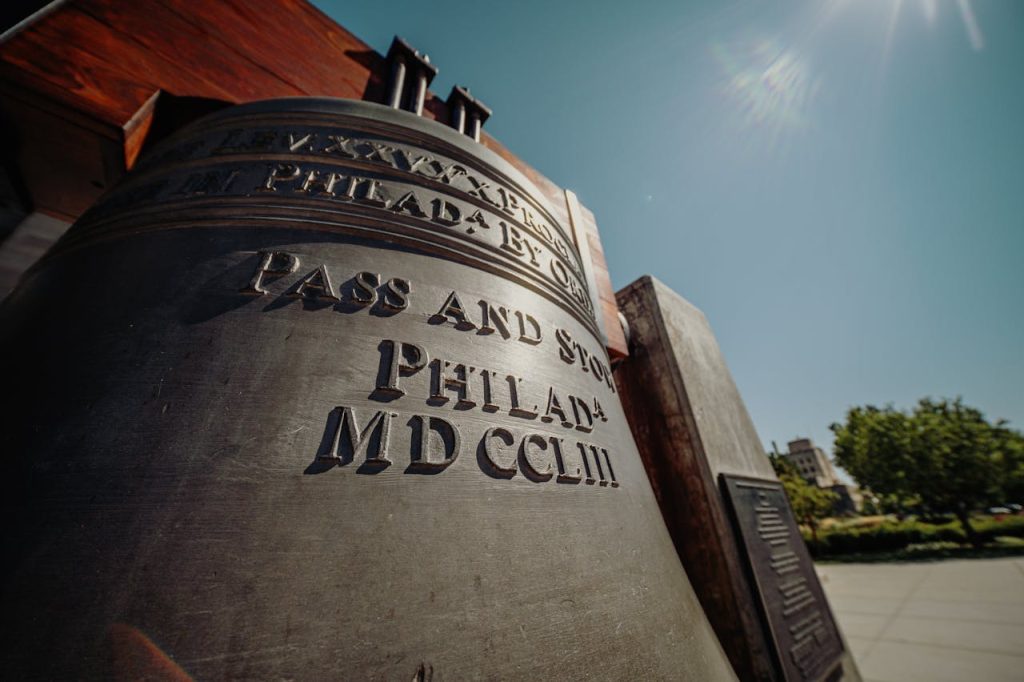
The Liberty Bell stands as an important American symbol, yet locals often mention that the long lines and crowded visitor center can overshadow the educational value of the experience. The viewing area sometimes feels rushed due to the volume of guests moving through in limited space. Many residents believe that Philadelphia offers numerous historic sites with more immersive storytelling and fewer crowds, such as nearby museums or preserved colonial buildings. While the Liberty Bell remains significant, the surrounding environment often feels controlled and heavily structured, which can reduce the sense of connection to the city’s rich history. Locals encourage exploring additional landmarks to gain a more rounded understanding of Philadelphia’s past.
Las Vegas Strip, Las Vegas
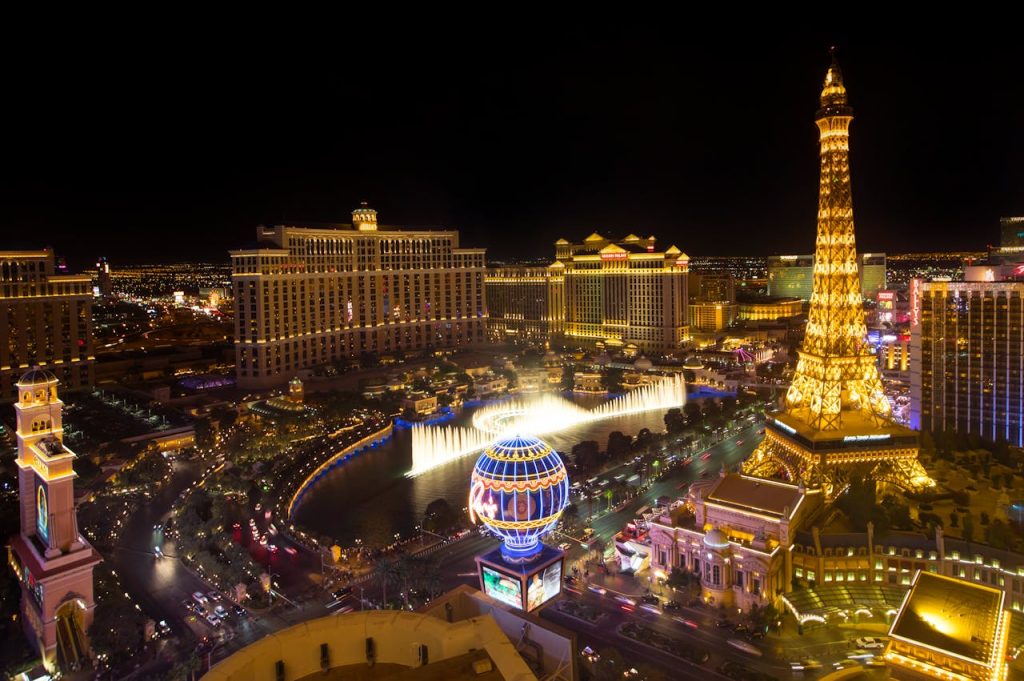
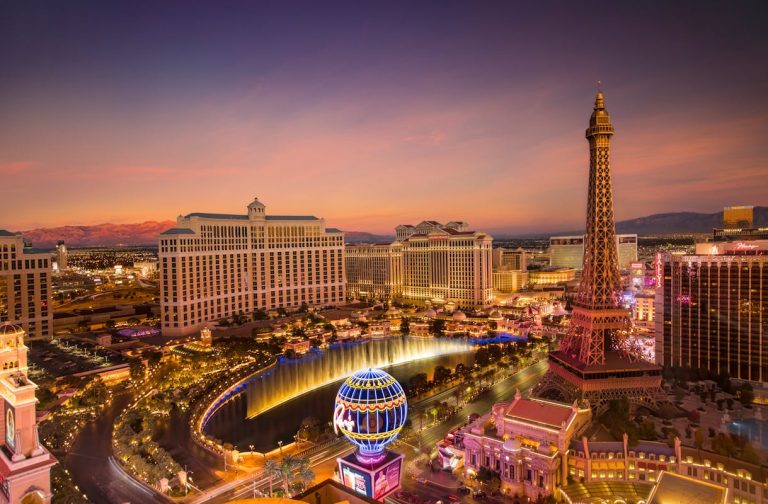
The Las Vegas Strip dazzles with bright lights, elaborate architecture, and constant activity, yet locals frequently note that its crowded sidewalks and high resort prices make it less appealing for those seeking a relaxing or authentic experience. Dining, parking, and entertainment costs continue to rise, while pedestrian traffic often becomes overwhelming, especially during weekends or conventions. Visitors may find themselves funneled into promotional activities or costly attractions. Though the Strip offers undeniable excitement, residents know that quieter neighborhoods, scenic desert spots, and local dining scenes provide a more balanced view of what Las Vegas has to offer beyond the intense commercial environment of its most famous boulevard.
The Bean (Cloud Gate), Chicago
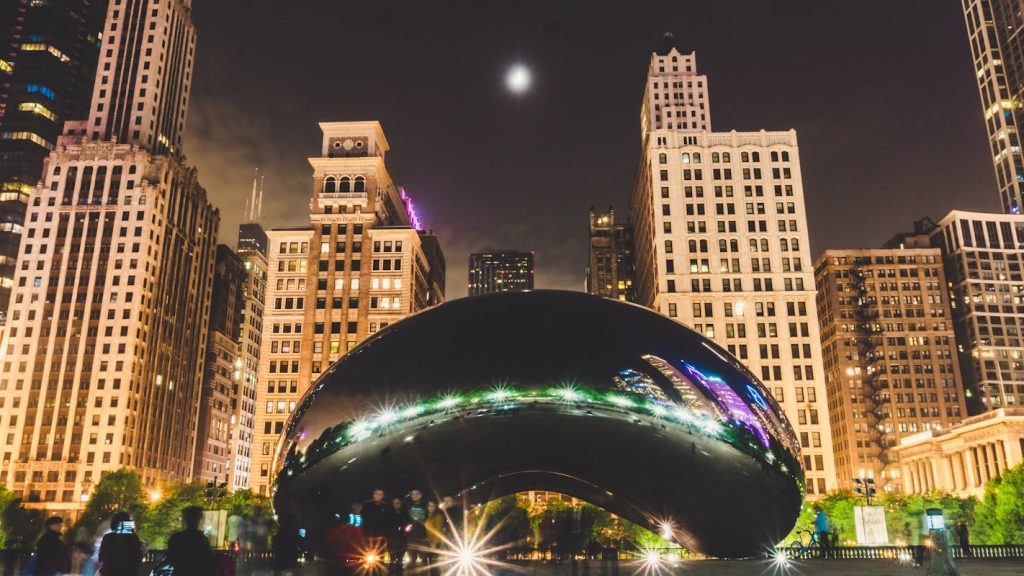
Cloud Gate, affectionately known as The Bean, draws huge numbers of visitors seeking reflective photos, yet Chicago locals often mention that the experience feels rushed and crowded due to constant foot traffic. The sculpture itself is striking, but the surrounding plaza becomes congested quickly, making it difficult to appreciate the artwork or the skyline without waiting for space. Many visitors focus more on taking pictures than enjoying the broader park. Maintenance closures and seasonal conditions sometimes limit access, further adding to disappointment. Residents recommend exploring additional public art installations, lakefront trails, and neighborhood parks that showcase Chicago’s creativity with more room to wander and enjoy the scenery.