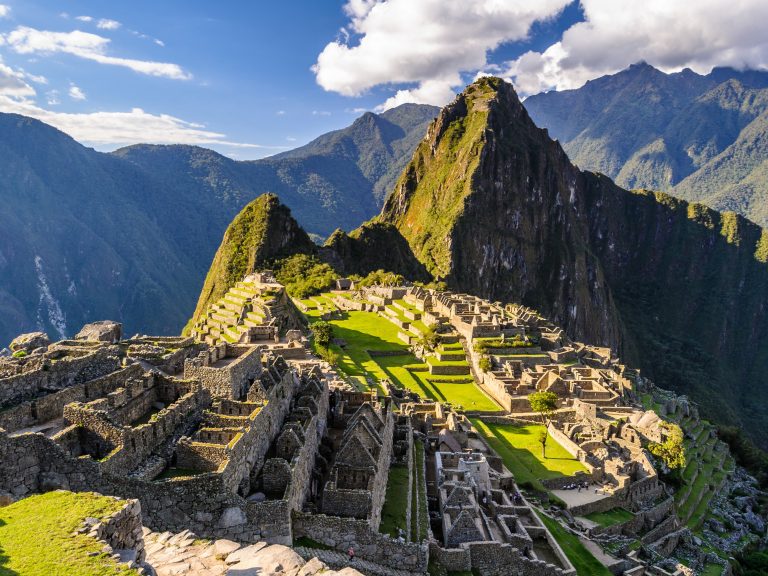
16 Middle Eastern Cities with Iconic Food Experiences
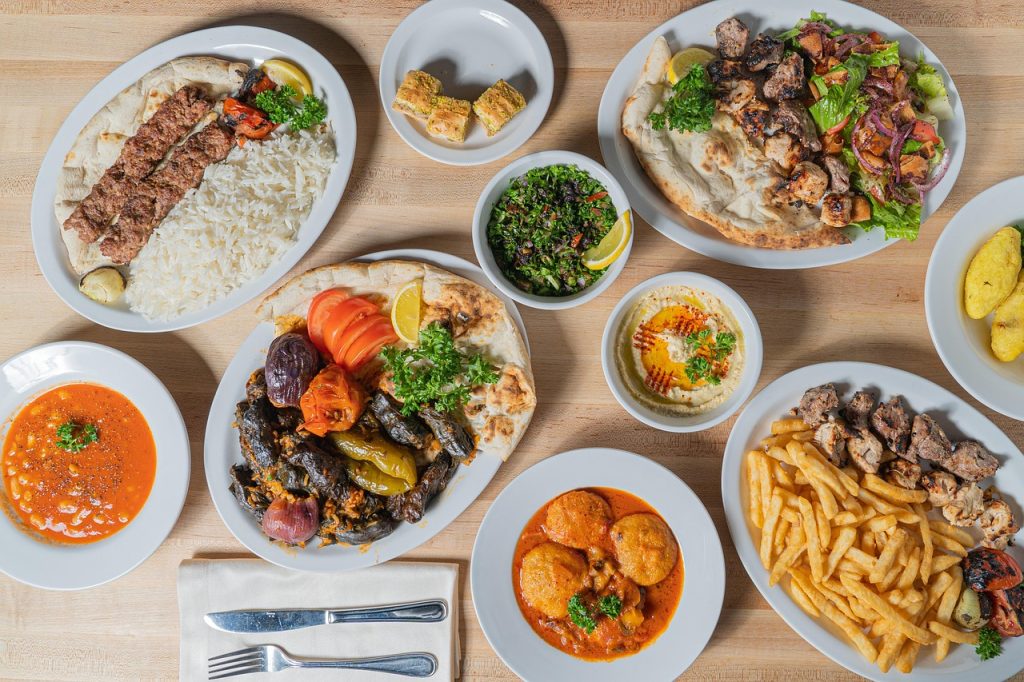
When you travel through the Middle East, you notice how quickly food becomes your guide. You smell fresh bread before you find the bakery. You hear vendors calling out spices you’ve never tried before. You watch families gather at tables that stay busy deep into the night. What this really means is that you move from city to city with your senses alert, ready for another dish that tells you something honest about the place. You taste history, geography, migration, and tradition in ways that feel immediate and personal.
1. Istanbul
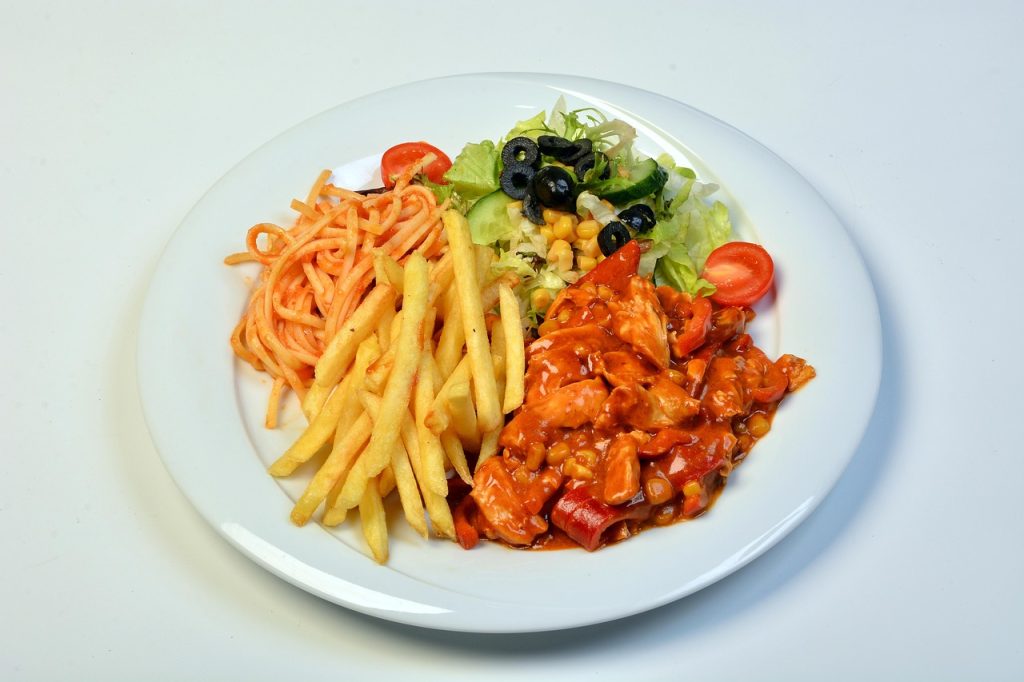
You feel Istanbul’s food culture the moment you step into its streets. You taste the mix of regions through dishes like grilled fish by the Bosphorus, slow-cooked lamb, rice-filled mussels, and pastries soaked in syrup. You wander between baklava shops, street vendors serving simit, and kitchens where chefs prepare meze that shift with the seasons. You eat dishes shaped by centuries of trade routes and layered communities. You finish a meal with tea poured endlessly, and you realize this city invites you to slow down, stay longer, and follow your appetite through its neighborhoods.
2. Beirut
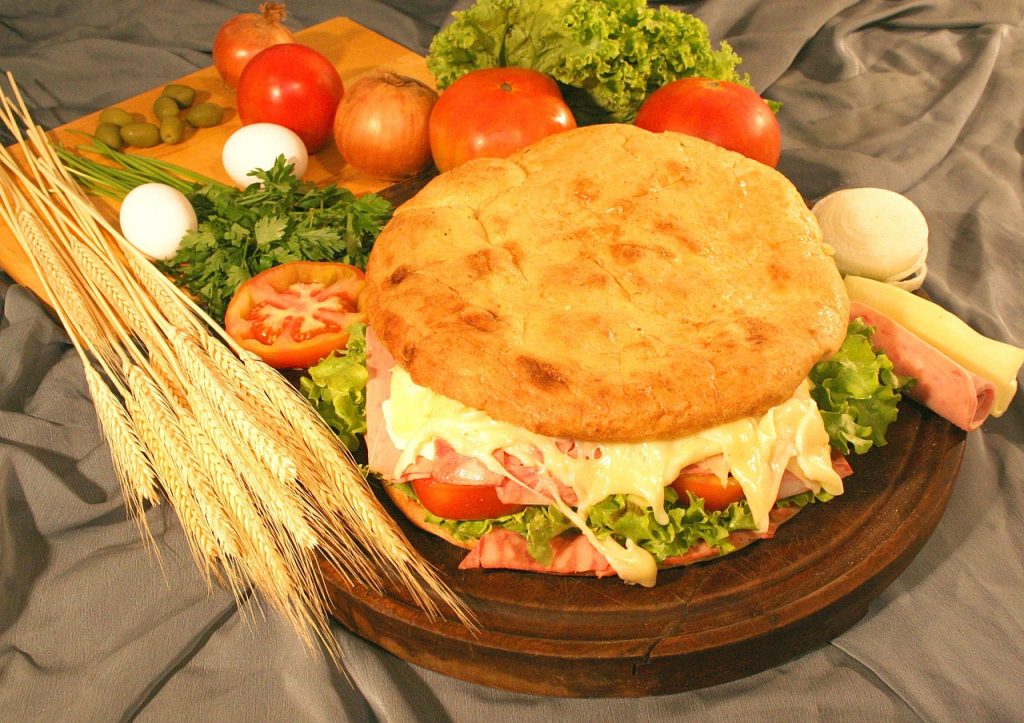
You come to Beirut expecting good food, but the city goes far beyond that. You find tables packed with fresh herbs, charred meats, creamy dips, and salads bright with citrus. You try dishes that mix Levantine traditions with local twists shaped by coastal access and long standing trade. You enjoy manoushe baked in small neighborhood ovens, seafood grilled near the shore, and sweets that balance rosewater with crushed nuts. You sense a rhythm in the way people eat here, one that blends generosity with pride. You leave each meal feeling like you’ve stepped deeper into the city’s character.
3. Amman
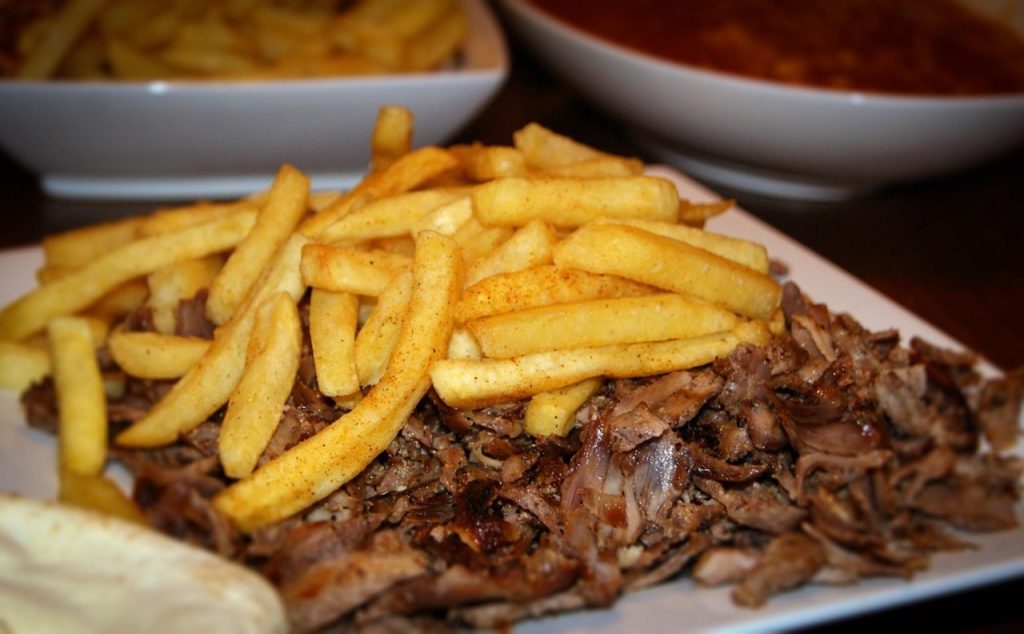
You notice right away that Amman treats food as both comfort and ceremony. You try mansaf prepared with tangy yogurt sauce, slow cooked lamb, and fragrant rice. You slice into knafeh that melts between crisp layers and warm cheese. You walk into small shops where chefs serve falafel fresh from the fryer, paired with bright pickles and herbs. You sip cardamom coffee that lingers long after the cup is empty. You learn that this city cooks with patience and purpose, and you feel how each dish reflects local traditions that have held steady through generations.
4. Dubai
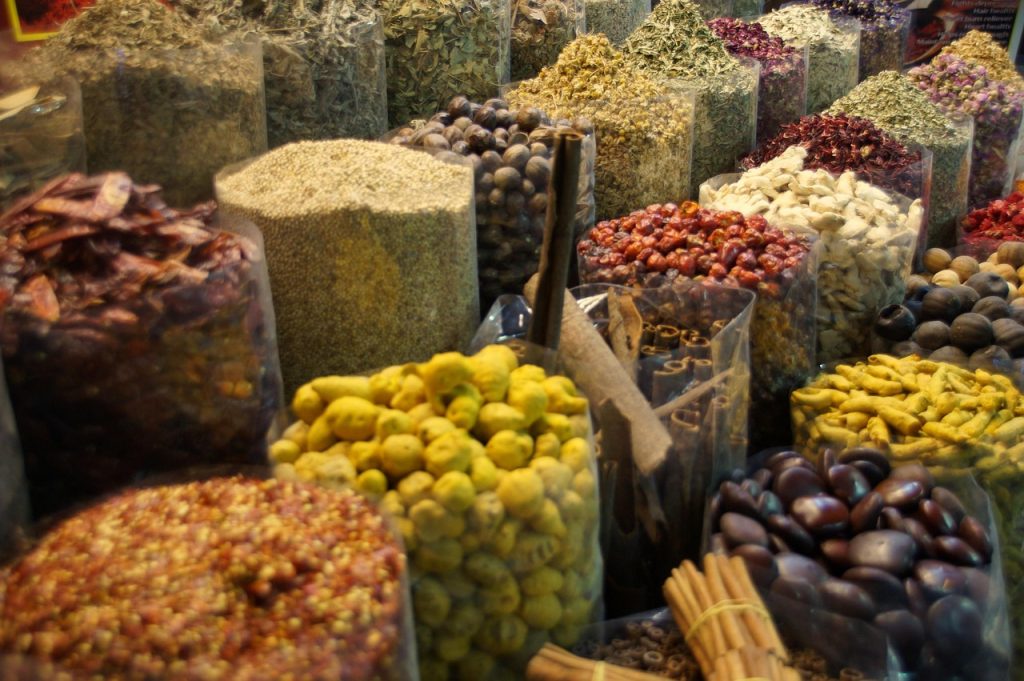
You arrive in Dubai expecting range, and the city delivers. You eat Emirati dishes that showcase local spices, dried limes, slow-cooked meats, and seafood tied to Gulf traditions. You explore neighborhoods where cooks from across the region prepare food that blends their homelands with the city’s fast pace. You try dishes served in markets, homes, and small kitchens far from the skyline. You taste regag bread, harees, machboos, and sweet luqaimat that appear during holidays and family gatherings. You leave each meal with a sense of how Dubai connects old flavors with a constantly shifting population.
5. Doha
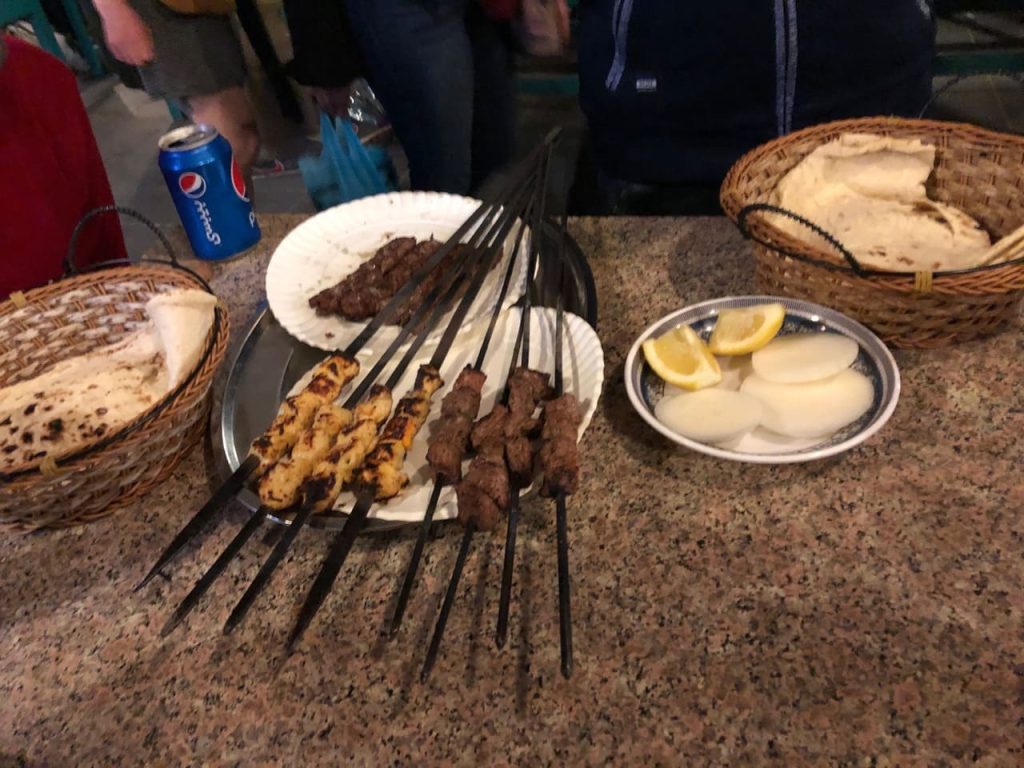
You find Doha’s food culture shaped by the sea, the desert, and its layered community. You enjoy machboos spiced with saffron, slow-cooked meats, and rice that carries a smoky depth. You taste seafood stews tied to long-standing fishing traditions and breads baked fresh each morning. You walk into markets where cooks prepare dishes influenced by South Asian and East African kitchens woven into daily life. You finish meals with sweet tea shared slowly. You feel how Doha uses food to welcome newcomers and to keep its older culinary traditions steady.
6. Muscat
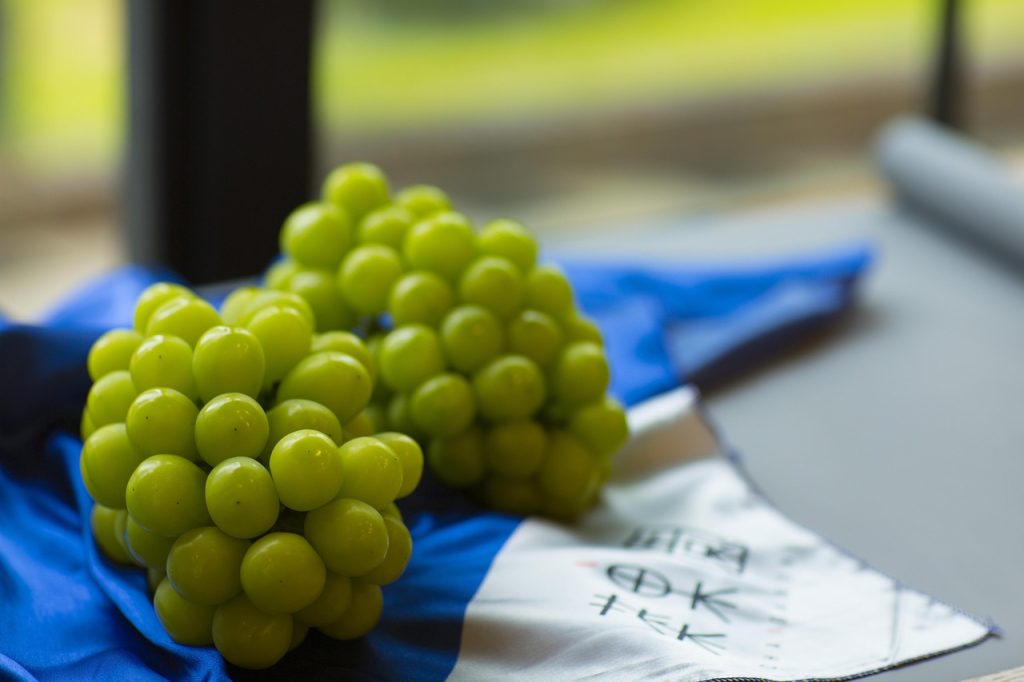
You experience Muscat through quiet coastal meals, warm spices, and dishes that highlight the city’s maritime history. You try rice cooked with saffron and dried lemon, grilled fish seasoned with chili and garlic, and slow-simmered stews shaped by centuries of trade with East Africa and India. You visit small restaurants where cooks prepare lentils, breads, and desserts flavored with dates and cardamom. You sense how Muscat blends its calm, steady pace with a cuisine that reflects both its landscape and seafaring past. You walk away feeling grounded in its balanced approach to flavor.
7. Jerusalem
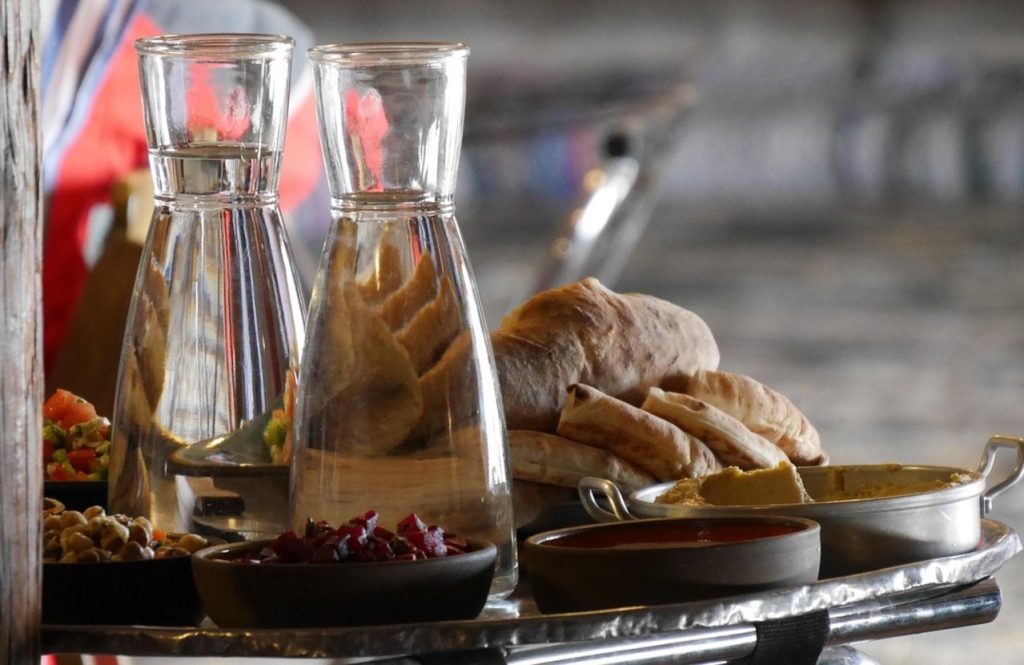
You taste Jerusalem’s complexity in every meal. You try hummus served warm and smooth, falafel seasoned with herbs, pastries folded with nuts and honey, and breads pulled from stone ovens. You explore markets where cooks offer dishes shaped by Jewish, Arab, Armenian, and Mediterranean traditions that overlap and diverge. You feel how the city’s layered communities influence everything from spices to cooking styles. You eat meals that carry long histories but still feel immediate. You leave with the sense that Jerusalem’s food tells stories you might not hear anywhere else.
8. Jeddah
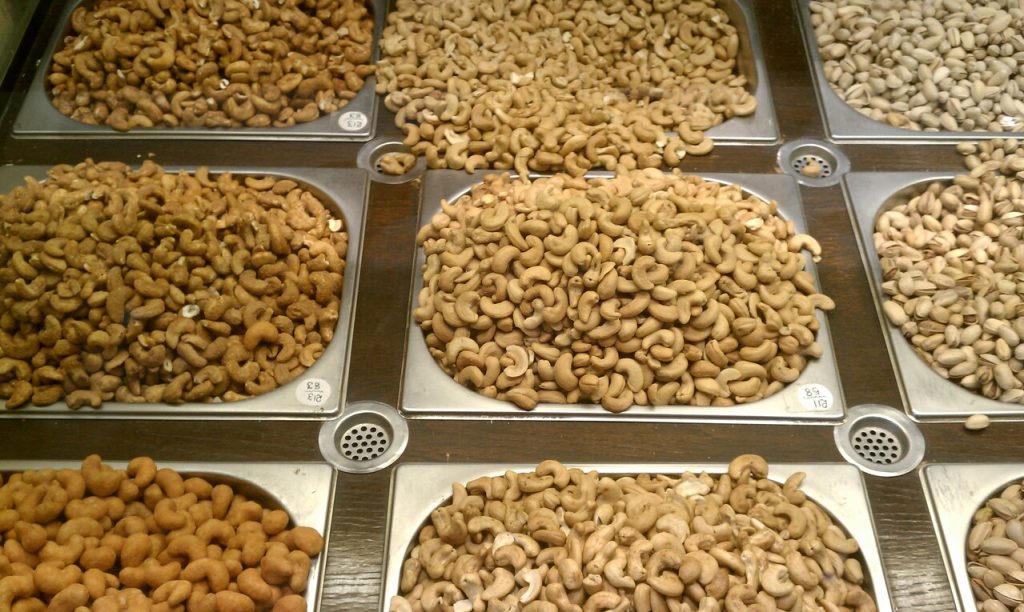
You feel Jeddah’s coastal identity as soon as you eat here. You try grilled fish, hearty rice dishes, and stews shaped by long-standing trade across the Red Sea. You enjoy mutabbaq folded by hand, kabsa served with warm spices, and desserts built around dates and honey. You explore old neighborhoods where vendors prepare dishes that blend local Saudi traditions with influences from Africa, South Asia, and the wider Arab world. You sense how Jeddah uses food to connect its maritime history to the present while keeping its flavors bold and direct.
9. Riyadh
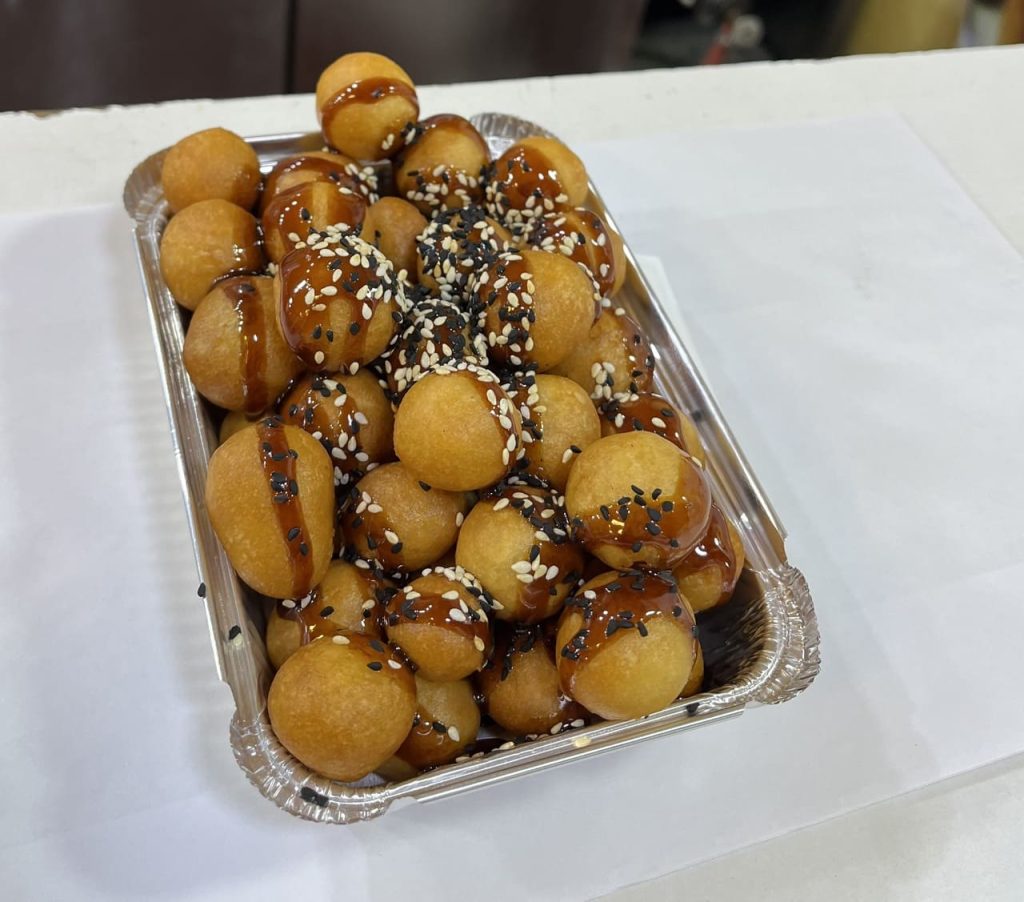
You experience Riyadh through dishes rooted in desert traditions and family gatherings. You try kabsa and jareesh cooked with spices that give warmth without overwhelming the grain or meat. You taste bread baked daily and dips that highlight simple, clean flavors. You find restaurants where cooks refine long-standing recipes while keeping their core intact. You share meals that reflect a culture built on hospitality and care. You leave with a sense of how these dishes hold personal meaning for the people who prepare and serve them.
10. Manama
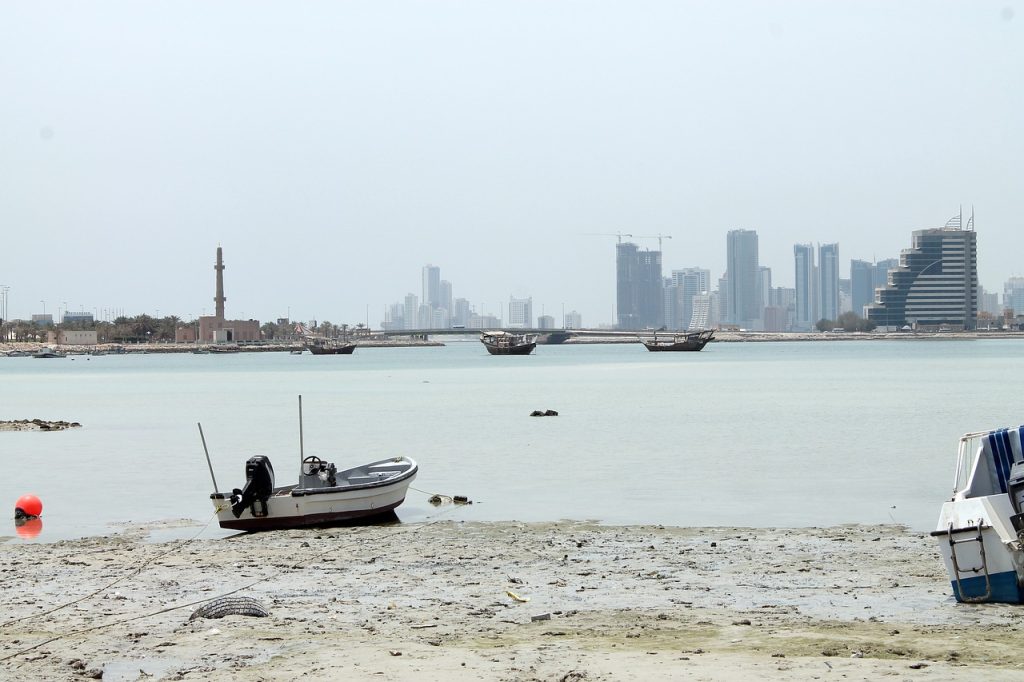
You walk through Manama and notice how its food tells a story of trade, migration, and Gulf traditions. You eat machboos with dried limes, grilled seafood linked to old fishing routes, and stews that balance spice with depth. You try snacks made with chickpeas, fresh herbs, and warm breads. You drink sweet tea that anchors social gatherings. You feel how the city blends local Bahraini flavors with influences from South Asia and East Africa, creating dishes that are both familiar and distinct.
11. Kuwait City
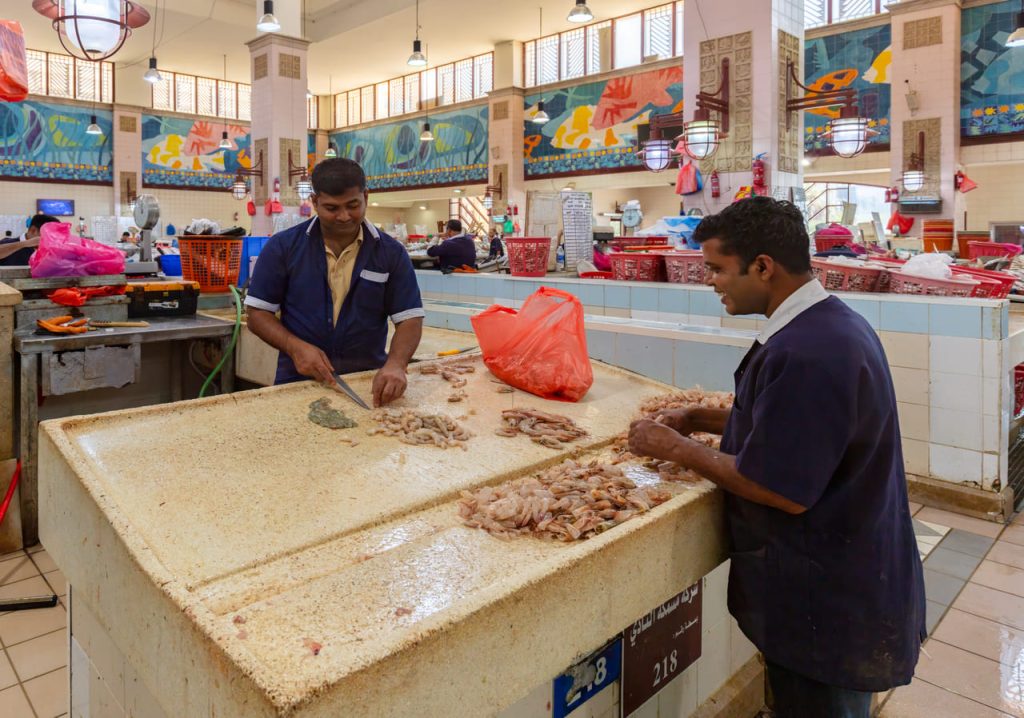
You find Kuwait City’s food culture shaped by coastal life and long-standing family recipes. You try dishes like machboos and harees that highlight patience and technique. You taste fish grilled or fried with spices that reflect older trading connections. You walk into small bakeries where cooks prepare breads served hot and soft. You enjoy sweets built on dates, rosewater, and saffron that appear at celebrations. You notice how each plate carries a steady link to both sea traditions and inland heritage.
12. Abu Dhabi
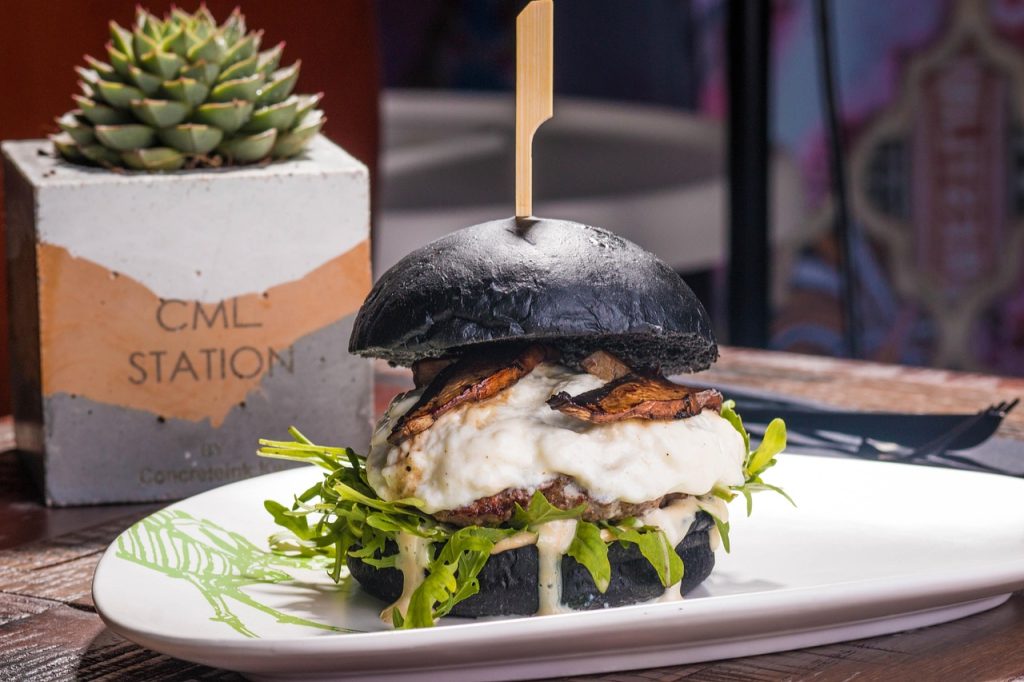
You taste Abu Dhabi’s food scene through a steady mix of Emirati heritage and global influence. You enjoy dishes that use dried limes, saffron, slow-cooked meats, and fresh fish tied to Gulf traditions. You explore markets where cooks prepare simple meals built on rice, legumes, and spice blends passed down through families. You finish with desserts using date syrup and cardamom. You sense how the city preserves its culinary identity even as new communities shape its daily eating habits.
13. Shiraz
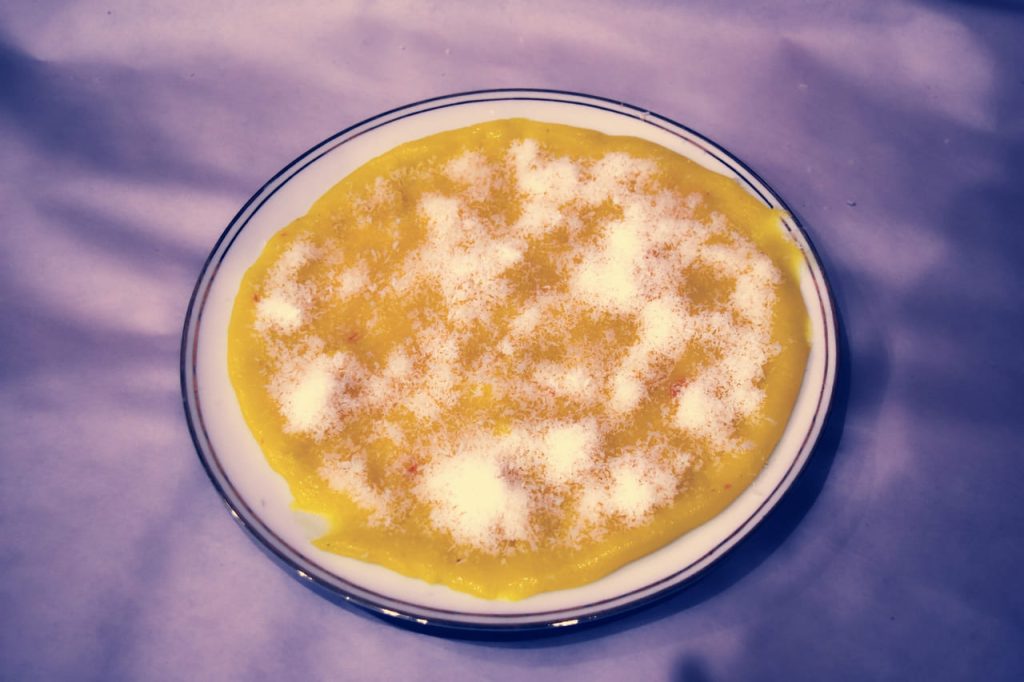
You come to Shiraz expecting richness, and the city exceeds it. You try stews that balance sweet and sour notes, rice dishes colored with saffron, and grilled meats marinated with herbs. You taste traditional dishes like fesenjan and kebabs served with fresh bread. You notice how pomegranate, walnuts, and citrus appear across meals in ways that feel deliberate. You end with desserts and teas that encourage you to linger. You walk away understanding how Shiraz uses its produce and history to shape a cuisine that feels warm and layered.
14. Isfahan
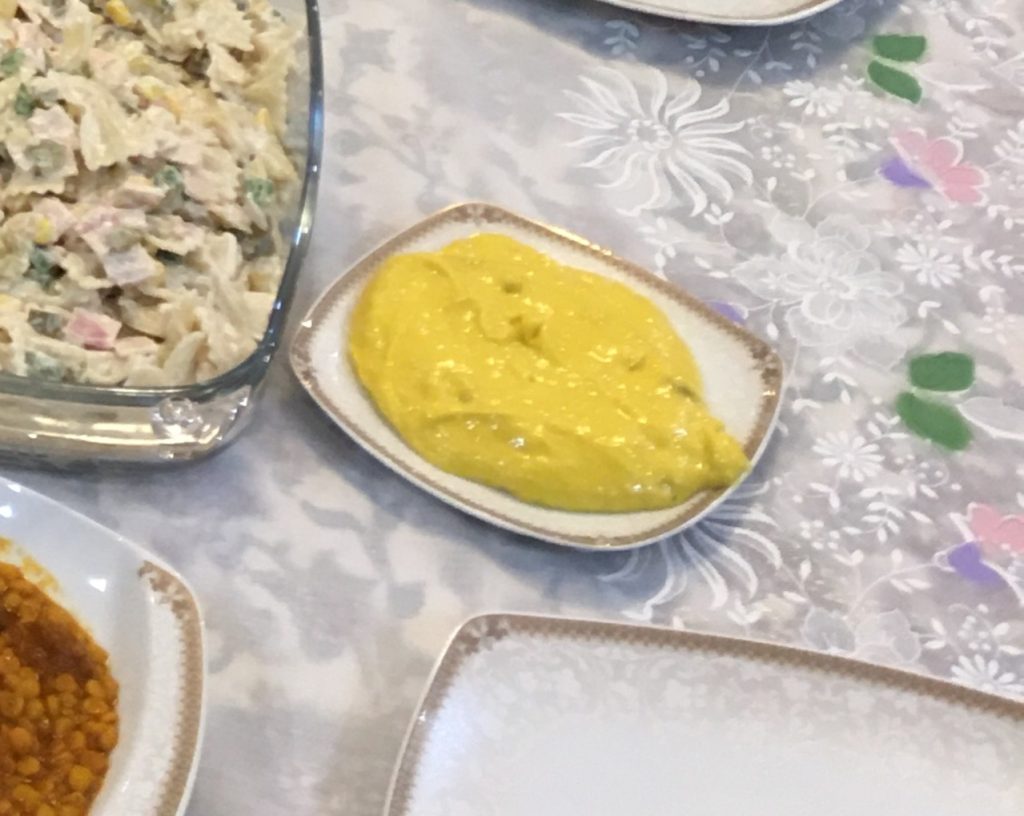
You experience Isfahan through dishes that emphasize balance and precision. You taste biryani prepared with tender meat and spices that highlight depth without sharp edges. You try soups and stews shaped by centuries of regional cooking. You enjoy sweets made with rosewater, pistachios, and saffron that pair naturally with tea. You notice how bread takes center stage in many meals, baked fresh and served warm. You sense how Isfahan’s food reflects both its cultural heritage and its quiet confidence.
15. Cairo
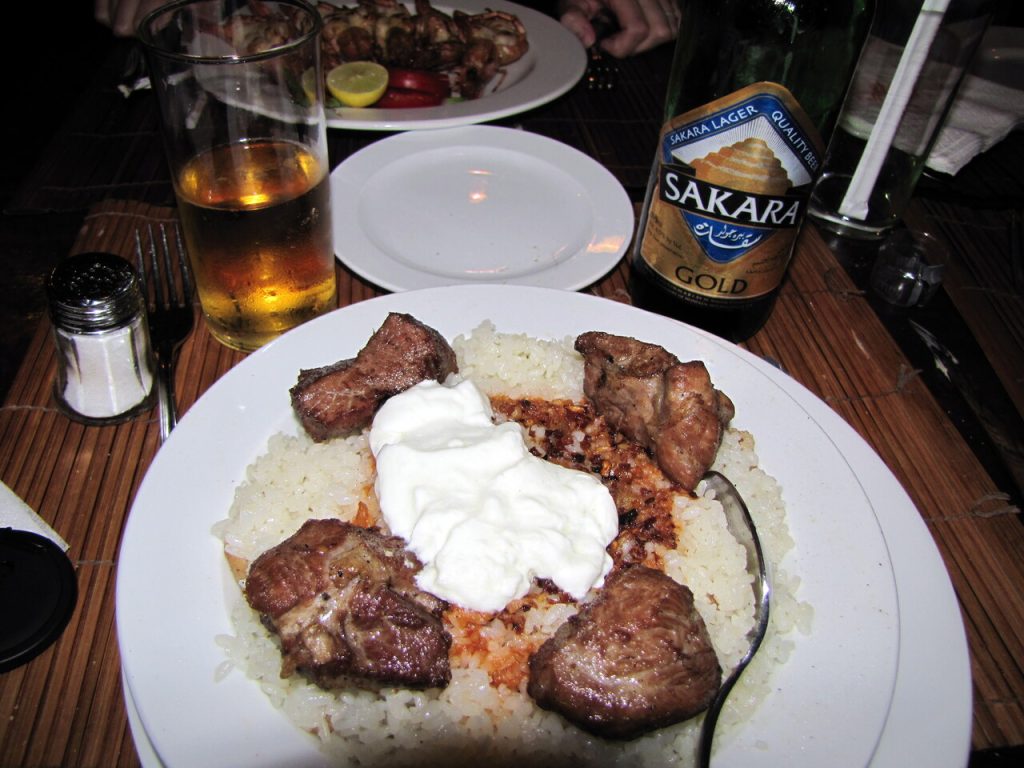
You feel Cairo’s energy through its street food and home cooking. You try koshari layered with lentils, pasta, rice, and fried onions, a dish that tells you how resourcefulness shapes flavor. You enjoy grilled meats, ful medames served warm in the morning, and breads baked quickly and sold from carts. You taste desserts sweetened with syrup, nuts, and semolina. You learn that Cairo cooks with speed and instinct, and you sense how each bite carries the city’s mix of history, movement, and daily routines.
16. Marrakech
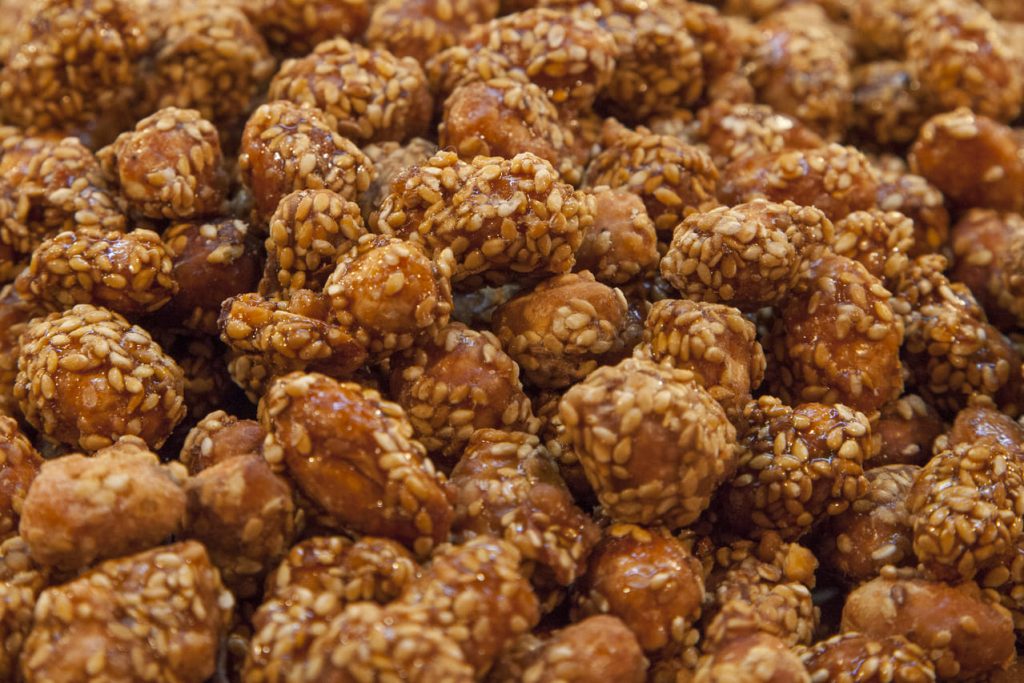
You walk through Marrakech, smelling spices long before you sit down to eat. You try tagines that simmer, couscous steamed until tender, and breads baked throughout the day. You taste preserved lemons, saffron, cumin, and herbs that give dishes depth without overwhelming them. You wander through markets where vendors serve grilled meats, pastries filled with almonds, and soups that appear at sunset. You sense how the city connects its Berber roots with Arab, Andalusian, and North African influences to create a cuisine that feels layered and grounded.