16 U.S. Vacation Spots Now Closed or Restricted
You expect to show up, buy a ticket, and enjoy a spot you’ve heard about for years. What you find instead is a locked gate, reservation portal, or warning sign that says visitor numbers are limited. More U.S. destinations now face safety, environmental, and overcrowding challenges that force officials to restrict access. If you’ve traveled recently, you’ve likely seen it firsthand. You need to plan, book early, and know the rules before you go. Here are well-known places now closed or tightly restricted for visitors.
1. The Wave, Arizona
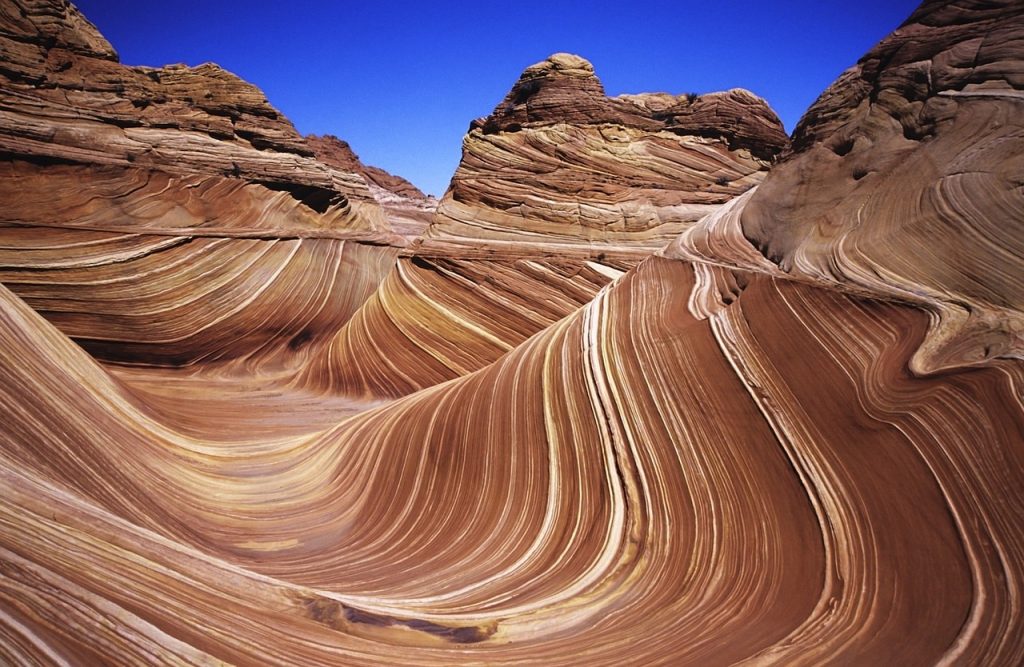
You can’t simply show up and hike The Wave in Arizona anymore. The unique sandstone rock formation now allows only a small number of daily visitors, and you must win a competitive online lottery to go. Rangers restrict access to prevent damage to the fragile landscape, and most people who apply never get permits. If you want a shot, you need to plan months ahead, watch for registration windows, and have backup plans in case you don’t get selected. Travelers who win describe it as worth the effort, but the experience is no longer spontaneous.
2. Angels Landing, Utah
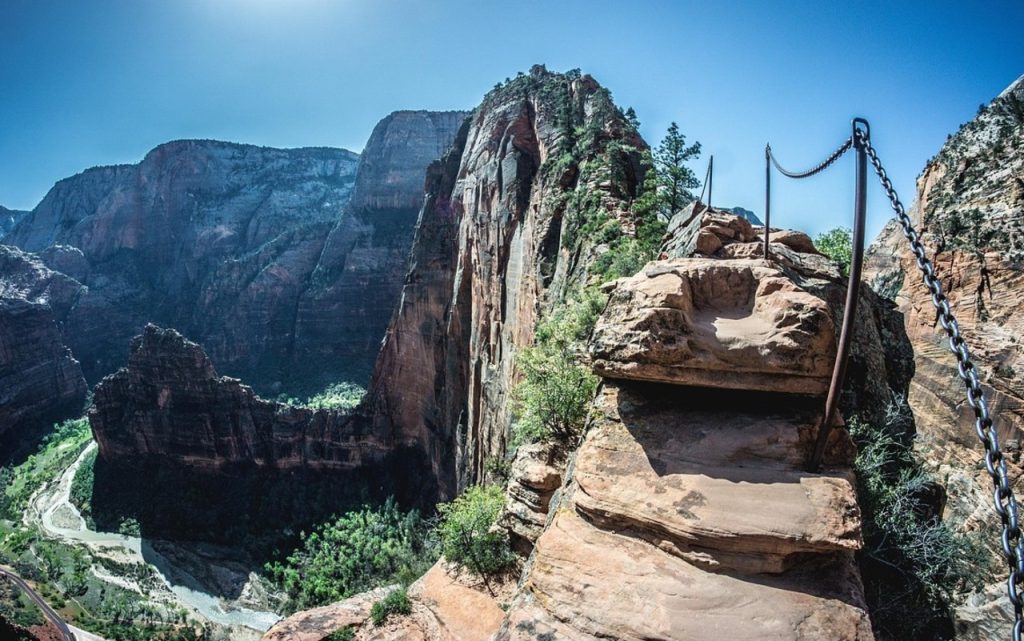
You used to walk into Zion National Park and hike Angels Landing without much red tape. Those days are gone. Due to dangerous crowds on the narrow ridge, the National Park Service now requires a timed permit lottery. Fewer hikers means a safer experience and less environmental impact, but it adds pressure on you to plan early. Not everyone who applies gets a slot, and you might need to adjust your dates to align with what’s available. The hike remains spectacular, yet far more controlled than in past years.
3. Havasu Falls, Arizona
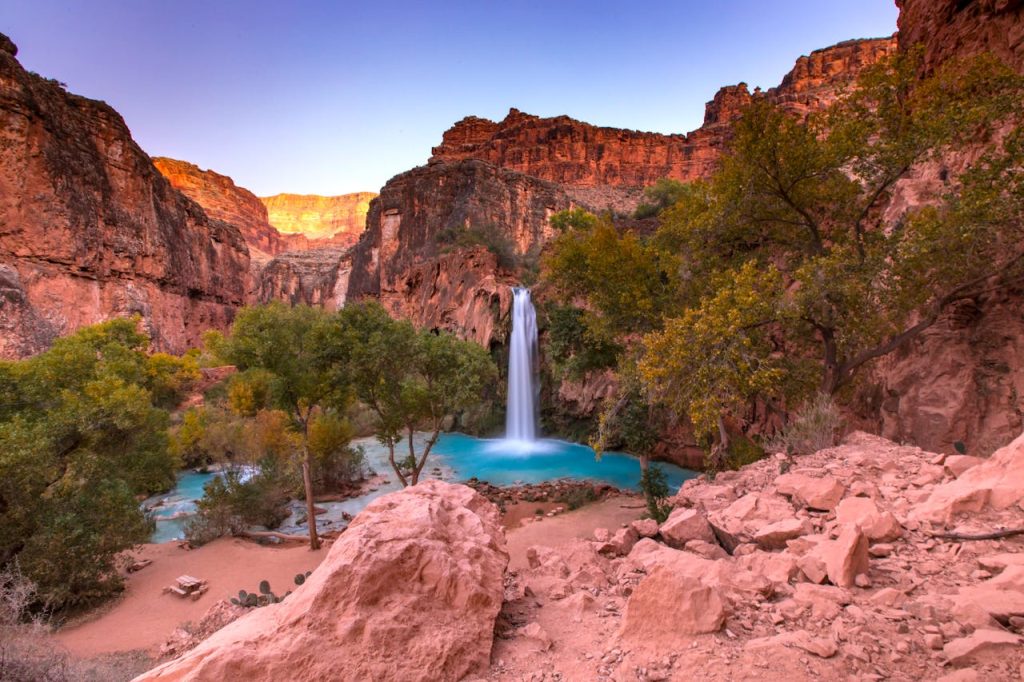
This is one of the most photographed waterfalls in the country, but you can’t just drive in and experience it. Access to Havasu Falls now requires advance permits that often sell out quickly. The Havasupai Tribe enforces strict visitor limits to protect their land and the natural beauty that draws thousands every year. If you want to go, you need to score a permit early, arrange pack or hiking logistics, and follow the entry rules closely. Last-minute trips are no longer possible, but those who make it in enjoy a protected and quiet destination.
4. Alcatraz Cellblock Areas, California
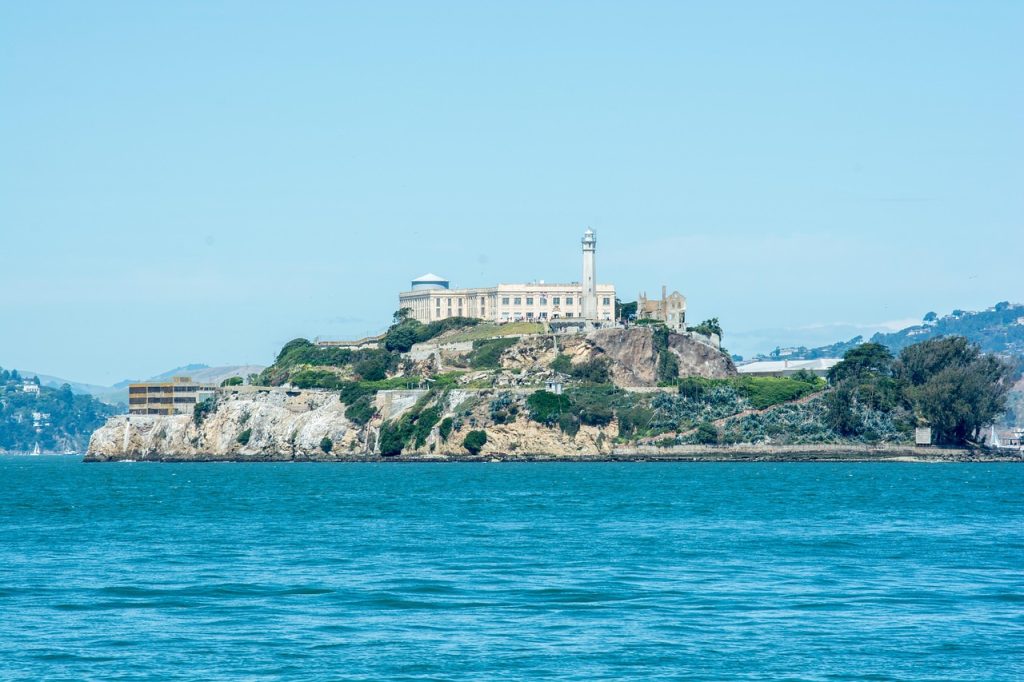
Alcatraz is still open, but some key cellblocks and interior spaces close at different times for safety and preservation. Aging infrastructure means certain corridors, staircases, and rooms are no longer accessible, and visitors sometimes have to settle for modified tours. You may need to check ahead before booking since maintenance and conservation work can limit what you see. It keeps the island from deteriorating further, but it changes the experience if you had hoped to walk through every cell and corner. Planning helps you avoid surprises.
5. USS Arizona Memorial, Hawaii
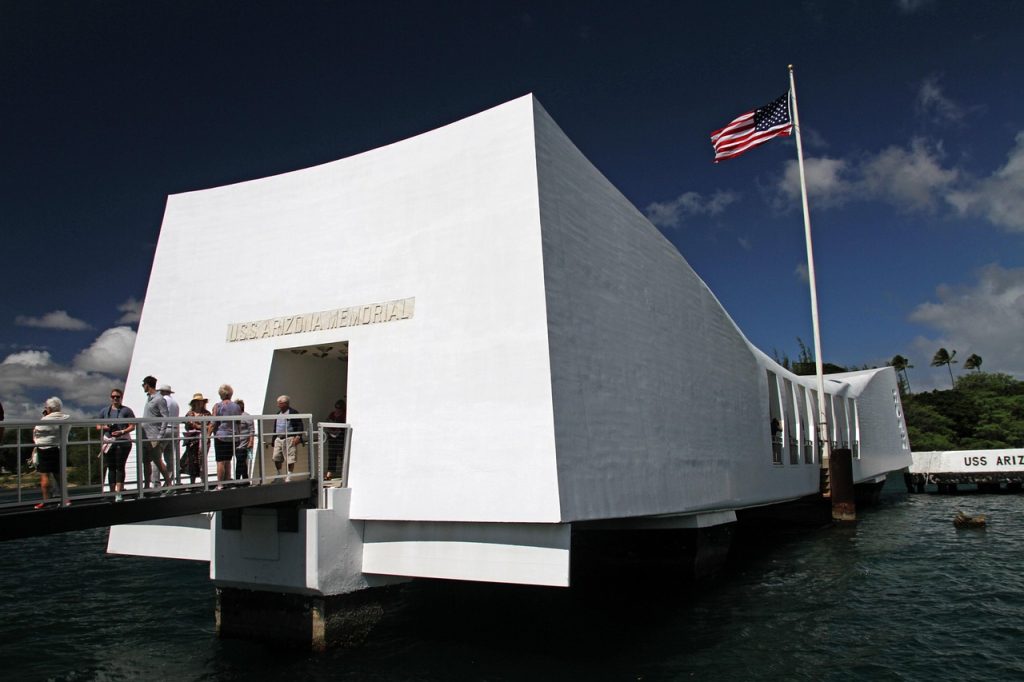
You can visit the USS Arizona Memorial, but access is often restricted, and tickets can be hard to get. The National Park Service limits visitors due to fragile dock structures and safety requirements. You can’t just show up and expect to be on the next boat, so booking online ahead of time is essential. If conditions are unsafe, the ferry may pause service, and travelers have to wait or reschedule. The location remains powerful, but you need to prepare for the rules and possible delays during busy seasons.
6. Muir Woods, California
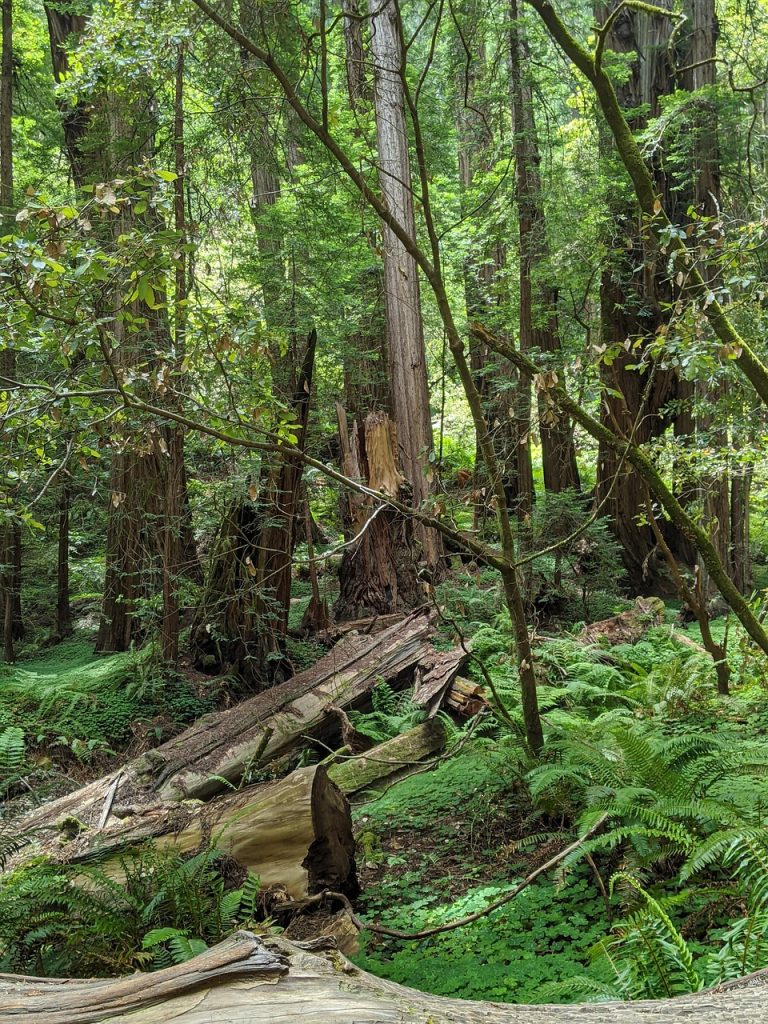
Muir Woods once allowed anyone to drive in and find parking, but reservations are now mandatory. Officials introduced the system to limit congestion on the narrow mountain road and preserve the quiet environment around the ancient redwoods. If you plan a visit, you must reserve a parking time or shuttle in, and peak dates fill up fast. It keeps the forest healthier and makes the experience more peaceful, but it eliminates the option of last-minute afternoon stops. You need a schedule if you want to see these old giants.
7. Cadillac Mountain Sunrise, Maine
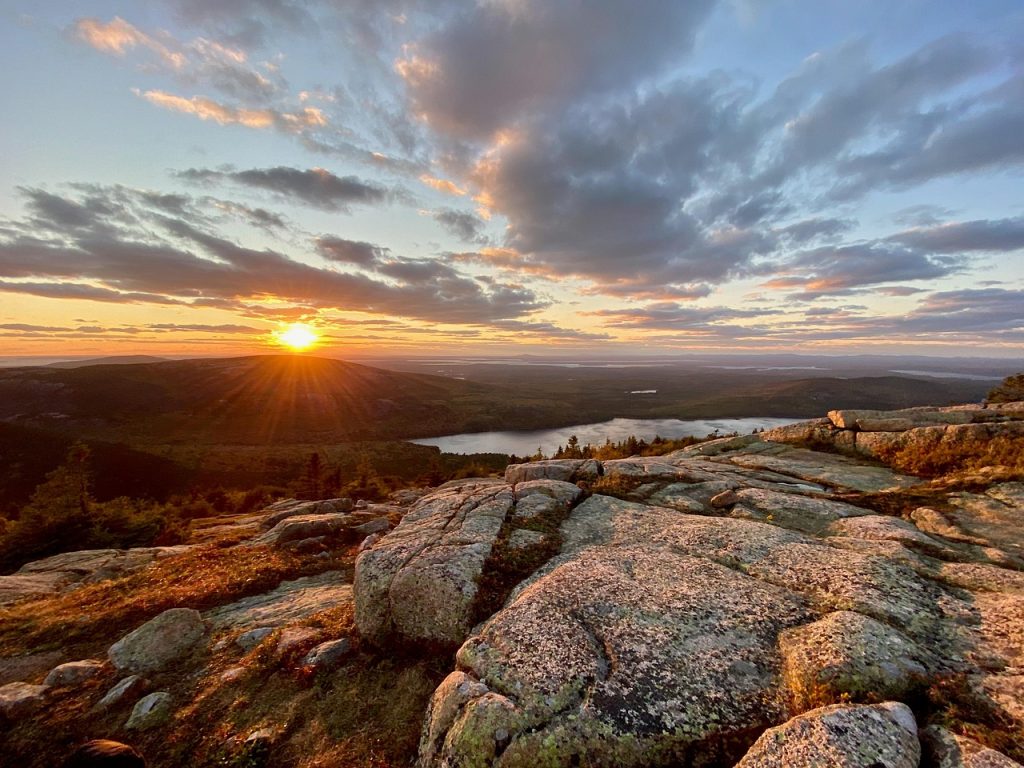
Watching the sunrise from Cadillac Mountain in Acadia National Park used to be something you could do on a whim. Now, the park requires a special timed-entry reservation during busy seasons, and only a limited number of cars make it up before dawn. Rangers introduced the system to control crowding and protect natural habitat. If you want that bucket-list sunrise, you need to book early and show up on time. Travelers who don’t plan ahead may find themselves sitting in traffic or turned away at the gate. The view is still worth it.
8. Maroon Bells Access, Colorado.

The Maroon Bells outside Aspen are some of the most photographed mountains in the country. To manage crowds and protect the area, vehicle access is heavily restricted for much of the year, and most visitors need to reserve a shuttle. Parking spots require reservations, and popular sunrise views book fast. You need to plan days or weeks ahead rather than driving in on a whim. The system has made the area less chaotic and preserved the scenery, but travelers must adapt to new rules and build structure into their visit plans.
9. Antelope Canyon, Arizona
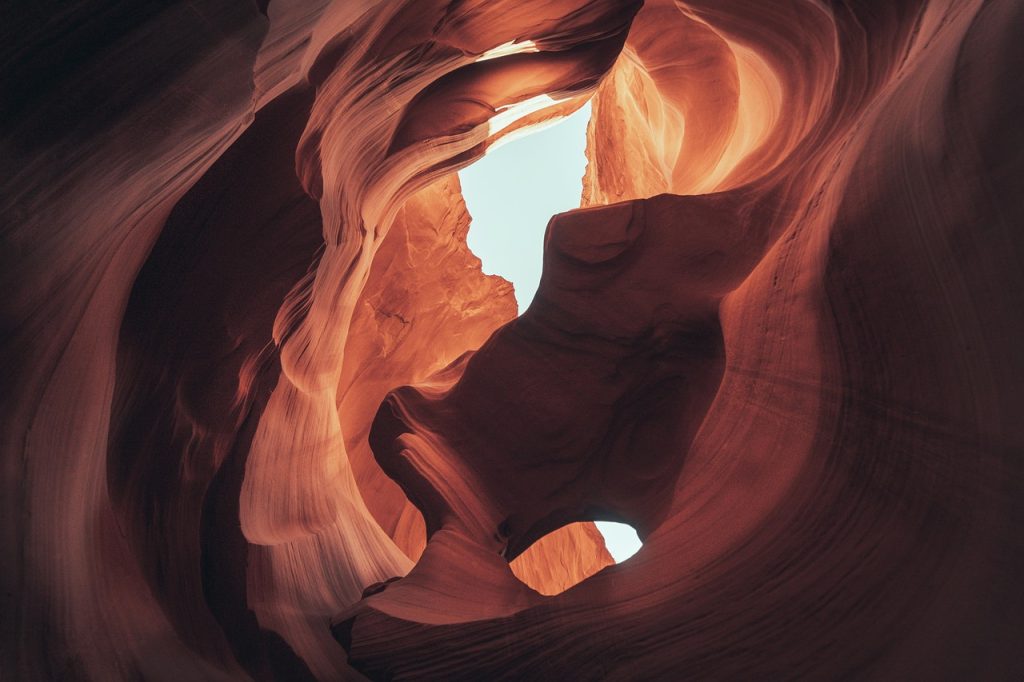
Antelope Canyon tours now require strict scheduling and guided entry only. You can’t enter the slots on your own due to safety issues and overcrowding. Operators manage the number of people inside at any given time, and tours often sell out well in advance. You need to book early, review the rules, and prepare for structured timing rather than wandering freely. Environmental and erosion concerns also led to tighter controls on photography stops. Travelers still rave about the beauty, but the experience today is far more organized and regulated than in the past.
10. Yosemite Half Dome Cables, California.
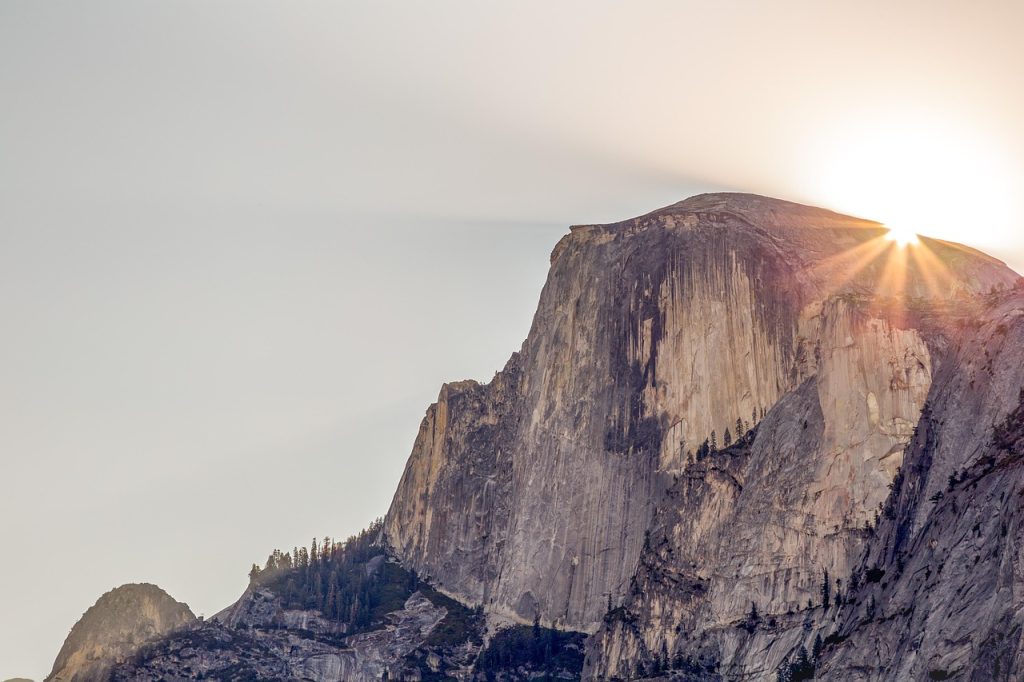
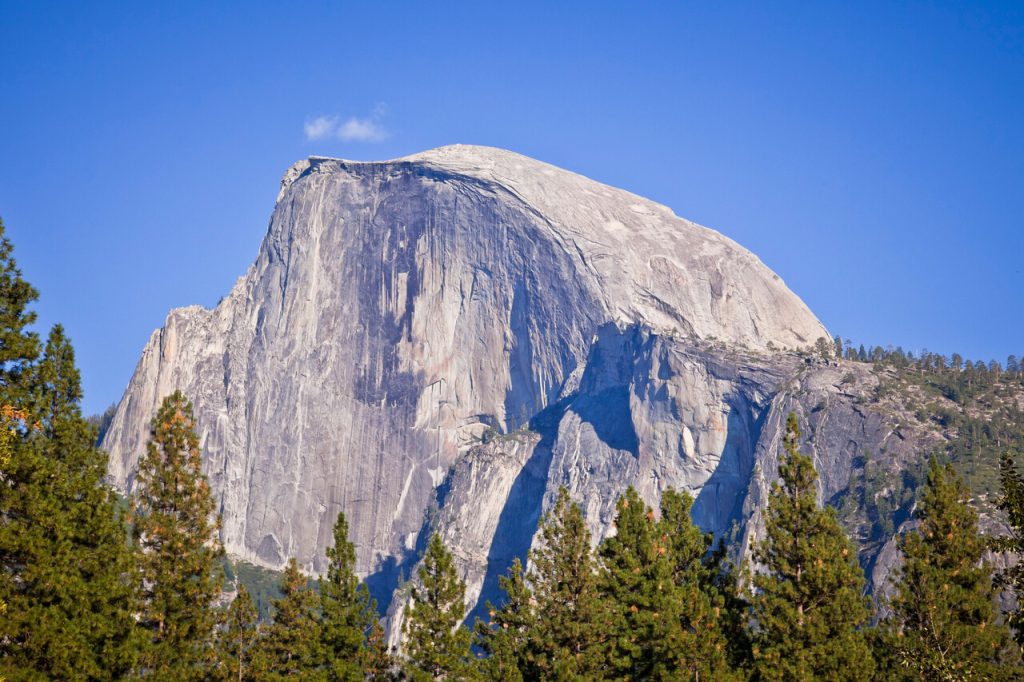
Hiking Half Dome used to be a push-your-luck challenge, but increased accidents and massive crowds changed that. You now need a permit to climb the cables during peak season, and the daily limits are strict. Many people don’t get permits and must choose different hikes. The system reduces bottlenecks and makes the ascent safer, but it requires planning months in advance. You can’t wake up and decide to try the climb on the spot anymore. The results have improved conditions on the trail, but spontaneity is gone for good.
11. Mount Whitney, California
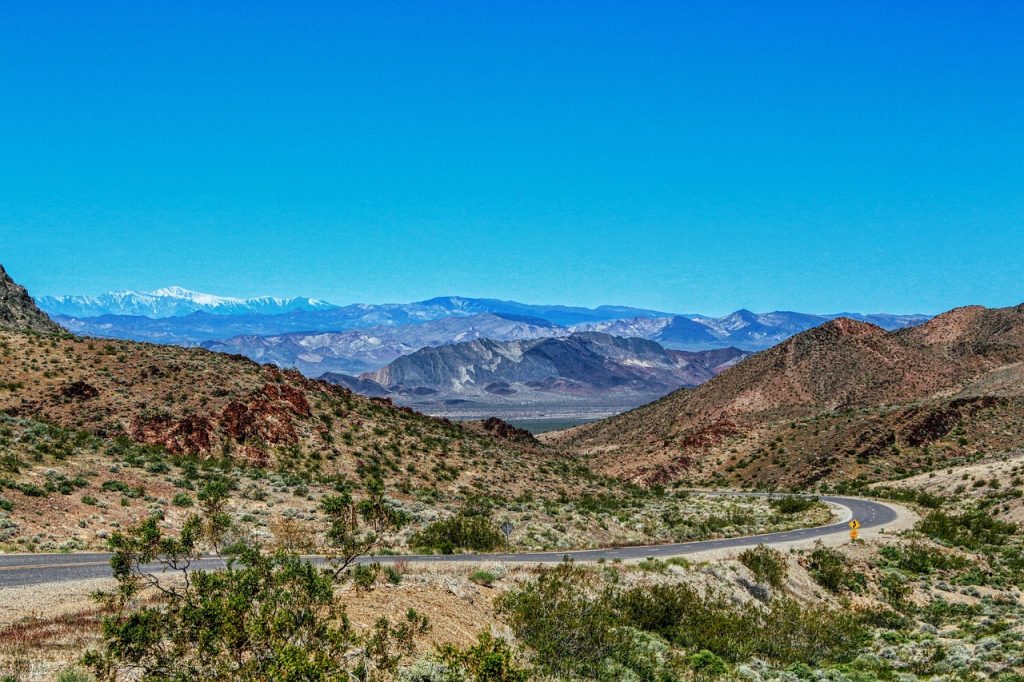
Climbing the tallest peak in the continental United States now requires a permit, and daily numbers are capped. Overuse, trail erosion, and safety issues pushed officials to move to a lottery system. You need to pick dates ahead of time, apply online, and accept that you may not get a slot. People who do get permits enjoy a more manageable trail and less crowding at choke points. If you want a summit attempt, you need early planning and realistic expectations, because spontaneous walk-in permits are rarely an option.
12. Dry Tortugas Fort Access, Florida

Dry Tortugas National Park sits 70 miles from Key West, and the growing popularity of the destination now means ferry and seaplane spots sell out weeks ahead. Limited transportation and fragile structures require controlled visitor numbers. Some areas of Fort Jefferson may close for restoration at different times, so you need to check updates before booking. You can’t easily show up without tickets or hope for cancellations. Visitors who plan early still enjoy the remote island setting, but the trip is no longer something you can improvise at the last minute.
13. Mesa Verde Cliff Dwellings, Colorado
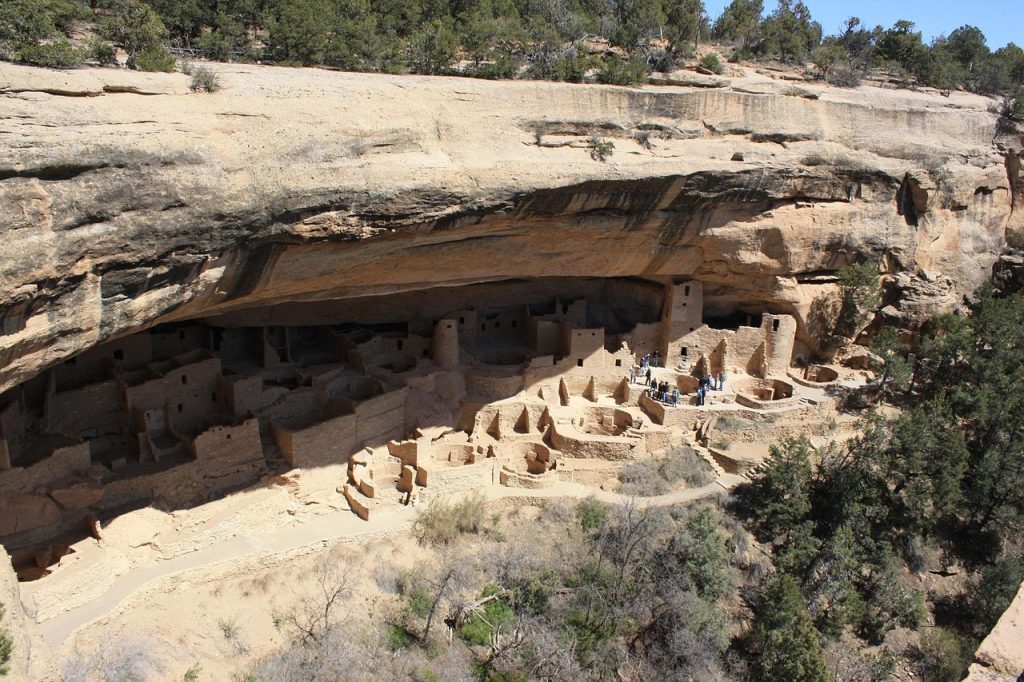
Many of Mesa Verde’s cliff dwellings are no longer open to casual wandering. National Park limits require ranger-led tours for key sites, and some dwellings close temporarily to prevent damage from foot traffic. You need to grab timed tickets, arrive early, and follow strict rules about what you can touch or climb. Preservation comes first, and it changes how you explore these ancient structures. While you still access some incredible historic spaces, the unsupervised roaming once possible in earlier decades is gone. Visitors must adjust to a guided and structured format.
14. Diamond Head Summit, Hawaii
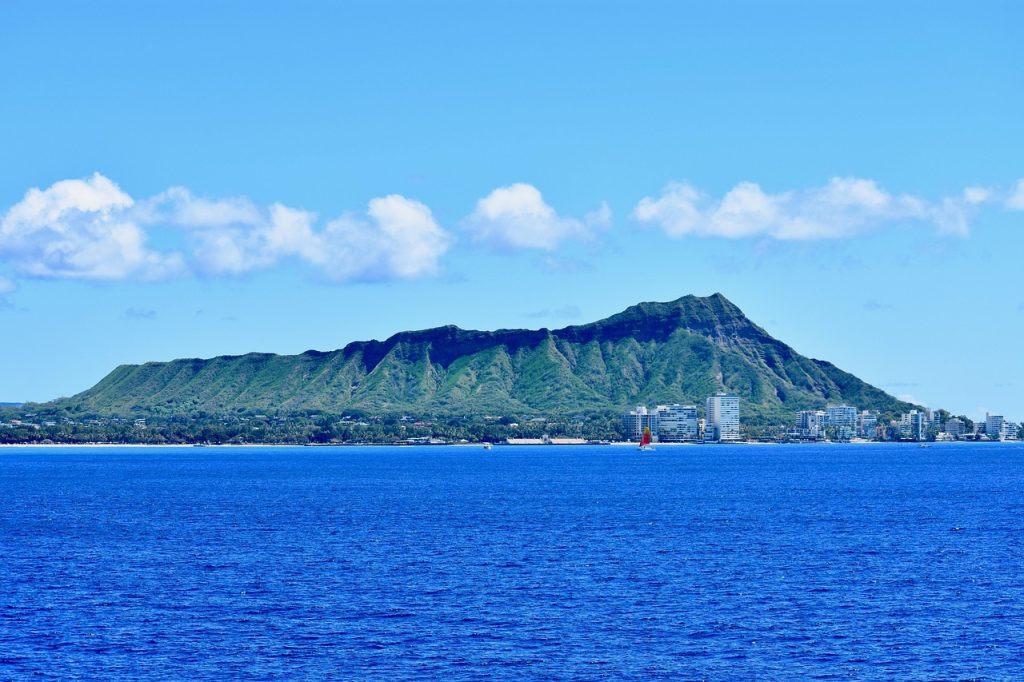
Hiking Diamond Head now requires a timed reservation for both parking and entry. The state introduced the system to manage the high number of visitors who once overcrowded the trail and summit. If you don’t book ahead, you can’t enter, and peak slots sell out quickly. Travelers need to plan their day around the schedule and show up on time. The new rules helped protect the trail and improved the experience, but it means spontaneous vacation detours to the crater are no longer practical for most visitors.
15. Red Rock Canyon Scenic Drive, Nevada
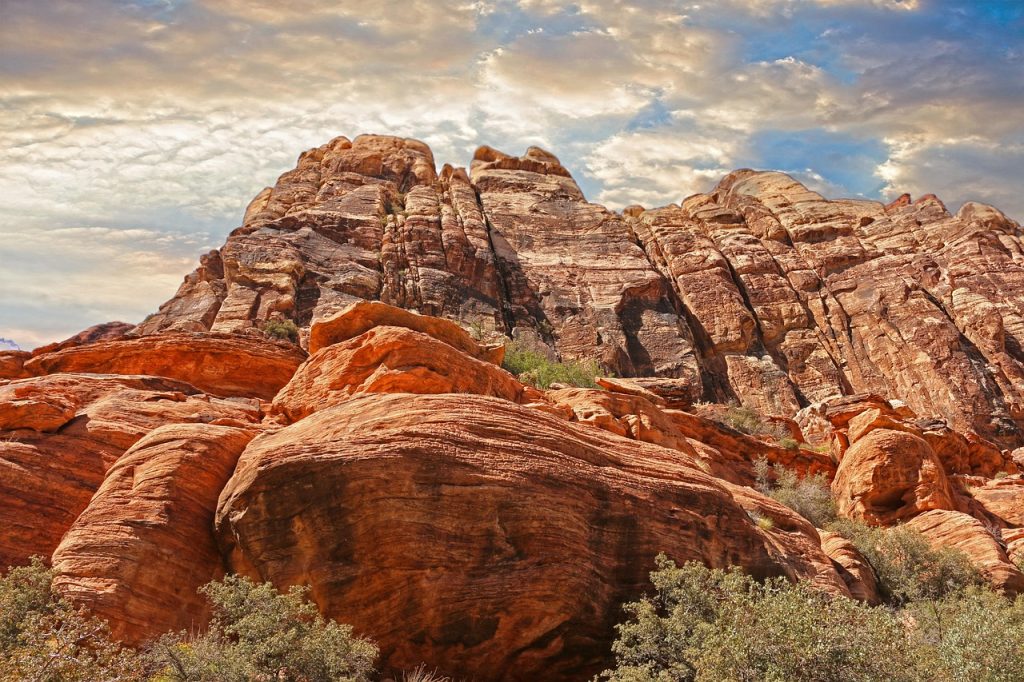
Near Las Vegas, the scenic loop at Red Rock Canyon now uses timed reservations during busier seasons. Years of rising visitor numbers led to traffic backups and overcrowding at trailheads, so officials stepped in to protect desert habitats and improve the experience. You can’t just pull in and drive the loop at will; you need to secure a slot ahead of time. Travelers who forget may find themselves turned away at the entrance station. The new rules create a calmer visit, but they require more scheduling and less flexibility.
16. Seward Kenai Fjords Exit Glacier Access, Alaska
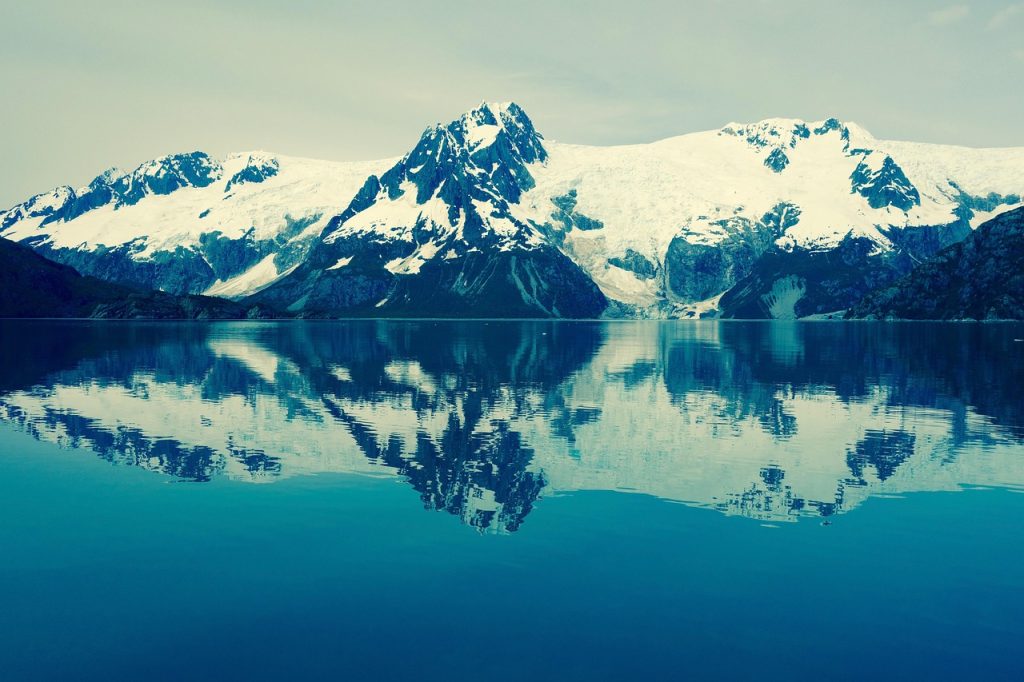
Exit Glacier once offered more flexible access, but shrinking ice, trail impacts, and heavy tourism led to new restrictions. Some areas around the glacier close seasonally, and rangers often limit access to exposed or unsafe sections. You need to check conditions ahead of time and understand that you may not reach every viewpoint you hoped for. The changes protect visitors and the environment, but they also remind you that the landscape is changing fast. If you want to see the glacier up close, planning and awareness are essential rather than optional.