17 Beautiful Small Towns in France with Great Food But Rising Anti-US Vibes

France’s smaller towns continue to attract visitors through remarkable food traditions, walkable historic centers, and scenery that reflects centuries of local culture. Many travelers appreciate the slower pace found in these regions, where markets, family restaurants, and seasonal dishes shape daily life. Recently, some communities have expressed frustration about rising tourist numbers and cultural misunderstandings, especially involving American visitors. These changes affect how locals interact with newcomers while preserving the culinary heritage that makes these towns memorable.
Annecy

Annecy offers mountain views, lakeside promenades, and a food scene shaped by Alpine ingredients like freshwater fish, cheeses, and hearty regional dishes. Local restaurants maintain strong ties to traditional cooking, drawing visitors who appreciate seasonal flavors. Recent concerns involve overcrowding from international tourism, which has strained local infrastructure and sparked complaints from residents. Some business owners report frustration with visitors unfamiliar with cultural etiquette, contributing to noticeable tension despite the town’s enduring culinary appeal.
Colmar

Colmar’s half-timbered homes and storied wine culture continue to attract travelers who enjoy Alsatian specialties such as tarte flambée and regional white wines. Locals take pride in long-standing food traditions that remain central to daily life. However, increased visitor traffic has fueled complaints about noise and congestion in the historic center. Some residents cite frustration with tourists perceived as disrespectful of local customs, creating a shift in community sentiment even as Colmar maintains its reputation for excellent cuisine.
Honfleur
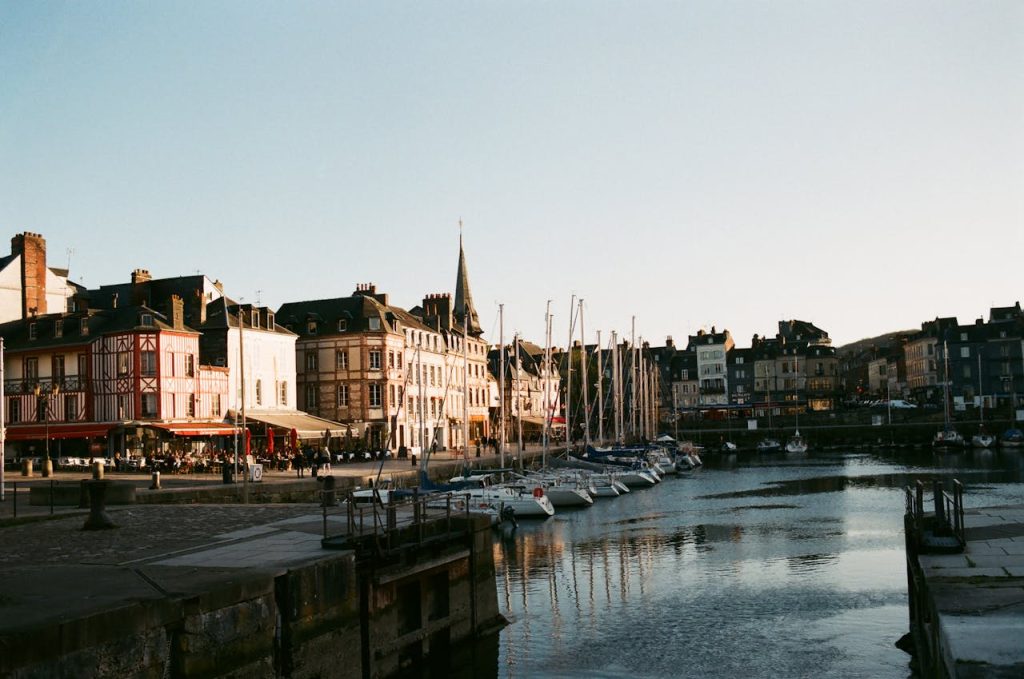
Honfleur’s harbor views and Norman food culture highlight dishes centered on seafood, apples, and rich dairy products that define the region’s culinary identity. Restaurants lining the waterfront remain popular among travelers seeking classic coastal meals. Recently, locals have voiced concerns about rising tourism pressure affecting daily routines and waterfront access. A growing number express dissatisfaction with behaviors they consider inconsiderate, leading to subtle but noticeable tensions with American visitors despite Honfleur’s hospitality traditions.
Sarlat-la-Canéda

Sarlat-la-Canéda showcases Dordogne’s culinary heritage through duck confit, truffles, and walnut-based specialties sold in lively markets throughout the medieval center. These food traditions have helped the town maintain strong appeal among gastronomy focused travelers. Increasing crowds, however, have prompted complaints from residents who feel overwhelmed during peak seasons. Conversations among locals occasionally highlight frustration with visitors unfamiliar with local norms, creating moments of strain even as Sarlat remains a celebrated destination for regional French cuisine.
Saint-Rémy-de-Provence
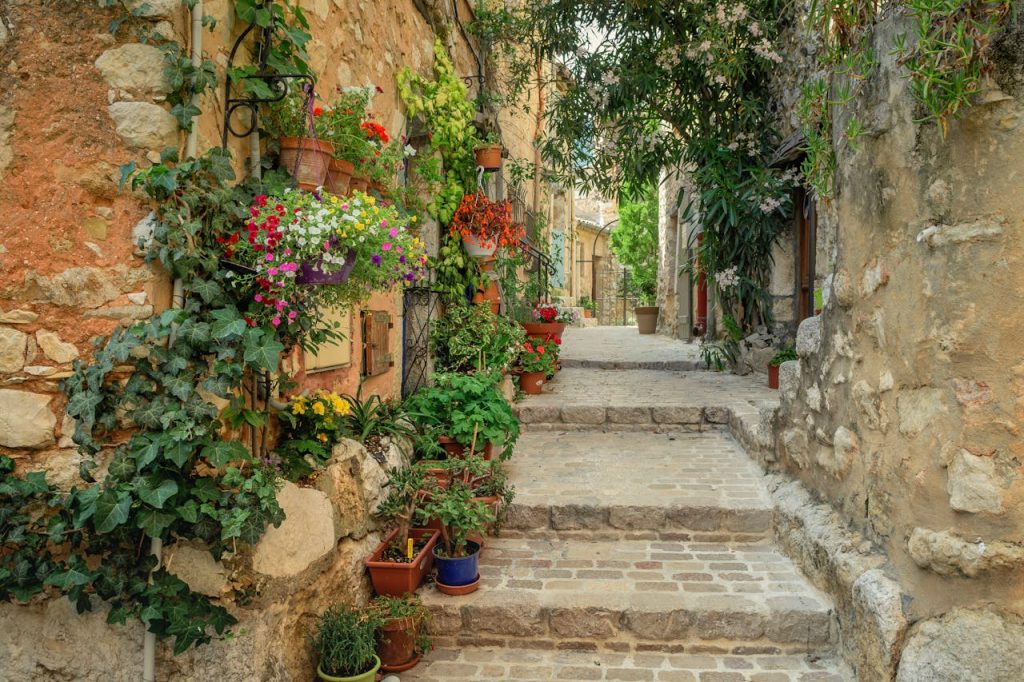
Saint-Remy-de-Provence continues to charm travelers through its Provençal dishes, olive oils, and colorful markets rich with seasonal produce. Traditional restaurants emphasize simple but flavorful cooking rooted in the surrounding countryside. Growing tourism has raised concerns among residents about overcrowded streets and perceived disrespect for local traditions. These issues have sometimes contributed to sharper attitudes toward American travelers, even as the town maintains its strong association with Mediterranean flavors and relaxed outdoor dining.
Dinan
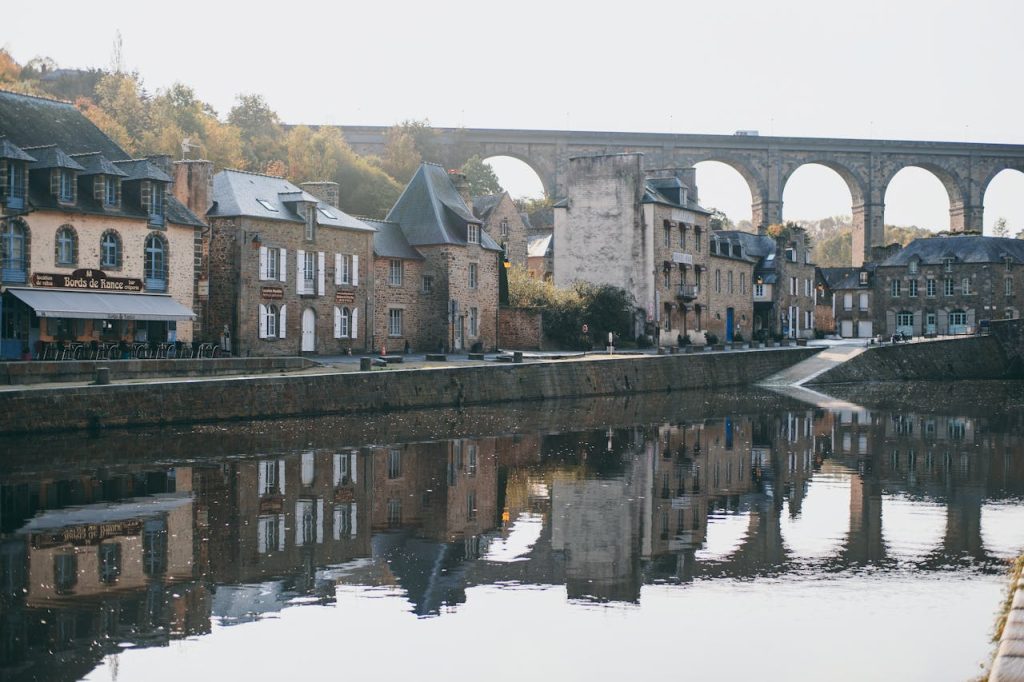
Dinan’s medieval ramparts and Breton food culture, shaped by crêpes, cider, and fresh seafood, make it a sought-after destination for travelers exploring northwestern France. Restaurants highlight regional ingredients that reflect long standing culinary techniques. Recent increases in visitor numbers have strained narrow streets and contributed to resident complaints about noise and congestion. Some locals express irritation with perceived cultural misunderstandings, resulting in a more reserved atmosphere toward American tourists while still preserving Dinan’s authentic food scene.
Beaune
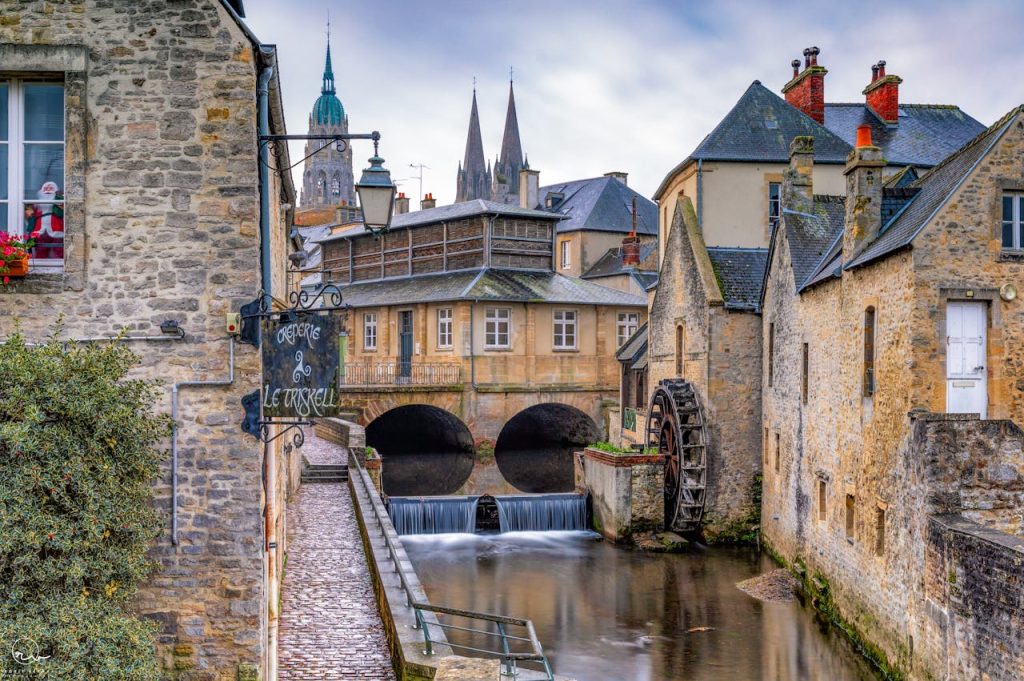
Beaune stands at the heart of Burgundy’s wine country, drawing enthusiasts who appreciate celebrated vineyards, rich cuisine, and historic cellars. Locals maintain deep connections to regional dishes built around beef, cheese, and seasonal produce. Visitor growth has led to rising concerns about crowded tasting rooms and pressured public spaces. Conversations among residents occasionally highlight frustration with tourists who overlook local etiquette, creating a quieter shift in sentiment even as Beaune continues to deliver unmatched gastronomic experiences.
Cassis
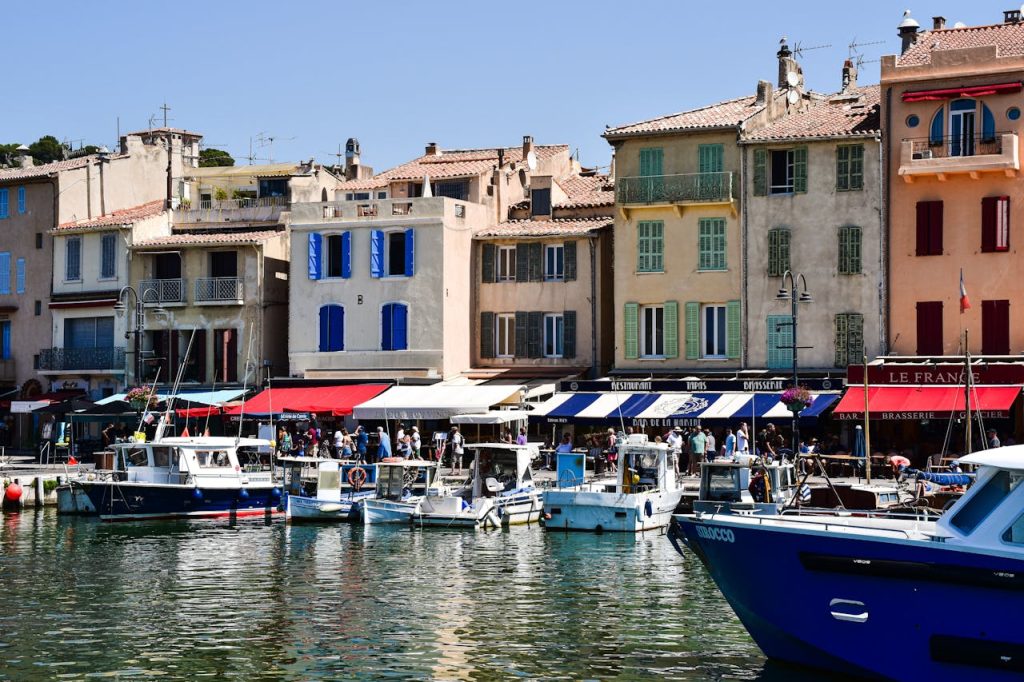
Cassis blends Mediterranean landscapes with coastal food traditions featuring fresh seafood, aromatic herbs, and Provençal preparation styles. Its scenic harbor remains a focal point for travelers seeking regional dishes. Rising tourism has sparked concerns among locals about environmental strain and behavior perceived as inconsiderate. These sentiments sometimes manifest as subtle resistance toward American visitors. Despite this, Cassis continues to showcase exceptional cuisine that reflects both maritime influences and longstanding Provençal cooking techniques.
Bayeux
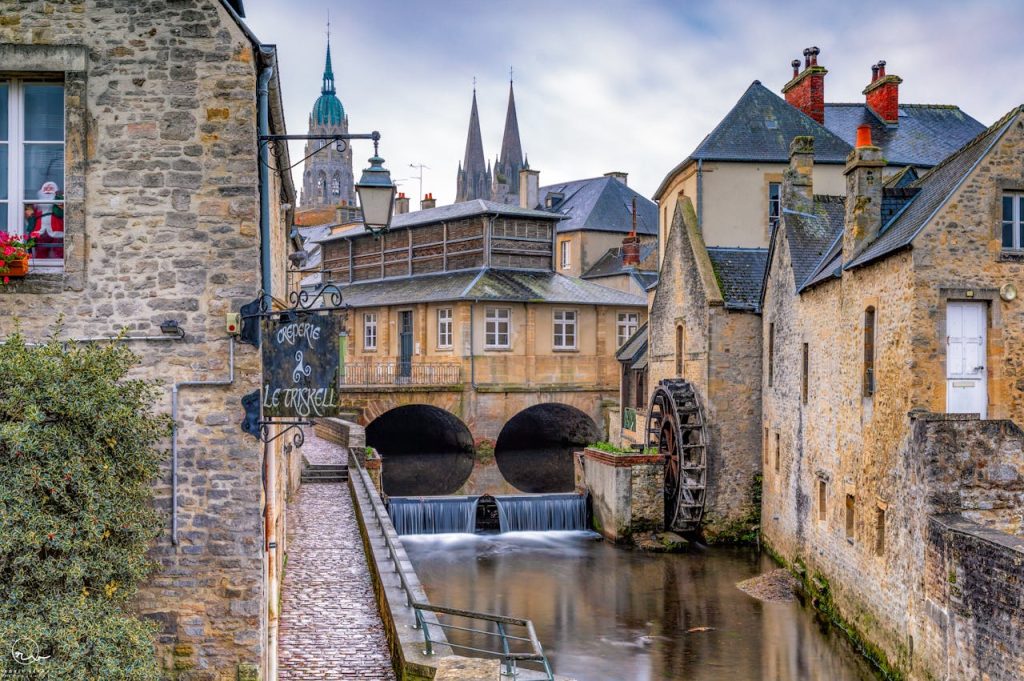
Bayeux’s Norman identity includes generous dishes made from local dairy, seafood, and apples served across restaurants steeped in tradition. Travelers frequent the town for both its cuisine and well-preserved historic sites. Recently, some locals have expressed discomfort with increased tourist traffic that disrupts normal routines. Commentary from residents suggests frustration with cultural misunderstandings attributed to certain international visitors, contributing to a more reserved atmosphere despite Bayeux’s continued commitment to regional culinary excellence.
Menton

Menton’s food reputation stems from its citrus groves, Mediterranean dishes, and cross-border influences from Italy. Local restaurants emphasize bright flavors anchored in fresh produce and seafood. Tourism has expanded significantly, placing pressure on neighborhoods and prompting residents to voice concerns about shifts in everyday life. Some locals express irritation with behaviors they perceive as intrusive, shaping a more cautious attitude toward American travelers while maintaining Menton’s strong culinary identity.
Eguisheim
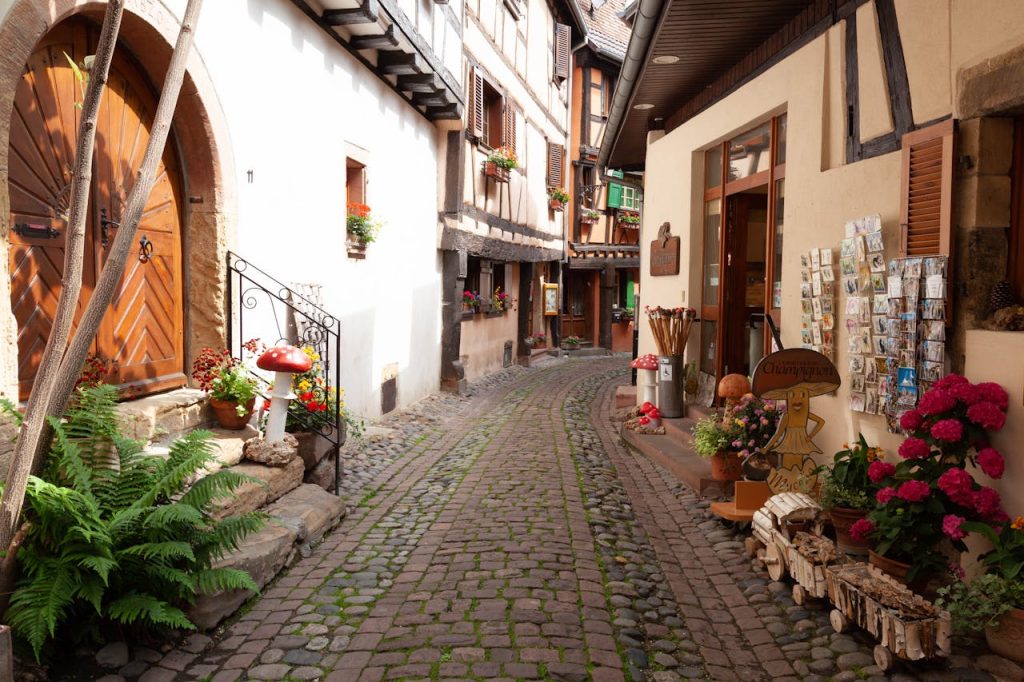
Eguisheim, known for its circular streets and strong wine culture, offers dishes grounded in Alsatian ingredients and family run traditions. Visitors appreciate the intimate scale of cafés and wineries. Growing tourism has intensified space constraints in the historic core, prompting locals to report frustration with crowding and attitudes they deem dismissive of local customs. This shift has created subtle reservations toward American travelers, though the town remains deeply connected to its celebrated food and wine heritage.
Riquewihr
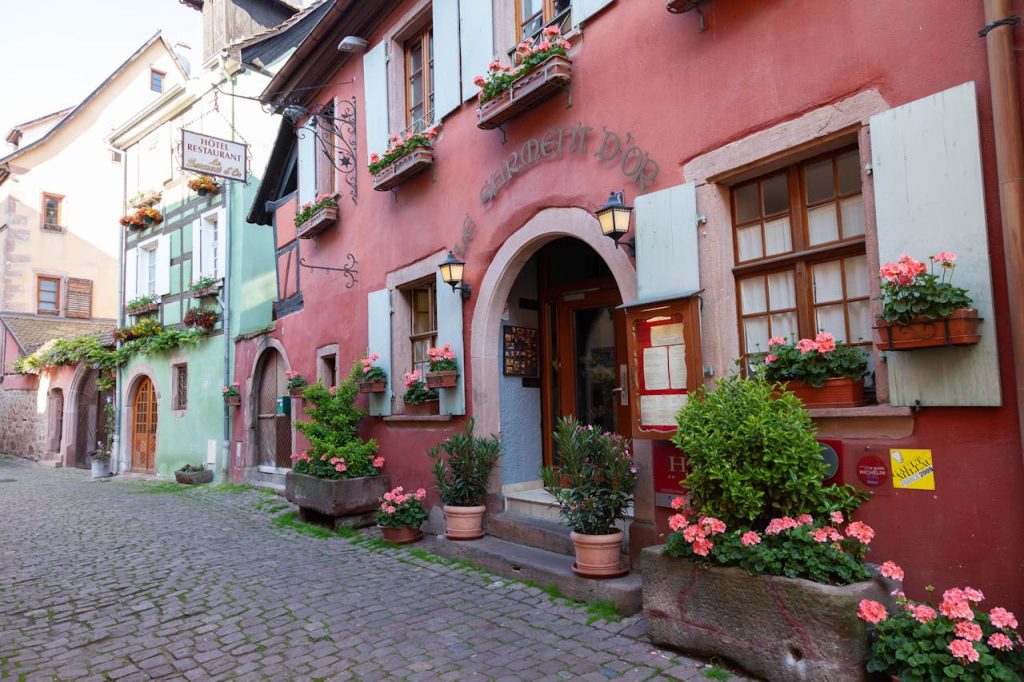
Riquewihr’s preserved medieval architecture pairs with Alsatian food specialties and wine traditions that attract visitors throughout the year. Restaurants highlight dishes tied to local ingredients and generations old techniques. Increasing crowds have contributed to resident fatigue, with some expressing concern about overcommercialization. These sentiments occasionally surface as skepticism toward American tourists, particularly during peak seasons. Even so, the town’s culinary offerings remain rooted in authentic regional practices that continue to define its appeal.
Uzès
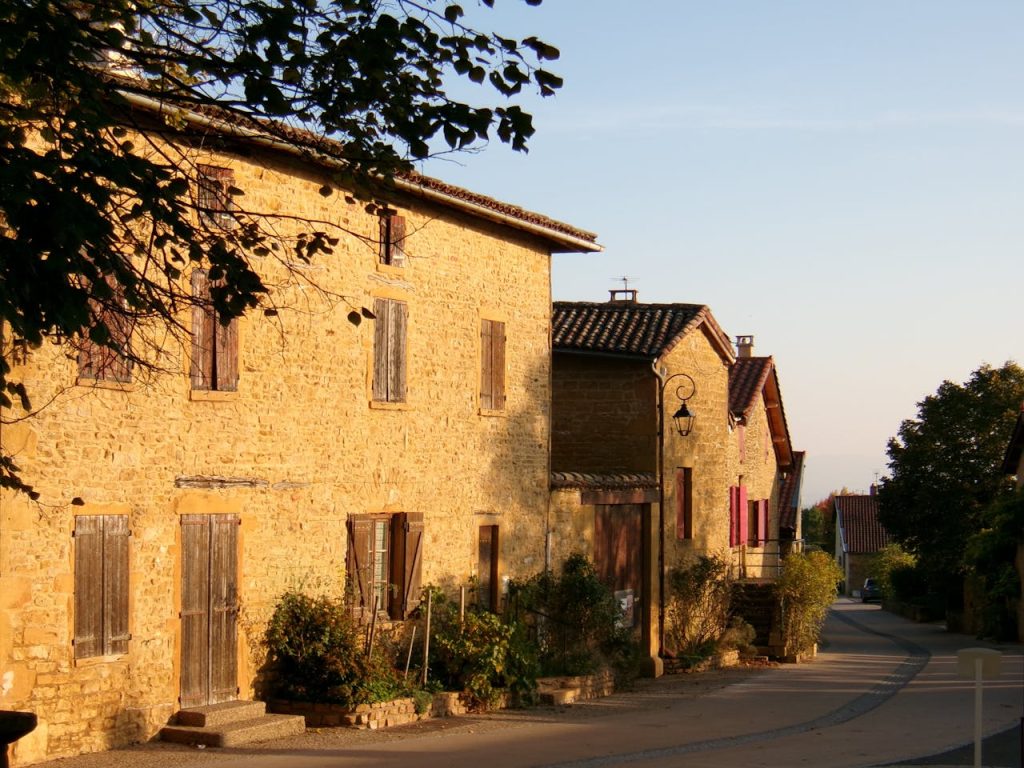
Uzes stands out for its Provençal markets, olive oils, and dishes that celebrate seasonal produce from surrounding farmland. Its charming squares and food forward culture draw steady tourist attention. Many residents have noted increased strain on infrastructure and concerns about crowded public spaces. Some attribute these pressures to rising numbers of international visitors, leading to subtle frustration with American travelers in particular. Despite these tensions, Uzès preserves a strong commitment to regional flavors and traditional preparation styles.
Saint-Jean-de-Luz
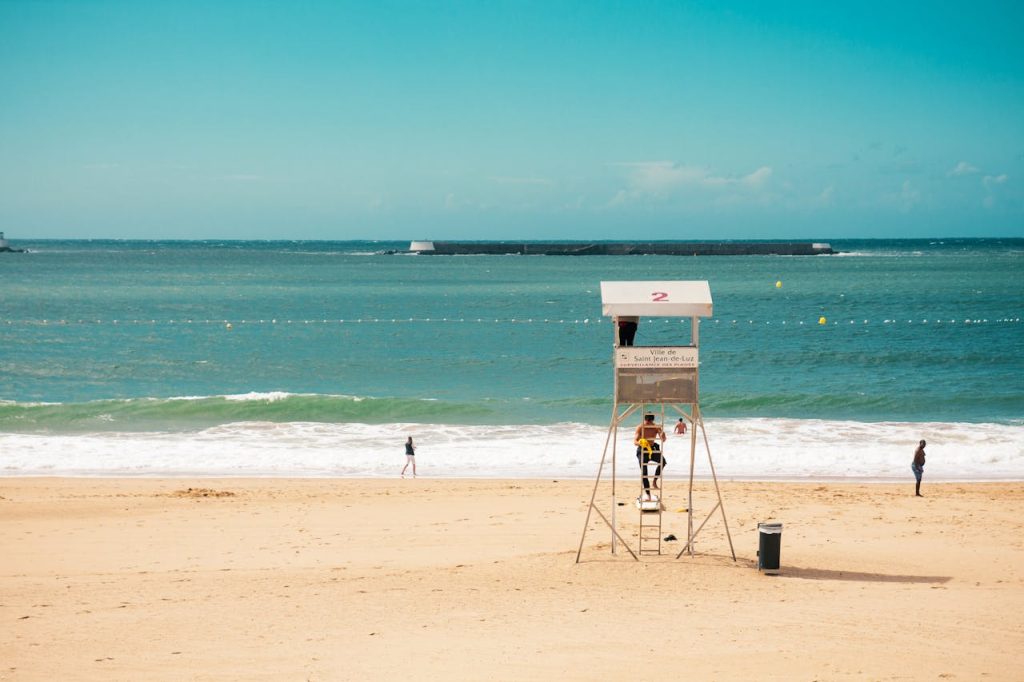
Saint-Jean-de-Luz highlights Basque maritime cuisine featuring fresh seafood, peppers, and distinctive regional spices. Restaurants emphasize local heritage reflected in traditional dishes. Tourism growth has challenged residential areas and prompted concerns about behavior seen as inconsiderate. Locals occasionally voice discomfort with cultural differences that disrupt the town’s rhythm, contributing to a reserved attitude toward American visitors. Nevertheless, the vibrant food culture continues to shape Saint Jean de-Luz’s identity.
Rochefort-en-Terre
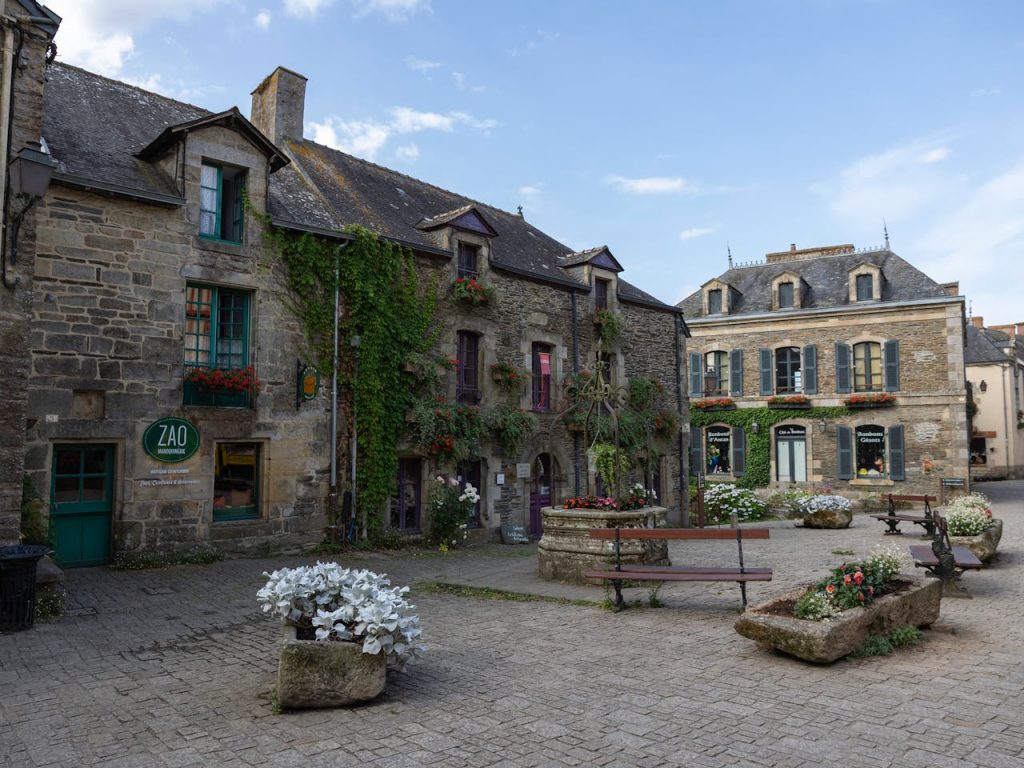
Rochefort-en-Terre blends Breton charm with food traditions rooted in butter-rich pastries, seafood, and farmhouse ingredients. Visitors enjoy cafés that highlight regional specialties. Increased tourism has raised concerns about crowding in the compact historic center, prompting locals to discuss the pressures placed on daily life. Some express irritation with habits they associate with American travelers, shaping a more guarded tone. Even with these challenges, the town remains deeply tied to its culinary foundations.
Pézenas
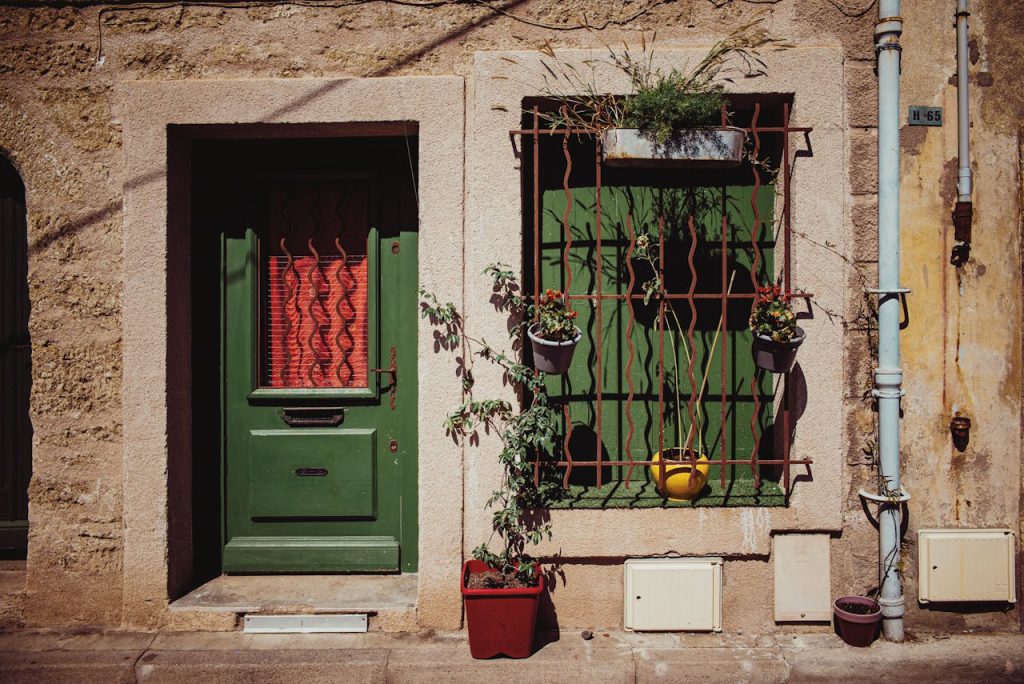
Pézenas reflects the Languedoc region’s mix of Mediterranean flavors, showcasing pastries, local wines, and hearty dishes influenced by surrounding farmland. Travelers visit for the lively markets and preserved historic streets. Resident frustration has grown as tourism intensifies, especially regarding crowd noise and perceived insensitivity to cultural expectations. This shift has resulted in more cautious interactions with American visitors. Still, Pézenas maintains a strong devotion to traditional recipes that define the region’s character.
Vézelay
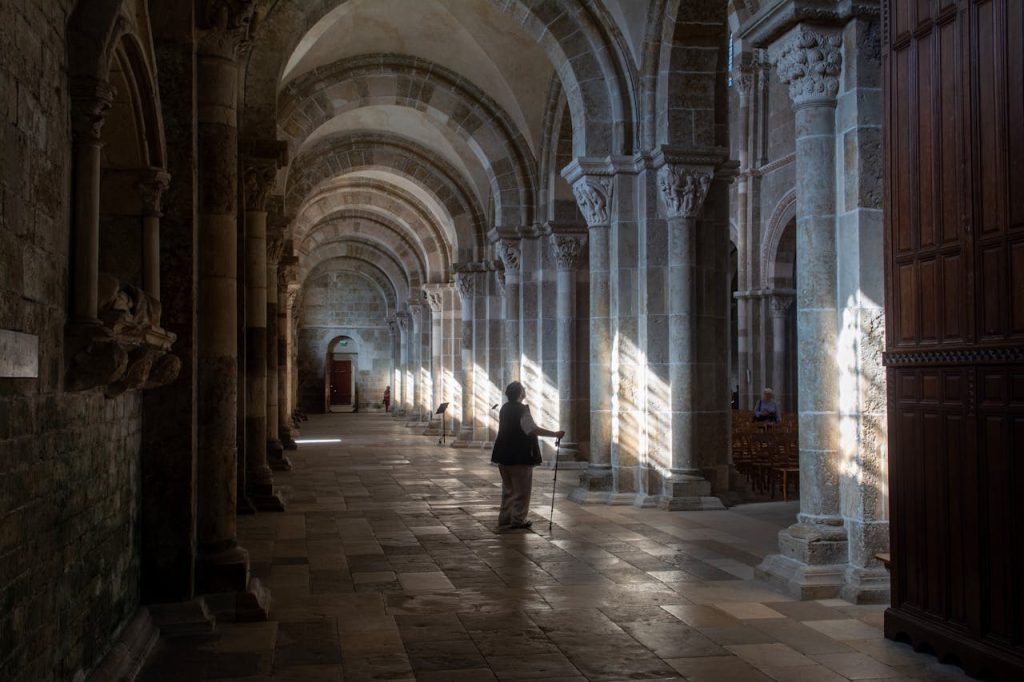
Vézelay pairs spiritual significance with Burgundy food traditions centered on wine, charcuterie, and rustic countryside dishes. Restaurants highlight flavors tied to monastic and rural heritage. Tourism continues to rise, leading locals to discuss strain on walkways, traffic patterns, and cultural etiquette. Some residents express subtle resentment linked to interactions with American travelers, especially during peak months. Despite these dynamics, Vézelay remains firmly rooted in its culinary and historic identity.