17 Hidden Landmarks Across America Worth the Journey
Across the United States, some of the most compelling destinations aren’t the headline-grabbing monuments or heavily photographed icons but the quietly significant places tucked into remote valleys, obscure state parks, and sparsely visited coasts. These landmarks often reveal the country’s lesser-known layers, from historic engineering feats and geological wonders to cultural sites preserved by small communities. Because they sit beyond major tourist corridors, visiting them requires intention and curiosity, yet the reward is the richer understanding that comes from standing somewhere shaped more by time than tourism. Exploring these hidden landmarks offers a different kind of travel experience; one grounded in context, discovery, and the satisfaction of reaching places that have remained somewhat untouched. They invite travelers to slow down, look closer, and feel the depth of the country’s diverse landscapes and histories.
1. The Sheldon Church Ruins, South Carolina
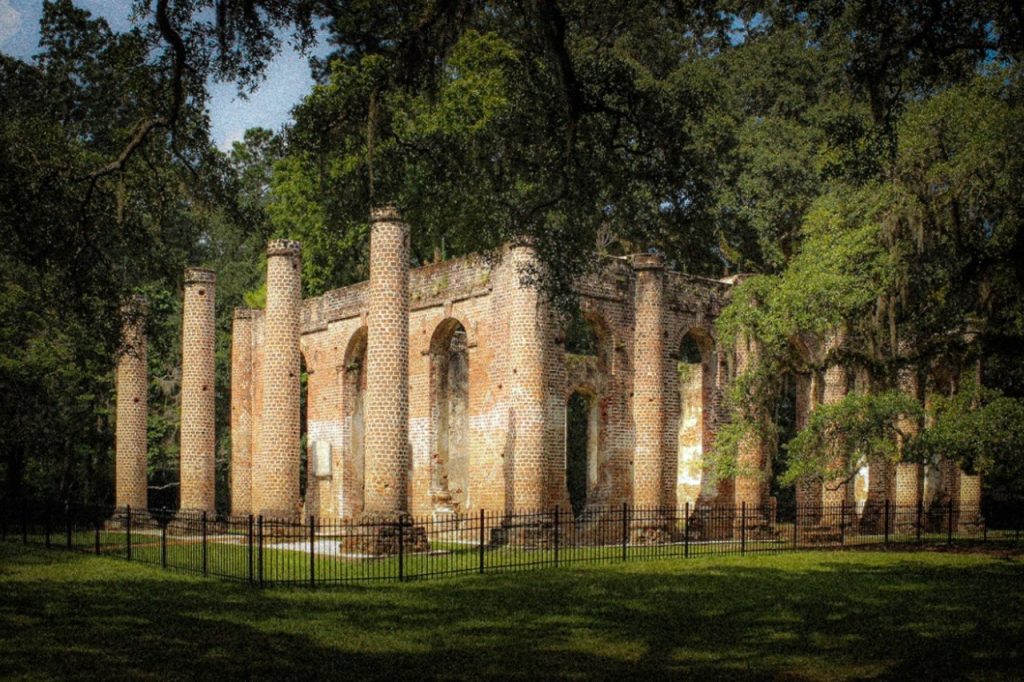
Deep in the woods outside Beaufort, the Sheldon Church Ruins stand as a haunting reminder of the earliest chapters of American colonial history. The surviving brick columns and silent archways remain sturdy despite fire, war, and centuries of weather, and walking the grounds reveals how the structure’s shape still outlines what was once one of the Lowcountry’s most impressive parish churches. Visitors often find the site empty except for the rustle of oak branches, creating an atmosphere that encourages quiet reflection on the generations who gathered here before modern development reshaped the region. The ruins’ remoteness keeps them from being overwhelmed by tourism, allowing travelers to appreciate the textures of the masonry and the serenity of the surrounding forest without interruption.
2. Chiricahua National Monument’s “Wonderland of Rocks,” Arizona
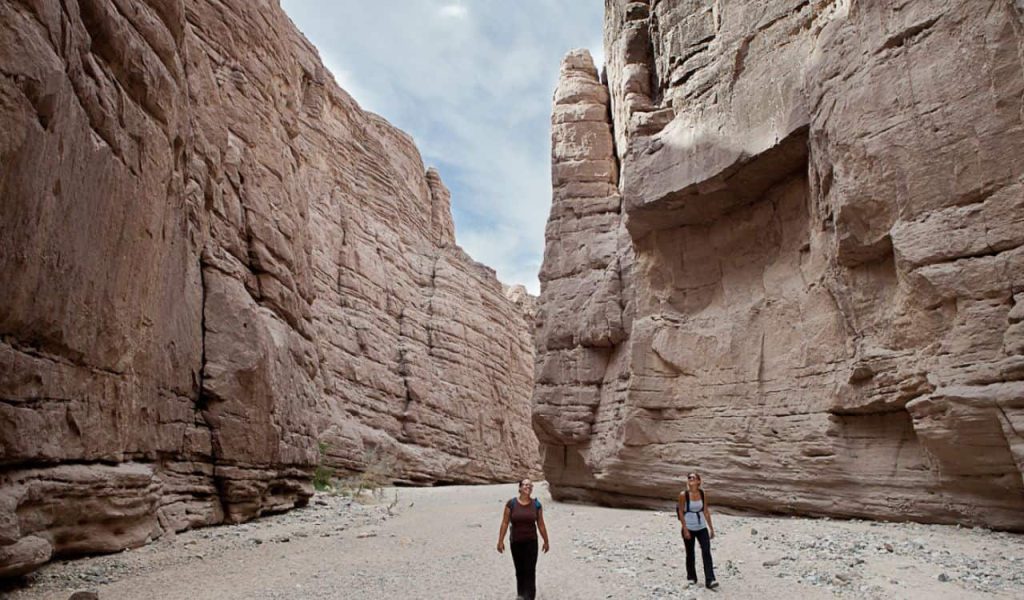
Located in southeastern Arizona’s high desert, the Chiricahua range hides an astonishing maze of towering hoodoos and balanced boulders created through millions of years of volcanic activity and erosion. The trails weave through narrow canyons and stone passages where shifting light reveals new colors in the rhyolite walls, making each viewpoint feel distinct and unexpectedly dramatic. Because the monument sits far from major cities, visitors often find the quiet rewarding as they explore the sculpted formations once traveled by the Chiricahua Apache. The landscape feels both ancient and dynamic, and its scale becomes clearer with every mile hiked deeper into the rock labyrinth. This sense of immersive geology turns the site into a hidden landmark that rewards the journey with perspectives found nowhere else in the Southwest.
3. Prairie Creek Redwoods’ Fern Canyon, California
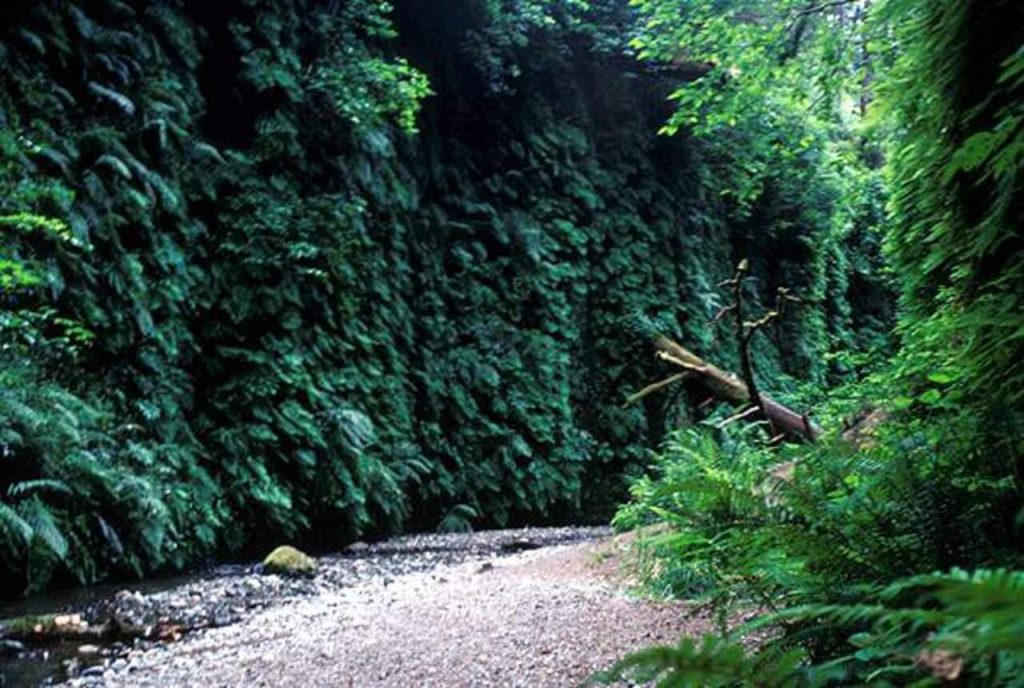
Fern Canyon is one of Northern California’s most enchanting natural corridors, where vertical walls draped in species of delicate, prehistoric ferns enclose a narrow streambed. The walk requires stepping across shallow water and driftwood bridges, which enhances the sense of entering a rare, living ecosystem preserved in a coastal rainforest far from urban distractions. The canyon’s isolation inside Prairie Creek Redwoods State Park keeps it quieter than many other redwood destinations, giving visitors time to notice the cool moisture in the air, the layered green textures along the walls, and the subtle shifts in sunlight that illuminate the ferns. This deeply immersive atmosphere makes Fern Canyon feel like a secluded natural sanctuary that remains surprising even to travelers familiar with California’s forests.
4. The International Car Forest of the Last Church, Nevada
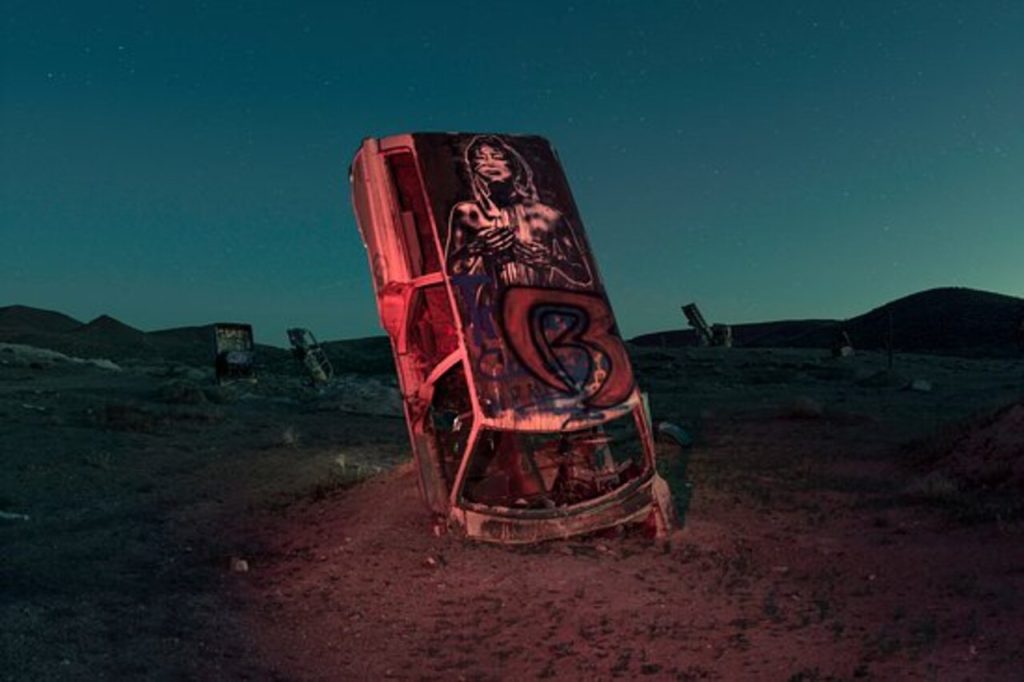
On the edge of Goldfield, Nevada, an open desert expanse transforms into an unexpected outdoor art installation where dozens of cars, trucks, and buses are embedded upright in the earth or stacked in vivid arrangements. Painted with murals, tags, and layered textures that evolve over time, the vehicles create a surreal silhouette against the sky that invites exploration from every angle. Because the site is remote and unregulated, visitors can wander freely, observing how the artwork shifts with light, weather, and the contributions of new artists. The combination of abandoned machinery, creative expression, and open desert silence gives the landmark a raw, experimental quality. Travelers who make the journey often find that this unconventional site reveals a compelling narrative about frontier towns, reinvention, and the persistence of creativity in unexpected spaces.
5. Judaculla Rock, North Carolina
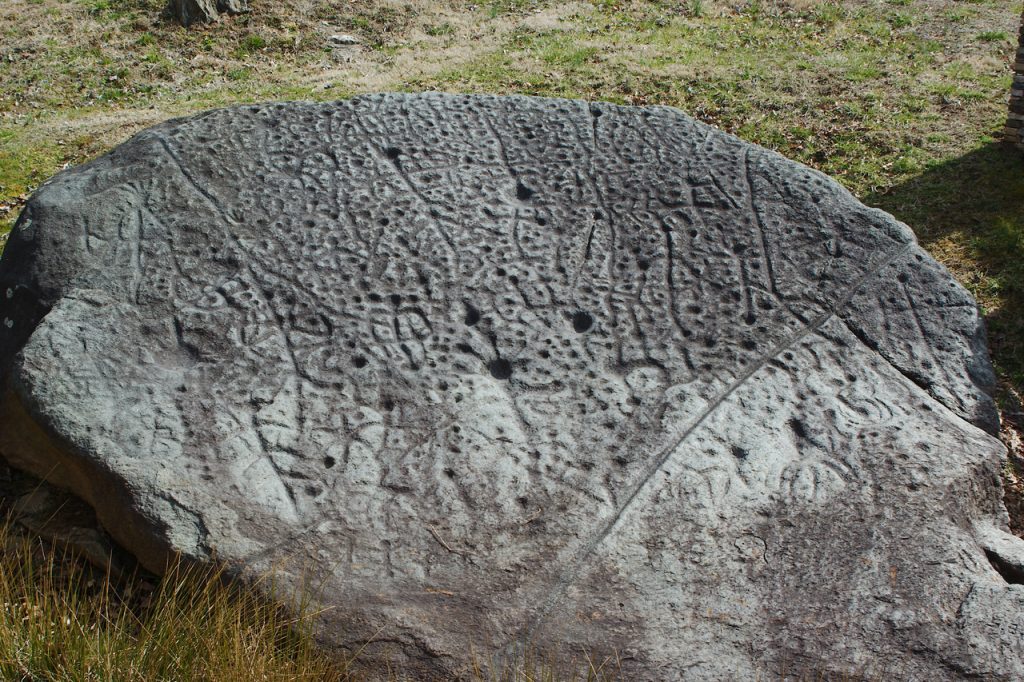
In the quiet hills near Cullowhee sits Judaculla Rock, a massive soapstone boulder covered with thousands of years of petroglyphs carved by Indigenous peoples. The markings: spirals, grooves, figures, and symbols still puzzle researchers, and standing before them highlights the depth of human history in the Appalachian region long before European settlement. The site, maintained by local caretakers, encourages visitors to appreciate the cultural significance of the carvings while protecting the rock from damage. Because it remains relatively unknown to mainstream tourism, travelers can spend time absorbing the details of the inscriptions and the surrounding pastoral landscape. The landmark serves as a quiet testament to the region’s enduring heritage and the stories that continue to be explored through careful study and respect for ancestral traditions.
6. The Garden of One Thousand Buddhas, Montana
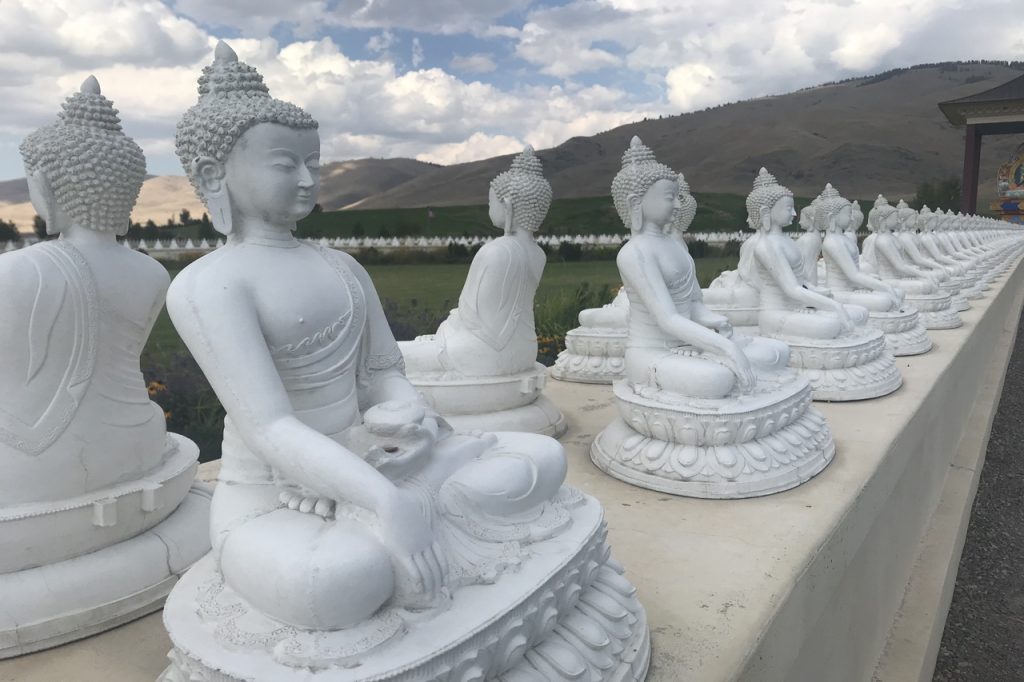
Nestled in Montana’s Jocko Valley, the Garden of One Thousand Buddhas is a peaceful spiritual site arranged in a mandala pattern with meticulously placed statues radiating outward from a central figure. Surrounded by mountains, the garden creates a tranquil environment where visitors can walk the circular pathways and pause among sculptures that symbolize compassion and wisdom. The remote location contributes to the site’s calm atmosphere, letting travelers absorb the landscape and its careful design without the hurried pace common in larger cultural destinations. This blend of natural beauty and spiritual intention makes the garden a meaningful landmark for reflection, community events, and cross-cultural learning. Those who reach it often describe the space as a rare intersection of art, nature, and serenity in the American West.
7. The Ice Caves at Minnehaha Falls, Minnesota
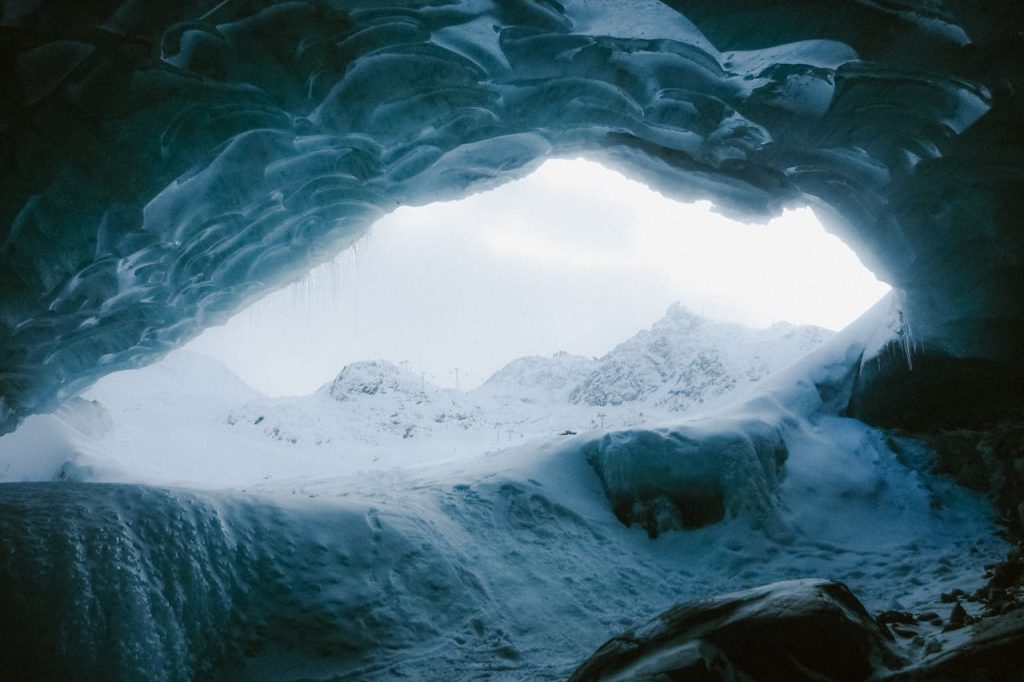
During winter, the flowing curtain of Minnehaha Falls freezes into layered sheets of ice that form hidden caves behind the waterfall’s drop-off. The icy alcoves shift in color from pale blue to frosted white as temperatures change, creating an otherworldly environment accessible only during the coldest months. Visitors willing to brave the seasonal conditions can walk carefully along the frozen edges to glimpse the cavern-like formations and hear the muffled cracks of ice settling around them. Because the phenomenon is fleeting and weather-dependent, fewer travelers experience it, preserving the sense of discovery. The temporary nature of the ice caves adds depth to the landmark’s appeal, emphasizing how seasonal cycles shape the region’s natural character beyond the well-known summer park scenery.
8. Ave Maria Grotto, Alabama
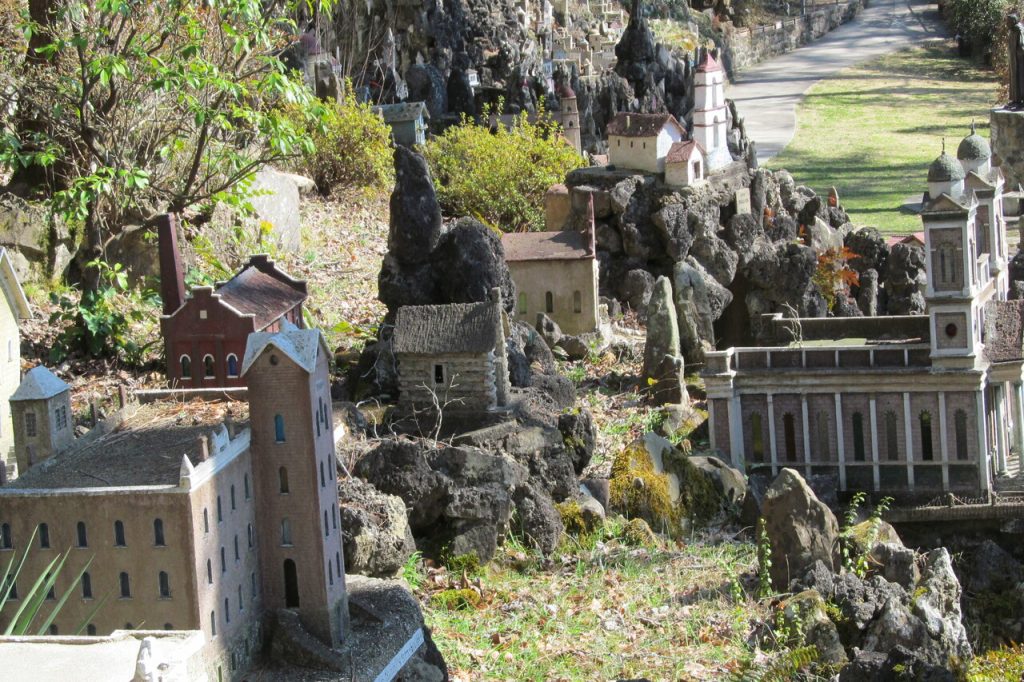
Located on the grounds of St. Bernard Abbey, the Ave Maria Grotto contains over a hundred miniature stone and concrete structures handmade by Brother Joseph Zoettl over decades of dedicated work. These detailed replicas of famous religious and historic buildings sit along a peaceful hillside path, each revealing the artist’s meticulous craftsmanship and imaginative flair. Visitors can stroll slowly through the shaded walkways to appreciate how the small-scale buildings reflect both global architecture and personal devotion. Because the grotto remains somewhat off the tourist radar, the experience feels contemplative rather than crowded, allowing time to observe the textures, colors, and stories embedded in each piece. This thoughtful atmosphere helps the landmark stand out as a unique blend of artistry, spirituality, and quiet creativity.
9. White Sands Lake Lucero, New Mexico
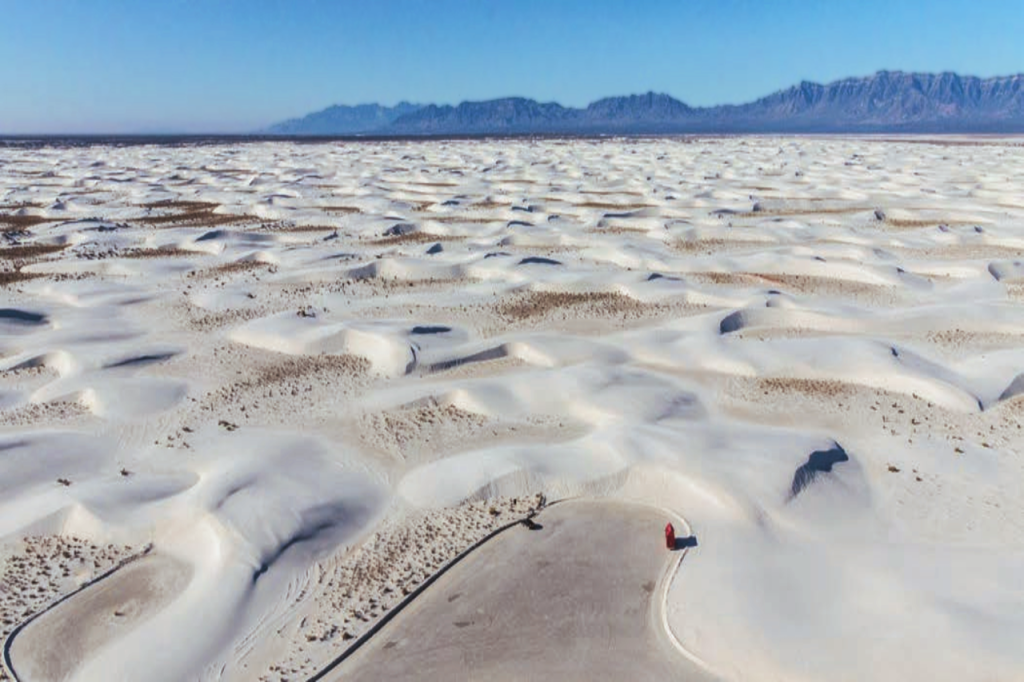
While White Sands National Park is known for its sweeping gypsum dunes, the lesser-known Lake Lucero area reveals the geological origins behind the landscape. Accessed only on guided tours, the dry lakebed contains crystalline formations of selenite that break down into the gypsum particles that form the dunes. Walking across this stark, shimmering terrain offers insight into the ancient cycles of evaporation and sedimentation that shaped the region. Because entry is limited, visitors experience a calm and educational environment that highlights the scientific importance of the landmark without overwhelming foot traffic. The vast, reflective surface of the lakebed combined with the surrounding desert scenery creates an unforgettable perspective on the natural processes that continue to sculpt the park today.
10. Mendenhall Glacier’s Ice Caves, Alaska
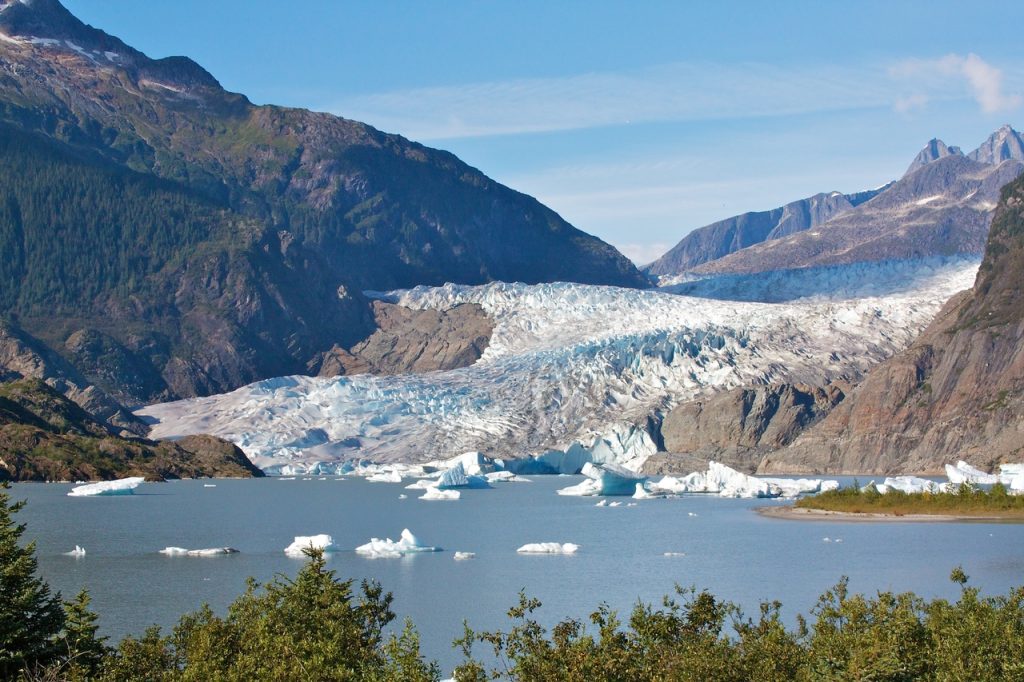
Hidden beneath Juneau’s Mendenhall Glacier are ice tunnels that glow in shades of deep blue due to the dense, compacted ice overhead. These caves shift constantly as the glacier moves, making them accessible only under safe conditions and often for limited periods. Travelers who reach them typically do so through guided treks that emphasize caution and respect for the fragile environment. Inside, the smooth, translucent walls curve around natural pathways shaped by meltwater, creating a surreal atmosphere that contrasts sharply with the rugged terrain above. Because these caves are difficult to access and ever-changing, they remain a rare and intriguing landmark for those seeking a deeper understanding of Alaska’s glacial landscapes and the natural forces that reshape them each year.
11. The Sunken Gardens, Nebraska
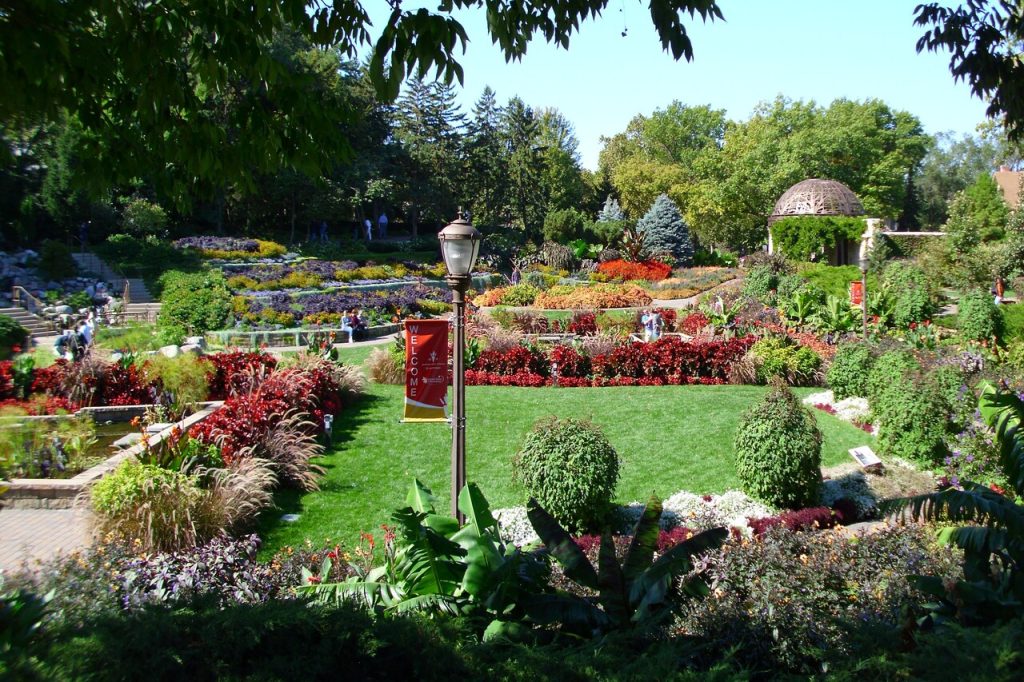
Located in Lincoln, the Sunken Gardens offer a peaceful botanical escape shaped by terraced flower beds, stone pathways, and water features designed to create distinct seasonal displays. Originally built during the 1930s, the gardens continue to evolve through community involvement and thoughtful horticultural planning. Visitors can wander the lower and upper levels to appreciate how different vantage points reveal color patterns, plant textures, and landscaping details that shift throughout the year. Despite being within a city, the gardens remain somewhat overlooked, giving them a tranquil atmosphere ideal for unhurried exploration. Their blend of historic craftsmanship and ongoing stewardship makes the space a quietly impressive landmark that highlights the value of preserved green spaces in urban environments.
12. Washington’s Palouse Falls
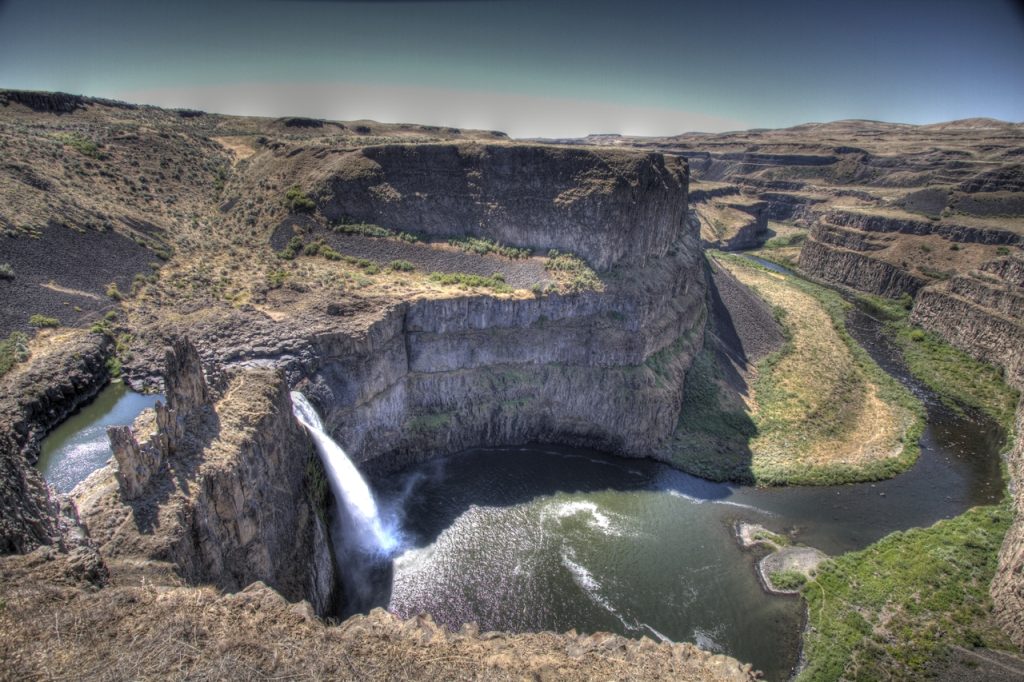
Palouse Falls plunges dramatically into a basalt canyon carved by ancient floods, yet its out-of-the-way location keeps it far less visited than other major U.S. waterfalls. Travelers who make the drive across Washington’s rolling Palouse region eventually arrive at a viewpoint where the contrast between farmland and rugged cliffs becomes striking. The surrounding landscape reveals layers of geological history, offering context for how powerful Ice Age forces shaped the terrain. Visitors can walk along designated paths to observe the waterfall from different angles while listening to the echoing roar below. Because the area remains relatively undeveloped, the experience feels closer to encountering a natural wonder on its own terms rather than through heavy tourist infrastructure.
13. Old Cahawba Archaeological Park, Alabama
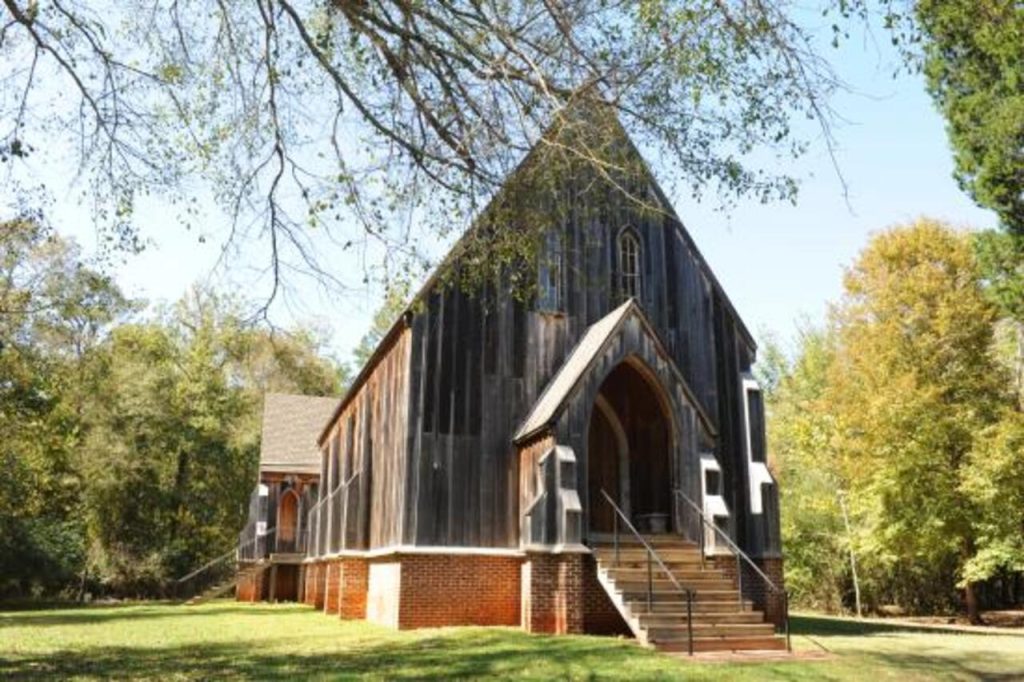
Old Cahawba, Alabama’s first state capital, now exists as a quiet archaeological site where foundations, brick remnants, and scattered artifacts hint at a once-thriving community. Visitors can explore the grounds by foot or bike, following interpretive signs that trace stories of early settlers, the Civil War era, and later African American communities who shaped the area after emancipation. The wide-open fields and tree-lined paths create an atmosphere of reflection as the silence underscores how history faded into the landscape. Because the site sits far from major highways, it remains a destination for those who value historical depth over crowds. The park allows travelers to understand how natural forces and shifting populations transformed the location from a bustling capital into a serene, memory-rich landmark.
14. The Musical Highway, New Mexico

Along a short stretch of Route 66 near Tijeras, grooves carved into the pavement create a melodic tune when driven over at the correct speed. The roadside feature merges engineering, acoustic science, and nostalgic highway culture into an unexpected sensory experience. Drivers who travel the route at the recommended pace hear a clear musical sequence that turns an otherwise ordinary road into a playful landmark. Because the highway sits outside major tourist zones, many visitors encounter it only after learning about its existence through local recommendations or road-trip research. This understated attraction adds an element of discovery to the journey, illustrating how small innovations can transform everyday infrastructure into memorable moments for travelers.
15. The Swett Ranch Historic District, Utah
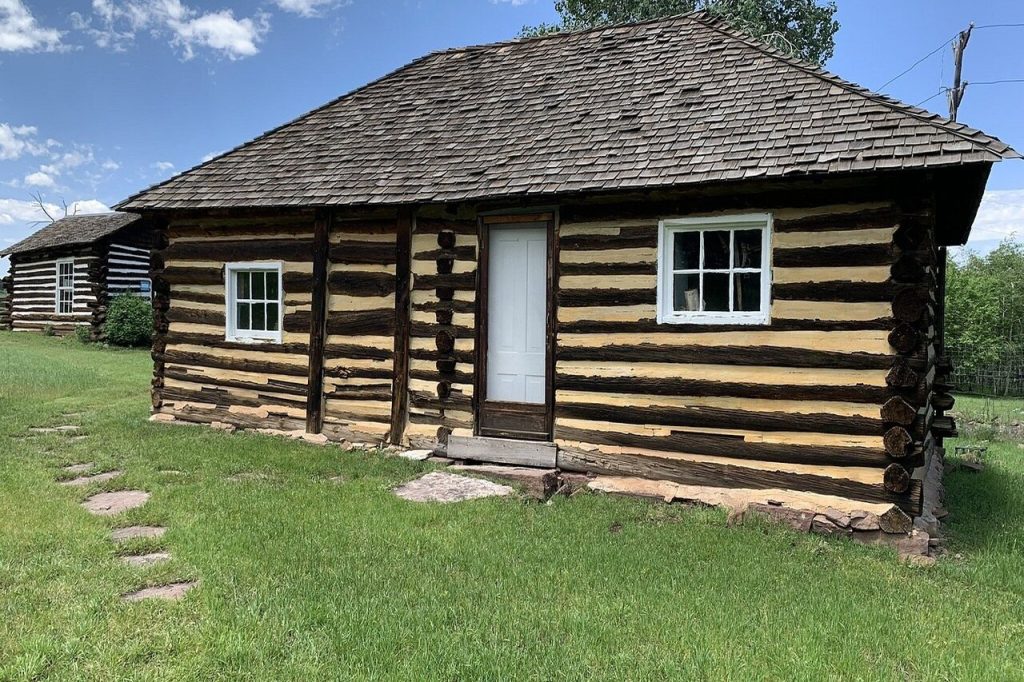
In the remote Uinta Mountains, the Swett Ranch preserves mid-20th-century homestead buildings that remain largely unchanged since the last family members left. Visitors can walk through original cabins, barns, and equipment sheds that reveal the resourcefulness required to live and ranch in such an isolated region. The surrounding forest and open meadows enhance the sense of stepping back into a quieter era, and interpretive signs help explain the daily routines and seasonal challenges faced by the Swett family. The absence of crowds allows travelers to appreciate subtle details like hand-hewn logs, preserved tools, and carefully maintained artifacts. This authentic environment highlights the endurance and craftsmanship of early ranching families who shaped Utah’s high-country heritage.
16. Winchester Mystery House’s Back Gardens, California

While the Winchester Mystery House is well-known for its maze-like interior, the less-visited back gardens provide a calmer, more reflective look at the estate’s history. These landscaped areas feature winding paths, sculpted shrubs, and outdoor architectural elements that reveal how the property evolved beyond its famously unusual rooms. Visitors who take time to walk the gardens often discover historical context about Sarah Winchester’s life, the era’s horticultural trends, and the careful restoration efforts that continue today. Because most guests focus on the interior tours, the gardens remain a semi-hidden landmark that rewards slower, more detailed exploration. Their quiet atmosphere contrasts meaningfully with the mansion’s complexity, offering a fuller understanding of the estate’s design.
17. The Medicine Wheel, Wyoming
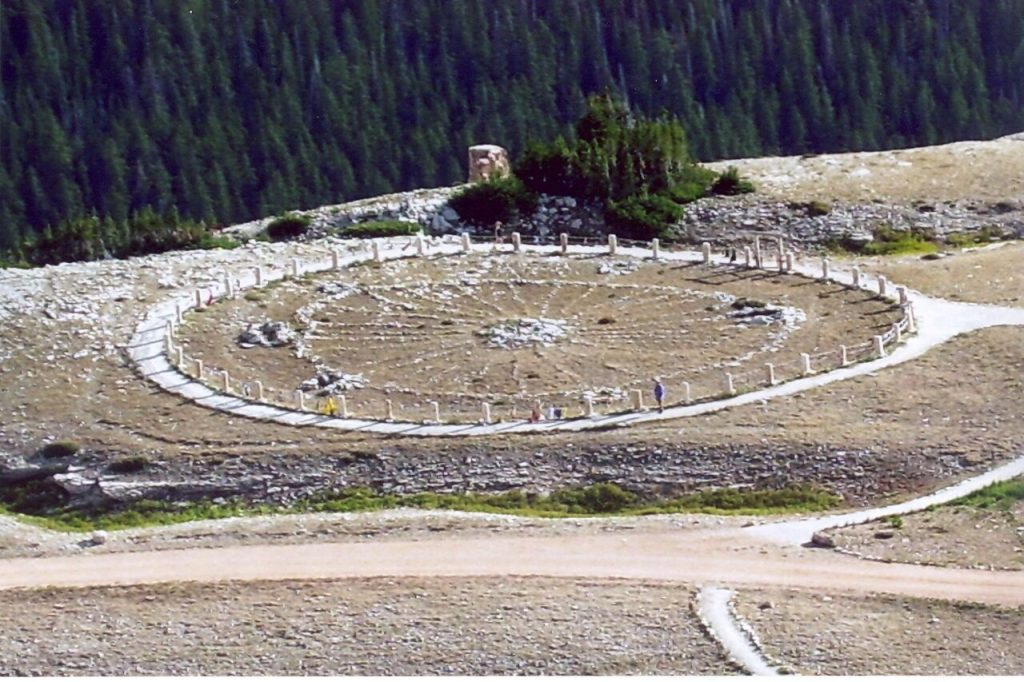
High atop the Bighorn Mountains lies the Medicine Wheel, a centuries-old Indigenous sacred site arranged with stones radiating outward from a central hub. Reaching it requires a walk along a high-elevation path where sweeping views of the surrounding range create a sense of entering a place shaped by history and spirituality. Visitors approach respectfully, recognizing the wheel’s cultural importance and the traditions it represents to Native peoples of the region. Because of its remote setting and limited season of accessibility, the landmark retains an atmosphere of quiet reverence. The combination of ancient design, scenic alpine environment, and cultural significance makes the Medicine Wheel a profound destination for travelers seeking deeper connection with the land’s longstanding heritage.