18 Cities That Reinvented Themselves for Modern Travelers

Many American cities have reshaped their identities by blending historic character with modern attractions that appeal to travelers seeking fresh experiences. Each destination highlights cultural growth, restored districts, and public spaces designed to encourage exploration at a comfortable pace. This approach creates a balance between preservation and innovation that reflects local pride while adapting to contemporary interests. These cities now offer engaging neighborhoods, scenic paths, and revitalized landmarks that showcase their evolving stories.
Pittsburgh, Pennsylvania
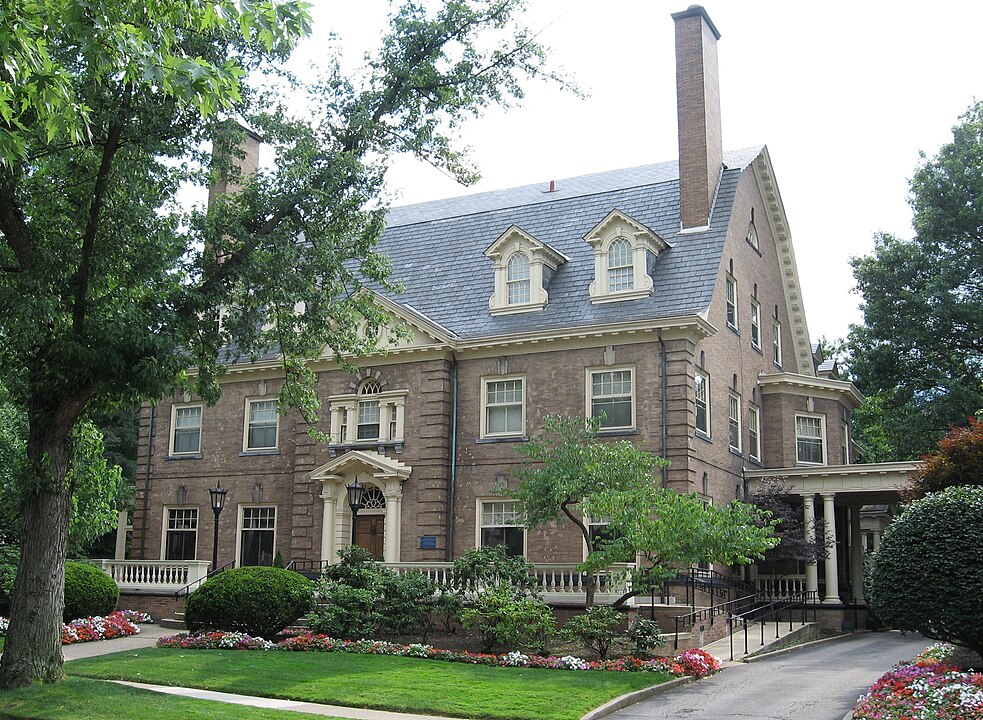
Pittsburgh has transitioned from an industrial hub into a city focused on green spaces, cultural districts, and modern design. Redeveloped riverfronts connect scenic paths and new public gathering areas with restored warehouses now serving as galleries and cafés. Local museums highlight both art and innovation while honoring the city’s steelmaking past. The overall transformation blends heritage with creativity in a way that appeals to a wide range of travelers.
Richmond, Virginia
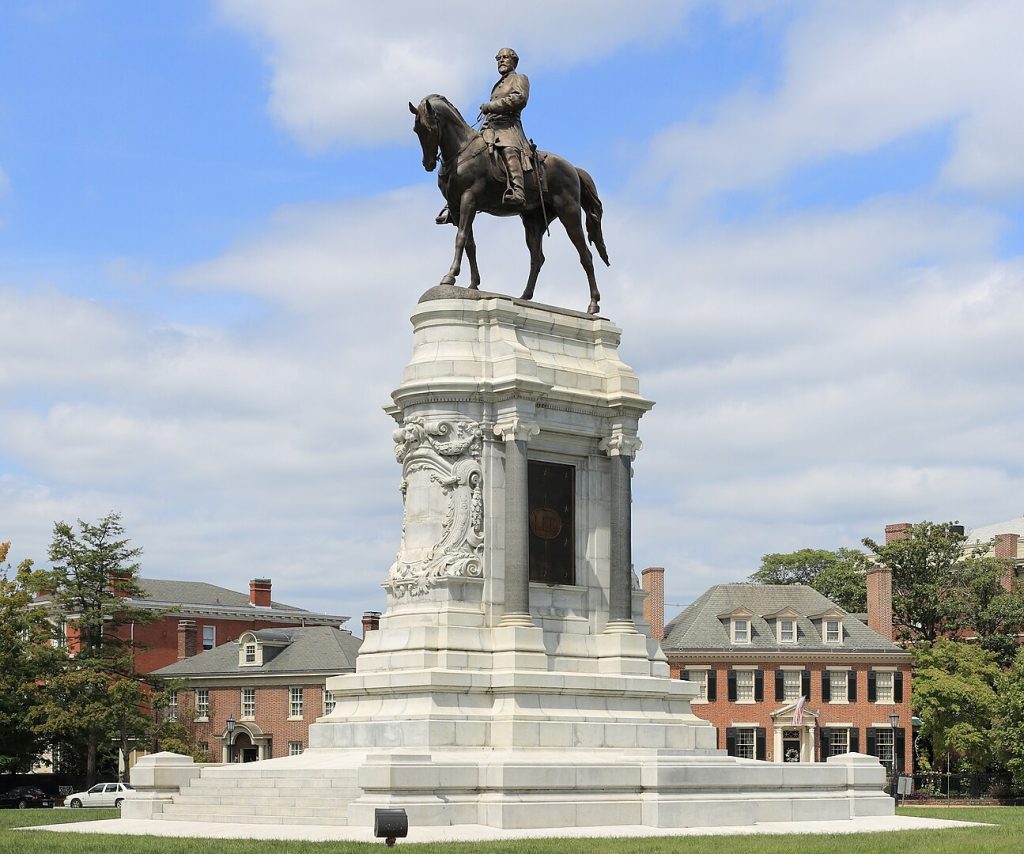
Richmond has embraced its history while investing heavily in arts, dining, and outdoor recreation that shape a lively atmosphere. Restored warehouses form a cultural corridor filled with studios and independent businesses that highlight local talent. The James River provides a natural retreat with biking paths, scenic overlooks, and easy access from downtown. Richmond’s evolution reflects a thoughtful mix of preserved landmarks and new experiences designed to enhance urban exploration.
Tulsa, Oklahoma
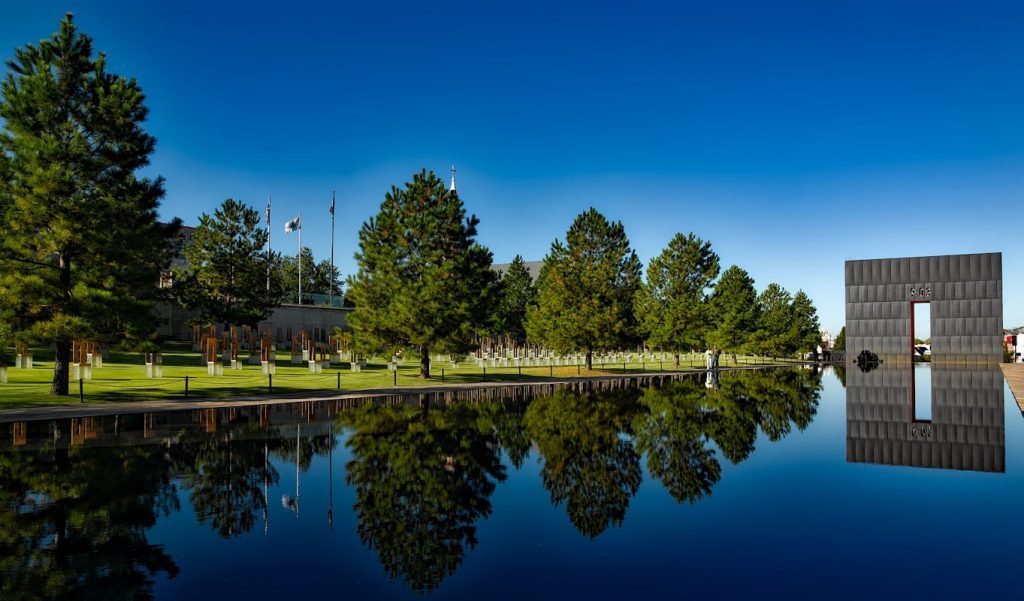
Tulsa’s revitalization includes restored Art Deco buildings, updated entertainment districts, and a growing arts scene that energizes the city. The Gathering Place, a large riverfront park, serves as a central attraction that brings recreation and community events together. Creative neighborhoods feature galleries, live music, and small cafés that highlight Tulsa’s emerging identity. Investment in public spaces and cultural development continues to shape Tulsa as a modern travel destination.
Greenville, South Carolina
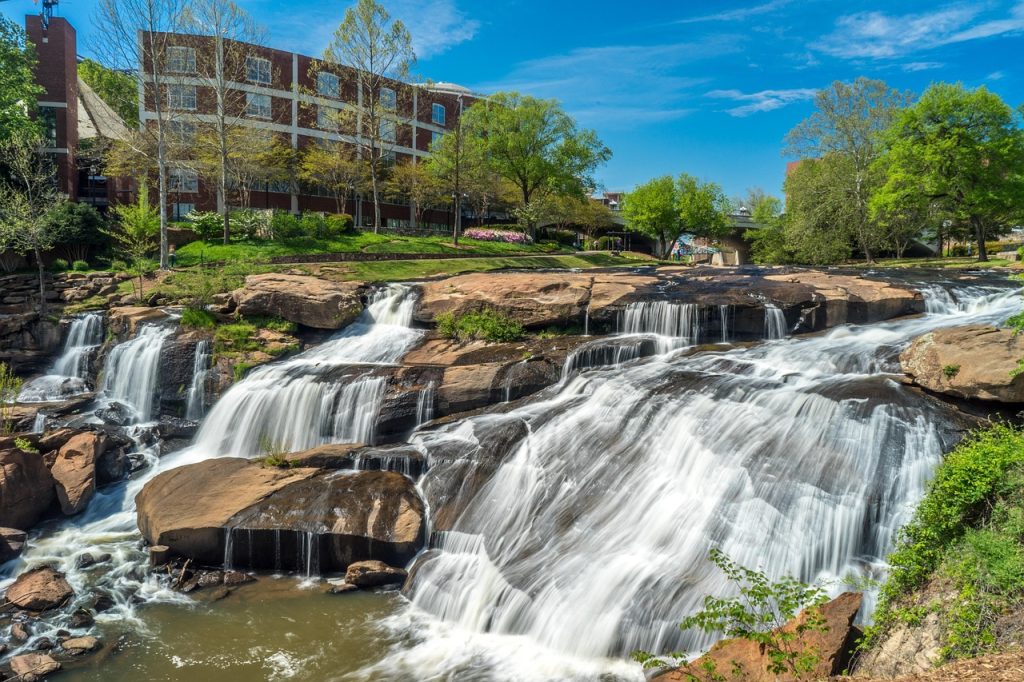
Greenville has transformed its downtown into a walkable area filled with tree-lined sidewalks, local restaurants, and boutique shops. The restored Reedy River Falls area now features a pedestrian bridge and park spaces that draw visitors throughout the year. Public art installations and community events foster a friendly, vibrant environment. Greenville’s commitment to accessibility and scenic design has helped it grow into a standout Southern destination.
Detroit, Michigan
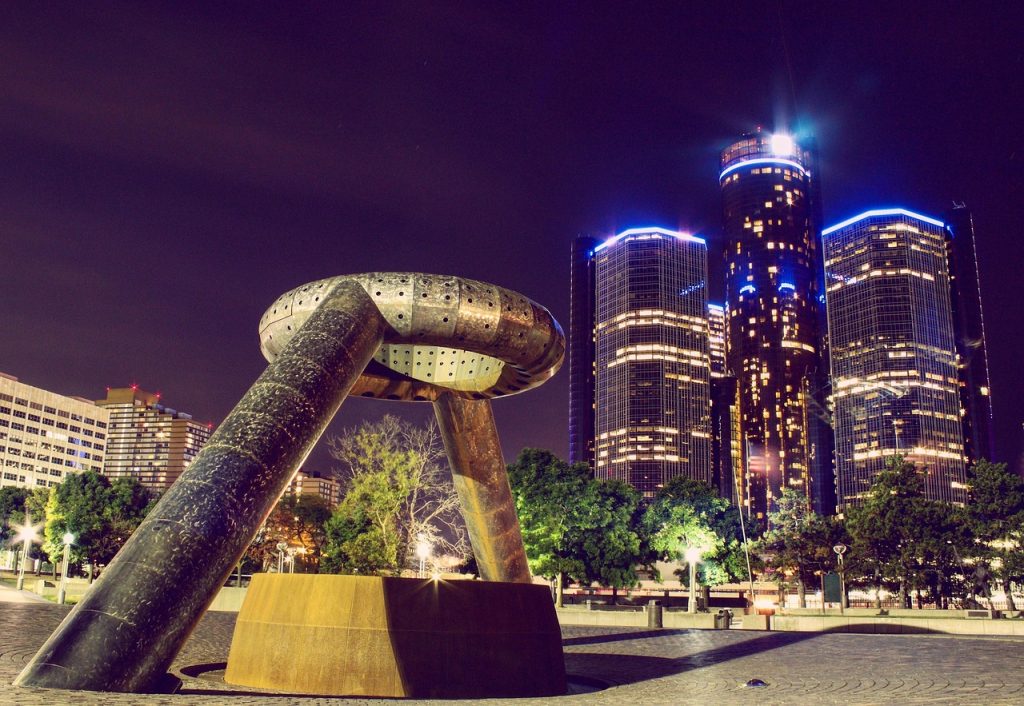
Detroit’s resurgence includes renovated landmarks, a renewed riverfront, and a growing number of creative businesses that reshape its identity. Local entrepreneurs have brought new life to neighborhoods through cafés, markets, and cultural spaces. Riverwalk improvements provide bike paths, green spaces, and expansive waterfront views. The city’s revitalization honors its automotive legacy while creating fresh opportunities for modern exploration.
Boise, Idaho
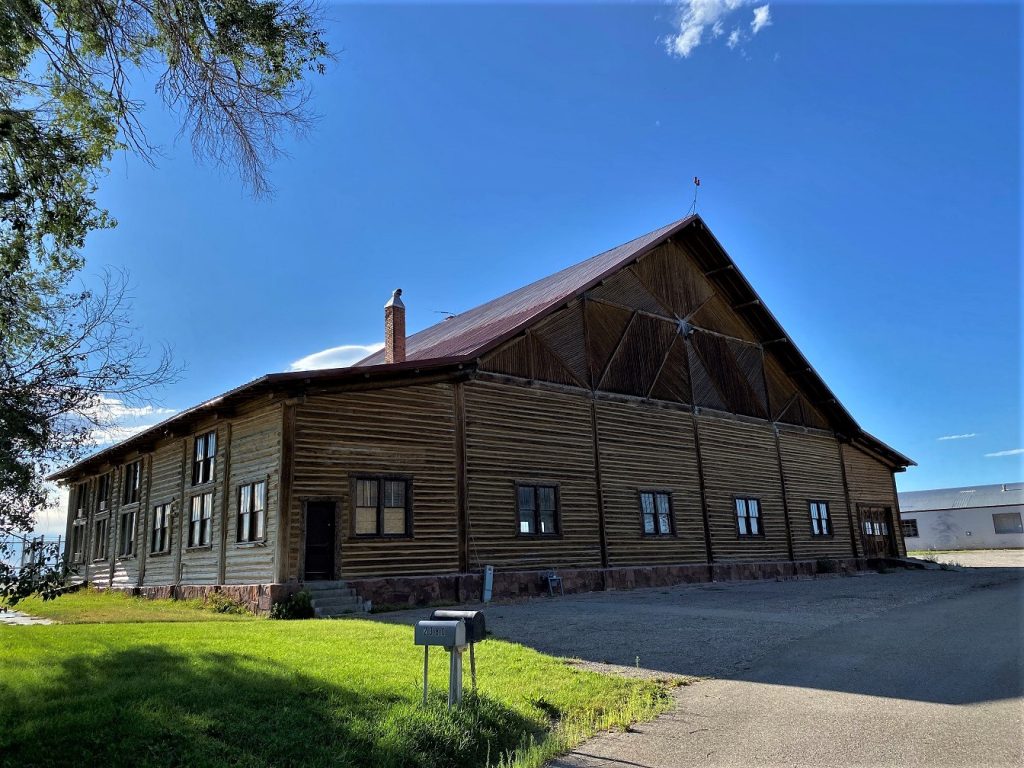
Boise continues to evolve with a thriving downtown that highlights outdoor accessibility, local cuisine, and community gatherings. The Boise River Greenbelt connects parks, neighborhoods, and scenic viewpoints along a gentle urban trail. New restaurants and creative markets contribute to the city’s youthful atmosphere. Boise’s combination of natural beauty and modern development has made it an inviting destination for travelers.
Cleveland, Ohio
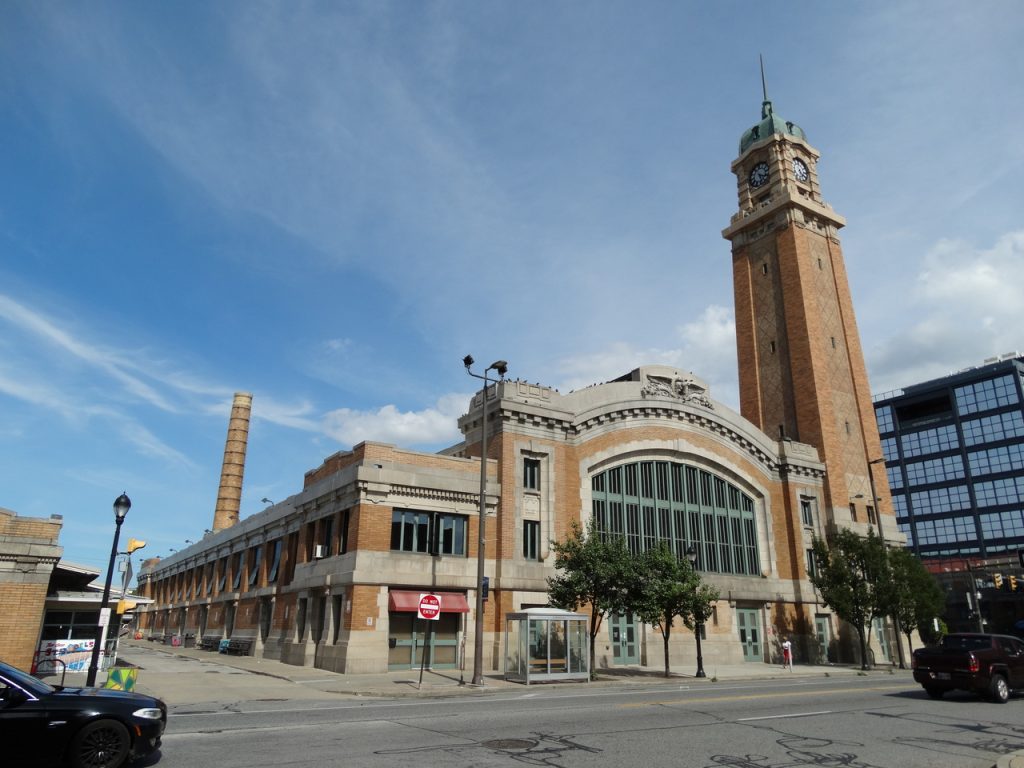
Cleveland has revitalized its lakefront and cultural institutions with updated museums, theaters, and entertainment districts. The city’s public market and renovated historic buildings add character to walkable neighborhoods. Waterfront parks offer open green spaces and proximity to Lake Erie’s expansive views. Cleveland’s blend of restored architecture and new development reflects a city embracing change while maintaining strong ties to its past.
Sacramento, California
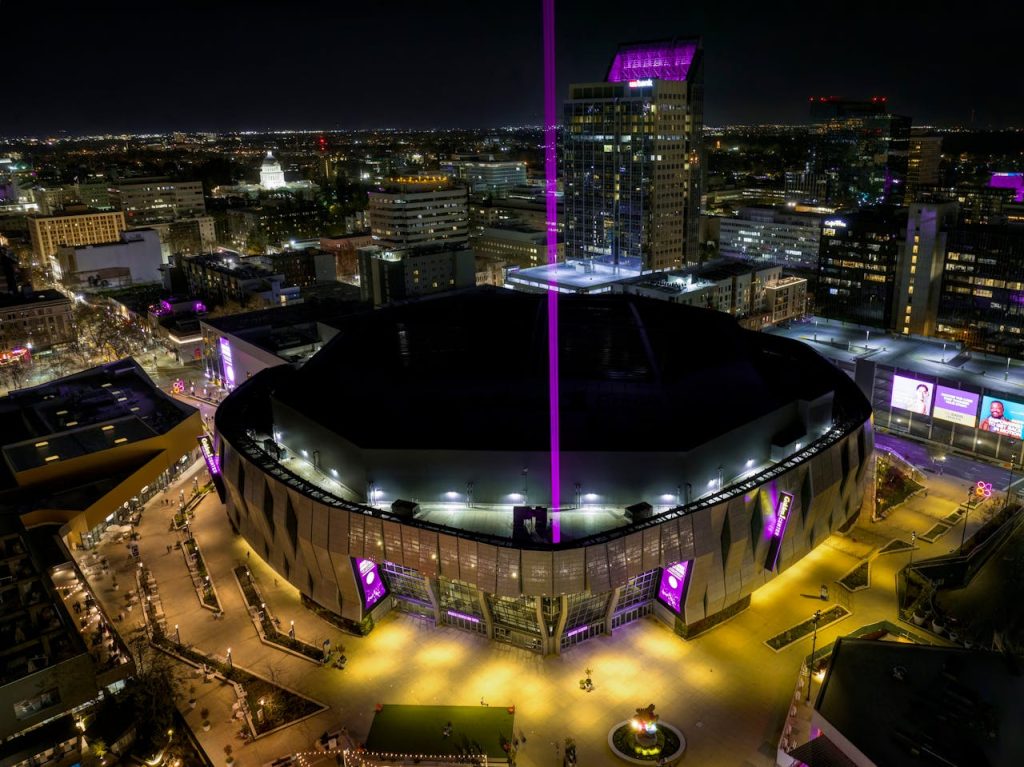
Sacramento has expanded its identity by developing arts districts, improving riverfront access, and promoting farm-to-table dining rooted in local agriculture. Old Sacramento’s historic buildings now house interactive exhibits, shops, and restaurants connected by cobblestone streets. New cycling routes and public areas encourage outdoor activity. Sacramento’s modern reinvention highlights both creativity and community-focused design.
St. Petersburg, Florida
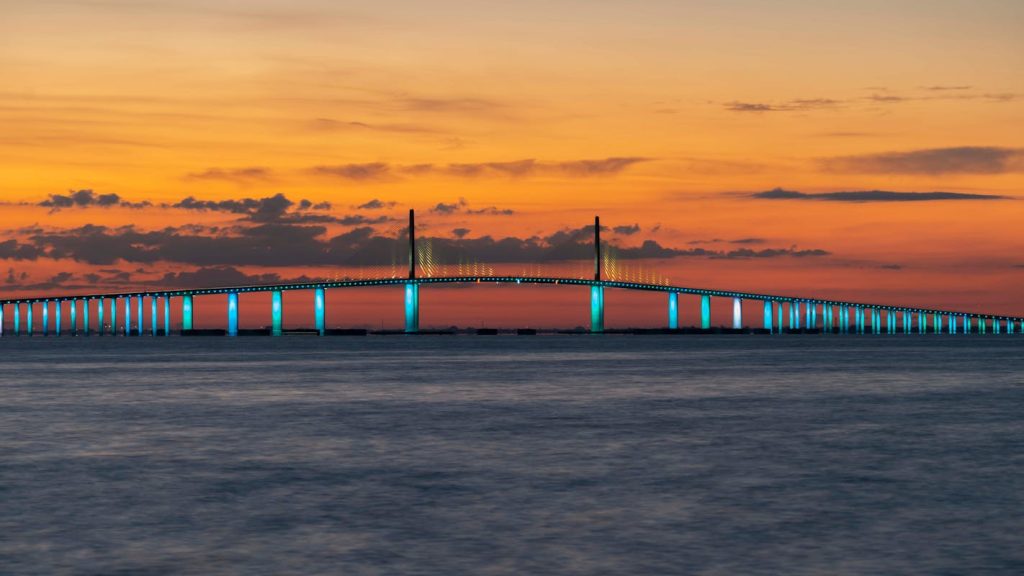
St. Petersburg has grown into a vibrant coastal city filled with colorful murals, reimagined neighborhoods, and waterfront parks. The updated pier district includes recreation areas, restaurants, and scenic viewing points along Tampa Bay. Art galleries, cafés, and outdoor markets help create a lively atmosphere year-round. St. Petersburg’s emphasis on culture and seaside charm continues to draw a wide range of visitors.
Kansas City, Missouri

Kansas City has developed modern districts that celebrate its jazz heritage, culinary creativity, and architectural renewal. The streetcar line links major attractions and encourages exploration across downtown. Restored buildings now house music venues, boutiques, and community gathering spaces. Public art and entertainment events highlight the city’s evolving character.
Cincinnati, Ohio
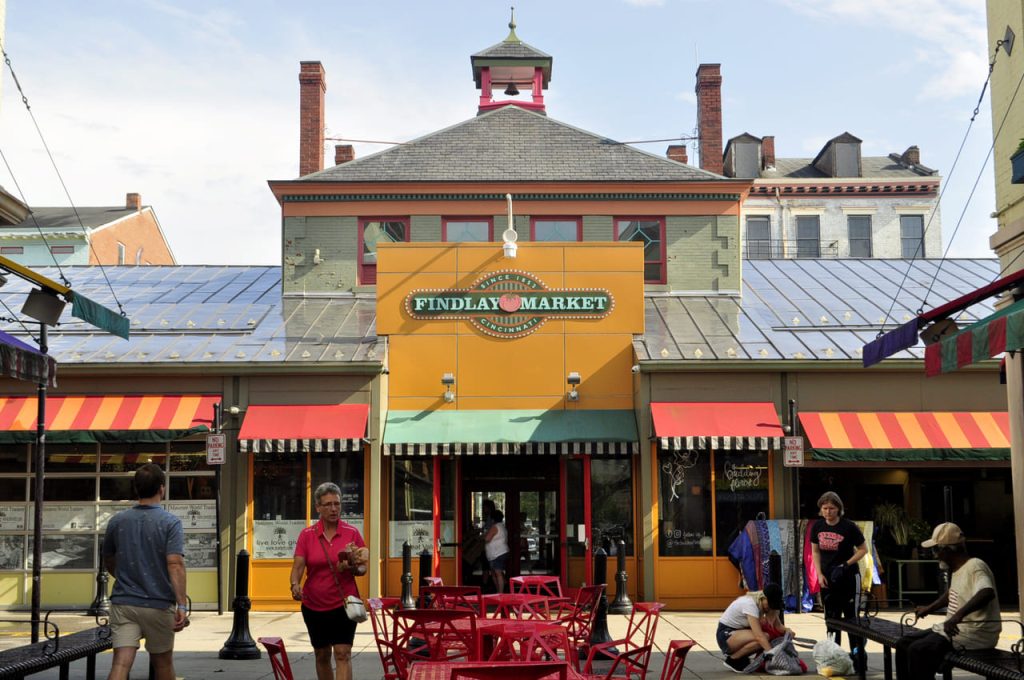
Cincinnati’s riverfront redesign features parks, playgrounds, and promenades that connect surrounding neighborhoods to the Ohio River. Revitalized historic districts offer local dining, preserved architecture, and walkable streets. Cultural institutions have expanded programming to attract new audiences. Cincinnati’s efforts reflect a city committed to creating welcoming spaces for residents and travelers alike.
Albuquerque, New Mexico
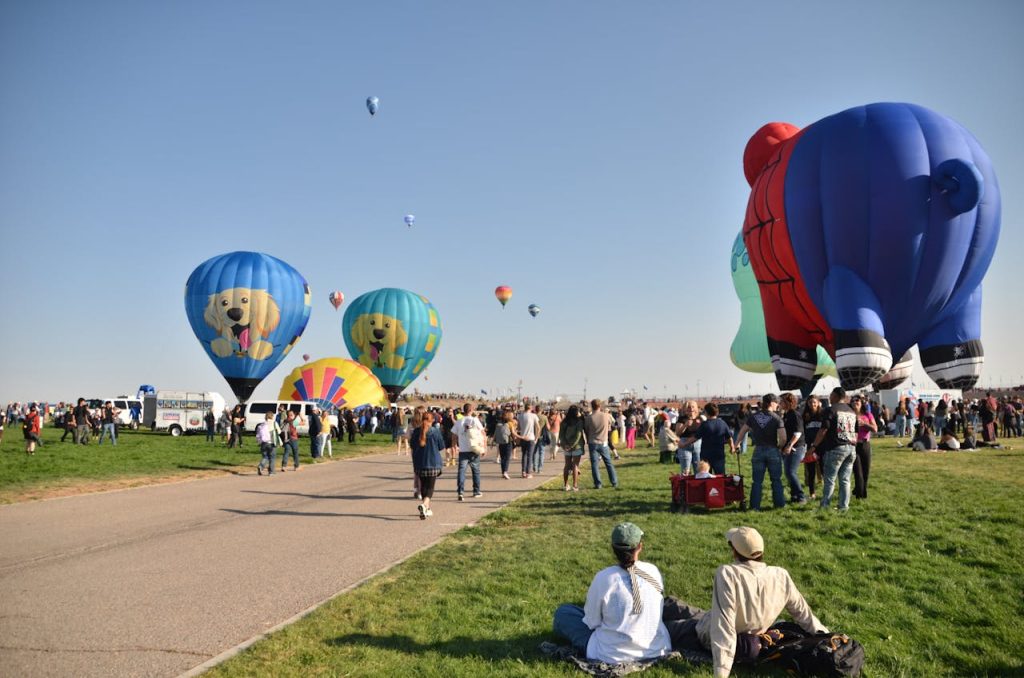
Albuquerque has strengthened its creative identity through public art projects, cultural markets, and revitalized historic areas. Trails along the Rio Grande provide scenic outdoor opportunities within minutes of the city center. Updated museums and open-air gathering spots highlight regional traditions. Albuquerque’s modern evolution blends natural landscapes with artistic expression.
Buffalo, New York
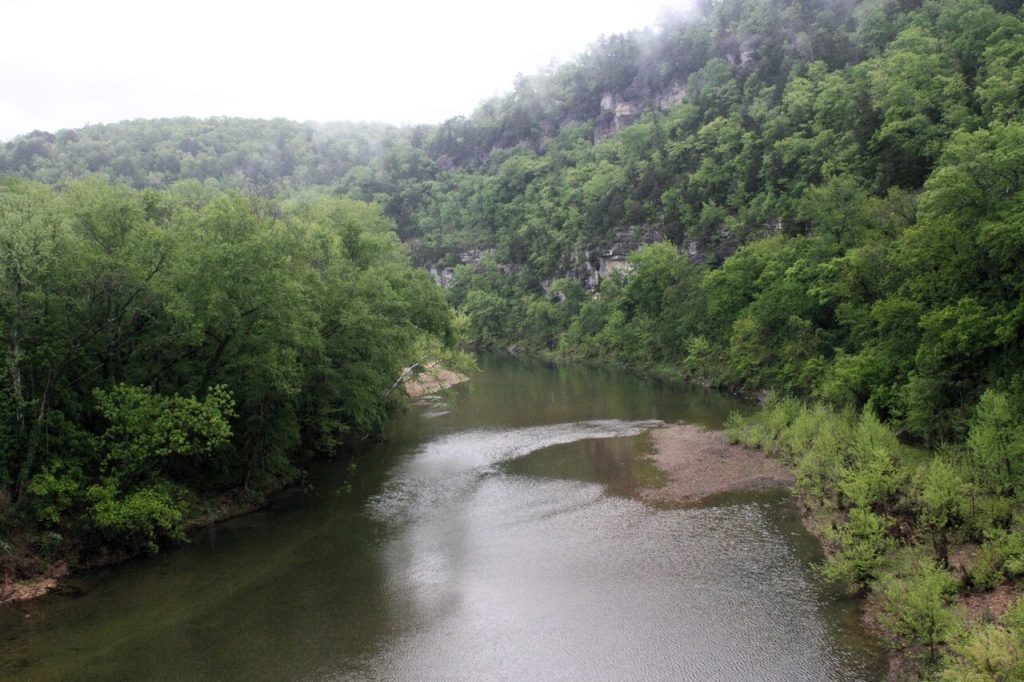
Buffalo has transformed industrial zones into lively destinations featuring waterfront parks, restored buildings, and community-focused development. Historic architecture now houses breweries, galleries, and performance spaces that reflect local pride. The city’s renewed emphasis on walkability and recreation encourages deeper exploration. Buffalo continues to reinvent its public spaces while honoring its architectural legacy.
Birmingham, Alabama
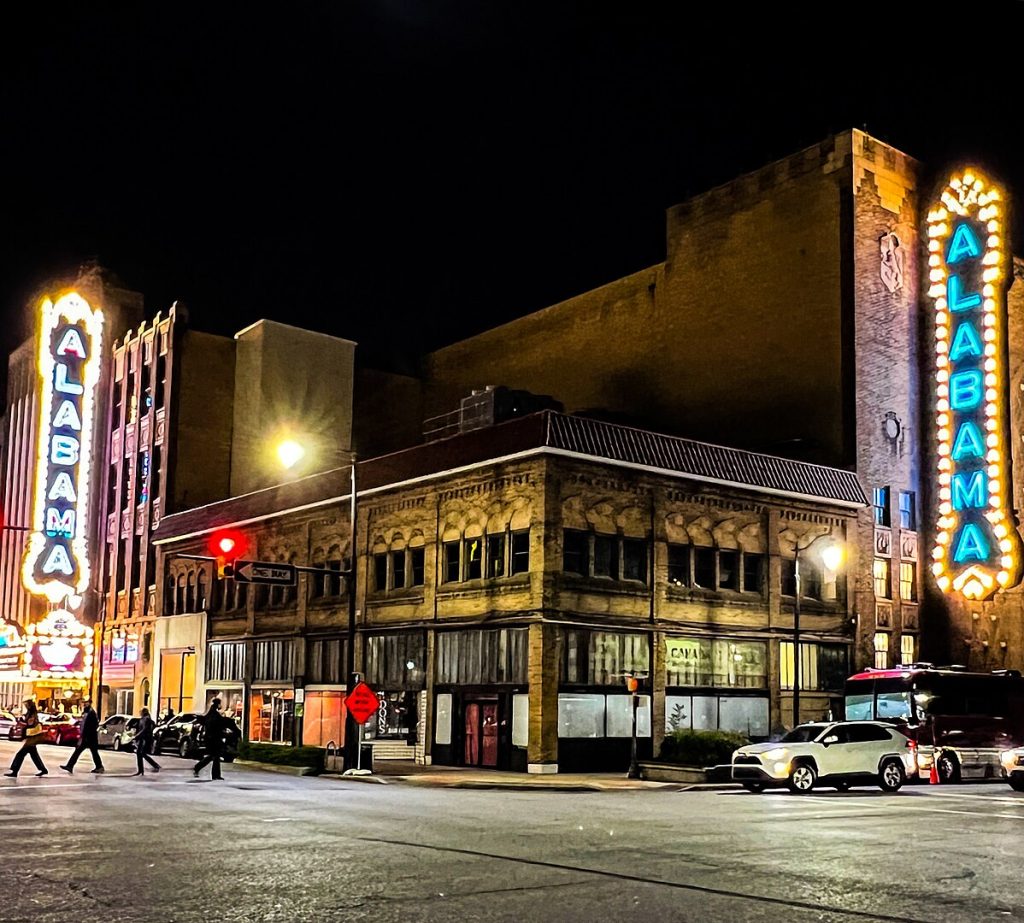
Birmingham has revitalized former industrial areas into cultural hubs filled with parks, museums, and culinary attractions. Civil rights landmarks have been restored to highlight the city’s national significance. Community-driven districts offer locally owned shops and gathering spots. Birmingham’s growth reflects a commitment to heritage and innovation.
Reno, Nevada
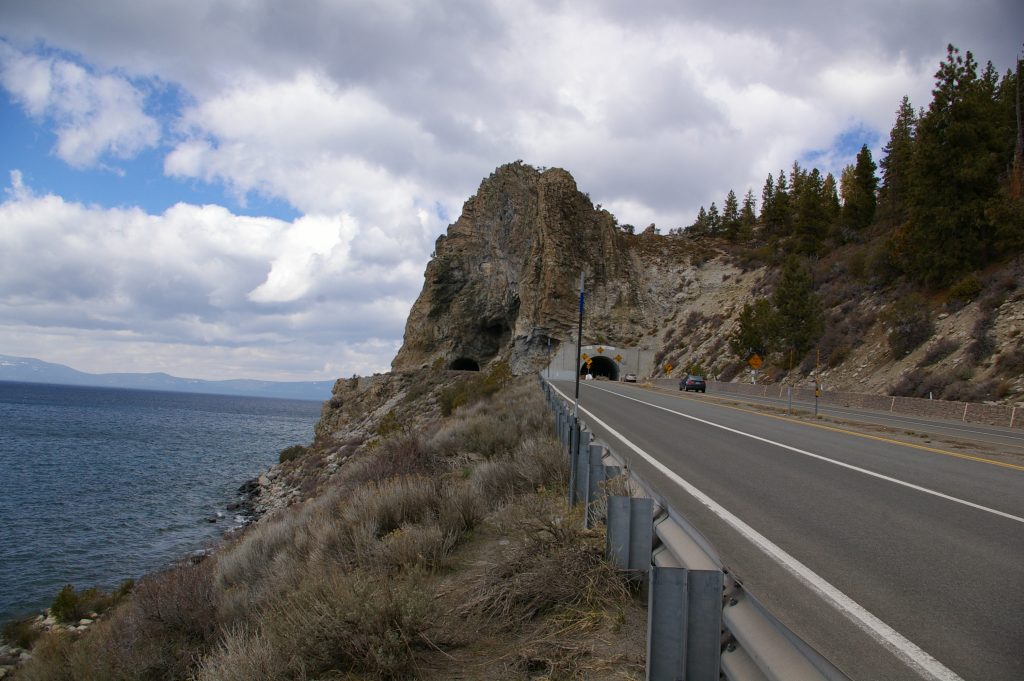
Reno has expanded beyond its casino roots through arts districts, updated riverfront trails, and creative public installations. The Truckee River serves as a central feature with paths, seating areas, and scenic viewpoints. Revitalized neighborhoods showcase murals, markets, and community festivals. Reno’s reinvention highlights a lively and approachable urban experience.
Providence, Rhode Island
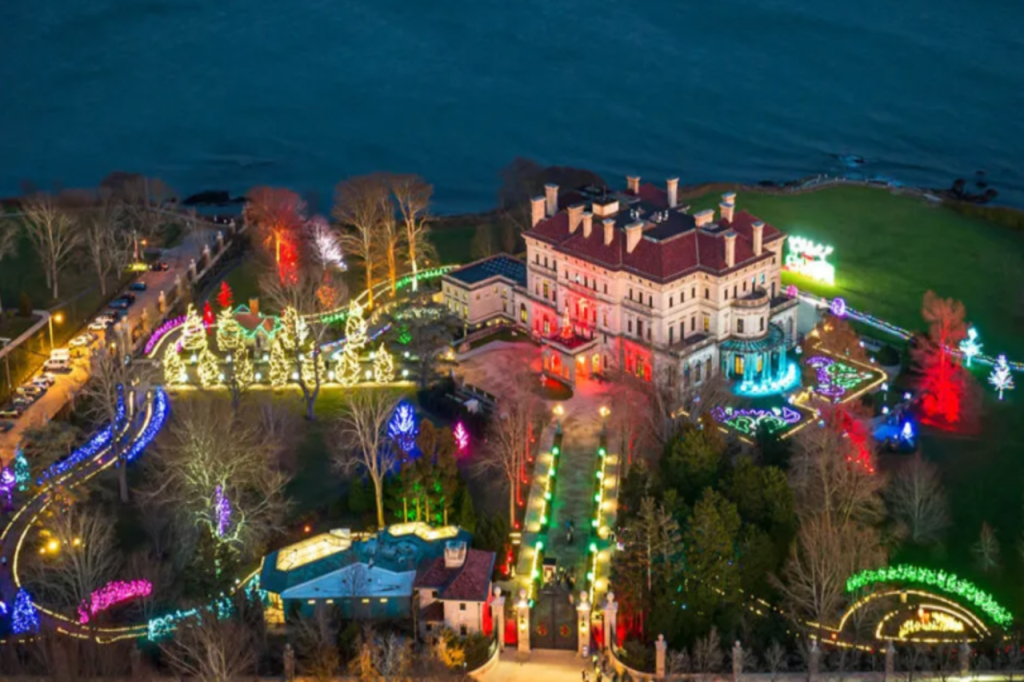
Providence has strengthened its appeal with expanded arts programs, renewed waterfront areas, and a focus on local dining and culture. Walkable streets connect historic buildings with contemporary boutiques and cafés. Festivals and creative events fill the city throughout the year. Providence’s evolution blends heritage with fresh energy.
Milwaukee, Wisconsin
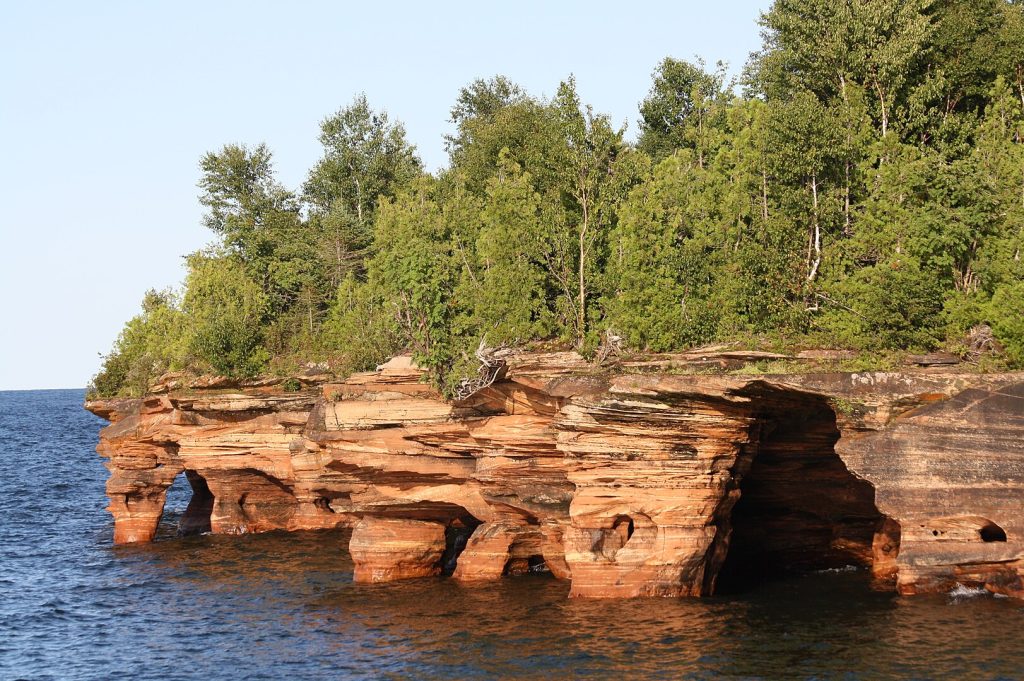
Milwaukee has refreshed its riverwalk, brewery districts, and cultural venues to create a lively experience for modern travelers. Restored warehouses now host restaurants, galleries, and entertainment spaces. The lakefront provides scenic recreation areas and popular walking paths. Milwaukee’s approach reflects a balance of tradition and modern development.
Chattanooga, Tennessee
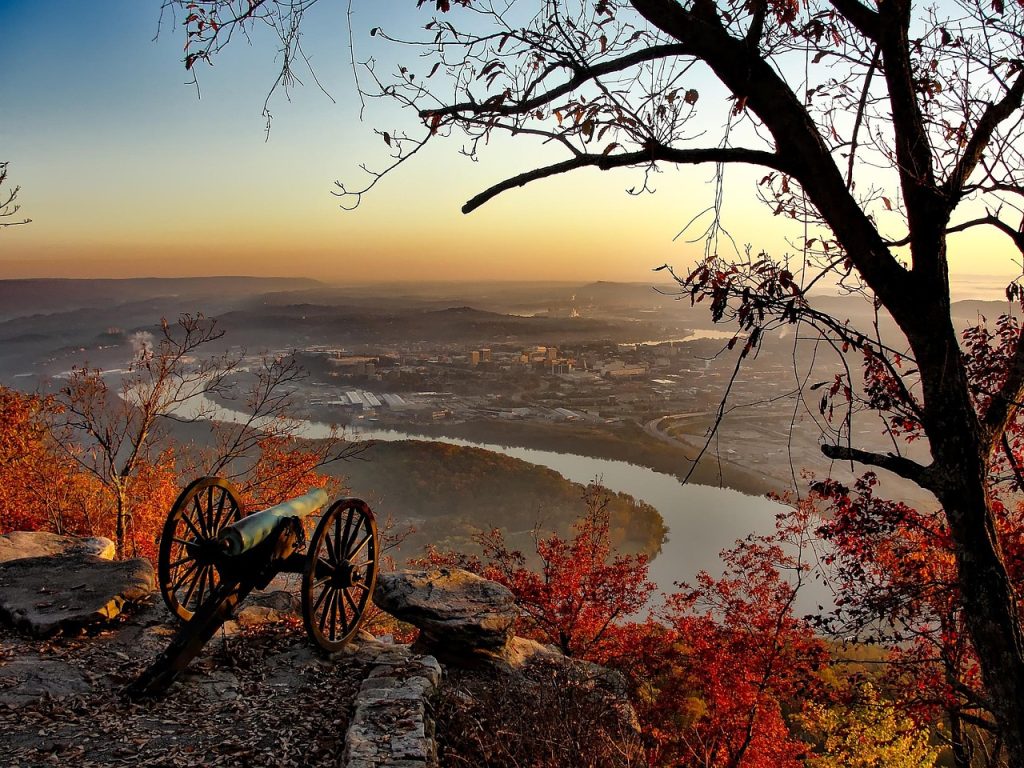
Chattanooga has embraced outdoor recreation, updated public spaces, and a revitalized riverfront to define its renewed identity. Former industrial zones now feature green areas, walking trails, and popular attractions along the Tennessee River. Investments in sustainability and technology contribute to the city’s dynamic atmosphere. Chattanooga’s transformation showcases how natural beauty and modern planning can work together.