18 Slowest-Paced Cities in the U.S. And Why Residents Love It
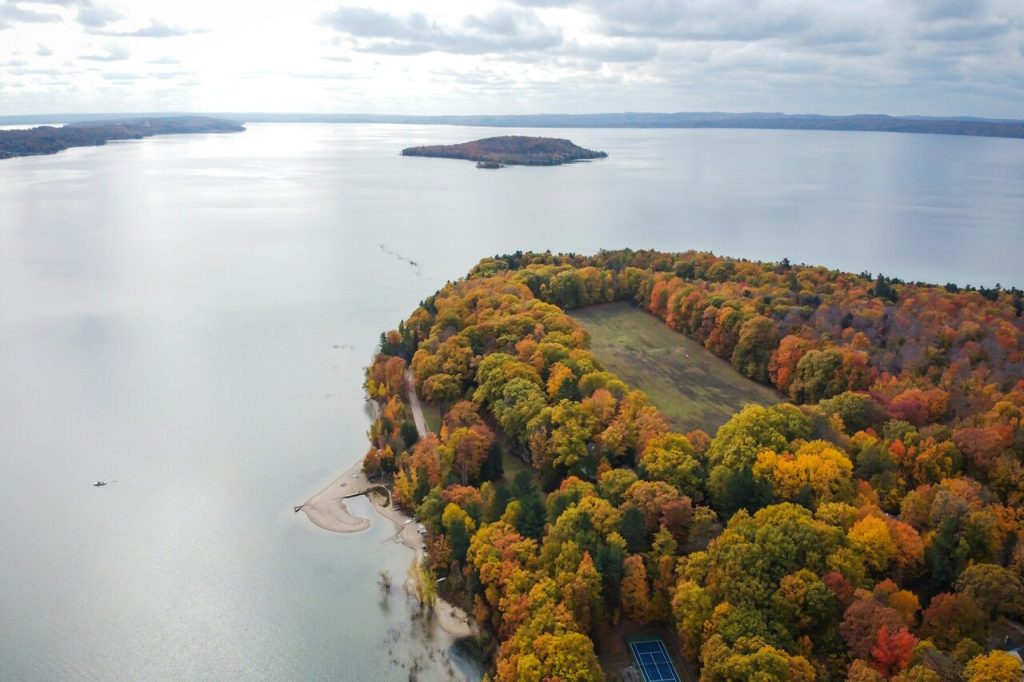
Across the United States, certain cities move at a pace that stands apart from the quick rhythms often associated with modern life. These places aren’t defined by silence or inactivity; instead, they operate with a steadiness that allows residents to shape their days around personal priorities, local traditions, and routines that aren’t rushed by heavy traffic or demanding city structures. The slower speed is often influenced by geography, long-established community patterns, or a shared cultural preference for balance over momentum. Many who live in these cities appreciate the breathing room that comes with uncomplicated commutes, accessible outdoor environments, and the familiar cadence of neighborhoods where movement feels natural rather than forced. Together, these elements create environments where life flows calmly and encourages people to invest time in their own well-being, relationships, and surroundings without the constant pressure of rapid motion.
1. Burlington, Vermont
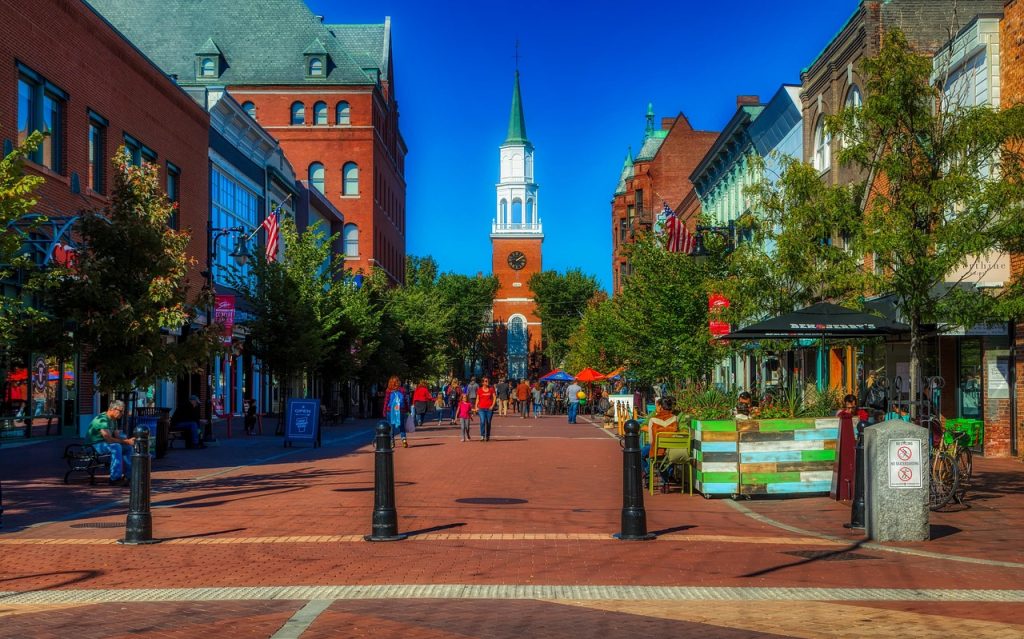
Burlington moves at a steady pace shaped by a compact downtown, a strong walkable grid, and a lifestyle that prioritizes outdoor recreation over fast commercial turnover. Residents commonly structure their days around the waterfront, local parks, and bike routes, where the slower rhythm of movement naturally influences the broader community. Despite being a regional hub, the city lacks the density and urgency typical of larger Northeastern metros, allowing people to follow predictable routines without navigating intense traffic or overwhelming business districts. The presence of Lake Champlain reinforces the leisurely character of daily life, offering residents natural pauses in the day that contribute to a relaxed mindset and a more grounded sense of time. This balance of walkability, natural beauty, and manageable urban scale supports a lifestyle that feels deliberate and unhurried.
2. Santa Fe, New Mexico
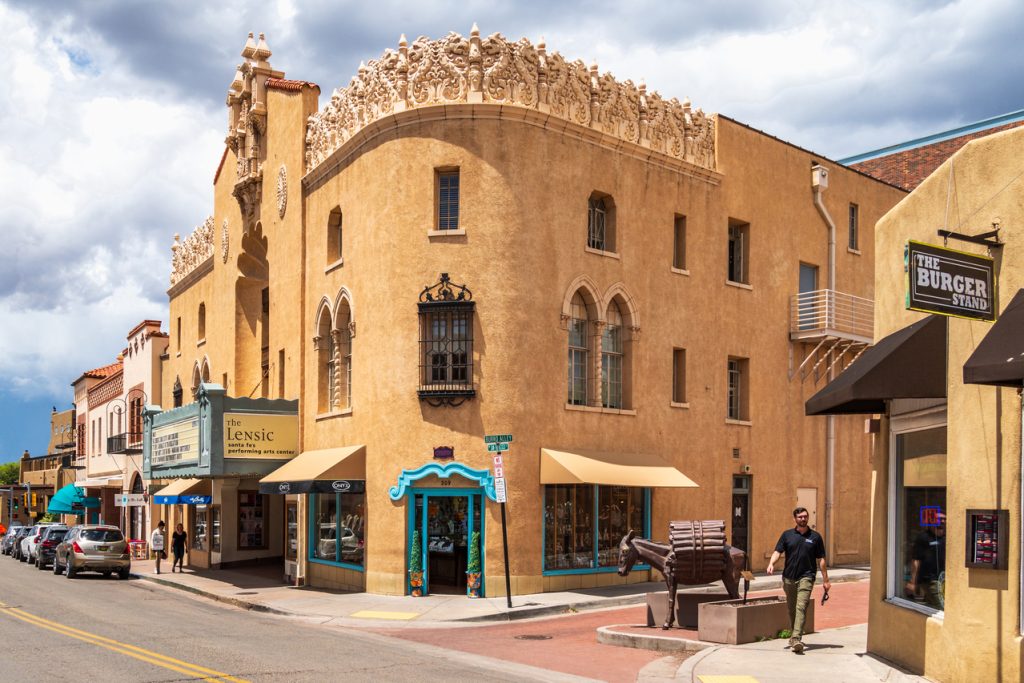
Santa Fe’s slow pace is deeply informed by its historic streets, artistic tradition, and cultural environments that encourage reflection rather than rapid movement. The city’s adobe architecture, compact plazas, and pedestrian-friendly layout naturally create an atmosphere where conversation, browsing, and exploration happen without haste. Days unfold around markets, galleries, and local events, reinforcing a rhythm that celebrates community presence instead of speed. The climate and surrounding landscape also shape routines, as residents often integrate outdoor time into their schedules, creating a seasonal tempo that shifts gently throughout the year. Many appreciate that Santa Fe offers a grounded way of life rooted in long-standing regional identity, where people can enjoy their environment with consistency and calm rather than constant acceleration.
3. Asheville, North Carolina
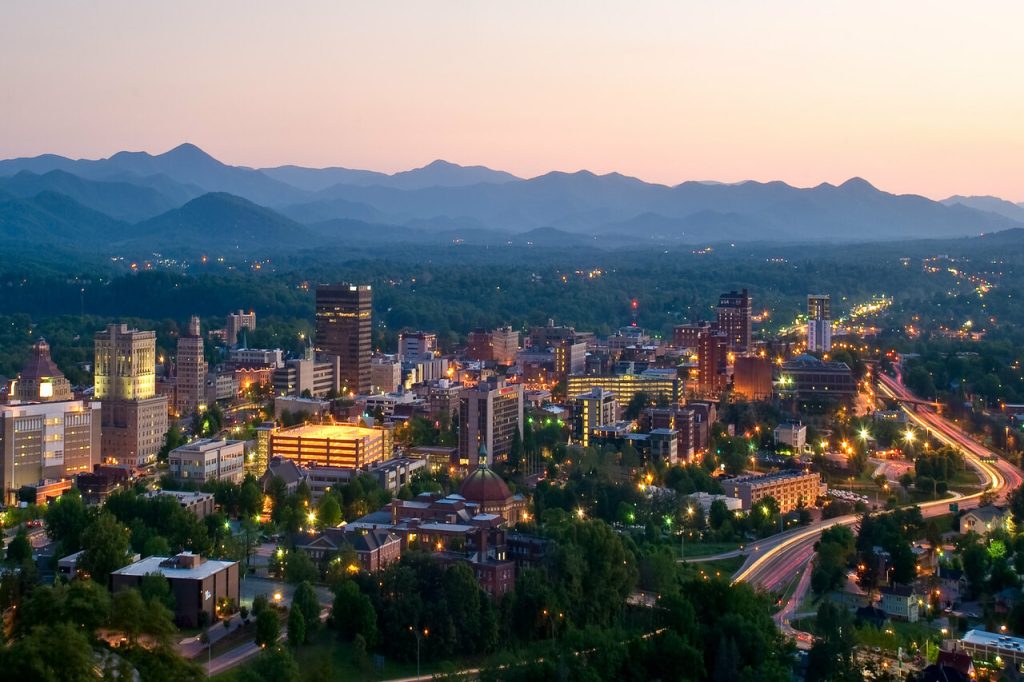
Asheville maintains a measured pace thanks to its mountain surroundings, creative energy, and neighborhoods that encourage lingering rather than rushing. Locals often divide their time between trails, markets, and community events that move at a predictable rhythm shaped by both nature and artistry. The compact downtown creates opportunities for slow, walkable exploration, while the broader region offers a steady environment where daily routines feel balanced and manageable. Even with a steady influx of visitors, residents experience an everyday flow that centers on craft, food, and shared outdoor spaces rather than intense commutes or fast-paced industry. This consistency helps maintain a lifestyle where people can enjoy their environment deeply without feeling pressure to move quickly from one activity to the next.
4. Key West, Florida
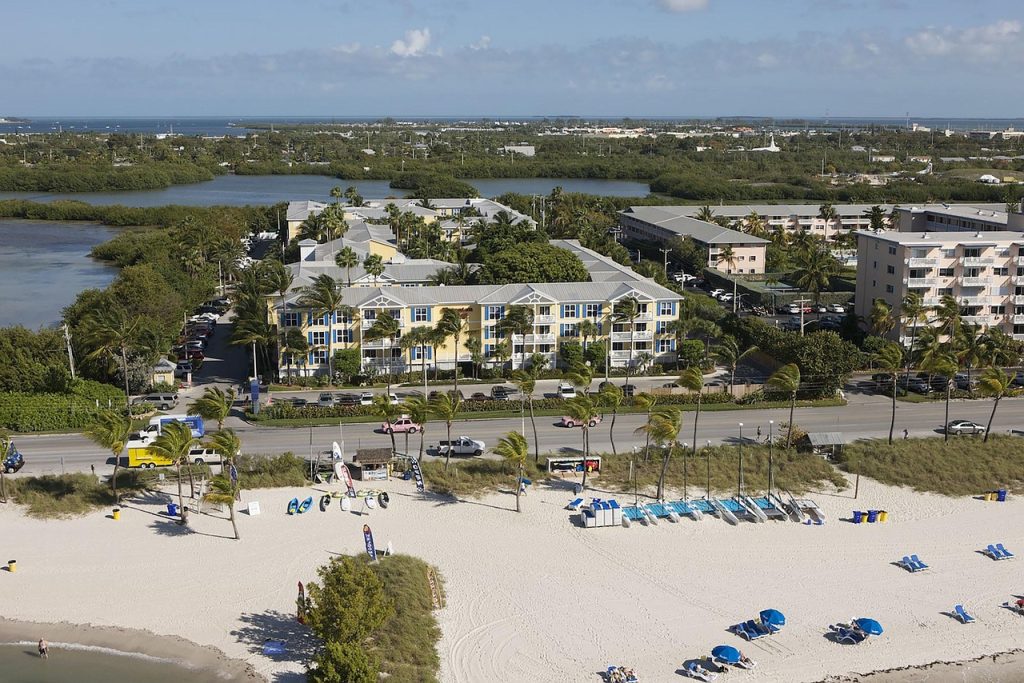
Key West’s identity as an island community plays a major role in establishing its slow, easygoing pace. Geography naturally limits the type of development that leads to fast movement, allowing residents to navigate narrower streets, coastal paths, and familiar gathering spots at their own speed. Daily routines often revolve around water-based activities, local eateries, and seasonal changes that guide rather than rush the day. Many residents describe a lifestyle focused on presence and conversation, where people value time outdoors and friendly interactions more than rigid schedules. This creates a city rhythm shaped by climate, culture, and environment, encouraging a mindset where movement is intentional and life unfolds without urgency.
5. Eugene, Oregon
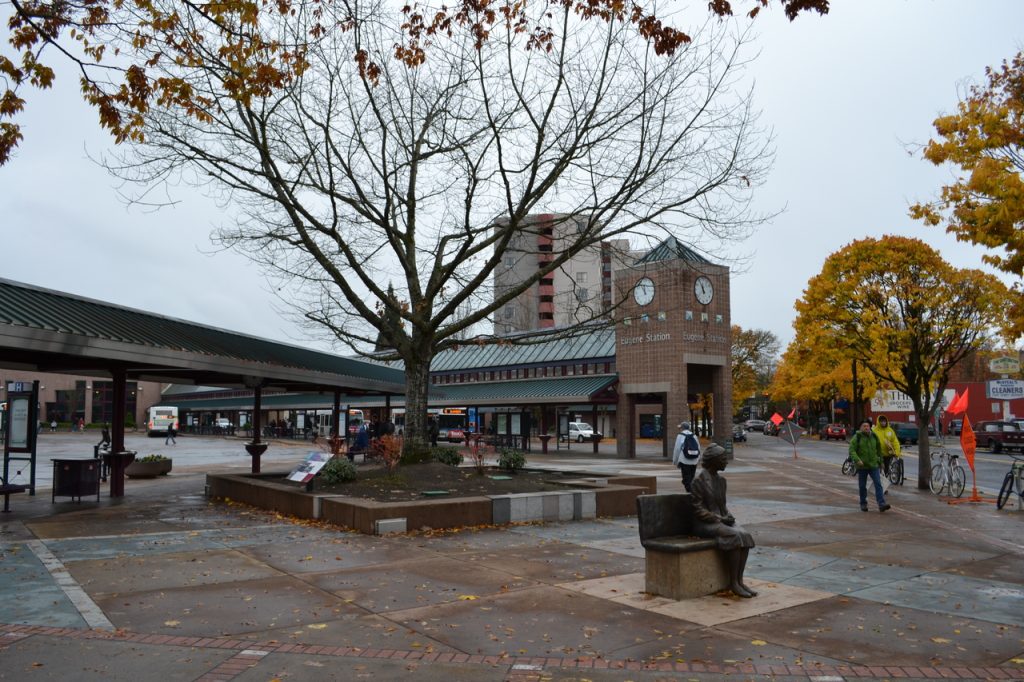
Eugene’s pace is shaped by its strong emphasis on sustainability, nature access, and community-centered development. The city’s network of bike paths, markets, and green spaces encourages movement that is slow, deliberate, and integrated with daily life. Rather than rushing through commutes or crowded streets, residents often enjoy predictable travel times, familiar neighborhoods, and a culture that supports balanced routines. Local businesses tend to operate on schedules that reflect the city’s values, promoting steady interactions rather than fast turnover. This harmony between environment and community creates a lifestyle where people can navigate their days without feeling pressured by rapid urban change or overwhelming demands.
6. Savannah, Georgia
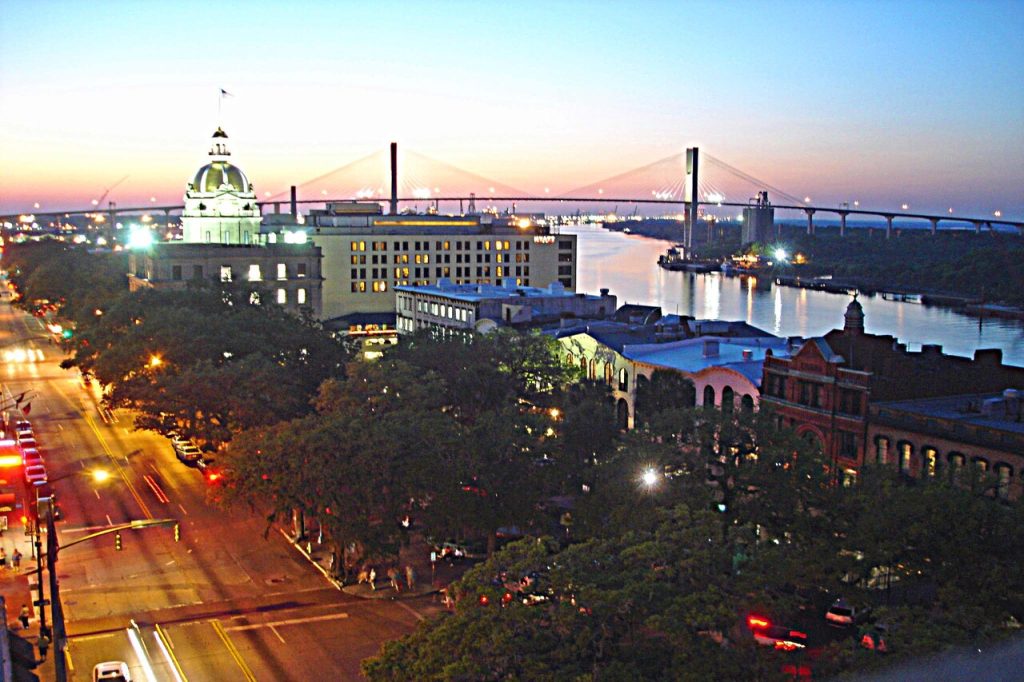
Savannah’s historic layout with its shaded squares, stately trees, and walkable grid creates a setting where movement naturally slows and daily rhythms feel grounded. Many residents enjoy routines shaped by neighborhood strolls, outdoor gatherings, and longstanding traditions that have guided local life for generations. Although tourism adds energy to certain areas, the everyday pace in residential districts remains steady and predictable, allowing people to move through their routines without the rush associated with larger cities. The warm coastal climate further contributes to this slower rhythm, encouraging outdoor time and fostering a sense of ease that permeates daily living. Residents value this environment because it allows for consistent community engagement and a relaxed flow that prioritizes quality of life.
7. Boise, Idaho
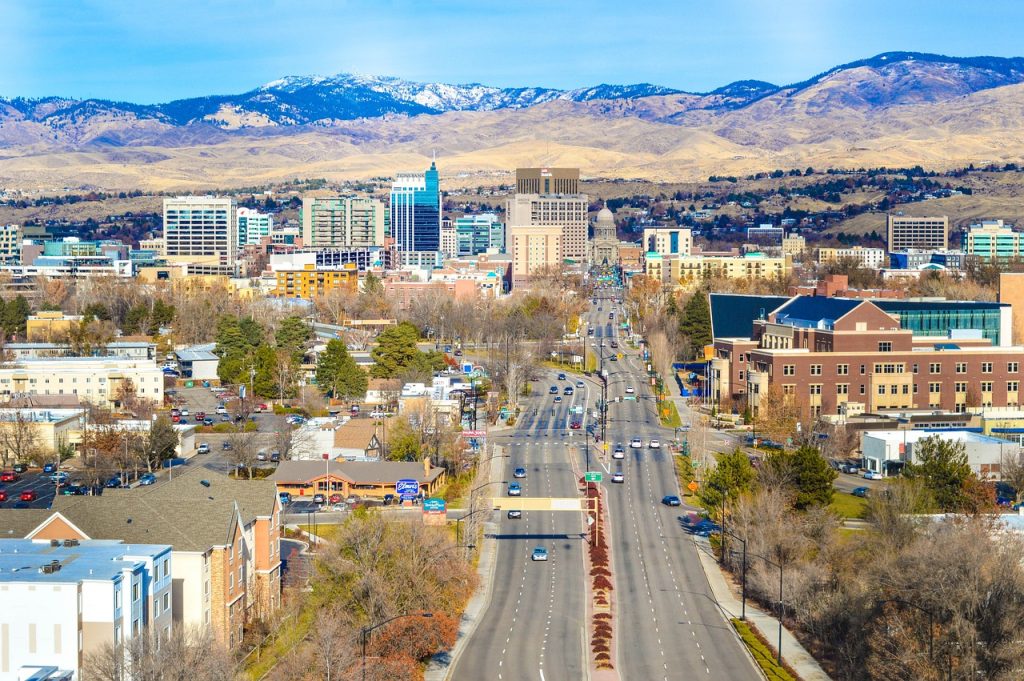
Boise maintains a calm pace grounded in its manageable layout, dependable routines, and strong connection to nearby natural areas. Residents appreciate short commutes and the ease of accessing parks, trails, and local rivers, which naturally shapes a lifestyle where time outdoors plays a large role. Rather than navigating dense, fast-moving corridors, people can move through predictable streets and community spaces that emphasize convenience over urgency. The city’s growth has been steady but not overwhelming, allowing Boise to retain a stable rhythm where local traditions and routines remain central to everyday life. This creates an environment where balance is easier to maintain, and residents can enjoy a consistent flow without constant pressure to accelerate.
8. Madison, Wisconsin
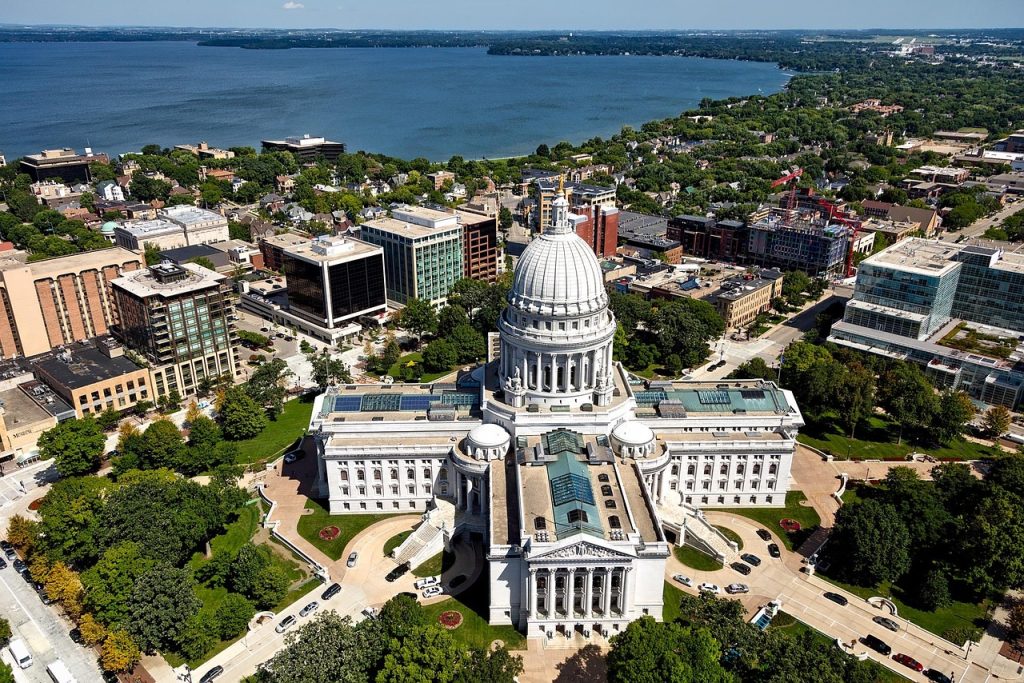
Madison’s pace is influenced by its lakes, bike paths, and spacious public areas that encourage steady movement and deliberate routines. While the university brings bursts of energy, day-to-day life outside of campus unfolds at a predictable rhythm shaped by neighborhoods, local businesses, and accessible outdoor areas. Many residents navigate the city by foot or bike, creating an environment where travel itself encourages slower movement. Seasonal changes also influence the city’s cadence, shifting activities but maintaining a balanced flow throughout the year. This blend of social, natural, and community structure supports a lifestyle that remains calm and consistent, allowing people to enjoy a healthy balance between activity and ease.
9. Burlington, Iowa
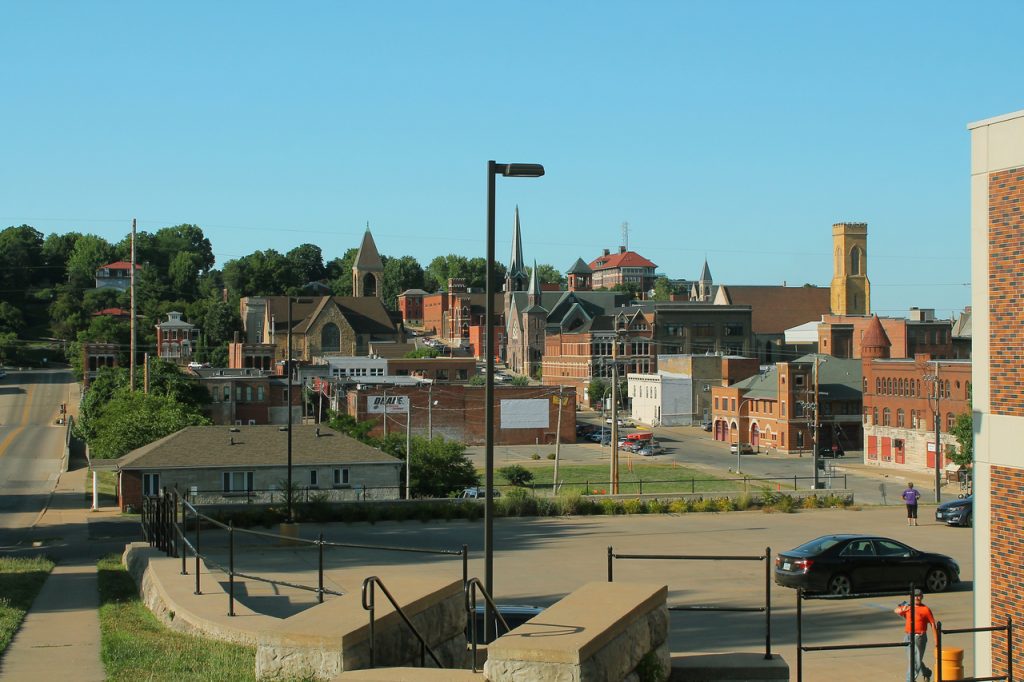
Burlington, positioned along the Mississippi River, maintains a slow and steady rhythm shaped by its historic neighborhoods, familiar commercial districts, and a community culture that values predictability in daily life. Residents often structure routines around riverfront walks, local cafés, and long-established businesses that operate without the sense of urgency often found in larger cities. Traffic remains manageable, allowing people to move through town without stress, which contributes to a more relaxed overall pace. Seasonal activities, from river festivals to market days, guide the community’s tempo, creating a natural flow that shifts gently throughout the year. These elements combine to create a grounded lifestyle where people feel connected to their surroundings and comfortable moving through the day at a measured speed.
10. Prescott, Arizona
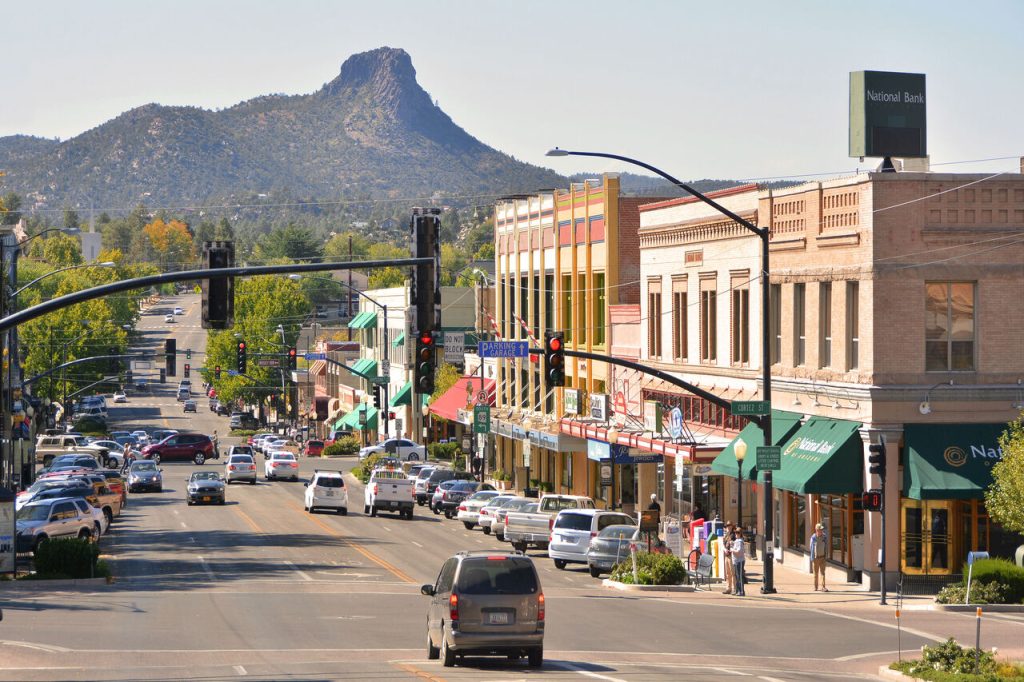
Prescott’s slower pace emerges from its high-desert climate, compact historic center, and community reliance on familiar public spaces that encourage steady, intentional movement. Residents often spend time in walkable districts, local parks, and trails that weave through surrounding landscapes, which naturally integrate outdoor activity into everyday routines. Unlike larger Arizona cities with heavy traffic and rapid development, Prescott maintains a level of predictability that allows people to navigate daily responsibilities without pressure. Local businesses and year-round community events reinforce this unhurried rhythm by operating on consistent schedules rooted in tradition. This combination of reliable infrastructure, scenic surroundings, and manageable growth creates an environment where the pace feels settled and calm.
11. Duluth, Minnesota
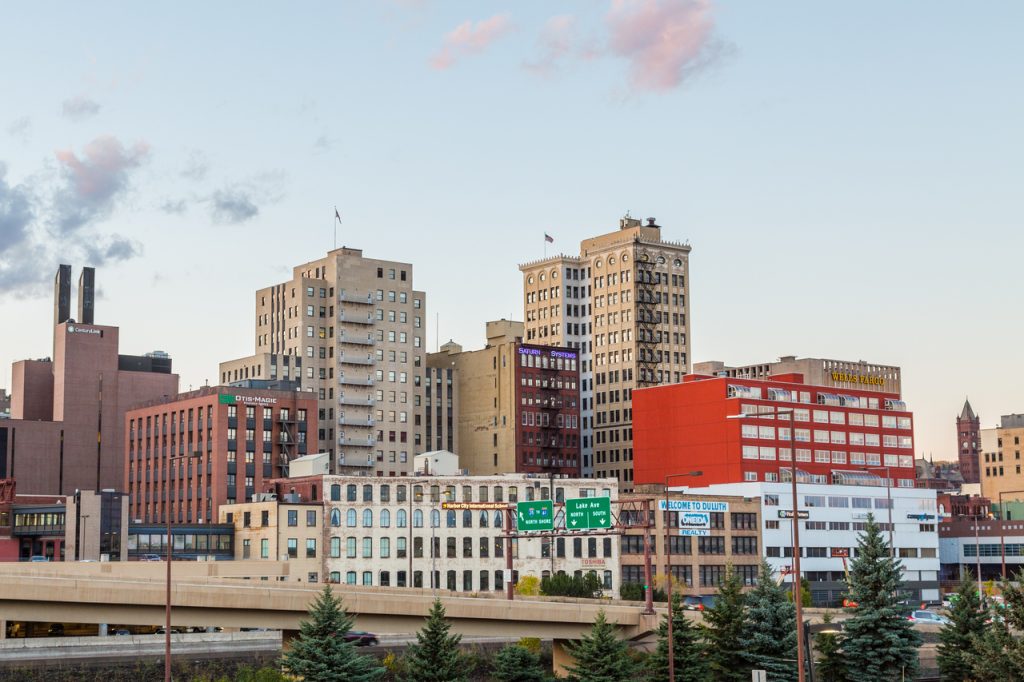
Duluth’s pace is shaped by its Lake Superior shoreline, hillside neighborhoods, and steady community traditions that foster an environment where days unfold without constant acceleration. The city’s geography encourages slower travel, as residents often navigate scenic routes, waterfront paths, and streets designed long before rapid urban movement was standard. Outdoor activities tied to the lake and surrounding forests influence the local rhythm, reinforcing a focus on nature and routine. With minimal congestion and predictable neighborhood patterns, residents can move through their days with a sense of ease. This dependable cadence, shaped by landscape and climate, helps maintain a lifestyle where quiet consistency is valued and preserved.
12. Athens, Georgia
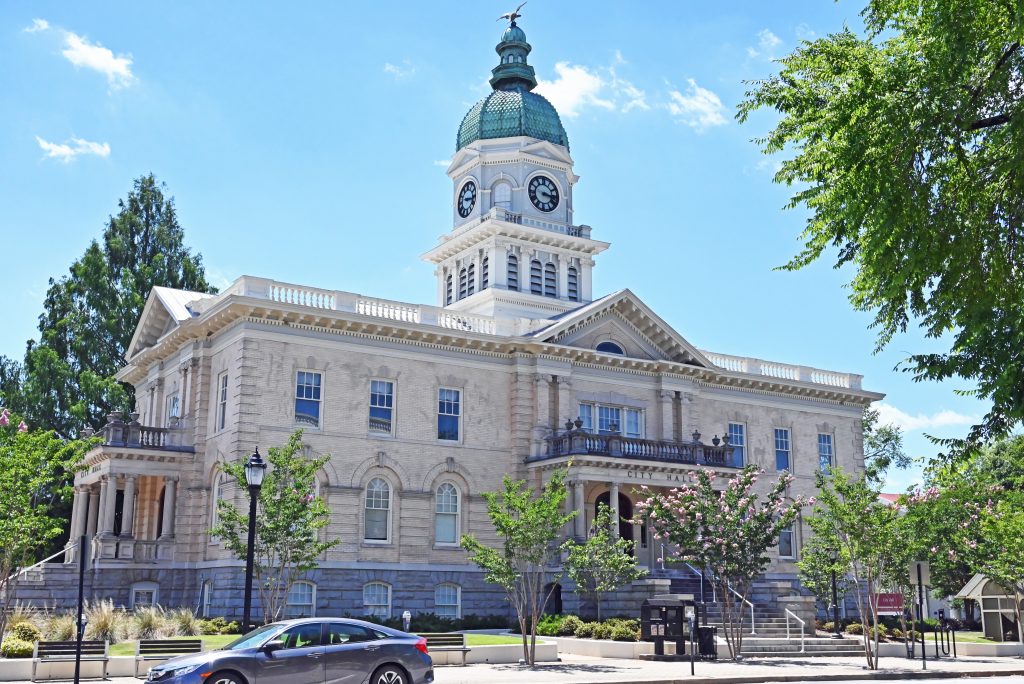
Athens achieves a slower pace despite its reputation as a cultural and academic center by balancing bursts of university activity with steady, long-established neighborhood routines. Away from campus, residents experience a measured daily rhythm driven by local shops, music venues, and familiar districts that are easy to navigate on foot. Smaller streets and accessible community spaces help maintain an environment where movement feels relaxed rather than rushed. Seasonal cycles, including academic breaks and local festivals, create predictable shifts in the city’s tempo without disrupting its overall sense of stability. This structure allows residents to enjoy a culturally rich environment while still moving through everyday life at a comfortable, manageable pace.
13. Missoula, Montana
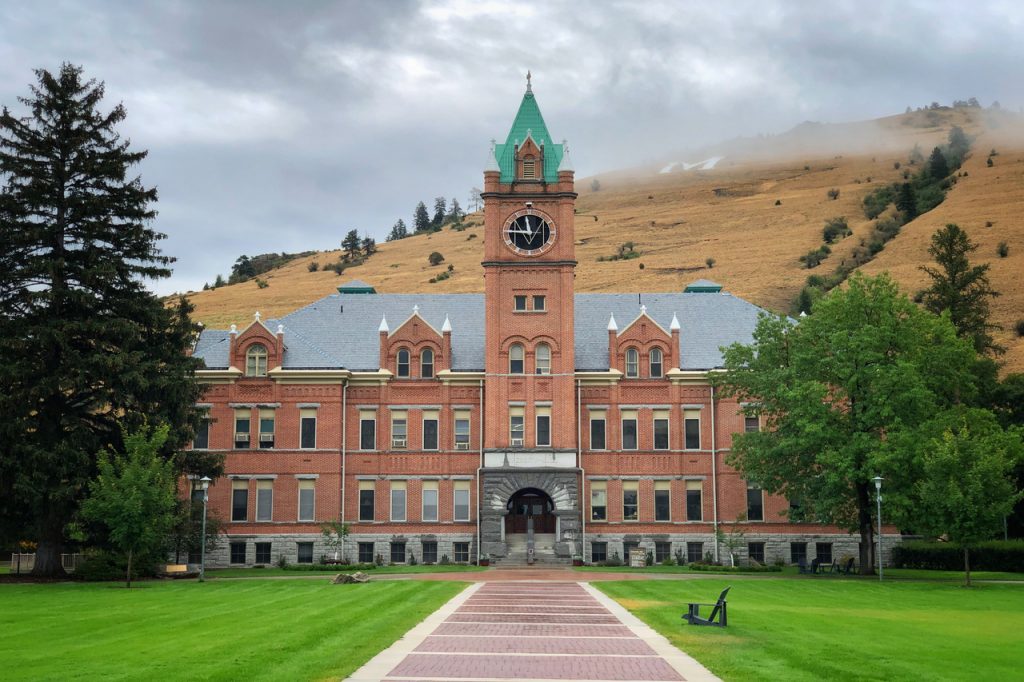
Missoula’s slower pace is rooted in its mountain valley setting, abundant green spaces, and community traditions that emphasize connection over speed. Residents frequently integrate time outdoors into their schedules, whether biking along the river, visiting local parks, or exploring trails that surround the city. These activities naturally encourage a calm, steady rhythm that shapes the broader lifestyle. The city’s moderate size keeps travel times short and predictable, while local businesses and markets operate with a consistency that reduces pressure to hurry. Missoula’s long-standing emphasis on conservation and community engagement further supports an environment where routines unfold naturally without the disruptions common in more rapid urban settings.
14. Charleston, South Carolina
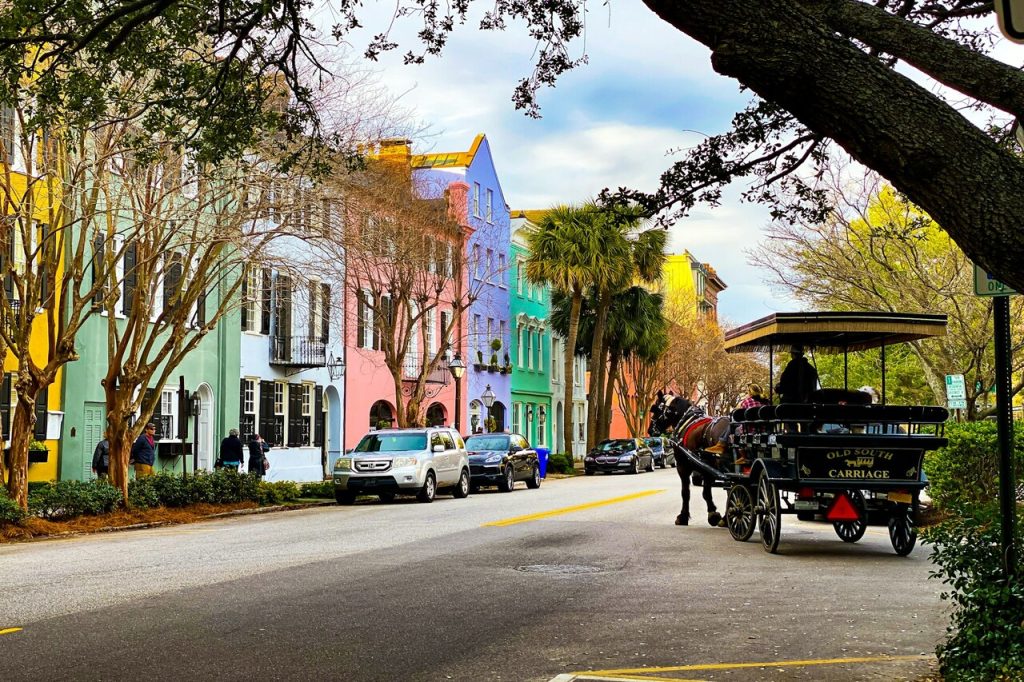
Charleston’s pace reflects its coastal environment, historic architecture, and traditions that extend across generations. Many residents experience a steady rhythm shaped by walkable streets, shaded neighborhoods, and consistent community routines that have remained largely unchanged over time. Although tourism brings activity to specific areas, everyday life for locals centers on predictable commutes, familiar markets, and accessible public spaces that encourage deliberate rather than hurried movement. The warm climate promotes outdoor time, contributing to a lifestyle built around slow, steady engagement with one’s surroundings. This blend of natural beauty and long-rooted community patterns helps maintain the city’s measured pace.
15. Santa Barbara, California
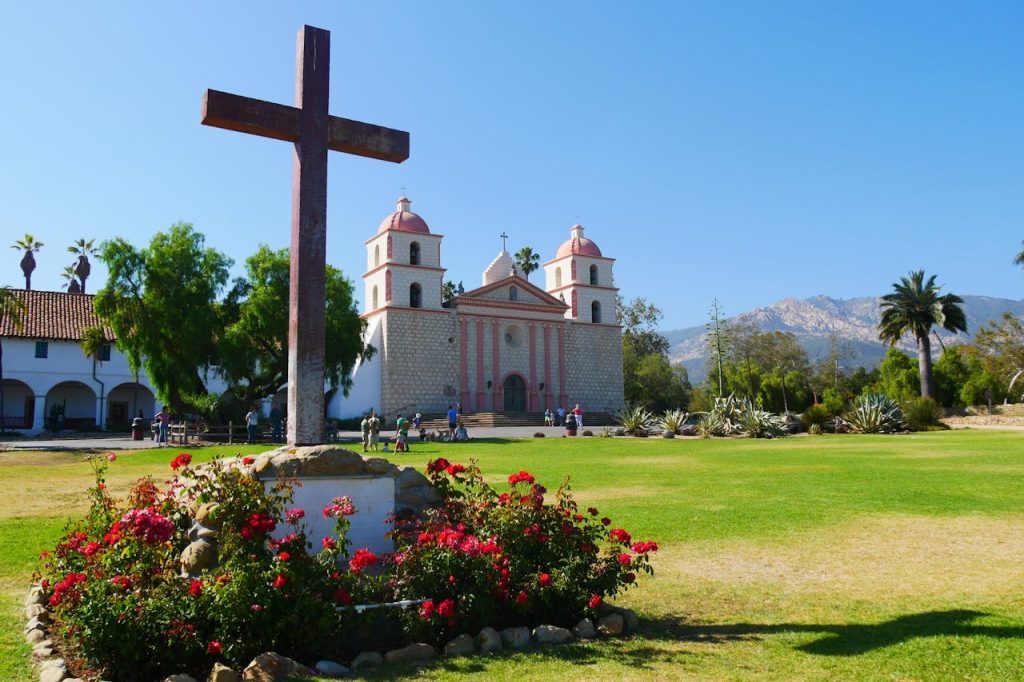
Santa Barbara’s relaxed pace stems from its coastal setting, mild Mediterranean climate, and development patterns that emphasize open space and walkability. Residents often spend time outdoors year-round, moving through neighborhoods and beachfront areas at a speed influenced by scenic views and consistent weather. Local routines frequently revolve around farmers markets, beach paths, and community events that operate on predictable schedules. The city’s manageable size and emphasis on sustainability further support a lifestyle where daily travel and errands feel orderly and calm. These characteristics combine to create an environment where the pace remains steady, balanced, and shaped by natural surroundings rather than rapid urban demands.
16. Lancaster, Pennsylvania
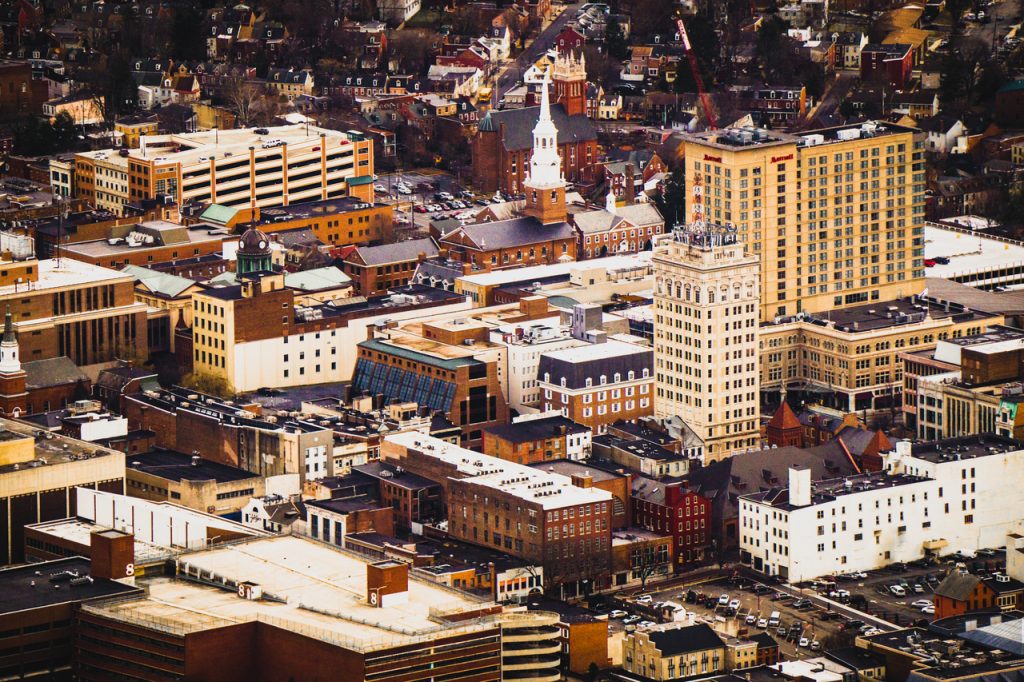
Lancaster’s pace reflects its agricultural heritage, historic downtown, and communities that maintain long-established routines. Many residents structure their days around local markets, small businesses, and familiar patterns shaped by the region’s farmland surroundings. The city’s streets remain manageable and easy to navigate, allowing daily tasks to unfold without the strain of heavy traffic or large-scale congestion. Community traditions, including seasonal events and local craftsmanship, influence the rhythm of life, creating a dependable flow that remains steady throughout the year. This consistency allows residents to move through their days with intention and comfort, forming a slower pace that feels deeply connected to place and history.
17. Port Townsend, Washington
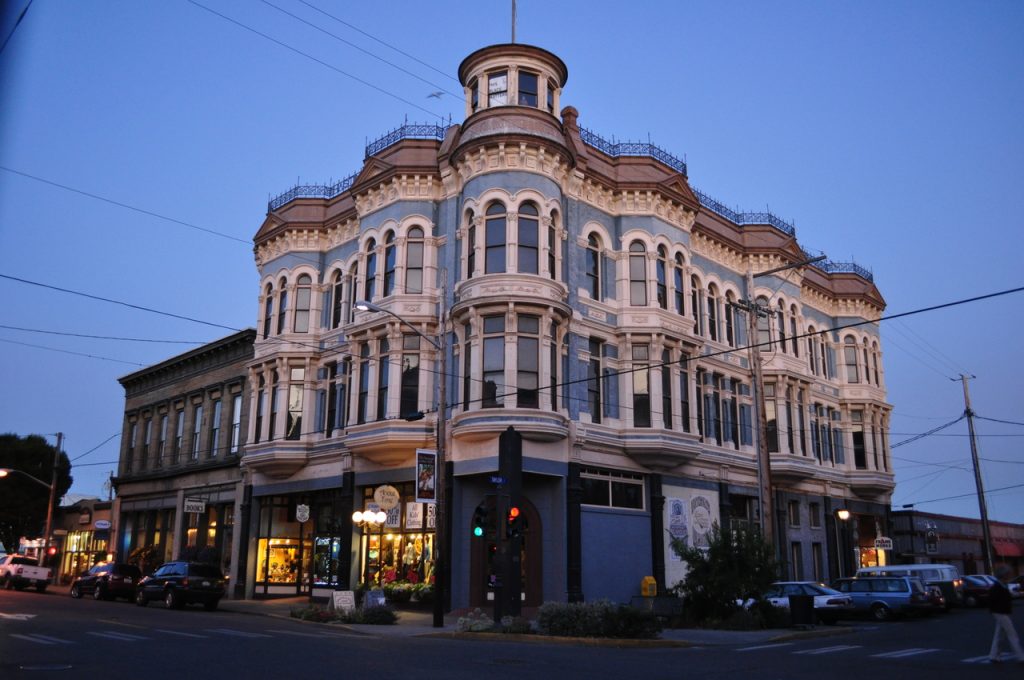
Port Townsend’s slow pace is shaped by its waterfront location, Victorian architecture, and small-town layout that encourages steady, deliberate movement. Residents commonly rely on local shops, community spaces, and scenic paths that create natural pauses in the day. The maritime climate and surrounding landscapes contribute to a rhythm that changes gently with weather and season but rarely feels rushed. Because the city is compact and its growth controlled, people can navigate their routines without the pressure of congestion or rapid development. This environment supports a grounded lifestyle where consistency, familiarity, and connection to the community guide everyday activity.
18. Taos, New Mexico
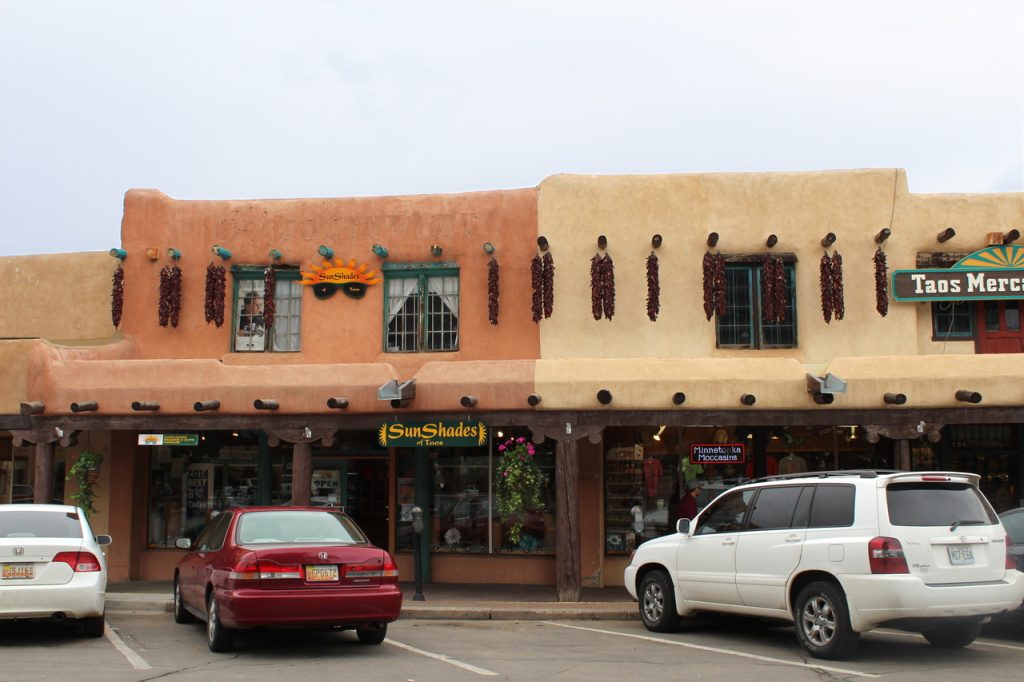
Taos maintains one of the calmest paces among small U.S. cities, shaped by longstanding artistic traditions, cultural heritage, and mountain surroundings that encourage reflection and steady routines. Residents often move through their days based on community events, studio work, and seasonal markets rather than fast-paced commercial schedules. The landscape encourages outdoor time and fosters a slower approach to travel and daily responsibilities. Local businesses typically operate with a consistent rhythm, reinforcing the area’s grounded character. This combination of history, scenery, and community engagement forms an environment where life progresses at a measured pace deeply tied to place and tradition.