7 reasons people who grew up poor travel completely differently than people who grew up wealthy
Travel habits are not just about taste. They are often shaped by childhood money stress, access, and what people learned at home about risk, comfort, and spending.
That gap matters in the United States, where travel remains unevenly distributed by income, even as more booking tools and budget options have opened the market.
They plan around the budget first, not the dream first

For many adults who grew up poor, travel starts with one question: can I afford this without creating a problem next month. That mindset is backed by years of research showing that people raised with financial instability often become highly cost aware, even after their incomes rise later in life.
In practice, that can mean choosing destinations only after checking gas prices, airfare trends, baggage fees, and hotel taxes. People from wealthier backgrounds are often more likely to pick the place first and sort out the details later, especially if they grew up seeing travel as a normal expense rather than a financial stretch.
U.S. travel surveys have repeatedly shown that cost remains the top barrier to taking trips. For travelers who watched parents juggle rent, groceries, and bills, a vacation is rarely just a vacation. It can feel like a test of whether the numbers still work.
They treat “wasting money” as a real threat
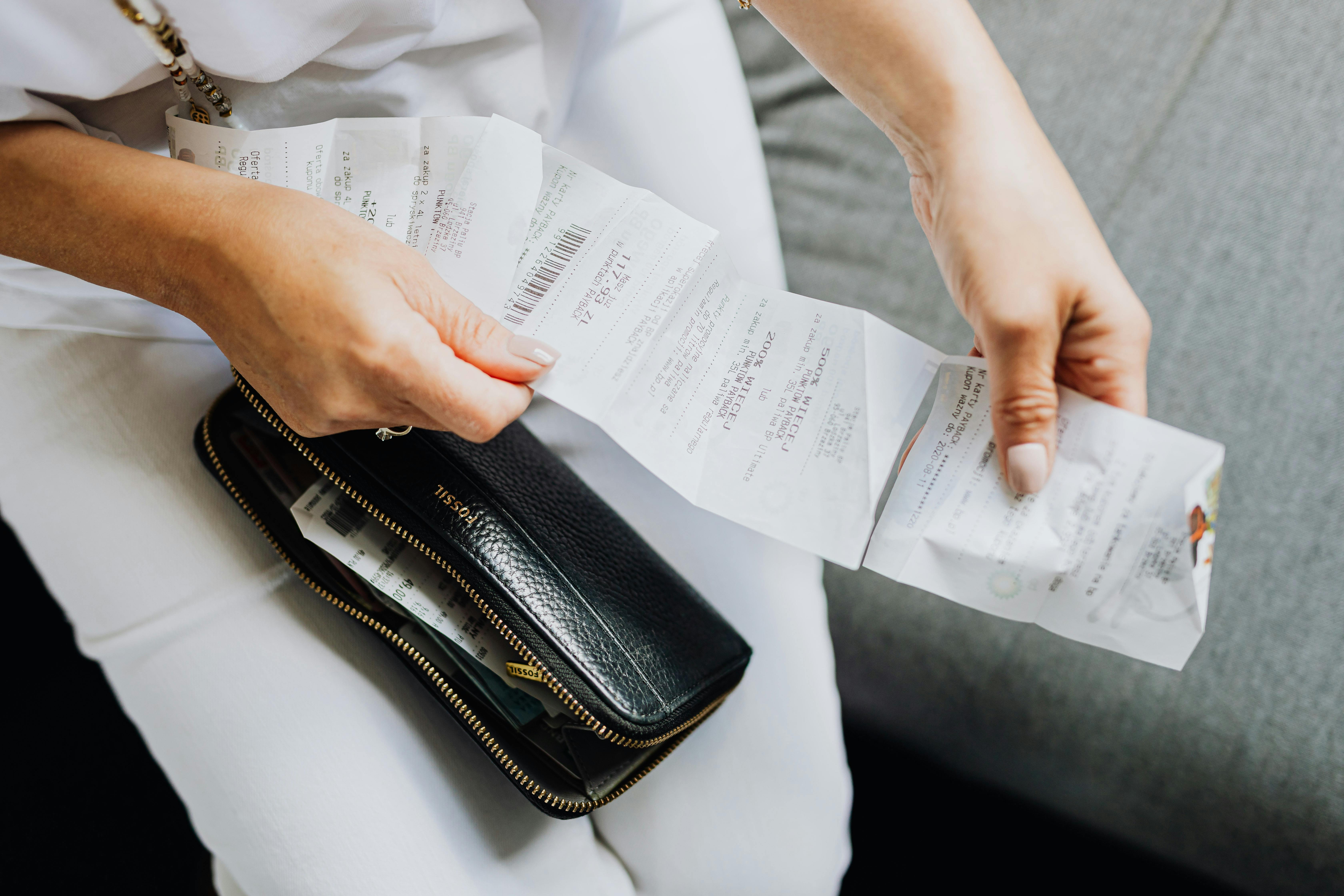
People who grew up with less often have a lower tolerance for paying extra for convenience. A pricier direct flight, a room upgrade, or a resort fee can register not as a minor annoyance but as a meaningful loss. Behavioral economists have long found that scarcity can make people more alert to waste and more sensitive to overpaying.
That is why these travelers may spend more time comparing booking sites, checking cancellation rules, and reading the fine print. They are not necessarily being difficult. They are trying to avoid the kind of financial mistake that once had bigger consequences at home.
By contrast, travelers from affluent families may have learned that paying more can buy time, comfort, or flexibility. Neither approach is universal, but the divide is familiar to travel advisors and consumer researchers who say money history often shapes what people see as reasonable.
They pack for problems because they expect something to go wrong

Travelers raised in low-income households often prepare for delays, fees, and disruptions with unusual care. Extra snacks, refillable water bottles, medicine, chargers, printed confirmations, and backup plans are common because being unprepared can mean spending money that was never in the budget.
That habit reflects a broader pattern. Psychologists and family finance experts have noted that people shaped by scarcity often try to reduce uncertainty wherever they can. On a trip, that can look like arriving early, double-checking bookings, and planning public transit routes before leaving home.
Wealthier travelers may also plan carefully, but they are often more able to solve problems by spending through them. If a bag is delayed or a connection is missed, a hotel night or replacement items may be inconvenient but manageable. For someone raised poor, the same disruption can feel much larger.
They are more likely to see travel as a rare event, not a routine break

In many higher-income households, vacations are built into family life from an early age. Children may grow up expecting spring break trips, beach weeks, flights to see relatives, or international travel. That normalizes travel and makes it feel like a regular part of adulthood.
For people who grew up poor, travel may have happened rarely or not at all. Some only traveled for emergencies, family moves, or long drives to visit relatives. As adults, they may attach more pressure to each trip because it still feels special, expensive, and hard won.
That can change the whole experience. Missing out on a day, picking the wrong hotel, or dealing with bad weather may feel more disappointing when there are fewer chances to try again soon. Travel researchers often note that frequency changes confidence, and confidence changes how relaxed a person feels while away.
They look harder for value, not just luxury

People from low-income backgrounds often define a good trip by value received, not by status. A clean room, free breakfast, safe location, and low transport costs may matter more than brand name hotels or photogenic extras. That value lens can make their travel choices look more practical and less performative.
The U.S. travel industry has responded to this demand with budget airlines, short-term rentals, loyalty programs, and discount booking tools. But lower sticker prices do not always mean lower final costs. Fees for bags, parking, seat assignments, and food can quickly erase savings, which is why many cost-conscious travelers read details closely.
Travel advisors say this group often asks sharper questions before booking. What is included, what is refundable, how far is it from the airport, and what meals will cost nearby are not side issues. They are central to whether a trip feels worth taking.
They may feel less entitled to rest and more pressure to justify the trip

One of the less visible differences is emotional, not logistical. People who grew up poor often carry a strong need to justify nonessential spending, including leisure. Even after reaching financial stability, they may still hear an inner voice asking whether the money should have gone to savings, debt, or family needs instead.
That pattern is consistent with broader findings on upward mobility and financial stress. Experts who study class background have found that childhood scarcity can leave a lasting mark on how people think about comfort, indulgence, and whether rest has been earned.
On a trip, this can lead people to overpack the schedule, hunt nonstop for deals, or feel guilty about relaxing. Travelers from wealthier backgrounds are not immune to guilt, but they may be more likely to treat vacations as expected recovery time rather than something that needs a full defense.
They often carry family responsibility into every travel decision

For many Americans raised poor, travel decisions are rarely just personal. They may be thinking about who is watching the kids, whether a parent might need help, what happens if work hours are cut, or whether an emergency expense could hit while they are away. That kind of background responsibility can make spontaneous travel much harder.
It also affects who gets included. Some travelers feel pressure to help relatives with costs, bring back gifts, or choose destinations that work for the whole family rather than only themselves. In lower-income communities, money often moves through family networks more visibly, and that shapes leisure choices too.
The result is not simply that poor kids become frugal adults. It is that early economic conditions can shape how safe, risky, deserved, and possible travel feels for years afterward. As travel costs stay high across much of the U.S., those differences remain easy to spot.