7 U.S. Festivals Cancelled for 2026 Due to Rising Costs
Festival culture has long been part of the American creative landscape, bringing communities together through music, art, food, and local traditions. Yet maintaining large events requires significant budgets, extensive staffing, and complex infrastructure, all of which have become increasingly expensive in recent years. Many organizers report that operational costs have risen faster than revenue, especially as sponsorship models shift and audiences spread across more competing experiences. These financial pressures have made long-standing events difficult to sustain, leading festival teams to pause operations or cancel beloved gatherings altogether. While each cancellation carries its own story, a shared theme emerges as rising vendor costs, insurance fees, staffing shortages, and production expenses place unprecedented strain on event budgets. These festivals provide a window into how quickly the landscape can change when the challenges behind the scenes outpace available resources, ultimately reshaping how communities celebrate art, culture, and entertainment across the United States.
Sasquatch! Music Festival, George, Washington
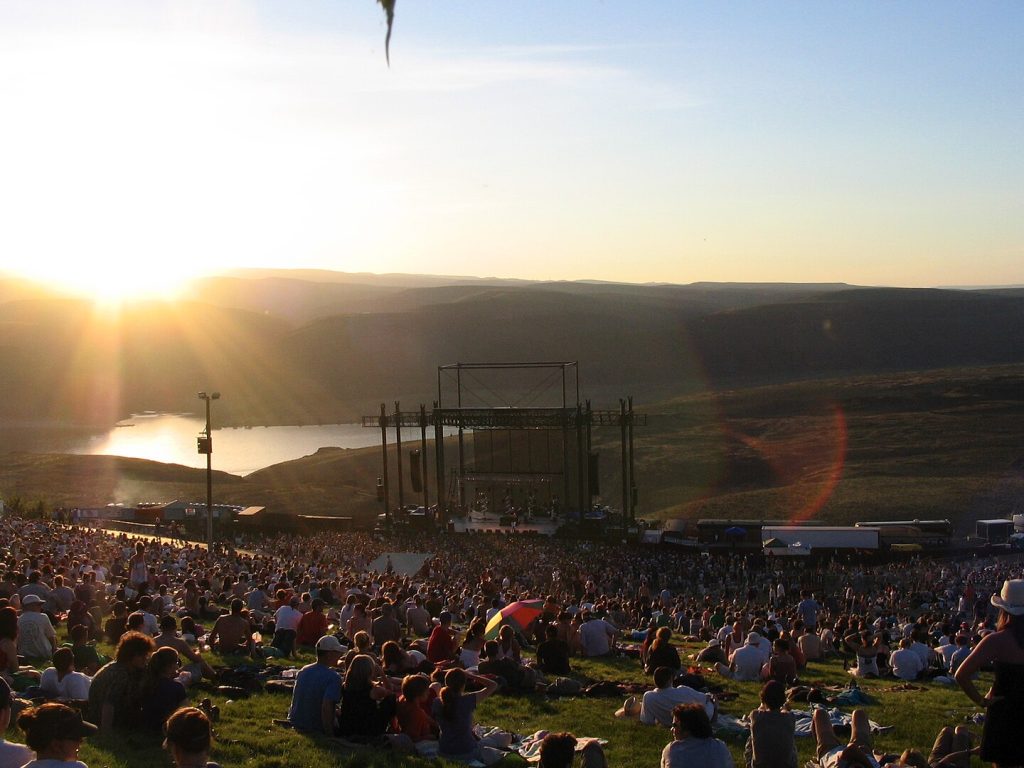
Sasquatch! Music Festival once brought thousands of fans to the breathtaking Gorge Amphitheatre each Memorial Day weekend, offering a blend of indie rock, electronic music, and comedy that became a staple of Pacific Northwest culture. Despite its popularity, organizers announced in 2018 that the festival would not return, citing financial pressures and shifting market conditions that made the event increasingly difficult to sustain. Rising production costs, along with heightened competition from newer festivals, created a challenging environment for maintaining profitability. The festival also faced higher logistical expenses tied to its remote location, as transporting equipment and staff added additional strain. These concerns accumulated over time, ultimately leading to the decision to close a chapter cherished by many music lovers.
Voodoo Music + Arts Experience, New Orleans, Louisiana
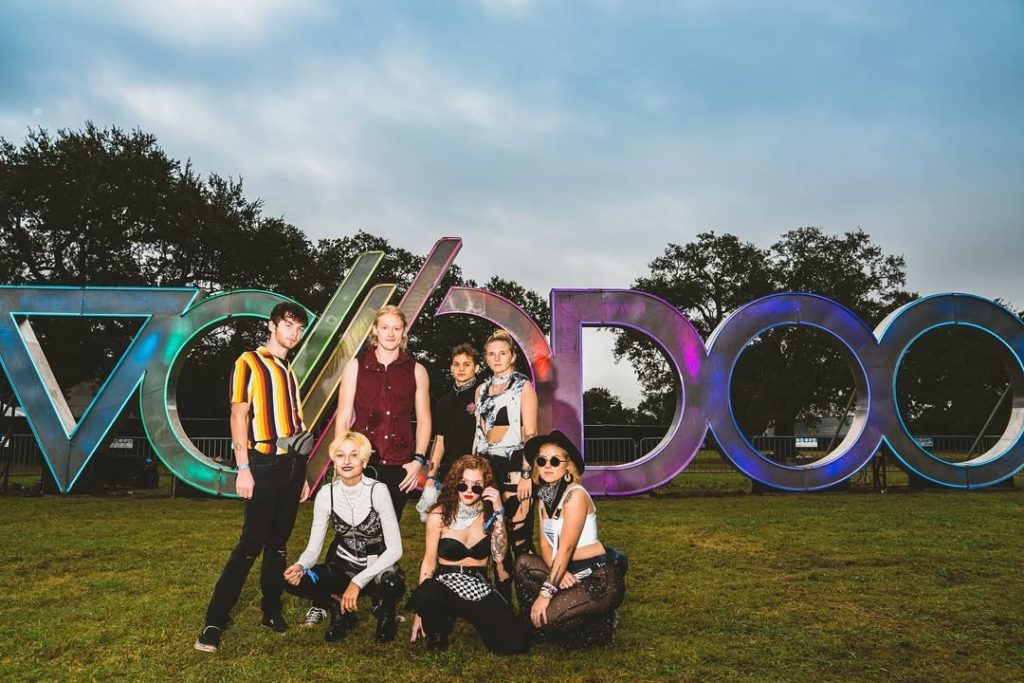
Voodoo Music + Arts Experience brought an eclectic mix of music, art installations, and Halloween-season energy to City Park for nearly two decades. While it once attracted tens of thousands of attendees and major headliners, the festival paused after 2019 and later announced that it would remain on hiatus indefinitely. Rising operational costs, including labor, staging, security, and insurance, significantly challenged its long-term viability. The unique timing of the event also required extensive coordination with local resources during an already busy season for the city. These factors made it increasingly difficult for organizers to deliver the immersive experience fans expected while staying financially stable. As costs continued to rise, the festival joined the growing list of cherished events unable to return under current market realities.
Celebrate Brooklyn!’s BRIC Youth Media Festival, New York, New York
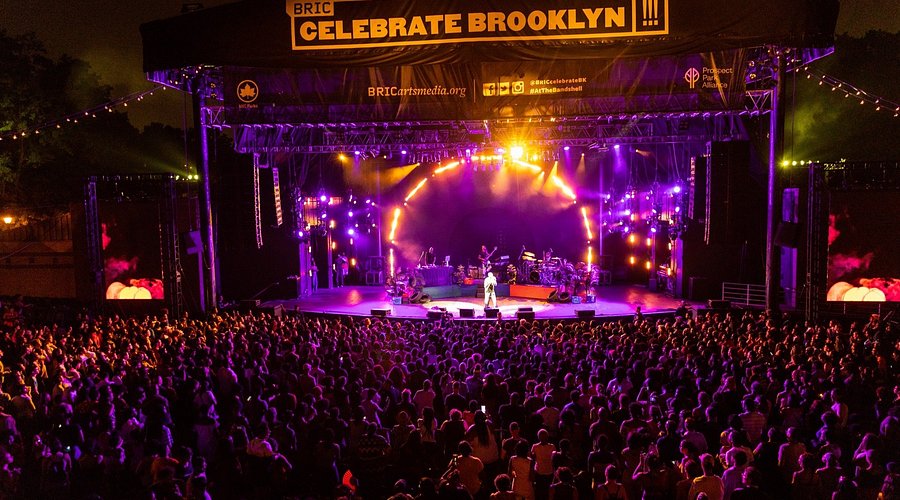
Celebrate Brooklyn!’s BRIC Youth Media Festival offered young filmmakers a platform to showcase creativity and connect with supportive audiences in Prospect Park. However, in 2023 organizers announced the cancellation of several youth-centered programs due to rising operational expenses and limited funding. The cost of venue support, equipment rentals, and staffing increased substantially, making it difficult to sustain the festival as originally structured. While BRIC continues to support community arts, its scaled-back programming reflects broader financial challenges facing arts organizations across major cities. The cancellation highlighted the strain placed on youth and community-driven events that depend heavily on grants and sponsorships vulnerable to economic shifts. For many participants, the loss represented more than a budget decision, as the festival served as a creative milestone and gathering place.
Bumbershoot, Seattle, Washington
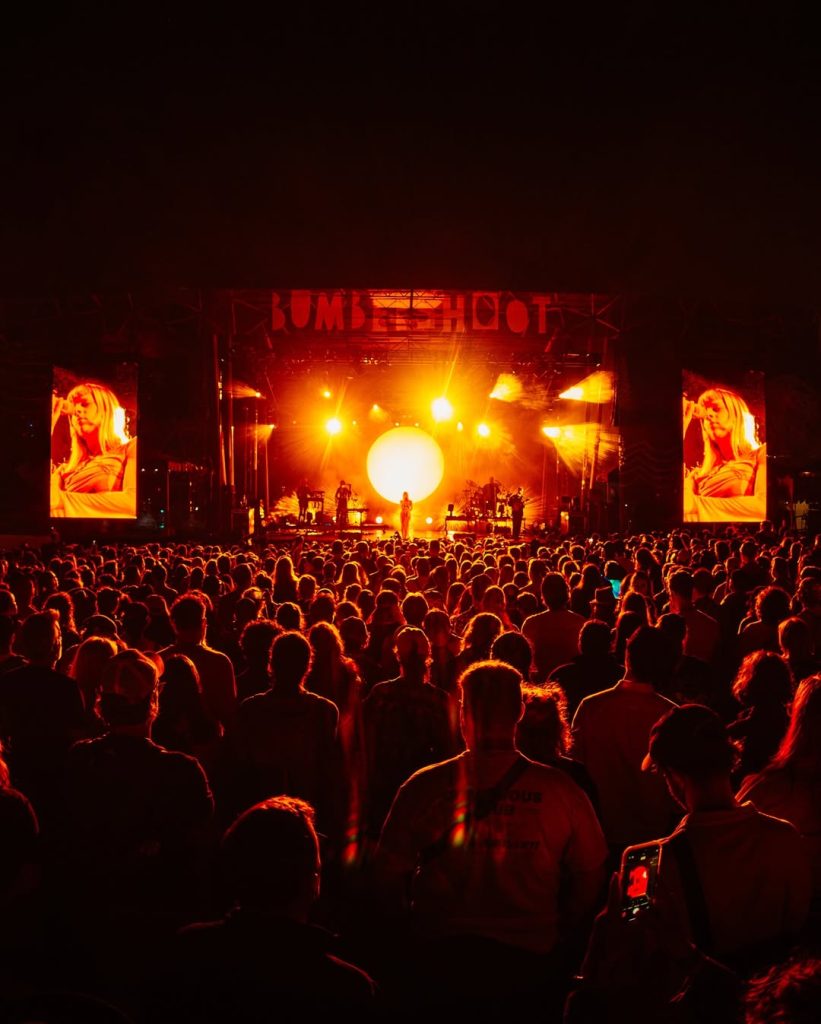
Bumbershoot has long been one of Seattle’s most recognizable festivals, celebrating music, arts, and local culture since the 1970s. However, the event faced repeated cancellations beginning in the late 2010s due to rising production expenses, shifting partnerships, and competition from newer events. Costs for security, staffing, staging, and insurance grew significantly as expectations for large-scale festivals evolved. Organizers struggled to balance ticket affordability with the financial demands required to maintain multi-day programming. Although the festival made a hopeful return in 2023, its years of cancellation underscored the economic challenges facing legacy events across the country. Bumbershoot’s story illustrates how even iconic institutions must adapt to a changing marketplace marked by high operational costs and complex planning requirements.
LA Pride Festival (West Hollywood Format), Los Angeles, California
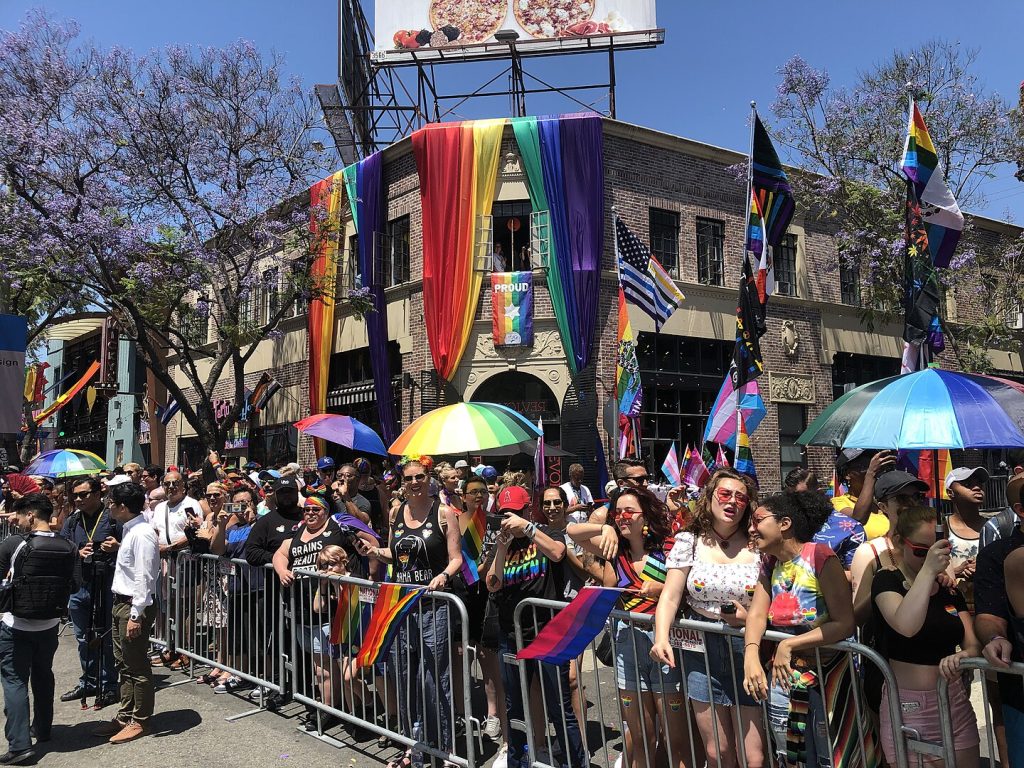
The former West Hollywood format of LA Pride underwent major restructuring after organizers acknowledged that the costs associated with hosting the festival in its traditional footprint had become unsustainable. Rising security expenses, increased infrastructure requirements, and changes in municipal budgeting all played a role in moving the festival away from its longtime home. While LA Pride continues today in a different format and location, the cancellation of the original version marked a significant transition for a celebrated community event. The decision reflected the financial pressures many large gatherings face as expectations expand and cities require more extensive coordination. For longtime attendees, the shift represented both nostalgia for the past and recognition of the need for fiscal responsibility amid rising costs.
Riverbend Festival, Chattanooga, Tennessee
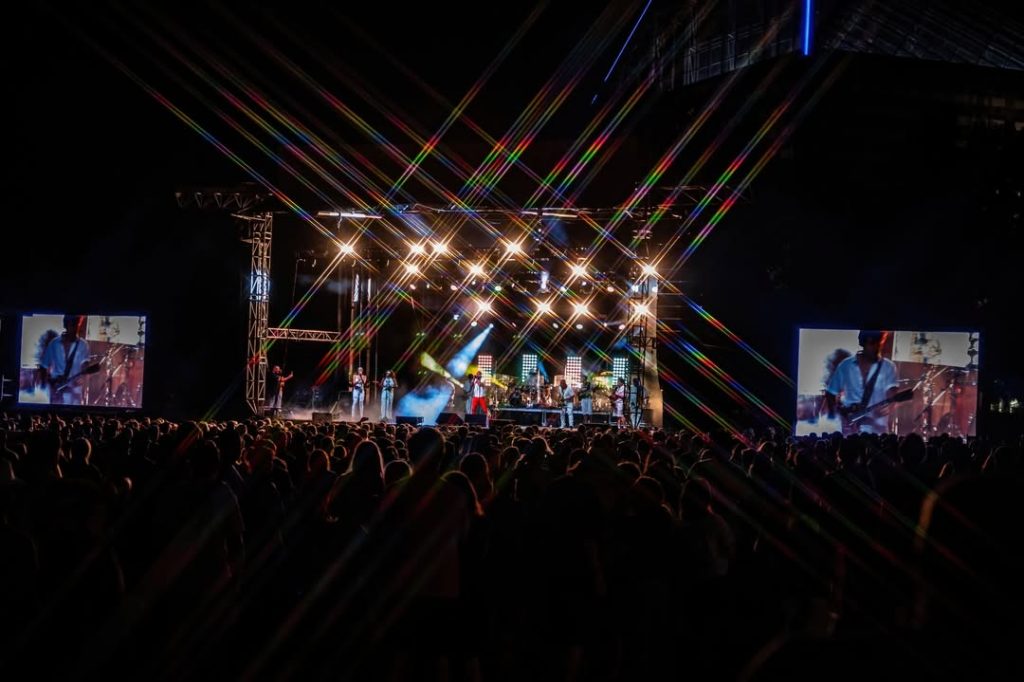
Riverbend Festival entertained Chattanooga residents and visitors for decades with a lineup that blended regional talent and nationally recognized artists along the Tennessee River. In 2024, organizers announced the festival’s cancellation due in part to rising operational costs and reduced funding from corporate partners. Production expenses, stage construction, and staffing requirements had grown significantly, making the event difficult to sustain under its existing model. The nonprofit behind the festival emphasized that financial pressures, combined with shifting attendance patterns, created an environment where continuation was no longer feasible. Riverbend’s absence marks a noticeable change in Chattanooga’s cultural calendar and illustrates how increasing expenses affect even well-established community traditions.
Riot Fest (Chicago Version), Chicago, Illinois
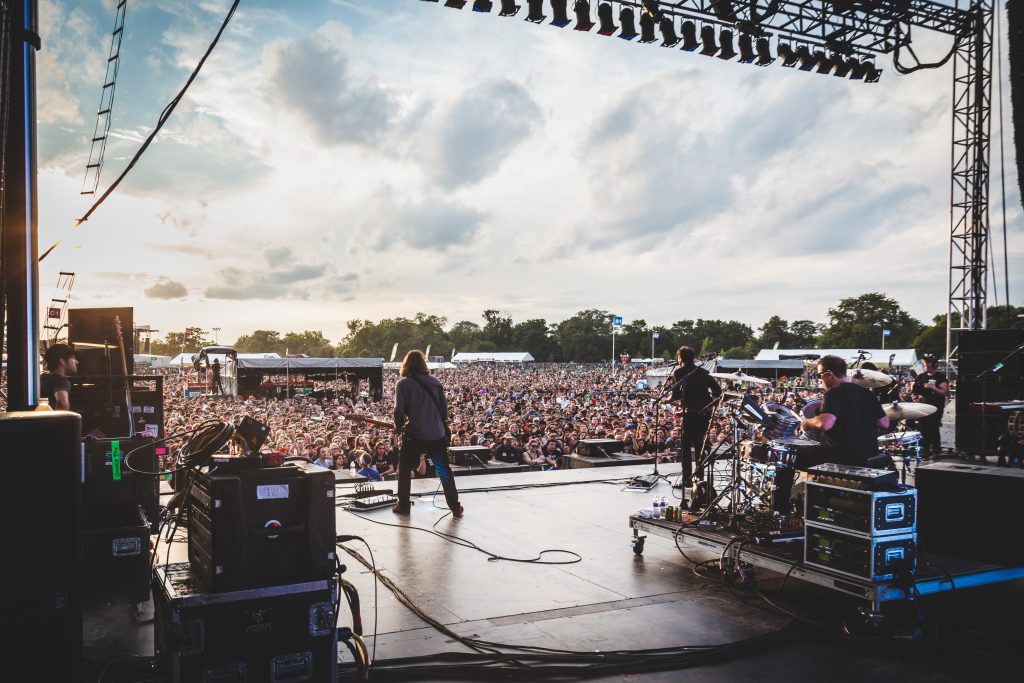
Riot Fest had earned a reputation as a beloved event for punk, alternative, and rock fans across Chicago, hosting energetic performances and drawing large crowds each year. In 2024, organizers announced that the Chicago version of the festival would not take place due to mounting operational costs and logistical challenges involving venue coordination and broader economic pressures. Costs associated with security, staffing, equipment, and insurance had risen sharply, creating financial strain despite strong fan support. The cancellation highlighted the difficulties faced by independent festival organizers working to maintain large-scale productions in urban environments. While Riot Fest continues in select other locations, the loss of the Chicago edition reflects how rising expenses reshape the music festival landscape nationwide.