7 “Work From Anywhere” Visas Launching in 2026 That Remote Workers Are Questioning

Remote-work visas get marketed as freedom, but remote workers read the rules like a contract. In 2026, several countries are rolling out remote-work routes, and the doubts are familiar: tax status after long stays, income proofs that do not match pay cycles, renewal limits, and portals that behave differently by office. A program can sound clear in a press release and still feel uneven at the counter. These seven launches are drawing buzz, and skepticism, from people who want a base that stays calm once approval is granted, with fewer surprises at touchdown. Clarity matters more than headline.
Bulgaria

Bulgaria’s new digital nomad route is hitting its first full travel year in 2026, and that early stage is exactly what makes remote workers cautious. They like the idea of an EU base with lower costs, but they question how consistently consulates and local offices read income proof for freelancers versus employees, and how long the Visa D step and residence paperwork actually take in practice. When translations, notarizations, and appointment queues stack up, a visa meant to simplify life can start to feel like a calendar of errands, especially for couples managing leases, banking, and school timing.
Slovenia

Slovenia’s digital nomad visa is still new in 2026, and remote workers question whether a one-year, non-renewable stay fits how real life works. Work must remain tied to non-Slovenian employers or clients, and the rule that requires time outside the country before applying again makes planning feel rigid, especially for anyone who wants seasonal continuity or a stable school year. The program can still be appealing for Ljubljana’s pace and easy Schengen access, but many hesitate to sign long leases when the framework is designed to end, not settle into a repeatable rhythm, with limited wiggle room.
Moldova
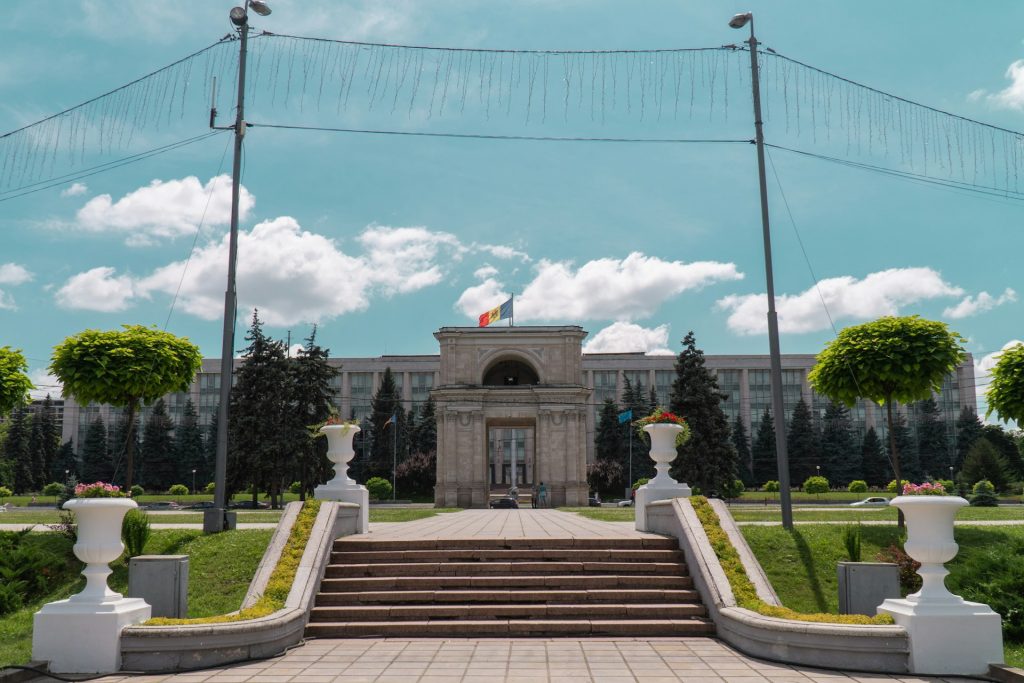
Moldova’s digital nomad visa moved from announcement to real applications recently, so 2026 is when applicants learn what the system feels like day to day. The headline promise is simple, up to two years of legal stay while working for foreign clients or employers, yet remote workers question what counts as acceptable proof and how predictable renewals are across offices. Some also worry about the tax line: a base becomes complicated if “remote” work still triggers local filing duties after a long stay. For many, the deciding factor is whether the process is truly digital or still built around in-person stamps and waits.
Kyrgyzstan

Kyrgyzstan’s digital nomad status is expanding in 2026 with more online handling, and that convenience is exactly what remote workers are watching closely. The program targets remote income and aims to formalize longer stays, but questions linger about who qualifies, how income is verified, and whether extensions are granted smoothly or treated like a fresh case each time. Because the status can start with a short validity and then rely on renewals, small documentation errors can become repeated stress, especially for people trying to rent long-term housing or open banking services without a classic residence permit.
Nepal

Nepal’s proposed digital nomad visa is expected to become usable in 2026, and the concept has strong pull: a slower cost curve, big landscapes, and a long-stay legal lane. Remote workers still question the tradeoffs because the draft policy pairs perks with firm thresholds, including income or savings proof and high medical insurance coverage. Tax treatment is another focus, since a flat rate is discussed once stays cross roughly half a year, which changes the math for anyone hoping to linger through multiple seasons. Until the final rules and portal are fully live, many treat it as promising, but not yet dependable.
Peru

Peru has talked up a digital nomad pathway for years, and 2026 is when remote workers still ask the same question: is it a real process, or a label without consistent implementation. When a visa category exists in legislation but the application framework stays slow to publish, travelers can end up stuck between advice blogs and front-desk reality. That uncertainty matters because long-term housing, local IDs, and health coverage often depend on status being clean and renewable. Peru remains easy to love for food and landscape, but many remote workers hesitate to commit until offices apply one clear rulebook nationwide.
Taiwan

Taiwan’s digital nomad visa is shifting into a longer-stay model by 2026, extending beyond the early short-stay format that required frequent extensions. That extra runway sounds ideal, yet remote workers question the practical edges: the eligibility filters based on income and prior status, the paperwork needed to prove foreign employment, and what happens to tax residence once time in-country stretches past the usual thresholds. The visa can be a strong fit for people who want a stable base, but many wait to see whether the extended validity comes with clearer guidance, or simply a longer period inside the same administrative gray zone.