8 Cities Where Back-to-School Changes the Entire Vibe
The return of school calendars quietly reshapes many cities each year. Streets feel less crowded, daily schedules stabilize, and familiar rhythms return. Tourist traffic eases, while local routines become more visible in neighborhoods, cafes, and public spaces. Cultural life often continues without summer intensity, creating a more balanced atmosphere. Transportation flows better, reservations open up, and public areas regain breathing room. This seasonal shift affects more than crowds alone. In certain cities, back to school season alters mood, pace, and identity so clearly that the change feels immediate, noticeable, and deeply woven into everyday urban life across regions worldwide.
New York City
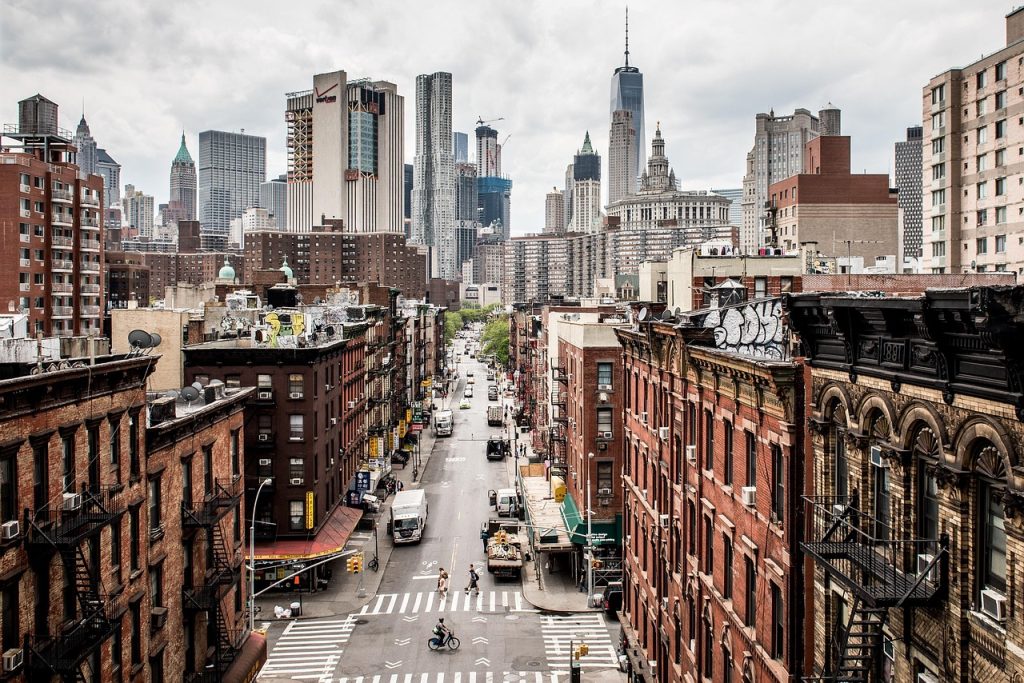
Back to school season noticeably resets New York City daily life. Summer tourism fades, easing pressure on Midtown streets and major attractions. Subway cars feel less congested during off peak hours. Central Park regains space for routine walkers rather than tour groups. Neighborhood cafes shift back toward regular customers. Broadway continues performances without peak season crowds. Cultural institutions remain active, yet calmer. The city energy becomes more focused and functional. Once school resumes, New York City feels sharper, more navigable, and grounded in everyday rhythms that define local life beyond vacation driven movement across all five boroughs consistently each September annually.
Boston
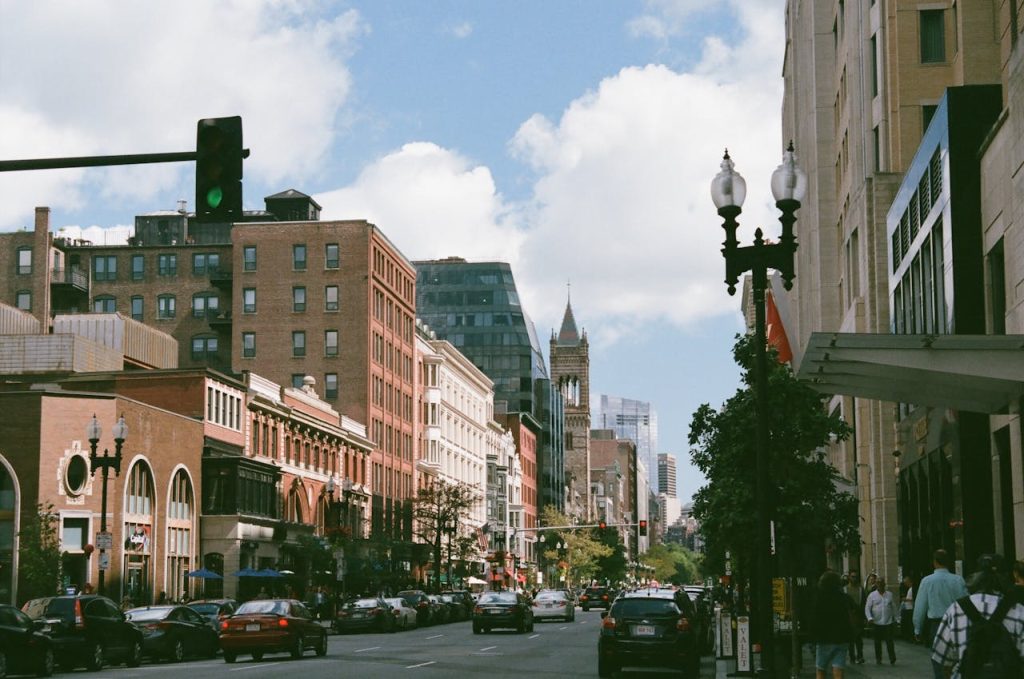
Boston changes quickly once universities and public schools resume classes. Student populations return, reshaping neighborhoods like Allston, Cambridge, and Fenway. Summer visitors depart, reducing congestion along the Freedom Trail. Public transit grows busier during weekdays yet steadier overall. Coffee shops fill with students instead of tourists. Cultural institutions return to academic schedules. The city pace becomes intellectual and routine driven. Back to school season restores Boston identity as an academic hub, shifting focus from seasonal sightseeing to campus life, lectures, and everyday movement shaped by semesters rather than vacation cycles across the metropolitan area annually.
Paris
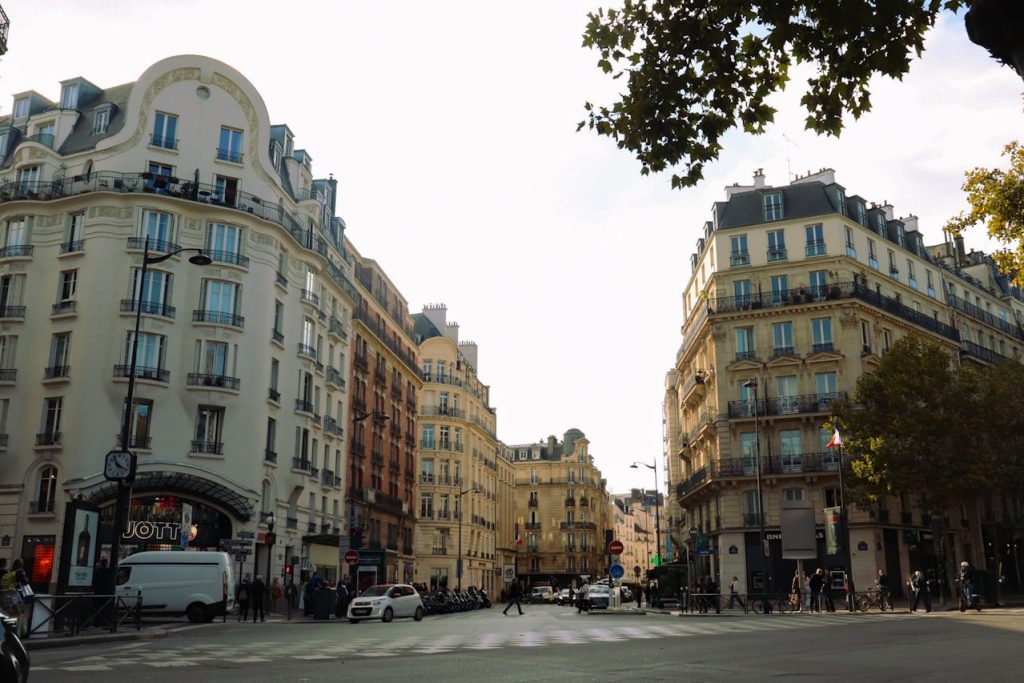
Paris undergoes a clear transformation after school resumes in France. August closures end, and residents return to the city. Tourist crowds thin, especially near major landmarks. Neighborhood bakeries, markets, and cafes resume normal routines. Public transportation feels balanced again. Cultural institutions reopen fully with fall programming. Streets feel purposeful rather than leisurely. This period highlights Paris daily life, shaped by work, school, and community schedules. Back to school season replaces summer drift with structure, revealing how the city functions beyond tourism through local rhythms, steady movement, and quieter streets that define Parisian urban identity each September annually.
Tokyo
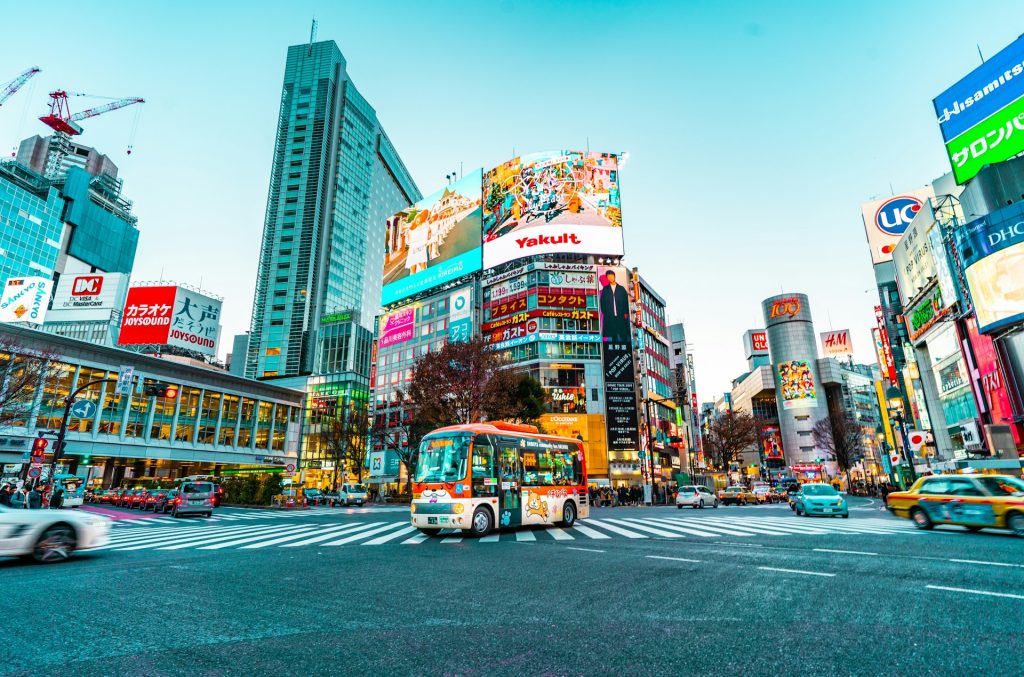
Tokyo feels subtly different once school terms restart across Japan. Summer festivals wind down, and domestic travel decreases. Train stations remain busy but more predictable. Tourist heavy districts become easier to navigate. Neighborhood streets feel calmer during daytime hours. Shops and restaurants shift back to serving regulars. September weather improves comfort, supporting daily routines. The city rhythm becomes orderly and efficient again. Back to school season reinforces Tokyo balance between density and discipline, highlighting everyday life patterns that summer travel temporarily obscures across wards like Shinjuku, Shibuya, and Taito, where tourism concentrates seasonally before dispersing as academic schedules resume nationwide.
Rome
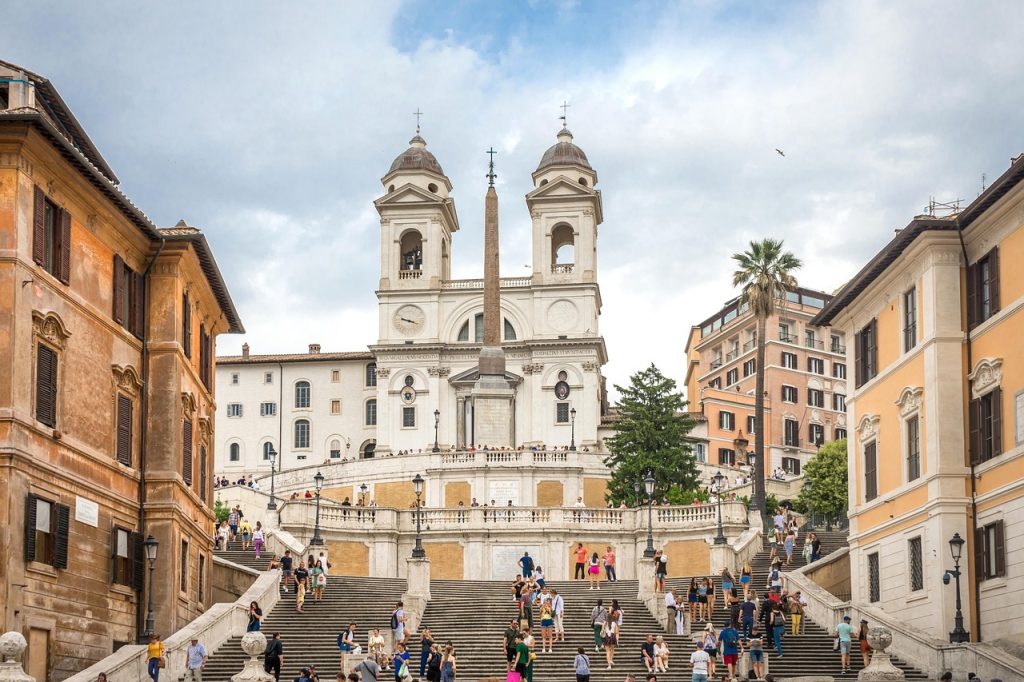
Rome experiences a noticeable shift once Italian schools reopen. August holidays end, bringing residents back and sending many visitors home. Major historic sites feel less crowded. Neighborhood cafes regain regular clientele. Traffic patterns normalize, and public transport steadies. September weather improves walkability across the city. Cultural life resumes without summer extremes. Back to school season reintroduces everyday Roman routines, revealing how ancient spaces integrate with modern life. The city feels more lived in and navigable, offering a calmer atmosphere shaped by local schedules rather than seasonal tourism pressures across historic districts and residential areas alike annually.
Los Angeles
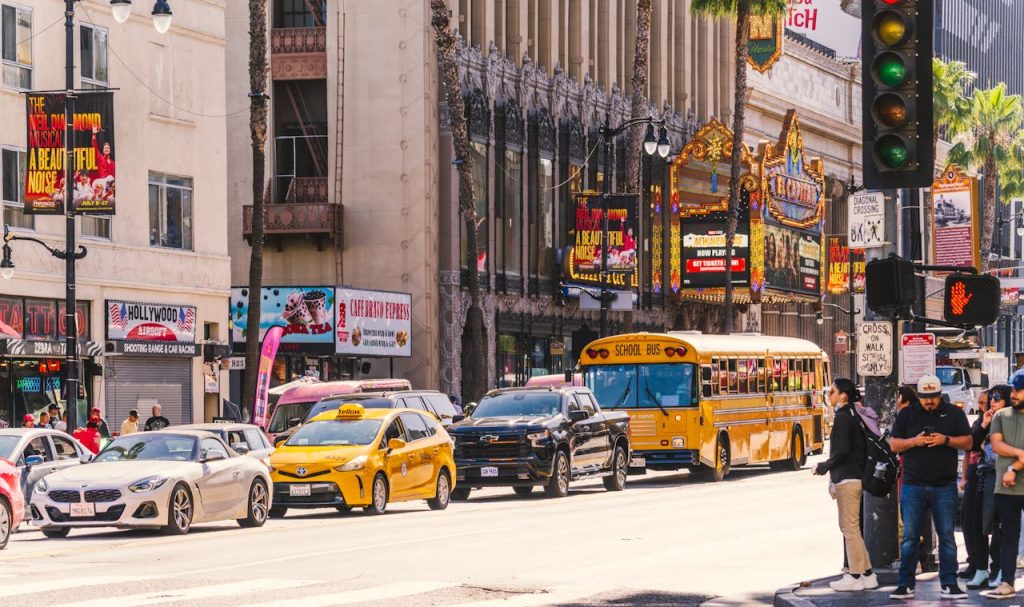
Los Angeles changes pace after back to school season begins. Family travel declines, easing congestion at attractions and beaches. Freeways move more predictably during weekdays. Neighborhood routines return as summer schedules end. Cultural venues maintain activity without vacation crowds. Hiking trails and outdoor spaces feel less busy. Warm weather continues, but the city feels more organized. Back to school season shifts Los Angeles from leisure driven movement to daily life flow, highlighting how education calendars influence traffic, public spaces, and social rhythms across a sprawling metropolitan area built around routine as much as entertainment each fall.
London
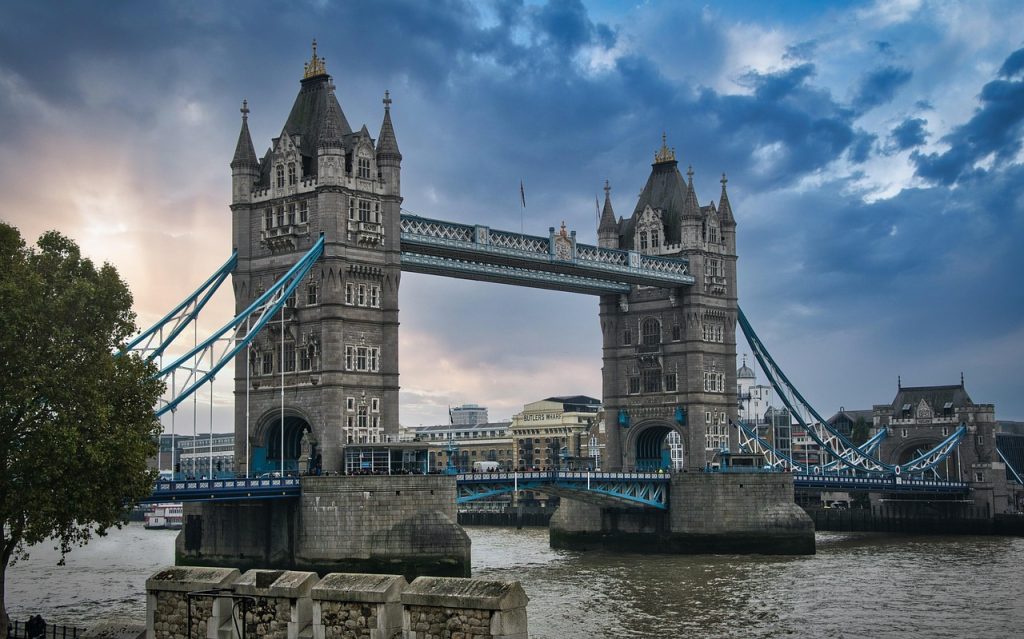
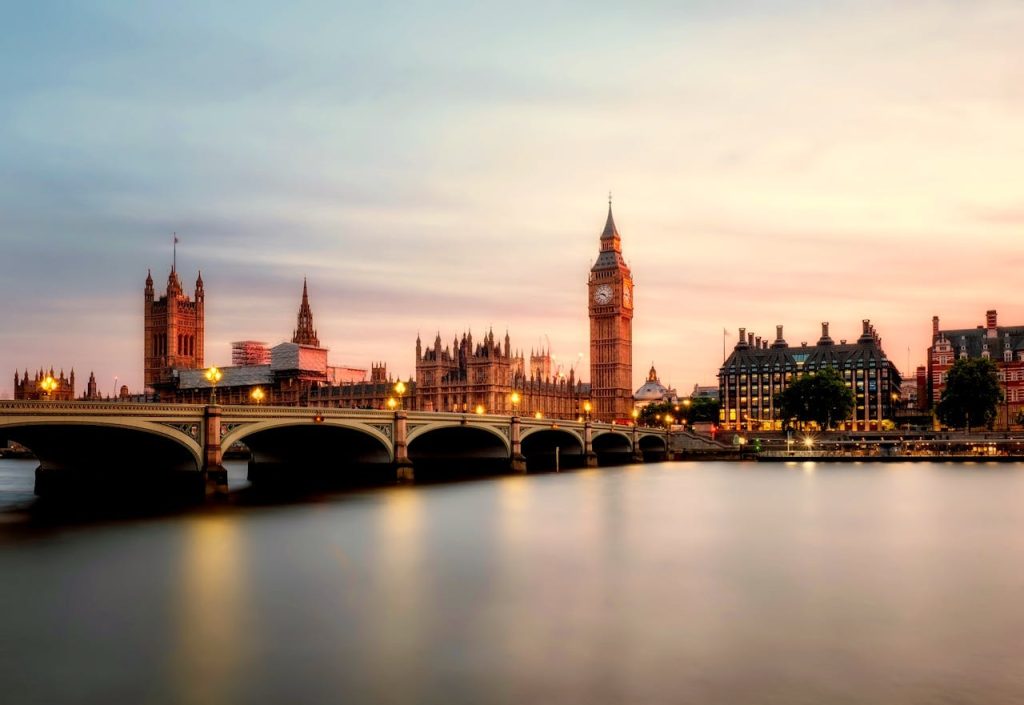
London settles into a different rhythm once schools reopen across the United Kingdom. Summer tourism eases, particularly in central districts. Public transport becomes more commuter focused. Parks feel quieter during weekdays. Museums remain active but less crowded. Neighborhood businesses return to serving locals. Cultural programming continues with autumn schedules. The city feels steadier and more functional. Back to school season reinforces London identity as a working capital, shifting focus from sightseeing to daily routines shaped by education, employment, and community life across boroughs like Westminster, Camden, and Hackney, where seasonal traffic patterns change noticeably each September annually.
Barcelona
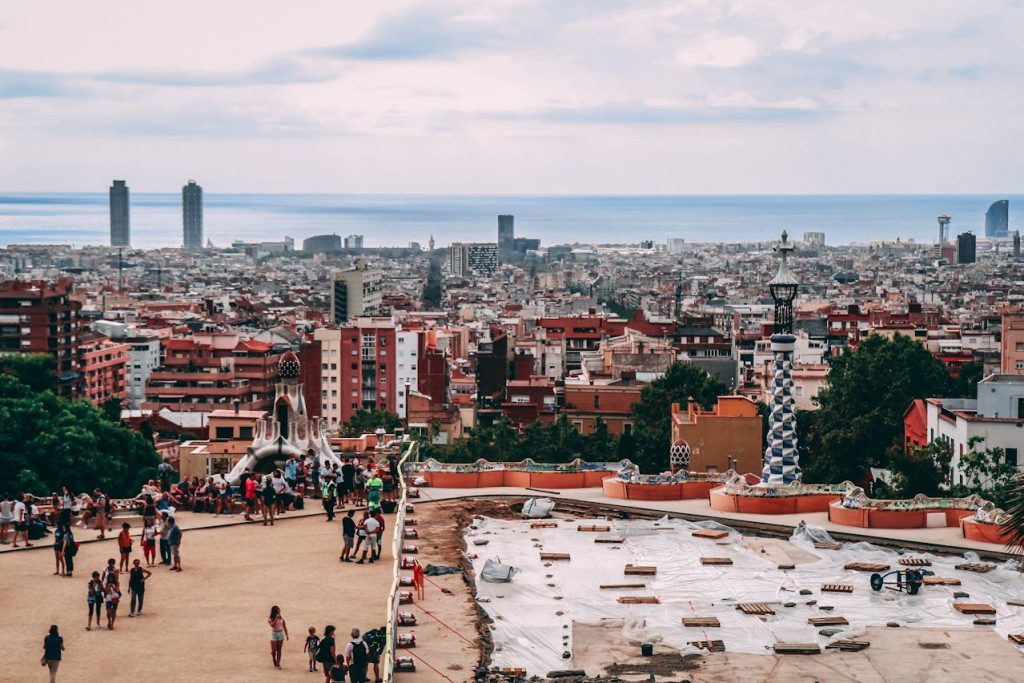
Barcelona experiences a clear mood shift after summer break ends. Beach crowds thin, and coastal neighborhoods quiet. Tourist traffic eases around major attractions. Local routines return to cafes, markets, and public transit. September weather remains warm without peak intensity. Cultural life continues at a calmer pace. Streets feel more residential again. Back to school season restores balance between visitors and residents, revealing Barcelona everyday character beyond festival crowds. The city becomes easier to navigate, with a renewed sense of normalcy shaped by school schedules and local life rhythms rather than seasonal tourism across districts like Eixample, Gracia, and El Born annually.