8 Cities Where Christmas Is Mostly Celebrated by Locals
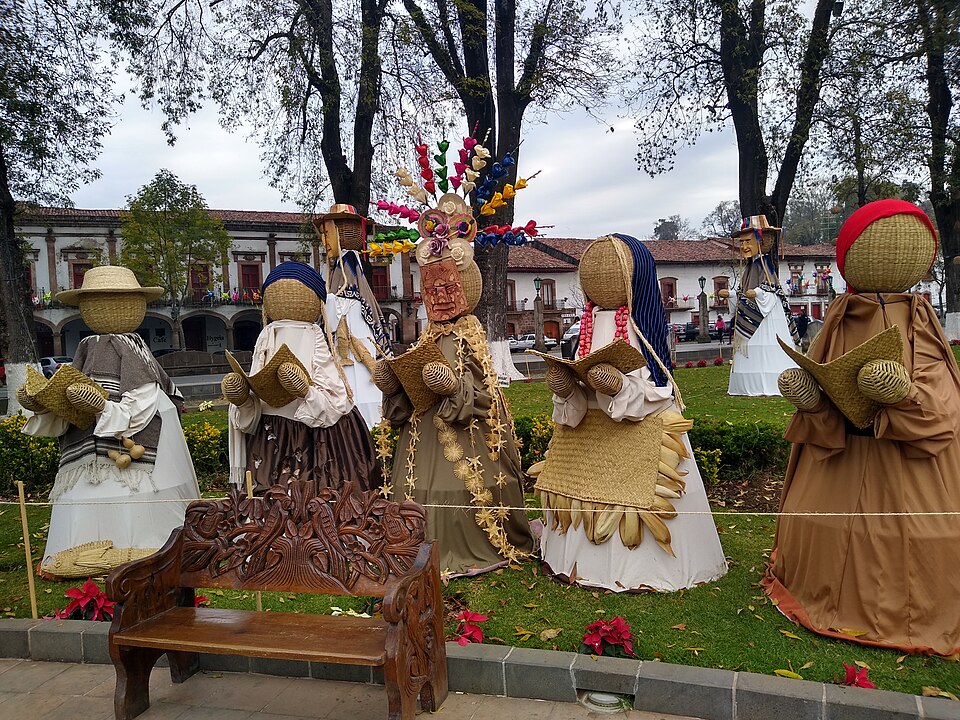
Some Christmas destinations feel designed for visitors, with the season turned into a bright product that runs on queues, ads, and receipts. Other cities keep the holiday closer to home. Church calendars, neighborhood traditions, and family visits set the pace, and the busiest places are often parish courtyards and living rooms. The celebration looks smaller from the outside but deeper in practice, because it is powered by relationships that last beyond December. In these eight cities, Christmas remains something residents do with one another first, and only then share with anyone passing through.
Nagpur, India
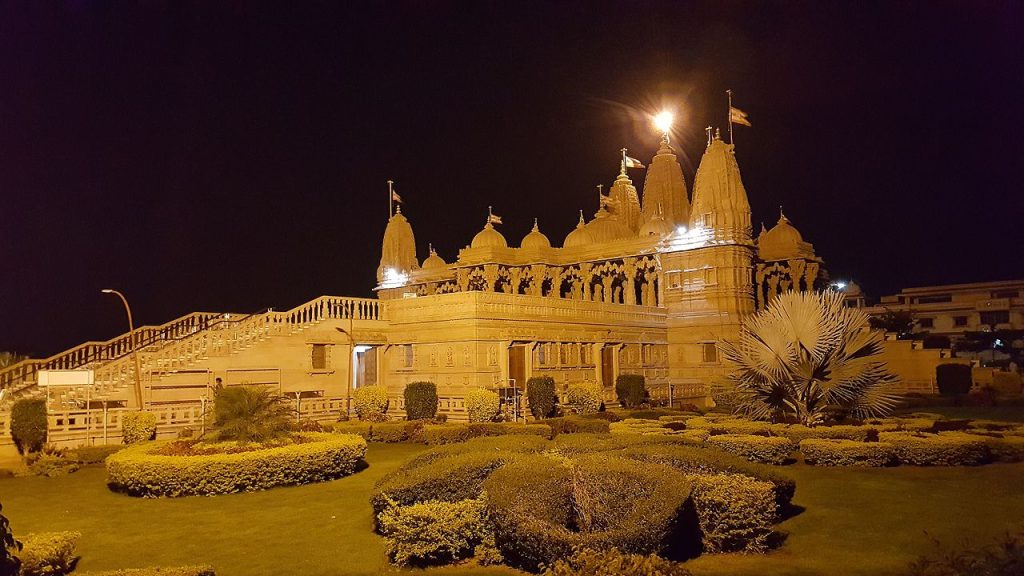
Nagpur’s Christmas feels parish-led rather than packaged. Midnight Mass draws families into neighborhood churches where choirs, scripture, and familiar hymns set the tone before anyone thinks about photos. After the final blessing, the celebration shifts into housing societies and family homes, with tea, cake, and modest gift exchanges that stay inside close circles. By morning, the city is back for quieter prayers and visits to elders, with nativity scenes and lights concentrated around church courtyards. The holiday runs on local choirs, school kids, and relatives making rounds, so the mood stays familiar, steady, and rooted.
Mysuru, India
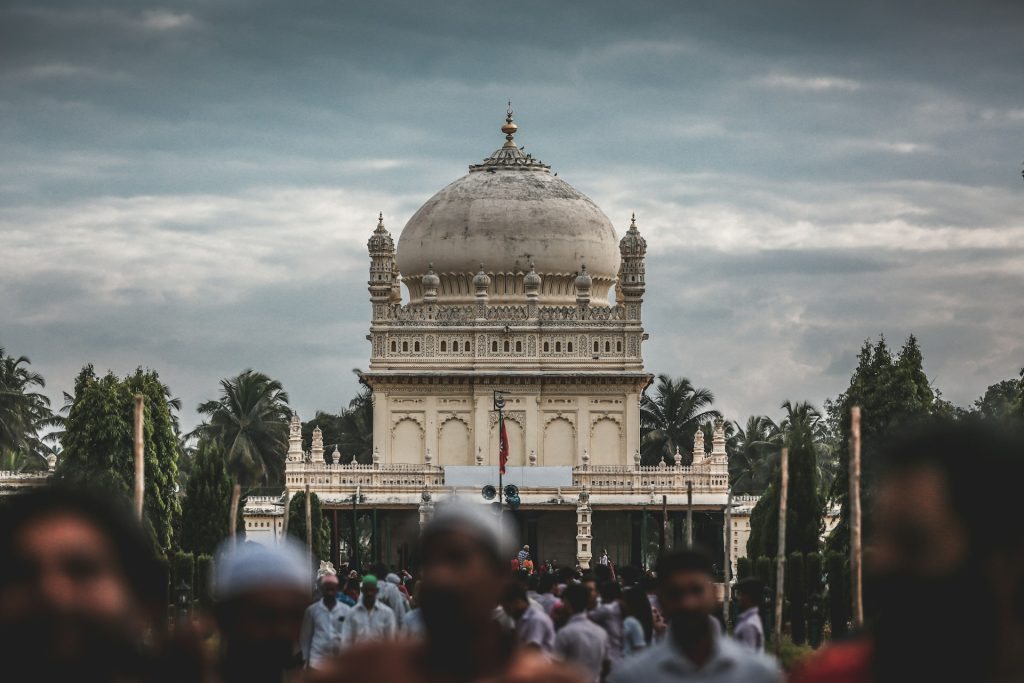
In Mysuru, Christmas gathers around parish life more than shopping streets. St. Philomena’s and neighborhood churches draw steady crowds for late-night prayer and early morning services, and the decorations lean devotional, with nativity scenes built carefully and choirs rehearsing hymns that people actually know. After Mass, families drift home for meals and long visits, and the day unfolds in a slow circuit of relatives, neighbors, and parish communities. There are lights and sweets, but the rhythm stays local, guided by the church calendar and family obligation, not a tourism schedule or staged spectacle.
Tiruchirappalli, India
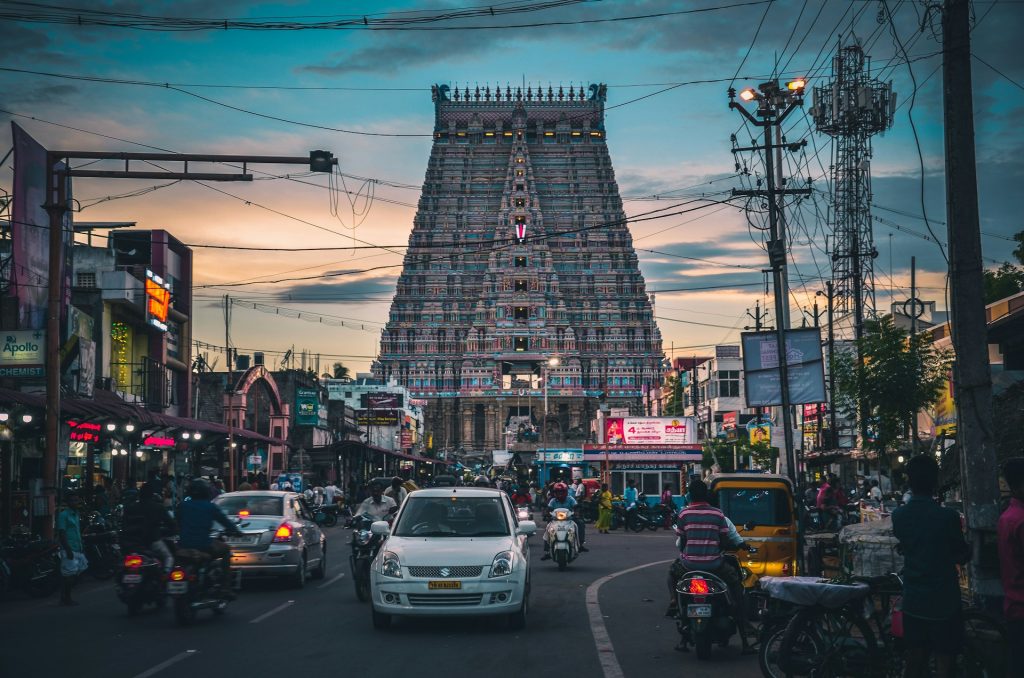
Tiruchirappalli, often called Trichy, treats Christmas as a church-centered day that begins with prayer rather than headline events. Major parishes fill for midnight services, and the most visible décor is the nativity scene, arranged with flowers and simple lighting that keeps attention on the story. After worship, celebration moves into neighborhoods where sweets are shared across doorways and elders are visited first, with conversation staying soft and unhurried. Because the city is not built around holiday tourism, the tone stays practical and communal, with faith leading the timeline and commerce staying secondary.
Kottayam, India
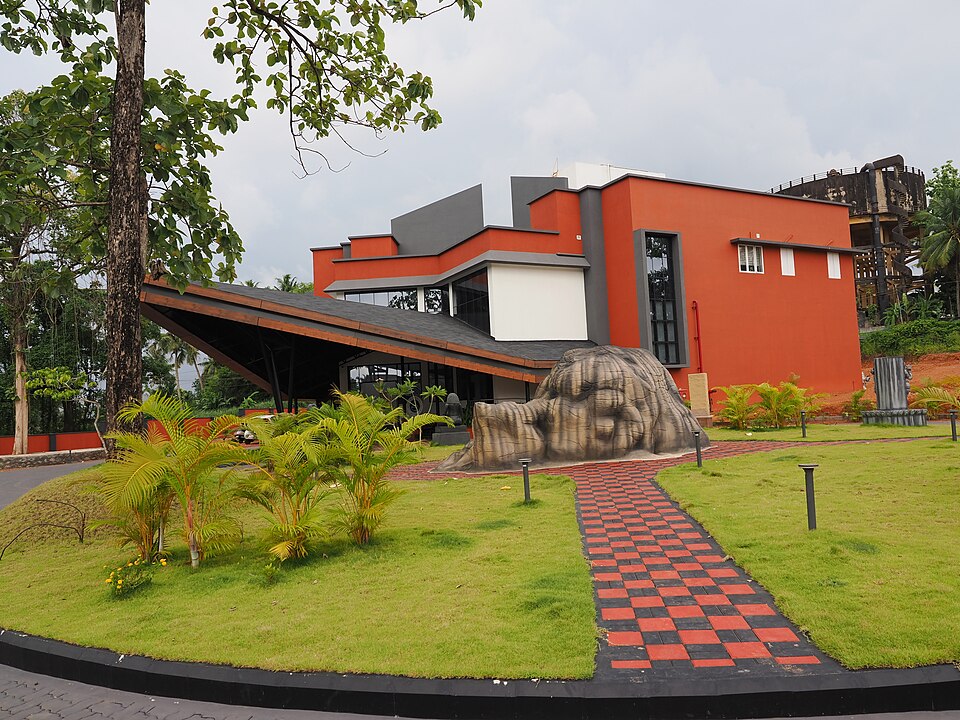
Kottayam’s Christmas is carried by parishes and extended families, not by visitor itineraries. Midnight Mass is packed, choirs are treated seriously, and rehearsals feel like community duty rather than performance. Homes display stars and cribs, but the real movement is people: cousins arriving, elders being visited first, and food traveling between neighbors in tins and plates. The celebration follows a clear order, with prayer anchoring the night and obligations shaping the next day. Even when streets sparkle, most of the holiday happens in courtyards, chapels, and living rooms where everyone knows someone.
Vigan, Philippines
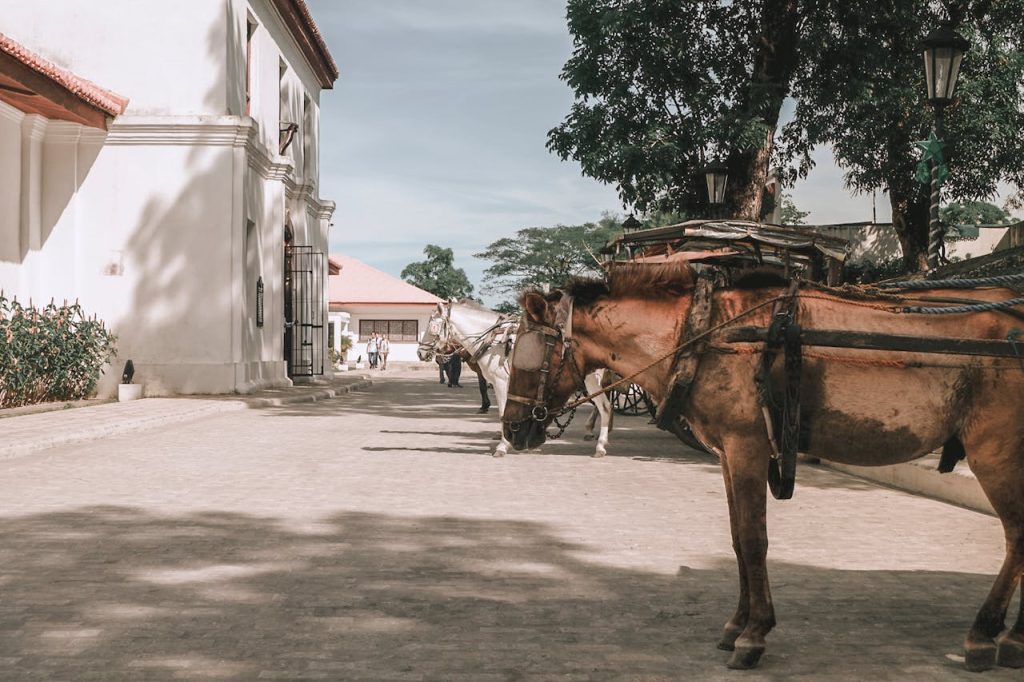
In Vigan, Christmas is built through routine, especially Simbang Gabi, the dawn Masses that pull locals out early while streets are still dim. Lanterns and parol lights appear, but they feel like neighborhood effort rather than commercial branding, and the strongest crowds gather near parishes instead of malls. After Mass, people linger for warm snacks from small vendors, then return to work or school, carrying devotion into ordinary days. By Dec. 24, the celebration feels earned through repetition, with family prayer, caroling, and shared meals leading the mood. The city’s charm matters, but local habit matters more.
Oaxaca City, Mexico
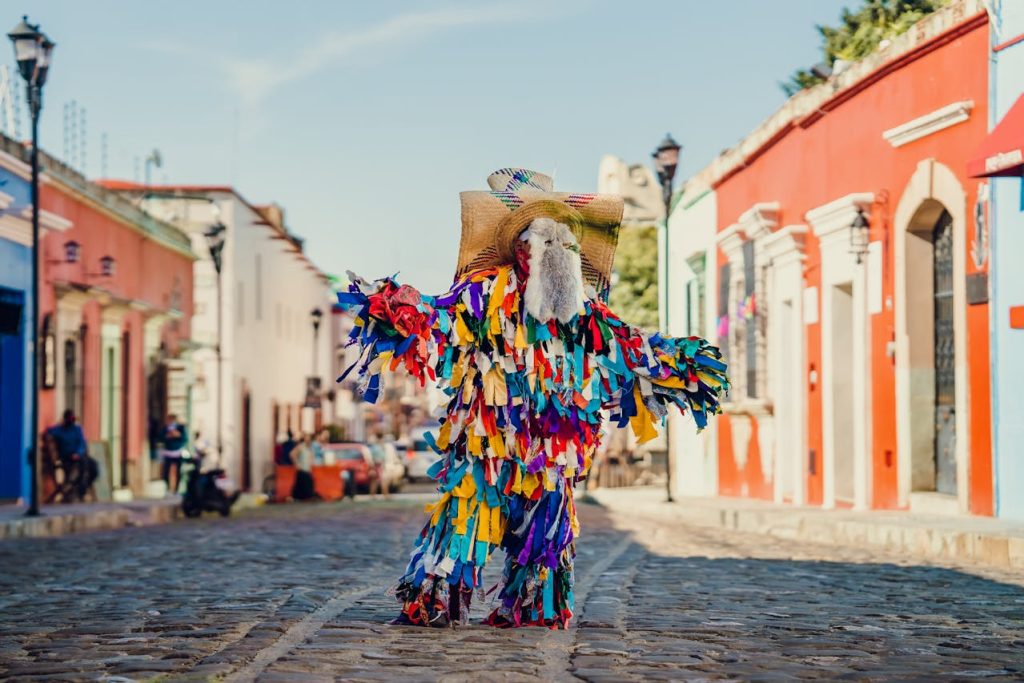
Oaxaca City keeps Christmas anchored to neighborhood Posadas, nine nights of processions from Dec. 16 to 24 that reenact Mary and Joseph seeking lodging. Groups move through streets with candles and songs, stopping at doors for call-and-response verses before being welcomed inside for prayer and shared food. The ritual stays local because families host, children learn the lyrics, and routes shift with neighborhood life. Markets exist, but the emotional peak happens at a doorway when the singing turns hospitality into practice, not performance. The city’s faith feels participatory and grounded, which is why the season belongs to residents first.
Antigua, Guatemala
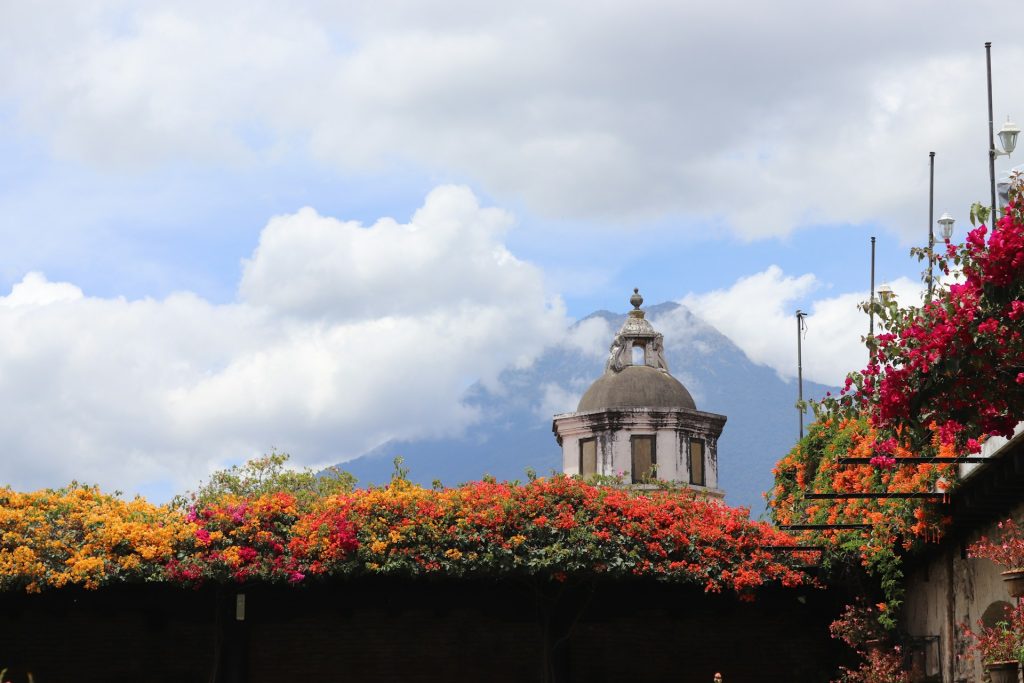
Antigua draws visitors year-round, yet Christmas nights still belong to local Posadas. Parish groups and families carry candles and images through cobblestone streets, singing the request for shelter at each stop until a home welcomes the procession inside. The pace is slow and communal, with prayer placed clearly before refreshments, and hosting rotates so responsibility is shared. Up close, it is not polished or staged: kids fidget, elders keep verses steady, and neighbors squeeze together in courtyards. The celebration stays rooted because it depends on participation, not spectators, and the most important audience is the community itself.
Cusco, Peru
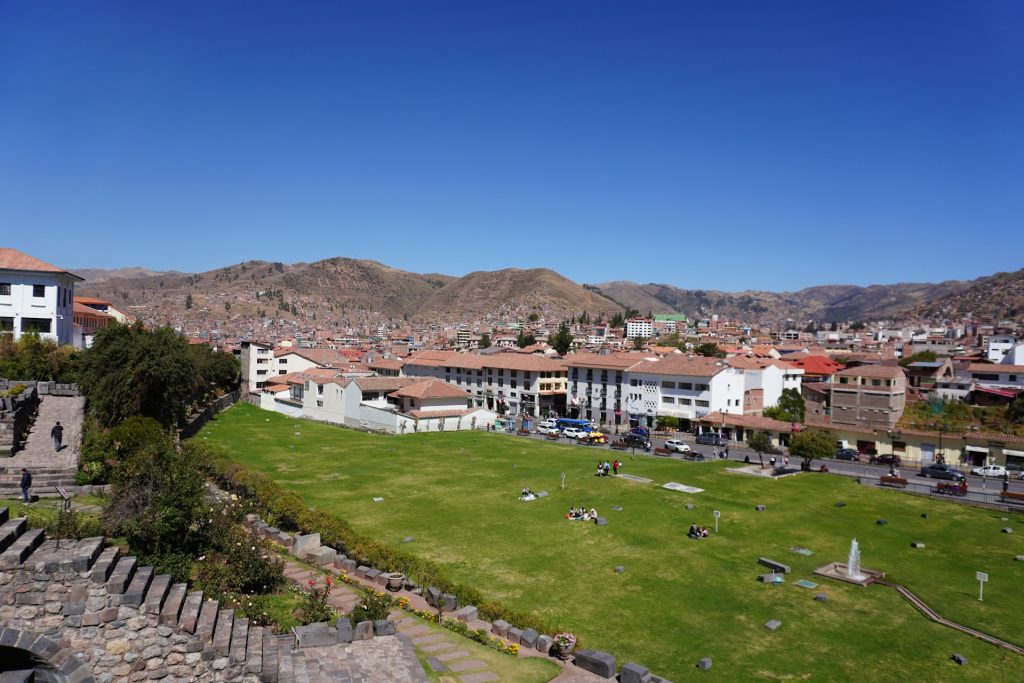
Cusco’s Christmas centers on church bells and family duty, with many households treating late-night Mass on Dec. 24 as the hinge of the celebration. Cathedral services and neighborhood parishes lean into hymns and scripture, and nativity displays feel handmade rather than curated for crowds. Street fairs exist, but they do not set the schedule; worship does, followed by a return home for food, toasts, and visits to elders. Because the core rituals are domestic and parish-based, Christmas reads as something residents do for one another first, then share with outsiders quietly, on their own terms and timing.