8 Cities Where Fall Travel Is the Smart Choice
Fall is when many cities feel like themselves again. Summer crowds thin, sidewalks cool off, and cultural schedules pick up in a way that feels lively, not frantic. Restaurants and museums become easier to plan around, and walking stops being a stamina test. Parks turn color, waterfronts stay comfortable at midday, and short day trips fit without rushing. Smart fall travel is less about chasing peak moments and more about getting a city’s best habits: local meals, long strolls, and evenings that end when they feel complete.
Lisbon, Portugal
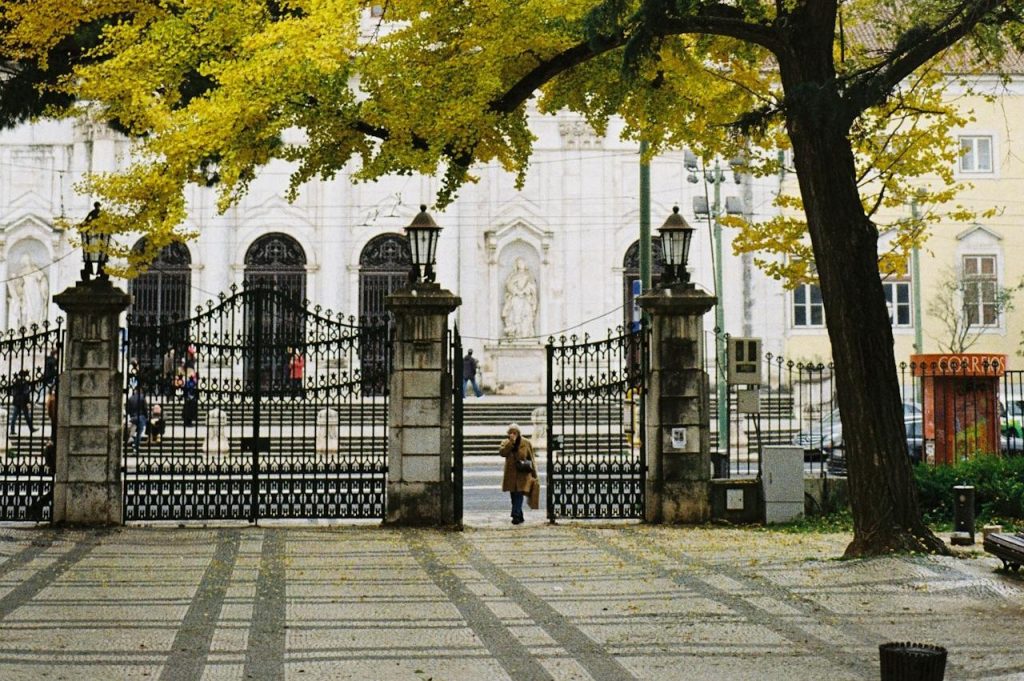
Lisbon in fall keeps its bright, ocean-lit mood, but the city stops feeling overbooked, so transit, viewpoints, and meals stop turning into mini projects. With cooler days, the climbs through Alfama, Graça, and Bairro Alto become enjoyable again, and miradouros like Senhora do Monte and São Pedro de Alcântara feel made for lingering, not jockeying for space. Belém is easier for the Jerónimos area, riverside walks, and pastries, and day trips to Sintra and Cascais fit without rigid timing, leaving evenings for seafood in a small tasca, a tram ride that actually moves, and a slow promenade along the Tagus.
Mexico City, Mexico
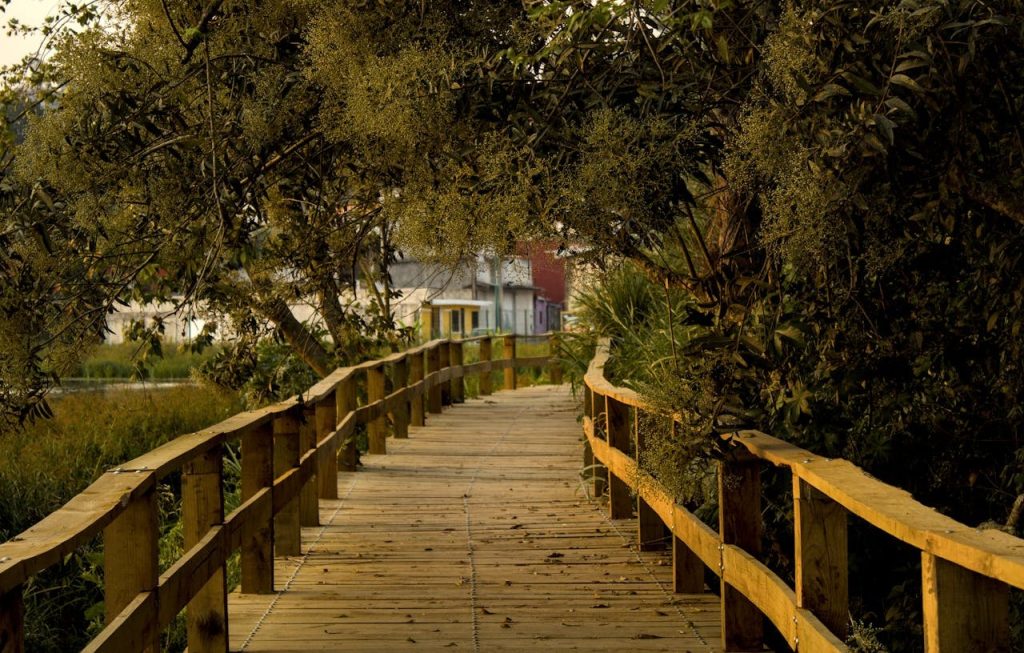
Mexico City shines in fall because long walks feel comfortable, and the culture calendar hits a sweet spot without the heavy summer pressure or constant traffic fatigue. Late Oct. into early Nov. brings Día de Muertos displays, marigolds, and craft markets, which add texture across neighborhoods while still leaving room for normal mornings, siesta pacing, and early nights. Roma, Condesa, Coyoacán, and Centro Histórico can be mixed at a steady pace with Chapultepec Park, the Museo Nacional de Antropología, bookstore cafés, street tacos, and dinner after 9 p.m., and even transit feels more forgiving when afternoons are cooler.
Munich, Germany
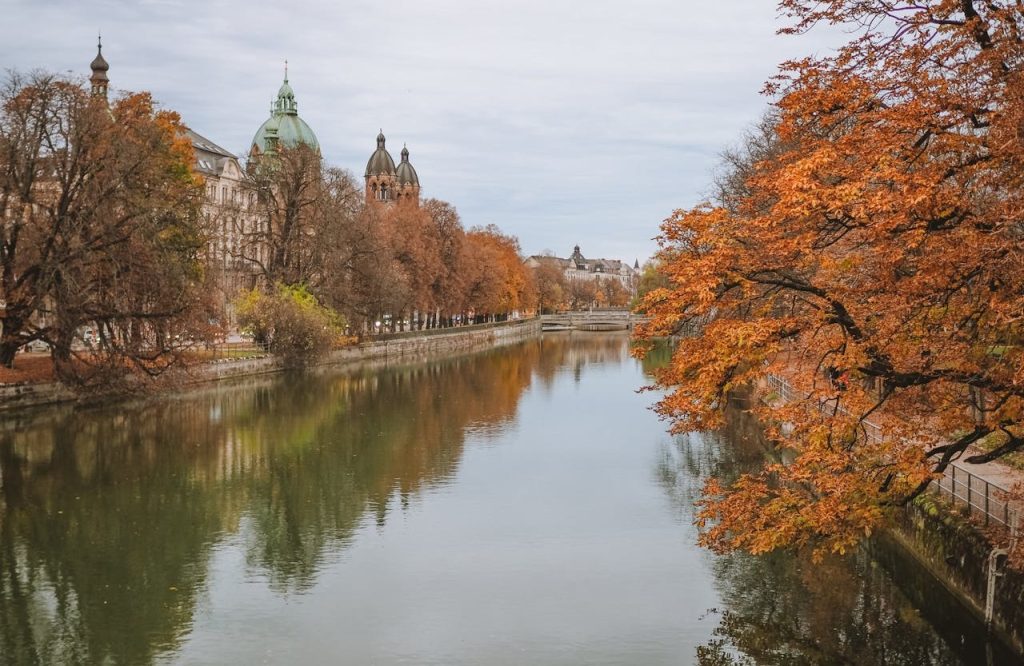
Munich in early fall feels clear-headed: comfortable air, reliable transit, and parks that invite long walks, bike rides, and an unhurried coffee break by the Isar. Oktoberfest can be sampled in moderation, but the smarter rhythm sits in Viktualienmarkt bites, the English Garden, the Residenz, and museum time across the Kunstareal, where a rainy hour still pays off. Short trains reach Tegernsee or Starnberg for lakeside calm, then evenings return to a beer garden under turning chestnut trees, with pretzels, conversation, and people-watching that feel easy rather than scheduled, even on weekends.
Kyoto, Japan
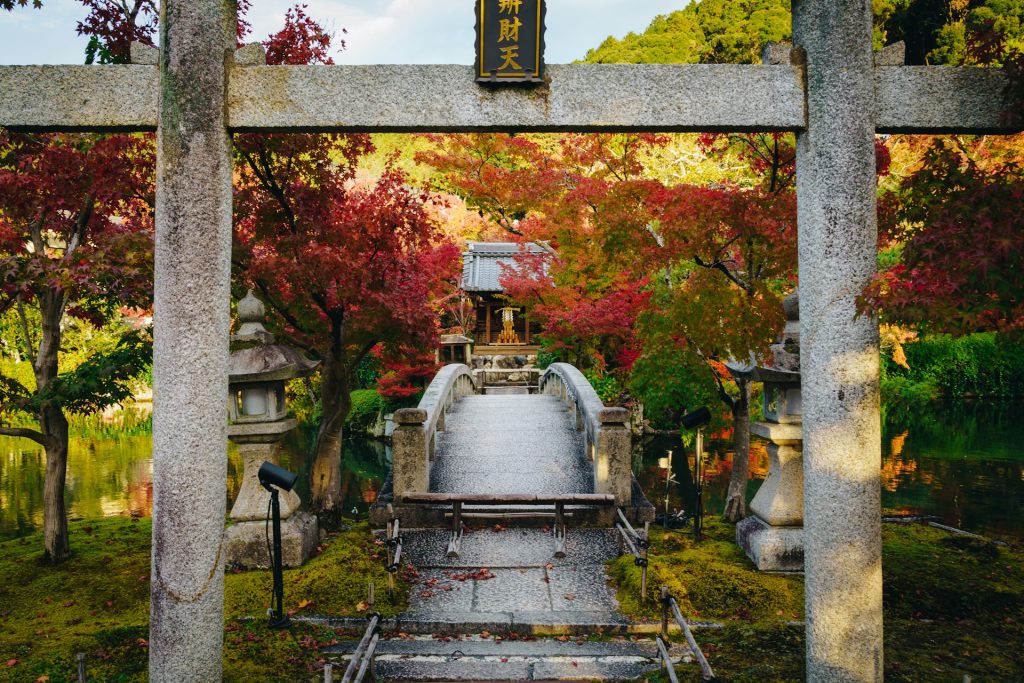
Kyoto’s fall season is when the city feels most balanced, with clearer skies, cooler afternoons, and temple gardens that reward quiet hours instead of rushed photo stops. As leaves begin to turn, Arashiyama, the Philosopher’s Path, and grounds near Kiyomizu-dera benefit from early starts that feel genuinely peaceful, not just slightly less busy, especially on weekdays. Between stops, Nishiki Market snacks, small craft lanes, and riverside walks along the Kamo create a gentle flow, and cooler nights suit a warm bowl of noodles, a tea-house pause, and seasonal illuminations that feel orderly and calm.
Québec City, Canada
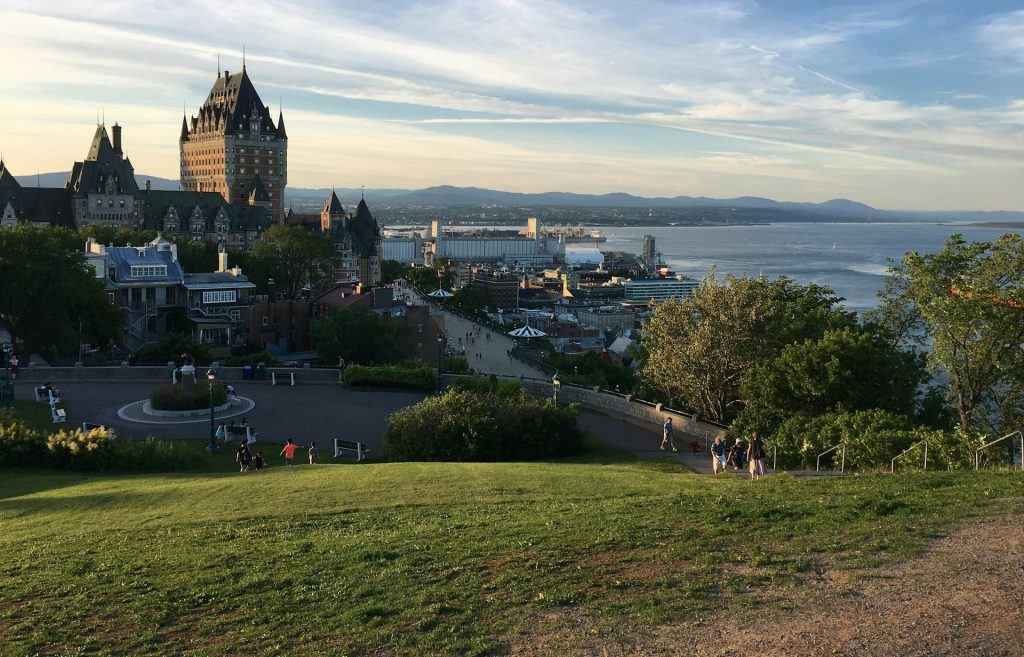
Québec City earns its fall reputation when crisp air sharpens the stone streets, the St. Lawrence looks bright and clean, and walking feels effortless all day. Color builds around late Sept. and early Oct., showing up in the Plains of Abraham, Dufferin Terrace views, and the lanes of Petit-Champlain, where a simple stroll becomes the main event. A day trip to Parc national de la Jacques-Cartier adds forest trails and lookout points without complicated logistics, and back in town, bakeries, bistros, and museums feel more approachable, making it easy to end with cider, conversation, and a slow evening loop.
New York City, New York
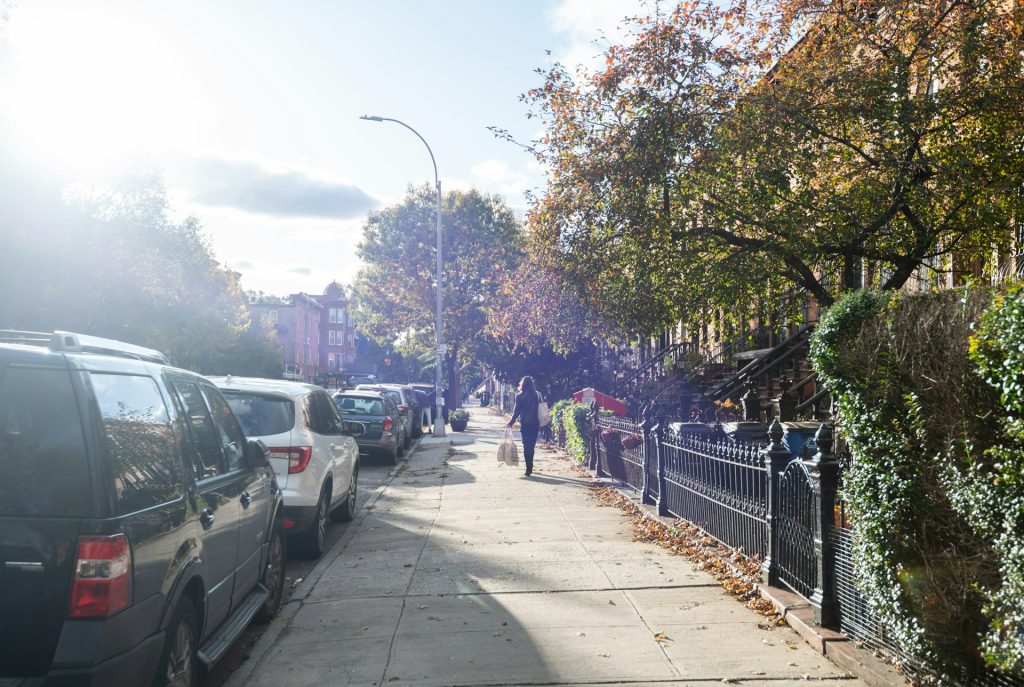
New York City in fall is a smart choice because the energy stays high while the weather finally cooperates, so neighborhoods feel walkable again from morning through late evening. Sept. through early Nov. brings comfortable days for Central Park, the High Line, and waterfront paths, plus museum afternoons that do not require hiding from heat or humidity, and rooftop views that stay crisp. Broadway, Chelsea galleries, and food scenes across Queens, Brooklyn, and the Bronx keep nights full, yet reservations often feel less tense than peak summer, and a ferry ride or a bookstore stop can slide into the day without breaking the plan.
San Francisco, California
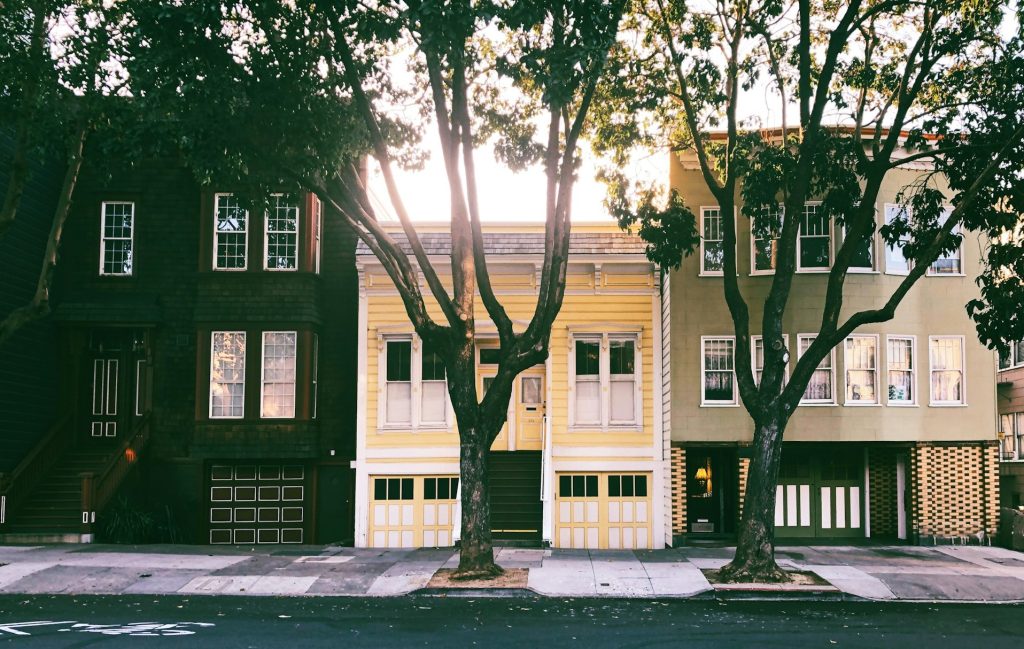
San Francisco’s fall often delivers the clearest, warmest stretch of the year, which makes the city feel unusually straightforward to navigate on foot and by transit. With steadier afternoons, walks from Golden Gate Park to the Embarcadero feel practical, and viewpoints like Twin Peaks, Lands End, and Baker Beach tend to stay visible rather than disappearing mid-day. After summer peaks, dining and neighborhoods like North Beach, Hayes Valley, and the Mission welcome slower wandering, and day trips to Sausalito, Muir Woods, and the coast land neatly when daylight stays generous and crowds thin out.
Prague, Czech Republic
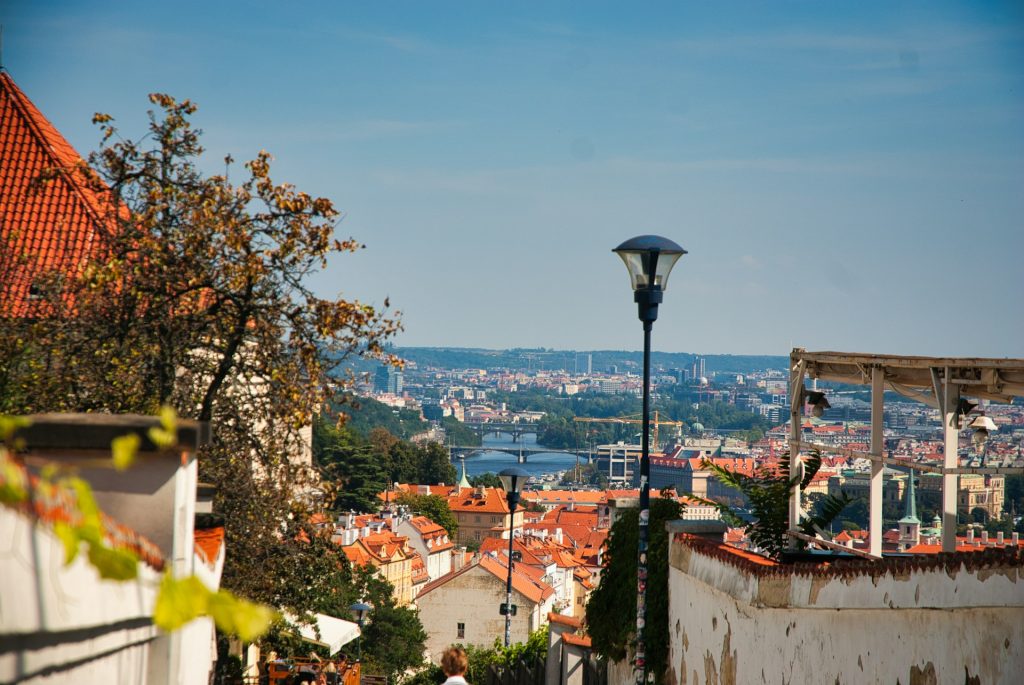
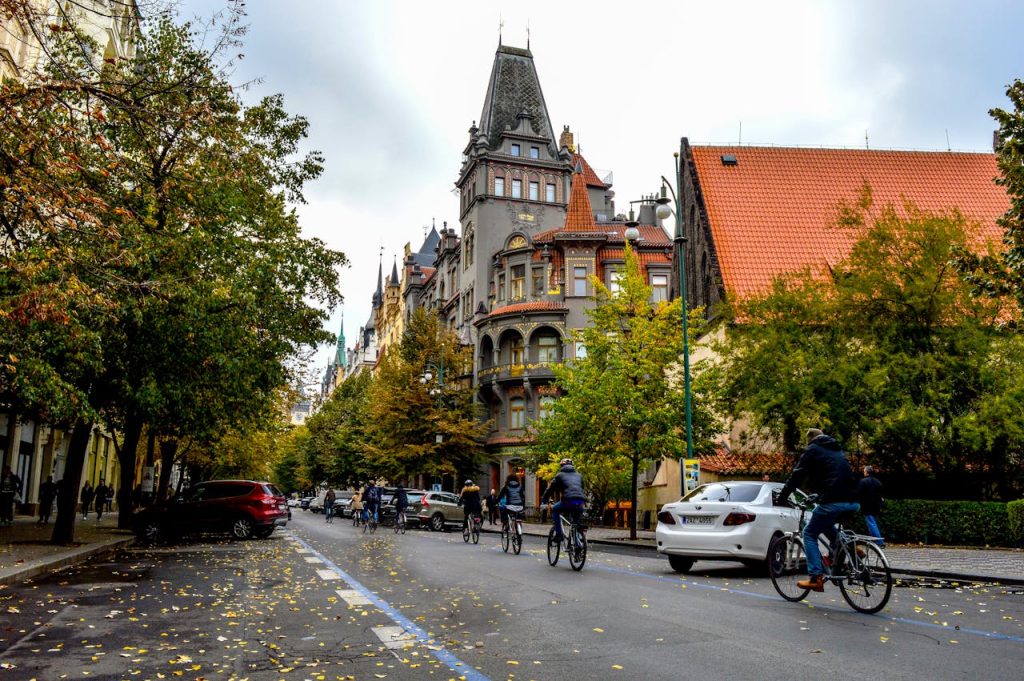
Prague in fall keeps its famous skyline, but the streets regain a calmer rhythm once summer rushes pass, which changes how the city feels hour to hour and makes wandering feel natural. Mild days suit sunrise on Charles Bridge, tram rides through Malá Strana, and long café breaks that feel unhurried, with enough time to cross the river twice and still pause for a view. With fewer bottlenecks in Old Town and Josefov, details pop, from Art Nouveau façades to river embankment strolls and quiet corners near Vyšehrad, and evenings fit concerts, jazz clubs, and warm pastries without strict scheduling.