8 Coastal Towns That Are Actively Limiting Day-Trippers
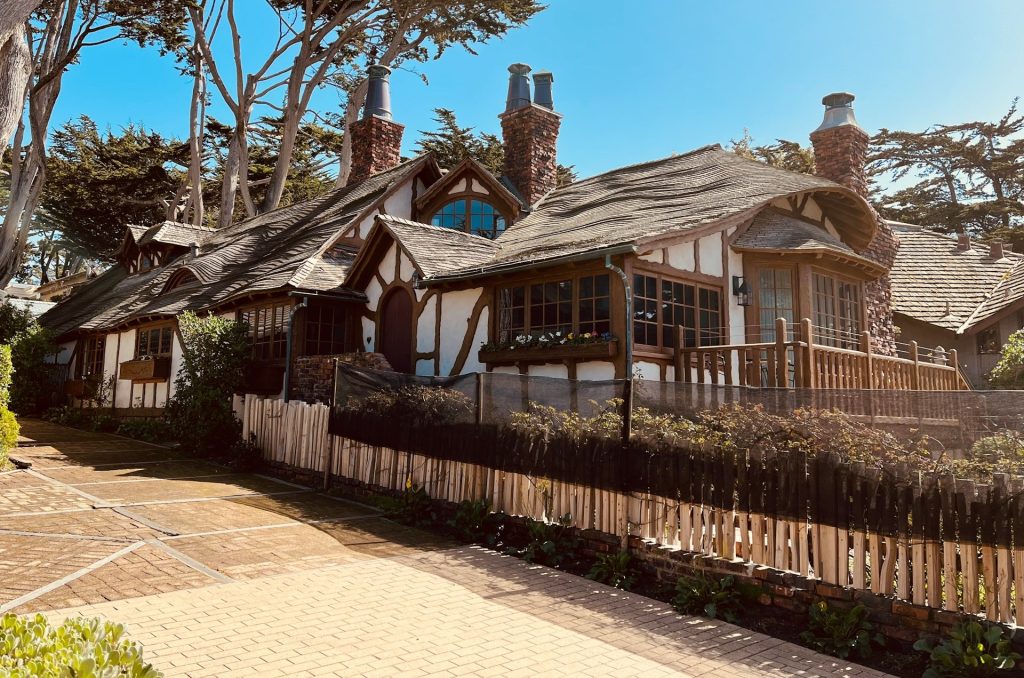
Coastal towns have always had a love-hate relationship with day trips: the money arrives quickly, and so does the pressure. Parking fills before breakfast, sidewalks turn into slow lines, and public services absorb the cost of crowds that leave by dinner. In response, some places are moving from polite signage to real limits, using caps, permits, and seasonal enforcement to keep daily life functional. The goal is not to make the coast exclusive. It is to protect residents, workers, and the fragile shorelines that made these towns famous.
Bar Harbor, Maine
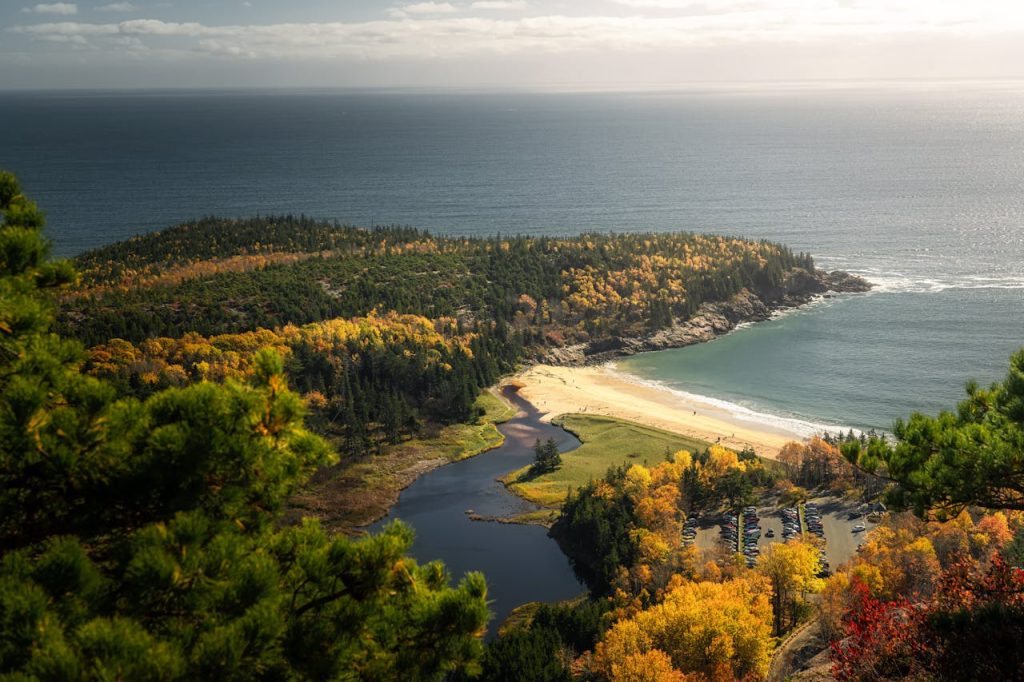
Bar Harbor’s downtown can feel like a funnel when multiple cruise tenders arrive at once, so the town chose a firm cap rather than relying on informal crowd control. Limits on how many cruise passengers can disembark each day have reshaped the rhythm of busy afternoons, easing the sudden swell that once swallowed sidewalks and public spaces. With fewer tour buses stacking near the pier and less congestion around the Village Green, emergency access stays clearer and businesses can operate without constant bottlenecks. Visitors still arrive, but the town avoids the overwhelming surge that once defined peak days.
Juneau, Alaska
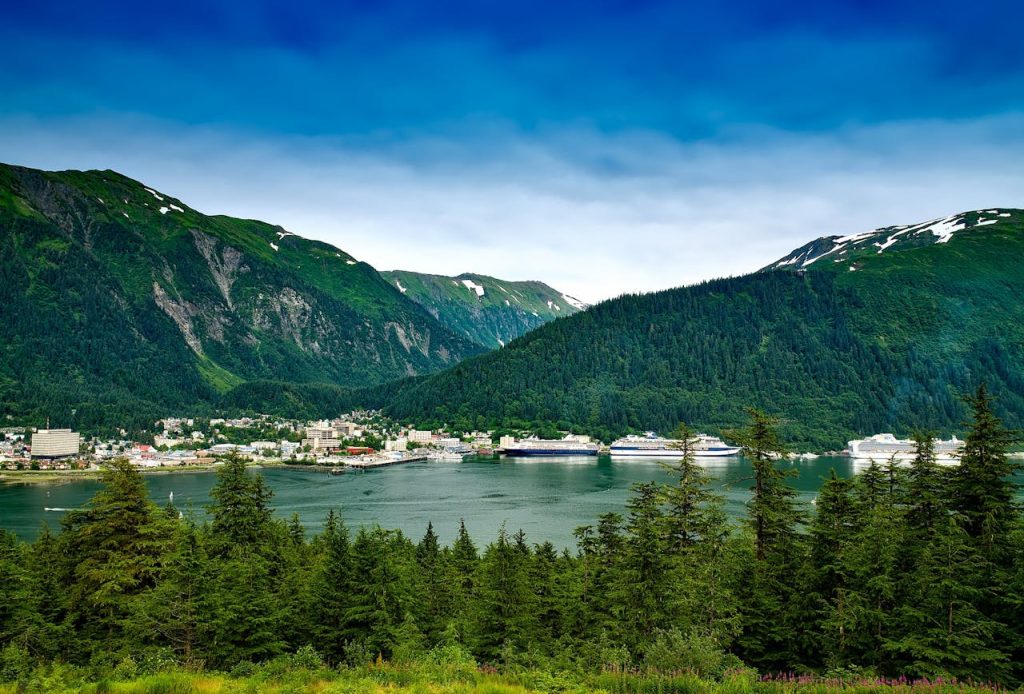
Juneau’s scenery attracts massive cruise traffic, yet the city’s size makes it vulnerable to mid-day overloads that strain transit, trails, and basic services. By setting daily passenger limits and coordinating ship schedules, officials have turned volume into something planned instead of unpredictable. The change spreads arrivals across the day, reducing pressure on sidewalks, shuttle routes, and cellular networks while giving locals room to commute, run errands, and pick up kids from school. Tourism continues, but it no longer dictates the pace of the entire city for hours at a time.
Sitka, Alaska
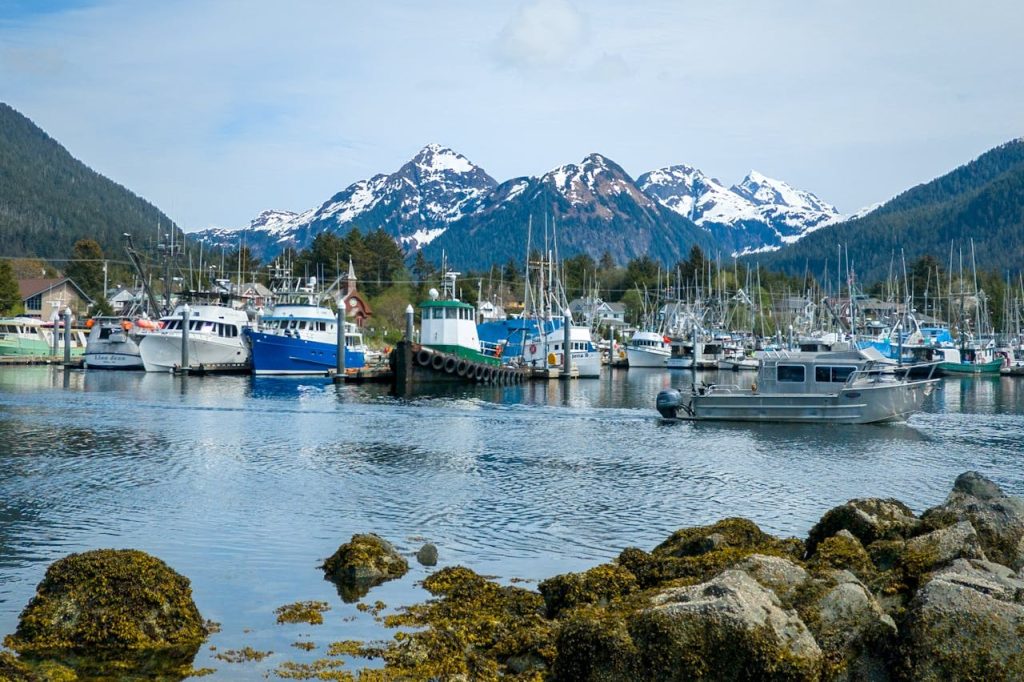
Sitka’s charm lies in its scale, with a compact waterfront and short distances between museums, trails, and viewpoints. That intimacy is also why crowd spikes hit hard. By agreeing to a daily limit on cruise passengers, the community reduced the all-at-once effect that once overwhelmed docks and streets. The result is quieter afternoons, shorter lines, and a pace that feels closer to Sitka’s everyday life. Visitors still experience the town, but without turning it into a temporary corridor of buses and shoulder-to-shoulder foot traffic during peak season.
Bolinas, California
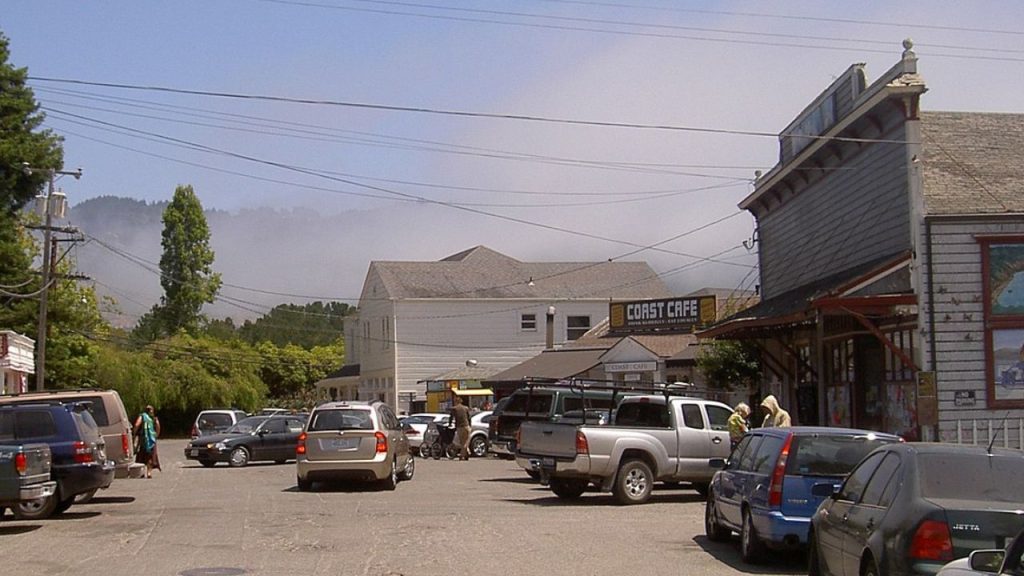
Bolinas has long resisted becoming a spillover beach town, and recent parking enforcement made that stance official. Residential permit parking and restrictions on large vehicles near beach access points have reduced congestion on narrow roads and cut down on overnight vehicle camping. The approach keeps driveways clear, eases neighbor tension, and protects emergency access while preserving public entry to the shore. The beach remains open, but convenience is intentionally reduced so the town does not buckle under weekend volume and late-day gridlock.
Nantucket, Massachusetts
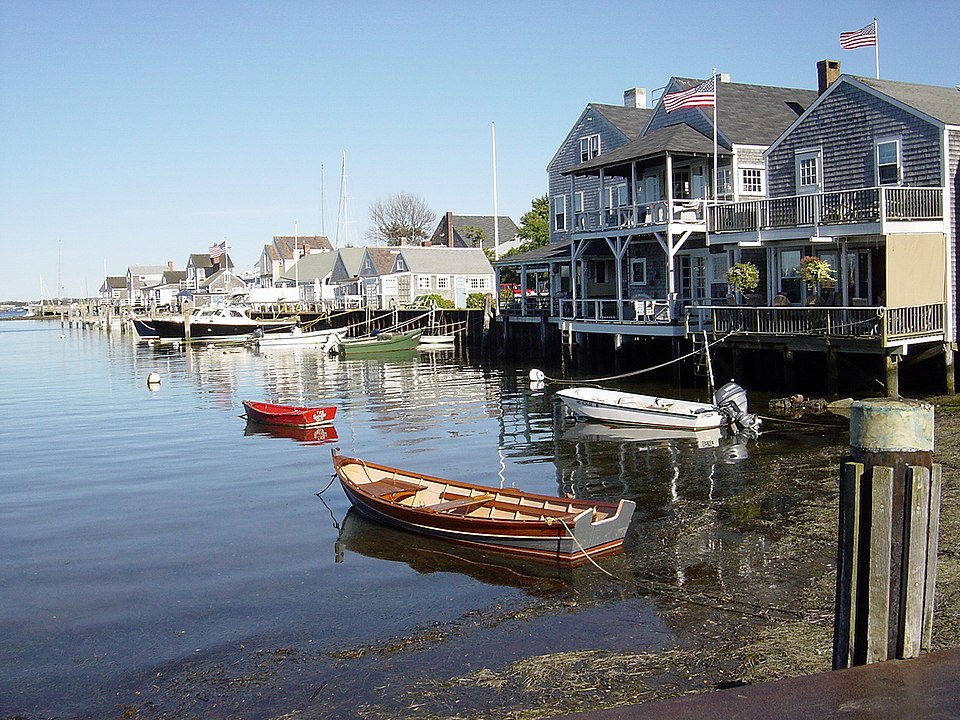
Nantucket cannot widen its streets, so it manages demand where it matters most: curb space. Seasonal parking limits in residential neighborhoods make all-day car-based visits harder, pushing day-trippers toward walking, biking, and shuttles. That small change protects neighborhoods from becoming overflow lots and keeps intersections moving during the busiest weeks. By shaping how long vehicles can stay, the island discourages casual saturation without closing doors. It is a quiet form of crowd control that preserves the feel of a working town rather than a parking maze.
Wrightsville Beach, North Carolina
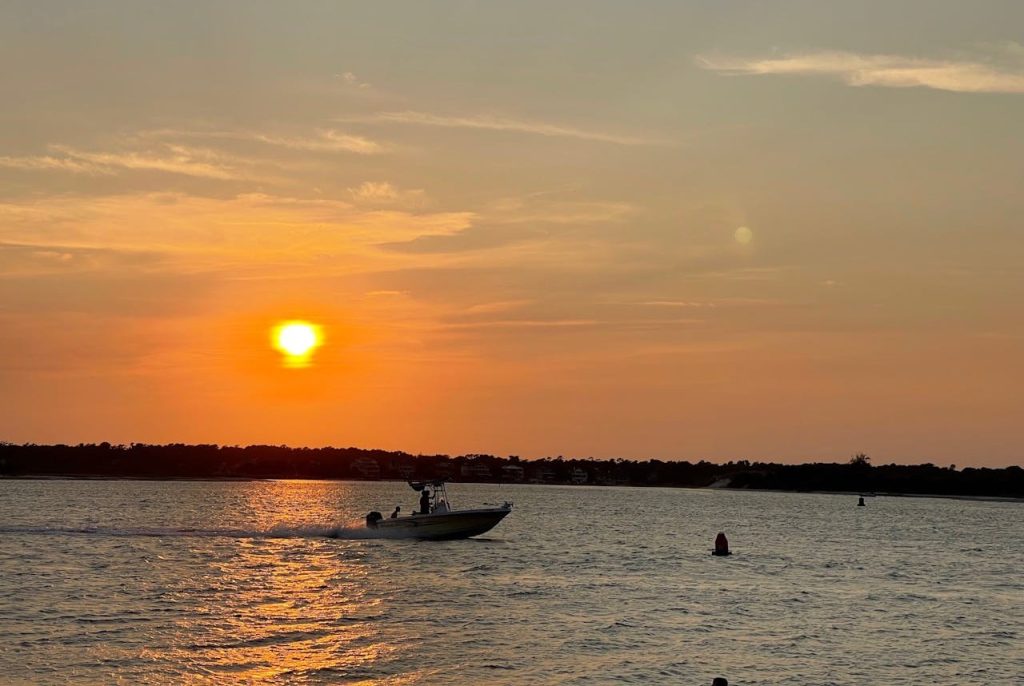
Wrightsville Beach treats parking as its front gate. Paid parking during the busy season and permit access for residents limit how many vehicles can enter a small barrier island at once. The system nudges visitors to plan ahead, arrive early, or carpool instead of circling residential streets for free space. It reduces friction, protects neighborhoods, and keeps beach access predictable. The shoreline stays public, but the days of endless curb hunting and blocked driveways are deliberately numbered.
Ocean Isle Beach, North Carolina

Ocean Isle Beach introduced paid seasonal parking to manage the steady tide of day-trippers that once overwhelmed its compact road network. By tying access to designated spaces and active enforcement, the town reduced all-day parking and improved turnover near beach entrances. That shift eased pressure on side streets and made room for residents who rely on those roads daily. The message is straightforward: summer access comes with structure, so public space remains usable instead of chaotic during peak months.
Carmel-by-the-Sea, California

Carmel-by-the-Sea protects its quiet streets through resident permit zones and strict time limits near popular areas. These rules prevent visitors from treating residential blocks as free overflow parking on sunny weekends. The effect is subtle but real: fewer circling cars, calmer neighborhoods, and clearer access for deliveries and daily routines. Carmel still welcomes visitors to its beach and galleries, but it deliberately removes the easiest shortcuts that once turned peaceful streets into crowded staging areas.