8 Countries Where Christmas Feels Less Commercial

In some countries, Christmas stays close to an older center: home kitchens, community rituals, and quiet evenings rather than nonstop shopping. That does not mean there are no lights or gifts. It means the emphasis tilts toward shared meals, church or village traditions, and handmade details that feel personal. Travelers often notice the difference in how streets sound at night, how markets sell crafts more than hype, and how families linger at tables long after dinner ends. The season feels lived-in, not performed, and that shift changes the whole trip.
Iceland
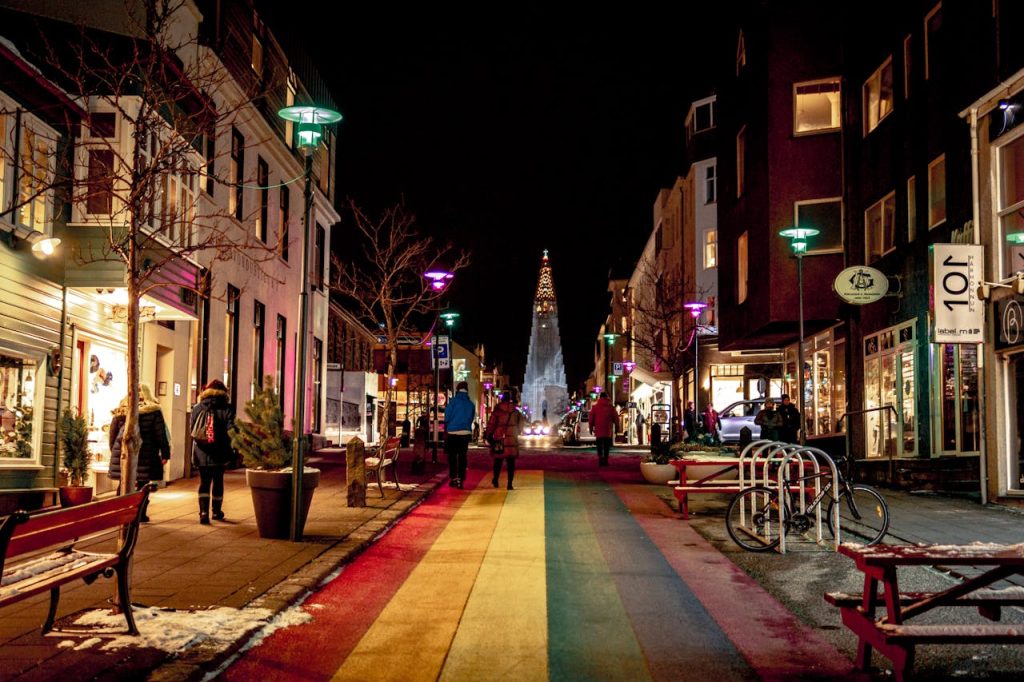
In Iceland, December feels more like storytelling than retail theater, with Yule folklore, candlelit concerts, and windows glowing with simple lights that soften the long darkness. Gifts tend to be modest and personal, often books, knitted items, or sweets, and evenings are built around warm pools, neighborhood cafés, and choirs instead of long shopping runs. Even in Reykjavík, the season lands as calm companionship: pastry stops, quiet streets after dinner, and a steady focus on being together. The holiday reads as something shared, not staged, where warmth comes from routines and conversation, and the best moments happen on short walks between cozy places.
Finland

Finland’s Christmas leans into quiet routines, sauna time, and candlelight, which keeps the season grounded even in Helsinki. Gifts exist, but the emphasis often sits on rest, winter walks, and simple meals shared without hurry, while markets favor handicrafts, baked treats, and practical winter goods over loud promotion. A church concert, a harbor stroll, or a long coffee break can feel like the main event, because the mood is designed around calm. The darkness is real, so homes and cafés become gathering places, and the holiday feels reflective rather than busy, with soft light, warm food, and the sense that slowing down is part of the tradition.
Portugal
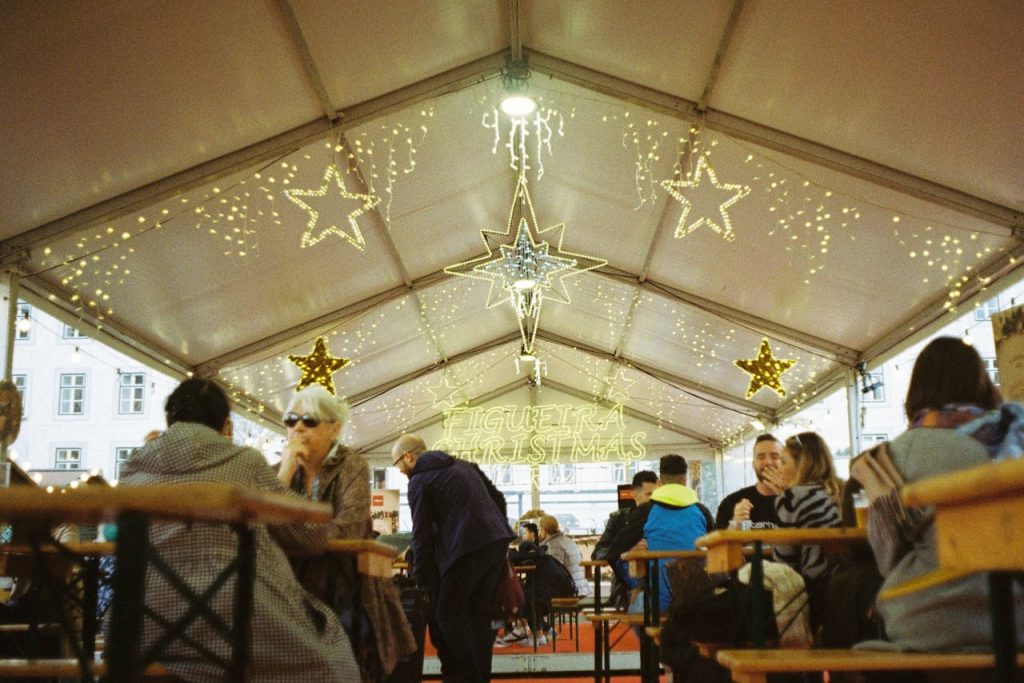
Portugal’s Christmas revolves around family tables more than retail schedules, with Consoada anchoring the night through cod, pastries, and long conversation that stretches late. City lights and markets exist, yet the tone stays neighborhood-level, with modest nativity scenes, busy bakeries, and streets that quiet early so visits and shared desserts can take over. The season is measured by time kept with relatives, seasonal cakes carried home in simple boxes, and small gestures that read as care. Even in larger cities, it often feels less like a shopping marathon and more like a rhythm of meals, church bells, and late-night walks where the atmosphere comes from people, not promotions.
Poland
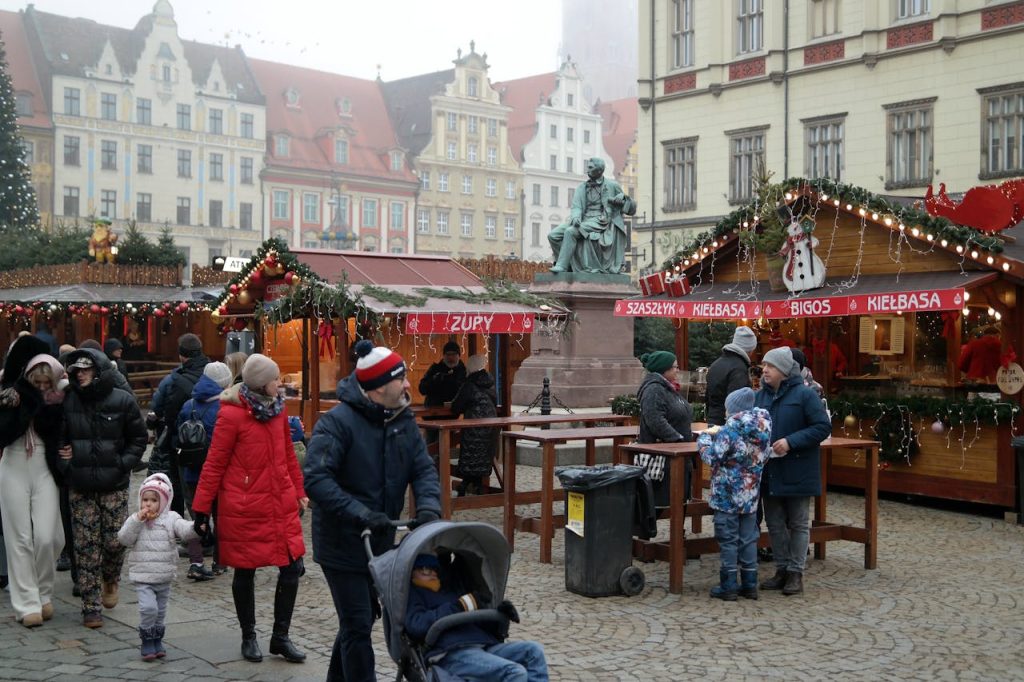
In Poland, the season often feels organized around tradition and food, with Wigilia treated as the emotional center and planned with care. Symbolic dishes, an extra place set at the table, and carols that carry through the evening can matter more than gifts, even in cities with lively markets and lit squares. The pacing slows into candlelit meals, family visits, and church services, and hospitality becomes the focus, with etiquette and memory doing more cultural work than shopping bags. Travelers often feel the difference in the quiet between gatherings, when streets thin out, homes stay warm, and celebration feels practiced together, not driven by buying.
Ethiopia
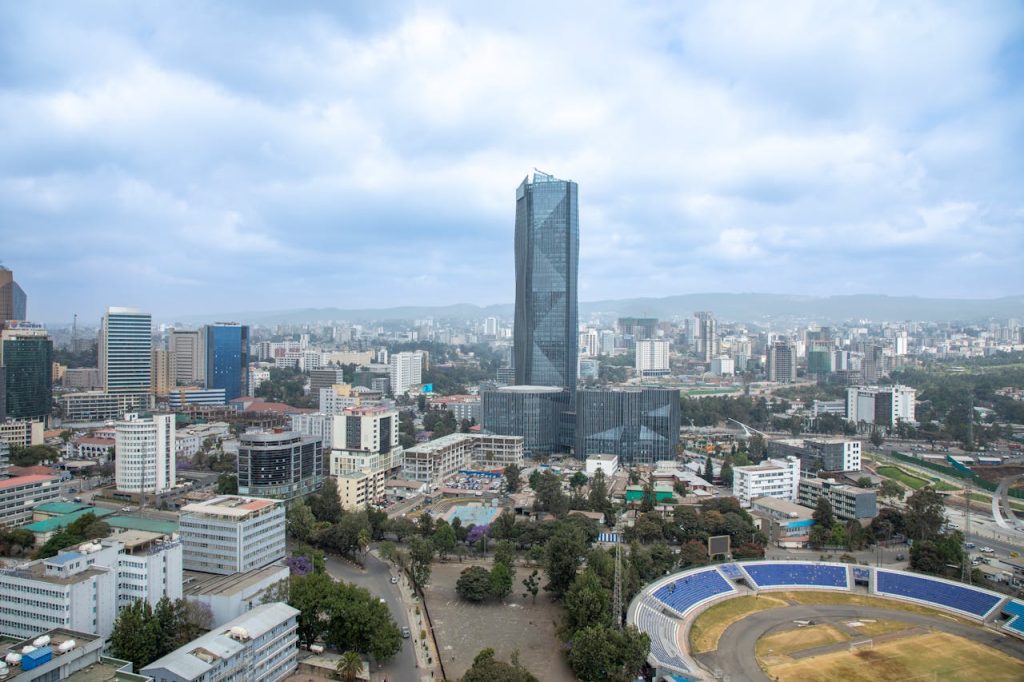
Ethiopia celebrates Christmas, Genna, on January 7, and the different timing sidesteps much of the late-December shopping rush seen elsewhere. The lead-up can include fasting traditions, then the day centers on church services, community meals, and neighborhood games, with white clothing, chanting, and coffee ceremonies shaping the hours from morning into afternoon. The feeling is communal and participatory, with fewer retail cues and more attention on ritual and reunion. Generosity shows up through shared food and presence, not packaging, which makes the holiday feel grounded and sincere. Visitors often notice how celebration is built into community life rather than marketed as an event.
Georgia
In Georgia, Orthodox Christmas arrives in early January, and the holiday mood leans toward faith, food, and family visits, often unfolding at a slower pace than visitors expect. Church services set the tone, then home cooking and long toasts take over, with homemade sweets and shared plates doing more work than gift lists or store runs. Neighbors often stop in without making it feel formal, and time at the table is treated like the point, not a pause between activities. Tbilisi can still sparkle with lights and cafés, but the celebration often feels quieter and lived-in, with evenings built for conversation, warmth, and unplanned hospitality.
Greece

Greece stretches the season across Christmas, New Year’s, and Epiphany, and the rhythm often feels more ritual-driven than retail-driven, especially outside major shopping streets. Families gather for home meals, church services stay meaningful in many places, and traditions like Vasilopita give the holidays a domestic center that repeats yearly. In towns and islands, modest decorations, boat-themed lights, and café conversations keep the season grounded, with sweets, oranges, and warm drinks marking time more than store promotions. The celebrations feel layered rather than frantic, with small customs carrying stories across generations, and the best moments arriving in shared meals and long, slow evenings.
Estonia

Estonia’s winter mood leans calm and craft-focused, especially beyond Tallinn’s busiest blocks where nights arrive early and quietly. Holiday markets highlight handmade wool, woodwork, and warming foods, while evenings favor candles, sauna time, concerts, and slow walks instead of big spending sprees. Shops often close earlier, families gather at home, and the celebration stays centered on light and warmth rather than constant buying. The atmosphere can look festive after dark, yet it feels gentle, because the city encourages lingering in small cafés and warm interiors, then stepping back out into quiet streets where decorations act as background, not a demand to shop.