8 Destinations Where Free Attractions Are Disappearing
Travel used to reward curiosity with small free gifts: a cathedral door left open, a trailhead with no gate, a park entered on instinct. Now many places are pricing and scheduling those moments, not because they dislike visitors, but because crowds, staffing limits, and wear on fragile sites leave few options. What disappears first is spontaneity. A viewpoint becomes a timed slot. A free landmark starts selling tickets. The shift can feel subtle until planning tabs multiply and the simplest detour needs a reservation, a QR code, and a receipt.
Venice, Italy
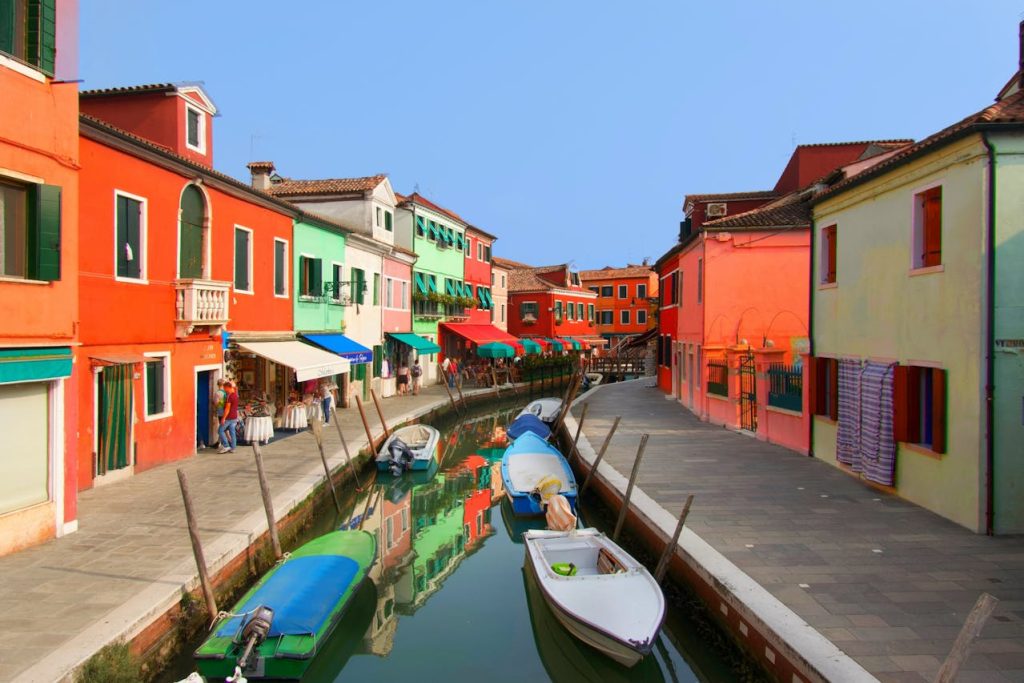
Venice has started treating its historic center like a place that sometimes needs a reservation, not just a map. On select peak days, day-trippers register online and pay €5 to €10 depending on timing, then receive a QR code that can be checked at entry points during set hours. The change reframes what used to be the freest attraction of all, wandering canals with no gate, into a visit with a price and a calendar. It also signals a wider shift: crowded cities are turning public space into managed space when streets buckle under volume, so even a short stop feels scheduled, not casual.
Rome, Italy
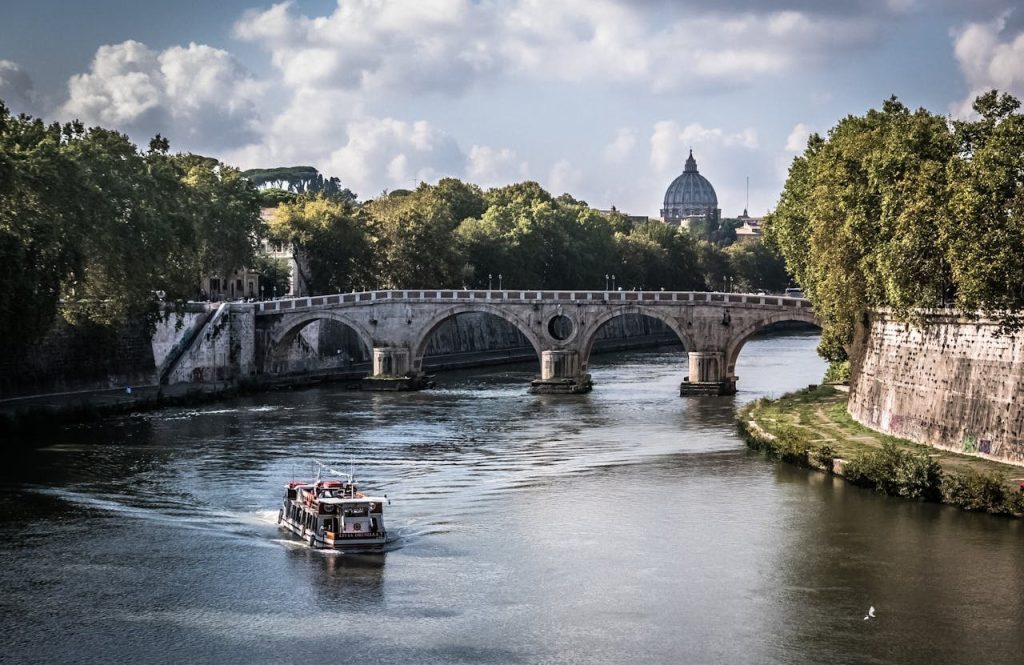
For generations, the Pantheon felt like Rome’s most generous gift, a monumental interior that could be entered without buying a ticket, then left behind like a lucky detour. That changed when an admission fee of €5 was introduced for visitors, shifting the building from open-door marvel to paid attraction while still operating as a church. The impact is bigger than the amount. A small fee changes how people move, how long they linger, and whether a quick stop happens at all. It is a quiet example of how maintenance costs and crowd pressure turn cultural commons into controlled experiences, one landmark at a time.
Barcelona, Spain
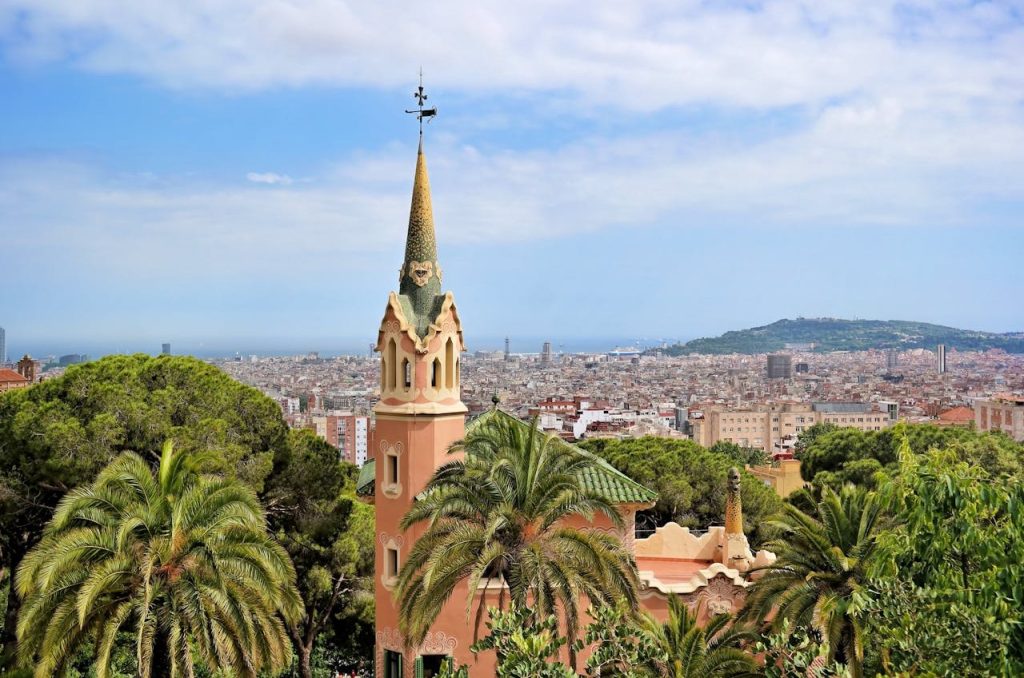
Park Güell once rewarded early risers with a simple stroll into Gaudí’s world, but the most iconic areas now run on tickets and capacity limits. The Monumental Area shifted to managed entry with timed tickets and hourly caps, turning what many visitors assumed was a free city park into a scheduled visit. The change makes sense for a site strained by constant foot traffic, yet it alters the mood. A place designed for wandering becomes a slot on a timetable, and a casual plan to stop by for ten minutes becomes something that must be booked, paid for, and coordinated around the rest of the day’s transit and crowds.
Mount Fuji, Japan
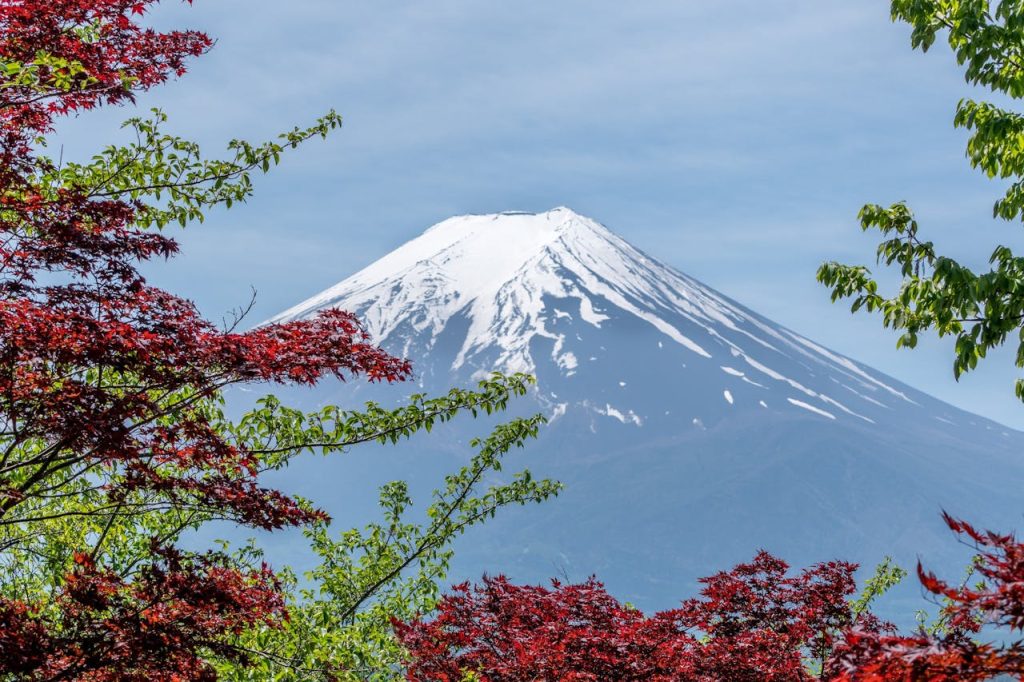
Mount Fuji’s climbing season used to lean on voluntary contributions and common sense, but crowding has pushed the experience toward gates and fees. On the Yoshida Trail, hikers passing the 5th Station gate pay a 4,000 yen hiking fee, and access controls aim to reduce congestion and late-night rushes. The mountain remains the same, yet the approach has changed. The climb is no longer purely about stamina and weather, it is also about timing and compliance. For first-time visitors, the surprise is that a natural icon can be treated like a ticketed venue, with rules that shift by trail, season, and crowd level.
Zion National Park, Utah
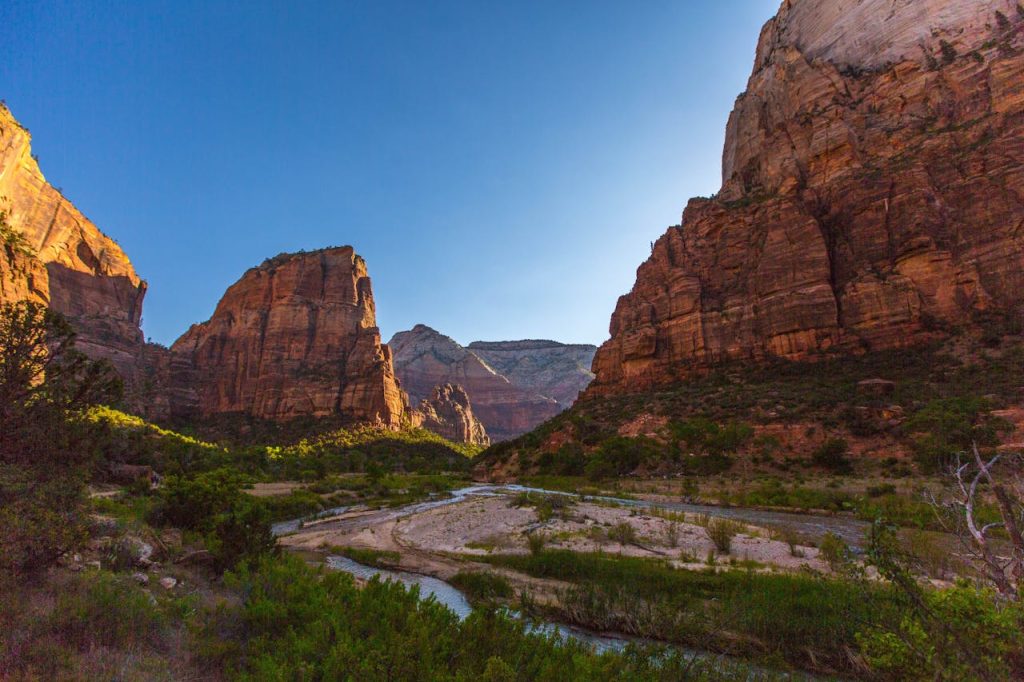
Angels Landing became famous as a hike that felt earned, but popularity forced Zion to add a permit gate. Access to the chains section is controlled by a lottery system, so arriving early is no longer the main strategy; a permit must exist before boots reach the ridge. That shift changes the emotional feel of the park’s best-known challenge. It replaces spontaneity with planning, fees, and the quiet anxiety of being denied after traveling far. The trail is still there, yet the freedom to decide on the day is what has slipped away, along with the sense that effort alone unlocks the view.
Arches National Park, Utah
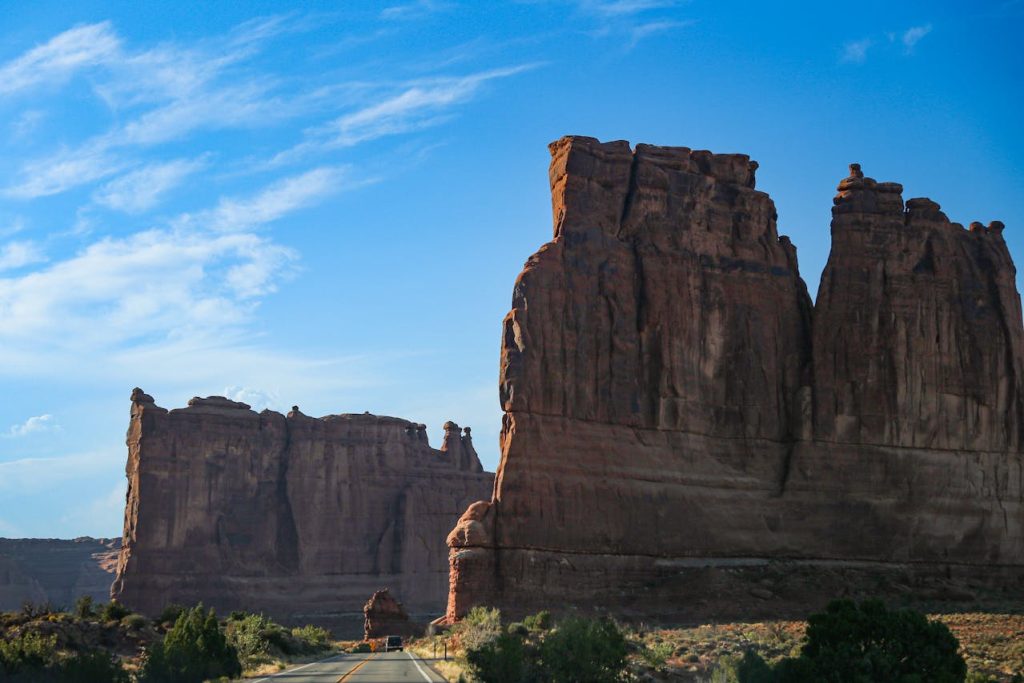
Arches used to be the classic road-trip park: arrive, pay the entrance fee, and drive in whenever the light looked right. Now, during peak-season windows, timed entry tickets are required for vehicle entry between 7 a.m. and 4 p.m., adding a reservation layer on top of the usual pass. The goal is to smooth traffic jams and keep trailheads from overflowing, but it also removes the casual stop that made Arches feel friendly to first-time visitors. When access depends on a reserved hour, even chasing sunrise becomes a planning exercise, and the park feels less like open desert and more like a place run by the clock.
Hanauma Bay, Oahu
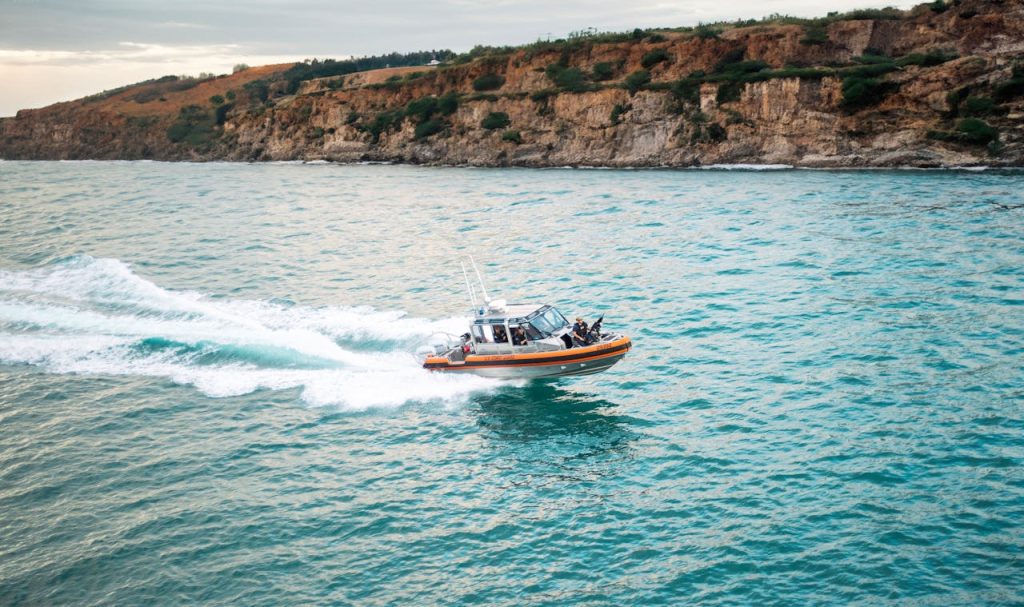
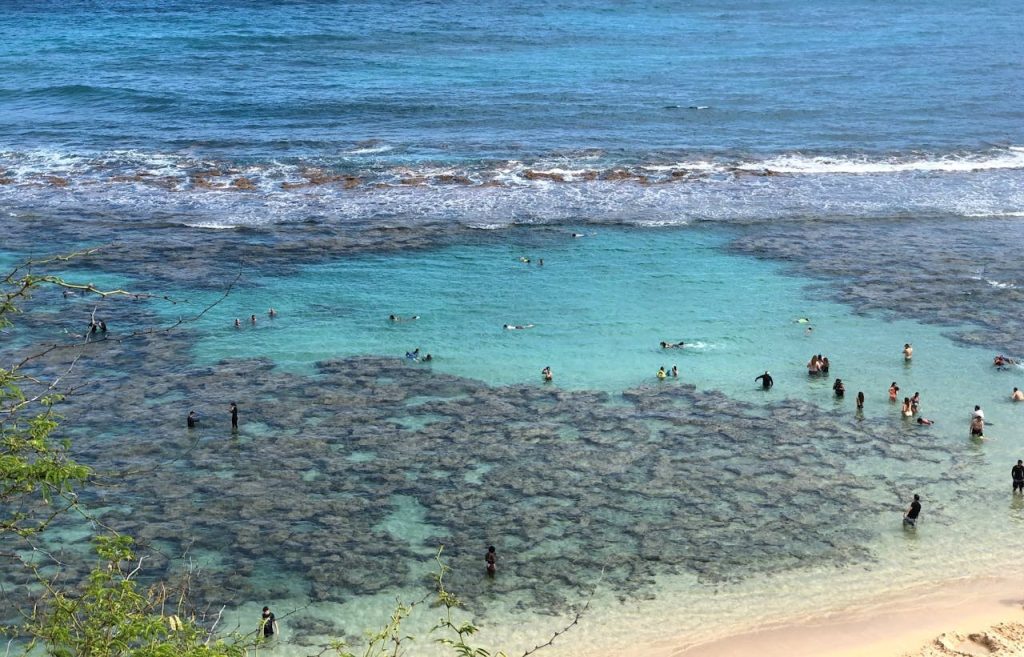
Hanauma Bay used to feel like the kind of beach day that could start on a whim, but entry has become structured for conservation and crowd control. Nonresidents pay a $25 entrance fee and need a reservation or a ticket to reach the lower beach level, while local residents follow different access rules. The effect is more than administrative. A spontaneous snorkel becomes a timed commitment, and the day’s rhythm is set by availability instead of tide and weather. In a place defined by natural beauty, the disappearing free moment is the ability to show up, walk down, and decide how long to stay without chasing a booking window.
Cinque Terre, Italy
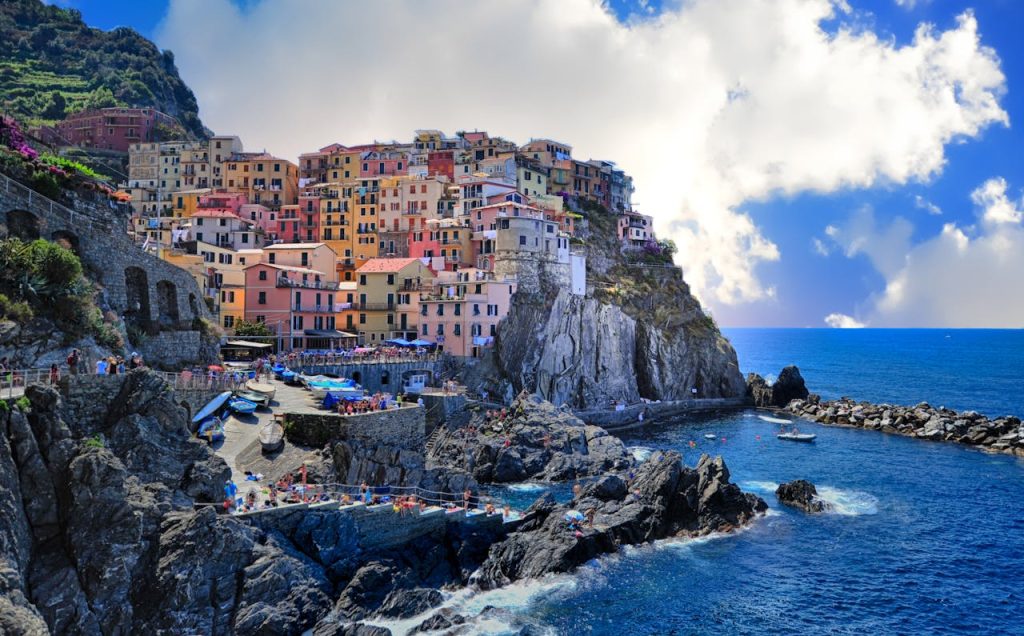
Cinque Terre still sells itself on simple walking, but some of its most famous paths now come with a pass. The park’s Trekking Card is required on popular coastal trail segments between villages, and access to Via dell’Amore is tied to a specific card purchase during visiting hours. What changes is the feeling of drifting along the cliffs until the next village appears. When the best-known route is ticketed, the coastline starts to resemble a queue, with checkpoints replacing casual movement and detours planned around what is open. The villages remain luminous, yet the free pleasure of linking them by foot has become conditional, especially on high-demand days.