8 Destinations Where Locals Warn Tourists to Stay Alert
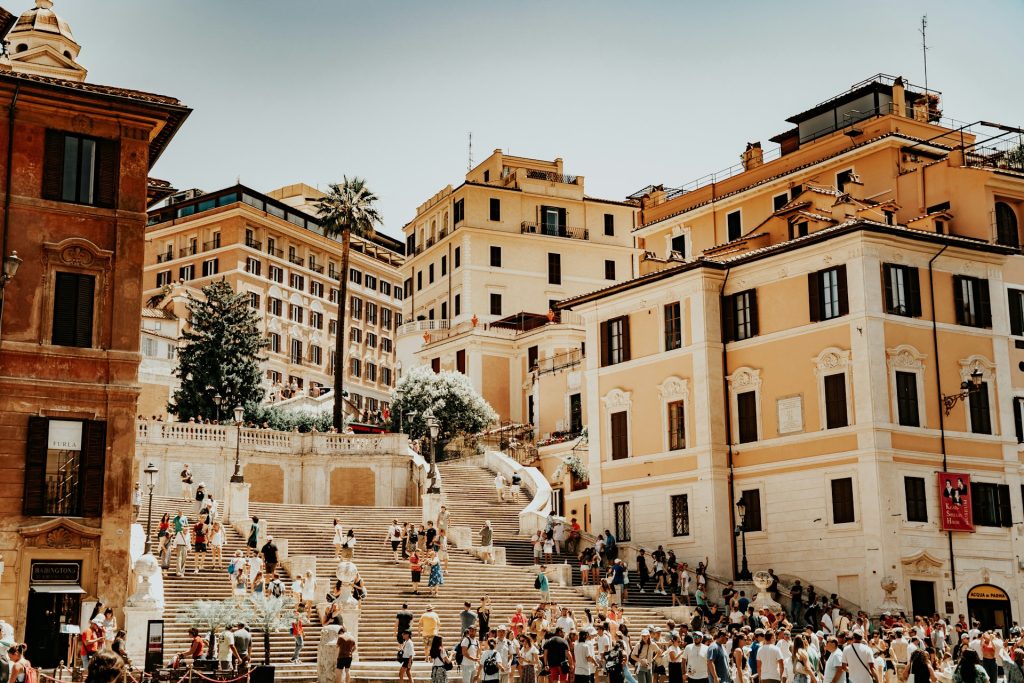
A good destination teaches its rhythm quickly, but every place has moments where attention drifts: a packed platform, a scenic lookout, a late taxi line. Locals rarely speak in alarm. They share patterns that keep a day from getting derailed, like where crowds compress, when persuasion gets pushy, and why phones belong in pockets until plans are settled. Staying alert is not about fear. It is about keeping control of time, money, and mood so the best parts of a trip can land without friction.
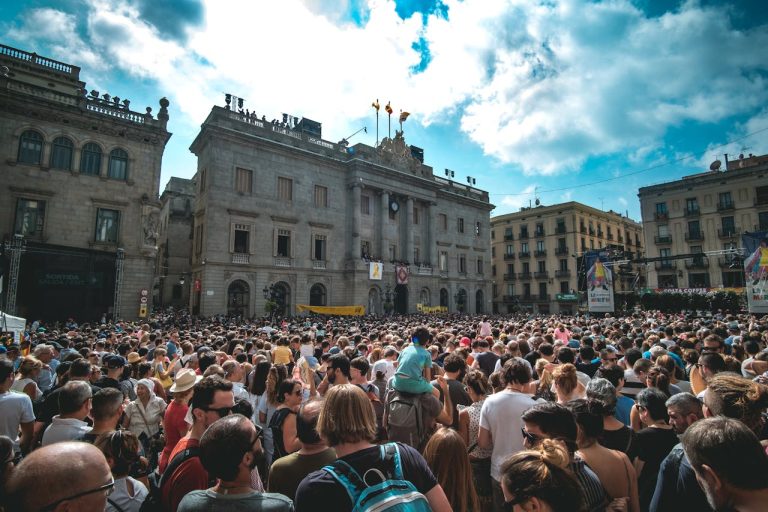
Barcelona, Spain

Barcelona’s beauty comes with crowds, and locals give the same calm reminder: busy streets are where distractions work best, especially when people are excited, tired, and carrying shopping bags. Theft clusters where visitors pause, look up, or juggle bags, like metro stairs, La Rambla, El Born lanes, the Gothic Quarter, and the seaside promenade near Barceloneta during warm evenings. The move is quick and quiet: a shoulder bump, a friendly question, a split second of confusion, and a phone is gone, so locals wear bags cross-body, keep zippers forward, and treat café tables like display cases that need guarding.
Paris, France
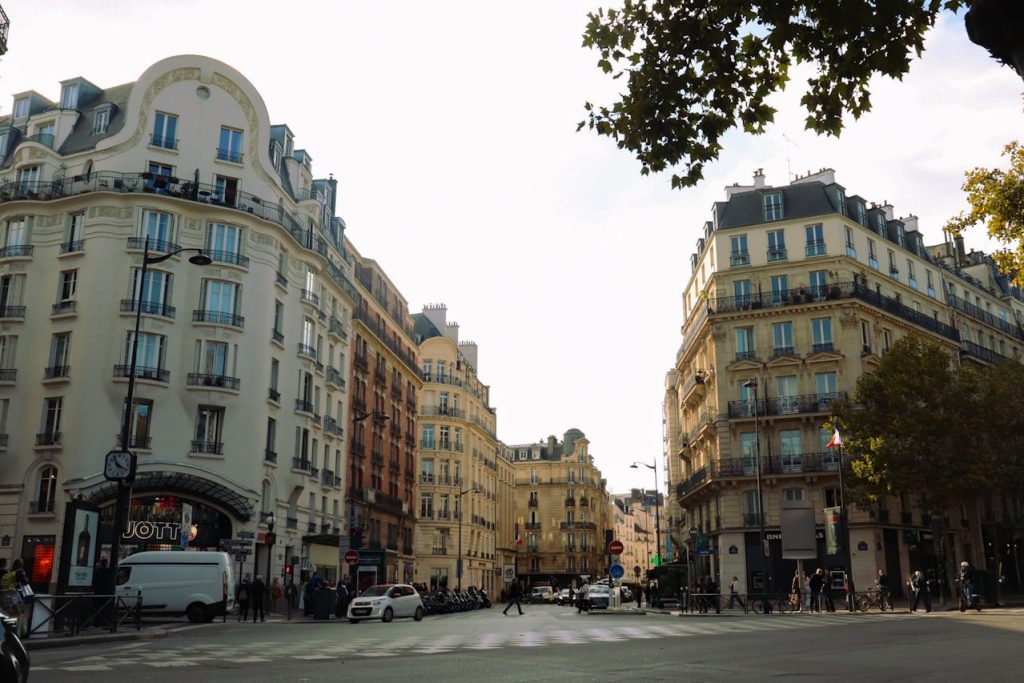
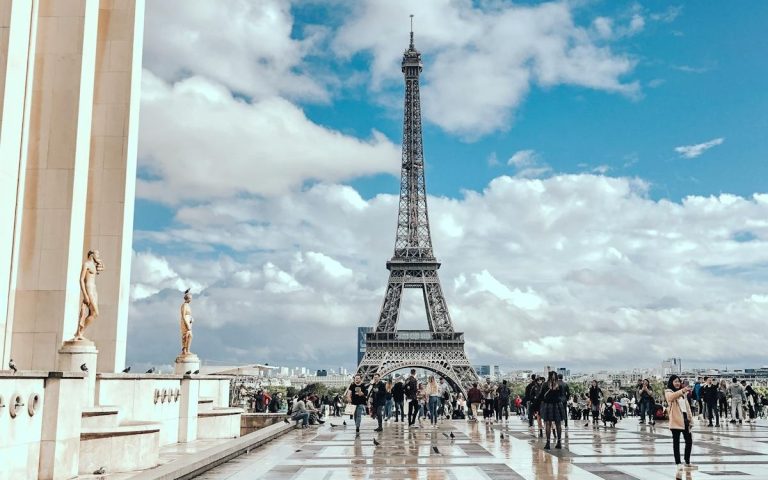
Paris moves fast, and locals treat awareness like crossing the street: it is simply part of the rhythm, not a dramatic warning, and it keeps the day smooth. Crowded Métro lines, major stations, and attraction queues create moments where phones vanish during a door squeeze, a staircase shuffle, or a tight turnstile exit, especially at Châtelet, Gare du Nord, and around big museums. Distractions can be simple, like a clipboard, a petition, a ring drop, or a staged spill that pulls eyes down, so locals hold bags in front, keep one hand on a strap, and step aside to check maps instead of stopping midstream.
Rome, Italy
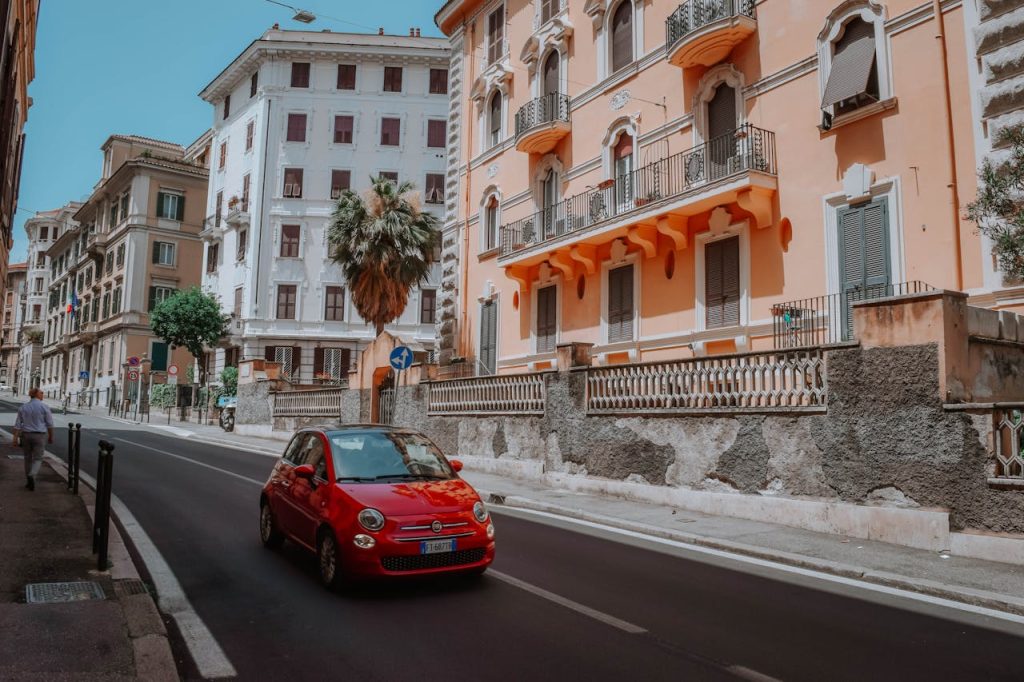
Rome pulls attention upward toward domes, ruins, and street scenes, and locals know that is when pockets get tested, because awe makes people careless. Packed buses, metro platforms, and the lanes feeding major sights turn into tight funnels where a small jostle hides a quick grab, especially near Termini, on busy routes, or at museum entries when groups bunch together. The common play is teamwork, so locals zip valuables deep, wear backpacks on the front in crushes, and wait to check directions until they are clear of doors, ticket lines, and the sudden surges that come with every train.
Lisbon, Portugal

Lisbon feels relaxed, but locals flag repeat hotspots, especially historic trams and busy viewpoints where riders pack in shoulder to shoulder and the city’s steep streets force slow movement. The squeeze of boarding and exiting is the risky moment, not the ride itself, because hands can move fast when doors open, tourists pause for photos, and everyone surges toward a seat while balancing bags on narrow steps. Sunset crowds at miradouros add the same pressure, so locals keep bags in front, avoid using phones near tram doors, and buy tickets early to skip fumbling for change while the crowd presses closer.
Bangkok, Thailand
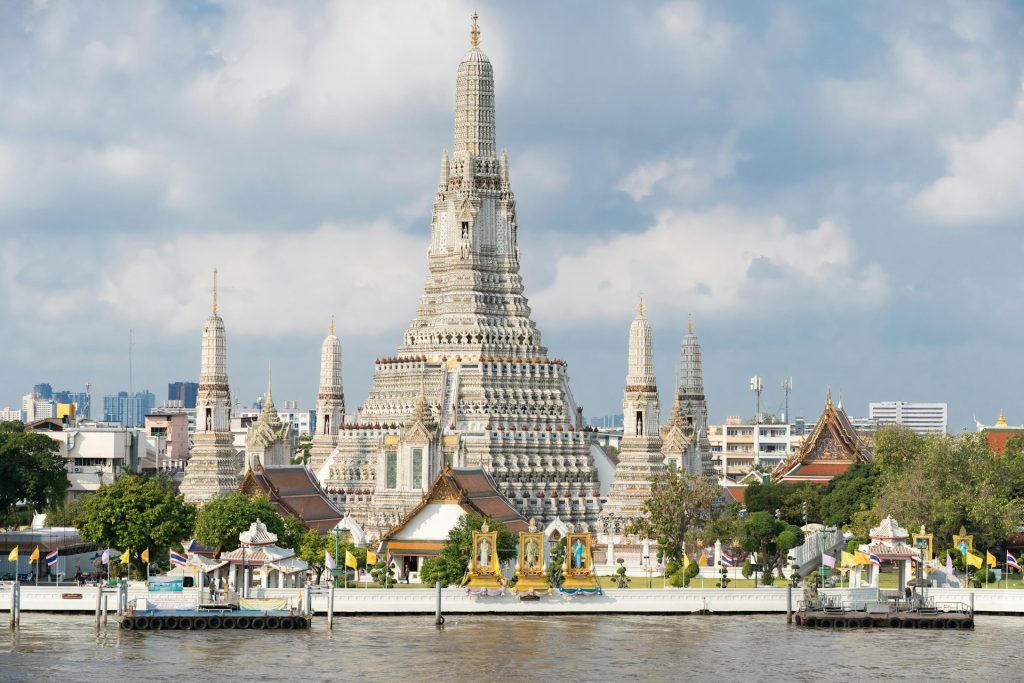
Bangkok’s warnings are often about smooth persuasion rather than street drama, especially in high-traffic tourist areas where helpfulness can be a sales pitch. A too-helpful stranger may insist a temple is closed, offer a bargain ride, or steer someone into a detour stop that turns into a pressure sale, all delivered with friendly charm and urgent storytelling that discourages second thoughts. The tactic relies on confusion and politeness, so locals default to official counters, metered taxis, and clear prices before the ride begins, then keep plans simple enough that no one else gets to rewrite the day.
Mexico City, Mexico
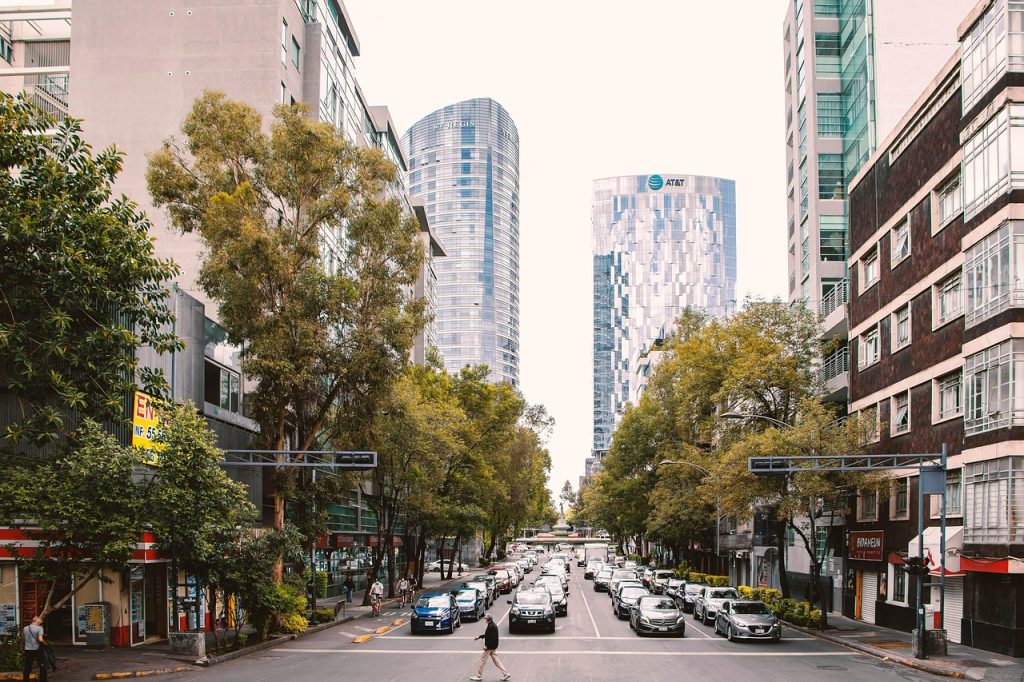
Mexico City locals frame alertness as neighborhood-and-moment specific, not a single label for the whole capital, because the experience changes block by block and hour by hour. Transit crushes, busy plazas, and station areas invite quick snatches, especially at rush hour, during festival crowds, or at late-night exits when attention splits between friends, traffic, and directions. Locals carry only what they need, keep phones put away while walking, and choose prearranged rides at night, because fewer decisions on the street means fewer openings for a sudden distraction that derails the evening.
Rio de Janeiro, Brazil
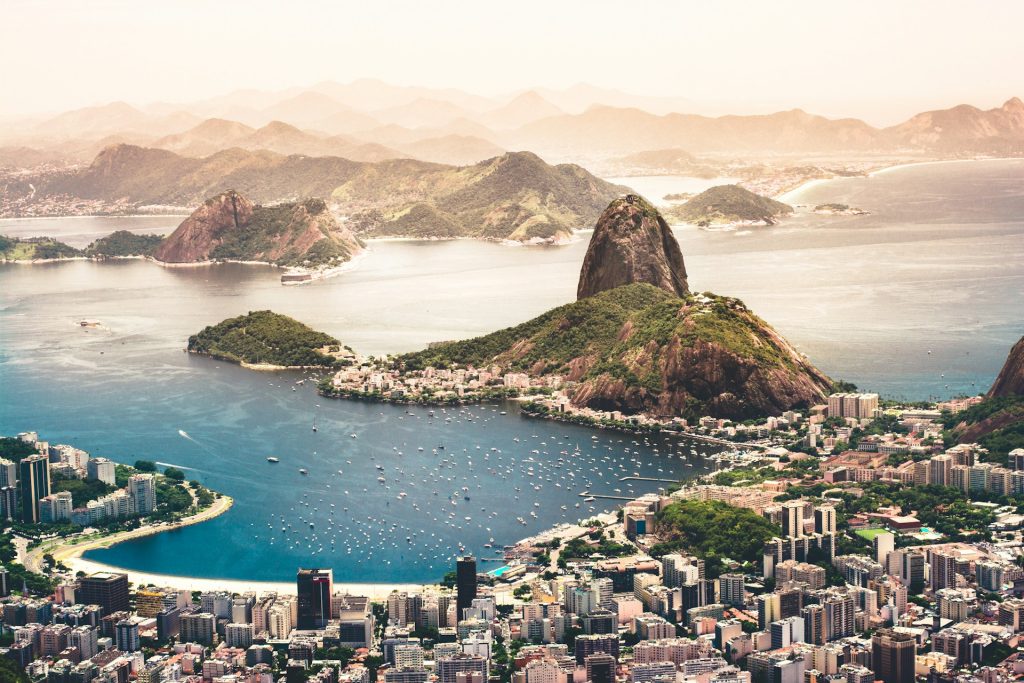
Rio’s locals often say the city rewards awareness the same way it rewards curiosity, with great moments happening out in the open where crowds feel close and festive. Beaches, markets, and nightlife blocks can be high-energy and packed, and that mix is where small thefts happen, especially when phones sit on towels, bags stay unzipped, or pockets stay loose in a moving crowd. The best habits are light, not tense: bring only what is needed for the outing, keep valuables out of sight, avoid using a phone while walking through dense blocks, and use official rides at night so the route and payment stay straightforward.
Cape Town, South Africa
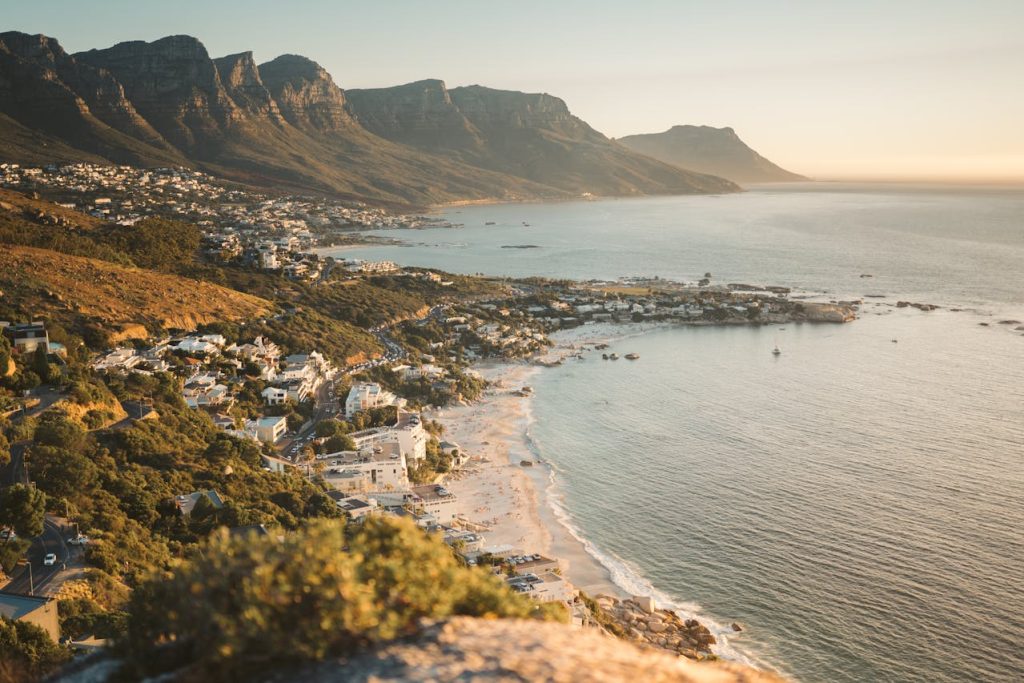
Cape Town offers its best moments outdoors, and locals share practical habits that keep those moments uncomplicated, from hikes to markets to sunset viewpoints along the peninsula. Crowded nodes are where attention drifts toward photos, menus, and maps, which is when bags get set down, straps loosen, and small items disappear without notice, especially around busy parking areas and scenic pull-offs. Locals favor daytime exploring, stick to well-lit routes, and use prebooked rides at night, because steady planning keeps the focus on the view, the food, and the day’s mood, not on replacing essentials.