8 Destinations Where Rules Dictate Daily Itineraries
Some destinations still reward loose plans and late starts. Others run on legal windows, conservation thresholds, and entry systems that decide the day before breakfast is served. In those places, travel feels less like improvisation and more like choreography, where timing is part of respect, not just convenience.
Across mountains, islands, temple cities, and polar routes, rules shape what can be seen, when movement is allowed, and how long a stop can last. The strongest itineraries are built from permits, fees, gates, and codes of conduct first, then stitched to trains, meals, daily queues, and slower moments that keep stress lower.
Bhutan
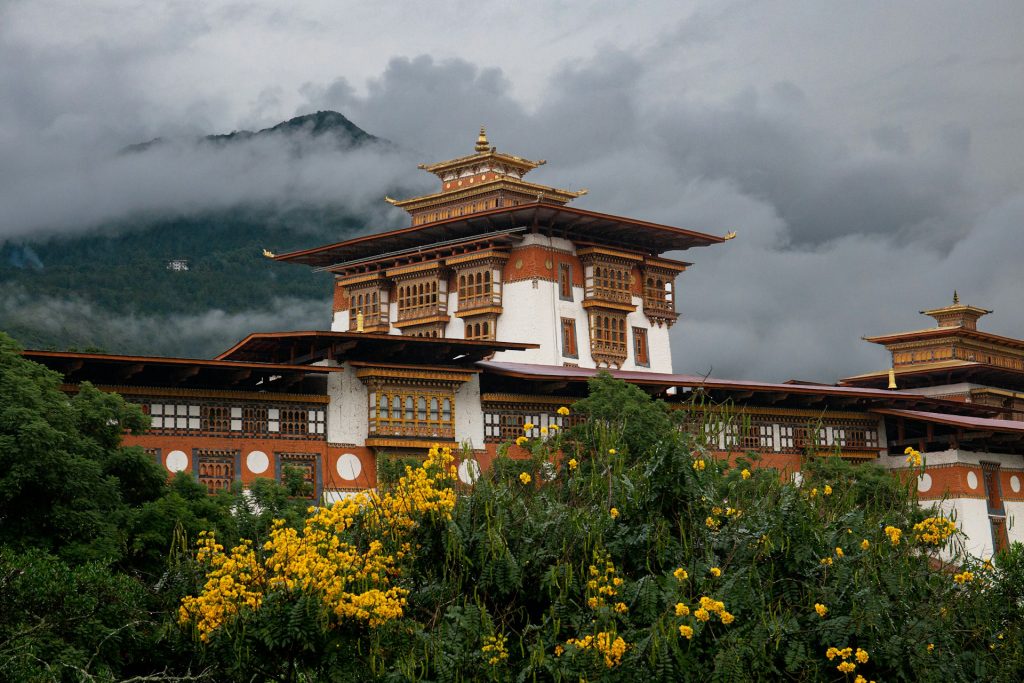
Bhutan sets the tone before wheels leave the runway. Most foreign visitors need a visa, and the process includes a Sustainable Development Fee of US$100 per adult per day plus a one-time US$40 visa fee. That pricing model quietly decides trip length early, so many journeys trade fast country-hopping for fewer, deeper days.
The effect is practical and cultural at once. Mornings are planned around monastery hours, road distances, and local festivals rather than impulse stops. The structure can feel strict on paper, but on the ground it creates calmer pacing, steadier spending, and deliberate contact with places that do not perform on demand.
Galápagos Islands, Ecuador

In the Galápagos, logistics begin with protection steps. Travelers complete Transit Control Card procedures, pass biosecurity checks, and carry documentation through arrival stages. Entry charges are explicit too, with official tariffs listing US$200 for foreign visitors older than 12, plus lower rates for children and select national groups.
That framework changes daily decisions fast. Inter-island transfers and excursion timing sit inside conservation controls meant to reduce ecological stress and invasive risk. Itineraries run tighter because the rules are designed to keep fragile systems intact after each boat departs.
Machu Picchu, Peru
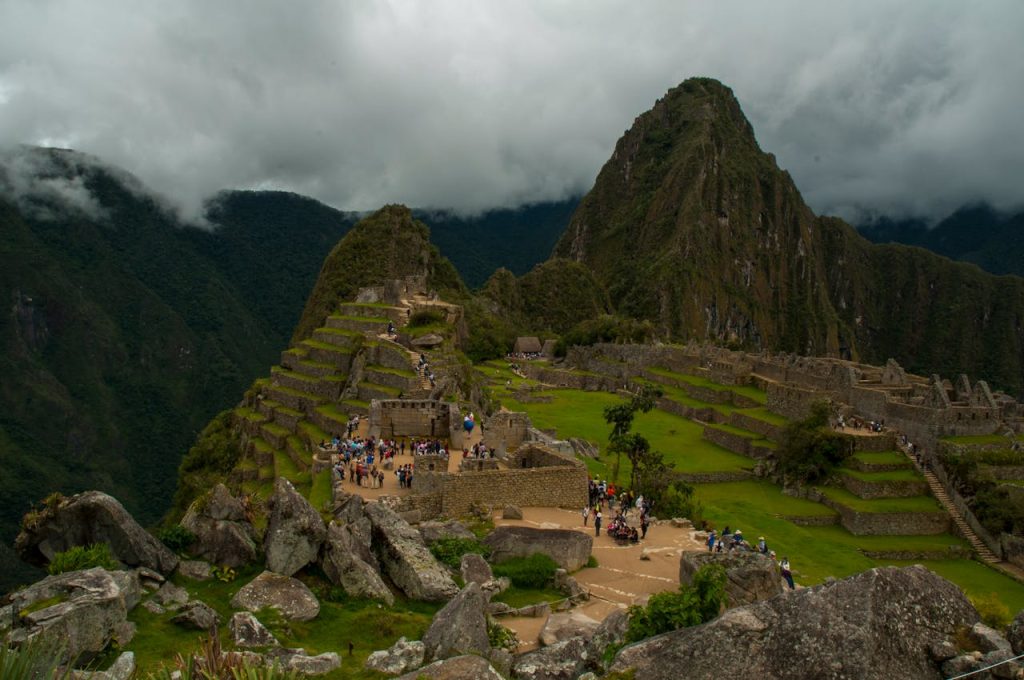
Machu Picchu now runs on assigned movement rather than open wandering. Peru’s culture authorities reorganized access into three circuits that group 10 routes, in force since June 1, 2024. Some routes are seasonal, so ticket choice now shapes viewpoint access, walking direction, and total time inside the sanctuary.
This shifts the full Cusco day plan. Rail seats, shuttle timing, and meal windows are built around one entry slot and one route logic, with less room for last-minute detours. The system can feel rigid at first, yet it protects stone paths from crowd pressure and spreads foot traffic more evenly across sensitive zones.
Venice, Italy
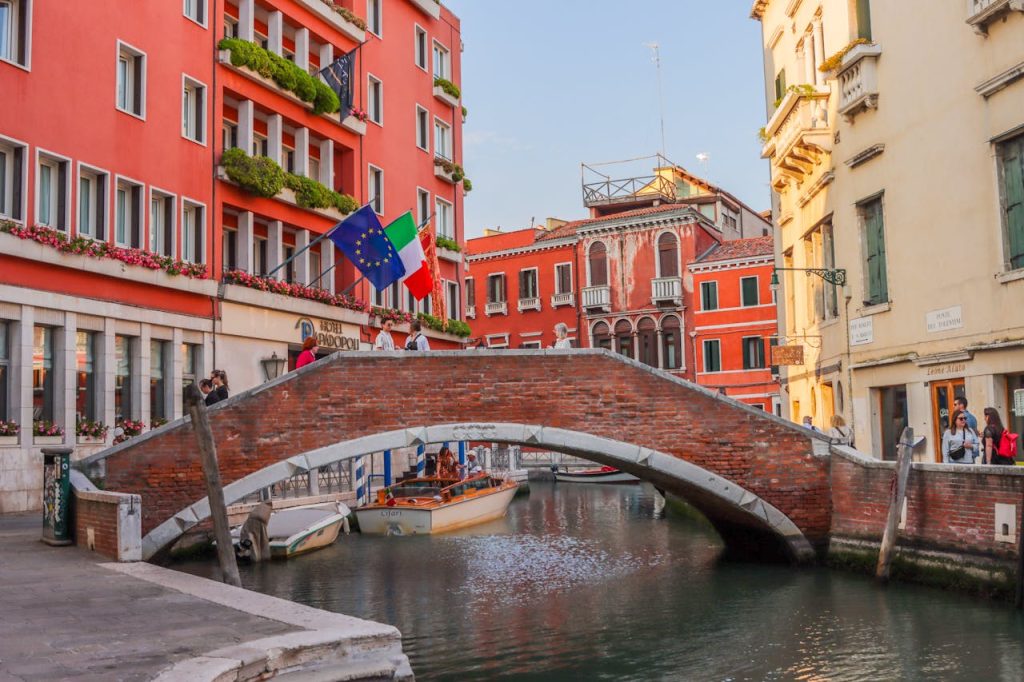
Venice has made crowd management part of basic trip planning. Official city notices confirm the 2026 access-fee trial starts on Apr. 3, runs on selected high-traffic dates, and applies during control hours from 8:30 a.m. to 4 p.m. For many day visitors, entry compliance is now as essential as train tickets and museum reservations.
Payment timing also pushes earlier decisions. The city platform notes that charges vary by when the fee is paid, so even short visits reward advance planning. In practice, lunch timing and landmark stops are easier once the digital entry step is settled before arrival in the historic center that day.
Mount Fuji, Japan

Mount Fuji now demands structure well before the first switchback. Official 2025 guidance states a mandatory 4,000-yen hiking fee, prior reservation or registration requirements, and entry-time restrictions from 2 p.m. to 3 a.m. for climbers without mountain-hut bookings during restricted hours.
Yoshida Trail controls add another firm limit: restrictions are triggered when daily numbers exceed 4,000 climbers. That policy has reshaped summit strategy toward earlier starts, clearer safety pacing, and fewer overnight-free dash attempts. Successful days now depend as much on compliance and timing as on fitness and weather at altitude.
Svalbard, Norway
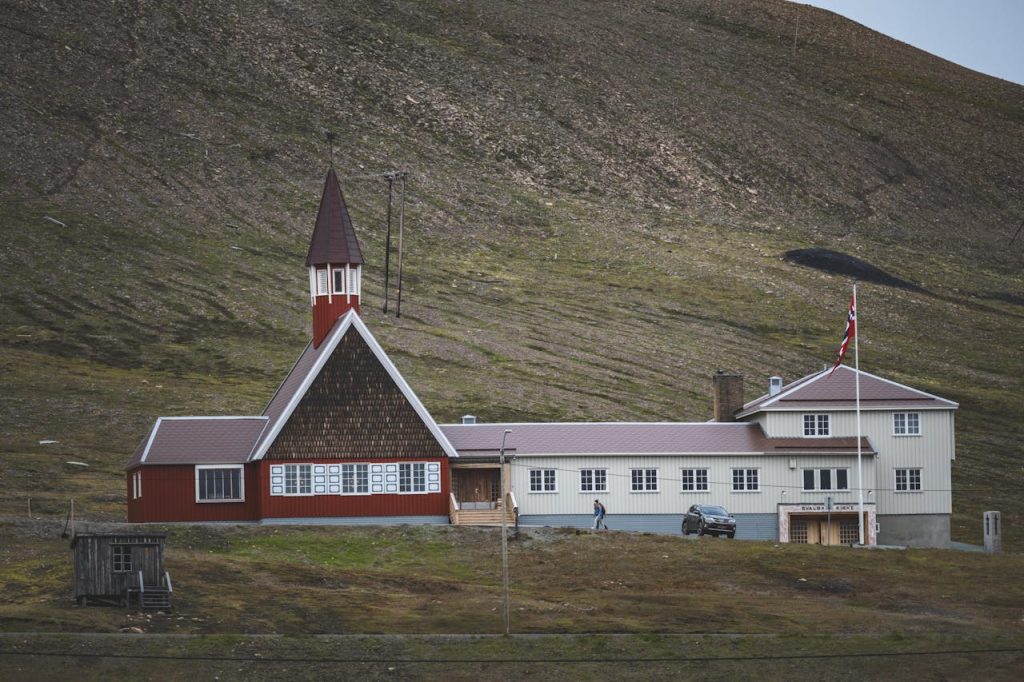
Svalbard travel is mapped by environmental law as much as by terrain. The Governor’s guidance states that motor traffic outside established roads or spaces is basically prohibited, with limited exceptions and permit pathways. That rule affects snowmobile routes, transfer plans, and the range of day excursions.
Cultural protection rules are strict as well. The Svalbard Environmental Protection Act sets a 100-meter security zone around automatically protected cultural sites. Together, these boundaries reshape movement, steering visitors toward licensed operators and route choices that treat legal limits as infrastructure, not fine print.
Antarctic Peninsula Cruises

Antarctica is built on protocol, not spontaneity. Visitor guidance used by treaty parties and operators requires strict biosecurity, including cleaning boots, clothing, and equipment between sites to avoid transferring biological agents. These rules are operational safeguards for one of Earth’s most sensitive ecosystems.
Landing limits then control the daily tempo. IAATO guidance states no more than 100 passengers ashore at one site at a time, and only one ship at a site at once, while vessels with more than 500 passengers do not conduct landings. Each shore visit becomes a timed rotation shaped by discipline and clear briefings.
Angkor Archaeological Park, Cambodia
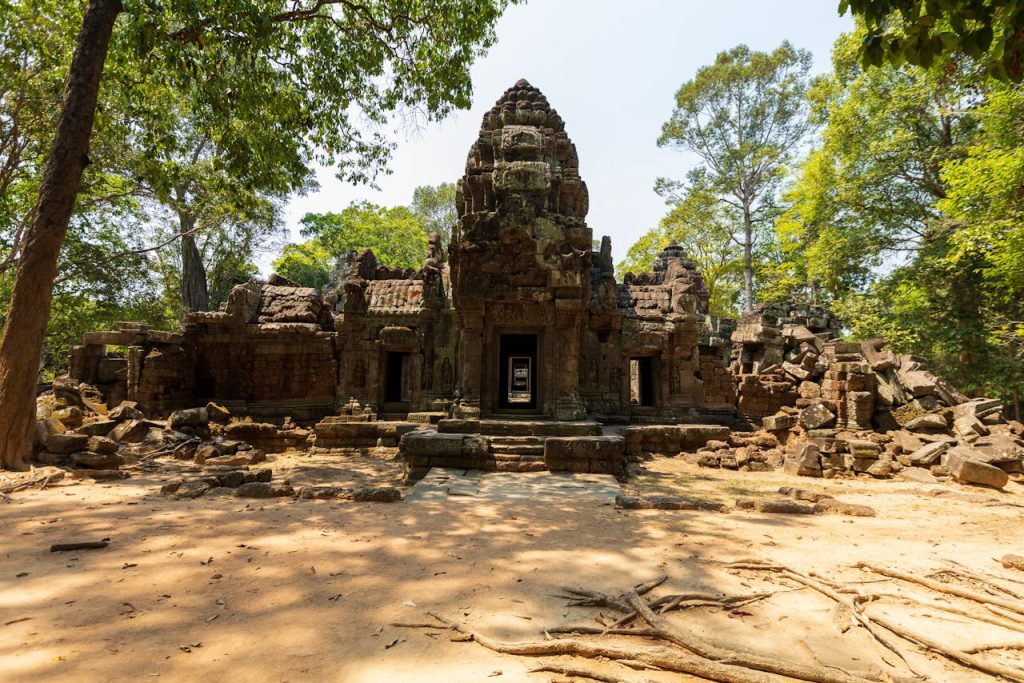
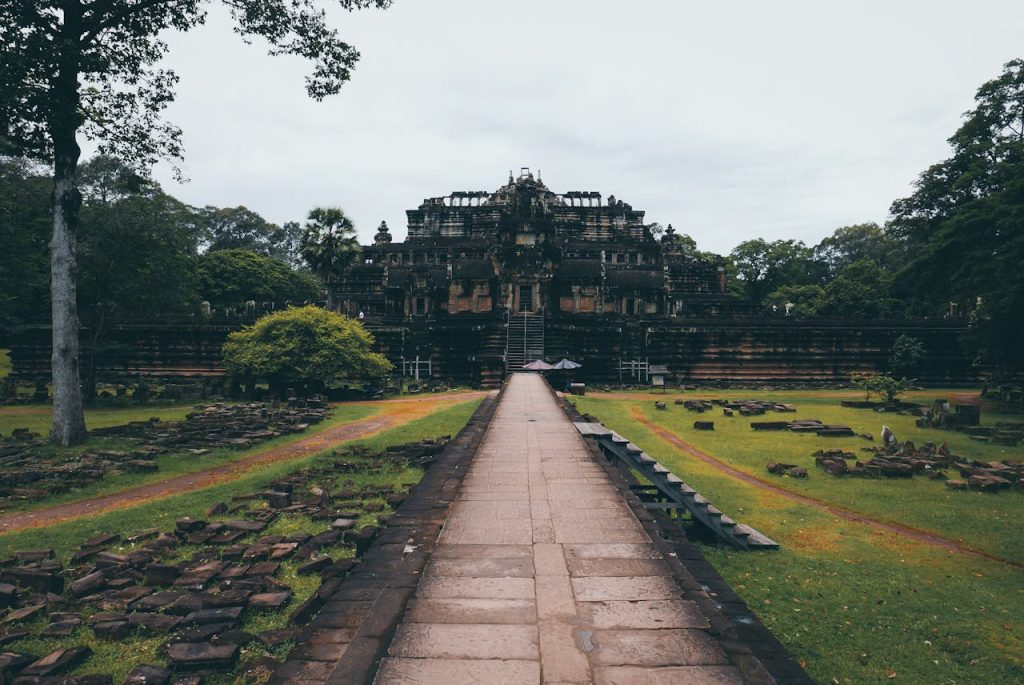
Angkor combines living spiritual heritage with heavy visitor volume, so conduct rules matter every day. Official guidance states that revealing clothes, including bare shoulders and above-knee shorts or skirts, are prohibited in sacred places. Dress is framed as baseline respect for active religious space.
That standard influences itinerary flow from the first temple stop. Visitors who arrive underdressed can lose time adjusting plans, while prepared groups move through complexes with fewer interruptions. Behavior rules in sacred zones reduce friction in crowded hours, helping preserve dignity for worship, conservation, and shared access.