8 Destinations Where School Schedules Impact Hotel Prices
School calendars shape travel in quiet, predictable ways. When summer break ends, family-heavy demand drops, midweek stays rebound, and hotels in certain destinations start adjusting fast to keep rooms filled. The shift is most visible in places built around theme parks, beach weeks, and big seasonal crowds, where a small change in occupancy can move prices overnight. Late Aug. into early Sept. often brings calmer lobbies, more flexible cancellation, and rates that feel closer to fair for the same pool, view, or walkable address.
Orlando, Florida
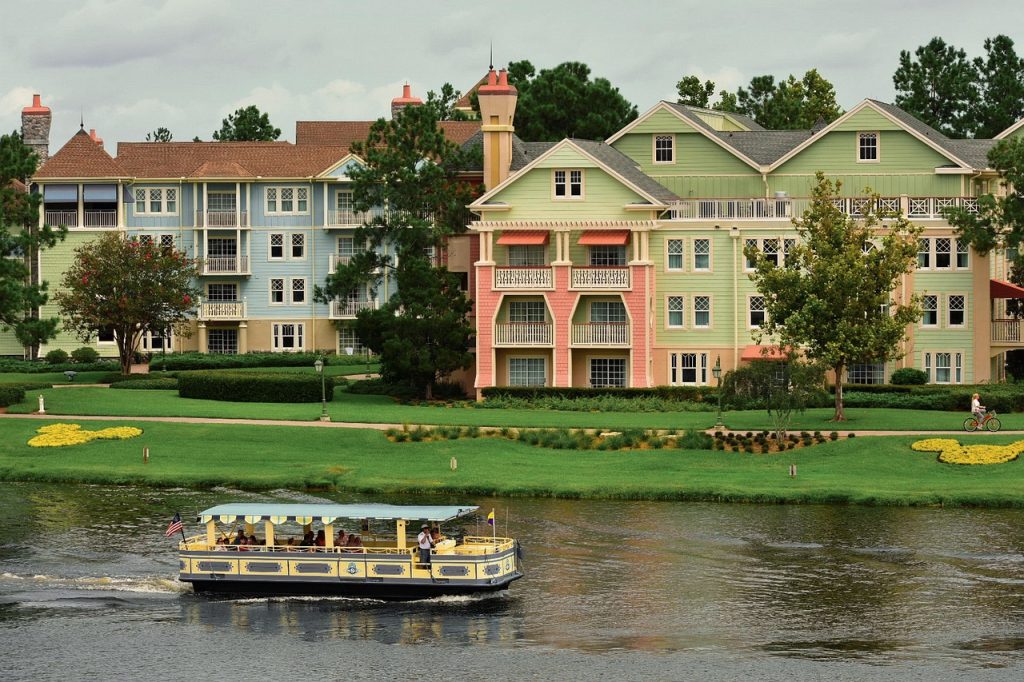
Orlando prices track school calendars almost immediately. Once families trade park days for homework, the giant belt of hotels around International Drive and Lake Buena Vista starts competing harder, especially Sunday through Thursday. Rates soften, and perks show up too: breakfast credits, free parking, or extra-night promos that rarely survive July. It is also easier to land a short-notice room near Universal without paying for a view that does not matter. Pool decks feel calmer, shuttles run with breathing room, and a last-minute dinner near Disney Springs becomes realistic, not a timed operation.
Anaheim, California

Anaheim’s hotel rates swing with school start dates across California and the West. When summer breaks end, multi-day theme park trips pause, and the long row of properties along Harbor Boulevard has to work for occupancy. Midweek is where the change is clearest: rooms fixed at peak pricing in July begin to drop, and deals bundle parking or breakfast to seal it. Shorter minimum stays return, and upgrades to better rooms become more common at the same cost. The neighborhood still feels festive, just less compressed. Coffee lines shorten, crosswalks flow, and the post-fireworks walk back feels like a cool-down, not a shuffle.
New York City, New York
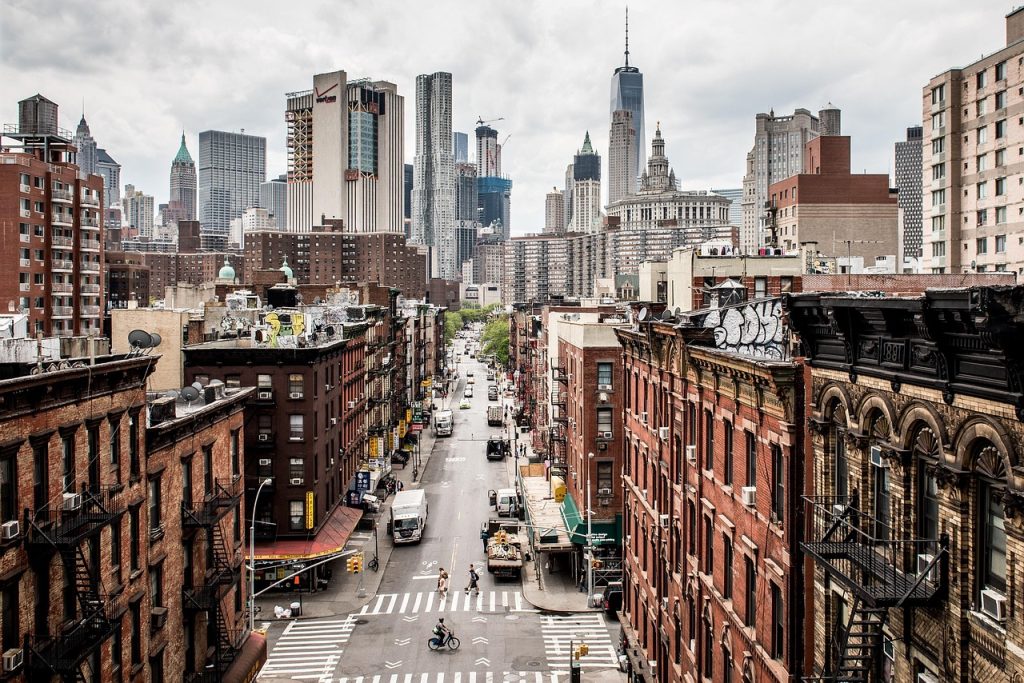
New York rarely advertises bargains, but hotel pricing can loosen once August leisure travel fades and families pivot back to routines. With three major airports feeding steady arrivals, the city stays busy, yet late August into early September often sits between summer peak and the strongest fall business wave. That gap can open better midweek rates in Midtown, Long Island City, or Downtown, plus occasional late-checkout packages. The city also feels easier. Museum entry times are simpler to snag, Broadway lotteries feel less impossible, and even a late-night slice can happen without a long wait.
Washington, D.C.
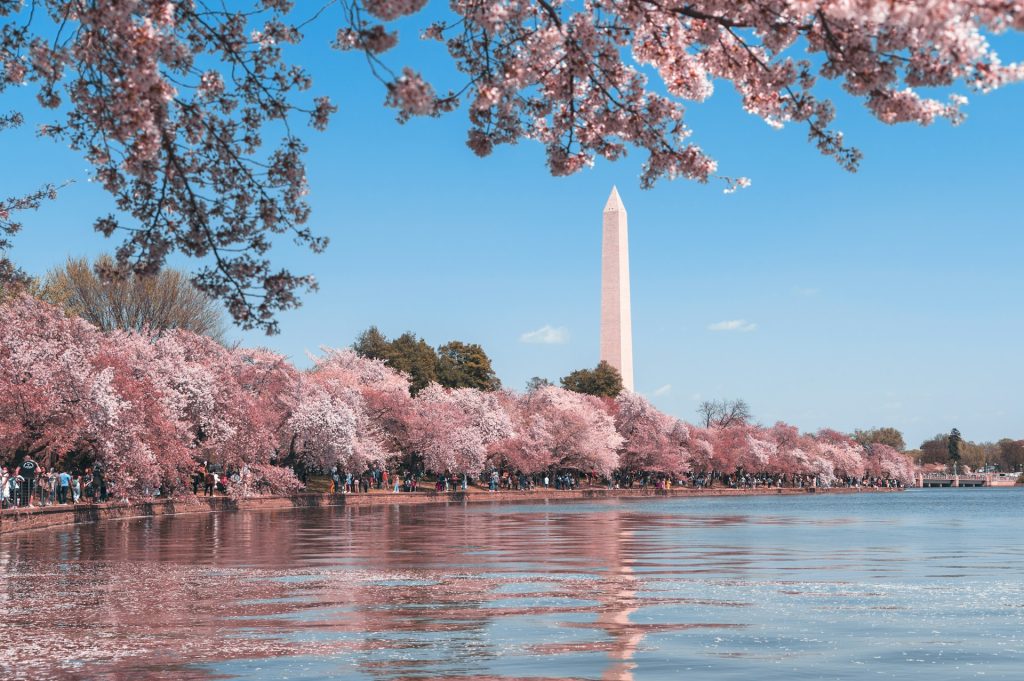
Washington, D.C., often gets a brief pricing breather when summer sightseeing slows and school schedules reset. Family tourism drops, and hotels downtown and in Arlington start competing for quieter weekends and value-focused midweeks before conference season thickens. Rates can soften without the city feeling sleepy, and add-ons like breakfast, parking, or museum bundles show up more often. Staying near a Metro stop becomes less expensive, which matters when heat still lingers. Monuments feel calmer at sunrise, Smithsonian galleries are less crowded, and patios along the Wharf feel more local, with room to linger.
San Diego, California
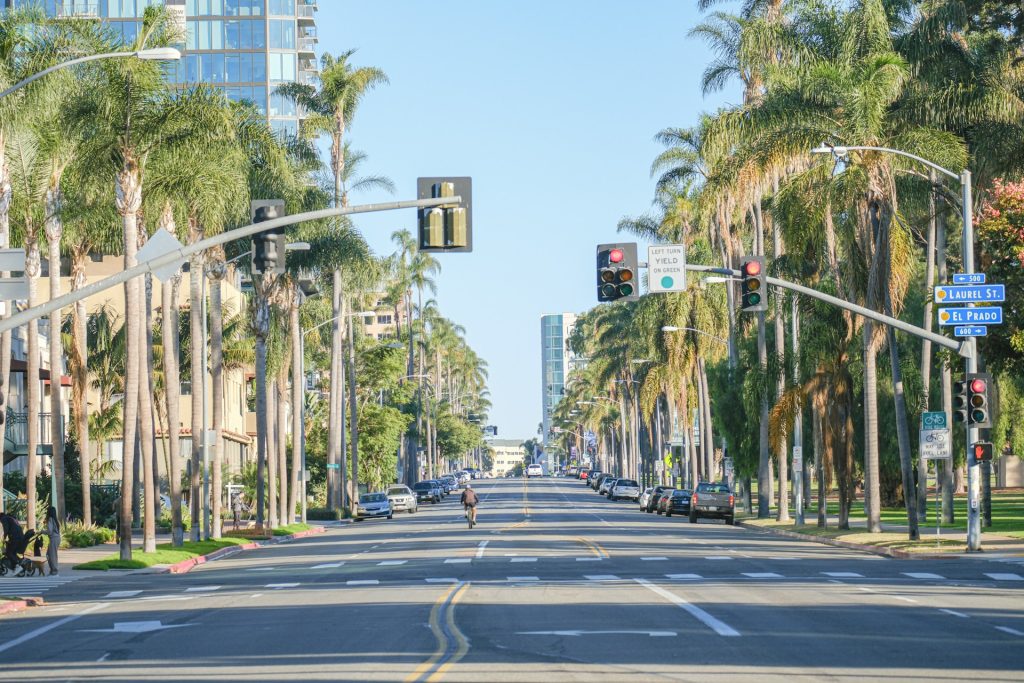
San Diego’s hotel rates often ease when school schedules return, because beach weeks and multi-generation trips thin out even while the weather stays kind. Coastal properties still hold value, but late August and September can bring clearer discounts, especially midweek, when demand softens and the same room category costs less. Upgrades become more likely, not because staff changed, but because occupancy did, and front desks have more flexibility. That difference shows everywhere: La Jolla coves feel less packed, Balboa Park is easier to roam, and the Embarcadero sunset stroll leaves space for a slow fish taco stop.
London, England
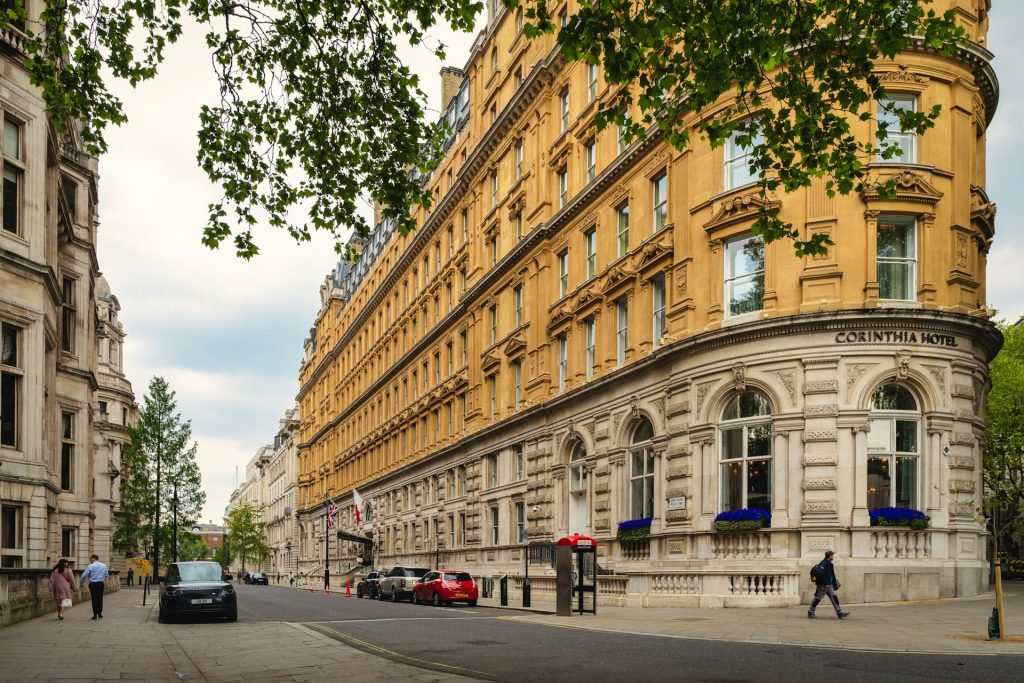
London can shift quickly once U.K. school holidays end and late-summer family travel tapers. The city stays busy, but early September often restores availability in central zones, which can lower rates near strong Tube lines and reduce the need for far-out compromises that add time every day. Value shows up in quieter ways, too: breakfast-included offers, flexible cancellation, or better rooms that would be priced out in August, especially on weekdays. Parks feel calmer, museum time slots are easier to grab, and an evening of theater and curry feels less like a scheduling puzzle and more like a normal night out.
Paris, France

Paris often changes pace after the French summer break winds down and schools reopen. Late August can still be lively, yet early September brings more choice in popular districts, which nudges pricing down and makes shorter stays easier to book. Some restaurants and shops return from vacation, business travel has not fully surged, and hotels stop insisting on longer minimum nights, so plans stay flexible. Rooms near major Metro lines can become attainable without trading location for a bargain. Sidewalk cafés regain their rhythm, the Seine feels less crowded at dusk, and neighborhood markets feel like daily life instead of a photo queue.
Honolulu, Hawai‘i
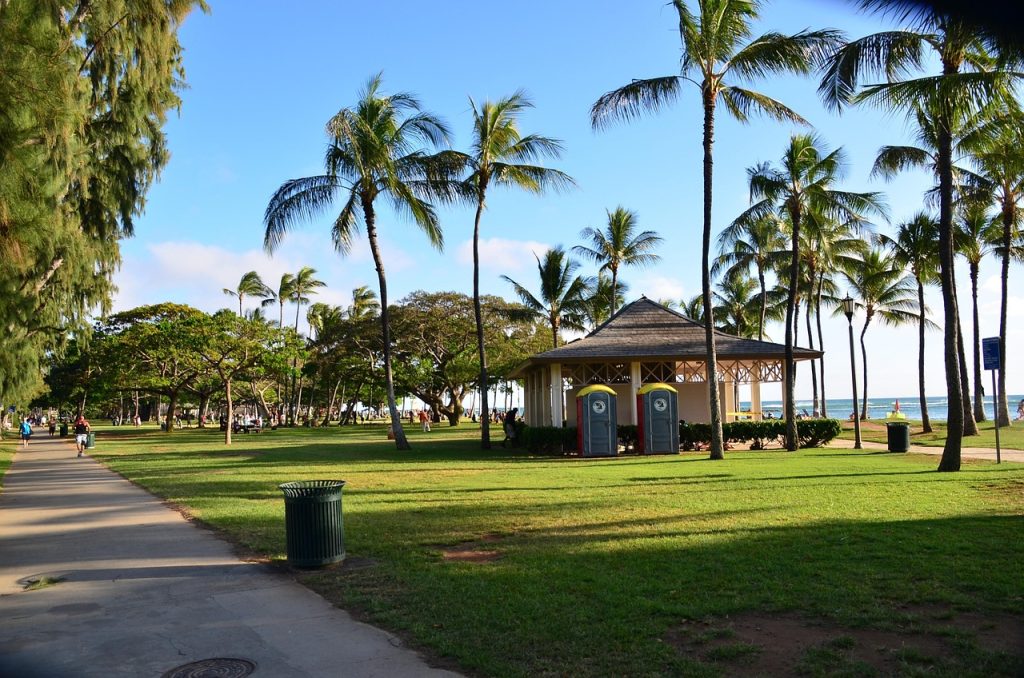
Honolulu’s hotel pricing is tightly tied to mainland school calendars, because family beach weeks drive a big share of summer demand into Waik?k? and nearby resort zones. When classes restart, some properties soften rates and add perks like breakfast credits or reduced resort fees to keep occupancy strong, even though the ocean stays warm. It also becomes easier to extend a stay without paying the steep Saturday premium that can distort the average nightly cost. Lobby traffic thins, beach-chair timing gets easier, and sunset walks along Kal?kaua Avenue feel calmer, with room for a shaved ice stop.