8 Destinations Where Staying Historic Means Following Rules

Hospitality historians and preservation architects frequently emphasize that the most authentic historic accommodations rely on a rigid framework of rules to maintain their integrity. Unlike modern chain hotels designed for unconditional guest convenience, these heritage sites prioritize the protection of the physical structure and the preservation of a specific cultural atmosphere. Experts note that travelers booking stays in these centuries-old properties are often stepping into a living museum where modern amenities like air conditioning, elevators, and televisions are intentionally absent or strictly regulated.
Heritage tourism consultants explain that these restrictions are not arbitrary but are essential for the survival of the site. From strict dress codes that preserve the social ambiance of the Gilded Age to noise curfews that protect the structural sanctity of medieval monasteries, the guest experience is defined by compliance. Understanding the specific regulations of these historic destinations allows visitors to appreciate the trade-off between modern freedom and the privilege of inhabiting history.
Mackinac Island In Michigan

Hospitality experts and island historians identify the Grand Hotel on Mackinac Island as one of the last bastions of Gilded Age etiquette in North America. The most visible rule governing the guest experience is the strict dress code enforced after 6:30 PM. Protocol officers at the hotel require gentlemen to wear a coat and tie and ladies to wear dresses or pantsuits in all public areas, including the lobby and dining room. This regulation is maintained to preserve the immersive 19th-century atmosphere that defines the property.
Transportation planners note that the island-wide ban on motor vehicles dictates the logistics of arrival and departure. Guests must rely on horse-drawn carriages or bicycles, a rule that has been in place since the late 1890s to protect the Victorian character of the destination. Staying here means submitting to a slower pace of life where the convenience of a taxi or rental car is replaced by the schedule of the dray horses and the ferry.
Koyasan In Japan
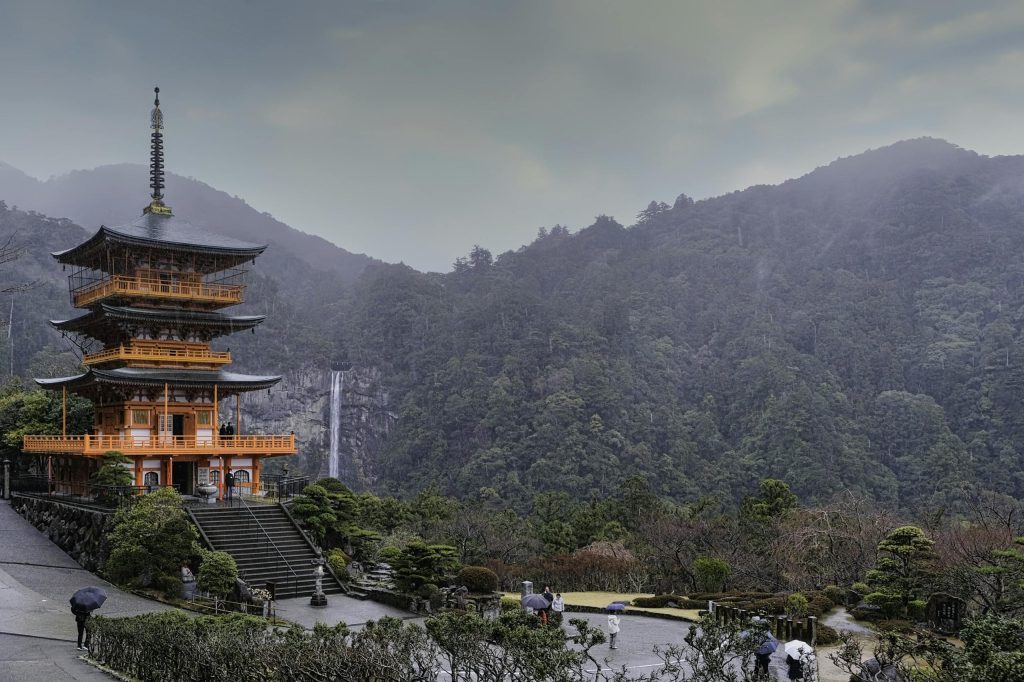
Religious scholars and temple administrators manage the shukubo, or temple lodgings, on Mount Koya with a strict set of behavioral expectations rooted in Buddhist practice. Visitors are expected to adhere to a rigid curfew, often set as early as 9:00 PM, to maintain the sanctity of the monastic environment. Cultural guides emphasize that this rule is non-negotiable as the gates are locked to ensure the quiet necessary for the monks’ early morning preparations.
Dietary experts note that guests must consume Shojin Ryori, a traditional vegetarian cuisine, at specific times designated by the temple. The consumption of outside food or alcohol in public spaces is generally prohibited to respect the religious precepts of the site. Staying in these historic quarters requires participation in the morning prayer services, shifting the role of the visitor from a passive tourist to an active observer of monastic discipline.
Yellowstone National Park In Wyoming

National Park Service architects and preservationists highlight the Old Faithful Inn as a prime example of “parkitecture” where modern conveniences are sacrificed for historical authenticity. To reduce the risk of fire in the massive wooden structure, guest rooms in the original Old House lack televisions, radios, and air conditioning. Safety officials enforce strict prohibitions on cooking or the use of any heat-generating appliances within the rooms to protect the dry, century-old lodgepole pine logs.
Heritage managers note that the thin walls of the 1904 structure necessitate strict quiet hours that are enforced by staff to ensure all guests can sleep. The lack of elevators in the historic section means that guests must be physically capable of navigating stairs with their luggage. These limitations are strictly communicated at booking to ensure that visitors understand that the experience prioritizes the preservation of the rustic atmosphere over contemporary hotel standards.
The Greenbrier In West Virginia

Etiquette consultants and fashion historians cite The Greenbrier as a resort where the dress code is a fundamental pillar of the brand identity. The resort enforces a detailed wardrobe policy that prohibits denim, shorts, and athletic wear in the main halls and dining areas. Staff are empowered to remind guests of these rules, ensuring that the visual aesthetic of the property remains consistent with its aristocratic history.
Resort management experts explain that these rules extend to behavioral conduct, particularly regarding the use of technology. Cell phone usage is frequently restricted in specific dining rooms and lobbies to encourage conversation and maintain a refined social environment. The adherence to these standards is presented not as a restriction but as a necessary component of the resort’s storied legacy of southern hospitality.
Paradores In Spain

Heritage architects and Spanish tourism officials manage the Parador network, often housed in converted castles and convents, with strict regulations regarding the modification of the physical space. Due to the protected status of buildings like the Parador de Santiago de Compostela, guests often face limitations on climate control and window usage. Preservationists explain that installing modern AC units or altering window frames would violate heritage laws, meaning guests must adapt to the thermal realities of a medieval stone building.
Interior designers note that the furniture and layout of the rooms are often dictated by the historic footprint, preventing the addition of modern conveniences like mini-fridges or extra beds in certain chambers. The experience of staying in a room that once housed royalty or pilgrims involves accepting that the architectural quirks take precedence over standardized hotel comfort. Rules regarding the handling of antique fixtures are strictly enforced to prevent damage to the national patrimony.
Kyoto In Japan
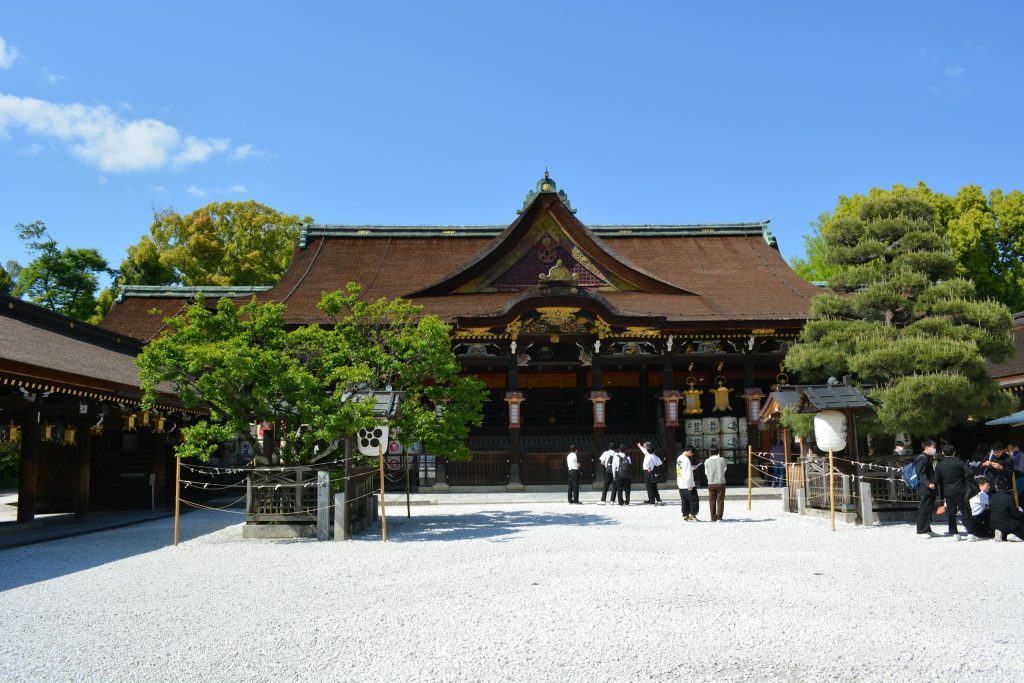
Cultural anthropologists and ryokan owners in Kyoto enforce a complex system of etiquette that governs every aspect of the guest’s stay in a traditional inn. The entry process involves the mandatory removal of shoes at the genkan, a rule that protects the fragile tatami mats from damage and dirt. Hospitality experts emphasize that stepping on the tatami with slippers or shoes is considered a grave breach of manners that can lead to immediate correction by the staff.
Bathing etiquette in the communal onsen is strictly regulated, requiring guests to wash thoroughly before entering the water and to keep all towels out of the tub. Meal times for the kaiseki dinner are fixed, and guests are expected to be in their rooms ready to be served at the appointed hour. These rules are integral to the omotenashi culture, where the guest’s compliance allows the host to provide the highest level of synchronized service.
Savannah In Georgia

Preservation society directors and innkeepers in Savannah’s Historic District operate under stringent ordinances that affect the guest experience. Many historic inns are prohibited from installing elevators due to the potential damage to the building’s structural integrity. Accessibility consultants note that guests must be prepared to carry luggage up steep, narrow staircases that have remained unchanged since the 19th century.
Noise control officers enforce strict quiet hours in the residential squares where many of these B&Bs are located. Guests utilizing courtyards or balconies are often required to lower their voices after a certain hour to respect the surrounding community. These regulations ensure that the commercial operation of the inns does not disrupt the living history of the neighborhood, prioritizing the peace of the residents over the nightlife habits of visitors.
Mount Athos In Greece

The Monastic Republic of Mount Athos operates under an ancient charter that enforces the strictest visitor regulations in the Western world. Religious authorities and border officials strictly prohibit the entry of women, a rule known as the avaton that has been in place for over a thousand years. Experts in Byzantine history note that even male visitors must obtain a special diamonitirion permit and are limited to a four-day stay.
Monastic librarians and guest masters enforce a daily routine that revolves entirely around the liturgical clock. Guests are expected to wake before dawn for services, eat in silence during communal meals, and adhere to a modest dress code that forbids short sleeves and shorts. The experience is not one of leisure but of spiritual immersion, where the visitor submits entirely to the rules of the brotherhood.