8 Destinations Where Travel Feels More Guided

Travel industry analysts and destination management organizations report a distinct shift in how global tourism operates in certain high-demand or ecologically fragile locations. Unlike the free-roaming model of the past, these destinations have adopted a structured approach where visitor movement is curated, monitored, and often legally restricted to guided experiences. Experts emphasize that this transition is rarely about limiting enjoyment but rather about preserving the integrity of the site and ensuring visitor safety in complex environments.
Conservation biologists and heritage site managers note that the guided model allows for real-time education and behavior management which significantly reduces the physical impact of tourism. By mandating the presence of licensed professionals, authorities can enforce strict protocols regarding wildlife interaction, cultural respect, and environmental protection. For the modern traveler, visiting these locations means accepting a loss of autonomy in exchange for access to some of the world’s most exclusive and protected wonders.
Bhutan
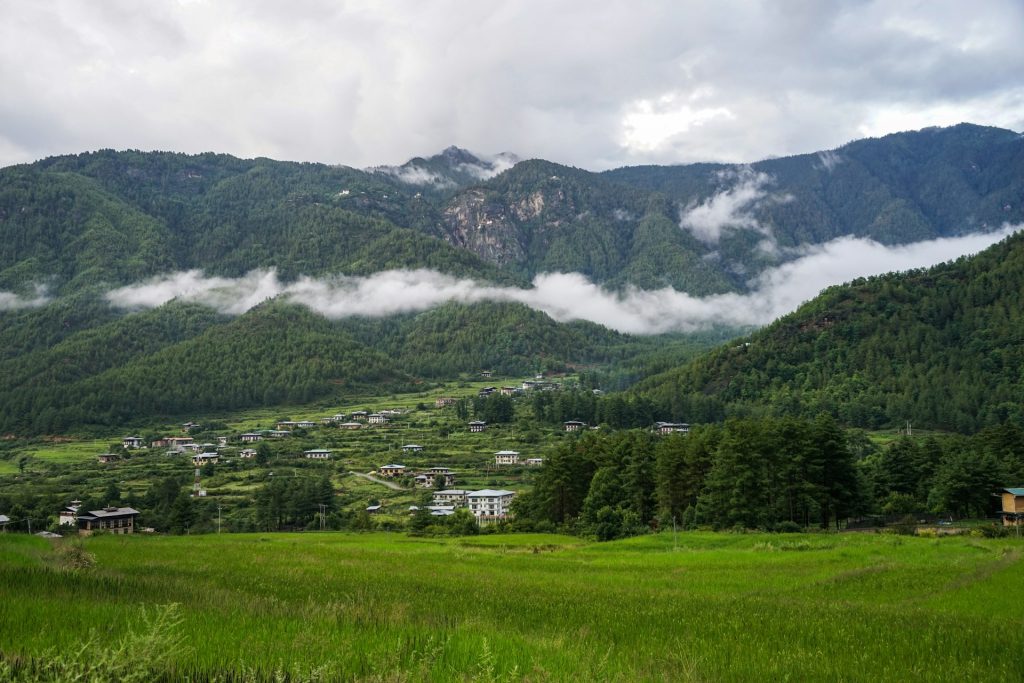
Tourism Council of Bhutan officials enforce a strict policy of high value and low volume that fundamentally dictates the logistics of travel within the kingdom. Independent backpacking is largely prohibited with regulations requiring visitors to book their entire itinerary through authorized tour operators. This system ensures that a licensed guide accompanies travelers during their exploration of dzongs, monasteries, and trekking routes acting as both a cultural interpreter and a steward of local etiquette.
Logistics experts note that the mandatory daily Sustainable Development Fee is part of a broader framework that treats tourism as a controlled resource. The guide’s presence is not merely a suggestion but a legal requirement for most visa categories ensuring that tourists adhere to the dress codes and behavioral norms expected in a deeply religious society. This structured environment creates a travel experience that is highly educational but lacks the spontaneity of self-guided discovery found elsewhere in Asia.
The Galapagos Islands In Ecuador
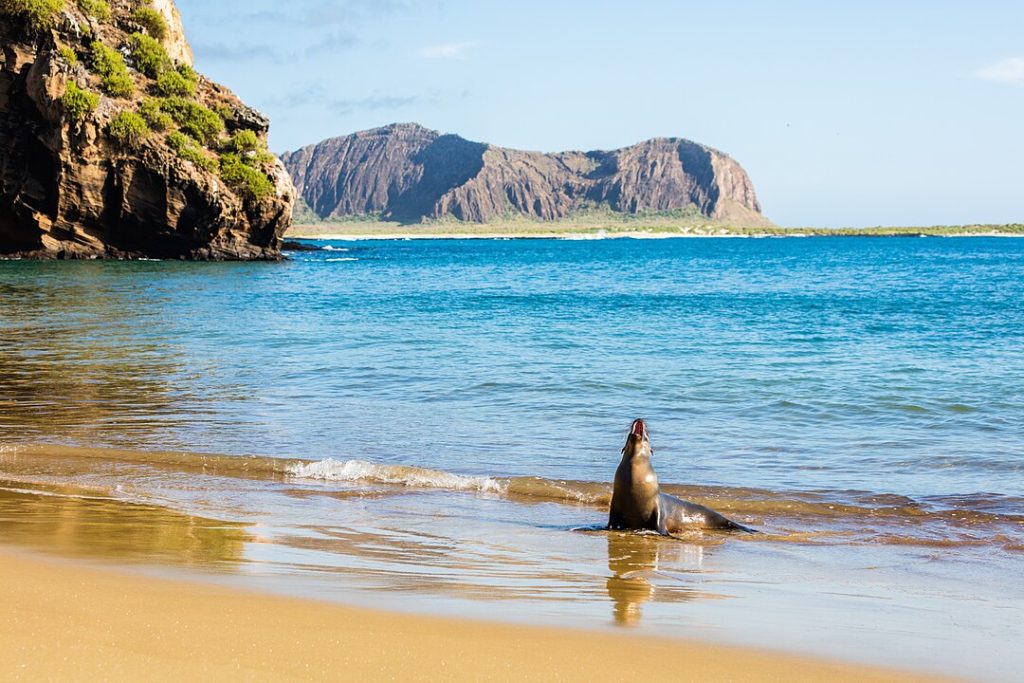
National Park Service rangers and marine biologists manage the Galapagos archipelago with a rigid itinerary system that strictly controls where and when visitors can land. Independent exploration of the protected areas is forbidden and travelers must be accompanied by a certified naturalist guide at all times. Experts explain that this rule is critical for preventing the introduction of invasive species and ensuring that humans maintain a safe distance from the fearless wildlife.
Cruise operators and tour companies are assigned specific two-week schedules that dictate the movement of vessels through the islands. This centralized management disperses visitor impact and prevents overcrowding at popular sites like Bartolomé or North Seymour. Visitors experience the islands through a curated lens with every snorkel session and hike following a pre-determined path monitored by professionals trained to prioritize ecological health over tourist freedom.
North Korea
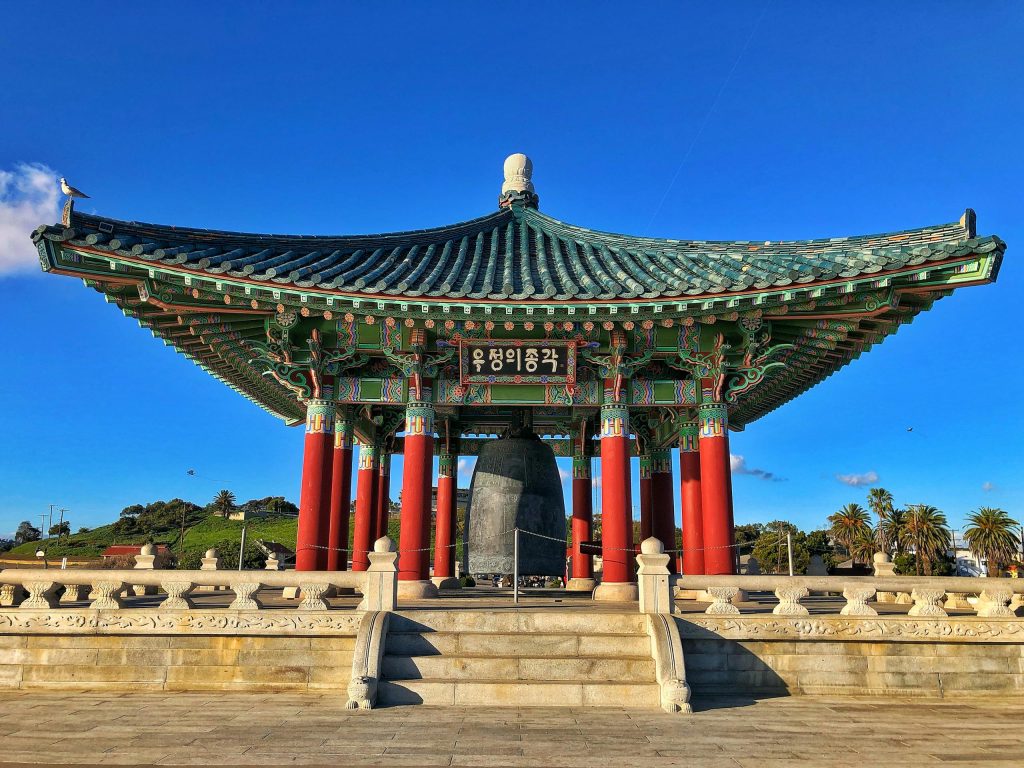
Geopolitical analysts and specialized tour operators emphasize that tourism in the Democratic People’s Republic of Korea is one of the most tightly controlled travel experiences on earth. Visitors must be accompanied by two government-appointed guides from the moment they arrive until they depart. These minders dictate the schedule, approve photography subjects, and ensure that travelers do not interact unsanctioned with local citizens.
Human rights monitors note that the itinerary is designed to present a specific state-approved narrative often focusing on monuments to the leadership and carefully staged public spaces. Deviating from the group or the approved route is strictly prohibited and can lead to severe legal consequences. The travel experience here is less about exploration and more about witnessing a highly choreographed performance of a nation with the guides serving as the directors of the visitor’s reality.
Machu Picchu In Peru
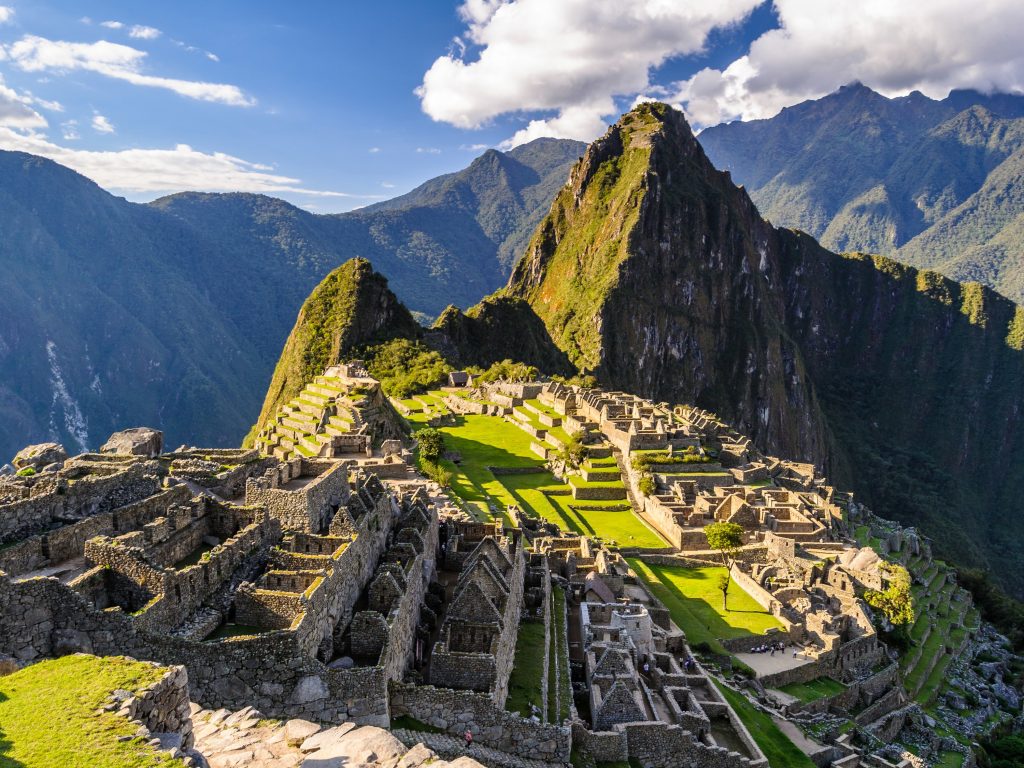
Ministry of Culture archaeologists and site managers have transitioned the Incan citadel to a rigid circuit system to manage the immense physical strain of mass tourism. Visitors must now choose a specific one-way route upon booking and are often required to enter with a licensed guide particularly for larger groups or specific trails. Heritage experts explain that this prevents backtracking and congestion on the narrow ancient pathways that were not built to withstand millions of annual footsteps.
Transport logistics consultants highlight that the entire journey to the site from the train ride to the bus transfer is a series of guided steps that leave little room for improvisation. The structured flow through the ruins means that lingering in a favorite spot is often impossible as the pressure of the crowd and the guide’s schedule keeps the group moving. This management style ensures that the site remains accessible while minimizing the cumulative damage of unrestricted foot traffic.
Antarctica

Expedition leaders and members of the International Association of Antarctica Tour Operators operate under strict guidelines that make Antarctic travel a highly regulated group activity. Passengers on expedition ships are not permitted to wander freely on the continent as landings are carefully coordinated and visitors must stay within flagged boundaries established by the expedition team. Polar safety experts emphasize that these rules are in place to prevent crevasse falls and to protect sensitive penguin colonies from disturbance.
Biosecurity officers enforce rigorous cleaning protocols for boots and gear before and after every landing a process that is overseen by staff. The experience is defined by the schedule of the ship and the weather with briefings and lectures replacing the freedom of independent choice. Travelers act as a collective unit moving from the zodiac to the shore and back under the constant supervision of guides who ensure that the human footprint on the White Continent remains minimal.
Tibet Autonomous Region
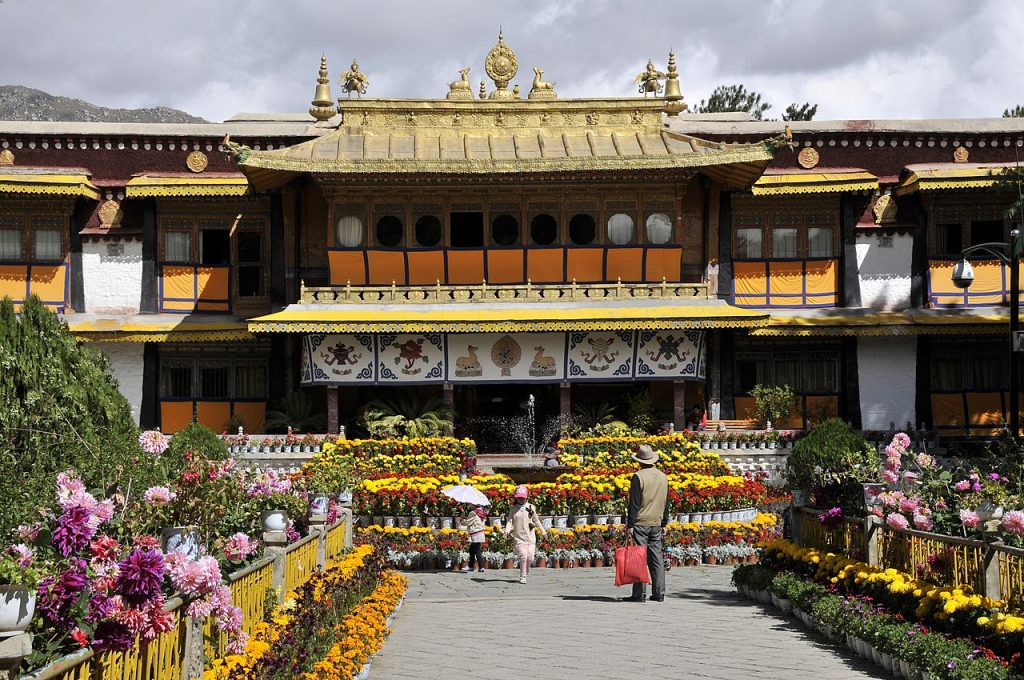
Political analysts and regional travel specialists advise that visiting Tibet requires navigating a complex web of Chinese government regulations that mandate guided travel. Foreign travelers must obtain a Tibet Travel Permit which is only issued to those who have booked a tour with a registered agency. Security officials stipulate that a licensed guide must accompany visitors during their stay particularly when visiting monasteries and traveling between prefectures.
Logistics coordinators note that the itinerary is fixed in advance and monitored by checkpoints along the route. Independent travel using public transportation is generally not permitted for foreigners forcing visitors into private vehicles with their guide and driver. This level of oversight ensures that the state maintains control over the movement of foreigners in a politically sensitive region creating a travel experience that is filtered through the presence of an official escort.
Volcanoes National Park In Rwanda
Primatologists and conservation officers enforce a strict quota system for mountain gorilla trekking that makes the experience entirely dependent on professional guidance. Visitors are assigned to a specific gorilla family and must trek with armed rangers and trackers who know the animals’ location. Veterinary experts emphasize that the one-hour limit for viewing the gorillas is strictly enforced by the guides to minimize stress on the primates and reduce the risk of disease transmission.
Safari operators explain that the trek itself is a disciplined march through dense vegetation where following the guide’s instructions is a matter of safety. Travelers cannot choose their route or their pace but must adapt to the group and the terrain. The high cost of the permit and the exclusivity of the access create a reverent atmosphere where the guide’s authority is absolute and essential for the protection of the critically endangered species.
The Wave In Arizona

Bureau of Land Management rangers oversee access to the fragile sandstone formation known as The Wave with a permit system that functionally guides the visitor experience through scarcity and regulation. While there is no physical guide required to walk with permit holders, the strict limitation of just 64 people per day creates a highly monitored environment. Rangers frequently patrol the area to check permits and eject those who have entered illegally.
Geologists explain that the lack of marked trails and the delicate nature of the rock fins require visitors to follow a provided photo-map or GPS track to reach the site without causing damage. The guided aspect here comes from the intense regulatory framework and the educational briefing provided to permit winners. The experience is defined by the privilege of access where the rules of the land management agency dictate the terms of engagement with the landscape.