8 Destinations Where Weather Is More Unpredictable Than Ever
Weather patterns across the globe feel increasingly unstable, reshaping how travelers plan trips. Sudden storms, heat spikes, and shifting seasons disrupt expectations quietly. Destinations once considered predictable now experience rapid changes within days. These fluctuations affect safety, comfort, and scheduling. Understanding where conditions change fastest helps travelers prepare thoughtfully. The following destinations illustrate places where weather surprises locals and visitors alike. Each location reflects broader climate shifts rather than isolated events. Awareness allows better timing, packing, and flexibility when visiting regions facing growing atmospheric uncertainty year after year.
London
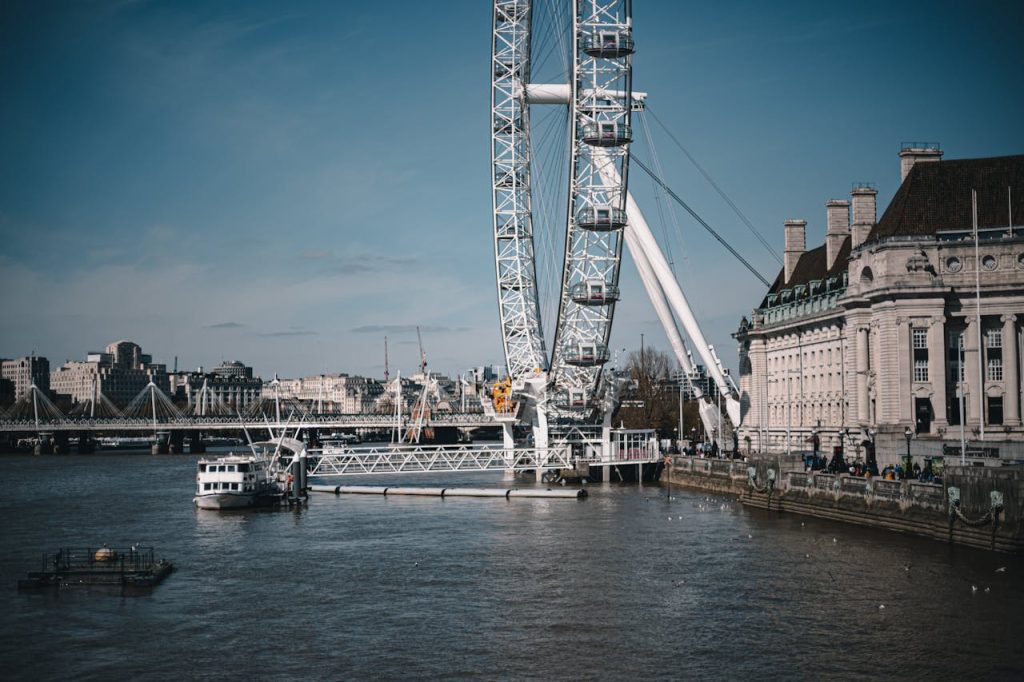
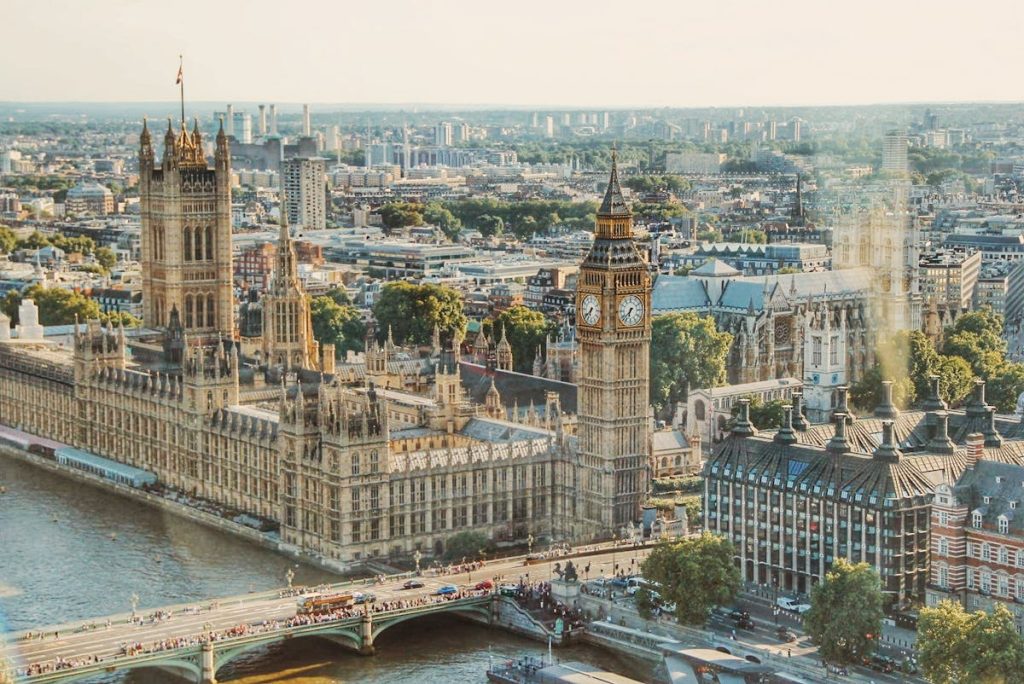
London’s reputation for drizzle understates its growing volatility. Sudden heatwaves, intense rain, and windstorms now arrive unexpectedly. Sunshine can shift to downpours within minutes. Seasonal patterns blur noticeably. Flooding affects transport and neighborhoods more frequently. Winters fluctuate between mild and icy. Forecasts change rapidly. Visitors expecting gentle consistency often misjudge clothing needs. Climate change amplifies Atlantic influences. London remains fascinating but requires constant adaptability. Flexible itineraries and layered packing become essential when navigating a city where calm skies and severe weather now alternate unpredictably throughout the same day for modern travelers.
Denver
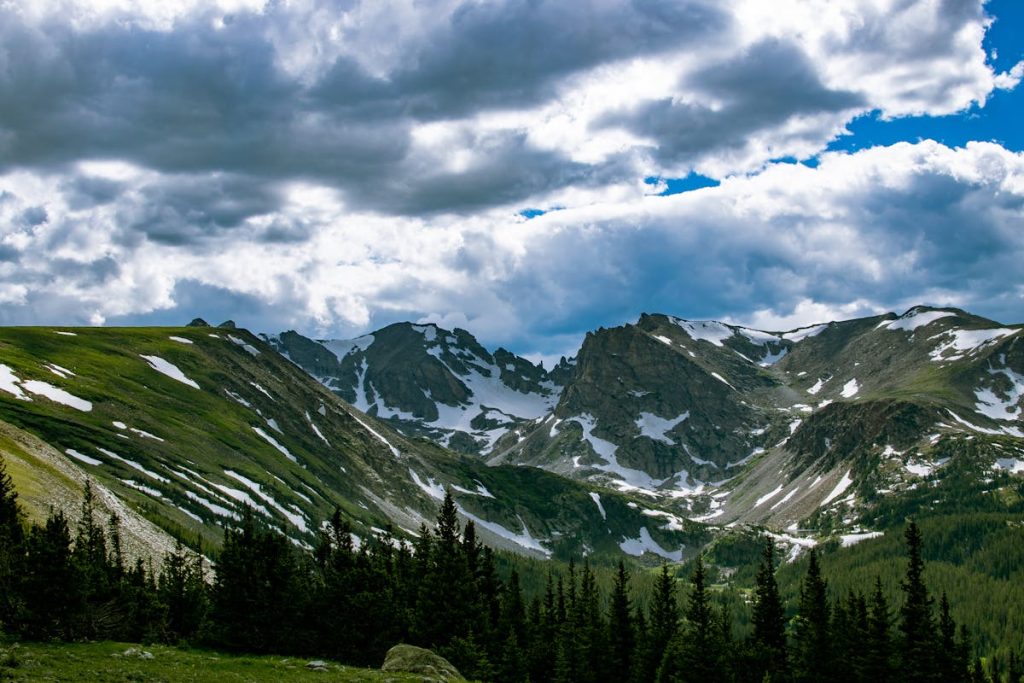
Denver sits where plains meet mountains, creating rapid weather shifts. Clear mornings can become snowy afternoons. Temperature swings happen within hours. Sunshine coexists with sudden hailstorms. Elevation intensifies conditions year round. Thunderstorms develop quickly during summer. Winter storms arrive without long warning. Forecast accuracy drops near the Front Range. Visitors underestimate altitude effects combined with weather changes. Outdoor plans require flexibility. Denver’s climate reflects mountain influence and continental air masses. Travelers must prepare for heat, cold, wind, and snow occurring unexpectedly, sometimes all within a single twenty four hour period during unpredictable seasonal transitions annually.
San Francisco
San Francisco’s microclimates challenge even experienced locals. Fog rolls in suddenly, dropping temperatures sharply. Neighborhoods experience different weather simultaneously. Summer brings cold mornings and windy afternoons. Drought and heavy rainfall alternate across years. Coastal winds intensify quickly. Sunshine disappears without warning. Visitors expecting California warmth feel unprepared. Clothing needs vary block by block. The city’s geography amplifies change. Hills, water, and ocean currents create instability. San Francisco demands layers, patience, and flexibility as weather conditions transform rapidly across short distances throughout any given day for residents commuters tourists alike year round.
Reykjavik
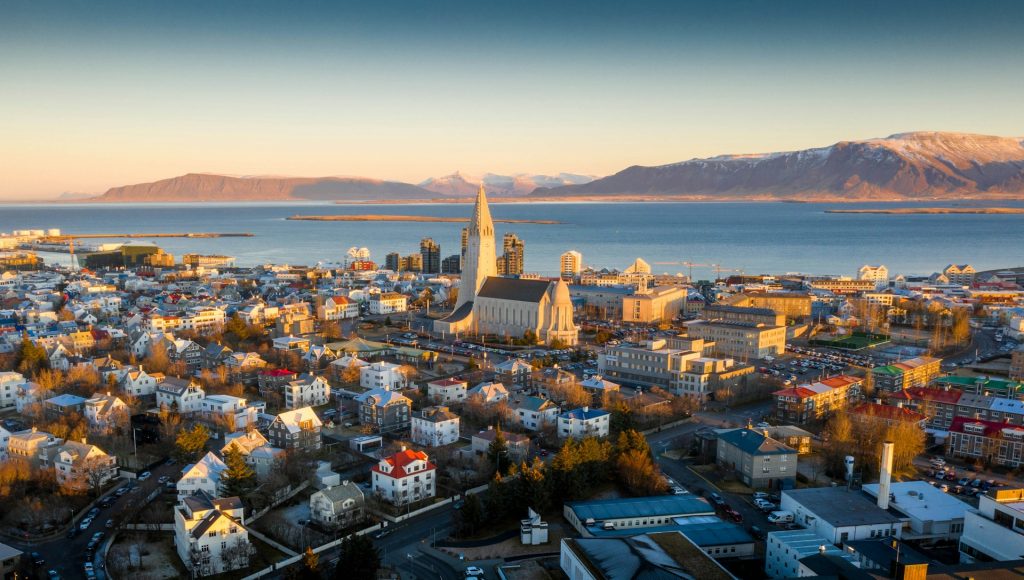
Reykjavik experiences dramatic weather changes driven by North Atlantic systems. Sunshine, rain, snow, and wind often cycle quickly. Forecasts shift hourly. Strong winds disrupt transportation frequently. Temperature changes feel abrupt. Summer brings unexpected cold snaps. Cloud cover changes rapidly. Visitors underestimate wind chill effects. Outdoor plans change often. Iceland’s location amplifies volatility. Ocean currents and polar air collide. Reykjavik requires constant readiness for layered clothing and schedule adjustments as conditions evolve unpredictably, sometimes multiple times within a single afternoon during every season, surprising even longtime residents and experienced guides regularly there.
Miami
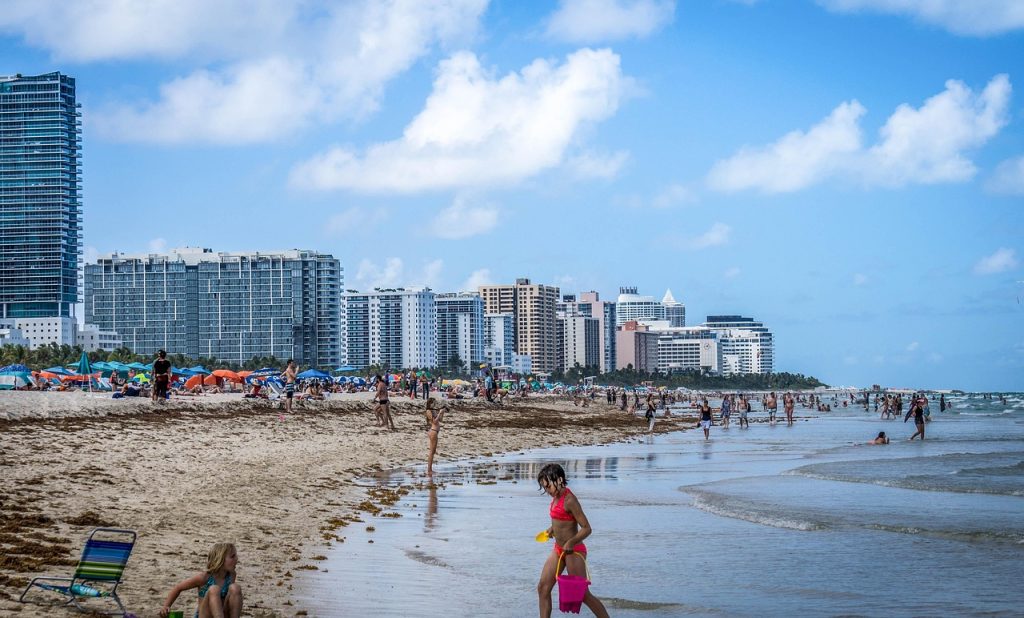
Miami’s weather feels increasingly volatile despite its tropical reputation. Sudden thunderstorms disrupt sunny forecasts. Hurricane season grows less predictable. Flooding follows brief rainfall. Humidity intensifies discomfort unexpectedly. Winter cold snaps occasionally appear. Wind patterns shift suddenly along the coast. Visitors misjudge outdoor plans. Beach conditions change quickly. Climate change amplifies extremes. Rising seas worsen flooding impacts. Miami now demands constant monitoring of forecasts, flexible scheduling, and caution as calm skies can transform into severe conditions with little warning during any month throughout the year, challenging residents visitors planners and emergency services.
Tokyo
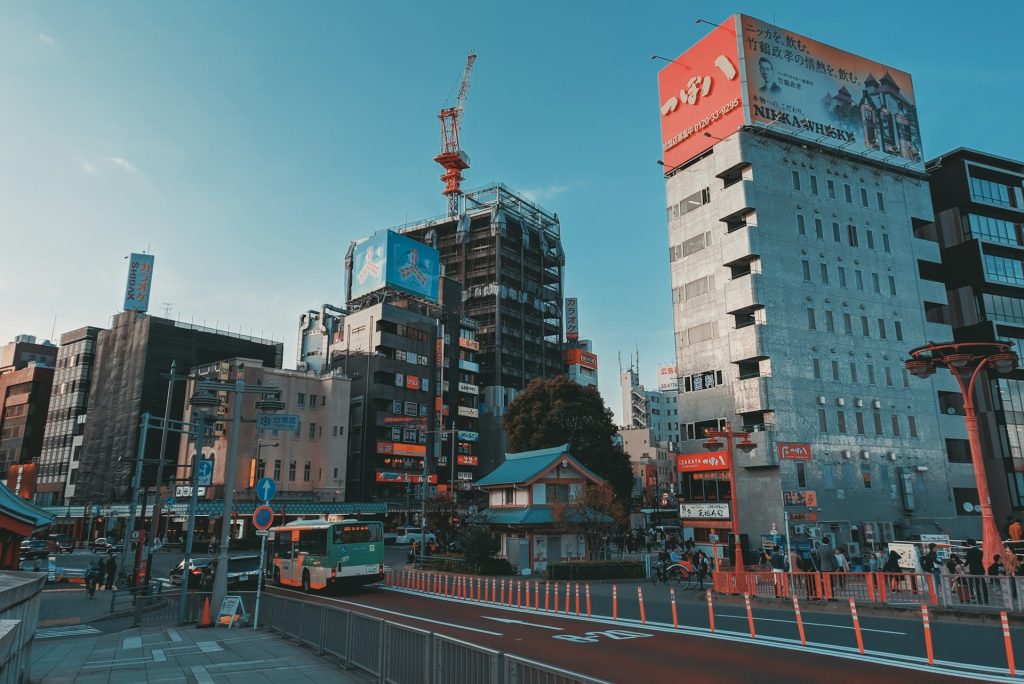
Tokyo’s weather unpredictability has increased alongside climate shifts. Sudden downpours interrupt clear days. Typhoon paths vary widely each year. Heatwaves intensify in summer months. Humidity spikes quickly. Winters alternate between mild and cold snaps. Forecast accuracy fluctuates. Urban heat islands magnify changes. Transportation faces disruption from storms. Visitors misjudge seasonal stability. Climate change complicates planning. Tokyo now requires attention to daily forecasts. Travelers must prepare for rain, heat, or wind appearing abruptly, reshaping schedules in a city known for precision and reliability despite advanced infrastructure long term planning traditions nationwide today increasingly evident annually now.
Sydney
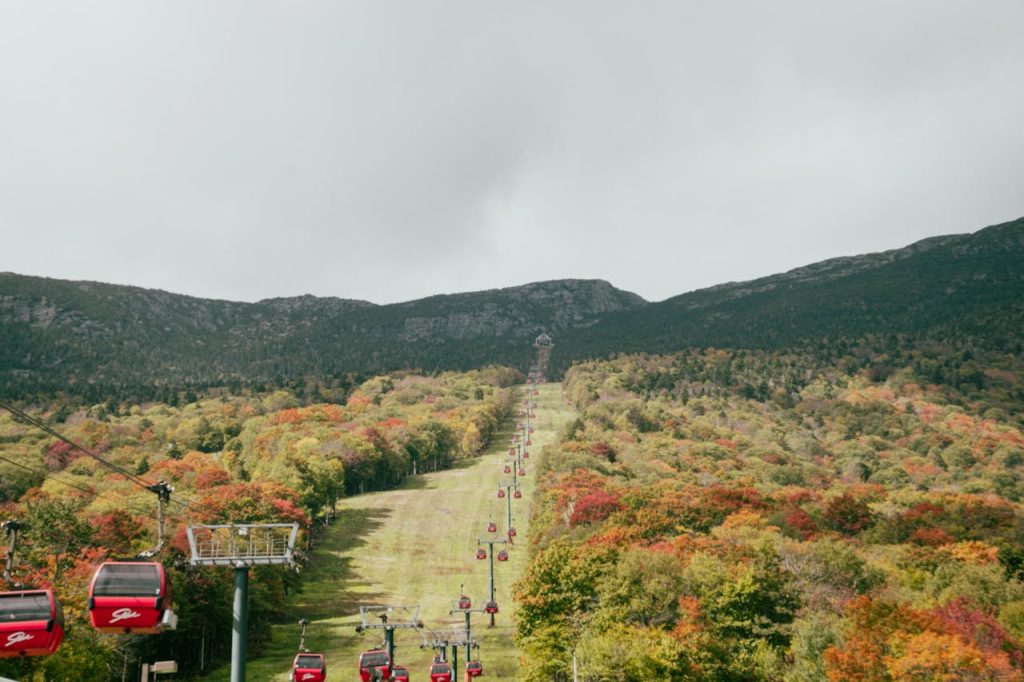
Sydney experiences increasingly erratic weather patterns year round. Heatwaves intensify suddenly during summer. Bushfire conditions develop rapidly. Heavy rain follows drought unexpectedly. Coastal storms disrupt plans. Temperature swings feel extreme. Visitors underestimate volatility. Outdoor activities require flexibility. Climate change influences patterns strongly. La Niña and El Niño cycles intensify extremes. Sydney now faces unpredictable combinations of heat, rain, wind, and smoke, challenging travelers who expect consistent sunshine throughout their stay despite promotional imagery emphasizing beaches, outdoor lifestyles, and stable conditions year round, historically associated with the region overall.
Buenos Aires
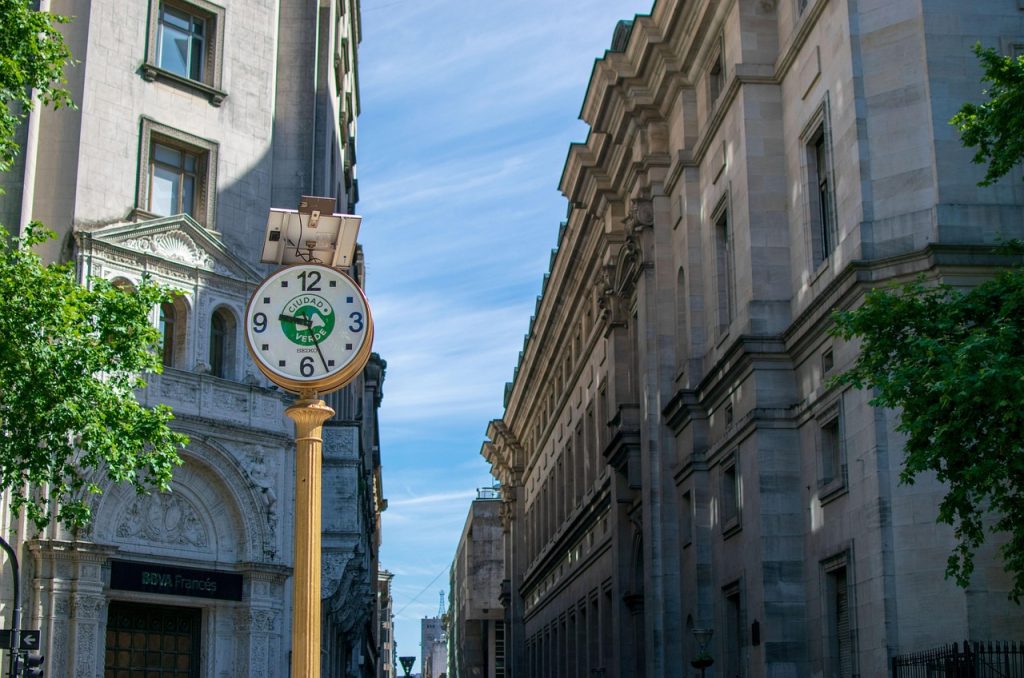
Buenos Aires experiences surprising weather variability throughout the year. Sudden temperature drops follow warm days. Heavy storms arrive quickly. Heatwaves feel intense and prolonged. Humidity rises unexpectedly. Seasonal transitions blur. Cold snaps appear during spring. Urban flooding disrupts transportation. Visitors misjudge climate stability. Climate change increases extremes. River influences amplify storms. Buenos Aires now requires adaptable planning as weather conditions shift quickly, challenging expectations of mild seasons in Argentina’s capital city for international travelers, locals, event planners, and residents navigating daily life amid increasing atmospheric instability across the region in recent years.