8 Diplomatic Districts in DC That Tell the Story of US-Russia Relations
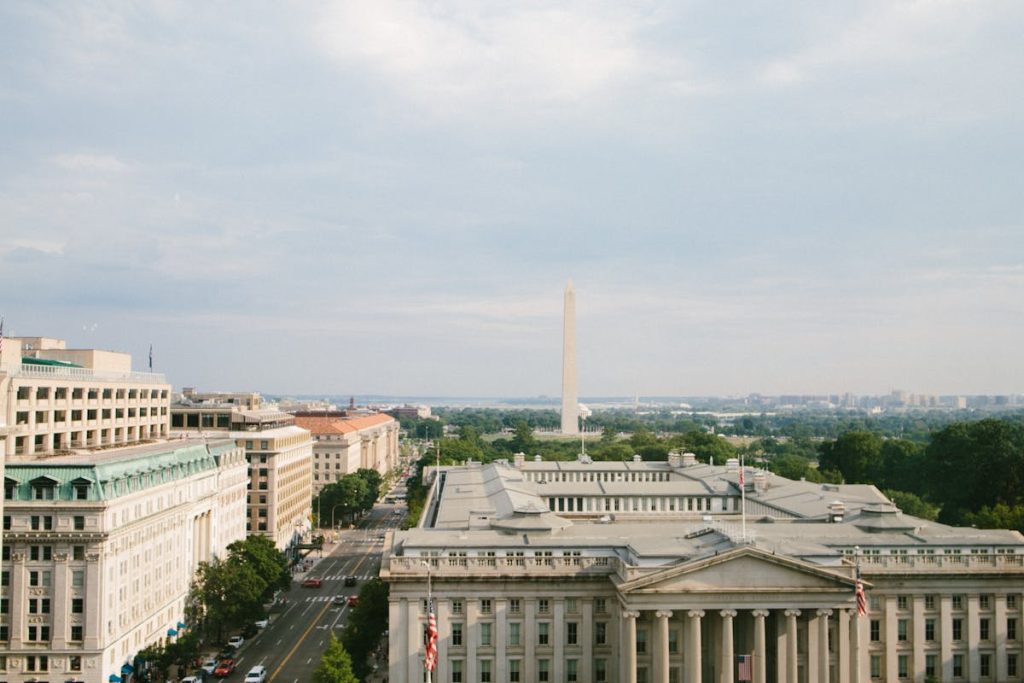
Washington, DC contains layers of diplomatic history embedded within specific neighborhoods shaped by decades of US Russia relations. From formal embassy corridors to quieter residential districts, these areas reflect shifting tensions, cautious cooperation, and long standing protocol. Architecture, security patterns, and urban planning reveal how diplomacy influenced physical space over time. Some districts symbolize Cold War rivalry, while others mark post Soviet transitions and modern realities. Together, these eight diplomatic districts form a geographic narrative showing how global politics quietly influenced streets, daily routines, and international presence across the American capital for generations to come.
Embassy Row on Massachusetts Avenue
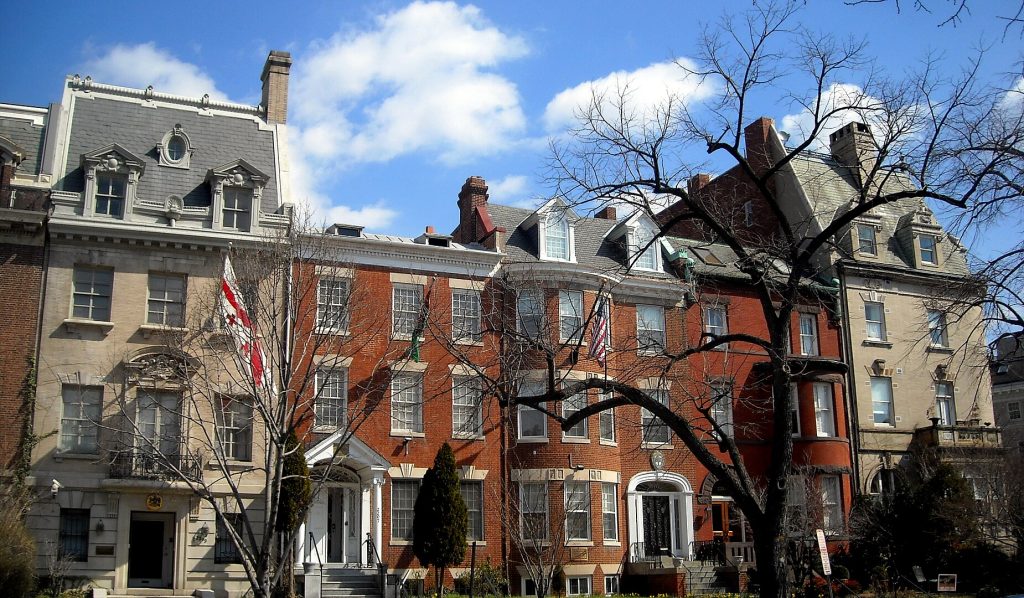
Embassy Row along Massachusetts Avenue remains Washington’s most visible diplomatic corridor tied to US Russia relations. The Russian Embassy, completed in 1954, stands prominently along the avenue, reflecting Cold War architectural seriousness. Over decades, protests, security measures, and diplomatic activity here mirrored shifting political climates. American media frequently associated the area with espionage intrigue and high stakes diplomacy. Neighboring embassies and historic mansions reinforce the avenue’s symbolic role as a place where formal engagement, surveillance concerns, and international signaling unfolded publicly, shaping long term perceptions of bilateral relations between both nations historically over time.
Wisconsin Avenue Heights
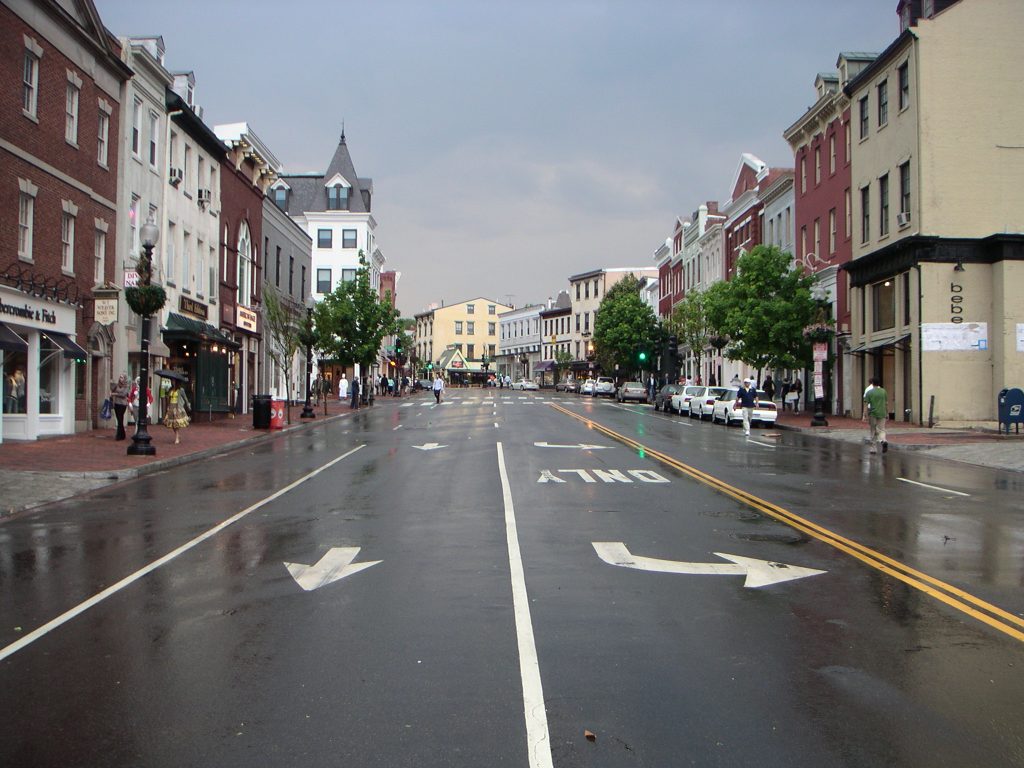
Wisconsin Avenue Heights area functioned as a residential zone for diplomats and embassy staff from multiple nations, including Russia. During the Cold War, discreet apartment buildings and townhomes housed foreign officials under observation. The neighborhood’s quiet character contrasted with tense diplomatic work nearby. Over time, zoning patterns and security considerations reflected evolving relations. While less visible than Embassy Row, this district supported everyday diplomatic life, illustrating how international politics extended beyond formal buildings into ordinary streets, residences, routines, and guarded domestic spaces shaped by policy oversight and cautious coexistence between governments historically over decades.
Van Ness and Cleveland Park
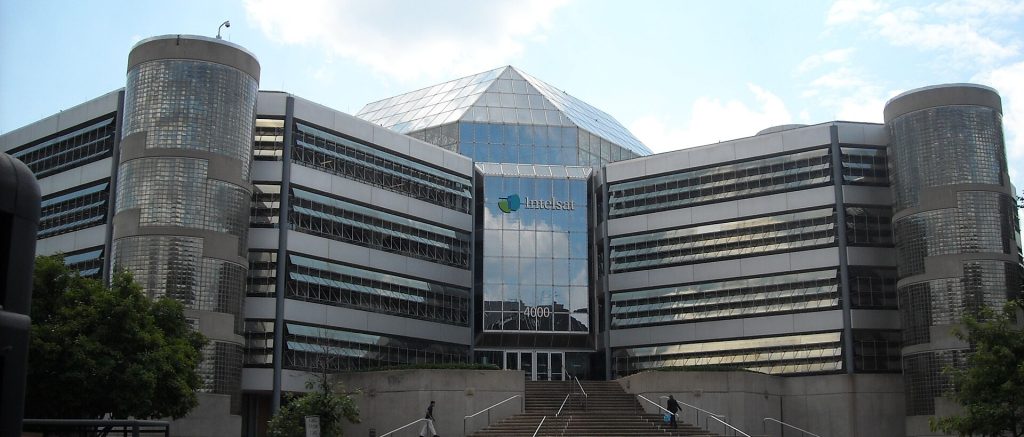
Van Ness and Cleveland Park form a diplomatic residential corridor closely connected to US Russia relations. Soviet and later Russian diplomatic housing concentrated here due to proximity to embassies and secure routes. During tense periods, these neighborhoods experienced surveillance and public curiosity. Schools, parks, and shopping centers became shared spaces where diplomacy met daily life. The area demonstrates how prolonged geopolitical rivalry required stable living environments for foreign officials, embedding international relations into the rhythms of northwest Washington communities across decades of cautious coexistence during shifting global conditions and evolving security frameworks internationally over time.
Glover Park
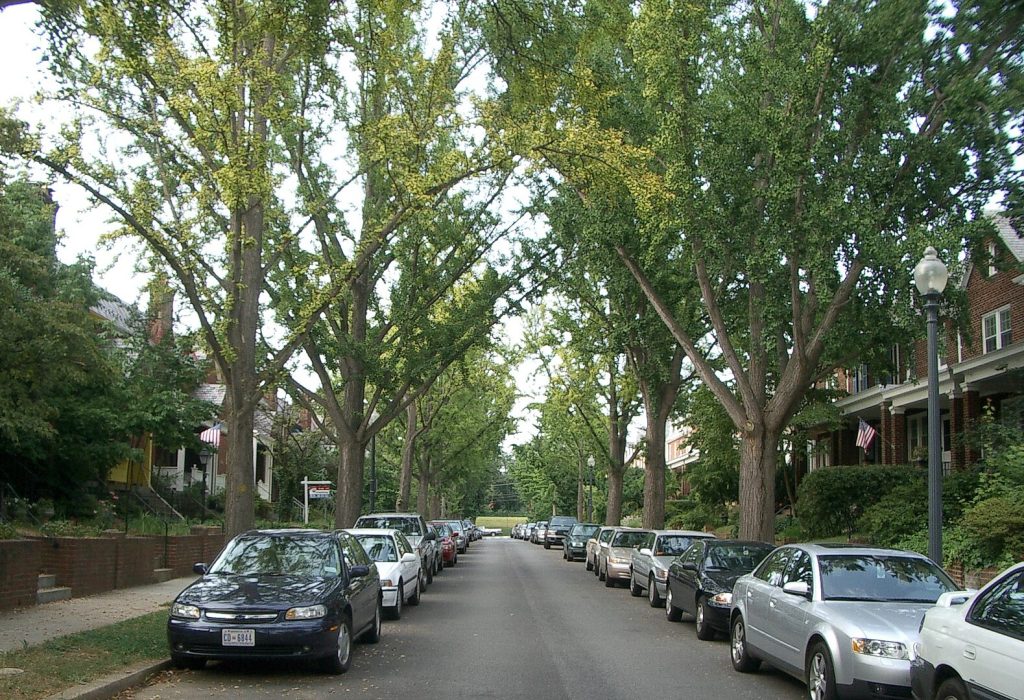
Glover Park holds a distinctive place in US Russia diplomatic history through its proximity to embassy residences and intelligence narratives. The neighborhood attracted foreign missions seeking quieter surroundings near key diplomatic sites. During the Cold War, American popular culture linked Glover Park to espionage speculation. While largely residential, the area illustrates how geography shaped diplomatic logistics. Tree lined streets and understated buildings masked the presence of global politics operating within an otherwise typical Washington neighborhood influenced by secrecy, monitoring, and strategic positioning during prolonged ideological conflict and bilateral mistrust between both nations historically over decades.
Kalorama Triangle
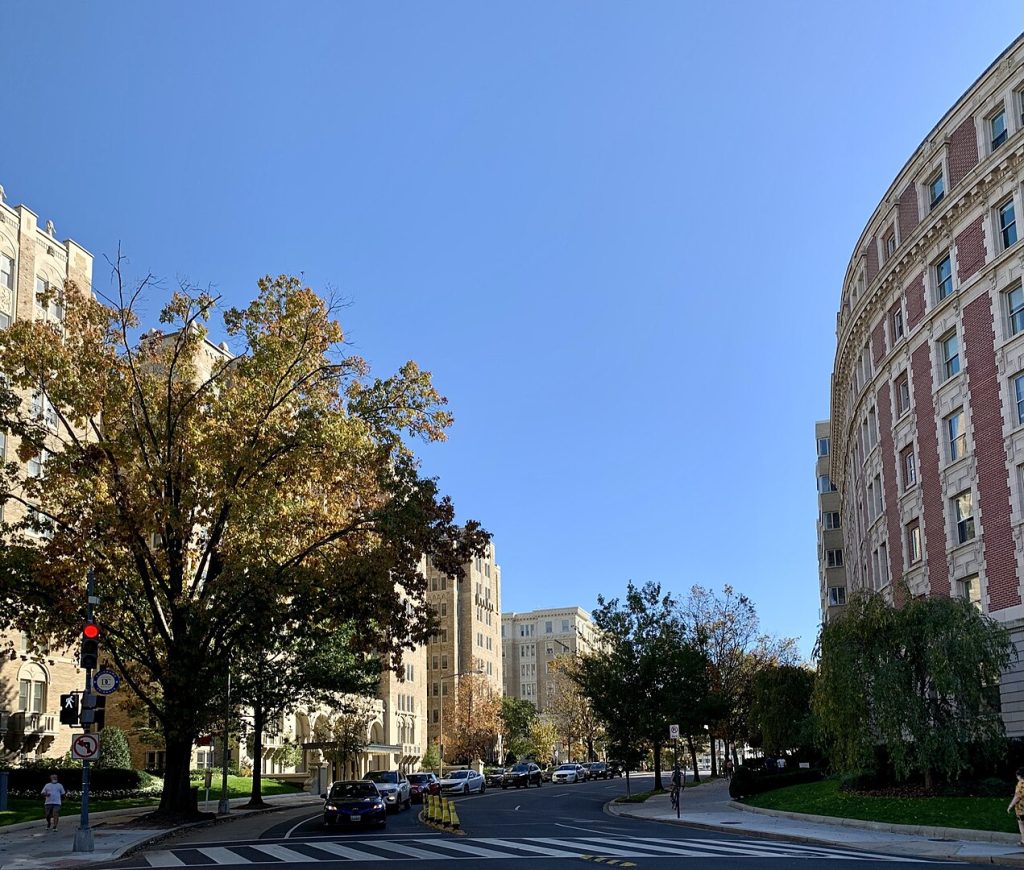
Kalorama Triangle stands among Washington’s most historically significant diplomatic districts. The neighborhood housed numerous ambassadors, including Soviet representatives during critical periods of US Russia relations. Kalorama supported social diplomacy through receptions and informal meetings beyond official venues. Over time, security upgrades reflected changing political climates. The district shows how residential elegance facilitated dialogue, allowing diplomacy to continue even during strained moments when formal negotiations proved difficult or limited by fostering interpersonal trust quietly away from public scrutiny and constant media attention during volatile international periods historically over decades.
Foggy Bottom
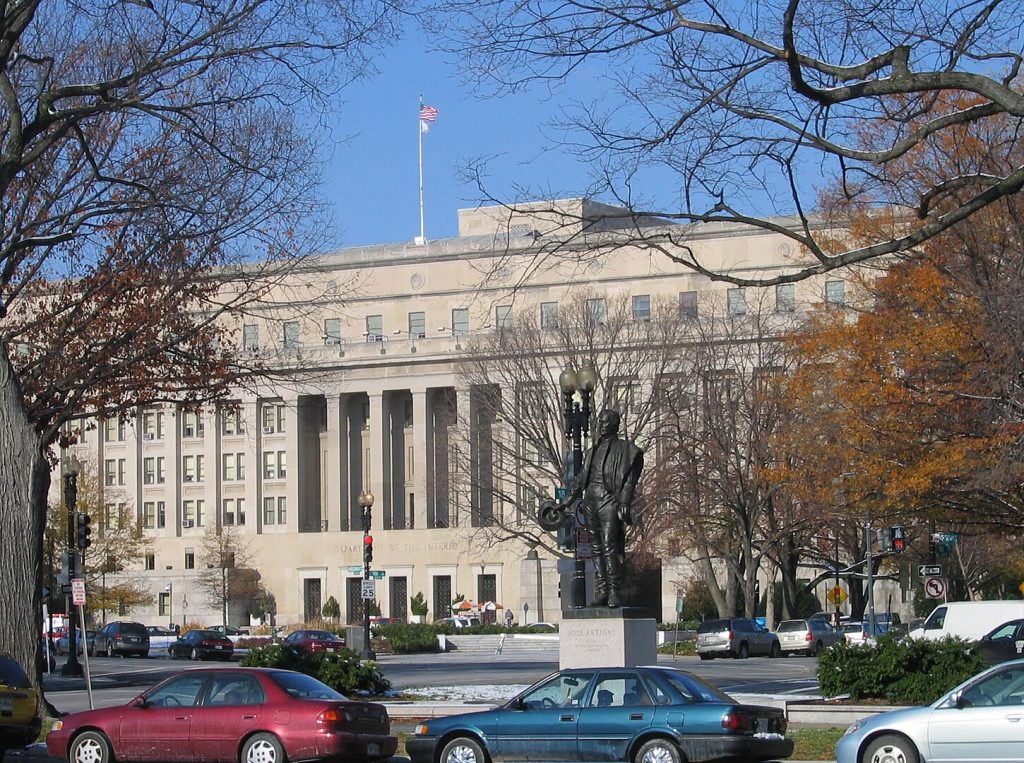
Foggy Bottom connects diplomacy, policy, and academia, shaping US Russia relations through proximity. The neighborhood hosts the State Department, international organizations, and institutions influencing bilateral policy. Russian diplomatic activity intersected here with American officials, analysts, and scholars. During pivotal moments, Foggy Bottom functioned as a nerve center for negotiation and response. Its blend of government offices and universities highlights how diplomacy extended beyond embassies into research, strategy, and administrative spaces shaping long term international outcomes during periods of crisis, transition, and policy recalibration affecting bilateral engagement and strategic communication.
Georgetown
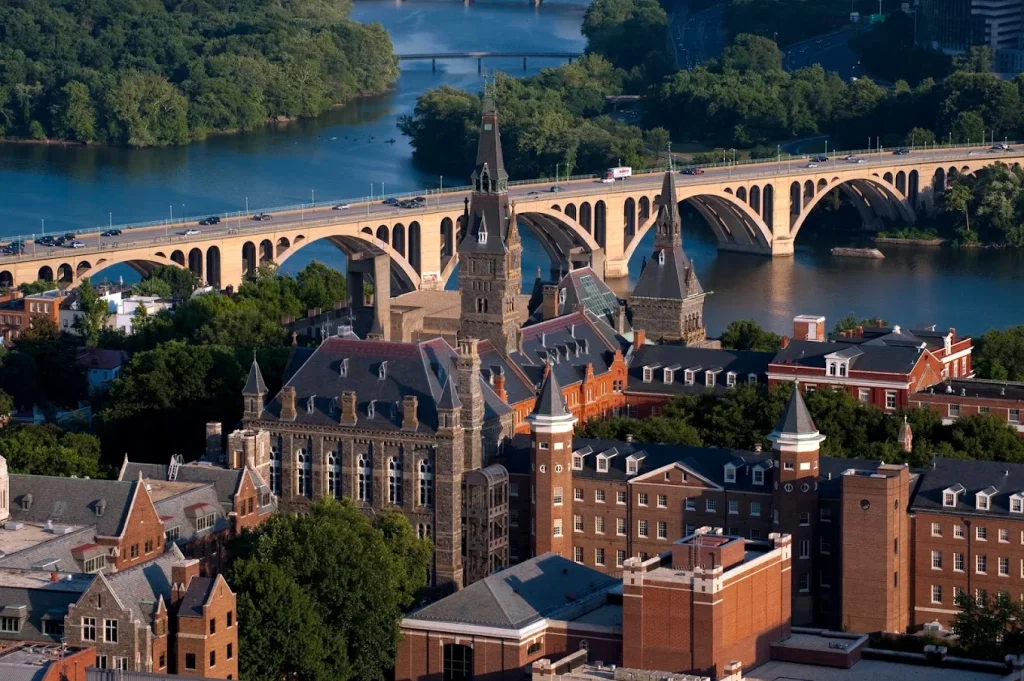
Georgetown played a quieter but meaningful role in US Russia diplomatic history through social and cultural exchange. Diplomats frequented its restaurants, historic homes, and waterfront spaces for informal meetings. Its established international character supported discreet engagement. The district demonstrates how diplomacy relied on personal relationships cultivated in social environments beyond secured compounds, allowing communication to continue when formal channels faced political strain without escalating tensions, preserving dialogue during sensitive geopolitical moments involving trust, perception, restraint, patience, symbolism, access, history, protocol, nuance, continuity, balance.
Spring Valley
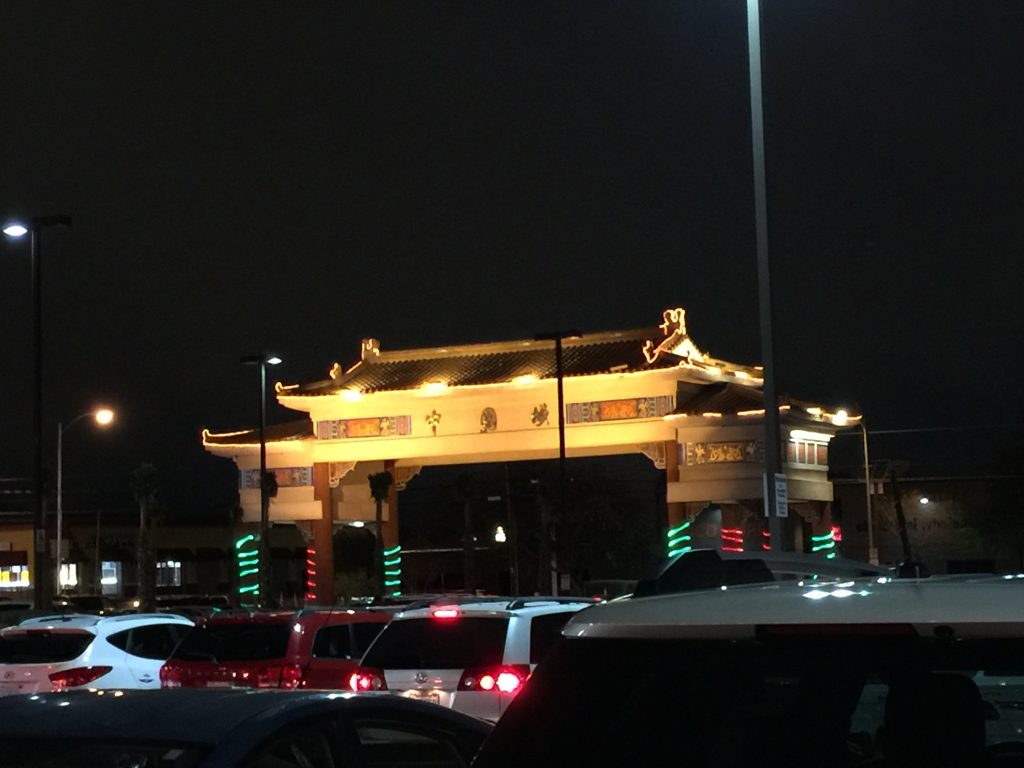
Spring Valley gained significance due to the location of the Russian Embassy complex and related diplomatic infrastructure. The neighborhood drew attention during Cold War tensions and later controversies involving diplomatic property. Spring Valley illustrates how physical space adapted to geopolitical realities, balancing residential life with international presence. Its evolution underscores the lasting impact of US Russia relations on urban planning, community dynamics, and national security considerations within Washington through decades of diplomatic tension, adjustment, negotiation, monitoring, compromise, resilience, visibility, symbolism, policy, enforcement, awareness, memory, legacy.