8 Forgotten U.S. Lighthouses Women Visit When They Want Silence
Some lighthouses sit beside snack stands and tour buses. Others demand a boat ride, a gravel road, or an early start that clears the mind.
Women who want silence choose towers where wind, salt, and tide set the pace. These lights are often active aids or carefully protected history, not entertainment.
Access can be seasonal weather dependent, or limited to viewing from the water, which keeps the mood respectful. The reward is steady: a wide horizon, clean air, and a calm that arrives once the shoreline stops asking for attention. It is the kind of quiet that lets thoughts settle without effort, like a long exhale. By late morning, it holds.
Seguin Island Lighthouse, Maine
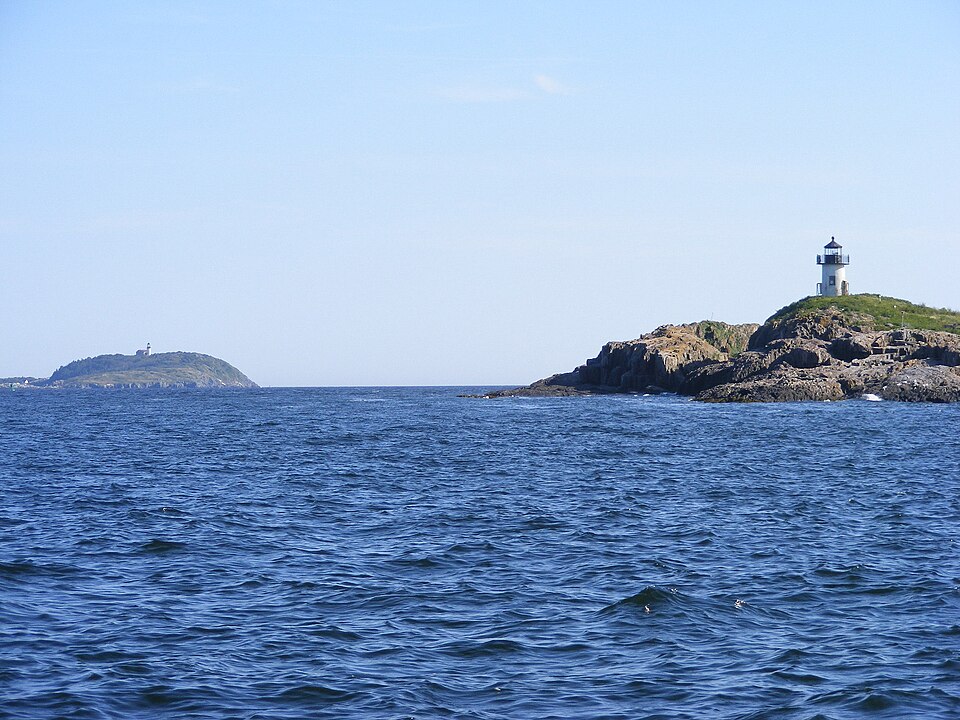
Seguin Island Light sits about 2.5 miles off Popham Beach, reached by seasonal ferry or small charter, so the day already feels quieter before landfall.
Commissioned in 1795 and rebuilt with a granite tower in 1857, the station rewards a slow uphill walk with open Atlantic views. The keeper’s house offers limited overnight stays, and the night sound is mostly surf, gulls, and the faint pulse of the horn when fog thickens.
Silence here is practical, not precious. Boots help on rock, layers matter even in July and phones stop being tempting. The light’s sweep and the sea’s rhythm do the work, and visitors leave with less noise in their heads.
Boon Island Light, Maine
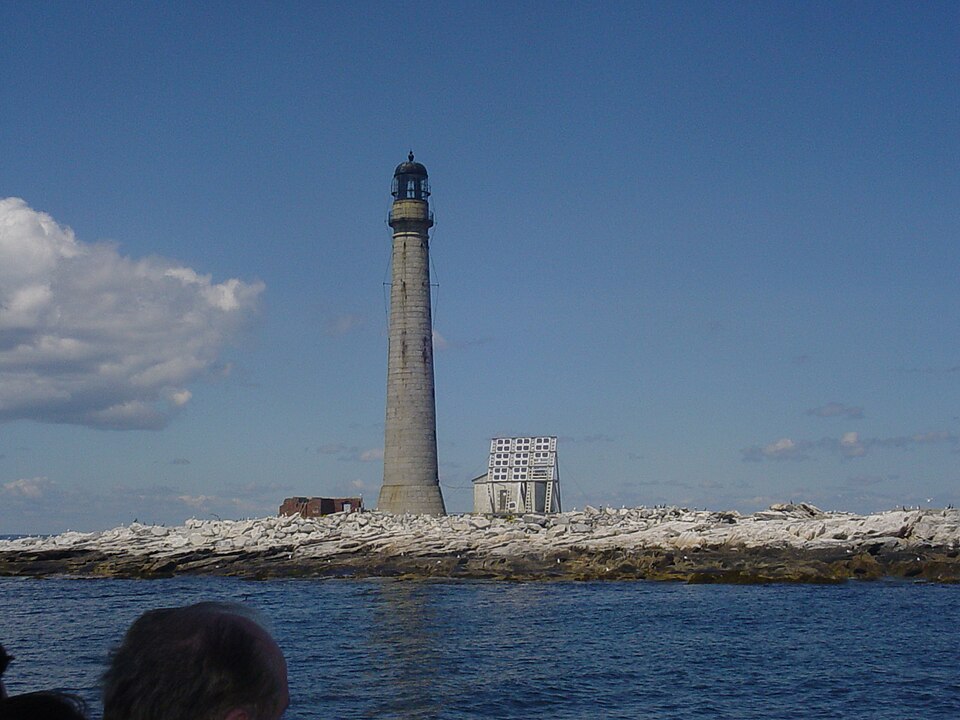
Boon Island Light stands on a low rock about 6 miles off York, Maine, taking the full Atlantic with no shelter and very little margin.
Built in 1855 and still active, it is not open for casual visits, which is part of its quiet power. Most people experience it from a slow boat pass or a distant shoreline view, watching fog erase and reveal the tower in patient cycles.
The silence comes from distance and limits. Seabirds wheel overhead, swells lift the rock, and the lighthouse keeps its posture. It is a reminder that some places are best admired without landing, then carried home as a calm image. No schedule, no noise, just sea. It glows low.
Cape Romain Lighthouses, South Carolina
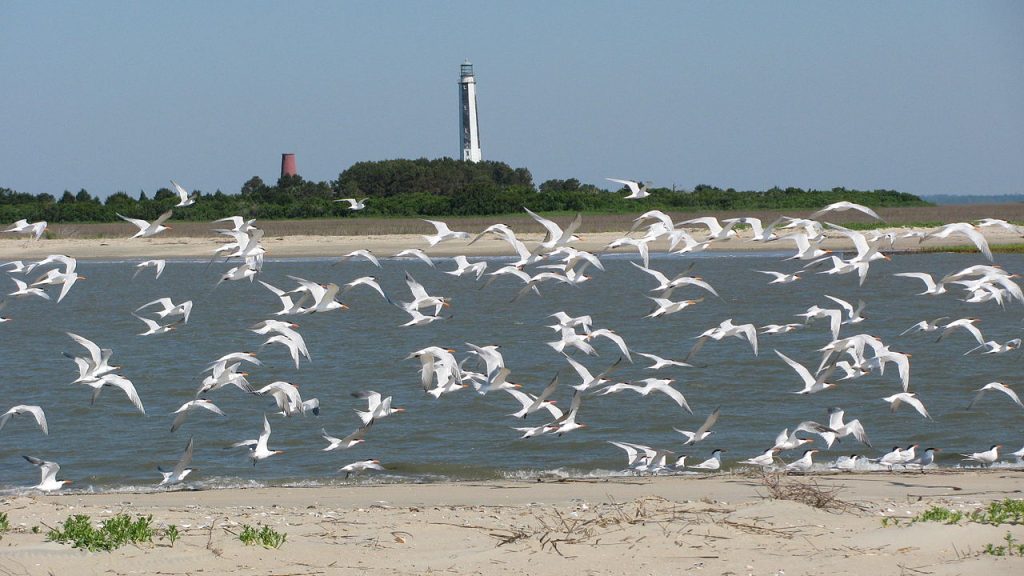
Inside Cape Romain National Wildlife Refuge, Lighthouse Island holds two brick towers, one from 1827 and a taller replacement completed in 1857.
Getting there requires a boat, and access is limited, so the beach stays wide and mostly empty. The quiet is not silence in a vacuum, but a clean coastal mix of surf, wind in spartina grass, and the soft percussion of shells underfoot.
Women who visit for stillness tend to linger between the towers, watching pelicans skim and tides redraw the shoreline. The refuge setting encourages restraint, and the day ends with sand on shoes and a mind that feels rinsed. Photo feels slow; horizon waits calm so.
Sand Island Light, Alabama
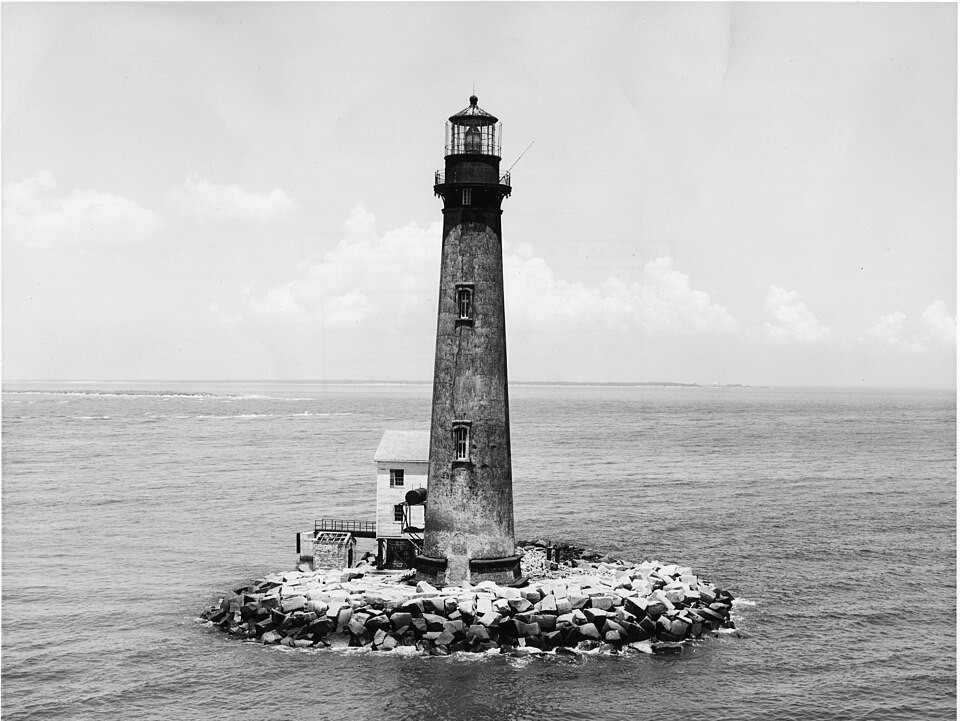
Sand Island Light rises near the mouth of Mobile Bay, about 3 miles offshore from Dauphin Island, where the Gulf can look gentle and change quickly.
The first light here dates to 1838, and the surviving brick tower was built in 1873, later decommissioned and left to weather. Most views come by charter boat, which keeps the scene uncluttered, just water, sky, and a tall shape on the horizon.
Women who come for silence time the trip for early hours, when the bay is calmer and the ride feels unhurried. The lighthouse offers no comfort beyond space, and that is the point: a clean pause, then a quiet return. Pelicans patrol nearby in pairs, too.
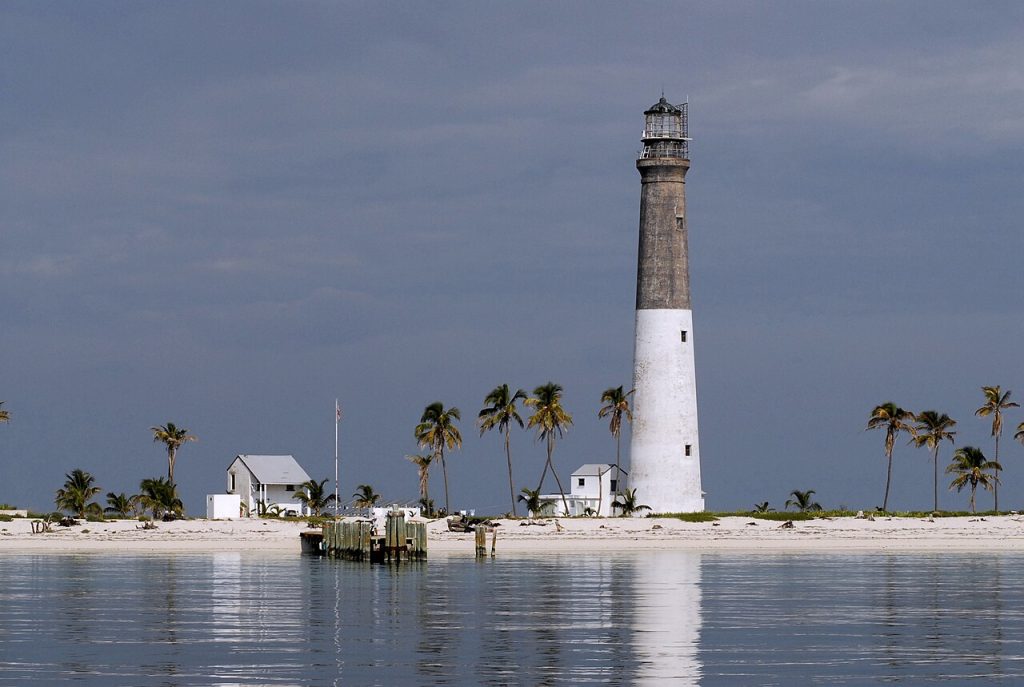
Dry Tortugas Light, Florida
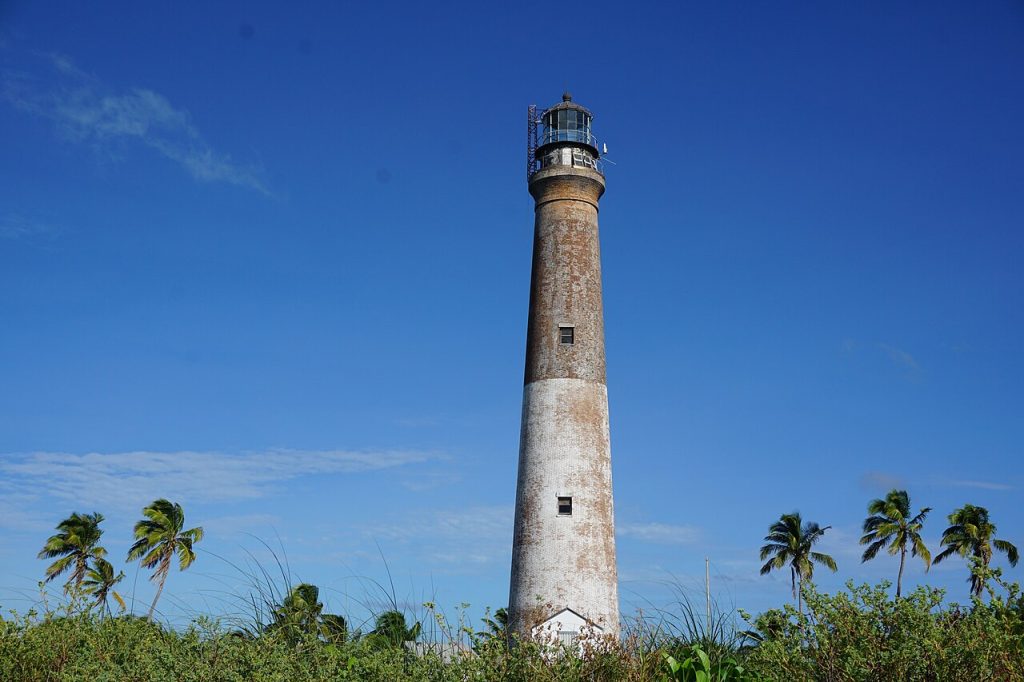
Dry Tortugas Light stands on Loggerhead Key, part of Dry Tortugas National Park about 70 miles west of Key West, where the sea keeps distance for you.
First lit in 1858, the 150-foot tower was built to warn ships off surrounding reefs. Reaching Loggerhead Key takes planning beyond a casual day trip, and that barrier protects the quiet, along with bright water, breeze, and long stretches without sound.
Women who go for silence notice how quickly attention narrows. Small worries fall away, replaced by birds, tide, and the slow sweep of the lantern. The place feels like the edge of the map, and the mind settles into that fact without argument.
Gull Rock Light, Michigan
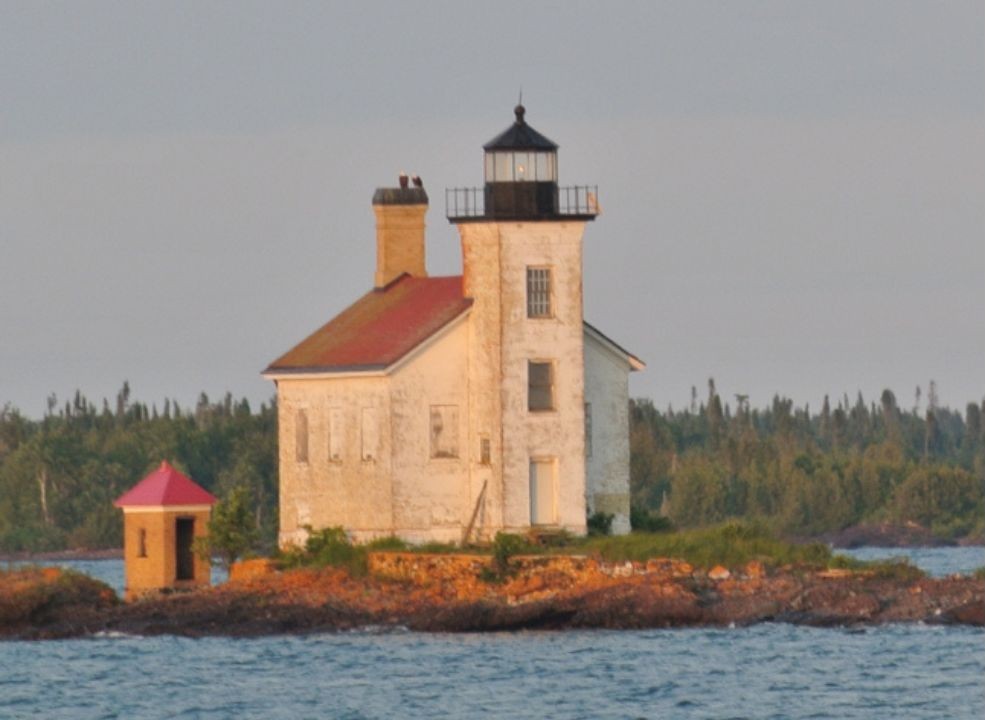
Gull Rock Light marks a shoal in Lake Superior off Michigan’s Keweenaw Peninsula. Built in 1867 and automated in 1913, it remains active and closed to visitors.
The station sits on a rocky outcrop with almost no land around it, so most views come from boats that keep distance. Quiet here is simple: water texture, wind, and brick holding steady.
Women who seek silence watch longer than they photograph. Superior feels big enough to reset a nervous system, and the lighthouse looks stubborn against that scale. Nothing asks for a schedule, and the lake does not hurry Even on clear days the horizon looks blue, and the ride back feels calmer too..
Cape Blanco Lighthouse, Oregon
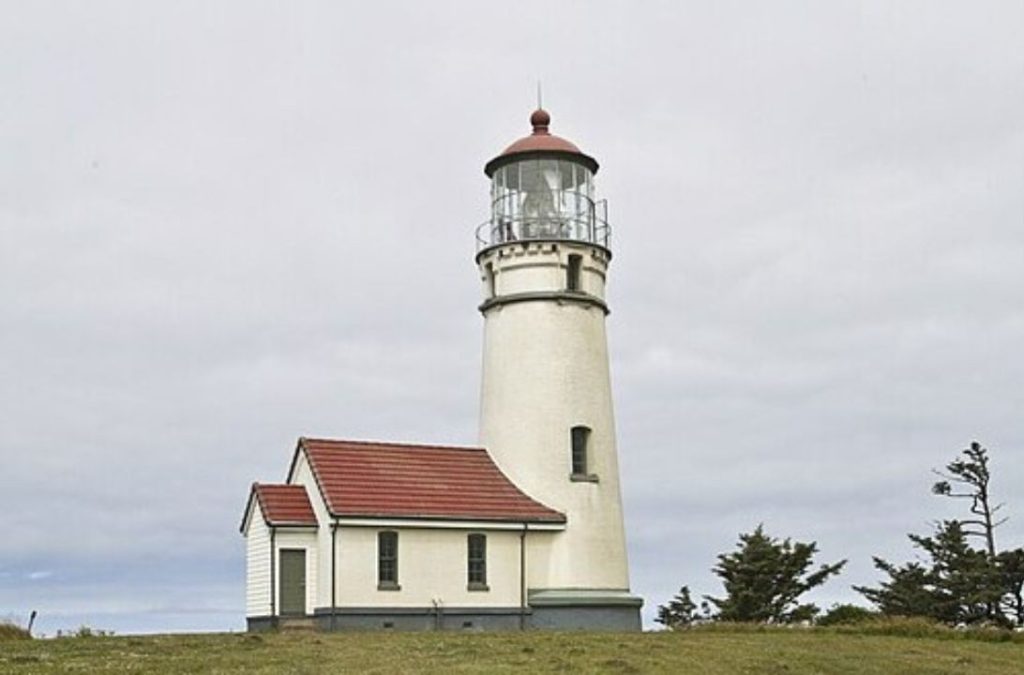
Cape Blanco Light stands on Oregon’s westernmost point, first lit in 1870, where the Pacific wind arrives with nothing in the way.
The 59-foot tower sits on a headland about 245 feet above the sea, and the view runs wide in every direction. Even when the state park is open, the cape feels roomy, because the landscape swallows noise and leaves only surf and wind.
Women who come for silence often arrive early, when fog still clings to grass and the horizon looks soft. The lighthouse feels less like a stop and more like a steady marker, a place where thoughts slow down to match the ocean’s pace. Even a short visit can reset the day completely.
St. George Reef Lighthouse, California
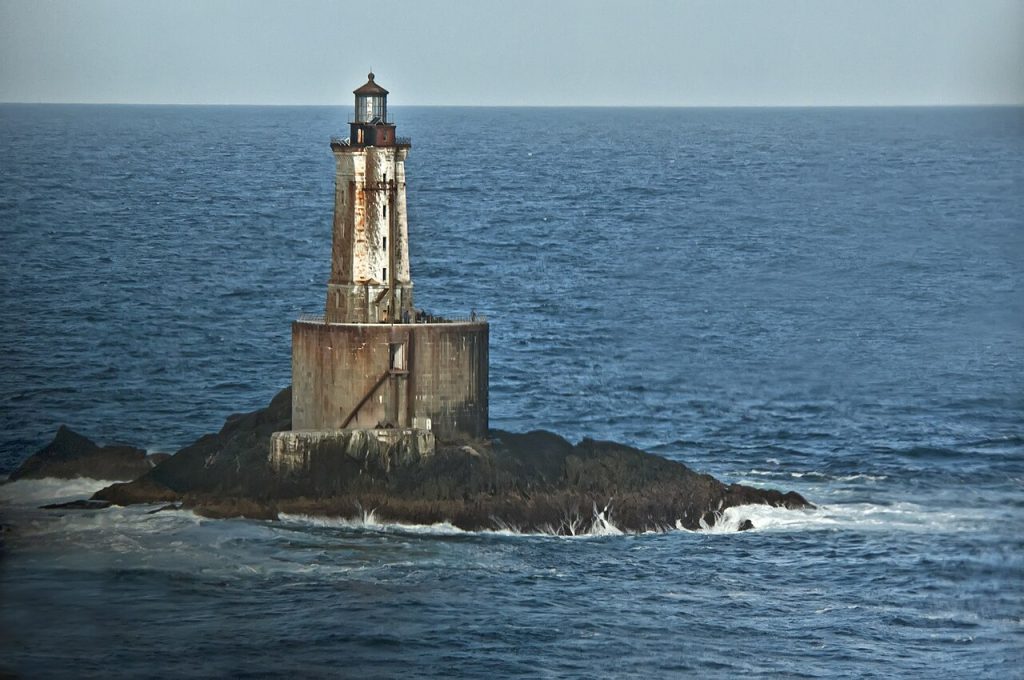
St. George Reef Light stands about 6 miles offshore from Crescent City, California, first lit in 1892 on a reef known for rough water and wreck history.
Today, access is rare and typically by helicopter through the preservation group, which keeps visits small and focused. Surrounded by water on all sides, the tower feels both exposed and grounded, with wind and swell setting the only real schedule.
Women who seek silence here tend to speak softer without trying. Inside, the rooms feel narrow and purposeful; outside, the horizon feels endless. With no quick road back, attention stays on sea rhythm and the steady geometry of the light today.