8 Hidden Caves Worth the Hike in U.S.
Geologists and speleologists report that the United States is home to over 45,000 distinct caves, yet the vast majority of foot traffic is concentrated in a handful of commercialized show caves. While sites like Mammoth Cave and Carlsbad Caverns offer accessibility, backcountry rangers and adventure guides emphasize that the most rewarding subterranean experiences are often those that require a journey to reach. These “wild” caves, protected by their remoteness and the physical effort needed to access them, offer a glimpse into the underground world as it exists without cafeteria lighting or paved walkways.
Wilderness conservationists and hiking experts note that visiting these hidden formations demands a higher level of preparation and respect. Unlike drive-up attractions, these destinations require navigating rugged trails, managing personal lighting systems, and often securing permits designed to limit human impact. For those willing to trade convenience for solitude, these eight caves offer a rare intersection of surface-level hiking beauty and subterranean wonder, where the adventure begins long before you reach the entrance.
Slaughter Canyon Cave in New Mexico
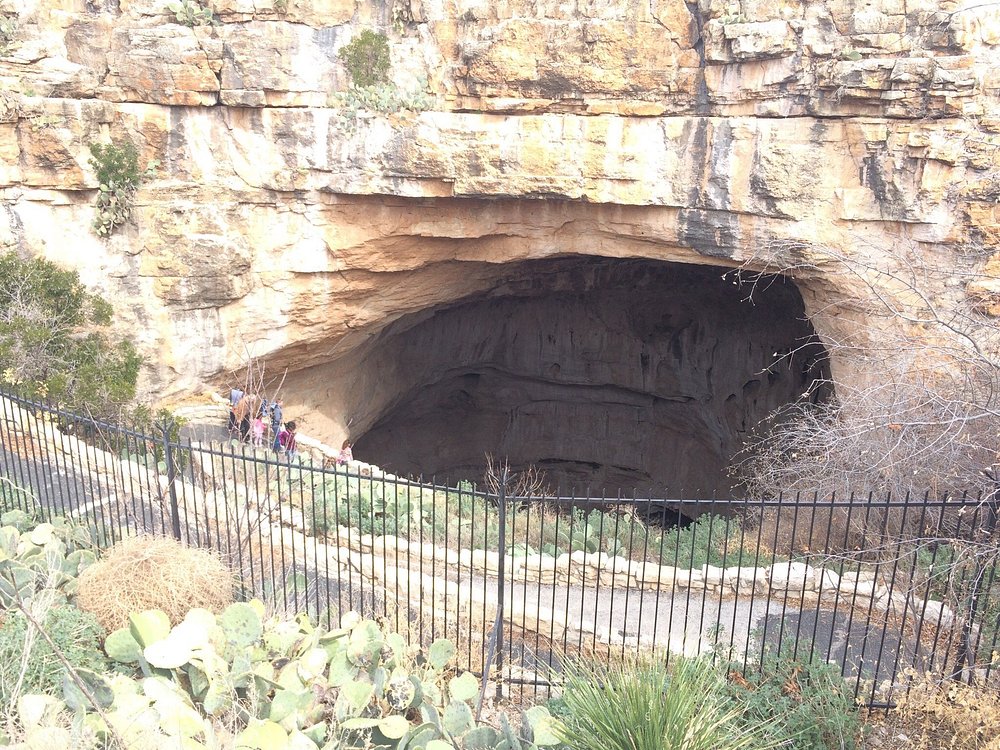
Park rangers at Carlsbad Caverns National Park identify Slaughter Canyon Cave as the rugged, untamed alternative to the famous Big Room. Unlike the main cavern, which features an elevator and a cafeteria, this cave is accessible only via a strenuous half-mile hike up a steep desert trail that gains five hundred feet in elevation. The path itself offers sweeping views of the Chihuahuan Desert, serving as a biological filter that ensures only fit and committed visitors reach the cave mouth.
Inside, the experience is defined by total darkness and silence. Interpretive rangers explain that because there is no electricity installed, visitors must rely on headlamps to view the massive formations, including the eighty-nine-foot high Monarch column. The cave is preserved in a primitive state, meaning trails are slippery and uneven, requiring careful footing. This lack of development allows for a more intimate connection with the geology, free from the crowds that define the main cavern.
Stephens Gap in Alabama
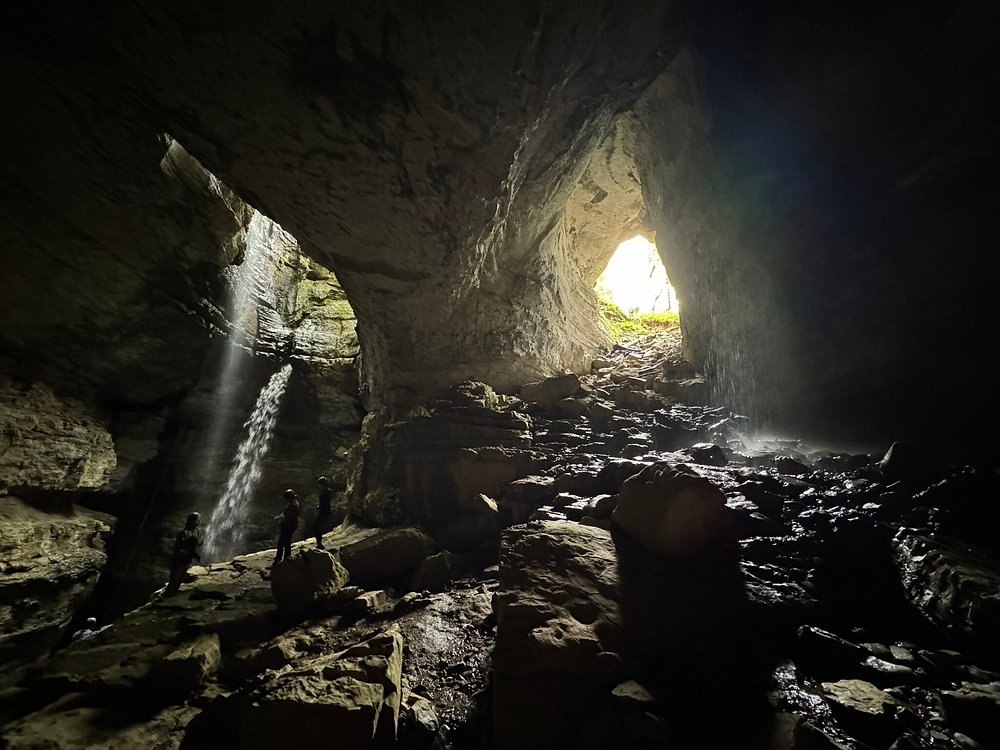
The Southeastern Cave Conservancy manages Stephens Gap as one of the most photogenic and exclusive pit caves in North America. Access is strictly controlled through a free permit system that limits daily visitors, a policy designed to protect the fragile fern-covered ecosystem within the sinkhole. Vertical caving experts flock here for the “keyhole” entrance, where a waterfall plummets one hundred and forty-three feet into the darkness, creating a mist-filled chamber that catches shafts of sunlight.
For hikers without vertical gear, the walk-in entrance offers a spectacular view without the need for ropes. The trail to the cave is a moderate uphill trek through the hardwood forest, ending at a massive rock amphitheater. Conservationists emphasize that the beauty of Stephens Gap lies in its dual nature: it is a technical challenge for rappellers and a stunning, cathedral-like walk-in experience for hikers, both united by the need to hike in and respect the strict “leave no trace” ethos.
Eden Falls Cave in Arkansas
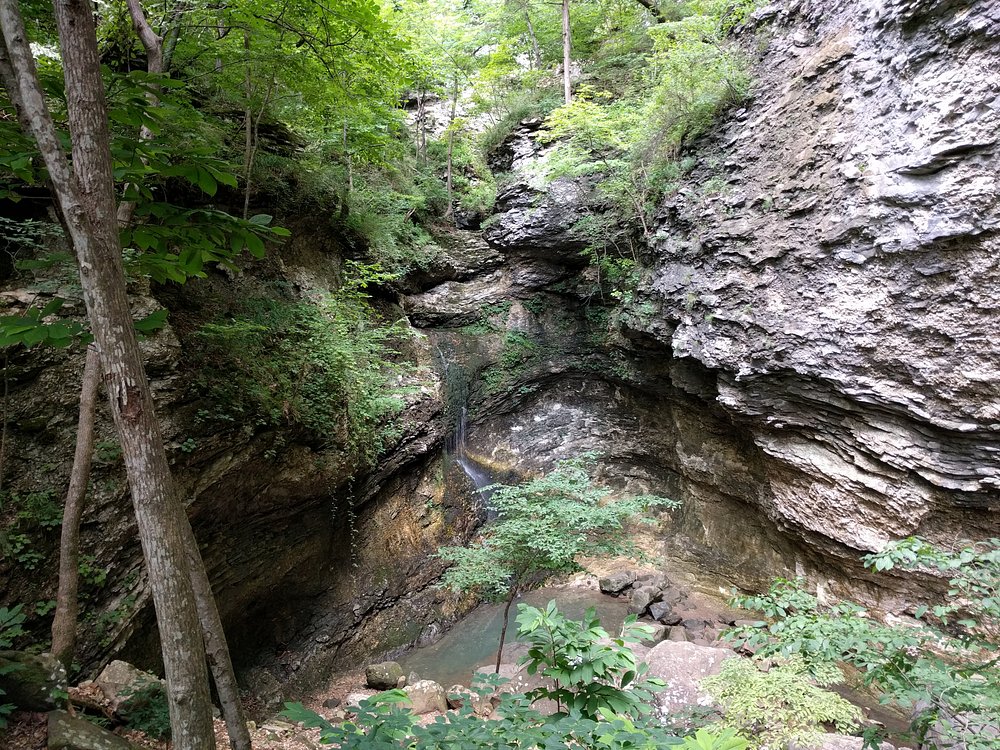
Naturalists at the Buffalo National River highlight Eden Falls Cave as a unique geological feature where the hiking reward is a waterfall inside the earth. Located at the end of the Lost Valley Trail, the cave sits atop a steep bluff that requires a scramble to access. Once inside, visitors must crawl through a narrow thirty-foot tunnel before the passage opens up into a large room housing a thirty-five-foot waterfall.
This cave is a “wild” experience that requires carrying at least two light sources, as the darkness is absolute. Trail guides note that the hike leading to the cave is equally impressive, passing through a box canyon filled with beech trees and massive rock overhangs like Cobb Cave. The presence of the underground waterfall creates a humid, echoing environment that feels entirely separate from the dry hardwood forest just outside the entrance.
Skylight Cave in Oregon
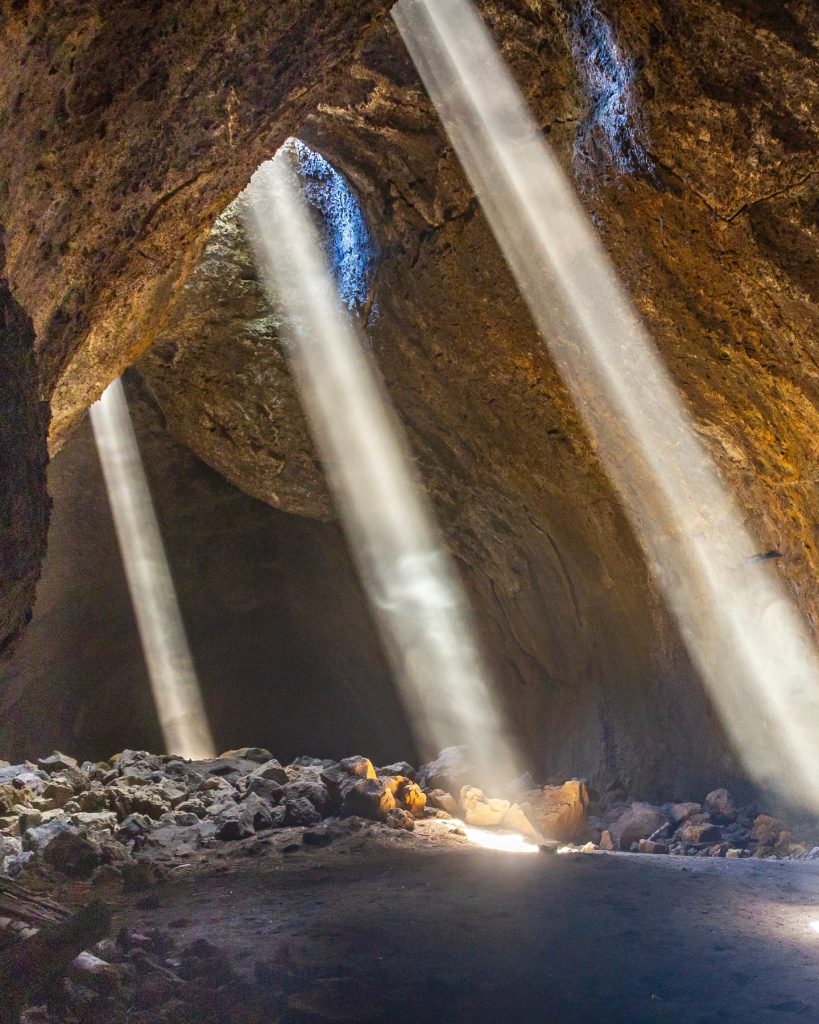
Forest Service officials in the Deschutes National Forest describe Skylight Cave as a geological time capsule that rewards those who understand the nuance of timing. The cave is a lava tube located down a nondescript dirt road near Sisters, Oregon. The hike is short but requires navigation skills to locate the small steel ladder that descends into the earth. The cave’s defining feature is the trio of roof collapses that allow beams of sunlight to pierce the darkness, creating a spotlight effect on the cave floor.
Photographers and geologists advise that these light beams are ephemeral, appearing only during the morning hours in late spring and early summer when the sun angle is perfect. Missing this window means seeing a dark, albeit interesting, lava tube, but hitting the timing right transforms the space into a glowing, ethereal chamber. This reliance on the sun’s position makes the hike a pilgrimage for light chasers willing to wake up early and navigate the backroads.
Buggytop Cave in Tennessee
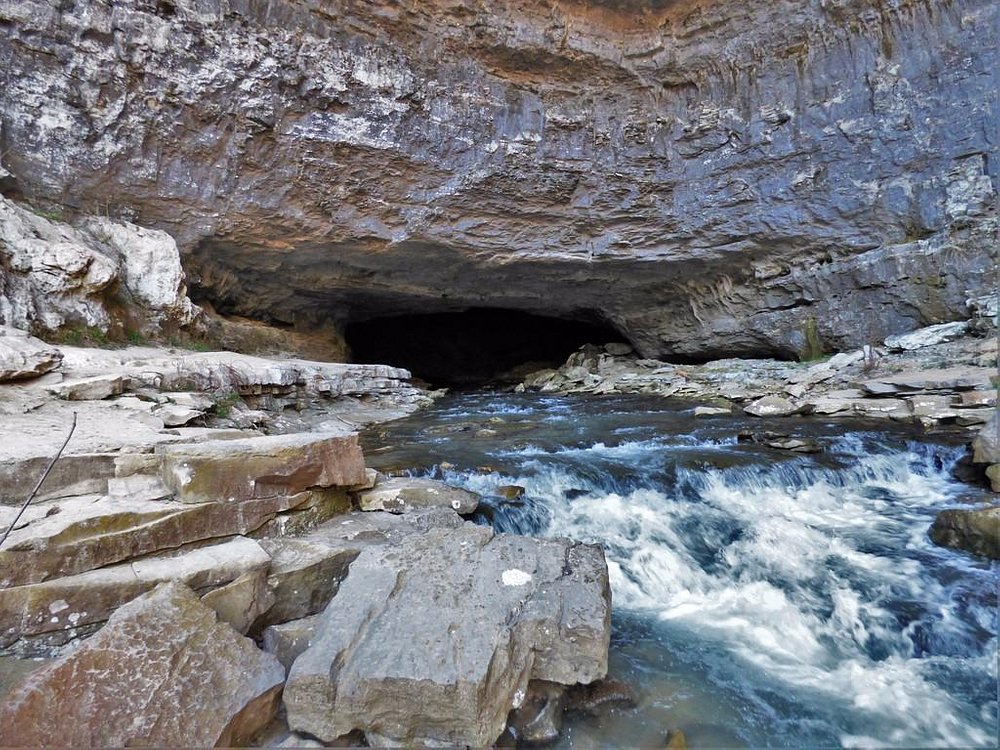
Rangers at South Cumberland State Park warn that the trail to Buggytop Cave is one of the most difficult hikes in the region, a factor that keeps the crowds thin. The trail drops dramatically from the plateau into the precipitous Lost Cove, a descent that punishes the knees but leads to one of the largest cave entrances in the state. The mouth of the cave is eighty feet tall and one hundred feet wide, a gaping maw that swallows Lost Cove Creek.
Geologists explain that Buggytop is an “exsurgent” cave, where the stream emerges violently from the underground darkness. Hikers can venture about one hundred yards into the entrance to feel the temperature drop and hear the roar of the subterranean river. The return hike involves a grueling climb back up the canyon wall, ensuring that every visitor earns the view. This physical barrier preserves the site as a sanctuary for salamanders and determined adventurers.
Coronado Cave in Arizona
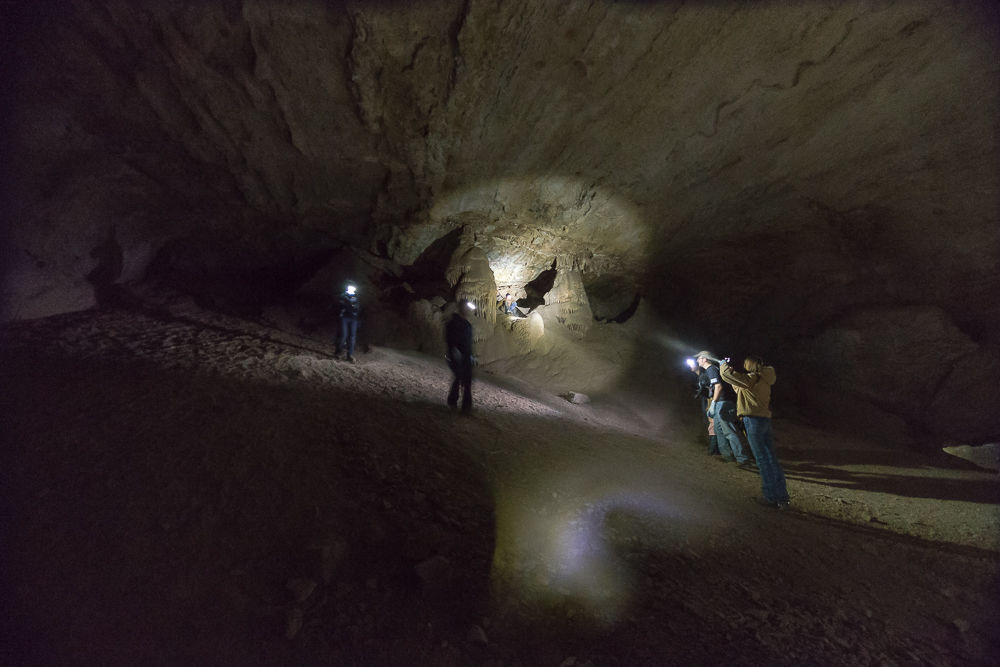
National Park Service interpreters at Coronado National Memorial present Coronado Cave as a hands-on history lesson located just north of the Mexican border. Reaching the cave requires a moderate hike through high desert terrain, offering views of Montezuma Peak and the San Pedro Valley. Unlike many protected caves, this site is open for independent exploration without a guide, provided visitors are prepared with ample lighting.
The cave is a dry, dusty labyrinth that stretches six hundred feet underground. Historical researchers note that the cave was likely used by Apache peoples and later by soldiers from the Coronado expedition, adding a layer of human history to the geology. The scramble down the rocky slope into the entrance leads to a large main room where the silence of the desert is amplified. It serves as a cool, dark refuge from the Arizona sun, rewarding the sweaty hike with natural air conditioning.
Eben Ice Caves in Michigan
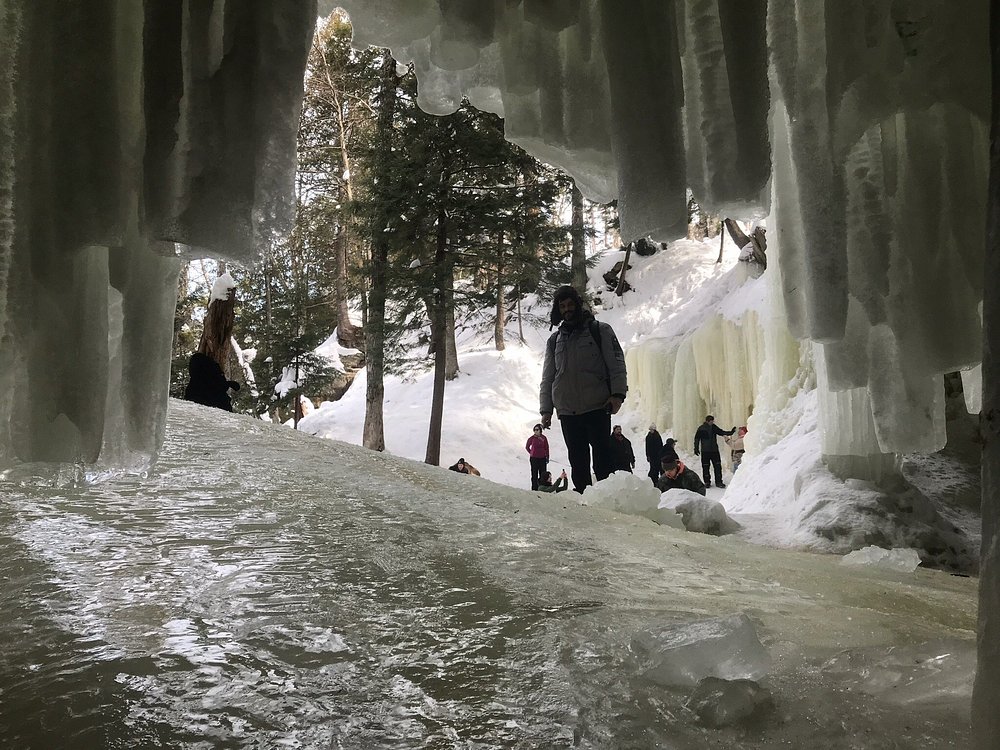
Tourism officials in Michigan’s Upper Peninsula promote the Eben Ice Caves as a seasonal phenomenon that transforms a standard hiking trail into a winter wonderland. The “caves” are actually formed by melting snow freezing over the edge of a sandstone cliff, creating massive curtains of blue and yellow ice. Reaching them requires a hike across frozen farm fields and into the Hiawatha National Forest, a trek that often necessitates micro-spikes or snowshoes.
Safety experts emphasize that the trail is slippery and treacherous, adding a layer of genuine adventure to the visit. Unlike underground caverns, these ice formations are ephemeral, changing shape and color with the weather. Visitors can walk behind the wall of ice, enclosed in a temporary room of frozen water that catches the winter light. The hike is a community event in winter, with the difficulty of the terrain fostering a sense of camaraderie among those slipping and sliding toward the cliffs.
Darby Canyon Wind Cave in Wyoming
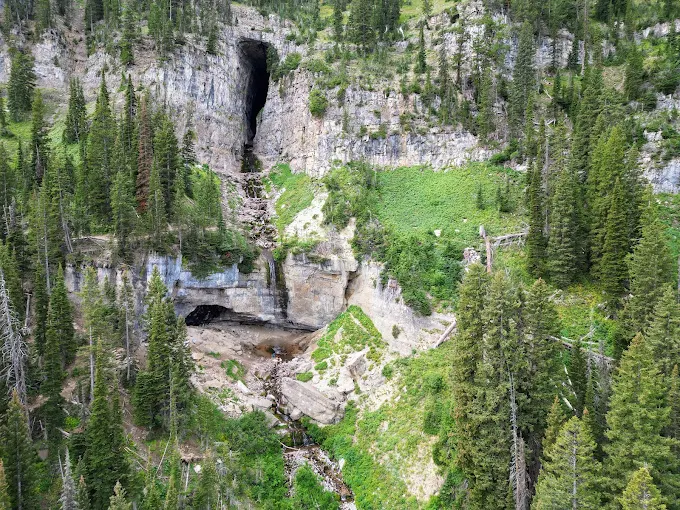
Bridger-Teton National Forest rangers recommend the Darby Canyon Wind Cave for hikers seeking a high-altitude challenge with a dramatic payoff. The trail climbs steadily through the Teton backcountry, gaining nearly two thousand feet in elevation. As hikers ascend, they pass through wildflower meadows and aspen groves before reaching the cave entrance, which sits high on a limestone cliff face.
Geologists call this a “breathing” cave because the wind rushes in and out of the entrance due to atmospheric pressure changes, creating a natural air conditioning effect. While the cave system itself is miles long and requires technical gear to explore deeply, the mouth of the cave offers a stunning, accessible endpoint for day hikers. The view from the entrance looks back down the canyon, framing the rugged Wyoming landscape through a window of ancient stone.