8 Highways That Are Being Converted into Toll Roads in 2026
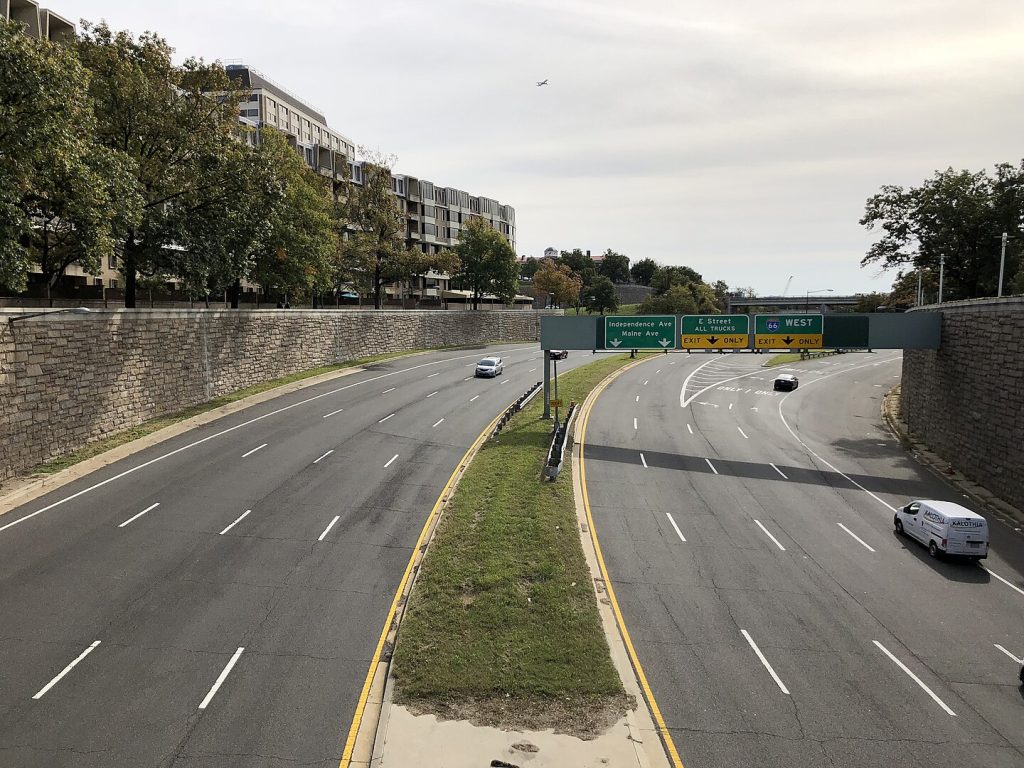
Across the United States, transportation agencies are increasingly turning to tolling as a way to fund highway maintenance, expansion, and modernization. Aging infrastructure, rising construction costs, and reduced fuel tax revenue have accelerated this shift. Several major highways are scheduled to transition into toll roads in 2026, affecting daily commuters and long distance travelers alike. These conversions often include electronic tolling systems, improved lanes, and upgraded safety features. Understanding which highways are changing helps drivers prepare for new costs and travel patterns. The following eight highways illustrate where toll conversions are officially planned or approved for implementation in 2026.
Interstate 5, Managed Lanes California
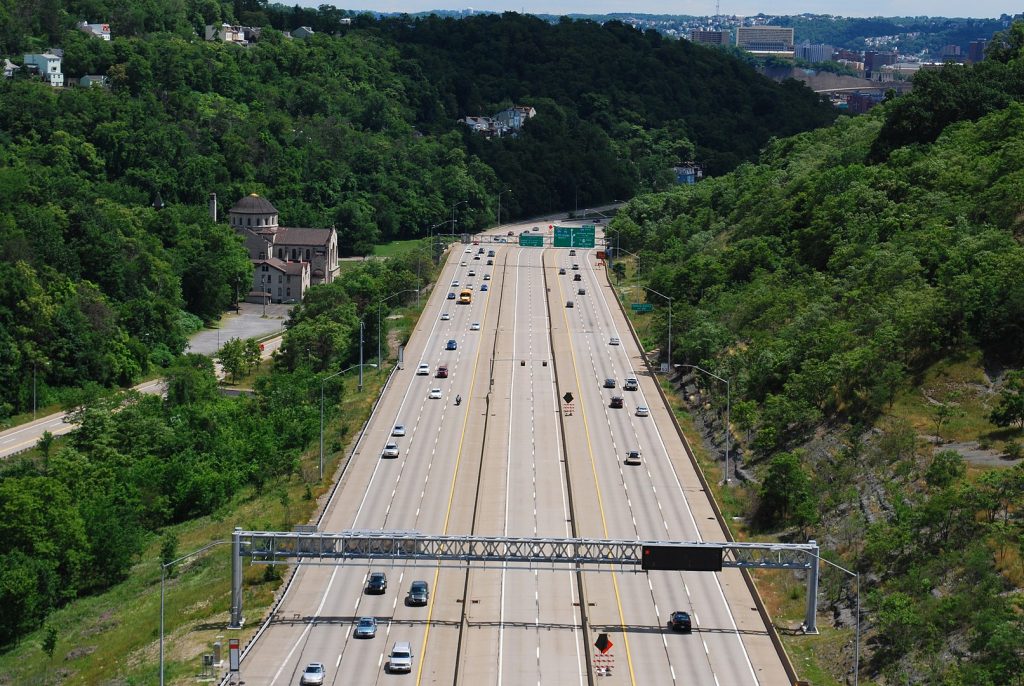
California plans to convert portions of Interstate 5 into managed toll lanes by 2026, particularly in Southern California. The project focuses on adding express lanes that charge variable tolls based on traffic conditions. Officials aim to reduce congestion and fund future maintenance. Existing free lanes will remain available, while tolled lanes offer faster travel during peak hours. Electronic toll collection will replace cash systems. The conversion reflects California’s broader strategy to manage demand on heavily traveled corridors. Drivers should expect signage updates and new entry points as the transition approaches across Los Angeles and Orange County segments over the next several planning and construction phases.
Interstate 80, Pennsylvania
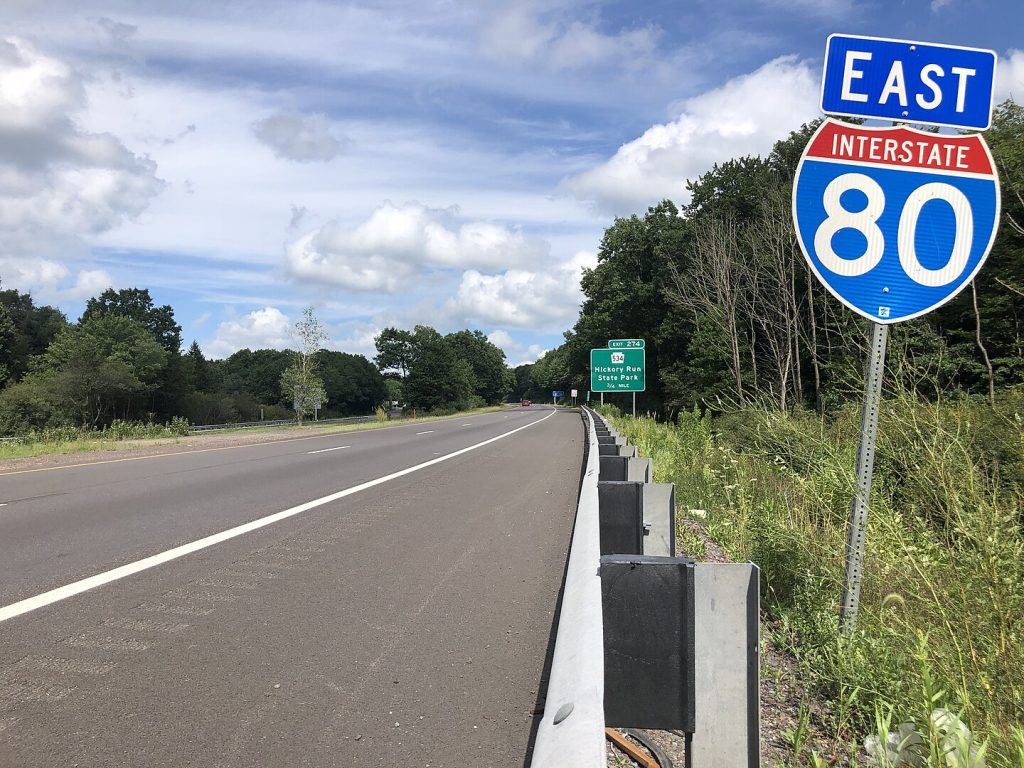
Pennsylvania has approved plans to introduce tolling on Interstate 80 beginning in 2026, pending federal authorization milestones. The conversion would use all electronic tolling to fund statewide bridge and road repairs. Officials argue that long distance freight traffic places heavy strain on infrastructure without contributing enough fuel tax revenue. Passenger vehicles and trucks would both be tolled. The proposal has generated debate, but planning continues. Toll gantries would be installed at multiple points along the corridor. If finalized, Interstate 80 would become one of the longest tolled highways in the United States, significantly changing travel costs for cross country drivers.
Interstate 285, Georgia
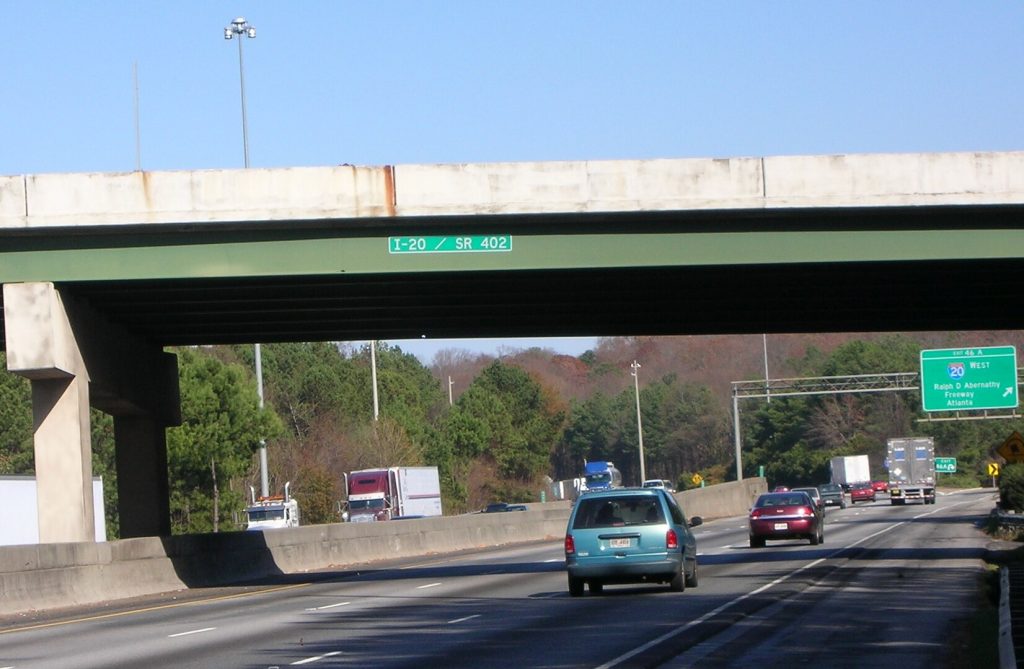
Georgia’s Department of Transportation plans to expand toll managed lanes along Interstate 285 around Atlanta by 2026. The project converts new express lanes into toll roads while keeping existing general purpose lanes free. The toll lanes aim to improve traffic flow in one of the region’s busiest beltways. Pricing adjusts dynamically based on congestion levels. The conversion supports funding for ongoing construction and future expansions. Motorists will need Peach Pass or compatible transponders. Interstate 285’s toll expansion reflects Georgia’s continued reliance on managed lanes to address metropolitan congestion challenges driven by population growth and daily commuter volume increases.
Interstate 95, North Carolina
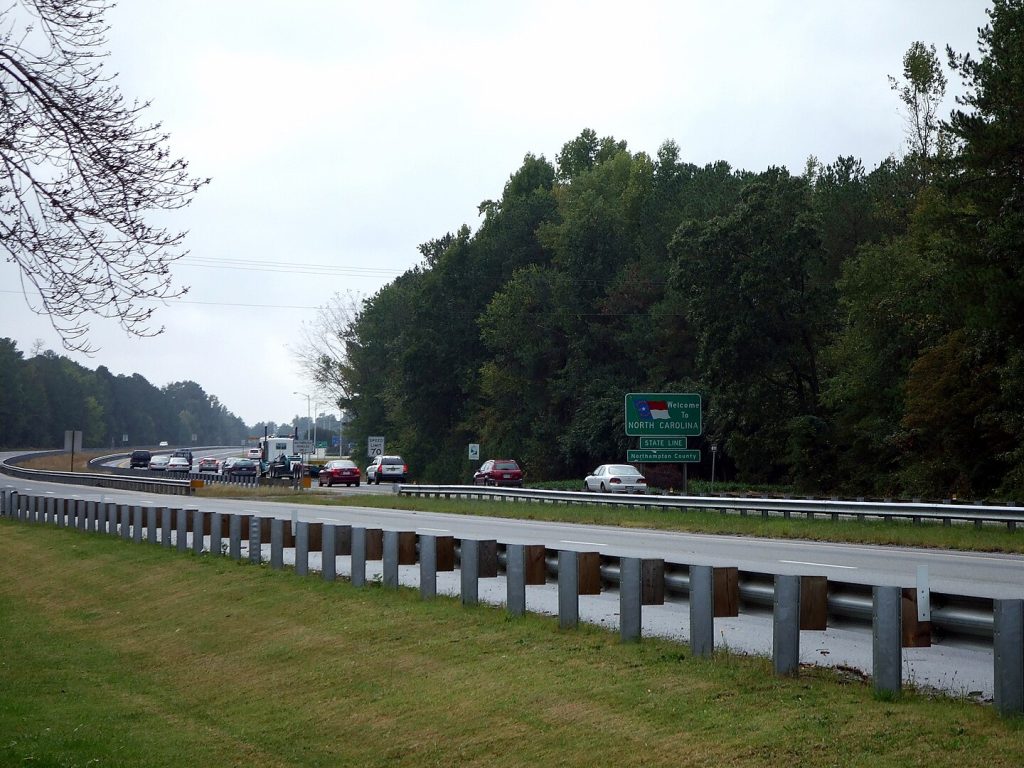
North Carolina is moving forward with plans to convert sections of Interstate 95 into toll express lanes. The state intends to modernize the corridor, which serves as a major East Coast freight. Tolling revenue would support widening projects and long term maintenance. Electronic tolling infrastructure will be installed without traditional booths. Free lanes will remain available alongside tolled express lanes. Officials emphasize improved safety and reduced congestion. The Interstate 95 conversion represents North Carolina’s broader shift toward user based funding for major highway improvements along heavily traveled interstate corridors statewide, especially as freight volumes increase and regional travel demand continues growing.
State Route 99, Washington

Washington State plans to implement tolling on portions of State Route 99 by 2026 following major reconstruction projects. The highway serves as a key alternative to Interstate 5 through urban areas. Tolling would help repay construction costs and fund ongoing operations. All electronic toll collection will be used. Rates may vary by time of day. The conversion follows previous tolling on related infrastructure in the region. State Route 99’s transition highlights Washington’s continued use of tolling to manage urban traffic demand and infrastructure investment obligations, particularly within dense metropolitan corridors experiencing sustained growth and evolving transportation funding challenges.
Interstate 35, Texas

Texas transportation officials are advancing plans to add toll managed lanes to Interstate 35. The conversion focuses on expanding capacity through tolled express lanes rather than tolling existing free lanes. Revenue will fund construction and maintenance. The project addresses rapid population growth and freight movement demands. Toll rates adjust dynamically. Drivers may choose between free and tolled options. Interstate 35’s toll expansion reflects Texas’s long standing approach to blending toll roads with traditional highways to support growth while maintaining mobility across major cities experiencing sustained economic expansion, and accommodating increasing cross state freight logistics and commuting patterns.
Interstate 66 Virginia
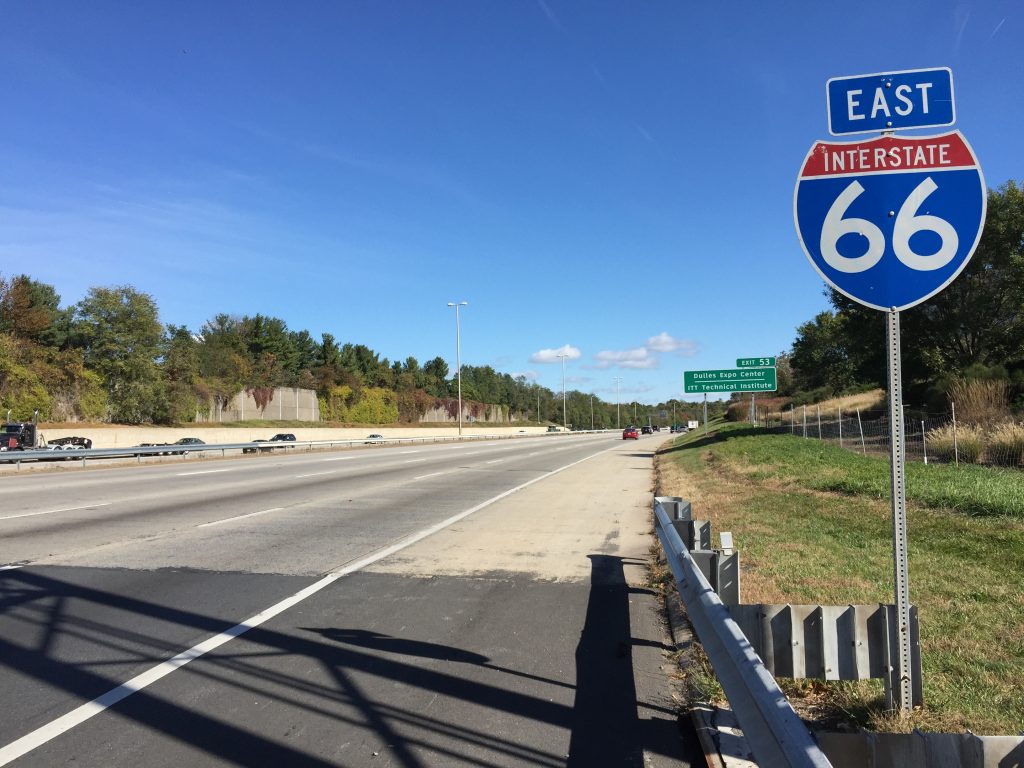
Virginia will complete the conversion of remaining Interstate 66 segments into toll managed lanes by 2026. The project extends existing express lanes beyond current limits. Tolling applies during peak travel periods, with free access at other times. Dynamic pricing manages congestion and funds regional transportation improvements. Electronic tolling eliminates booths. The conversion builds on earlier phases already in operation. Interstate 66’s expansion continues Northern Virginia’s reliance on toll lanes to balance commuter demand, funding needs, and limited roadway space in a densely populated region with ongoing development pressures, population growth rising commute times regional employment centers and sustained suburban expansion.
Interstate 70 Colorado
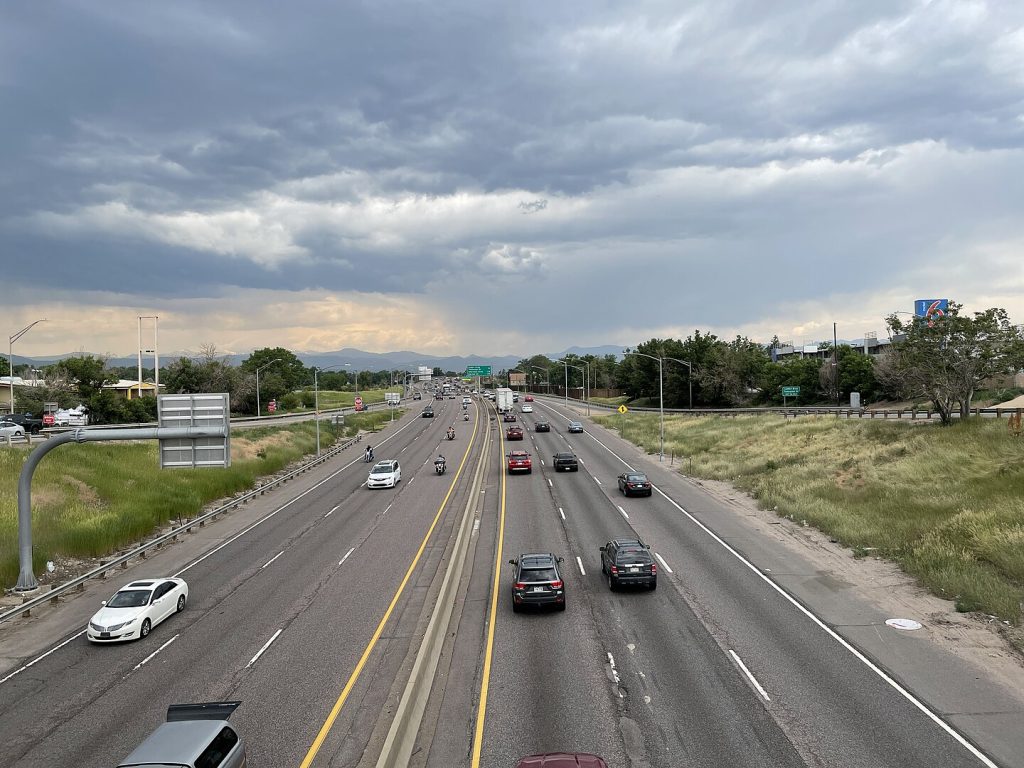
Colorado plans to expand toll managed lanes along Interstate 70 through mountain corridors by 2026. The project addresses severe congestion during peak travel and tourism seasons. Tolling will apply to newly added express lanes, while existing lanes remain free. Revenue supports maintenance in challenging alpine conditions. Dynamic pricing adjusts to demand. Electronic tolling infrastructure will be used. Interstate 70’s conversion aims to improve travel reliability and safety in mountainous terrain where expansion options are limited and environmental considerations play a significant role during seasonal travel surges, especially during winter ski traffic summer recreation periods and frequent weather related bottlenecks.