8 Insider Secrets Travel Experts Reveal for Traveling for Less

Travel feels expensive, but here’s the thing: most people overspend because they never learn how experts book, plan, and time their trips. When you understand how the system works, you avoid the traps that quietly drain your budget. You also learn how to use timing, tools, and small strategy shifts to lower the cost of flights, stays, and daily expenses. These tips don’t require extreme hacks or hours of research. They simply help you move smarter. Once you use them, you see how far your money can actually go.
1. Book Flights on Days With Soft Demand
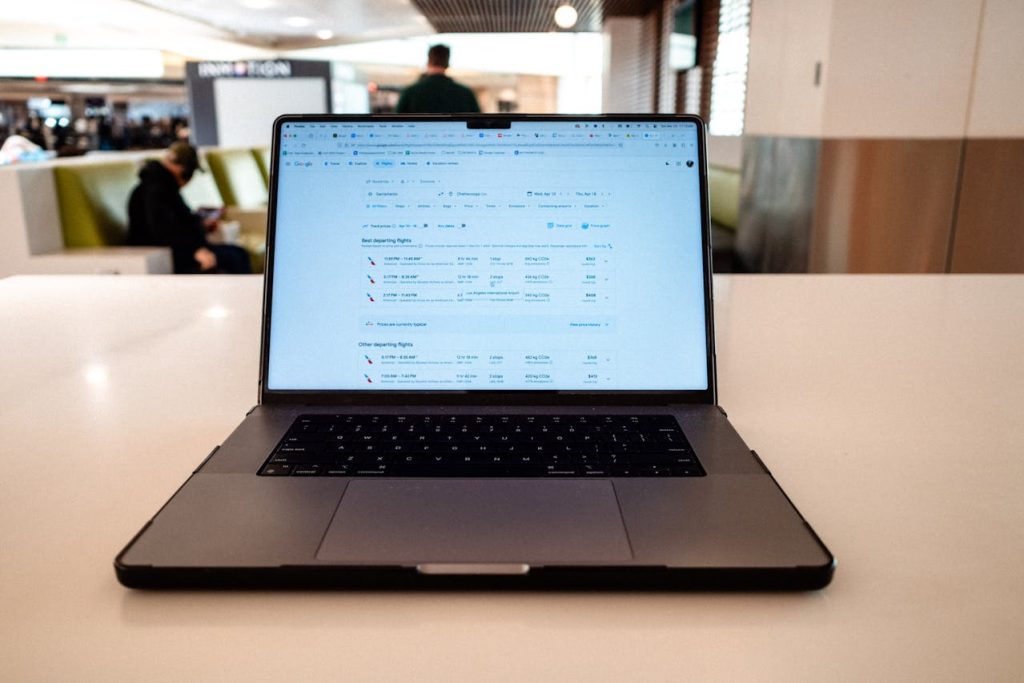
Airline pricing moves constantly, and you give yourself an advantage when you search during low demand periods. You spot dips in fares, especially when you check midweek or late night, because fewer people compete for the same seats. You also catch shorter lived deals that disappear fast during busy hours. This doesn’t guarantee the cheapest flight every time, but it gives you a pattern to work with. You learn how routes behave, when prices usually settle, and when you should lock in a fare before it climbs again.
2. Use Hidden-City Search Carefully

Hidden-city searches help you find fares that cost less than direct options, but you need to use them with care. You only bring a bag that fits under the seat, you skip adding your frequent flyer number, and you avoid roundtrips because they can cause issues at the gate. The trick works because some airlines price connecting itineraries lower, not because the system wants you to game it. Use it when the savings justify the hassle, and stay aware that airlines don’t love the practice and may question repeat patterns.
3. Track Prices for Weeks Before You Book

You save the most when you track fares early instead of waiting for a miracle discount. Price curves follow familiar rhythms, and you notice those patterns once you watch them for a few weeks. You spot when a route dips, when it holds steady, and when it begins creeping upward. You avoid booking too early or too late, which are the moments when travelers tend to overpay without knowing it. The more routes you track, the better your instinct gets, and that instinct helps you grab the right price at the right time.
4. Choose Destinations Based on Value Windows

Every place has seasons when hotels, tours, and flights cost less without dropping the quality of your experience. You stretch your budget by looking for these value windows instead of chasing peak dates. You get quieter streets, better service, and easier reservations along with the savings. You don’t need to settle for off-season weather you dislike either. Many destinations offer mild months that sit between crowds and slow periods. Once you start choosing based on value rather than hype, your trips feel smoother and more affordable.
5. Switch to Public Transit for Short City Hops

You skip a surprising amount of spending when you rely on buses, trams, or metro lines instead of rideshares for short hops. Transit gives you predictable costs, fewer delays, and a clearer sense of how a city works. You reach neighborhoods you might miss otherwise, and you avoid the surge pricing that hits during traffic or storms. The first ride or two may feel confusing, but you get the rhythm quickly. After that, you move with confidence and watch your daily expenses sink compared to car-based travel.
6. Book Stays With Flexible Dates

Flexible-date calendars help you catch lower nightly rates when demand dips even slightly. You slide your check in by a day or two and see how the price shifts. This simple move often cuts a chunk of your lodging cost without changing the feel of your trip. You also open yourself to quieter nights and better room choices because fewer people compete for the same inventory. The more flexible you stay, the more pricing sweet spots you uncover, and those small drops add up across a multi night stay.
7. Use Grocery Stores for Breakfast and Snacks

You trim your daily costs when you grab simple items from a local grocery store instead of eating every meal out. You pick up fruit, yogurt, pastries, or quick snacks, and your food budget stretches farther without feeling restrictive. You still enjoy local restaurants for the meals that matter, but you avoid overspending on convenience items that add nothing to your overall experience. This trick works anywhere and requires almost no effort. It also gives you a small peek into everyday life in that place.
8. Lean on Free Local Activities
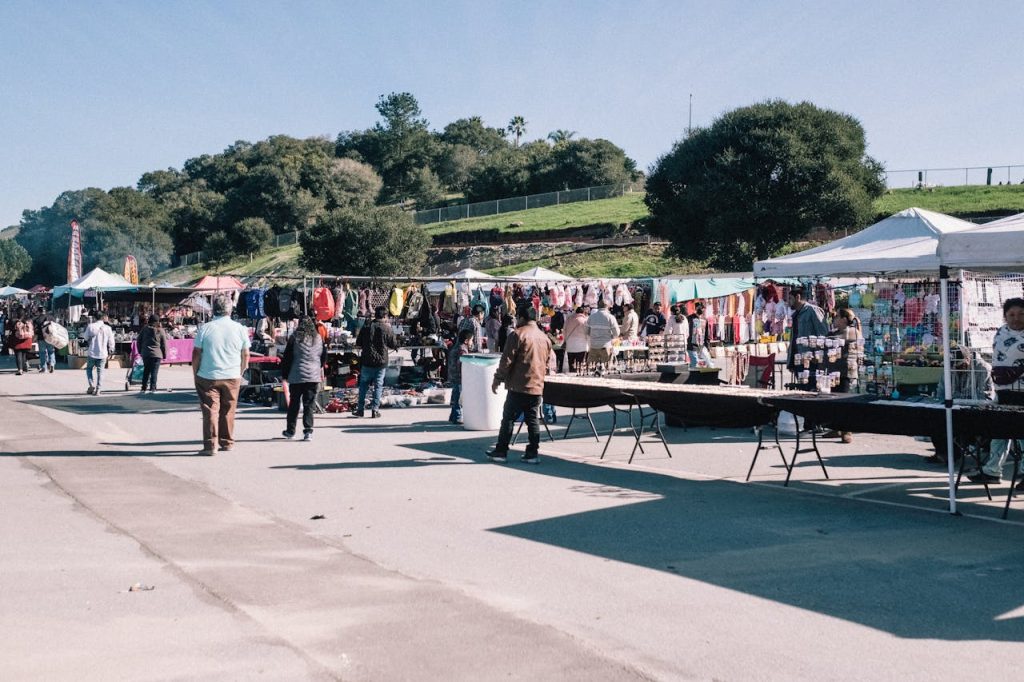
Cities offer parks, markets, walking routes, waterfronts, and cultural events that cost nothing but still enrich your trip. You shift your mindset from paid attractions to experiences that help you learn the rhythm of a place. You spend time outdoors, meet locals, and see how people actually live. You also give yourself the freedom to enjoy the day without feeling pressured to “get your money’s worth”. This slows your pace, lowers your spending, and makes your trip feel more grounded than a string of ticketed spots.