8 Most Connected Airports In The U.S. Is Your City On The List

Air travel in the U.S. keeps millions on the move, but some airports stand out for how easily they connect passengers across the country and beyond. These major hubs balance efficiency, accessibility, and vast flight networks that make travel smoother. Whether you’re heading overseas or taking a quick domestic trip, these airports offer unmatched convenience. If your city’s on the list, you’re probably closer to anywhere than you think.
Hartsfield-Jackson Atlanta International Airport

Atlanta’s airport remains one of the most connected in the world, serving as a key transfer point for both domestic and international travelers. Its central location makes it ideal for connecting flights across the U.S. With multiple concourses and efficient operations, it handles massive passenger flow daily. You can fly almost anywhere from here with ease.
Chicago O’Hare International Airport
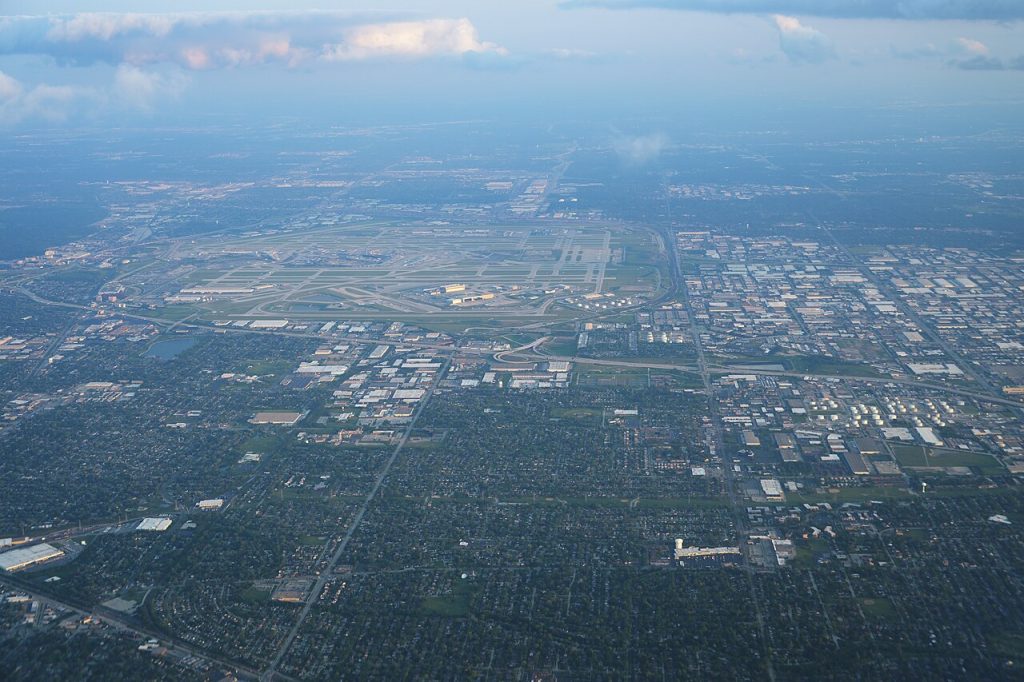
Chicago O’Hare links the Midwest to nearly every major city across the globe. The airport’s extensive route network and multiple airline hubs give travelers countless options. Despite its size, O’Hare’s layout supports quick transfers between domestic and international flights. Its connectivity continues to grow, keeping it a vital player in U.S. air travel.
Dallas/Fort Worth International Airport

DFW serves as a major hub for southern travel, offering seamless connections to cities in the U.S., Latin America, and Asia. The airport’s five terminals are designed for smooth movement, and frequent flights make scheduling flexible. Its balance of scale and accessibility helps it remain a leader in air connectivity year after year.
Denver International Airport

Denver’s airport combines modern design with a growing route map that connects passengers coast to coast. Its central location allows airlines to operate efficiently across time zones. As one of the country’s busiest hubs, it offers frequent connections to both urban and mountain destinations. Travelers appreciate its reliability and wide network reach.
Los Angeles International Airport
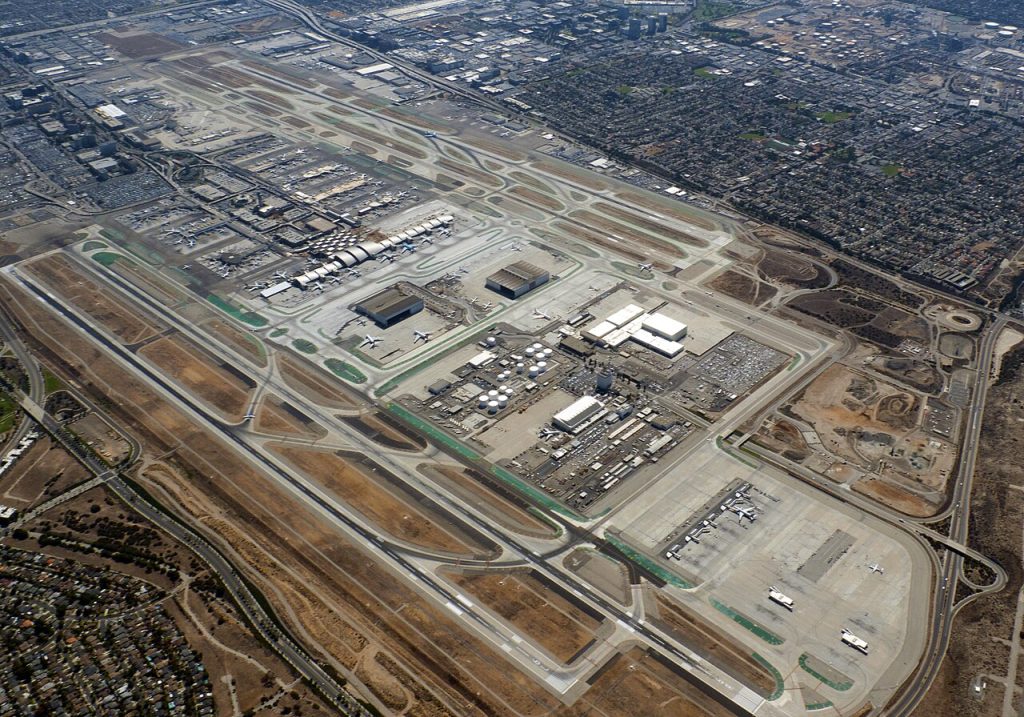
LAX serves as the country’s primary gateway to the Pacific, linking the U.S. with Asia, Australia, and beyond. Its nine terminals manage an impressive mix of domestic and international flights. Frequent updates and expanded routes continue to boost its connectivity. Whether flying across states or continents, LAX keeps travelers moving globally.
Charlotte Douglas International Airport

Charlotte’s airport has grown into a major southeastern hub with strong domestic and international connections. Its efficient design allows short layovers and easy transfers. Airlines use it to link smaller cities with major destinations across the U.S. This strategic role makes Charlotte one of the fastest-growing airports in connectivity.
Seattle-Tacoma International Airport

Seattle Tacoma International Airport connects the Pacific Northwest with key cities worldwide. As a major tech and business hub, its route network spans North America, Asia, and Europe. The airport’s steady expansion has improved international accessibility and efficiency. SEA continues to strengthen its role as a gateway between continents.
Miami International Airport

Miami International Airport links North America with Latin America and the Caribbean more effectively than any other U.S. airport. Its extensive flight options make it a top choice for travelers heading south. The airport also connects numerous U.S. cities, combining cultural energy with operational reach. It’s a vital hub for international trade and travel.