8 Places Where Christmas Celebrations Last Longer Than Expected
In some destinations, Christmas does not snap shut on December 25. It stretches, pauses, and returns with new milestones, shaped by local calendars, faith traditions, and neighborhood routines that keep people gathering. Lights stay up, sweets keep appearing, and public squares keep finding reasons to sing. The surprise is not just the length, but the pacing: the season feels like a story told in chapters, with a later peak or a deliberate finale. These places keep the holiday going in ways that feel lived-in, not forced.
San Juan, Puerto Rico
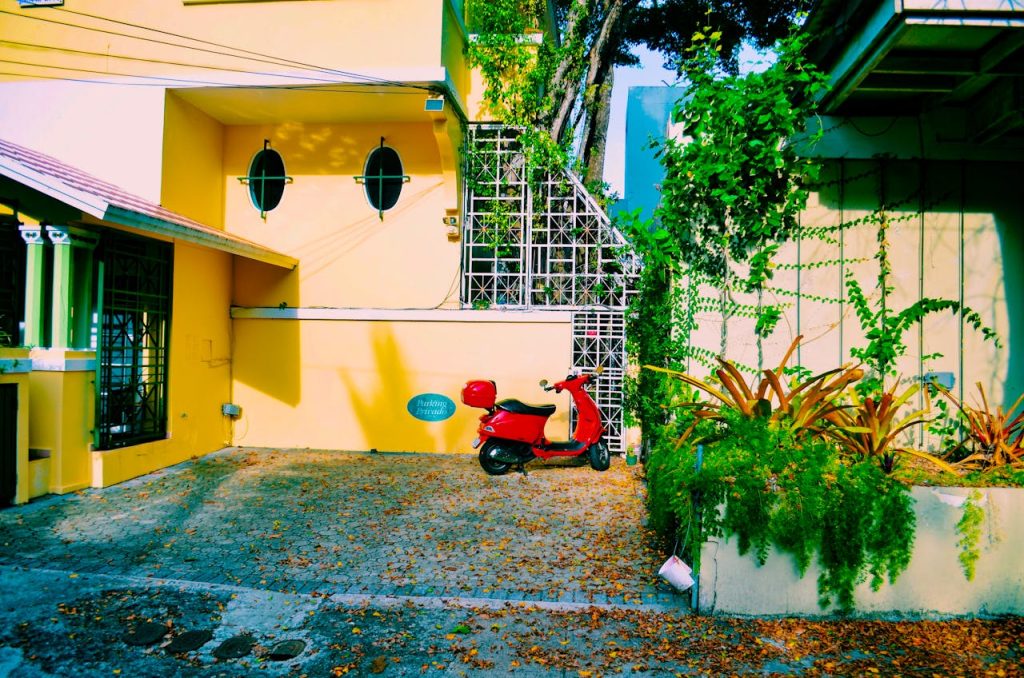
Puerto Rico treats Christmas like a season, and San Juan keeps the energy alive well into mid-January with lights, music, and open-air evenings that encourage lingering. Parrandas, family meals, and Three Kings traditions carry the celebration forward, then Old San Juan delivers a true finale with artisan booths, live salsa, and dancing that spills across plazas, fort-side viewpoints, and cobblestone lanes. Handmade ornaments, small wood carvings, local coffee sweets, and easy café stops invite slow browsing and real conversation, and the late-season crowd often feels more like neighbors celebrating than visitors racing through a checklist.
Manila, Philippines
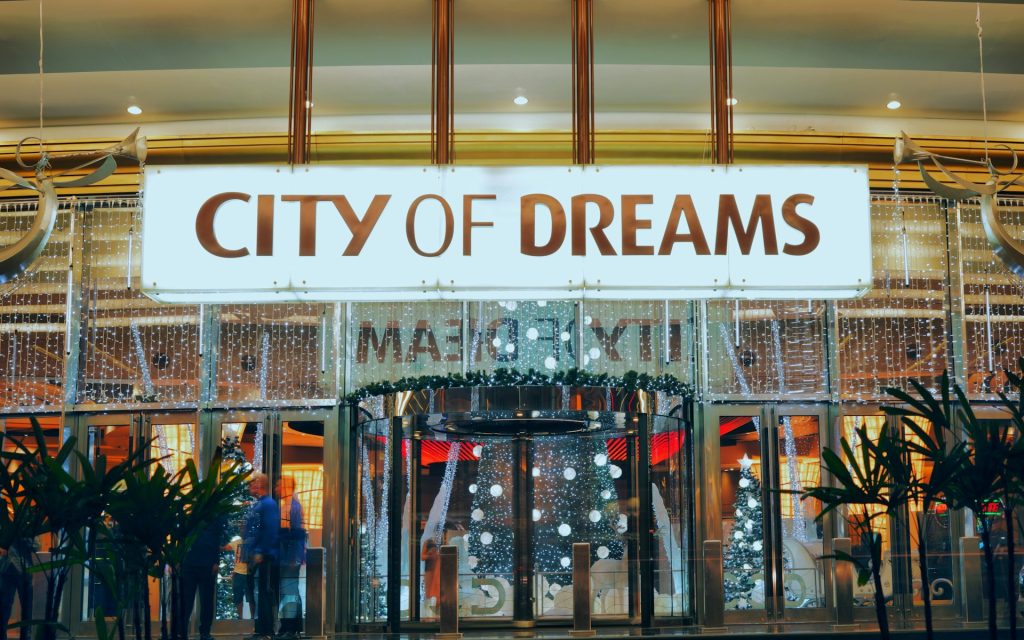
Manila builds Christmas in layers that start early and linger, so the city can feel festive for months rather than days on a calendar. By September, parol lanterns and ‘ber months’ décor appear in malls, churches, and homes, and evening routines fill up with Simbang Gabi, family dinners, and neighborhood gatherings that keep streets active after dark. After December 25, decorations often stay up into early January, and the season remains visible in everyday life through mall choirs, gift fairs, bright storefront lights, and food stalls selling warm treats on busy sidewalk corners each night too.
Mexico City, Mexico
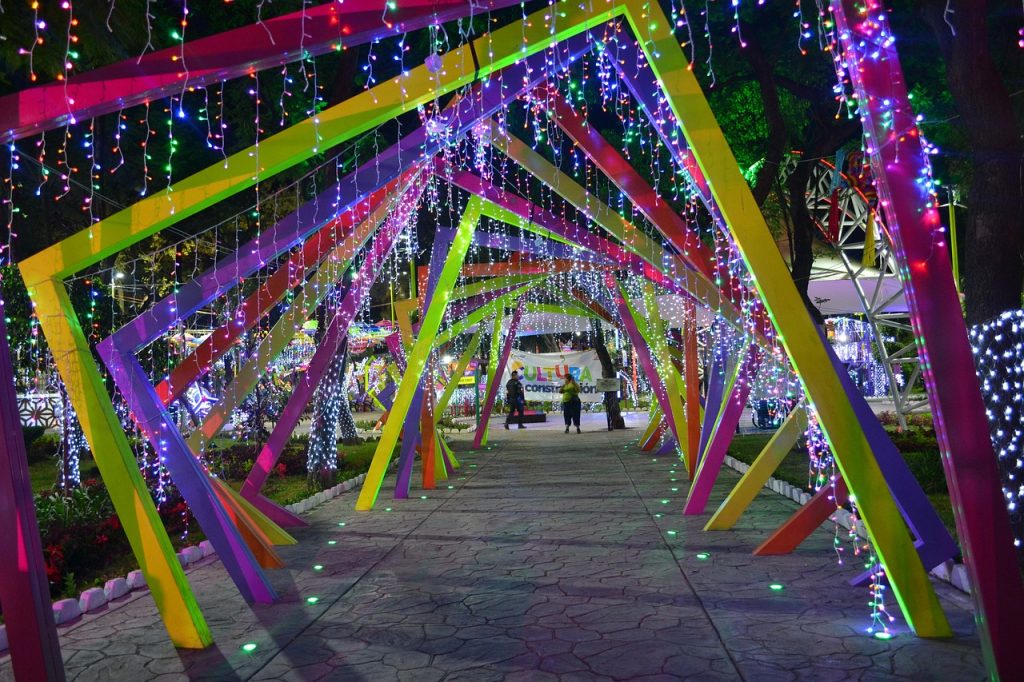
Mexico City runs Christmas on a long calendar, so the season rarely feels finished on December 25, even for people who arrive after the main rush. Las Posadas unfold from December 16 to 24 with nightly processions, songs, and neighborhood gatherings that repeat like a steady rhythm, complete with ponche, tamales, piñatas, and courtyards strung with lights and paper lanterns. January brings Día de Reyes on January 6 with rosca de reyes, family meetups, and another round of gift traditions, while markets, plazas, bakeries, and public trees stay bright, busy, and seasonal well into the first week.
Madrid, Spain
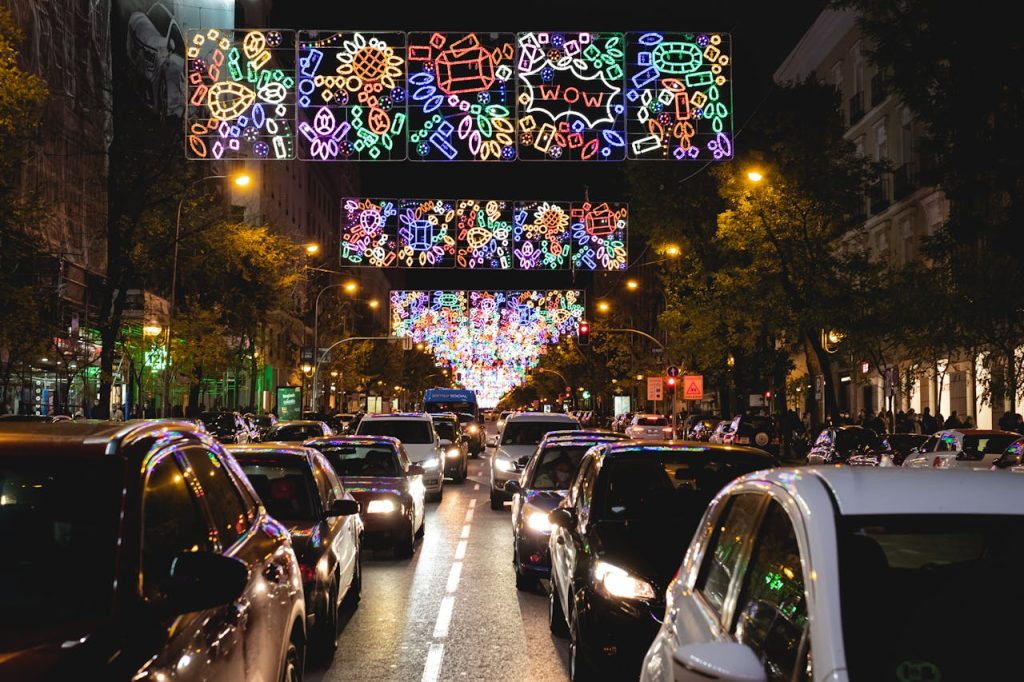
Madrid keeps its biggest holiday pulse for early January, when the Three Kings take center stage and the city still feels dressed for celebration. The Cabalgata de Reyes on January 5 fills streets with floats, music, and families along the route, and many households exchange gifts on January 6, so the first week remains peak season. Neighborhood bakeries keep turning out roscón, storefronts keep their lights, and plazas stay social late into the evening, with long dinners, street musicians, and warm café pauses that make even ordinary errands feel festive, letting the holiday mood hold on longer.
Rome, Italy
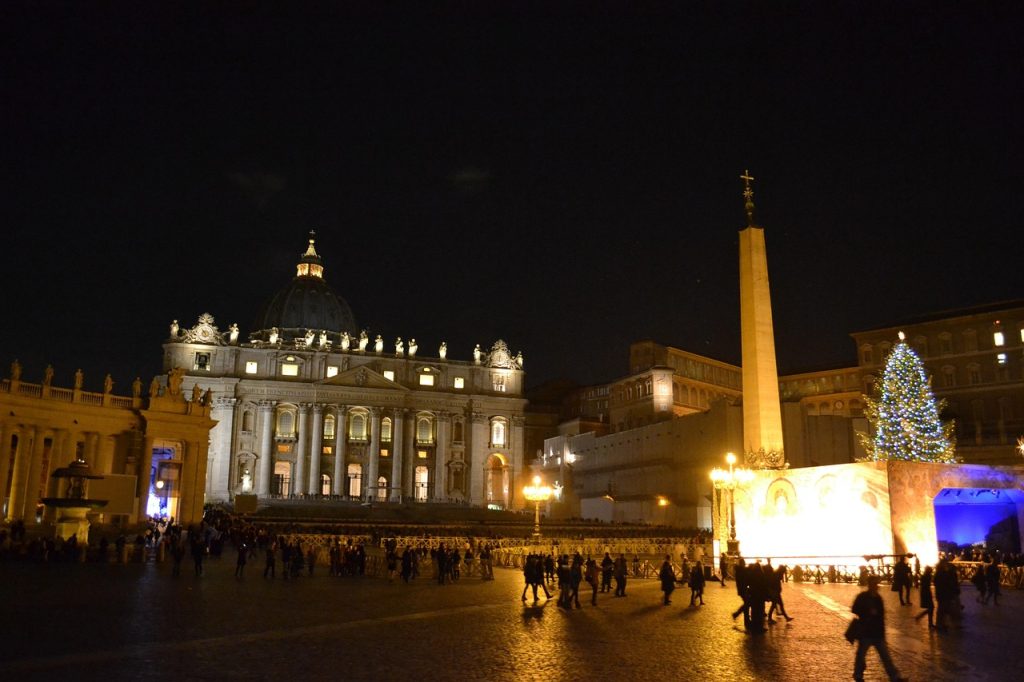
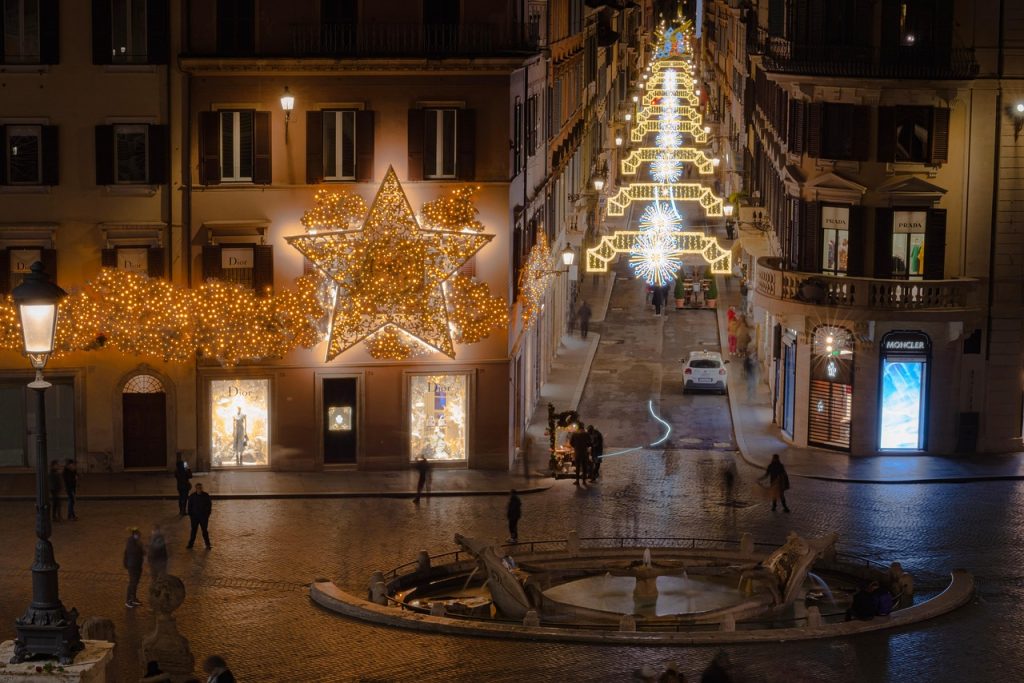
Rome holds onto its Christmas atmosphere until Epiphany, giving the season a clear closing chapter in early January and keeping public spaces lively. La Befana traditions arrive on the night of January 5, and January 6 is treated as a real holiday with stockings, small sweets, and long family meals that keep plans rolling across generations. Presepe displays remain on view, seasonal pastries still fill bakery cases, and evening walks under lights feel unhurried, with warm espresso stops, winter markets in busy squares, gentle street performances, and church concerts that still feel tied to the season.
Stockholm, Sweden
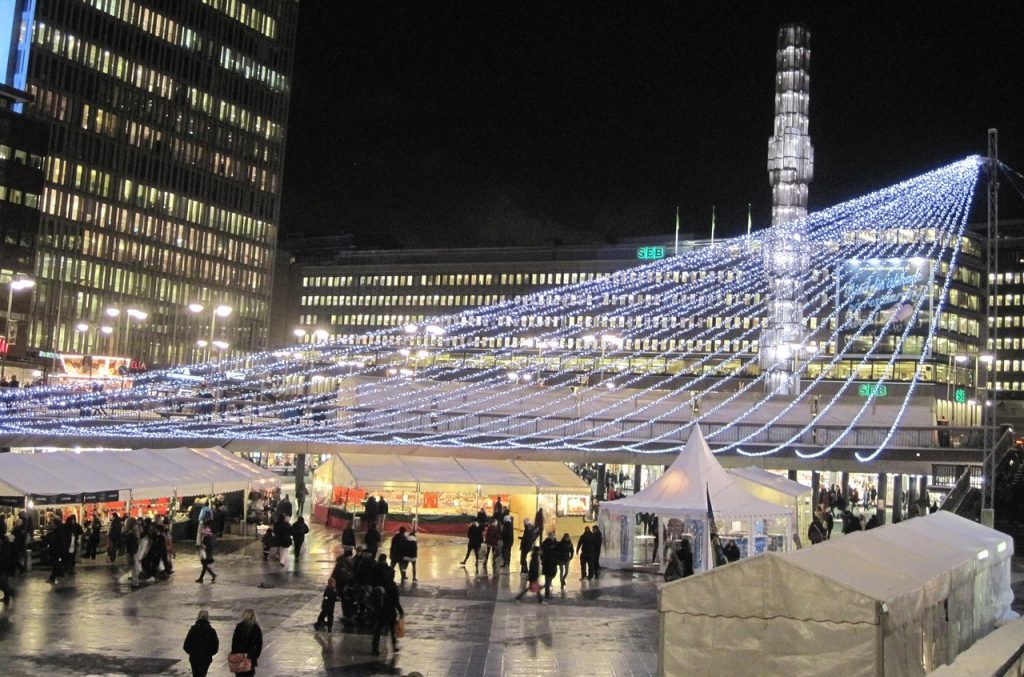
Stockholm keeps Christmas for the long haul, partly because the calendar includes a widely shared ending on January 13, Saint Knut’s Day, when many families finally take decorations down. The season builds from Saint Lucia on December 13 and continues through Epiphany with candles in windows, cozy cafés, and small gatherings that suit the dark afternoons and long nights. Many households mark the finale with a julgransfest, a Christmas tree party with the last treats and songs, and the city’s slow winter pace, warm buns, and candlelit streets make the extended season feel calm and lived-in for everyone.
Lalibela, Ethiopia
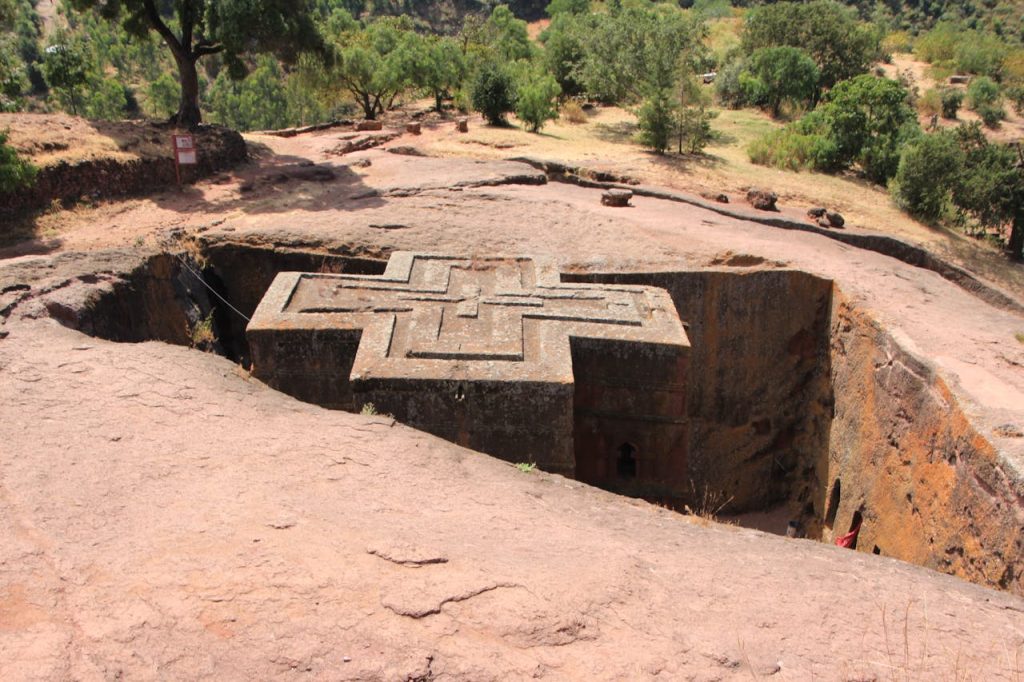
Lalibela can feel like Christmas arrives later, because Ethiopian Christmas, Genna, is celebrated on January 7 and draws large numbers of pilgrims. Gatherings around the rock-hewn churches include long services, candlelit singing, and shared meals, with many attendees dressed in traditional white shawls that add to the atmosphere and the sense of unity. The season continues with Timkat beginning January 19, bringing processions, bright textiles, and days shaped by public ritual and family visits, so January travel can still land in the middle of major celebration, not the quiet afterglow at all.
Belgrade, Serbia
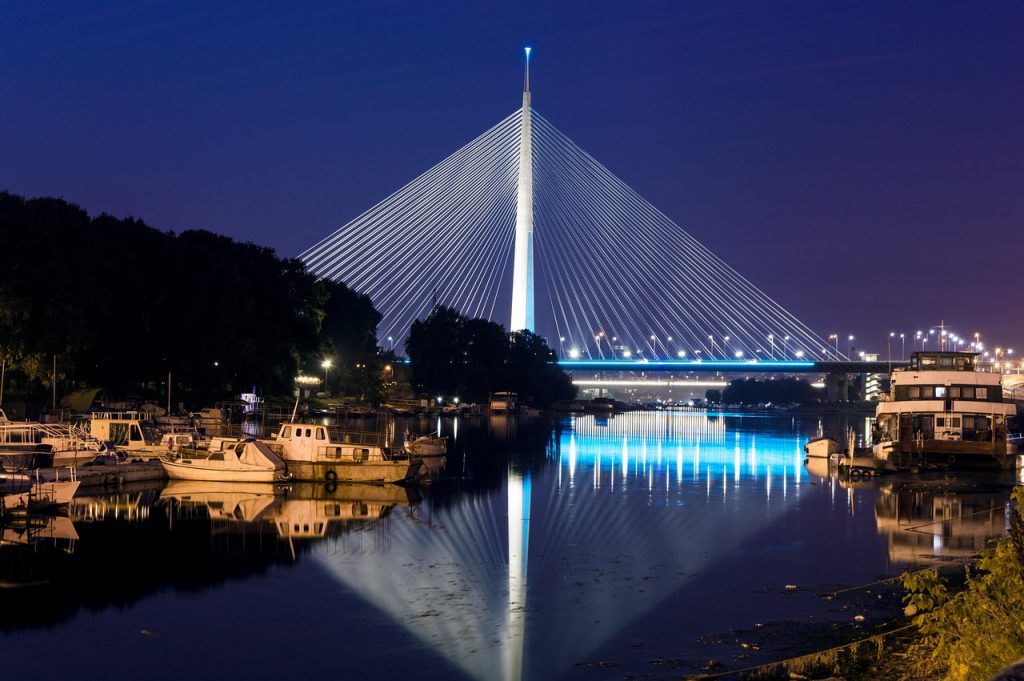
Belgrade celebrates Christmas on a later schedule, with Serbian Orthodox traditions centered on January 7, which keeps the holiday feeling alive deep into January. Customs begin on January 6 with badnjak, then continue with church visits, special breads, and family meals that can stretch across several days, often paired with long coffee, dessert, and neighbor drop-ins. Because the timing is shifted, greetings, decorations, and gatherings linger when many other cities have already moved on, creating a rare post-New Year’s window that still feels genuinely festive, warm, social, and easy to join.