8 Places Women Say Changed the Way They Look at Getting Older
Gerontologists and travel psychologists report that certain environments possess a unique ability to shift the narrative around aging from one of decline to one of growth and resilience. According to researchers in environmental psychology, exposure to landscapes with immense geological timelines or cultures that revere longevity can fundamentally alter an individual’s internal clock. For many women, visiting these specific locations provides a necessary departure from youth-centric societal pressures, offering instead a profound sense of perspective on the natural cycles of life.
Sociologists and hospitality consultants observe that the most impactful destinations are those that emphasize endurance and the beauty of maturation. Experts say that witnessing the survival of ancient ecosystems or the vitality of “blue zone” communities encourages a psychological recalibration. By stepping into spaces where time is measured in centuries rather than fiscal quarters, travelers often find that their personal anxieties regarding age are replaced by a deep appreciation for the wisdom and stability that comes with the passage of years.
The Bristlecone Pine Forests In California
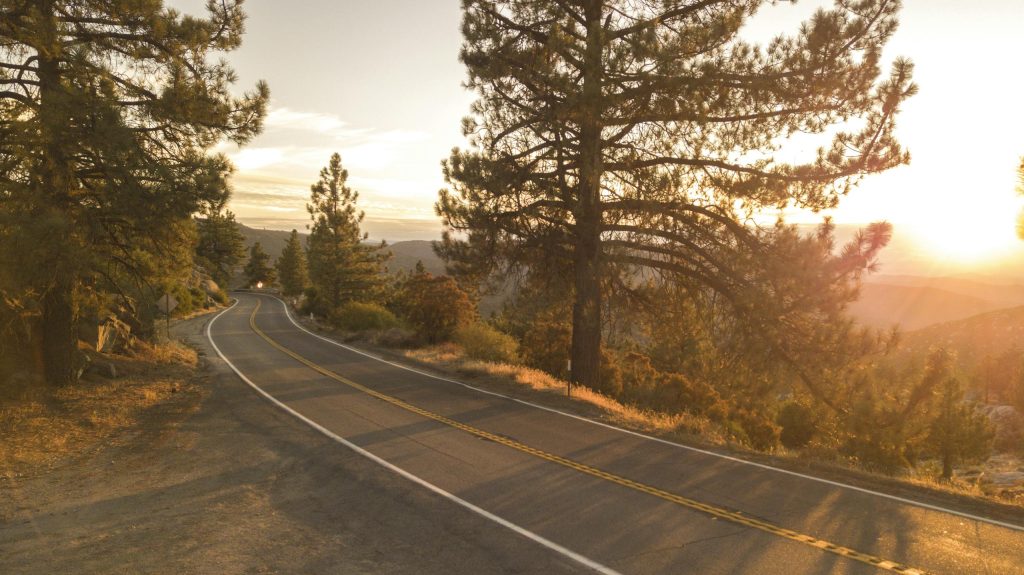
Dendrochronologists and forest ecologists identify the Ancient Bristlecone Pine Forest in the White Mountains as a premier location for contemplating the concept of longevity. These trees are the oldest living non-clonal organisms on Earth, with some individuals exceeding four thousand years in age. Experts explain that these pines thrive in harsh, high-altitude conditions that would kill lesser species, using their twisted, weathered wood as a testament to durability. Standing among these silent, ancient sentinels provides a visceral lesson in the beauty of survival and the nobility of a life lived across millennia.
Botanists note that the resilience of the bristlecone comes from its slow growth and dense, resinous wood which resists rot and insects. For women navigating the transitions of midlife and beyond, the forest serves as a powerful metaphor for the strength found in adversity. The visual impact of the sun-bleached, gnarled trunks against the stark mountain landscape offers a refined aesthetic of aging that contradicts modern standards of smooth perfection. It is an environment that celebrates the marks of time as badges of honor rather than flaws to be hidden.
The Blue Zones Of Nicoya In Costa Rica
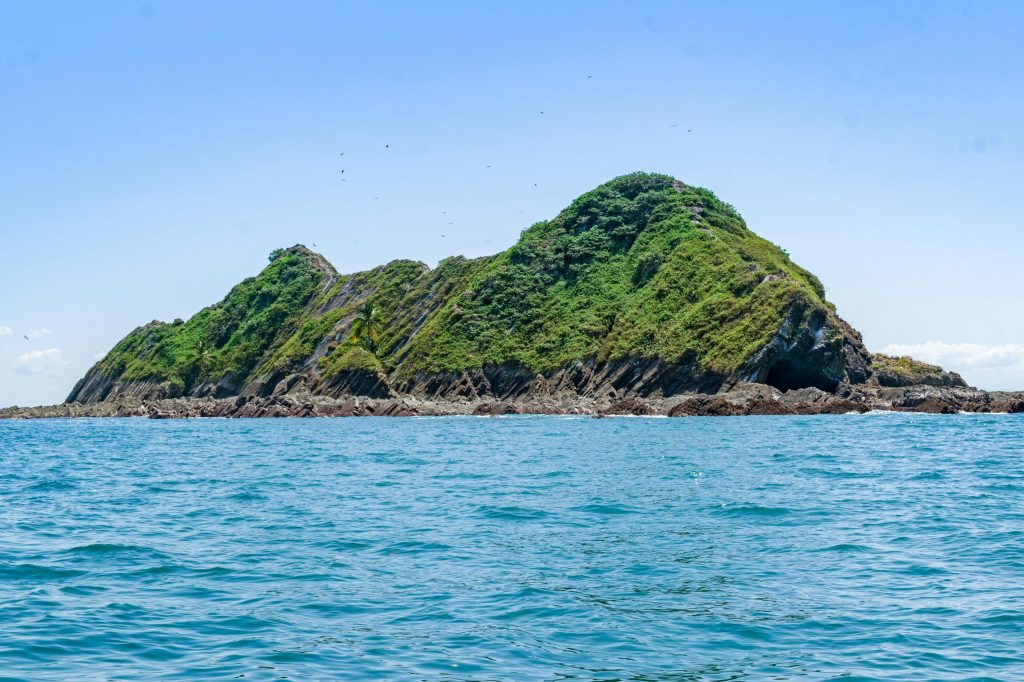
Longevity researchers and public health experts frequently cite the Nicoya Peninsula as a primary example of a region where aging is synonymous with community vitality. As one of the world’s five original Blue Zones, Nicoya is home to a high concentration of centenarians who remain active and integrated into their local social fabrics. Experts say the “plan de vida” or reason to live is a central tenet of this culture, ensuring that elders feel valued and purposeful well into their tenth decade.
Sociologists observe that the absence of age-segregated housing and the emphasis on multi-generational interaction prevents the isolation often associated with getting older in urban centers. Women visiting this region often report that witnessing the physical agility and social joy of the elderly inhabitants provides a hopeful blueprint for their own future. The combination of a plant-based diet, regular low-impact movement, and strong familial bonds creates a lifestyle that prioritizes wellness over the superficial markers of youth, shifting the focus toward a long and meaningful existence.
The Grand Canyon In Arizona
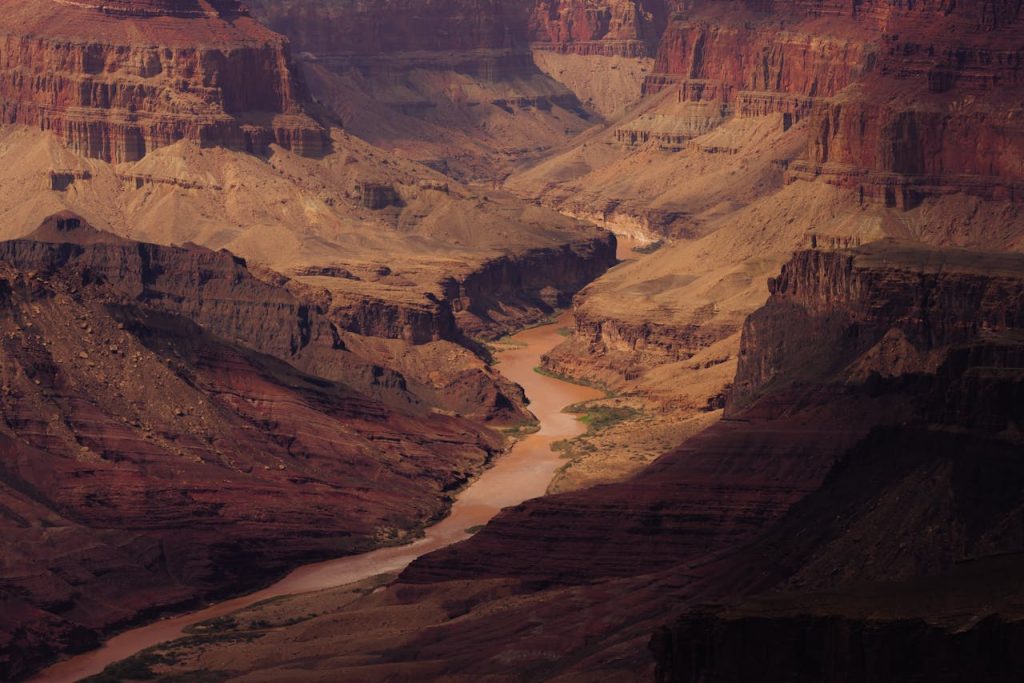
Geologists and interpretive park rangers describe the Grand Canyon as a vertical textbook of time that humbles the human experience. The layers of schist and limestone at the base of the canyon date back nearly two billion years, representing nearly half of the Earth’s history. Experts explain that standing at the rim and looking into the depths of the chasm allows for a radical shift in perspective where a human lifespan is revealed as a brief but significant spark within an immense timeline.
Psychologists suggest that this “awe-inspired” perspective is a critical tool for managing the anxieties of aging. When viewed against the backdrop of tectonic shifts and the slow carving of the Colorado River, the physical changes of a single decade appear minor and natural. The canyon teaches that there is a rugged, monumental beauty in being weathered by the elements over time. For many travelers, the return from the rim is marked by a newfound sense of peace and a reduction in the urgency to resist the inevitable flow of years.
The Okinawan Islands In Japan
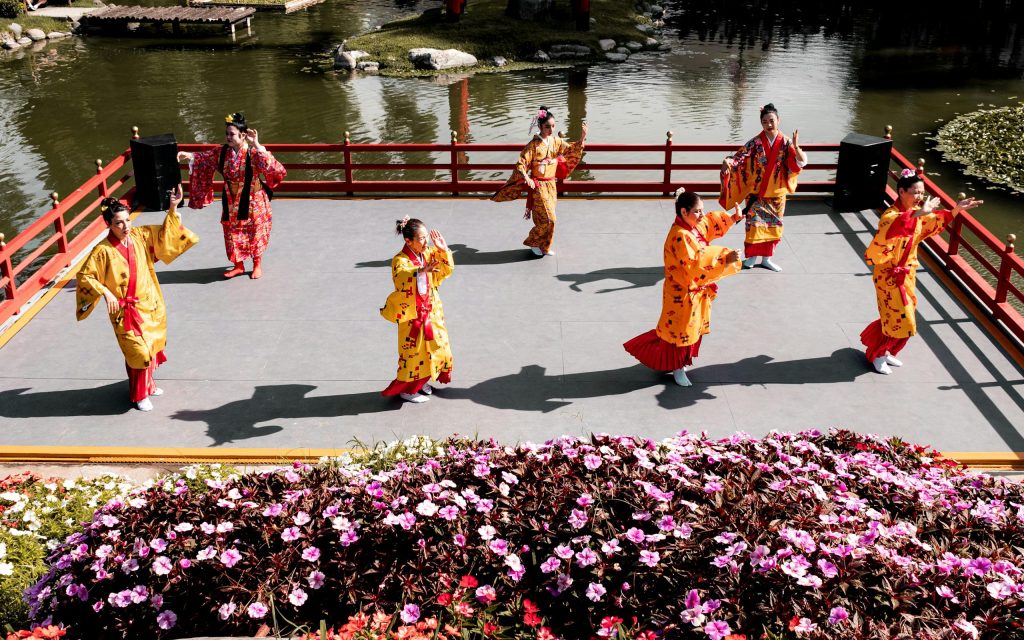
Cultural anthropologists and nutritionists recognize the islands of Okinawa as a sanctuary for those seeking a deeper understanding of graceful aging. The local philosophy of “moai” involves a committed social support group that stays together for life, providing both emotional and financial security. Experts note that this lifelong social safety net is a significant factor in the Okinawan reputation for extreme longevity and low stress levels.
Hospitality consultants highlight the concept of “hara hachi bu,” the practice of eating until only eighty percent full, as a mindful approach to nourishment that supports a healthy metabolism into old age. Women find that the Okinawan respect for the elderly, who are seen as the “treasures” of the community, creates a welcoming atmosphere that reframes aging as an elevation in status. Engaging with the local culture reveals that vitality is not the exclusive domain of the young but is a quality that can be cultivated and sustained through intentional habits and a supportive community.
The Sequoia Groves In California
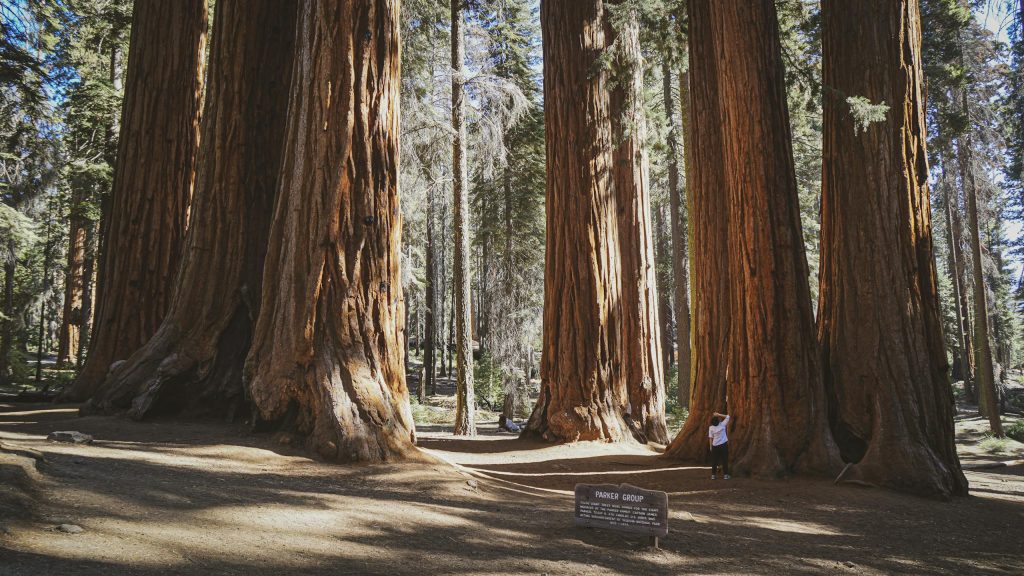
Forestry experts and environmental historians identify the Giant Sequoia groves of the Sierra Nevada as a cathedral of enduring life. These trees are not only the most massive on the planet but are also remarkably long-lived, often reaching ages of over three thousand years. Experts explain that the sequoia’s fire-resistant bark and chemical defenses allow it to outlast almost every other living thing in the forest. Walking through a grove of these titans creates a hushed, reverent environment that encourages a slow and deliberate pace of reflection.
Landscape architects note that the scale of the trees forces a physical upward gaze, which is often linked to feelings of optimism and transcendence. The sheer permanence of the sequoias provides a stable anchor in a rapidly changing world, offering a sense of continuity that many find deeply comforting. For women experiencing the transitions of aging, the grove offers a reminder that growing larger and more substantial over time is a majestic and necessary process. The memory of the sun filtered through the massive, cinnamon-colored trunks serves as a lasting image of the strength and dignity inherent in maturity.
The Historic Spas Of Tuscany In Italy
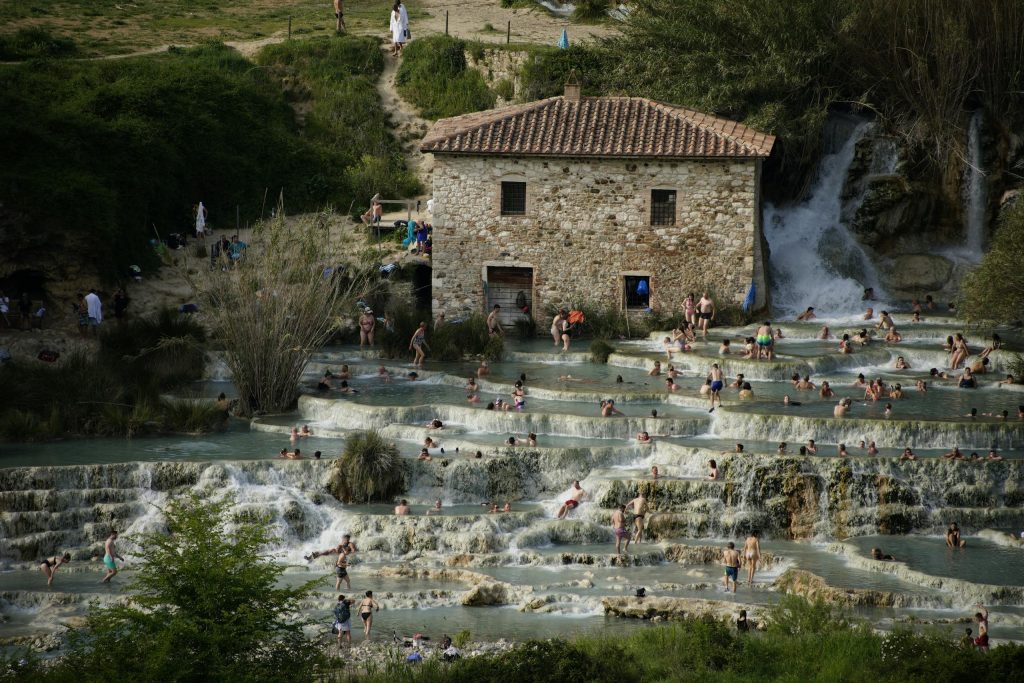
Dermatologists and wellness experts point to the thermal springs of Tuscany, such as those in Saturnia or Montecatini, as destinations that celebrate the body at every stage of life. Unlike modern medical spas focused on corrective procedures, these ancient sites emphasize the therapeutic power of mineral-rich waters and a holistic approach to health. Experts say the “salus per aquam” philosophy encourages a gentle and accepting relationship with the physical self, prioritizing the internal sensation of vitality over external appearance.
Cultural historians observe that the Italian approach to beauty often embraces “la bella figura,” which is more about grace, posture, and confidence than the absence of wrinkles. Spending time in these historic towns allows travelers to witness women of all ages enjoying public spaces and local cuisine with a distinct lack of self-consciousness. This cultural acceptance acts as a powerful antidote to the exclusionary beauty standards often found in the United States, fostering a sense of liberation and a renewed confidence in one’s own changing form.
The Serengeti Plains In Tanzania
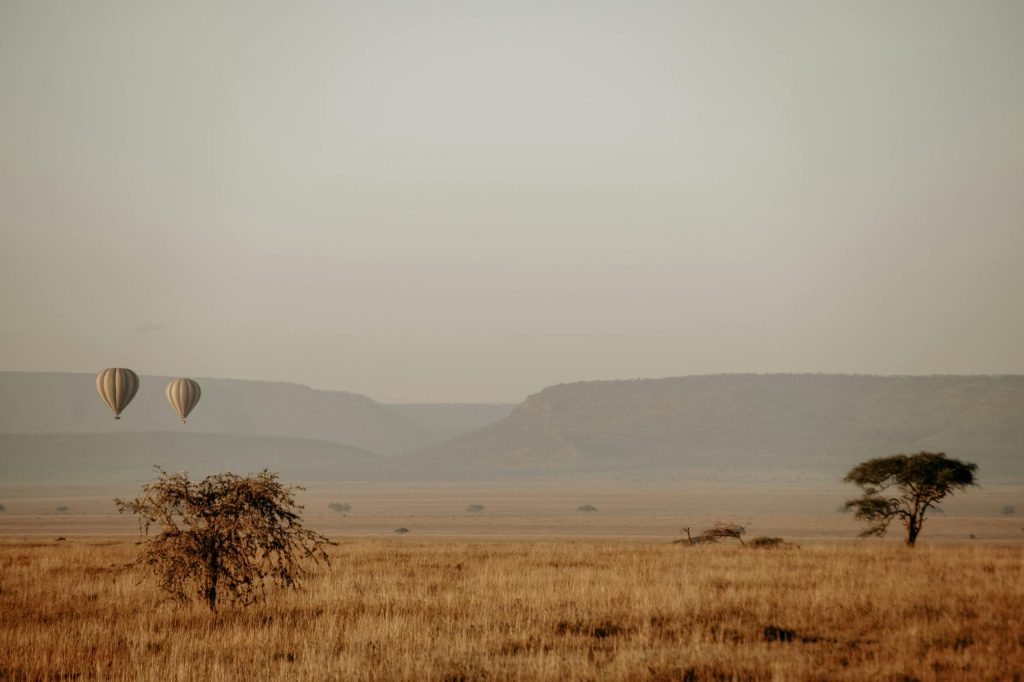
Wildlife biologists and safari guides describe the Great Migration of the Serengeti as the ultimate display of the circle of life in its most unedited form. The movement of millions of wildebeest and zebras across the plains is a relentless cycle of birth, survival, and transition that has remained unchanged for eons. Experts explain that witnessing the raw power of nature on this scale provides a profound understanding of the interconnectedness of all living things and the necessity of every life stage.
Environmental psychologists note that the vastness of the plains and the presence of ancient predator-prey dynamics create a “biophilia” effect that reduces stress and enhances cognitive function. Women who have undertaken this journey often speak of a significant shift in their priorities, moving away from a focus on the self and toward a broader appreciation for the continuity of the natural world. The experience of seeing an elderly elephant matriarch leading her herd through a drought provides a moving example of the critical importance of experience and leadership in the late stages of life.
The Coastal Bluffs Of Cornwall In England
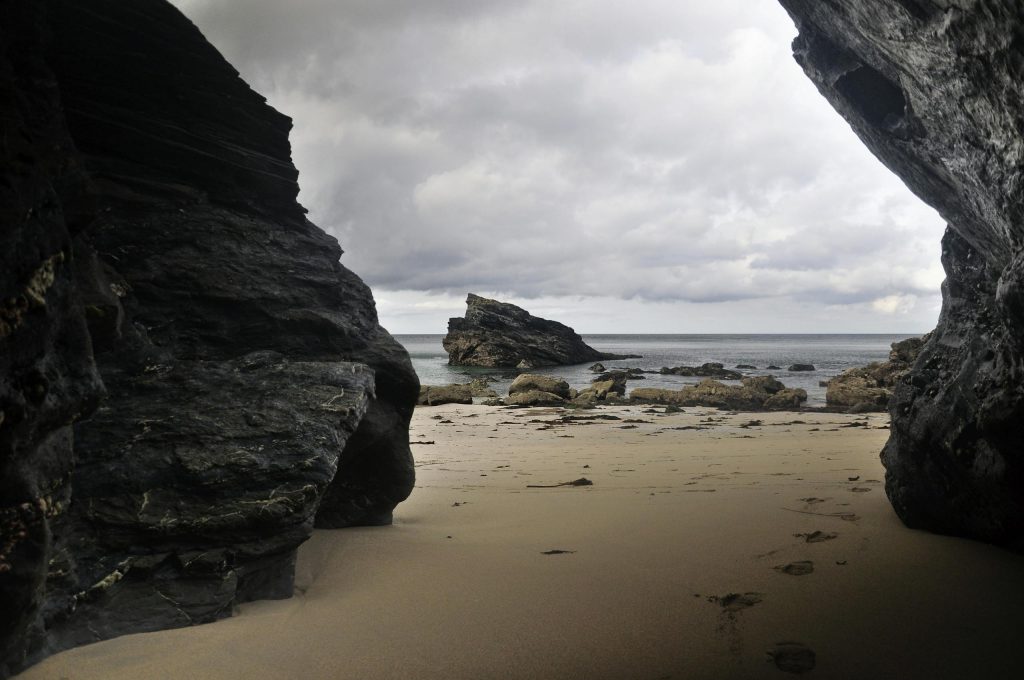
Maritime historians and coastal geographers identify the rugged cliffs of Cornwall as a landscape defined by the persistent meeting of stone and sea. The Atlantic waves have battered these granite promontories for millions of years, creating a jagged and beautiful coastline that is a testament to endurance. Experts explain that the “South West Coast Path” offers a physical journey through this ancient terrain, where the wind and salt spray provide a bracing and invigorating sensory experience that clears the mind of modern distractions.
Ecologists note that the hardy flora clinging to the cliff edges, such as sea thrift and gorse, demonstrates a tenacity that is inspiring to observe. The slow erosion of the cliffs serves as a metaphor for the gradual and inevitable changes of a human life, but the resulting landscape is one of undeniable grandeur and strength. For many women, walking these bluffs provides a sense of grounding and a realization that being “weathered” by life’s experiences results in a character that is as formidable and breathtaking as the Cornish coast itself.