8 Key Reasons Night Activities Tend to Matter More to Women Travellers Than Men
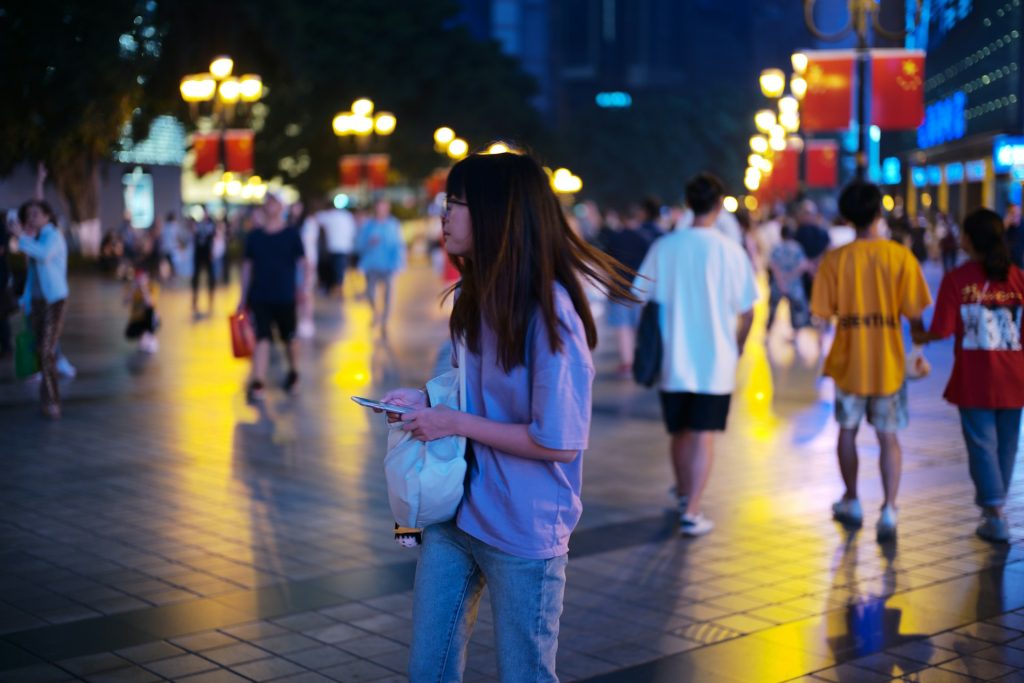
A destination is often judged by its daylight charm, but the real test starts after sunset. That is when street design, transit reliability, and local behavior become visible in practical ways. Evening movement exposes whether a place is truly usable or only scenic between breakfast and dusk. For many women travelers, that difference shapes the entire trip.
Global safety tracking reflects why this matters so much. Gallup’s latest global safety reporting says 73% of adults worldwide felt safe walking alone at night in 2024, and that indicator is now treated as a core quality-of-life signal across countries. It is not a side statistic. It is a direct read on how free people feel in public space after dark.
The wider risk backdrop also stays relevant. The World Health Organization continues to report that about one in three women worldwide experience physical or sexual violence in their lifetime, which influences how nighttime decisions are made even on leisure trips. Safety planning is not paranoia. It is informed behavior.
That is why night activity is not just entertainment in this conversation. It is about access to culture, access to movement, and access to the full value of a destination. When evenings feel navigable, travel opens up. When they do not, itineraries shrink fast.
Nighttime Safety Becomes a Booking Filter

Women travelers often evaluate a place by how it functions after dinner, not just by daytime attractions. A beautiful district can still feel restrictive if sidewalks empty early, lighting is uneven, or late transport is unreliable. In practice, that pushes travelers toward fewer neighborhoods and shorter evenings. The result is less freedom and less discovery.
This filtering effect starts before arrival. Accommodation choices, dining plans, and return routes are shaped by nighttime confidence, not only by price or ratings. A city can lose demand quietly if evening mobility feels uncertain. That lost demand is hard to recover with marketing alone.
World Bank analysis on women’s mobility makes the same point at policy scale. When urban mobility and public space are not safe and inclusive, women’s access to work, services, and leisure narrows. Travel follows the same logic. If movement feels constrained, participation drops.
What looks like a personal preference is often a structural response. Safer evenings are not a niche request. They are basic trip-enabling infrastructure.
Late-Night Transport Determines Real Freedom
The hardest part of many evenings is not getting to a venue. It is getting back comfortably and predictably. That return leg decides whether someone stays for a late show, an extra dinner course, or a neighborhood walk. If the return feels risky, plans end early.
Reliable evening transport does more than move people. It lowers mental load, reduces uncertainty, and makes spontaneous choices possible. Without it, even strong nightlife districts become partial products. Travelers may arrive, but they do not fully engage.
OECD transport guidance has long emphasized that women’s safety must be considered across the whole journey, including routes to stops, waiting areas, and transfers, not just on-vehicle conditions. That systems view is exactly what determines nighttime usability for visitors.
So this is not only a transit issue. It is a time-and-access issue. Better late transport extends the useful hours of an entire city.
Evening Confidence Expands Local Spending
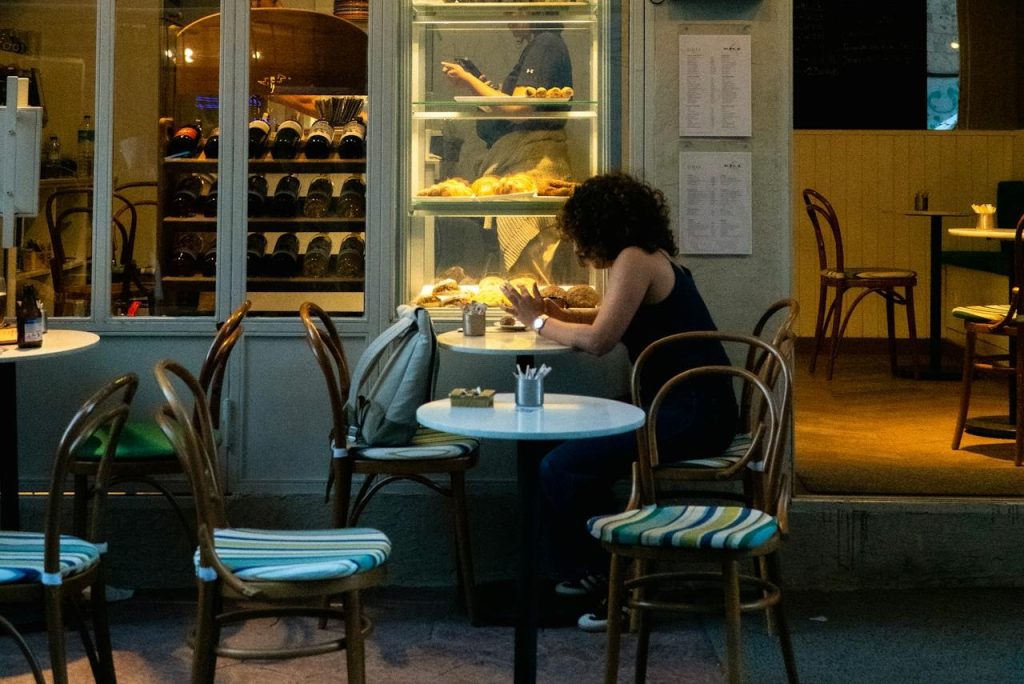
When women feel comfortable after dark, spending spreads across more categories. A trip can include dinner, a cultural stop, local shopping, and dessert instead of one quick meal and an early return. That change increases dwell time and supports smaller businesses that depend on evening foot traffic. It also distributes spending beyond one high-traffic corridor.
Night confidence affects the shape of spending, not just the amount. Travelers are more likely to try neighborhood venues, independent operators, and live events when the return route feels manageable. That creates healthier local demand patterns. It also helps places avoid overconcentration in a few “safe” blocks.
Global city policy discussions now treat this seriously. The World Cities Culture Forum highlights night-time economy governance as a strategic area tied to safety, inclusion, culture, and local business vitality. In other words, nighttime design is now viewed as economic policy, not a lifestyle accessory.
A destination that works after dark earns deeper engagement. Visitors stay out longer, spend with more confidence, and leave with stronger trust in local systems.
Women Often Carry Invisible Risk Planning
In group travel, women frequently end up handling the quiet logistics of risk. They check return options, monitor street conditions, and assess whether plans should shift as the night changes. That work is usually unpaid, unnoticed, and constant. Yet it keeps trips functioning.
This invisible planning affects energy and enjoyment. A night can look relaxed from the outside while one person is continuously running contingency checks. Over several days, that vigilance adds fatigue. It can also narrow activity choices to reduce uncertainty.
The background concern is not abstract when global violence data remains high. WHO’s persistent one-in-three estimate helps explain why risk scanning becomes routine behavior in public settings, including travel. The behavior is adaptive, not excessive.
Good city design can reduce that burden. Clear wayfinding, predictable transport, active streets, and staffed public touchpoints allow evenings to feel social again instead of tactical.
Public Realm Design Changes the Whole Night
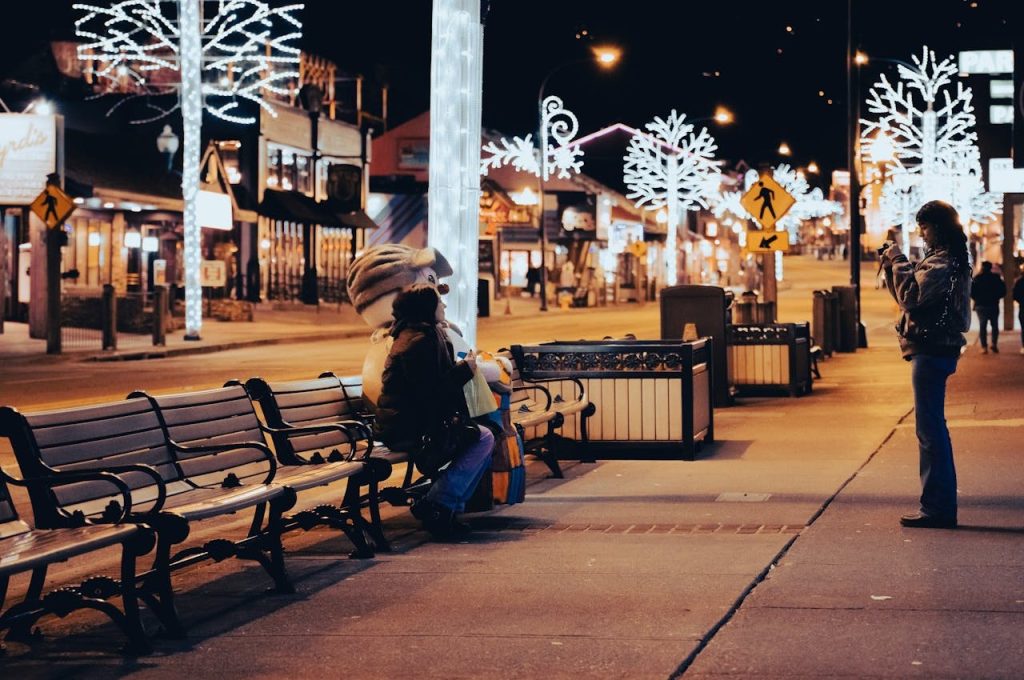
Night comfort is built through ordinary decisions. Lighting consistency, curb management, visible crossings, open storefront edges, and safe transfer points all influence how easy an evening feels. These details are rarely glamorous, but they decide whether people keep moving or retreat early. Practical design is what turns access into reality.
Cities that neglect these basics force travelers into narrow movement patterns. People cluster in tiny zones, avoid side streets, and pay more for short ride segments to reduce uncertainty. That produces higher friction and lower satisfaction. It also limits cultural discovery.
OECD and World Bank transport work both underline that women’s mobility barriers are shaped by design and policy choices, not personal confidence alone. When infrastructure is responsive, participation rises. When it is not, usage falls even if attractions remain strong.
Public realm quality is therefore not cosmetic. It is core travel infrastructure with direct effects on safety perception, usage patterns, and evening economic activity.
Night Experience Shapes Destination Reputation Faster
Travelers often forgive daytime inconvenience, but nighttime friction is remembered differently. A confusing late walk, an unsafe-feeling transfer, or an unlit approach road can overshadow an otherwise good day. Reputation shifts quickly when evening stories circulate. That is especially true in recommendation-driven travel behavior.
Safety perception metrics now give this reputational risk a clear frame. Gallup’s long-running nighttime safety question is used internationally because it captures lived trust in public space, not just formal crime categories. For destinations, that makes night confidence a competitive signal.
This matters for repeat travel as well. People revisit places where they felt in control of their time after dark. They avoid places where evenings felt restrictive, regardless of daytime beauty or value pricing. Perception converts directly into loyalty.
A city can spend heavily on campaigns and still lose preference if basic night navigation feels weak. Trust at night is what makes promotion believable.
Better Nights Support Women Across the Tourism Economy

Women are not only travelers in this story. They are also a major part of the tourism workforce. World Bank tourism reporting notes women made up 54% of tourism workers in 2020, with tourism accounting for about 10% of the global economy in 2024 and supporting roughly 357 million jobs. Evening participation directly affects this labor ecosystem.
When travelers stay out longer, revenue flows through restaurants, venues, transport services, retail, and cultural programming. Many of those roles are shift-based and sensitive to evening demand strength. Better night confidence can stabilize hours and improve income quality across local service chains. Weak night confidence does the opposite.
This is why nighttime access should be treated as an inclusion lever and an economic lever at the same time. It supports visitor experience while also supporting worker livelihoods. The gains are shared when policy is intentional.
Stronger nights do not require flashy interventions. They require consistent basics executed well across transit, streets, staffing, and communication.
The Cities That Win Treat Night as Core Infrastructure
The most trusted destinations do not treat evening safety as a side campaign. They build it into transport schedules, lighting plans, curb rules, venue coordination, and public communication. That creates predictability, which is the backbone of confidence after dark. Predictability is what expands choice.
Night governance is increasingly mainstream in city policy circles because leaders now see the direct link between evening usability, inclusion, and local economic performance. This shift is practical and overdue. It moves the conversation from slogans to operations.
For women travelers, the result is simple and measurable. More usable evening hours mean fuller itineraries, broader neighborhood engagement, and less energy spent on defensive planning. The trip feels larger without getting longer. That is a real quality upgrade.
For destinations, the lesson is equally clear. Build nights that work, and everything else compounds in the right direction.