8 Reasons Snake Island Remains the World’s Most Dangerous Forbidden Paradise
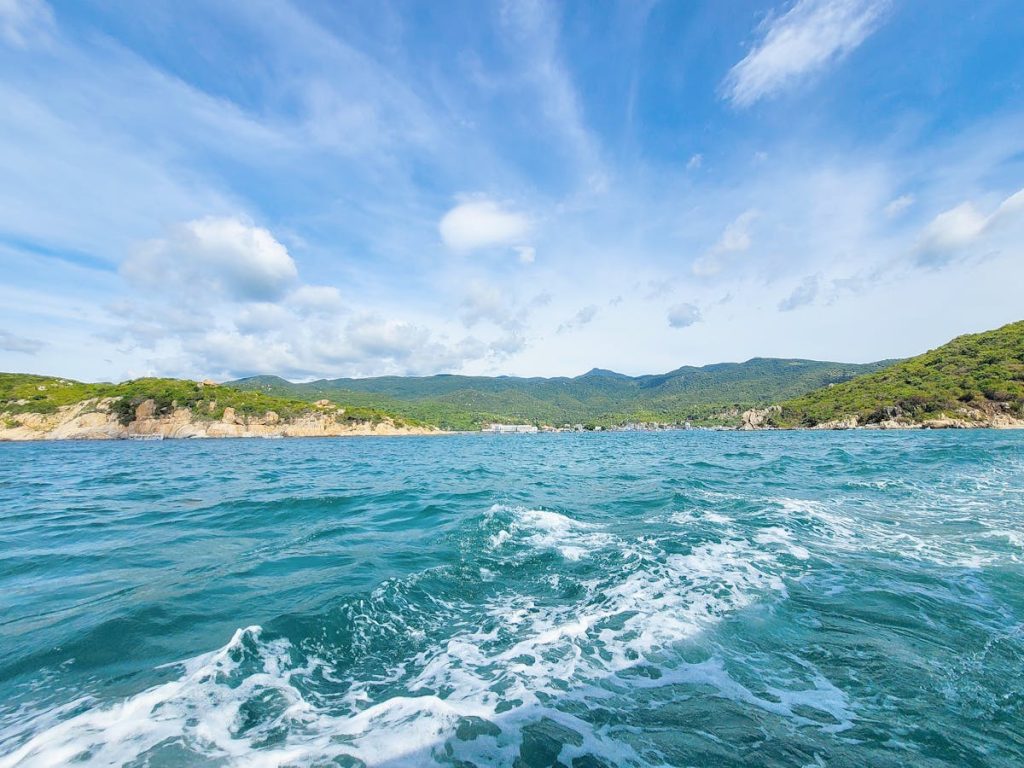
Few places on Earth inspire both fascination and fear like Snake Island. Located off the coast of Brazil, this small tropical patch of land hides one of the most lethal ecosystems in the world. Covered in lush greenery and surrounded by calm waters, it appears idyllic from afar. Yet behind that beauty lies a deadly secret that keeps explorers, tourists, and even locals far away from its shores.
Home to Thousands of Deadly Snakes
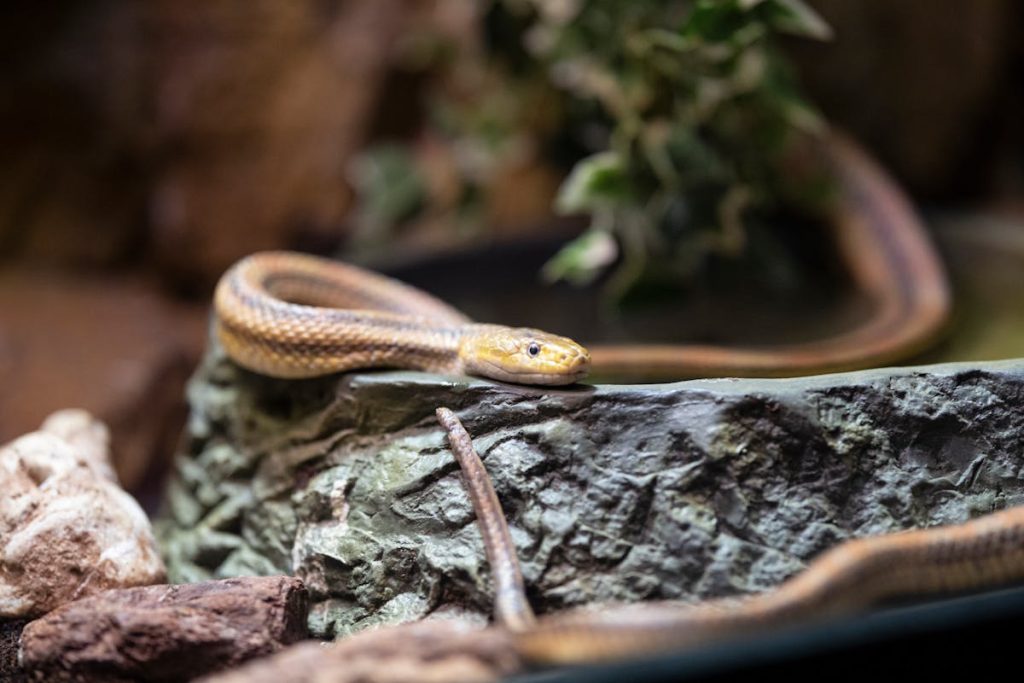
Snake Island is densely populated with golden lancehead vipers, one of the most venomous snakes in existence. Estimates suggest thousands inhabit the island, making it impossible to step safely anywhere. Their venom can melt human flesh and cause death within hours, which explains why the Brazilian government strictly prohibits public visits.
A Death Zone for Birds and Small Animals
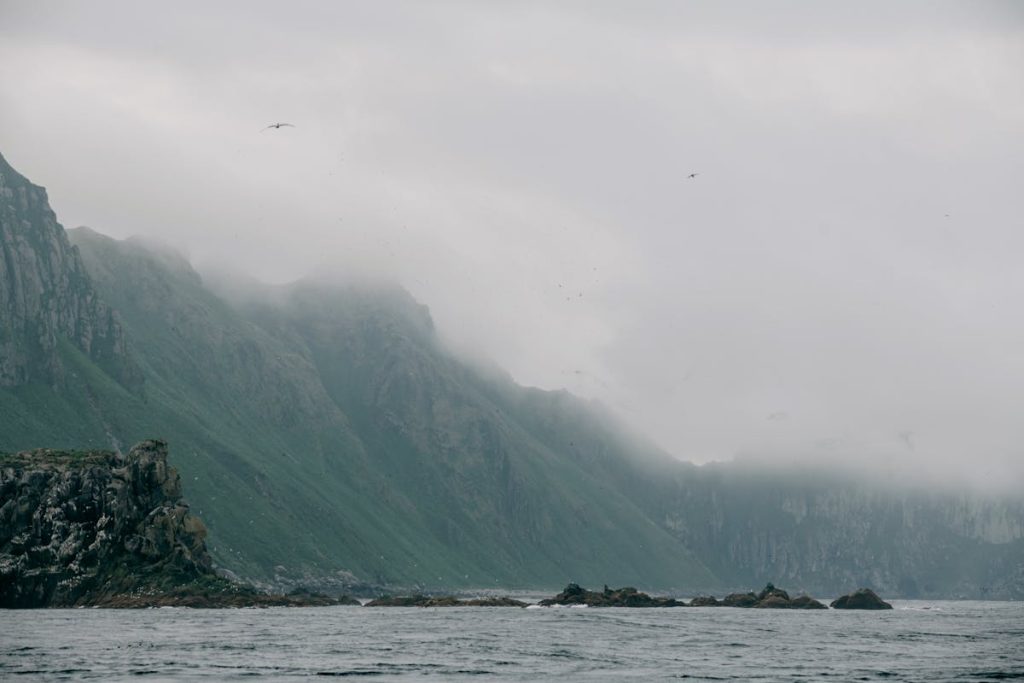
The island’s location along migratory routes makes it a deadly trap for birds. Many land briefly to rest, unaware of the predators waiting below. The snakes rely heavily on this food source, which keeps their population thriving. For smaller creatures, survival here is nearly impossible, turning the island into a brutal display of nature’s balance.
Restricted by Government Protection
Access to Snake Island is heavily restricted by Brazilian authorities to protect both people and the snakes. Only approved researchers are allowed entry, often with medical personnel on standby. This strict regulation prevents illegal wildlife collectors from disturbing the fragile ecosystem and reduces the risk of fatal accidents among thrill seekers.
Isolation Adds to the Danger
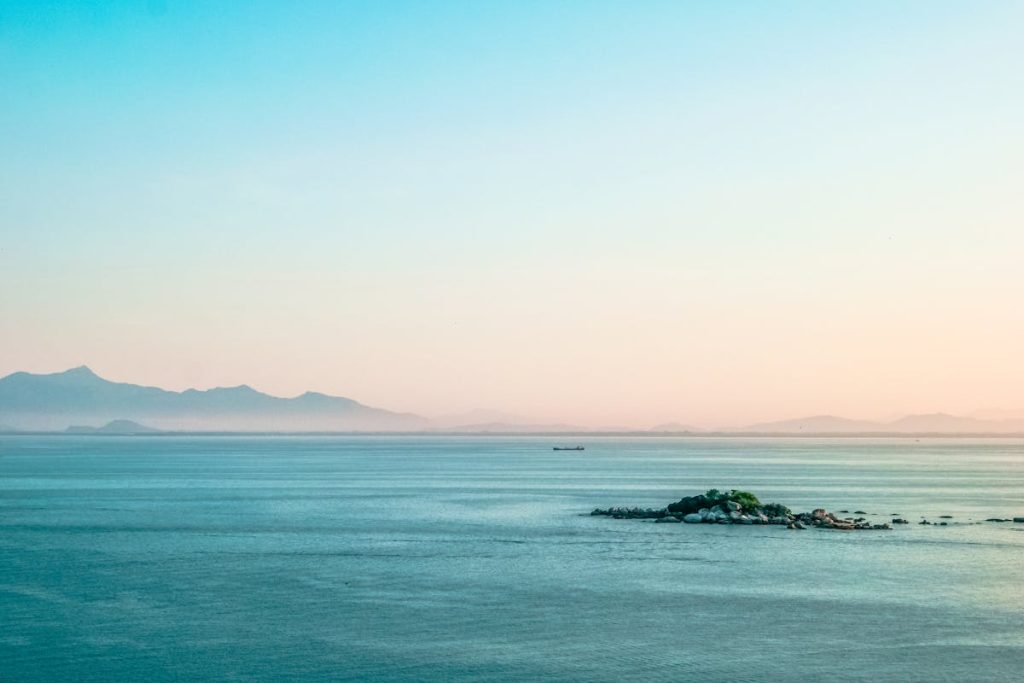
Located roughly 90 miles from Sao Paulo, the island’s isolation makes emergency response nearly impossible. Anyone bitten would face long delays before reaching medical help. The treacherous waters surrounding the island add another layer of danger, discouraging even experienced sailors from venturing too close to its shores.
Myths of Hidden Treasure and Ghosts
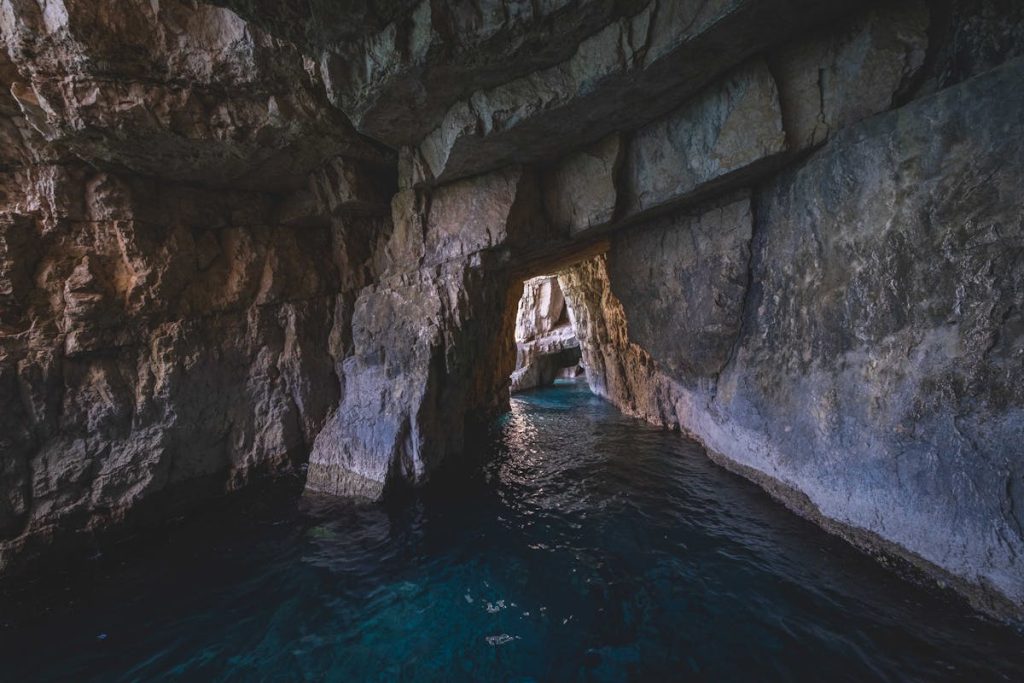
Legends claim that Snake Island hides buried treasure left by pirates centuries ago. Others believe the island is cursed or haunted by the spirits of those who tried to uncover its secrets. While these stories remain unproven, they continue to fuel fascination and fear, reinforcing the island’s mysterious and forbidden reputation.
A Natural Fortress Against Humans
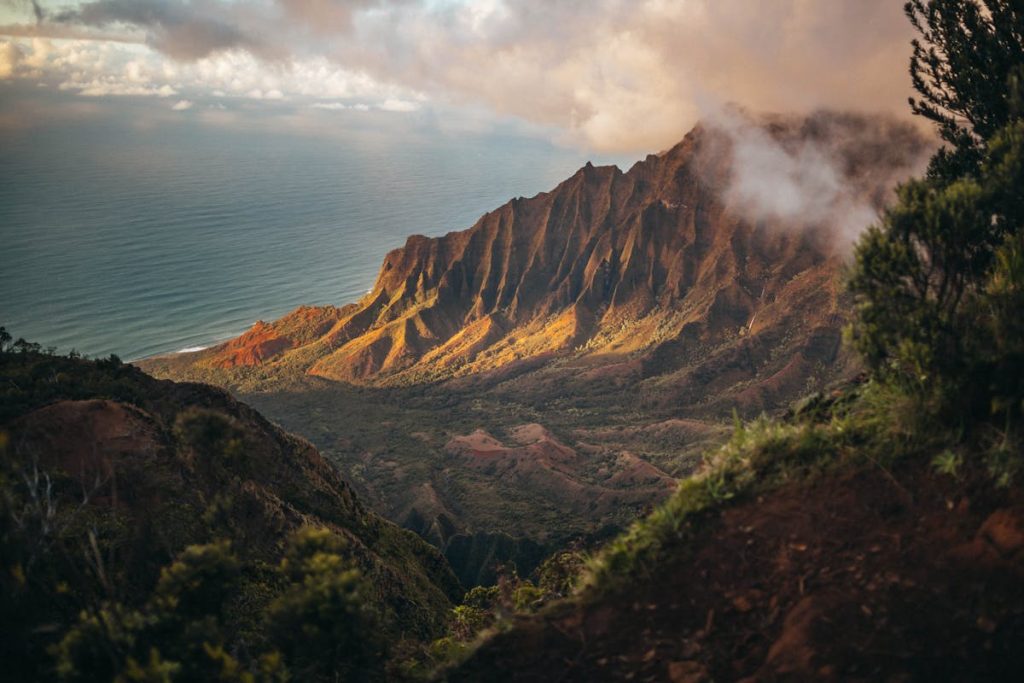
The thick forest canopy and sheer cliffs make navigating Snake Island extremely difficult. Without proper equipment, even landing a boat is risky. The terrain favors its reptilian inhabitants, who can strike quickly from hidden positions. Nature itself has built a perfect defense system, keeping intruders away through danger rather than barriers.
Scientific Value Hidden Within
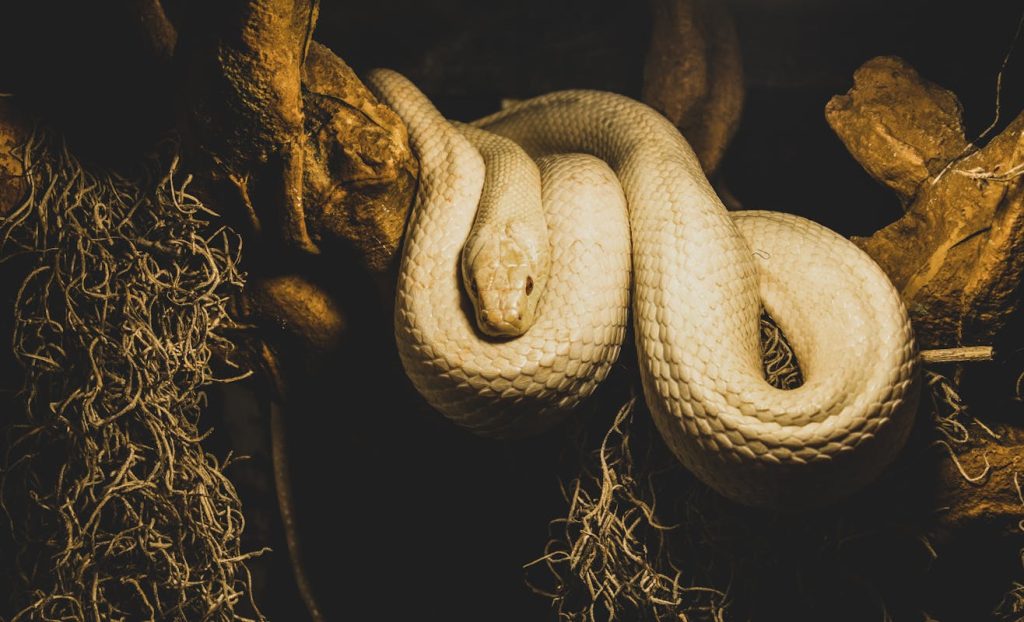
Despite its deadly reputation, Snake Island holds immense scientific importance. Researchers study the golden lancehead’s venom, which may have potential in developing life saving medicines. Access is rare and carefully planned, ensuring minimal human interference while allowing valuable discoveries that could benefit medical science worldwide.
A Paradise That Can Never Be Tamed
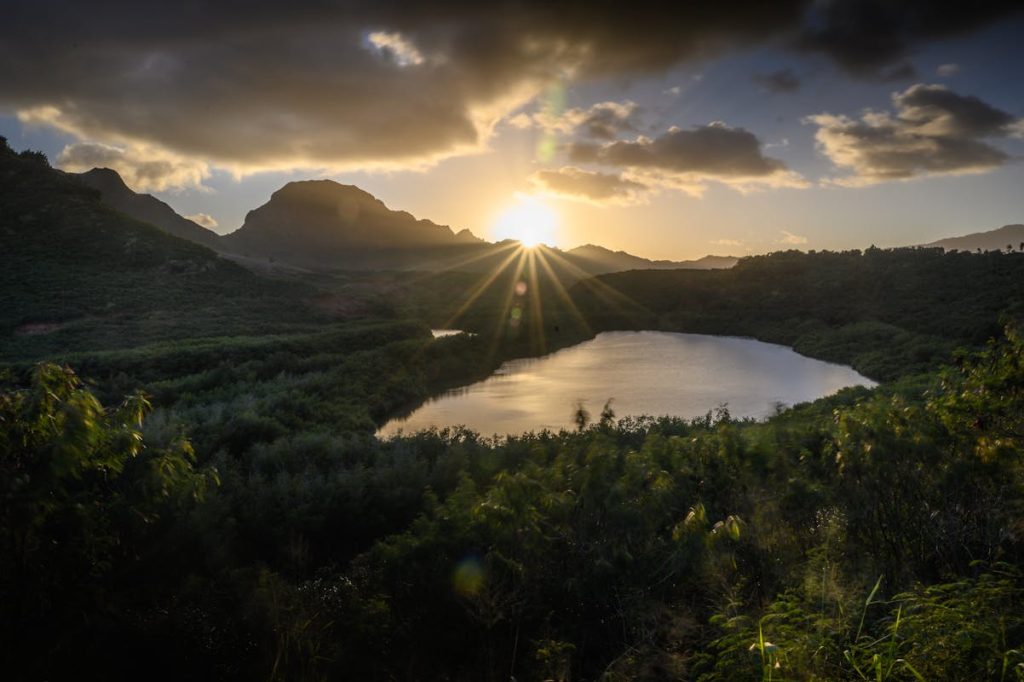
Snake Island’s lush scenery contrasts sharply with its perilous reality. The untouched forests and sparkling coastline make it look like paradise, yet it remains one of Earth’s most dangerous places. Its beauty lies in its untamed nature, a reminder that some parts of the world are best admired from a distance.