8 Reasons Some Travelers Are Slowing Down and Spending More Time in One Place

My travel style used to be defined by velocity. I measured the success of a trip by the number of passport stamps I collected and the variety of trains I caught in a single week. I would bounce from London to Paris to Rome in a blur of airport lounges and early morning checkouts, convinced that seeing more meant experiencing more. But looking at 2025, that frenetic pace has lost its appeal. Rising flight costs, burnout, and a desire for deeper connection have shifted my focus from collecting cities to inhabiting them.
The trend toward “slow travel” is reshaping the global tourism map. Urban planners and sociologists note that travelers are increasingly trading the fast-paced vacation for month-long stays that allow them to bypass the tourist traps and access the authentic rhythm of a place. This shift is driven by a combination of remote work flexibility and economic necessity, where staying put offers better value and higher quality of life than the exhausting circuit of constant movement. I realized that to truly understand a culture, I had to stop passing through it and start living in it.
Da Nang, Vietnam
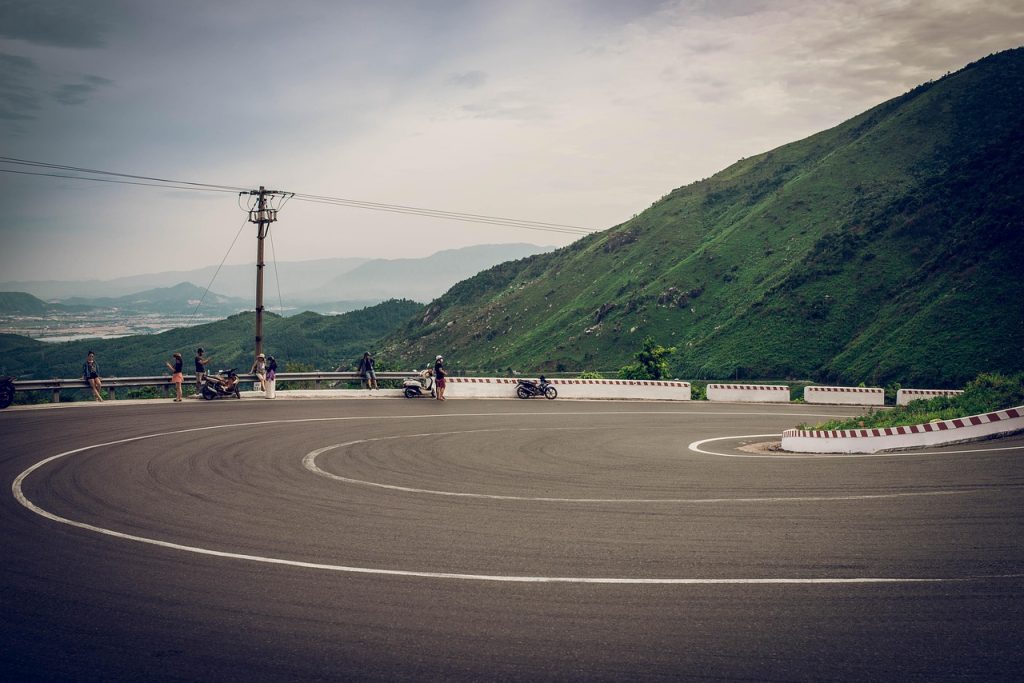
Da Nang has become the primary beneficiary of Vietnam’s relaxed visa policies, drawing travelers who want to settle in rather than pass through. Immigration officials recently extended the e-visa duration to 90 days, a game-changing policy that allows visitors to rent apartments and establish a routine without the stress of monthly border runs. This regulatory shift turned the coastal city from a weekend beach stop into a quarterly base for global nomads.
Economic researchers highlight the extreme value proposition here. Staying for three months allows travelers to access local rental markets where prices are a fraction of the daily hotel rates. The cost of living arbitrage means a budget that barely covers a hostel in Europe can fund a seaside apartment and daily dining here. That is why the math changes when you stop moving and start signing leases.
This city is defined by its Dragon Bridge, long sandy beaches, and proximity to the marble mountains.
The tradeoff involves navigating a developing infrastructure that can be chaotic. Traffic safety is a consistent concern, and the language barrier can be significant once you step outside the expat bubble. Navigating healthcare or administrative tasks often requires patience and local assistance.
Bansko, Bulgaria
Bansko has transformed from a seasonal ski resort into arguably the most cohesive slow-travel community in Europe. Community organizers and event producers cite the annual Bansko Nomad Fest as a catalyst that turned this mountain village into a permanent hub for location-independent professionals. Unlike major capitals where foreigners are dispersed, the density of coworkers here creates an immediate social network that combats the loneliness often associated with long-term travel.
The drivers are social connection and affordability. Housing analysts note that the abundance of empty ski apartments provides high-quality lodging at rock-bottom prices during the shoulder seasons. This allows travelers to lower their burn rate while upgrading their social life, a combination that is nearly impossible to find in Western Europe.
The town is characterized by the Pirin Mountains, cobblestone streets, and a distinct mix of digital tech and rural tradition.
A tradeoff is the small-town limitation. The culinary and cultural variety is limited compared to a metropolis, and the “village gossip” effect can make the community feel claustrophobic for those accustomed to urban anonymity. You are trading cosmopolitan variety for mountain simplicity.
Tenerife, Spain

Tenerife has emerged as a premier “climate refuge” for Northern Europeans seeking to escape soaring energy bills and gray winters. Meteorological data confirms that the Canary Islands offer one of the most stable climates in the world, with “eternal spring” temperatures that eliminate the need for heavy heating or air conditioning. This environmental stability attracts travelers who plan their movement around personal health and seasonal comfort.
Remote work consultants explain that the island offers a unique legal and timezone advantage. As part of the EU, it provides seamless access for European citizens and a specific digital nomad visa for non-Europeans, all while operating on the same timezone as London. This alignment allows professionals to maintain a standard workday without the jet lag or midnight Zoom calls required in Asia.
This island is known for its volcanic landscapes, black sand beaches, and high-altitude hiking trails.
The tradeoff is the sensation of island fever. Geography dictates that you are isolated in the Atlantic, and flight connections to the mainland can be expensive if not booked in advance. The heavily touristed southern coast can also feel artificial, forcing long-termers to seek out the cloudy but authentic north.
Cape Town, South Africa
Cape Town attracts travelers who are slowing down to balance intense careers with world-class outdoor access. Adventure tourism experts and labor economists point out that the city offers a rare “after-work” lifestyle where you can hike a mountain or surf a break in the daylight hours after logging off. The recent introduction of remote work visa categories has formalized this, encouraging stays that last months rather than weeks.
The drivers are lifestyle integration and natural beauty. Unlike the “old default” of a frantic safari trip, a long stay allows visitors to wait out the famous “Cape Doctor” winds and experience the city’s diverse microclimates. It turns the destination from a bucket-list item into a temporary home where nature dictates the daily schedule.
The city is defined by Table Mountain, the V&A Waterfront, and a dramatic collision of ocean and peak.
A significant tradeoff is the reality of safety and infrastructure reliability. Security analysts warn that crime rates require constant vigilance and specific behavioral adjustments that can be mentally draining. Additionally, “load shedding” or rolling blackouts, while improving, can still disrupt work schedules and require investment in backup power solutions.
Kyoto, Japan
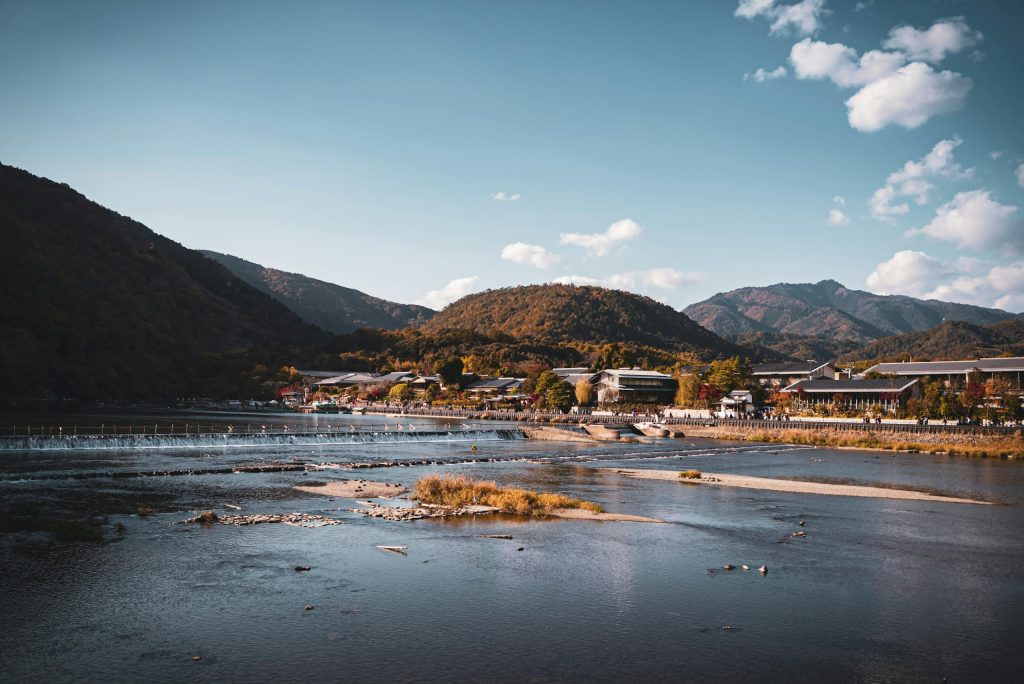
Kyoto is actively discouraging the “hit-and-run” tourist in favor of the slow, respectful visitor. Heritage institutions and city planners have implemented policies to manage overcrowding, including restricting access to private geisha districts and promoting dispersed tourism. These measures incentivize travelers to stay longer and explore the outer wards rather than jamming into the same three temples at 9:00 AM.
Cultural historians explain that the true value of the city reveals itself only when you have the time to wait. A long stay allows you to visit popular sites during off-peak rainstorms or early mornings, bypassing the crush of tour buses. It shifts the experience from frustration with crowds to appreciation of detail.
The city offers a landscape of Zen gardens, wooden machiya houses, and centuries-old craft traditions.
The tradeoff is the high cost of accommodation and strict social rules. Finding a short-term rental that accepts foreigners can be expensive and bureaucratically complex. The pressure to conform to intricate social etiquette regarding trash sorting, noise, and photography can feel restrictive to the uninitiated.
Mexico City, Mexico
Mexico City has become a magnet for North Americans seeking cultural immersion without the jet lag. Urban sociologists observe that the city serves as a “soft landing” for those testing the waters of expat life, offering a vibrant art scene, world-class dining, and a familiar time zone. The proximity to the US allows for a “slow travel” model that is still connected to home, enabling frequent visits from family or returns for important events.
The drivers are cultural density and culinary access. Food critics and anthropologists note that the city’s culinary depth cannot be experienced in a weekend. A long stay transforms the visitor from a taco tourist into a neighborhood regular who understands the rhythm of the street markets and the distinct personality of each colonia.
This metropolis is characterized by its leafy boulevards, Aztec history, and an endless energy that rivals New York.
A tradeoff is the friction of gentrification. Local housing activists have raised valid concerns about rising rents displacing residents, creating a complex ethical landscape for the long-term visitor. Navigating this tension requires a level of cultural sensitivity and awareness that a typical tourist might ignore.
Bali, Indonesia
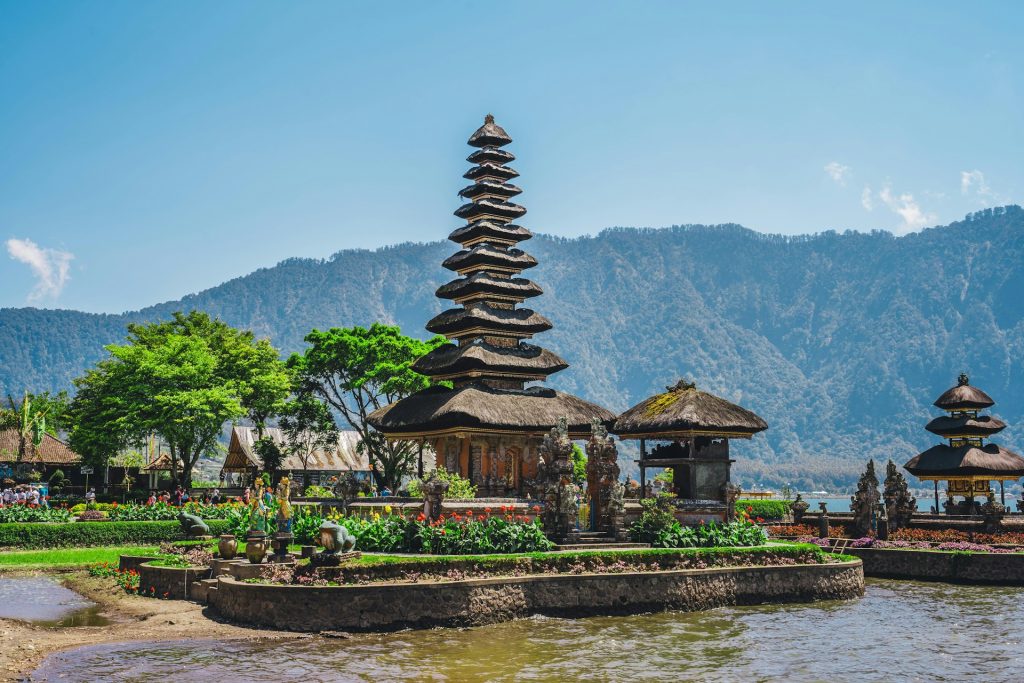
Bali has pivoted from a backpacker stopover to a structured wellness destination for the burned-out professional. Public health researchers and tourism boards note that the island’s infrastructure has evolved to support “healing” sabbaticals, with coworking spaces now integrated into yoga centers and health clinics. The introduction of the tourist levy and stricter visa enforcement signals a desire for visitors who contribute to the ecosystem rather than just consuming it.
The drivers are mental health recovery and community support. The “island of the gods” offers a density of wellness services, ranging from breathwork to organic nutrition, that are difficult to replicate in a Western city. Slowing down here allows the nervous system to reset in a way that a frantic week of sightseeing never could.
The destination offers rice terrace views, Hindu temple architecture, and a pervasive scent of incense.
The tradeoff is the traffic and environmental strain. Urban planners struggle to manage the congestion that clogs the narrow roads of Canggu and Ubud. The idyllic rice field view is often accompanied by the sound of motorbike engines and the reality of plastic waste management issues.
Valencia, Spain
Valencia attracts those who find Madrid too frantic and Barcelona too expensive. Urban quality-of-life indices frequently rank it as the top city for expatriates due to its manageable scale, flat terrain, and extensive park systems like the Turia Gardens. It represents the “Goldilocks” zone of slow travel as it is big enough to offer culture and infrastructure, but small enough to navigate by bicycle.
Housing economists note that while prices are rising, they remain significantly lower than in Spain’s larger capitals. This affordability allows long-term visitors to rent higher-quality apartments and engage more deeply with the local gastronomy. The focus here is on “living well” rather than “seeing sights,” aligning perfectly with the slow travel ethos.
The city is known for the City of Arts and Sciences, paella traditions, and a Mediterranean beach lifestyle.
A tradeoff is the scorching summer heat and the language barrier. Meteorological records show that July and August can be oppressively hot, forcing a change in daily rhythm. Additionally, fewer locals speak English compared to Barcelona, making some knowledge of Spanish or Valencian essential for daily life.
Source
https://evisa.gov.vn/
https://banskonomadfest.com/
https://www.hellocanaryislands.com/digital-nomads/
Home
https://kyoto.travel/en/
https://lovebali.baliprov.go.id/