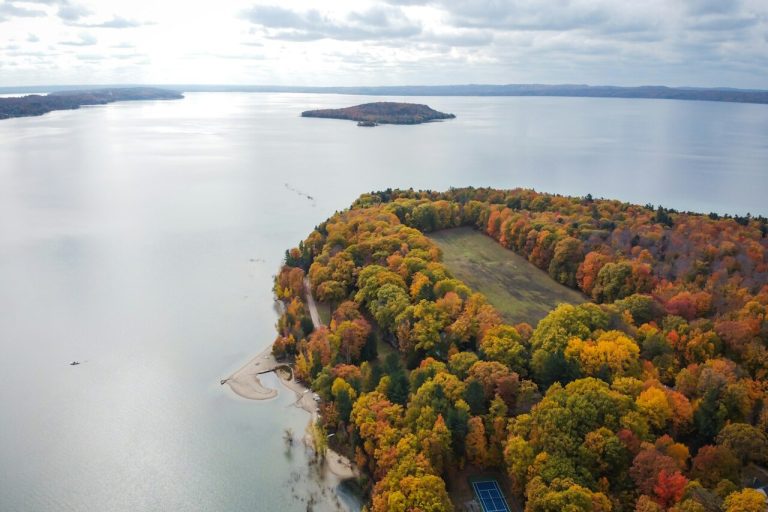
8 Reasons Women Skip Peak Travel Seasons

My strategy for booking vacations used to follow a predictable rhythm. I would target the high summer months or major holidays, assuming that the best weather and the most vibrant atmosphere could only be found when everyone else was traveling too. I envisioned bustling piazzas and lively beaches as the pinnacle of the experience. However, looking ahead to 2026, that logic has completely collapsed. The combination of extreme price surges, dangerous weather patterns, and crushing crowds has transformed peak season from a dream into a logistical nightmare. The new priority is the “shoulder season” or the quiet winter months, where the cost of entry is lower and the quality of the experience is exponentially higher.
This shift is particularly evident among women travelers who are rejecting the stress of the high season. Travel sociologists and consumer behavior analysts note that the decision to travel off-peak is no longer just about saving money but about reclaiming autonomy and safety. The popular default of the overcrowded summer hotspot has lost its allure, replaced by a desire for space, attentive service, and the ability to navigate a city without physical friction. I realized that the only way to truly relax was to go when the crowds stayed home.
Skyrocketing Accommodation Costs
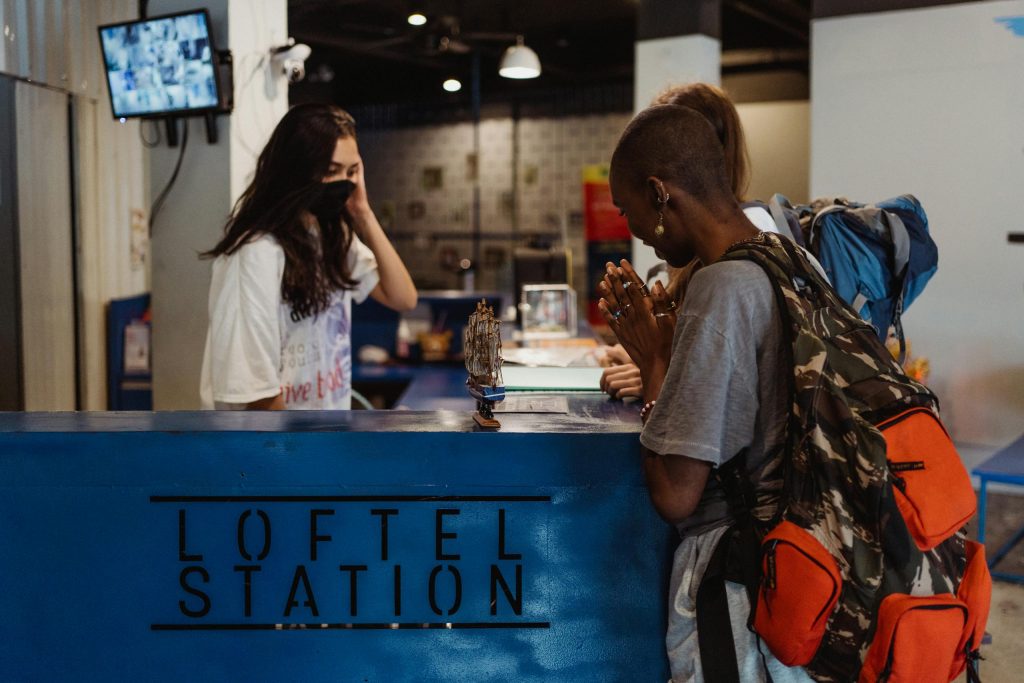
The financial penalty for traveling during peak school holidays or summer months has reached unprecedented levels. Economic researchers and hospitality analysts report that hotels in major tourist hubs now utilize dynamic pricing models that can triple rates during high-demand windows. For women managing family budgets or solo travel funds, this “peak tax” renders the standard summer vacation mathematically unviable compared to the value found just weeks later.
The drivers are algorithmic pricing and supply scarcity. Revenue management systems automatically adjust room rates based on search volume, punishing those who stick to the traditional calendar. Staying in the off-season allows travelers to access luxury properties or central locations that would otherwise be out of reach. That is why the math changes when shifting dates by a single month.
This financial landscape is defined by non-refundable deposits, strict cancellation policies, and inflated resort fees.
A tradeoff involves the potential for reduced amenities. Hospitality insiders note that some hotels use the quiet season to conduct renovations or close pools for maintenance. Travelers saving money on the room rate may find that the rooftop bar or the full-service spa is operating on reduced hours or is entirely inaccessible during their stay.
Extreme Heat Events
The romanticized European summer is rapidly becoming a health hazard due to intensifying climate patterns. Meteorological data and climate adaptation experts warn that destinations like Southern Europe and the American Southwest now experience “heat domes” in July and August that make outdoor exploration dangerous. Women, particularly those traveling with children or elderly parents, are increasingly citing temperature management as a primary reason for shifting their dates.
Health officials and travel risk analysts emphasize that the physical toll of 100-degree days limits the window for safe activity to early morning and late night. The old default of a sun-soaked beach holiday has become an endurance test against dehydration and heatstroke. Moving a trip to October or April transforms a health risk into a pleasant walking tour.
The season is characterized by concrete heat islands, seeking air conditioning, and deserted midday streets.
The tradeoff is the risk of unpredictable weather. Meteorological records show that shoulder seasons carry a higher chance of rain or cooler temperatures that might rule out swimming. Travelers trading heat for safety must pack for variable conditions and accept that the perfect beach day is not guaranteed.
Overcrowding and Personal Safety
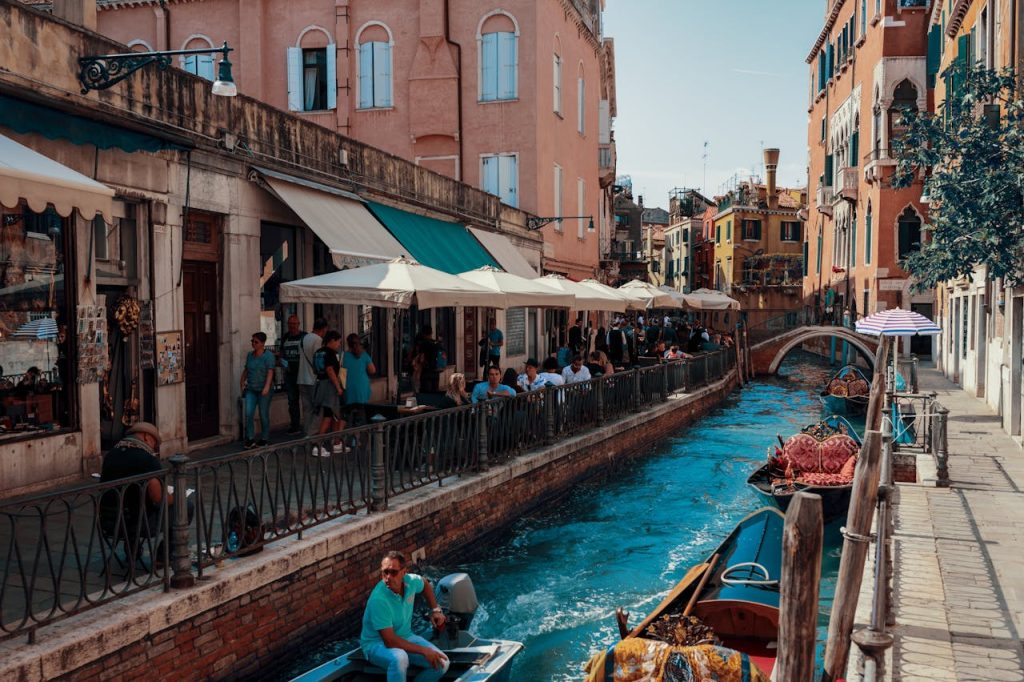
The sheer density of people in popular destinations during peak season creates a security environment that many women find stressful. Security consultants and urban planners explain that massive crowds provide cover for pickpockets and reduce situational awareness. In cities like Rome or Barcelona, the physical crush of the high season makes it difficult to maintain personal space or navigate transit systems safely.
Conflict researchers and crowd control experts note that high density increases the likelihood of harassment and aggressive behavior. Navigating a packed subway car or a gridlocked festival street requires a level of hyper-vigilance that drains the joy from a vacation. Off-peak travel restores visibility and personal space, allowing for a more relaxed and secure environment.
The environment offers a chaotic mix of tour groups, long queues, and noise pollution.
A tradeoff is the lack of “safety in numbers” in remote areas. Travel safety advisors point out that deserted streets in the off-season can feel isolating at night. While crowds can be overwhelming, they also provide a form of passive surveillance that disappears when a tourist town shuts down for the winter.
Service Infrastructure Collapse
The quality of hospitality often plummets when destinations are operating at maximum capacity. Labor economists and service industry researchers report that staff shortages in hotels and restaurants are exacerbated during peak windows, leading to burnout and errors. Women who carry the mental load of planning and managing a trip often find themselves managing frustrations rather than relaxing.
Hospitality standards dip when demand outstrips the ability to serve. Wait times for tables stretch into hours, housekeeping becomes rushed, and concierge services are overwhelmed. Avoiding the peak ensures that staff have the time and energy to provide the level of care and attention that a luxury price tag implies.
This period is defined by stressed employees, delayed service, and a transactional atmosphere.
The tradeoff is that some businesses close entirely. Travel guides note that in seasonal destinations like the Greek Islands or coastal Maine, restaurants and shops may shutter for the season once the crowds leave. The attentive service of the off-season comes with a significantly smaller menu of dining and activity options.
Hostile Local Sentiment
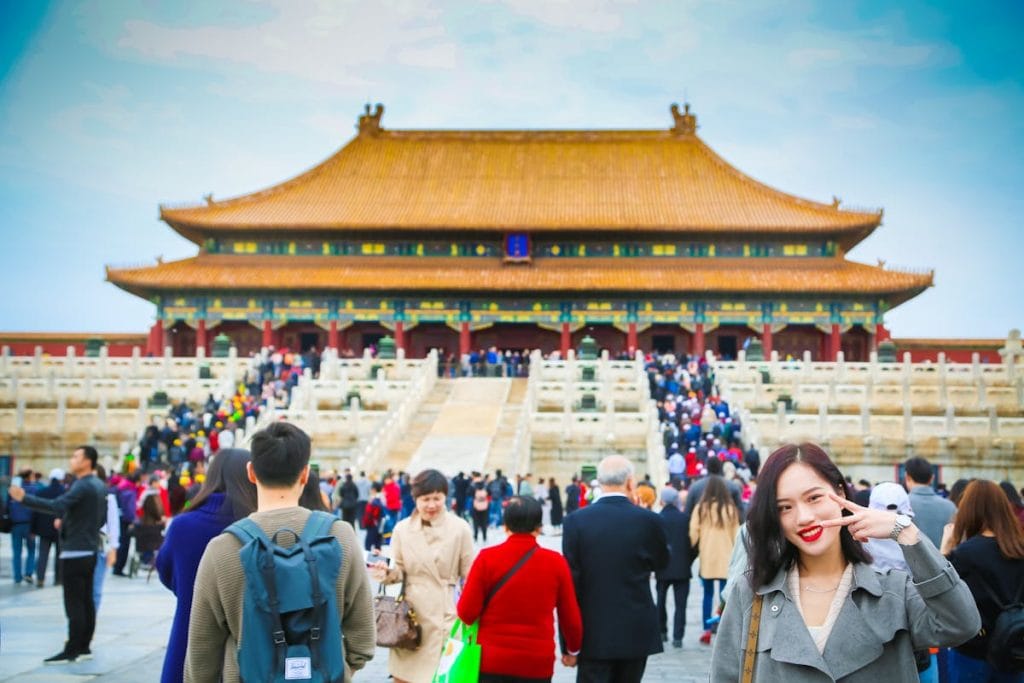
The phenomenon of “overtourism” has led to increased friction between residents and visitors during the busiest months. Sociologists and urban policy experts observe that local patience wears thin in July and August, leading to protests and an unwelcoming atmosphere in places like Venice and Kyoto. Women seeking a connection with local culture often find the peak season environment transactional and hostile.
Community activists and tourism boards acknowledge that the sheer volume of visitors disrupts daily life, causing resentment. Traveling during the quiet season signals a respect for the destination’s capacity and often results in warmer, more genuine interactions with residents who are not exhausted by the crush.
The atmosphere is marked by anti-tourism graffiti, restrictive access rules, and visible local frustration.
A tradeoff is the lack of vibrant social energy. Cultural anthropologists note that the “buzz” of a city is often driven by the mix of locals and visitors. An off-season visit might feel sleepy or empty, lacking the festive energy and street life that defines the peak summer experience.
Degraded Air Travel Reliability
Flying during the peak summer or holiday rush significantly increases the probability of disruption. Aviation analysts and transport data scientists report that the system operates with zero margin for error during these windows, meaning a single storm can cascade into days of cancellations. Women managing tight itineraries or family logistics are opting out of this high-stakes gambling.
Transport infrastructure struggles to handle the volume of bags and bodies. The risk of lost luggage and missed connections spikes when airports are functioning at 110 percent capacity. Traveling on a Tuesday in November offers a level of operational reliability that a Friday in July simply cannot match.
The travel day is characterized by security checkpoints, gate lice, and anxiety over overhead bin space.
The tradeoff is a reduction in direct flight options. Airline network planners often reduce frequency or cut routes entirely during low-demand periods. Reaching a destination in the off-season may require layovers or inconvenient departure times that the peak season schedule would have avoided.
Lack of Spontaneity
The requirement to book months in advance to secure a table or a ticket has eliminated the joy of spontaneity in peak travel. Tourism management researchers explain that major museums and heritage sites now utilize time-entry systems that sell out weeks ahead. This rigid structure forces travelers to follow a strict schedule rather than their own mood.
The freedom to wander is lost when every hour must be accounted for. Women looking for a restorative break are rejecting the “project management” style of travel required by the high season. Off-peak visits allow for walking into a museum without a reservation or grabbing a dinner table without a booking made six months prior.
The experience is defined by QR codes, rigid time slots, and the fear of missing a reservation.
A tradeoff is the reduced operating hours of attractions. Museum curators and site managers often shorten opening windows during the winter months. A traveler enjoying the freedom of no lines must also contend with sites closing at 4:00 PM rather than sunset.
Limited Access to Wellness Resources
The very resources designed to provide relaxation are often the first to become inaccessible during the peak. Spa directors and wellness industry analysts note that massage appointments and thermal pool entries are often booked solid in high season. Women seeking a wellness-focused trip find that the peak season environment is counterproductive to stress relief.
The demand for rest outstrips the supply of treatment rooms. Fighting for a lounge chair by the pool or being unable to book a facial defeats the purpose of a rejuvenation trip. The off-season transforms the spa from a factory line into a sanctuary.
The setting is characterized by silence, available amenities, and an unhurried pace.
The tradeoff is the potential for maintenance closures. Facility managers often use the low season to drain pools or repair saunas. The quietest time to visit may coincide with the exact week the main wellness amenity is out of service for annual upkeep.
Source
https://www.statista.com/topics/4311/hotel-industry-worldwide/
https://climate.copernicus.eu/
https://www.cntraveler.com/story/why-shoulder-season-is-the-best-time-to-travel
https://www.skift.com/
https://www.unwto.org/sustainable-development/overtourism-understanding-and-managing-urban-tourism-growth-beyond-perceptions
https://www.bts.gov/newsroom/air-travel-consumer-report-june-2024-numbers