8 Regions Where Fall Travel Costs Drop Fast
Fall often marks a shift in travel patterns as peak summer demand fades and prices adjust quickly. Airlines, hotels, and tour operators respond to changing schedules, creating noticeable cost drops across certain regions. Cooler weather, fewer crowds, and continued access to attractions make autumn an appealing season for budget conscious travel. These regions experience particularly sharp declines due to seasonal demand cycles, weather transitions, or reduced holiday traffic. Understanding where prices fall fastest helps travelers plan efficiently while still enjoying strong cultural offerings, scenic beauty, and comfortable conditions during the quieter, more affordable fall travel window.
Southern Europe

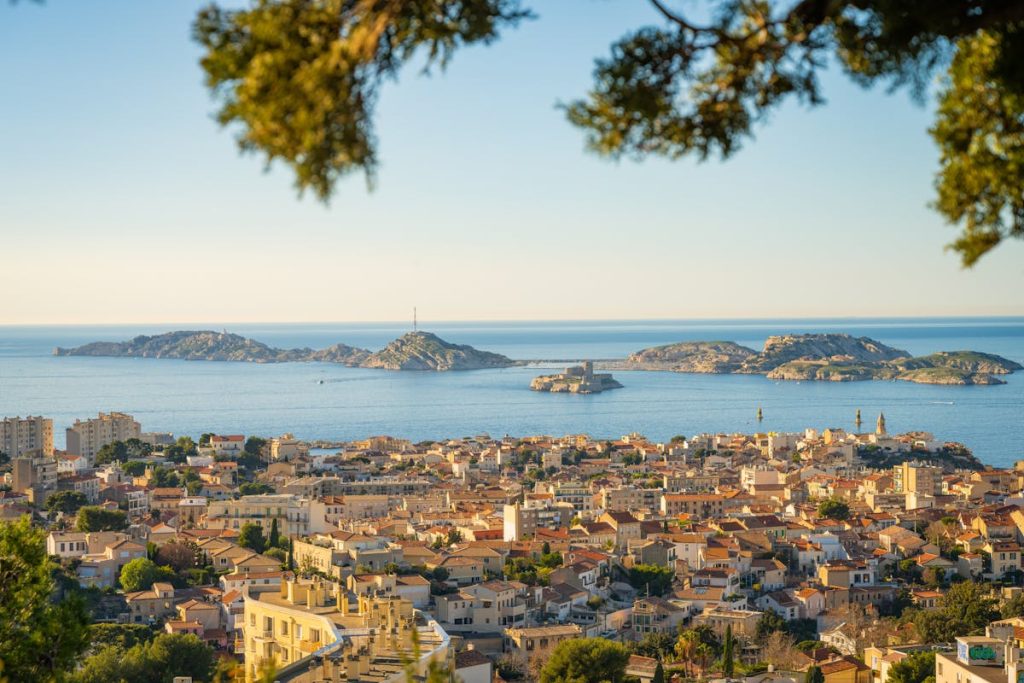
Southern Europe sees travel costs decline rapidly once summer holidays end. Countries like Spain, Italy, and Greece experience reduced airfare and hotel rates beginning in September. Beach destinations lose peak demand, while cities remain active and comfortable to explore. Restaurants and local transport often adjust pricing as crowds thin. Attractions stay open, but lines shorten. The shoulder season brings mild weather without summer premiums. Fall pricing reflects lower regional travel volume rather than reduced quality. Travelers benefit from accessible accommodations, discounted flights, and everyday expenses that drop quickly across Mediterranean destinations after August concludes.
Southeast Asia
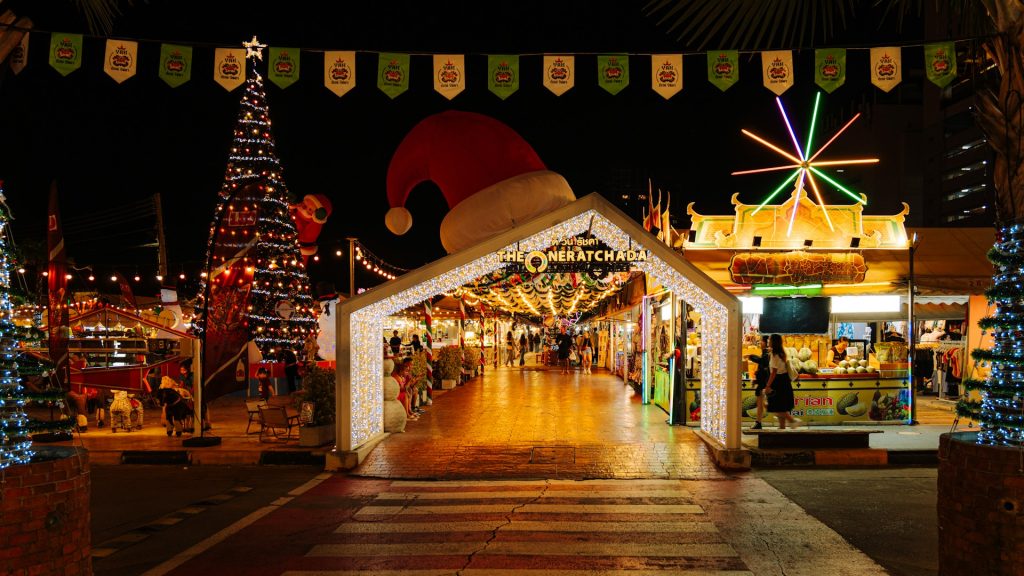
Southeast Asia experiences fast falling travel costs during fall due to shifting weather patterns. The season coincides with monsoon periods in countries like Thailand, Vietnam, and Indonesia, reducing demand. Airlines lower fares, and hotels adjust rates to attract visitors. Rain typically arrives in short bursts, allowing continued sightseeing. Cultural sites remain open, and cities stay lively. Lower prices reflect seasonal demand rather than closures. Fall offers strong value for travelers comfortable with occasional rain, as transportation, accommodations, and guided experiences often cost significantly less than during winter and peak holiday months. Fewer crowds also create calmer travel conditions across popular destinations.
Eastern Europe
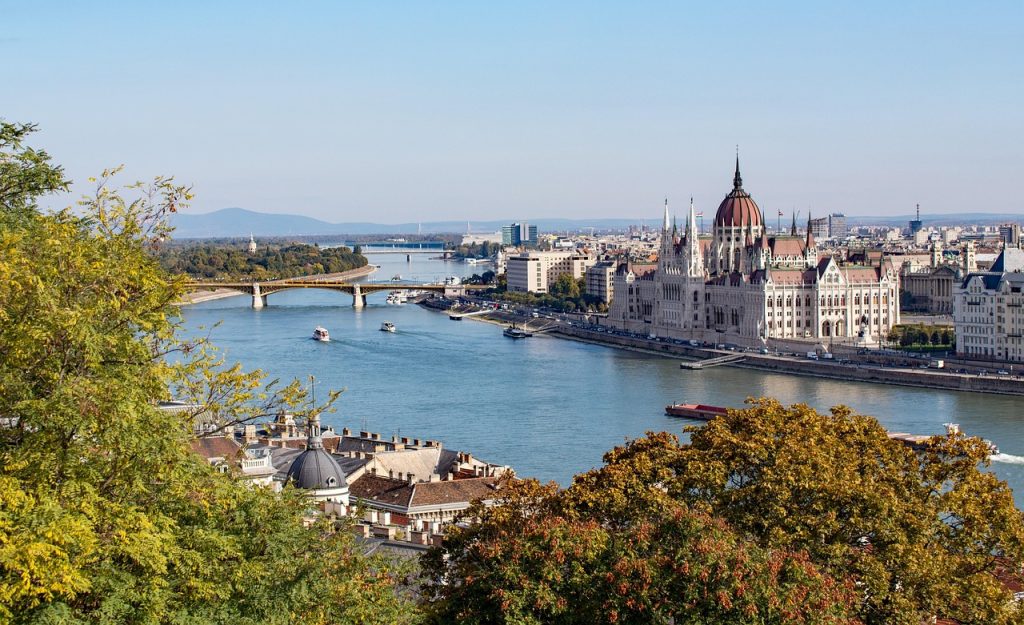
Eastern Europe sees noticeable price drops during fall as summer tourism fades. Cities such as Prague, Budapest, and Kraków experience lower hotel rates and cheaper flights after August. Weather remains comfortable, supporting walking and sightseeing. Cultural attractions operate normally, while crowds thin considerably. Restaurants and local services often become more affordable. The region’s pricing adjusts quickly due to reduced international demand rather than seasonal shutdowns. Fall travel delivers strong value through reduced accommodation costs, accessible transportation, and continued cultural programming across historically rich destinations throughout Central and Eastern Europe.
The American Midwest

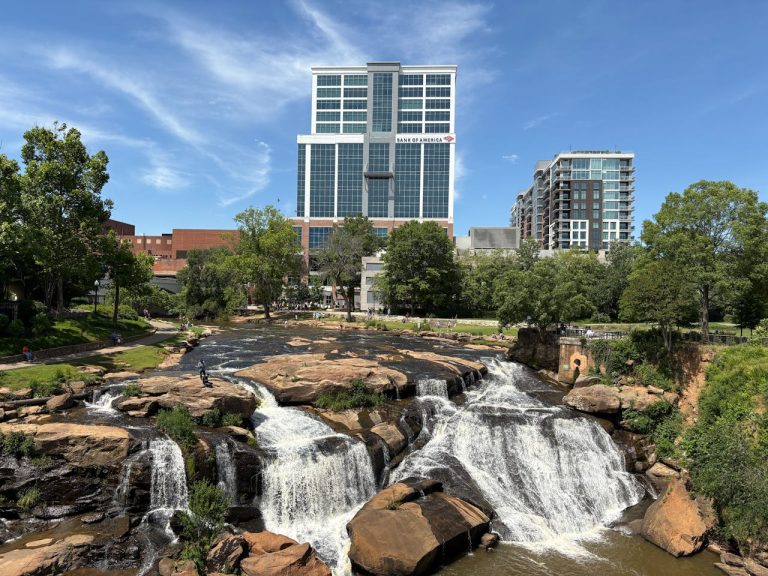
The American Midwest experiences rapid travel cost declines after summer ends. Family vacations taper off once schools reopen, lowering demand for hotels and flights. Cities like Chicago, Minneapolis, and St. Louis see reduced lodging prices and airfare for tourist. Attractions remain open, and weather stays mild through much of fall. Road travel becomes more affordable as rental rates drop. Festivals and cultural events continue without peak pricing. The region’s affordability improves quickly due to domestic travel patterns, making fall an ideal time to explore urban centers and natural attractions without summer crowds. Smaller crowds allow deeper engagement with local culture and seasonal events.
Mexico

Mexico sees travel prices drop quickly in fall following summer vacation season. Coastal destinations like Cancún and Puerto Vallarta experience reduced hotel rates and airfare starting in September. The period overlaps with hurricane season, lowering demand despite many clear travel days. Cultural cities such as Mexico City and Oaxaca remain active with stable weather. Tourism infrastructure stays fully operational. Lower costs reflect seasonal booking patterns rather than reduced services. Fall travel offers significant savings on accommodations, and tours, especially for travelers flexible with timing and attentive to regional weather forecasts. Seasonal promotions and quieter resorts further enhance value during early autumn months.
Portugal

Portugal experiences swift travel cost reductions in fall as European summer holidays conclude. Destinations like Lisbon, Porto, and the Algarve see lower hotel prices and airfare beginning in September. Beaches quiet, while cities remain vibrant and walkable. Weather stays warm, supporting sightseeing without peak demand. Restaurants and local transportation adjust pricing as crowds decrease. Attractions operate normally. The drop in costs reflects seasonal tourism cycles rather than reduced accessibility. Fall provides strong value across Portugal, combining favorable weather, cultural activity, and noticeably lower overall travel expenses. Local festivals and everyday life continue without heavy tourist pressure during autumn.
Japan

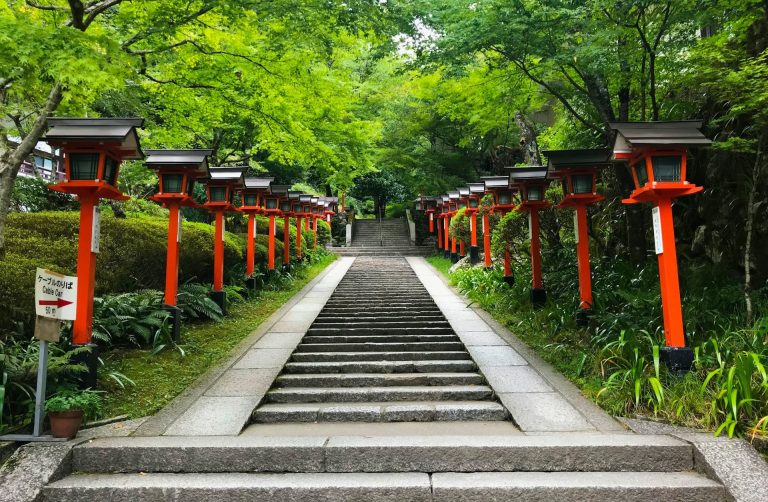
Japan’s travel costs decrease in fall after summer festivals and school holidays end. Domestic and international demand drops in September, leading to lower airfare and hotel rates. Cities like Tokyo, Osaka, and Kyoto remain fully operational with comfortable temperatures. Attractions stay open, and transportation systems function normally. Early fall precedes peak foliage season, keeping prices lower before demand rises again. The reduction reflects calendar driven travel patterns rather than seasonal closures. Fall travel offers savings on accommodations and flights while maintaining access to cultural sites, dining, and efficient public transportation nationwide. Quieter travel weeks allow deeper cultural engagement without peak season pressure.
South America.
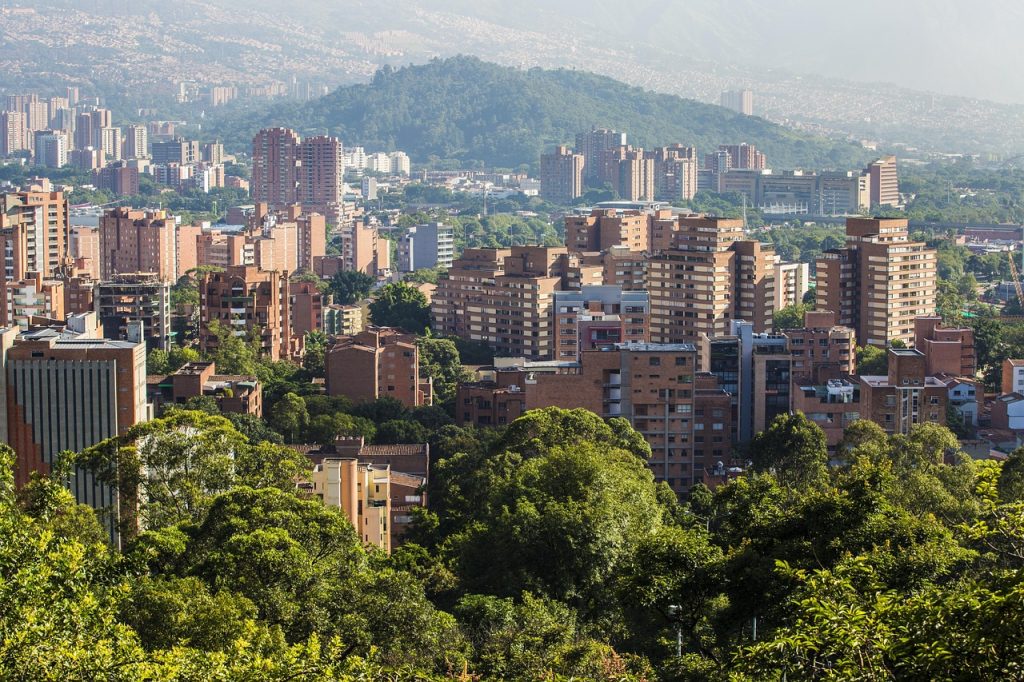
South America experiences falling travel costs during fall, which aligns with the region’s shoulder season. Countries like Peru, Colombia, and Chile see reduced airfare and lodging prices after peak winter tourism ends. Weather remains favorable in many areas, supporting sightseeing and outdoor activities. Attractions stay open, while visitor numbers drop. Airlines and hotels adjust pricing quickly due to decreased international demand. Fall offers strong value for exploring cities, cultural sites, and landscapes without high season costs. The region’s affordability improves rapidly, rewarding flexible travelers with lower overall expenses. Currency exchange rates often favor visitors, further increasing affordability across diverse destinations.