8 Secret Beaches Off the Main U.S. Tourist Paths
America’s beach map is crowded with famous names, yet many of the most memorable shorelines sit beyond ferry routes, forest trails, and lightly marked coastal roads. These quieter places are not empty by accident. They are protected by distance, tide timing, permit systems, and simple effort, which naturally filters rush-hour tourism and preserves a steadier rhythm on the sand.
That slower rhythm is the real draw. Families, solo travelers, and photographers come for clear water and open horizons, then stay for something harder to name: a feeling that the day finally has room to breathe, listen, and unfold without pressure through late light.
Shi Shi Beach, Washington
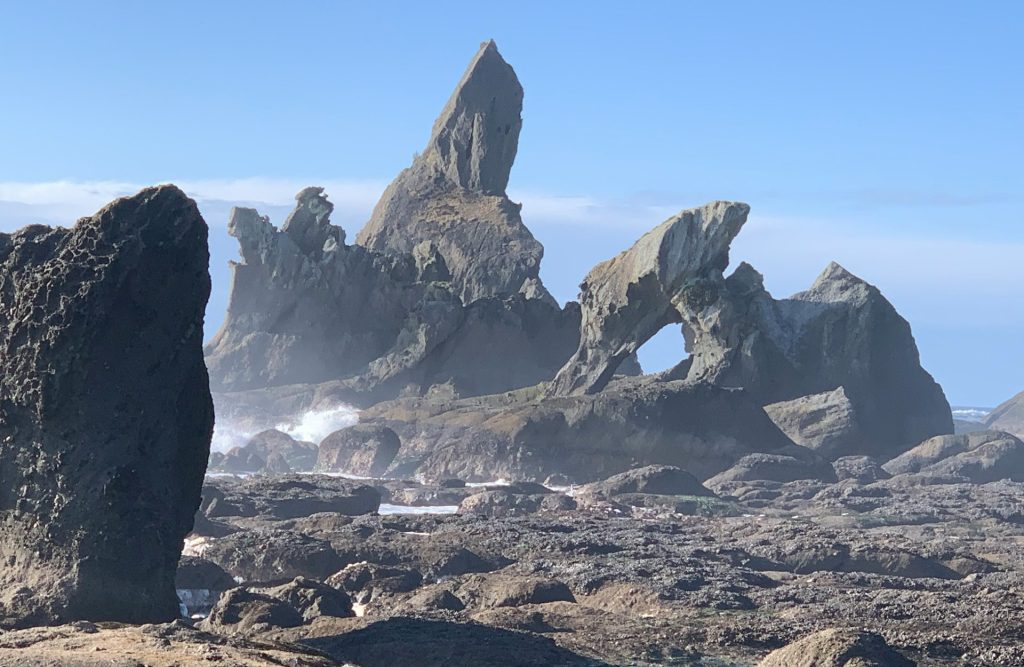
Shi Shi Beach on Washington’s far northwest coast rewards effort with broad sand sea stacks, and a shoreline that still feels intentionally remote. Olympic National Park requires wilderness permits for overnight stays, and the trailhead sits on Makah land where a recreation pass is required before arrival.
Those two checkpoints shape the pace in a useful way. People who come here usually arrive prepared for tide timing, changing weather, and a slower day outdoors. The beach stays memorable because access asks for planning, not high-volume entertainment. Even on busy weekends, the shore feels calm compared with easier highway pull-ins nearby.
Enderts Beach, California
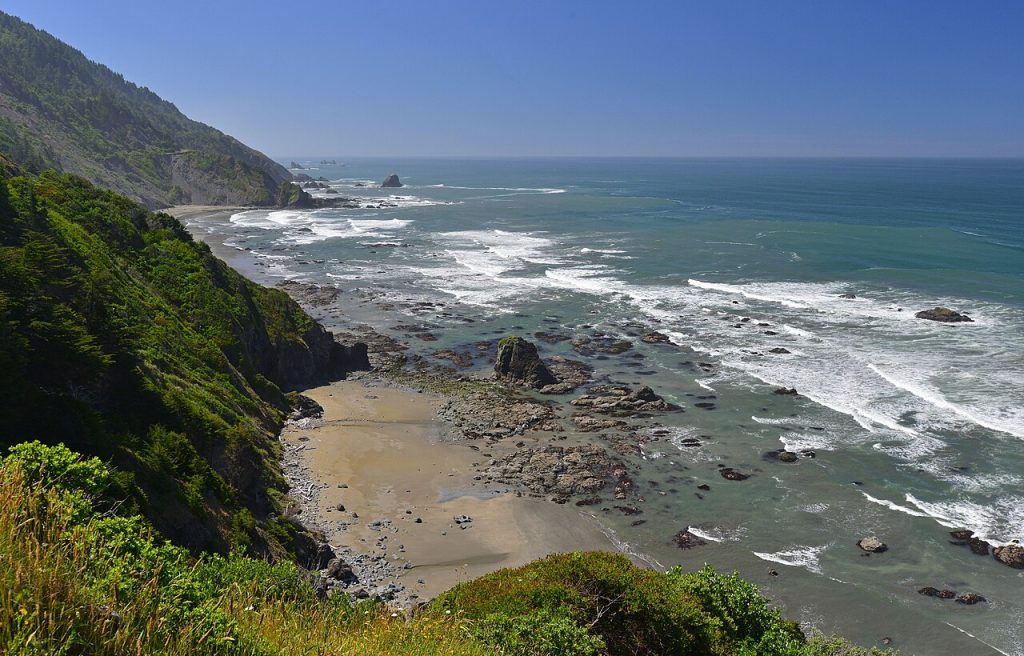
Enderts Beach, near Crescent City, begins with a short descent and opens into a rugged shoreline known for tidepools and shifting surf conditions. The National Park Service notes the route as about a half-mile hike down and emphasizes that low tide is the safest and most rewarding window for exploring marine life.
That guidance matters. Sneaker waves and fast changes in ocean energy are part of this coast, so visitors who check tide tables and stay alert usually get a calmer, richer experience. The result is a beach day built around observation, not noise, and that is exactly the point here. Timing and attention shape the entire visit.
Wildcat Beach, California
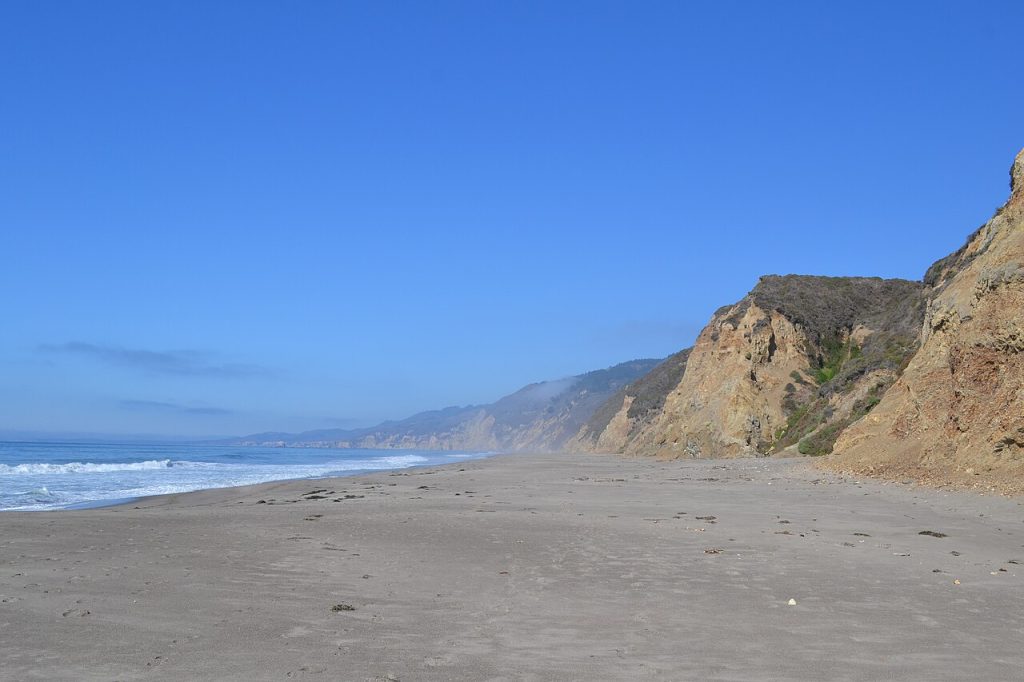
Wildcat Beach in Point Reyes feels earned rather than found. NPS guidance routes Alamere Falls visitors through Wildcat Campground and then about one mile south along the beach, which means most people arrive after a real hike and with a clear sense of changing tide and weather conditions.
That built-in effort keeps the shoreline quieter than headline beaches near major cities. Instead of short stops and crowded overlooks, the day tends to stretch into long walks, careful timing, and attention to cliffs, wind, and moving water. The coast feels less curated, and far more alive, because it still asks something from each visitor.
Bear Island, North Carolina
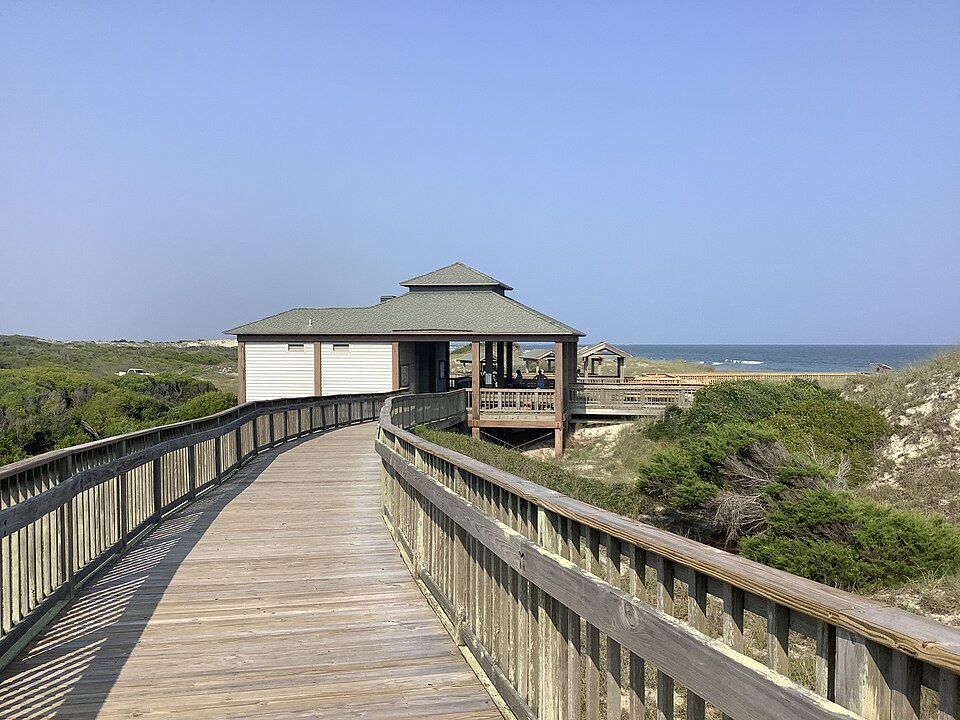
Bear Island at Hammocks Beach State Park remains one of the clearest examples of low-build coastal travel on the East Coast. North Carolina State Parks describes it as a four-mile undeveloped barrier island, with access by ferry, paddlecraft, or private boat, and no beach access from the mainland park area.
Those logistics filter out rush tourism without turning the trip into a hardship. By the time visitors step onto the sand, the pace has already slowed, and the shoreline feels quiet and practical in the best way. It is less about attractions and more about space, wind, and time that is not being rushed. That contrast stays with people.
Cumberland Island, Georgia
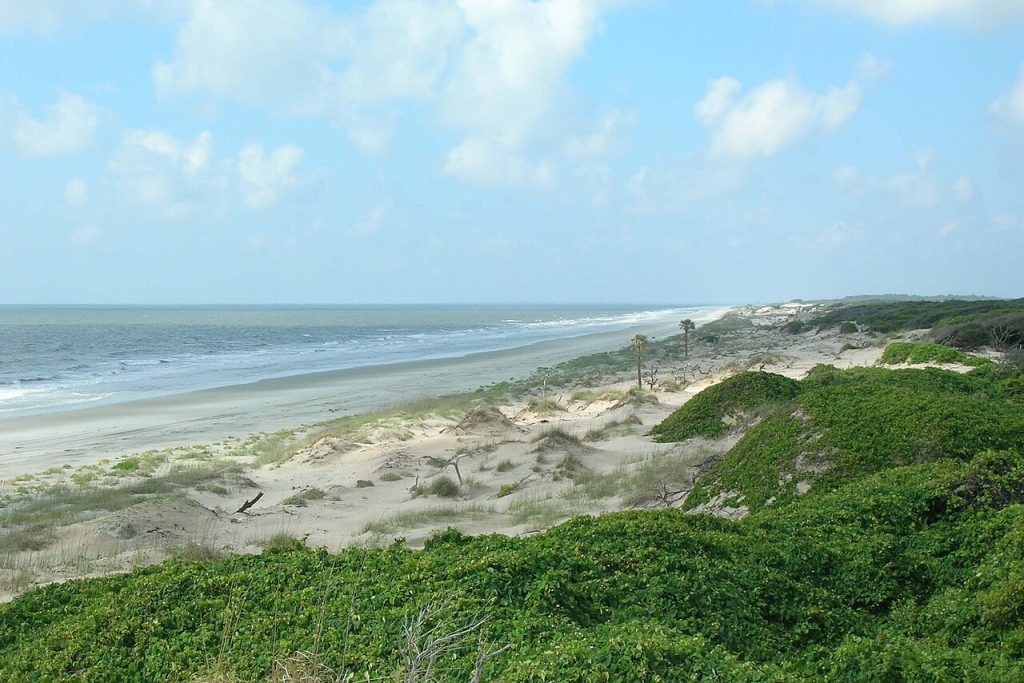
Cumberland Island National Seashore keeps distance from crowded coastal routines through simple, firm constraints. NPS visitor guidance states the island is accessible only by boat, the ferry ride is about 45 minutes, and roads on the island are unpaved sandy surfaces rather than paved corridors built for quick circulation.
That structure changes expectations before anyone arrives. A trip here works best when planned for heat, walking time, and fewer conveniences, which is exactly why the beach experience feels grounded once on shore. The setting favors attention over speed and is remembered long after the return ferry docks.
Cape Lookout, North Carolina
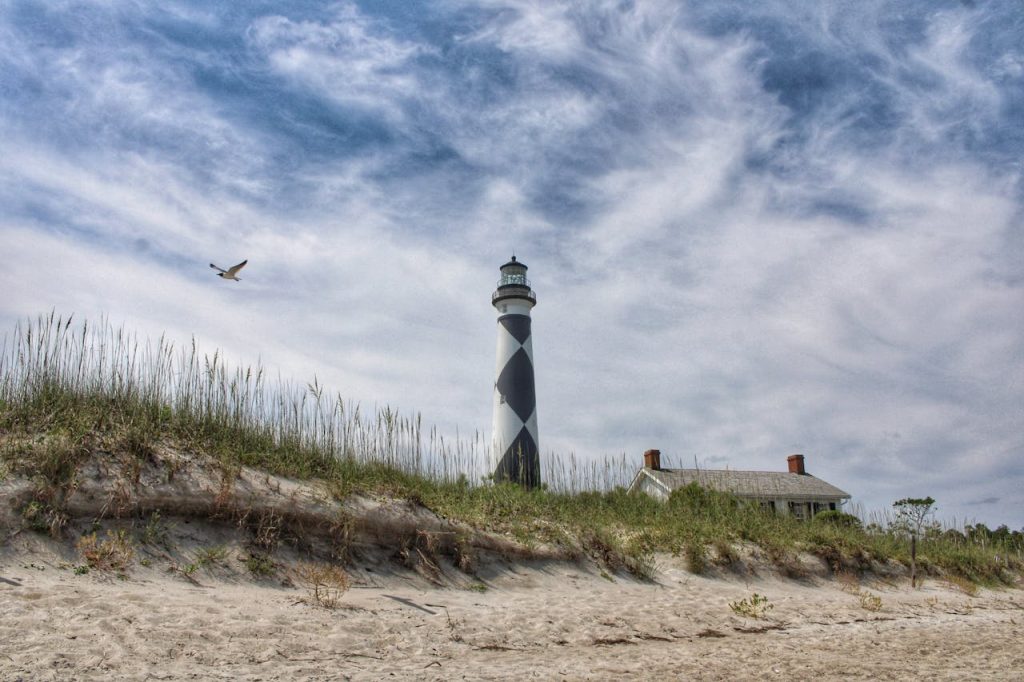
Cape Lookout National Seashore still feels intentionally detached from the mainland beach circuit. NPS boating guidance states the islands are reachable only by boat, whether by ferry, private craft, or paddling routes, and that single condition keeps the shoreline from filling like road-access resorts during peak windows.
Because arrival itself takes planning, people tend to spend longer blocks of time in fewer places once they land. The reward is a coast where dunes, sky, and long sightlines carry the experience instead of shops and traffic. It is a practical reminder that access design often decides whether a beach feels crowded or calm.
Dry Tortugas, Florida
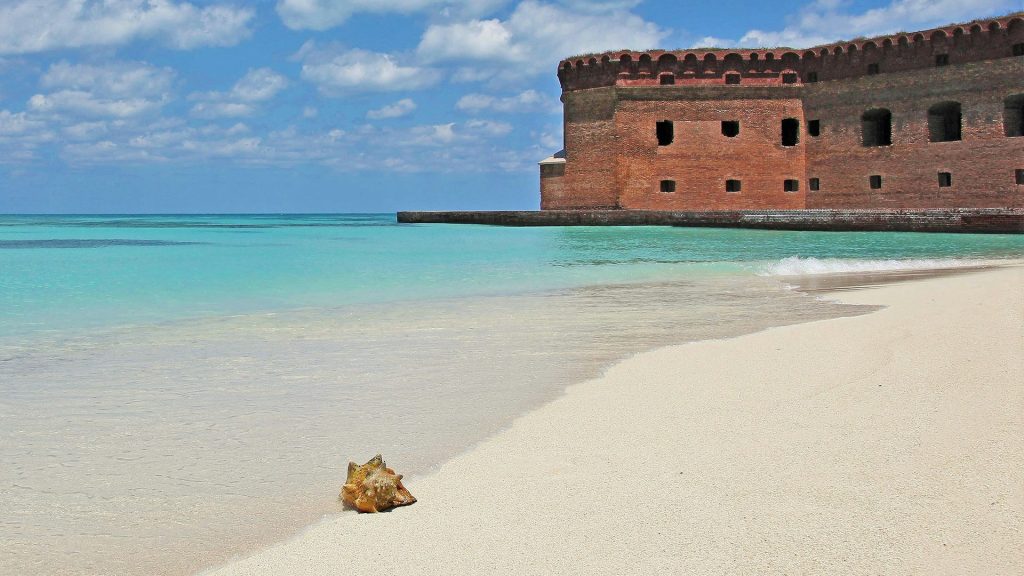
Dry Tortugas National Park sits far enough from Key West that the journey becomes part of the day, and that distance protects the mood. NPS guidance is direct: with no car access, the park is only reachable by boat or seaplane, so nearly every visitor arrives with a fixed schedule and basic trip planning.
That constraint creates a rare kind of quiet for Florida water travel. Hours on the island tend to feel deliberate, with time split between shoreline walks, shallow-water views, and fort history rather than rapid stop-and-go tourism. Remoteness is not a side note here. It is the reason the beach experience still feels clear and unhurried.
Kalalau Beach, Hawaii
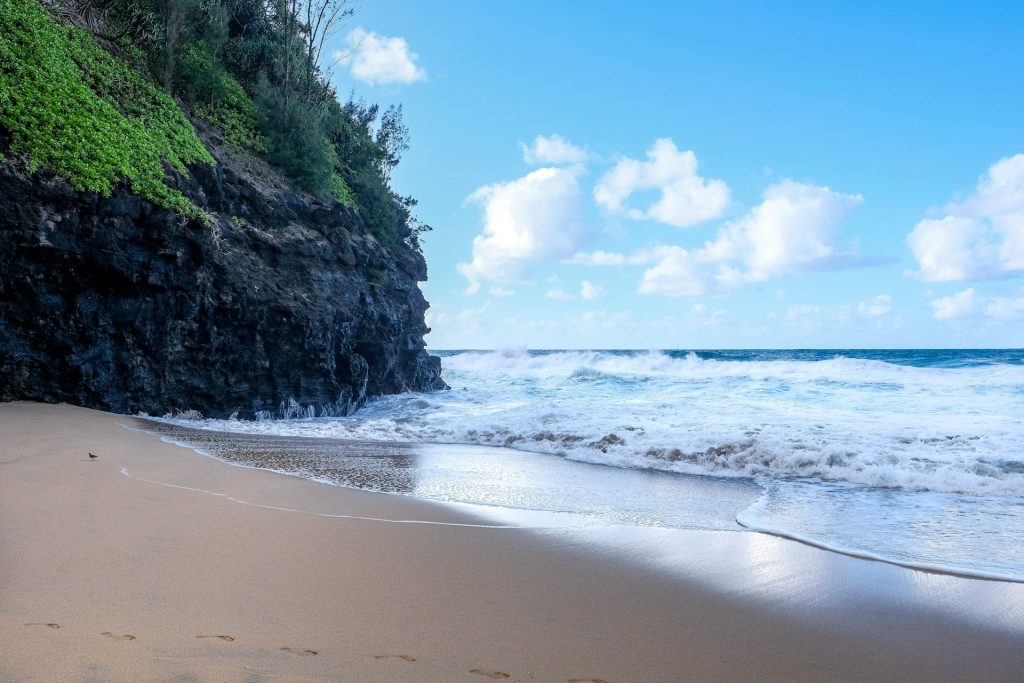
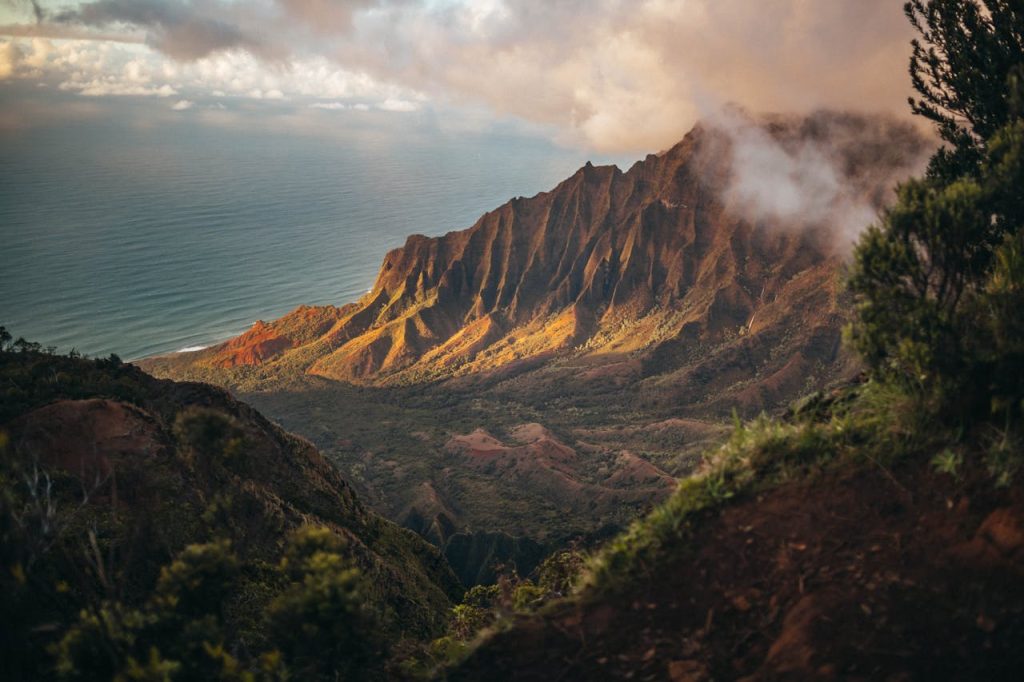
Kalalau Beach on Kauai’s Na Pali Coast remains one of the controlled access shorelines in the United States, and that control is intentional. Hawaii State Parks states that day-use reservations or a valid camping permit, plus parking reservations, are required for Kalalau Trail access, which prevents uncontrolled surges.
Those rules do more than manage numbers. They set a tone where preparation, timing, and trail awareness come first, and that mindset carries onto the beach itself. People arrive focused, not rushed, and the coast feels quieter because effort and responsibility are built into entry. The result is beauty and breathing room.