8 Solo Trips That Filled Women Up Instead of Making Them Lonely
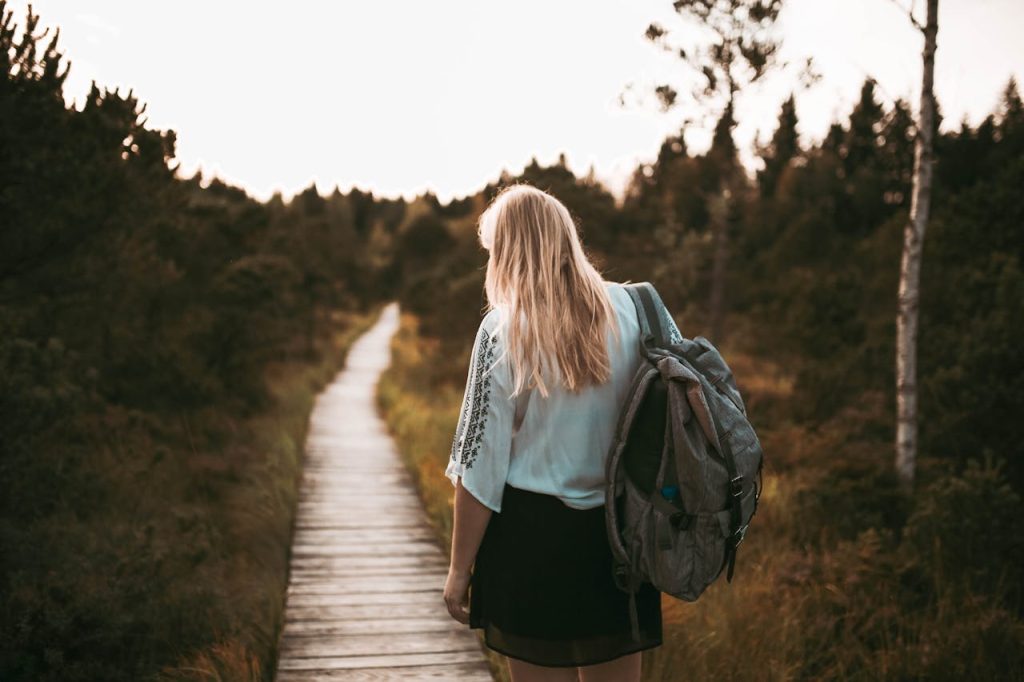
She booked the ticket for quiet, but quiet rarely stayed empty. Solo travel gave many women room to think, yet the strongest days kept filling with ordinary connection: a seat offered on a train, a café owner remembering breakfast, a market vendor waving them back the next morning.
The trips that felt least lonely were not always the biggest names. They were places built for being out in the world, where walking was easy, routines repeated, and a person traveling alone could still feel part of the day around her. What stayed with them later was not noise, but the feeling of being recognized in small, steady ways. That changed the whole tone.
Lisbon By Tram And Foot
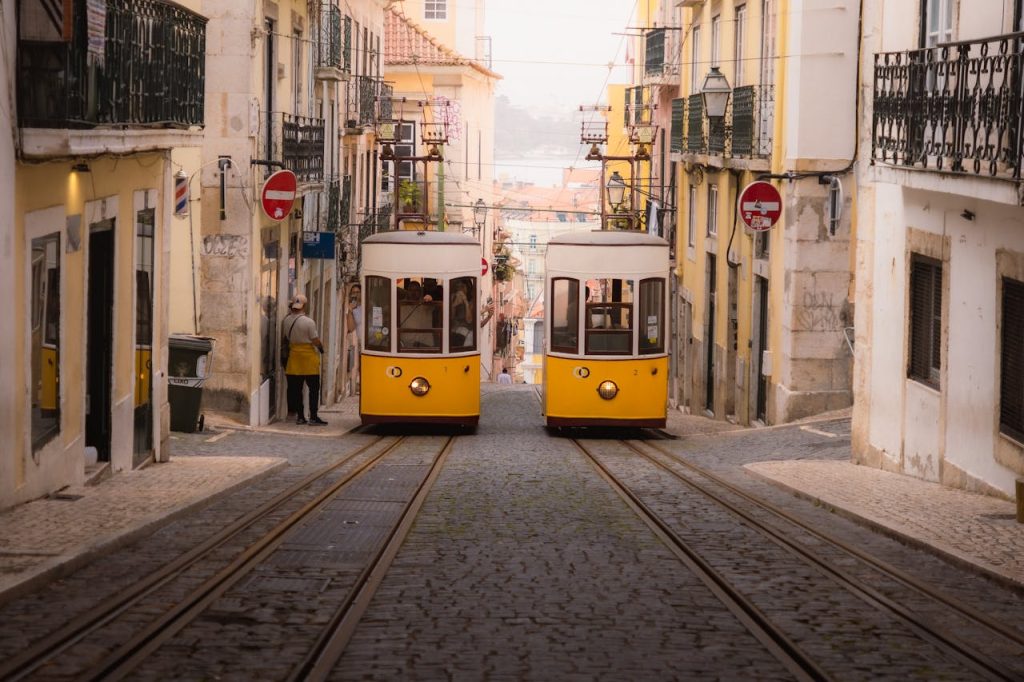
Lisbon made solo travel feel visible instead of isolated. Hills, miradouros, and neighborhood cafés kept the day moving at street level, so a woman could spend hours alone and still feel surrounded by life. The city rewarded slow habits, and even a simple breakfast stop often turned into a familiar place by the second morning.
Visit Lisboa notes that tram 28 runs between Graça and Prazeres, crossing historic areas including Baixa, Chiado, and Estrela, with the cathedral on the route. Its old bell and looping path gave solo travelers a steady thread through the city and an easy way to return to places they liked, without overthinking the day.
Kyoto Through Gion And Kiyomizu
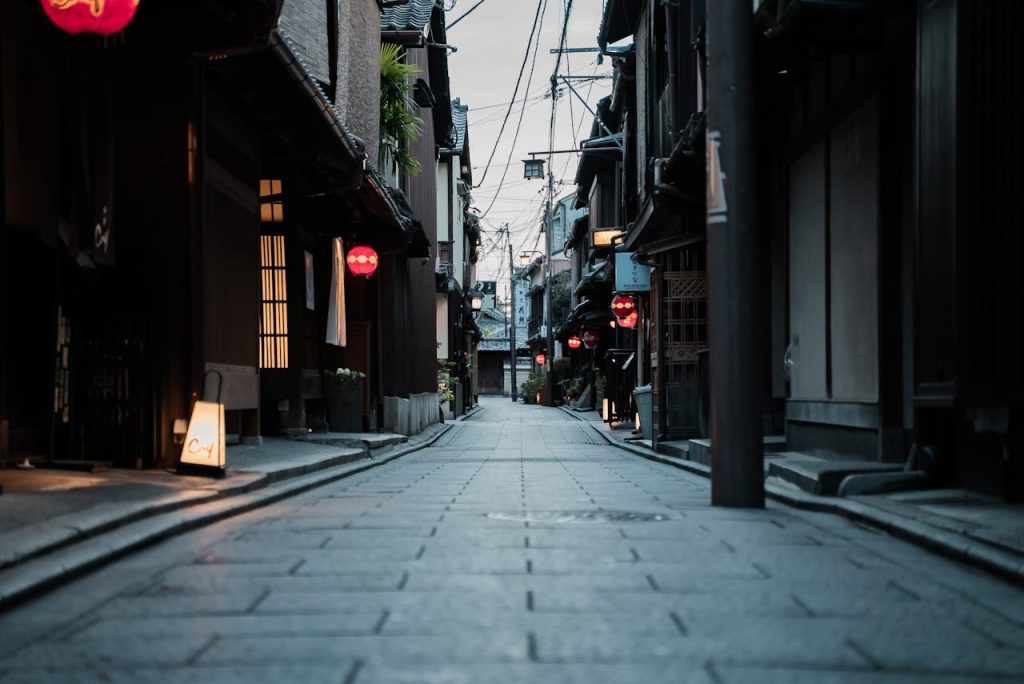
Kyoto gave solo women something many destinations miss: quiet that still feels shared. A temple morning could stay reflective, then open into pottery streets, tea counters, and lantern-lit lanes with enough movement around them to make the day feel connected instead of closed.
Kyoto Travel describes Gion and Kiyomizu as an area of temple streets and alleys lined with ceramics shops, and notes that Gion developed near Yasaka-jinja Shrine and remains a district where geiko and maiko live. That mix of ritual, craft, and daily foot traffic made solo wandering feel natural well into the evening, without forcing the pace. It felt calm, not remote.
Reykjavík Between Pools And Harbor
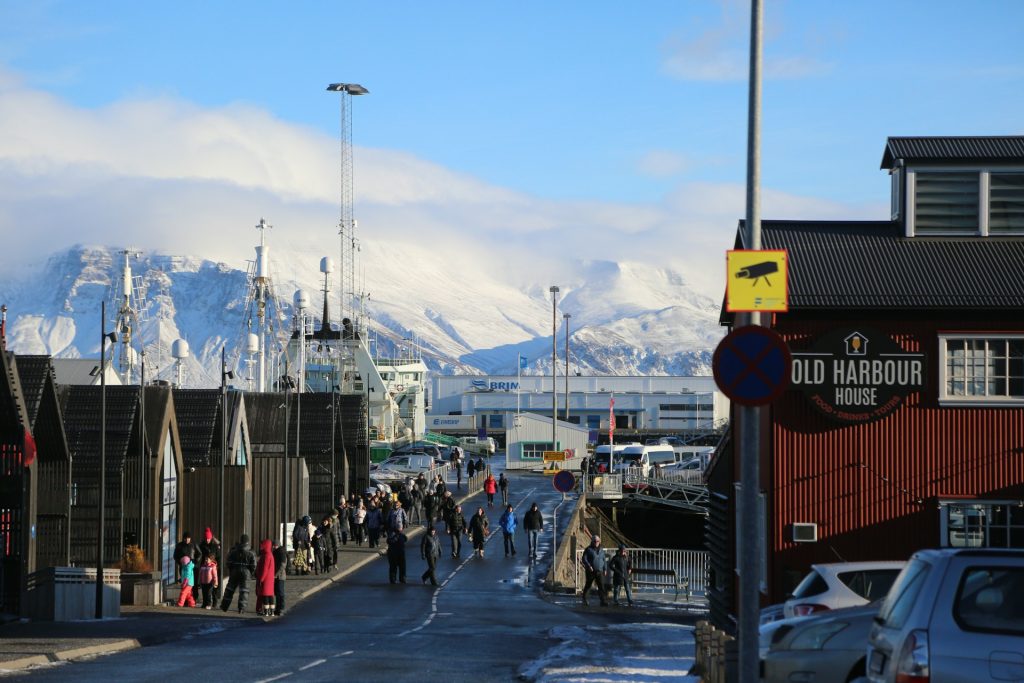
Reykjavík worked for solo travelers because the center was easy to learn fast. A woman could build a simple rhythm without overplanning: coffee, a harbor walk, a museum, then a slow evening in warm water. The city stayed lively, but not overwhelming, which made small conversations feel easy to carry.
Visit Reykjavík describes downtown as a compact hub where culture, history, creativity, and nightlife meet, and says the city center is filled with landmarks, cafés, and main streets like Laugavegur. The same guide also highlights 18 public geothermal pools across Reykjavík, which often become the social pause in the day and evening after dark.
Edinburgh From Old Town To New Town
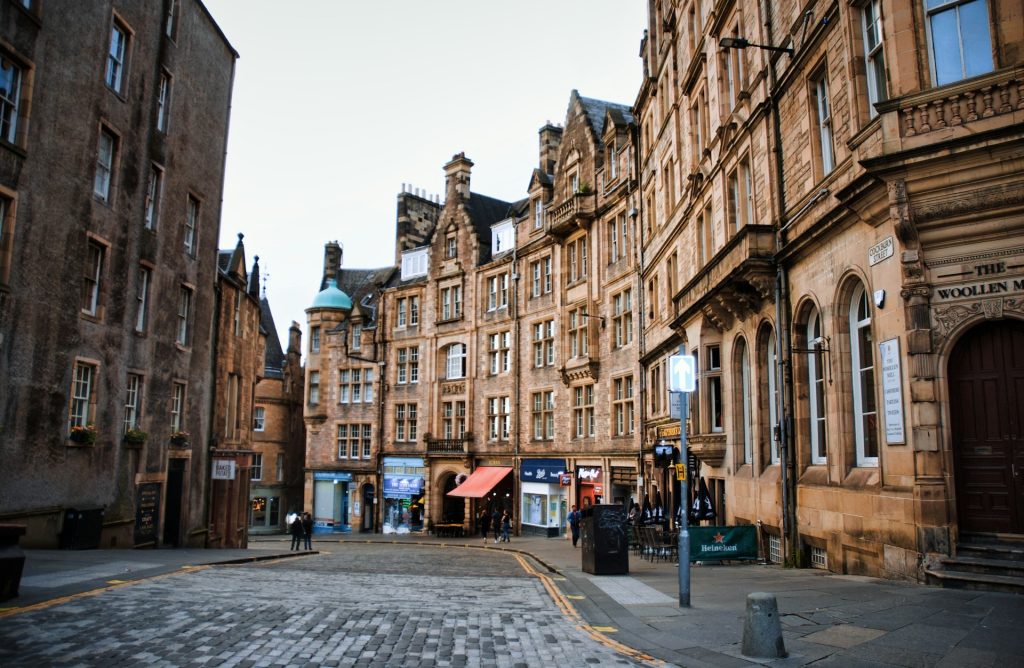
Edinburgh gave solo travel a strong sense of momentum. One walk could move from a steep medieval close to a broad Georgian street, and that contrast kept the day interesting even without company. The city felt dramatic, but it also felt readable, which helped many women settle in quickly.
UNESCO describes Edinburgh as the Scottish capital since the 15th century and highlights its two distinct areas: the Old Town, shaped by medieval growth, and the neoclassical New Town, planned in the 18th century. It also points to the city’s dramatic topography and skyline, which makes even ordinary walks feel layered and memorable for days on foot alone.
Oaxaca City And Monte Albán
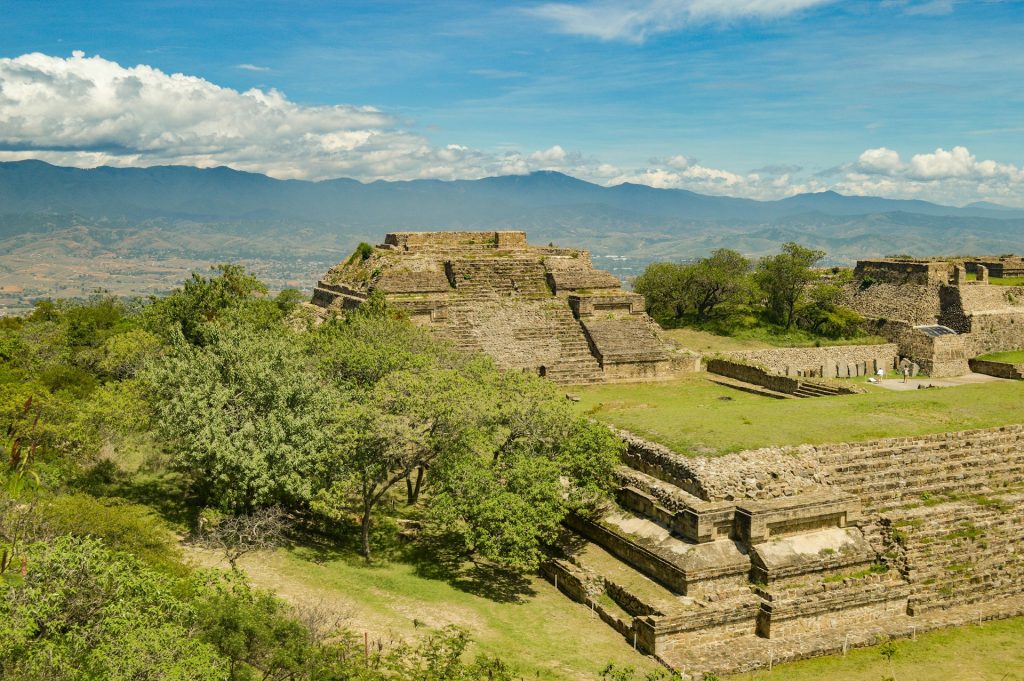
Oaxaca City felt warm in an everyday way that mattered on a solo trip. Public life stayed visible, meals stretched naturally, and the historic center made it easy to build a routine without feeling boxed in. A quiet afternoon still carried sound, motion, and the sense that the city was sharing itself.
UNESCO describes Oaxaca as a colonial city built on a grid pattern and pairs it with Monte Albán, the Valley of Oaxaca’s most important archaeological site. Its notes describe terraces, dams, canals, pyramids, and mounds carved from the mountain, plus a long history shaped by Olmecs, Zapotecs, and Mixtecs across 1,500 years there in one visit.
Florence In A Walkable Renaissance Core
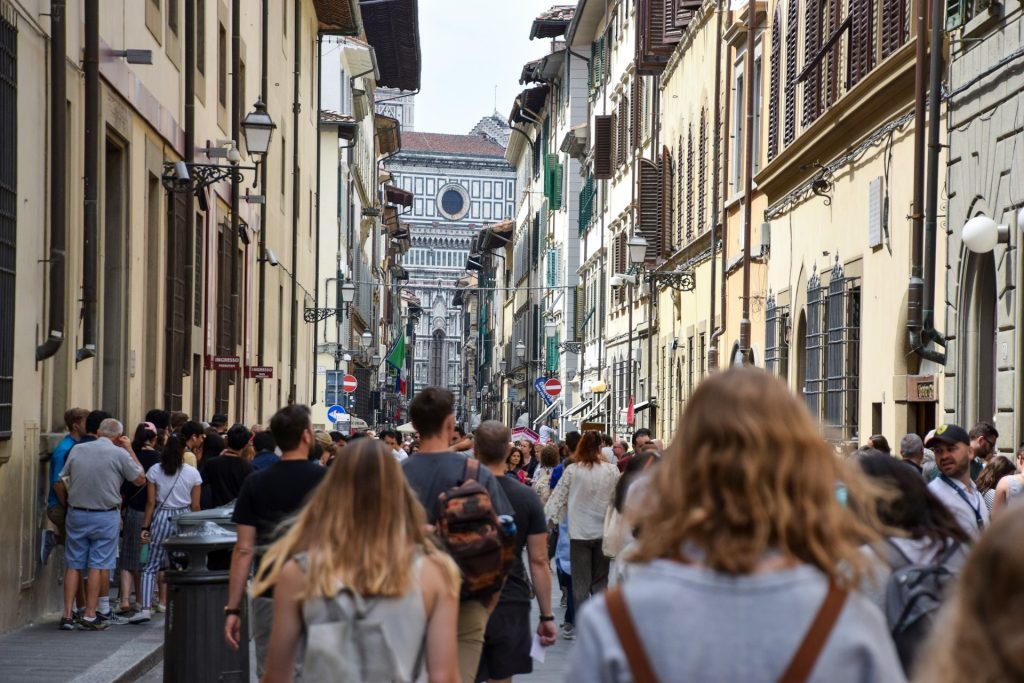
Florence made solo travel feel focused instead of scattered. The historic center held so much art and architecture within walking distance that a woman could spend a full day alone without losing momentum. Museums, piazzas, and short café stops created natural pauses, and the city’s scale made return visits easy.
UNESCO calls Florence a symbol of the Renaissance and notes that the historic center preserves major landmarks, including Santa Maria del Fiore, Santa Croce, Palazzo Vecchio, the Uffizi, and Palazzo Pitti. Italia.it also describes the center as an open-air museum and says Florence has been UNESCO World Heritage since 1982, good fit.
Chiang Mai With City Streets And Mountain Air
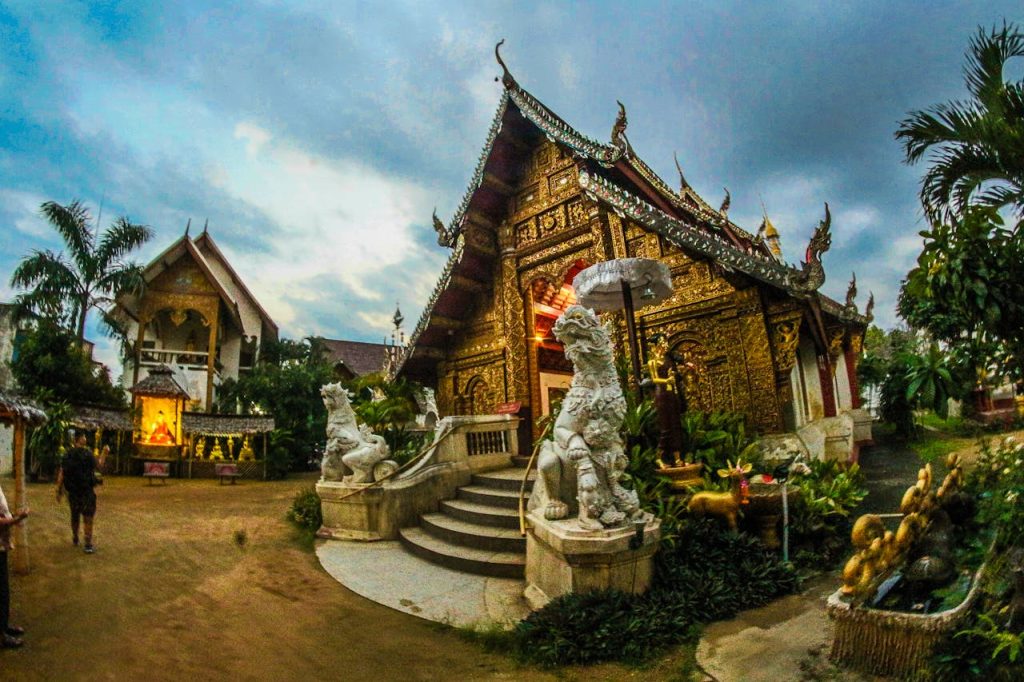
Chiang Mai suited solo women who wanted options without pressure. The city could feel quiet in the morning, creative in the afternoon, and lively after dark all without complicated logistics. That balance mattered, because a person traveling alone could follow her energy instead of forcing the day.
Thailand’s Tourism Authority highlights Chiang Mai for Queen Sirikit Botanical Garden, Rajapruek Royal Park, local art shopping, and Nimmanhaemin road for food and culture. The same official page also points to mountain outings such as Doi Inthanon and Doi Ang Khang, which gave solo trips an easy shift from city streets to cooler highland scenery.
Camino De Santiago On A Shared Route
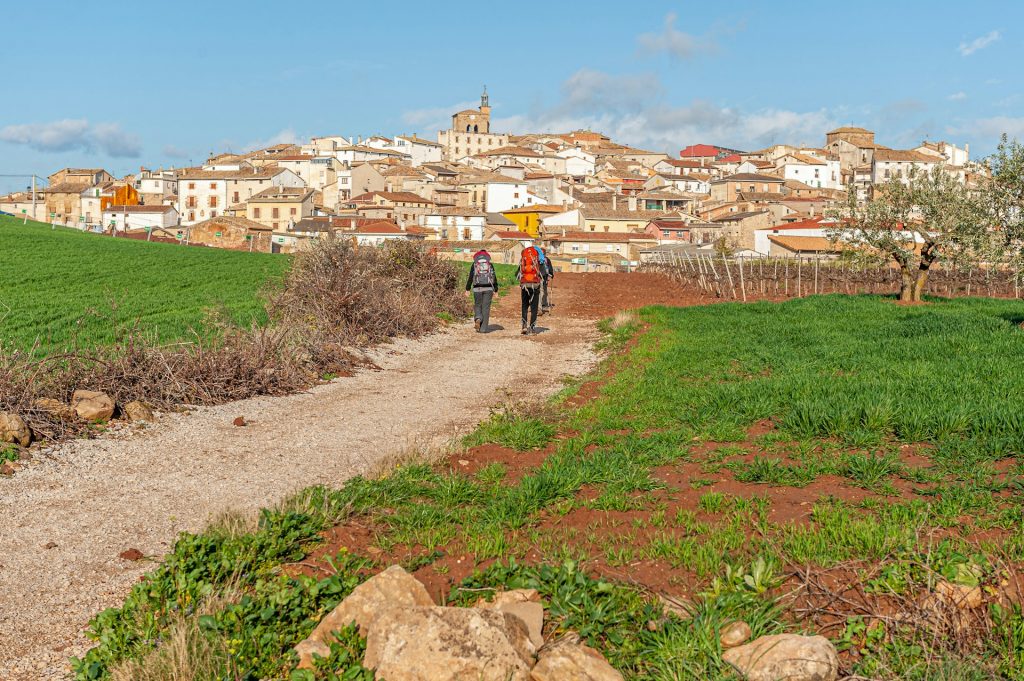
The Camino de Santiago changed the meaning of solo travel for many women. They began on their own, but the route kept creating familiar faces through shared breakfasts, trail markers, and evening stops. Even when nobody walked together all day, the path still built a quiet sense of company.
Spain’s official tourism site describes the Camino as a Jacobean pilgrimage journey through heritage, landscapes, cuisine, and historic destinations. It also presents route options including the French, Northern, and Primitive ways, and notes different ways to travel, including on foot, by bicycle, or on horseback, which helps explain its wider community.
Some journeys stay close because they show that solitude and connection are not opposites. The best ones gave women room to move at their own pace, then offered familiar corners, repeated faces, and small routines that made each evening feel less anonymous.