8 Southern Dishes You Must Try Before They Disappear from Menus
Southern cooking reflects generations of memory, tradition, and regional identity, creating dishes that feel deeply rooted in both place and story. Many recipes evolved from agricultural rhythms, family gatherings, and cultural influences that shaped communities across states like Georgia, Alabama, Louisiana, and the Carolinas. As modern tastes shift and restaurants adapt to changing demands, several beloved Southern staples appear less frequently on menus, making each opportunity to enjoy them even more meaningful for diners who appreciate authentic regional heritage. These dishes highlight techniques passed down through time, ranging from slow simmering to delicate frying, and they showcase ingredients that once defined everyday meals throughout the region. Exploring them offers more than flavor; it provides a connection to the cultural heritage that continues to shape Southern culinary traditions and enriches the experience of understanding food history.
Country Captain Chicken
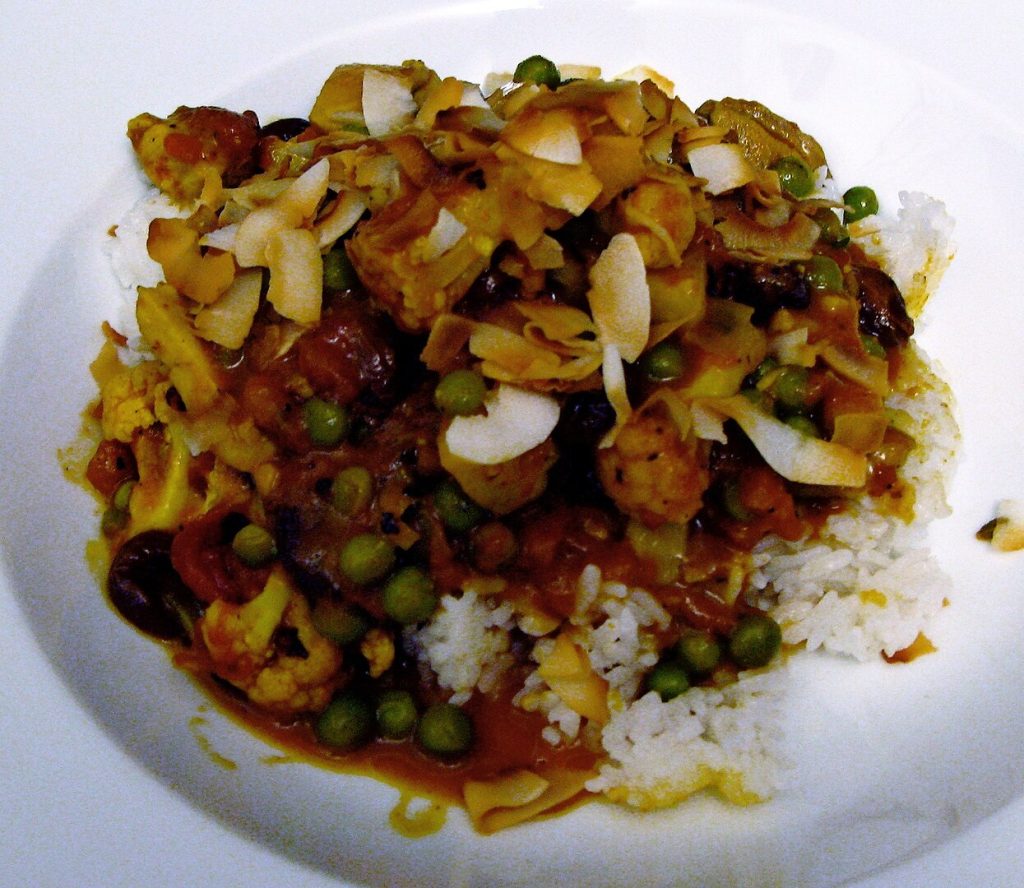
Country Captain Chicken remains a cherished dish in parts of Georgia and South Carolina, known for its fragrant blend of curry powder, tomatoes, onions, and tender stewed chicken. The recipe reflects historical ties to the spice trade and maritime routes that influenced Southern port cities for generations of cooks and families. Although home cooks once prepared it regularly, the dish appears less often on modern restaurant menus as tastes evolve toward contemporary flavors and international influences. Its layered seasoning, gentle heat, and hearty texture create a comforting meal that showcases the region’s international influences and longstanding culinary creativity. Country Captain serves as a reminder of how Southern cuisine can blend global inspiration with deeply local tradition, making it a memorable dish worth seeking out before it fades further from the spotlight and culinary conversation.
Tomato Aspic
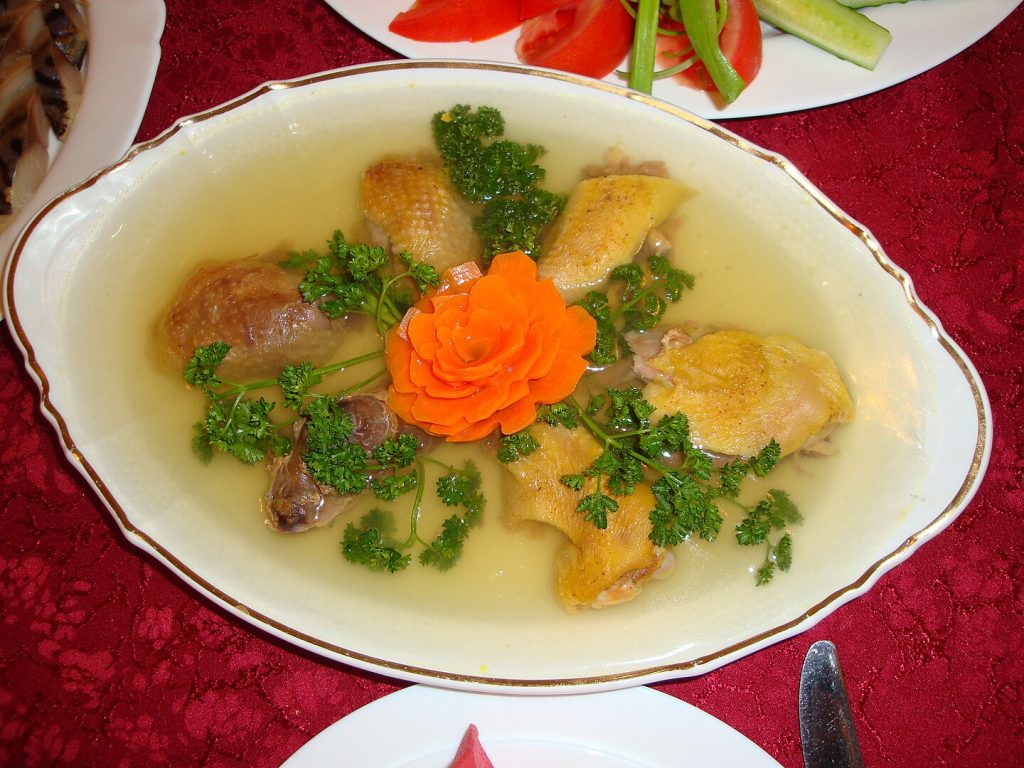
Tomato aspic stands out as one of the South’s most distinctive retro dishes, made with seasoned tomato broth set into a chilled mold and often served with crisp greens during special gatherings. Popular at midcentury luncheons, church events, and holiday tables, it carried a sense of elegant presentation and regional pride rooted in tradition. As culinary trends shifted toward fresher salads and lighter fare, aspic gradually disappeared from restaurant offerings and family menus alike across many Southern communities. Its tangy flavor and unique texture reveal the creativity that shaped many traditional Southern recipes and reflected the resourcefulness of home cooks. Enjoying tomato aspic today offers a glimpse into the entertaining customs of earlier generations and the thoughtful preparation once associated with special occasions across the region’s cultural landscape.
Hoppin’ John
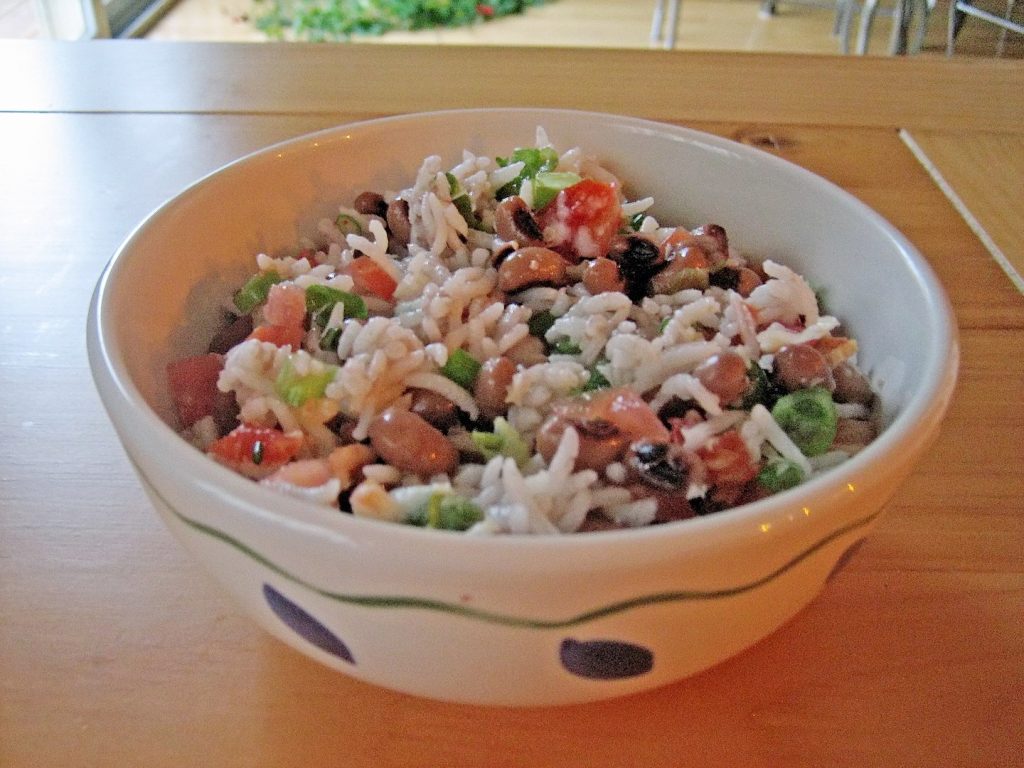
Hoppin’ John, a classic Lowcountry dish of field peas, rice, and smoky seasoning, reflects African, Caribbean, and Southern influences that shaped coastal communities for centuries and contributed to rich culinary identity. Traditionally served on New Year’s Day as a symbol of good fortune, it remains a significant part of regional heritage even as it appears less frequently in restaurants adapting modern menus. The dish offers comforting depth through its slow-cooked flavor and simple ingredients that highlight the South’s agricultural roots and longstanding food traditions. Although updated versions still circulate, many restaurants have shifted toward contemporary interpretations that differ from historic recipes cherished by many families. Hoppin’ John’s enduring cultural meaning makes it a dish worth experiencing in its traditional form, capturing both flavor and history in a single bowl enjoyed across generations.
Chowchow Relish
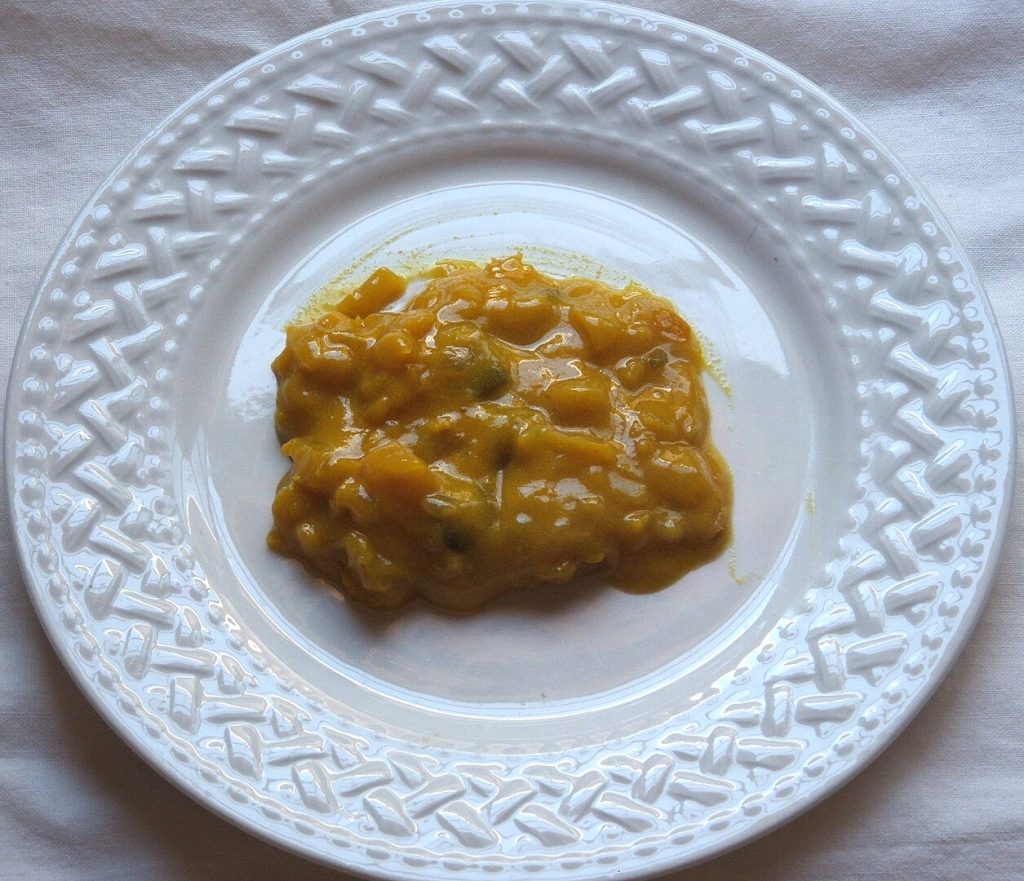
Chowchow relish brings bright, tangy flavor to Southern tables through a mixture of pickled vegetables such as cabbage, peppers, and onions seasoned with vinegar and spices for distinctive taste. Often served alongside beans, greens, or barbecue, it once appeared regularly in home kitchens where canning practices ensured flavorful additions to meals year-round across rural areas. As fewer households engage in large-scale canning and restaurants streamline menus, traditional chowchow becomes harder to find in many communities today. Its distinctive taste highlights the ingenuity and resourcefulness of earlier generations who relied on preservation techniques to extend fresh produce beyond harvest seasons. Tasting authentic chowchow provides a meaningful link to the region’s agricultural traditions and its long-standing emphasis on homemade flavor passed down through families.
Ambrosia Salad

Ambrosia salad, made with citrus segments, coconut, and occasionally cherries or whipped cream, once appeared at nearly every Southern holiday gathering or church potluck throughout the mid-20th century. Its light sweetness and colorful presentation made it a festive centerpiece throughout the mid-20th century, especially during community celebrations and family reunions. Today it shows up less often as diners gravitate toward modern desserts and fresh fruit options that reflect contemporary nutritional preferences. Despite its decline in popularity, ambrosia remains a nostalgic reminder of family celebrations and shared seasonal traditions across the region that shaped community life. The dish captures the tropical influences that reached Southern kitchens through trade and travel, making its flavors both refreshing and historically meaningful to generations past. Trying it offers a charming connection to celebrations of earlier decades and cherished memories.
Mississippi Mud Pie

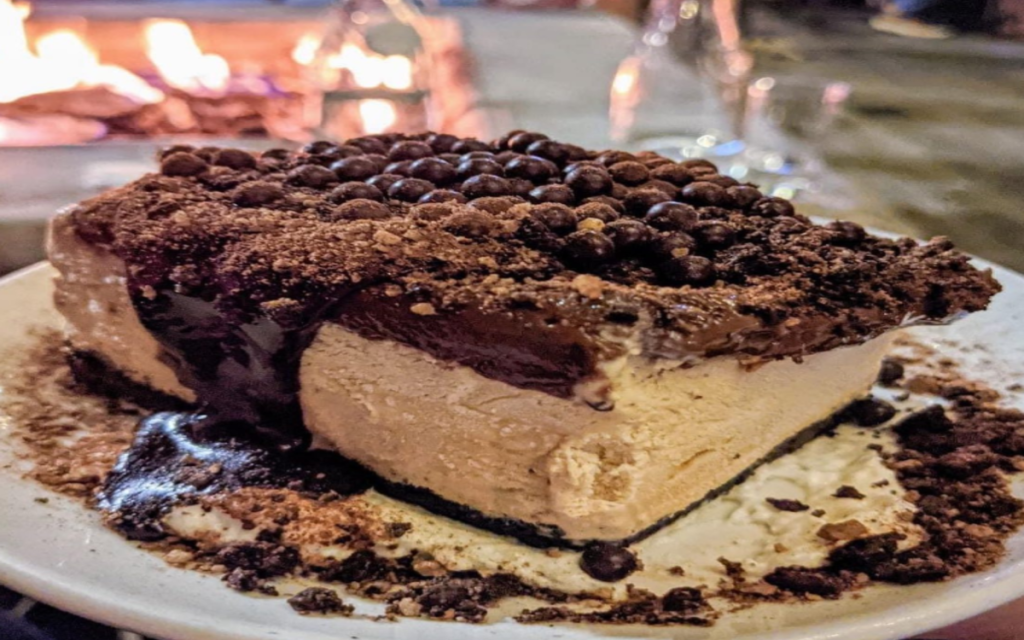
Mississippi Mud Pie stands as one of the South’s richest and most indulgent desserts, featuring layers of chocolate filling, crumb crust, and creamy topping that appeal to dessert lovers. Once a staple at diners, family restaurants, and community events, it now appears less frequently on menus as dessert trends shift toward lighter, simpler offerings influenced by wellness culture. Its dense texture and bold sweetness showcase the celebratory nature of Southern baking traditions and highlight the region’s love for decadent desserts. The pie’s origins reflect regional creativity as home bakers adapted ingredients to produce a dessert that quickly became a classic enjoyed at gatherings. Enjoying a slice today offers a delicious link to the indulgence and hospitality long associated with Southern cooking and the joyful spirit of shared meals.
Pickled Peaches

Pickled peaches provide a unique blend of sweet, spiced, and tangy flavors that once appeared frequently on Southern tables, especially during holiday meals and seasonal gatherings. The dish reflects a preservation tradition that allowed families to enjoy ripe fruit long after harvest seasons ended in agricultural communities across the region. Cinnamon, cloves, and vinegar lend warmth and complexity, creating a side dish that pairs beautifully with pork or roasted meats on celebratory menus. As commercial production slowed and home canning decreased, pickled peaches became less common in both restaurants and households across the South. Their distinctive taste highlights the region’s agricultural heritage and the importance of seasonal preservation in shaping regional cuisine and culinary identity. Seeking them out today offers a flavorful window into the past and cherished traditions.
Brunswick Stew
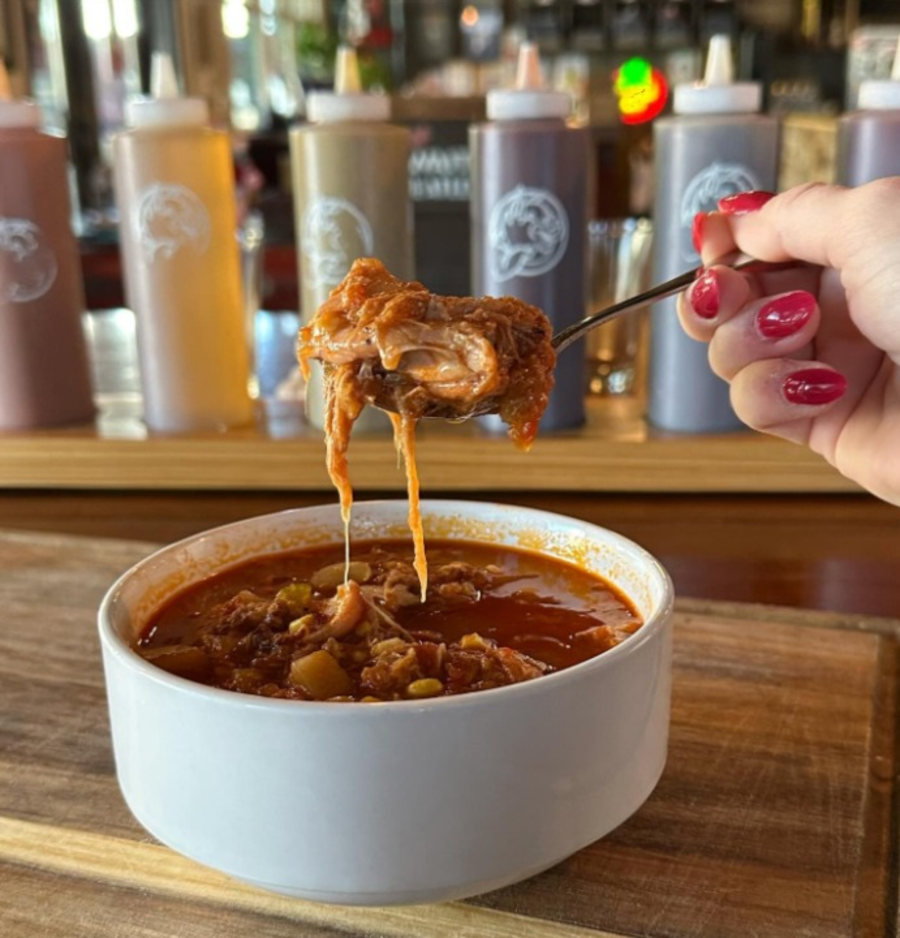
Brunswick stew remains a beloved staple in parts of Georgia and Virginia, featuring a hearty combination of vegetables and slow-cooked meats such as chicken or pork in a flavorful broth. Traditionally made in large outdoor pots for community gatherings, the dish carries deep cultural roots that tie towns and families together through shared preparation and celebration. While still available at some barbecue restaurants, it appears less frequently than in decades past as menus shift toward modern offerings influenced by contemporary tastes. Its rich, comforting flavor showcases the South’s communal approach to cooking and the value placed on resourcefulness and extended simmering. Trying authentic Brunswick stew offers insight into a tradition that has shaped regional identity for generations and continues to inspire appreciation for shared culinary experiences.