8 States Where Speed Enforcement Is Catching Tourists Off Guard
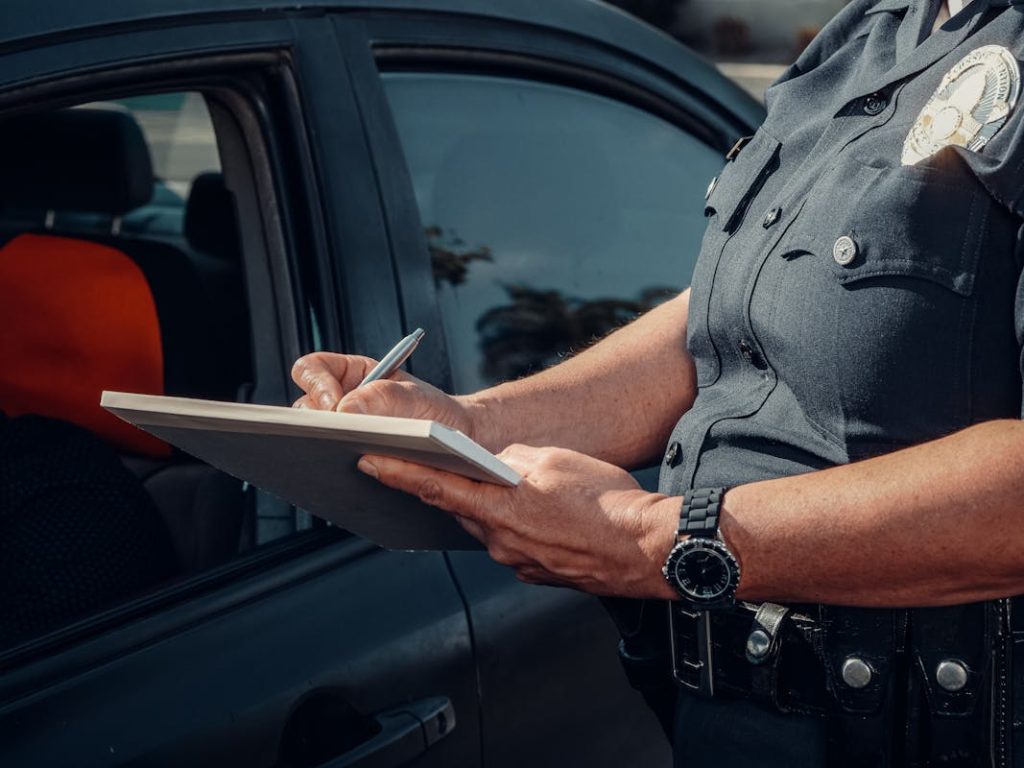
Travelers often assume driving norms remain consistent across the country, yet speed enforcement varies widely by state. Local laws, technology, and enforcement priorities can surprise visitors unfamiliar with regional practices. Automated cameras, strict rural patrols, and aggressive ticketing policies increase citation rates, particularly for out of state drivers. Tourist heavy routes experience heightened monitoring during peak seasons. Eight states where speed enforcement frequently catches tourists off guard. State reflecting documented enforcement approaches, infrastructure, and travel patterns that combine to create unexpected speeding penalties on highways, and small towns during vacations nationwide.
Virginia
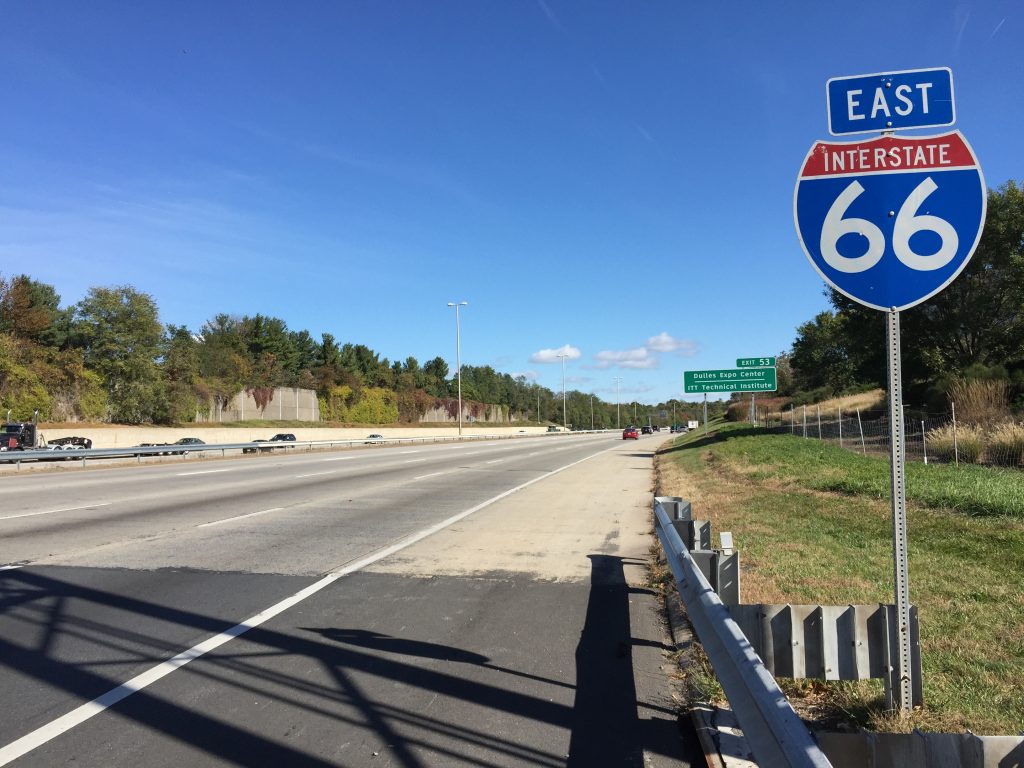
Virginia enforces some of the strictest speeding laws in the country. Speeds exceeding limits by certain margins qualify as a criminal offense rather than a simple citation. Tourists often underestimate this distinction. Heavy patrol presence along interstates and rural highways increases enforcement. Unmarked vehicles and aircraft monitoring contribute to surprise stops. Out of state drivers unfamiliar with Virginia statutes face serious penalties, including court appearances. The state’s proximity to major travel corridors amplifies tourist exposure. Virginia’s enforcement approach prioritizes deterrence through severity, making even moderate speeding a costly mistake for visitors passing through on vacation routes.
Georgia

Georgia catches many tourists off guard through intensive speed enforcement on major travel routes. Interstates connecting Florida attract heavy patrol coverage, especially during holiday seasons. The state employs aggressive ticketing strategies, including pacing and speed detection technology. Rural stretches with sudden speed changes surprise unfamiliar drivers. Georgia law allows significant fines and points accumulation. Local agencies coordinate during peak travel periods to reduce accidents. This focus places tourists at higher risk of citations when driving unfamiliar highways. Georgia’s blend of rural roads, busy corridors, and strict patrol presence creates frequent enforcement encounters for visitors.
New York

New York surprises tourists with extensive automated speed enforcement. Speed cameras operate widely, particularly in urban areas and school zones. Visitors unfamiliar with camera placement receive tickets by mail weeks later. Downstate regions maintain lower speed limits than many expect. Upstate towns enforce limits strictly through local police patrols. Traffic congestion and sudden speed transitions complicate compliance. New York’s emphasis on automated monitoring reduces discretion, catching tourists unaware. The state’s dense population, layered jurisdictions, and reliance on technology combine to create one of the most consistently enforced speed environments for visitors traveling through unfamiliar streets.
Arizona

Arizona’s speed enforcement catches tourists due to vast open highways and sudden enforcement zones. Visitors often assume higher speeds remain acceptable across desert roads. State troopers monitor highways heavily, particularly near national parks and tourist corridors. Photo radar operates in certain municipalities, surprising drivers accustomed to patrol based enforcement. Speed limits change quickly near towns and reservations. Out of state drivers misjudge tolerance levels. Arizona’s emphasis on highway safety leads to consistent ticketing. The contrast between wide open roads and strict enforcement confuses visitors, making Arizona a common location for unexpected citations among vacationers exploring scenic destinations.
Ohio
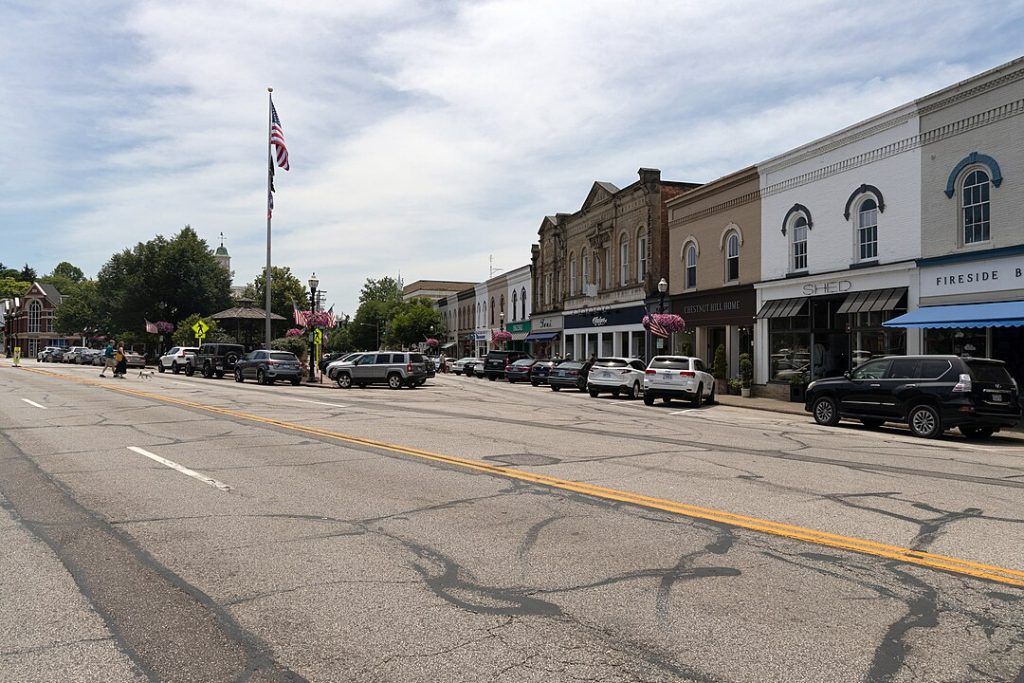
Ohio surprises tourists with frequent speed enforcement along interstates and rural highways. State troopers actively patrol major corridors. Enforcement intensity increases near small towns with sudden speed reductions. Visitors often overlook posted changes after long highway stretches. Ohio permits speed cameras in certain jurisdictions, adding complexity. Rental car drivers unfamiliar with local practices face mailed citations. The state’s flat terrain encourages faster driving, increasing risk. Ohio’s combination of traditional patrols and selective automated enforcement creates conditions where tourists frequently miscalculate compliance, leading to unexpected fines while traveling between cities and regional attractions.
Colorado
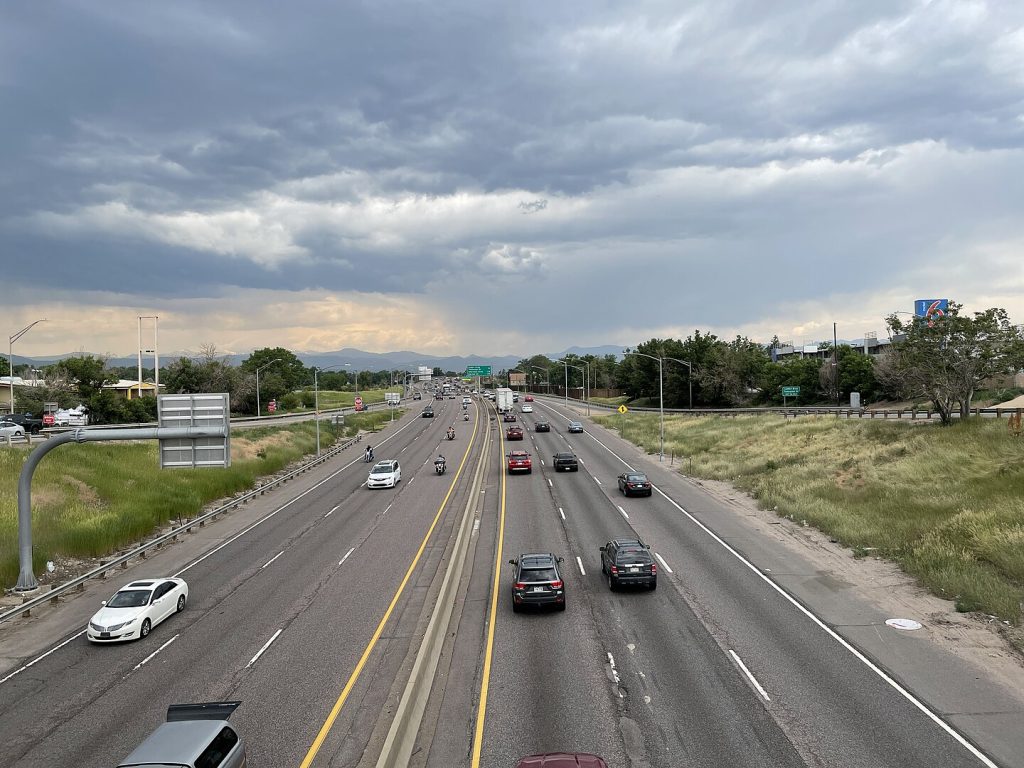
Colorado catches tourists off guard through enforcement shaped by terrain and weather. Mountain highways include frequent speed changes and strict limits near towns. Visitors unfamiliar with elevation effects misjudge stopping distances and speeds. State patrols monitor tourist routes heavily during ski and summer seasons. Speed cameras operate in select municipalities. Weather related enforcement increases during storms. Out of state drivers often underestimate restrictions on downhill grades. Colorado prioritizes accident prevention on challenging roads. The state’s scenic travel routes, combined with vigilant enforcement, result in frequent citations for tourists adjusting to mountain driving conditions.
Florida
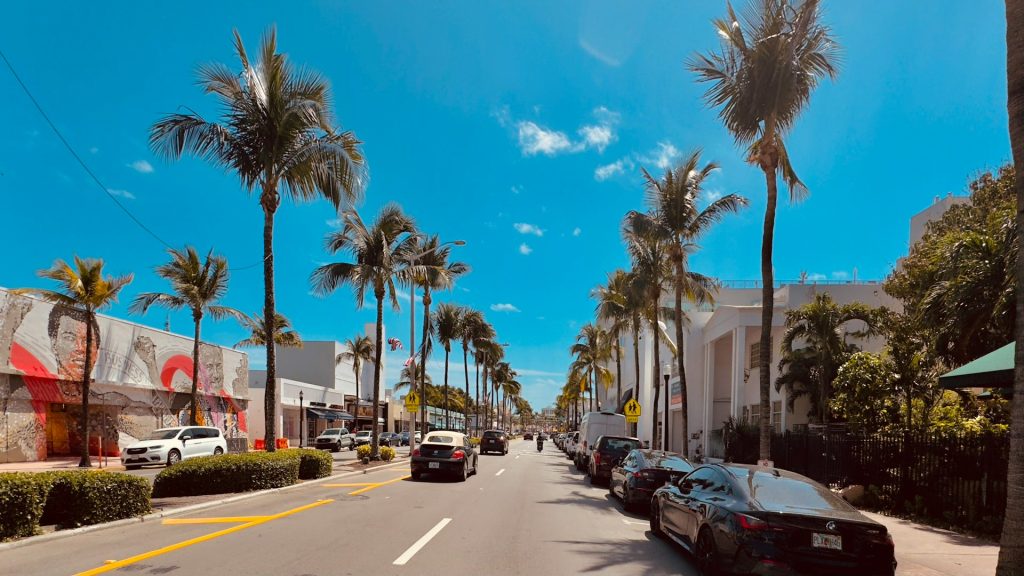
Florida’s speed enforcement surprises tourists due to volume and consistency. Popular vacation routes experience heavy patrol presence year round. Local agencies enforce limits strictly near beaches and attractions. Speed cameras operate in school zones and select municipalities. Visitors often misjudge tolerance levels compared to home states. Rental car plates draw attention during enforcement stops. Sudden speed changes near tourist districts increase citation risk. Florida’s focus on pedestrian safety and congestion management leads to frequent enforcement. The state’s constant tourism flow and layered jurisdictions create an environment where visitors regularly encounter unexpected speeding penalties.
California
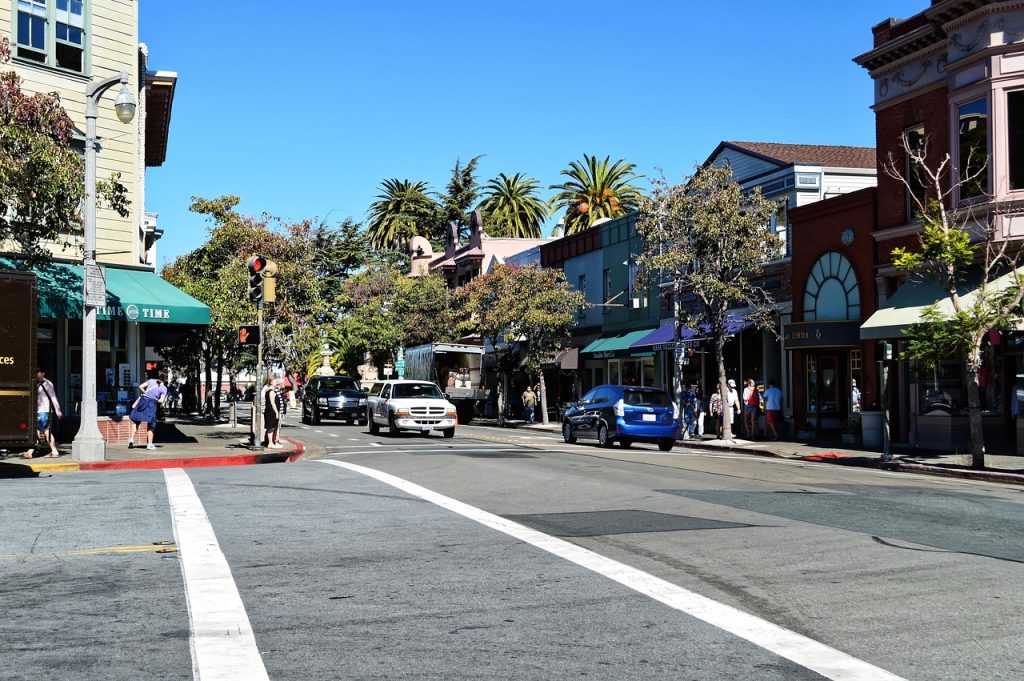
California catches tourists off guard with varied speed enforcement across regions. Urban areas use speed cameras and traffic calming measures. Rural highways receive heavy patrol coverage, especially near national parks. Speed limits shift frequently based on terrain and congestion. Visitors misjudge enforcement consistency between counties. Strict penalties apply in construction zones and coastal corridors. California law allows significant fines for moderate speeding. Rental car drivers unfamiliar with local signage face challenges. The state’s size, traffic diversity, and layered enforcement strategies combine to surprise tourists expecting uniform driving experiences while navigating scenic routes and major metropolitan areas.